आयुर्वेदिक डॉक्टर से प्रश्न पूछें और निःशुल्क या भुगतान मोड में अपनी चिंता की समस्या पर ऑनलाइन परामर्श प्राप्त करें। 2,000 से अधिक अनुभवी डॉक्टर हमारी साइट पर काम करते हैं और आपके प्रश्नों का इंतजार करते हैं और उपयोगकर्ताओं को उनकी स्वास्थ्य समस्याओं को हल करने में प्रतिदिन मदद करते हैं।


Body DetoxEar, Nose, and Throat DisordersGeriatrics & RejuvenationImmunodeficiencyInfertility TreatmentNutritionOrthopedic DisordersPediatricsRespiratory DisordersSexually Transmitted Diseases (STDs)Surgery RecoveryUrological DisordersVascular DisordersDental DisordersEndocrinological DisordersGastrointestinal DisordersYoga TherapyGeneral MedicineAllergic DisordersCardio DisordersGynecology and ObstetricsCosmetologySkin and Hair DisordersEye DisordersInfectious DiseasesMental DisordersNeurological DisordersOncologyPanchakarmaSexual Health & DisordersSports Medicine
पर प्रकाशित 02/14/25
(को अपडेट 08/12/26)
3,212
Brihat Haridra Khanda BenefBrihat Haridra Khanda – Ayurvedic Remedy for Allergic Skin Diseases and Itching

- Brihat Haridra Khanda is a classical Ayurvedic polyherbal formulation primarily used to treat allergic skin diseases, chronic urticaria (Sheetapitta), itching (Kandu), and eczema.
- Rooted in the ancient text Bhaishajya Ratnavali — specifically the Udard Sheeta Pitta Koth Chikitsa Prakaran — this formulation combines the anti-inflammatory power of Haridra (turmeric) with mineral bhasmas and over 20 synergistic herbs to deliver antihistaminic, blood-purifying, and immunomodulatory effects. If you've been struggling with recurring skin allergies that don't respond well to conventional antihistamines, this comprehensive guide covers everything you need to know — from its exact composition and pharmacological mechanisms to dosage, dietary advice, and critical precautions that most sources overlook.
What Is Brihat Haridra Khanda?
Brihat Haridra Khanda (also spelled Vrihat Haridrakhanda) is a granular Ayurvedic preparation classified as a Khanda — a semi-solid herbal-mineral compound processed with sugar (Sharkara) and ghee. The word "Brihat" literally means "large" or "greater," distinguishing this formulation from its simpler counterpart, Laghu Haridra Khanda.
The formulation finds its classical reference in Bhaishajya Ratnavali, one of the most respected compendia of Ayurvedic pharmacology, compiled by Govind Das Sen in the 18th century. It falls under the chapter dedicated to treating urticaria, skin rashes, and allergic dermatitis — conditions that Ayurveda collectively categorizes under Sheetapitta, Udarda, and Kotha.
At its core, Brihat Haridra Khanda works through three primary mechanisms: it pacifies aggravated Pitta and Kapha doshas (which are responsible for inflammatory skin reactions), purifies Rakta Dhatu (blood tissue), and strengthens the body's immune response against allergens.
Brihat Haridra Khanda vs Laghu Haridra Khanda — What's the Difference?
This is a question that surprisingly no major Ayurvedic resource addresses clearly online. Yet it's crucial for practitioners and patients alike.
Laghu (Small) Haridra Khanda contains primarily Haridra (turmeric), sugar, ghee, and milk as its base — with a limited number of supporting herbs. It is a lighter formulation suited for mild allergic conditions, seasonal sneezing, and minor skin rashes.
Brihat (Large) Haridra Khanda is a significantly more complex formula.
It includes everything in the Laghu version plus:
- Mineral bhasmas: Loha Bhasma (iron calx) and Abhrak Bhasma (mica calx), which add hematopoietic and Rasayana (rejuvenative) properties
- Triphala group: Haritaki, Bibhitaki, and Amalaki for enhanced detoxification
- Digestive herbs: Pippali, Maricha, Shunthi (Trikatu) for improved bioavailability
- Aromatic barks and bitter tonics: Tvak (cinnamon), Ela (cardamom), Nagkeshar, Tejpatra for deeper tissue penetration
| Feature | Laghu Haridra Khanda | Brihat Haridra Khanda |
|---|---|---|
| Number of ingredients | 8–12 | 25–30+ |
| Contains Bhasmas | No | Yes (Loha, Abhrak) |
| Severity of conditions treated | Mild allergies, seasonal rhinitis | Chronic urticaria, severe eczema, deep-seated skin diseases |
| Triphala included | Usually no | Yes |
| Trikatu included | Sometimes | Always |
| Classical reference | Various texts | Bhaishajya Ratnavali |
| Duration of treatment | Short-term (2–4 weeks) | Medium to long-term (4–12 weeks) |
In clinical practice, Brihat Haridra Khanda is prescribed when simpler formulations have failed, or when the skin condition is chronic, recurrent, and involves systemic imbalance — not just superficial symptoms.
What Are the Ingredients in Brihat Haridra Khanda?
The complete formula contains over 25 ingredients, organized into functional groups. Below is a detailed composition table based on the classical reference in Bhaishajya Ratnavali and pharmaceutical standards:
Complete Composition Table
| Ingredient Group | Ingredient (Sanskrit) | Botanical / Chemical Name | Part Used | Approx. Qty per 100g |
|---|---|---|---|---|
| Primary Herb | Haridra | Curcuma longa | Rhizome | 10–12 g |
| Base | Sharkara | Cane sugar | — | 40–50 g |
| Lipid media | Ghrita (Ghee) | Clarified butter | — | 10–15 g |
| Liquid media | Godugdha | Cow's milk | — | Used in processing |
| Digestive Group (Trikatu) | Shunthi | Zingiber officinale | Rhizome | 1–2 g |
| Maricha | Piper nigrum | Fruit | 1–2 g | |
| Pippali | Piper longum | Fruit | 1–2 g | |
| Triphala Group | Haritaki | Terminalia chebula | Fruit | 1–2 g |
| Bibhitaki | Terminalia bellirica | Fruit | 1–2 g | |
| Amalaki | Emblica officinalis | Fruit | 1–2 g | |
| Bitter Tonics | Trivrit | Operculina turpethum | Root | 1–2 g |
| Musta | Cyperus rotundus | Rhizome | 1–2 g | |
| Vidanga | Embelia ribes | Fruit | 1–2 g | |
| Aromatic & Bark | Tvak | Cinnamomum zeylanicum | Bark | 0.5–1 g |
| Ela | Elettaria cardamomum | Seed | 0.5–1 g | |
| Tejpatra | Cinnamomum tamala | Leaf | 0.5–1 g | |
| Nagakeshara | Mesua ferrea | Stamen | 0.5–1 g | |
| Mineral Bhasmas | Loha Bhasma | Calx of iron | — | 1–3 g |
| Abhrak Bhasma | Calx of mica | — | 1–2 g |
Role of Key Ingredients — Why This Specific Combination?
Understanding why these particular ingredients are combined reveals the sophisticated pharmacological logic of this formulation:
Haridra (Curcuma longa) — The star ingredient. Curcumin, its active compound, has been extensively studied for anti-inflammatory and antihistaminic effects. A 2016 systematic review published in the Journal of Clinical Immunology confirmed that curcumin modulates multiple inflammatory pathways including NF-κB, COX-2, and TNF-α — the same pathways targeted by modern anti-allergy drugs. Loha Bhasma (Iron calx) — This isn't merely an iron supplement. In Ayurvedic pharmacology, Loha Bhasma acts as a Rasayana for Rakta Dhatu (blood tissue). It improves hemoglobin levels, which is significant becuase chronic skin diseases often coexist with iron-deficiency anemia. A 2012 study in AYU journal demonstrated that Loha Bhasma particles in their nanoparticle form enhance bioavailability and cellular uptake. Abhrak Bhasma (Mica calx) — Functions as a cellular rejuvenator and immunomodulator. Research published in the Journal of Ayurveda and Integrative Medicine (2013) showed that Abhrak Bhasma possesses significant antioxidant properties and enhances phagocytic activity of macrophages — essentially boosting the body's immune surveillance. Trikatu (Shunthi + Maricha + Pippali) — Acts as a bioenhancer. Piperine from Maricha increases curcumin bioavailability by up to 2,000%, according to a landmark study by Shoba et al. (1998) in Planta Medica. Without Trikatu, much of Haridra's benefit would be lost to poor absorption. Triphala — Provides the detoxification backbone. It promotes Anulomana (proper downward movement of toxins) and acts as a mild laxative to eliminate accumulated Ama (metabolic toxins) that contribute to skin diseases. Trivrit (Operculina turpethum) — A classical Virechana (purgative) herb that specifically targets Pitta dosha elimination through the gastrointestinal tract. This is important because Ayurveda considers most allergic skin diseases to be Pitta-predominant conditions.
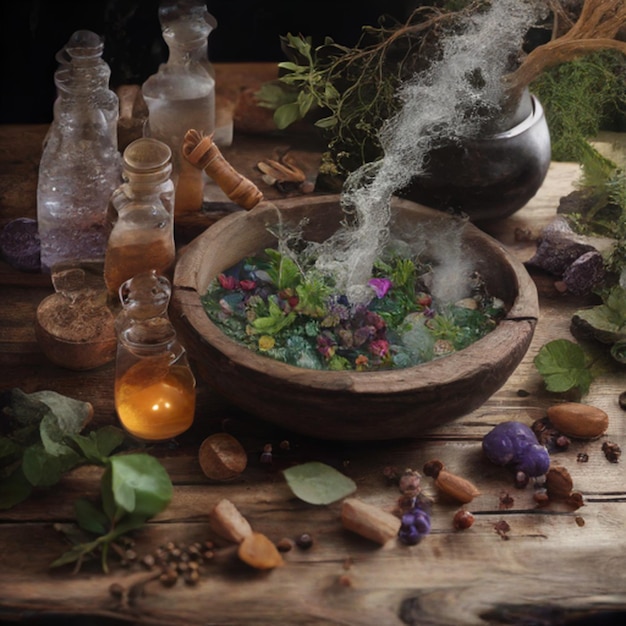
Brihat Haridra Khanda Benefits and Uses
Manages Chronic Urticaria (Sheetapitta)
- Chronic urticaria — characterized by recurring wheals, redness, and intense itching — is the primary indication for Brihat Haridra Khanda.
- The formulation works on multiple levels: Haridra and Triphala reduce the histamine response, Loha Bhasma improves blood quality, and Trikatu enhances overall metabolism. In Ayurvedic terms, urticaria results from Pitta-Kapha vitiation affecting Rakta and Twak (skin), and this formulation addresses both doshas simultaneously.
A clinical observation study conducted at Gujarat Ayurved University (published in AYU, 2014) on Haridra Khanda in Sheetapitta showed statistically significant improvement in itching severity, wheal count, and frequency of episodes over a 30-day treatment period compared to baseline.
Relieves Eczema and Dermatitis
Eczema (Vicharchika in Ayurveda) involves dry, flaky, inflamed skin with intense itching. The ghee base in Brihat Haridra Khanda provides internal oleation that nourishes dry Vata-type skin, while the anti-inflammatory herbs reduce Pitta-driven redness and burning. The bhasmas support deeper tissue repair.
Is Haridrakhand Good for Pigmentation?
Yes, to an extent. Brihat Haridra Khanda has Varnya (complexion-enhancing) properties primarily due to Haridra, Amalaki, and Abhrak Bhasma. Curcumin inhibits melanogenesis by suppressing tyrosinase activity, as demonstrated in a 2019 study published in Phytotherapy Research. However, it's more effective for post-inflammatory hyperpigmentation (dark spots left after eczema or rashes heal) rather than conditions like melasma, which require targeted treatment.
Treats Allergic Rhinitis and Hay Fever
While primarly known as a skin remedy, Brihat Haridra Khanda is equally effective in allergic rhinitis — sneezing, runny nose, nasal congestion triggered by allergens. The antihistaminic action of curcumin combined with the Kapha-reducing properties of Trikatu and Ela makes it a potent formulation for respiratory allergies.
For enhanced results in allergic rhinitis, some practitioners recommend combining Brihat Haridra Khanda with Anu Taila (Dashapaka) — 3 to 5 drops instilled into each nostril (Nasya) — and Chyavanaprasha Ashtavargayukta for chronic sneezing and weakened immunity.
Purifies Blood and Boosts Immunity
The formulation acts as a Raktashodhaka (blood purifier) through its combination of bitter herbs (Haridra, Triphala, Vidanga) and mineral bhasmas. Clean blood directly translates to healthier skin. The immunomodulatory effects of Abhrak Bhasma and the adaptogenic properties of Amalaki work together to strengthen the body's natural defenses against allergens.
Additional Therapeutic Actions (Ayurvedic Karmas)
Based on classical Ayurvedic pharmacology, Brihat Haridra Khanda possesses the following therapeutic actions:
- Deepana — Appetite stimulant
- Pachana — Digestive
- Rochana — Taste enhancer
- Anulomana — Carminative, directs Vata downward
- Amahara — Removes metabolic toxins
- Dahahara — Alleviates burning sensation
- Kasahara — Relieves cough
- Keshya — Improves hair health
- Varnya — Enhances complexion
- Rasayani — Rejuvenative
- Vayasthapana — Anti-aging
- Kanthya — Beneficial for the throat
How to Use Brihat Haridra Khanda — Dosage & Administration
Standard Dosage
| Patient Category | Single Dose | Frequency | Anupana (Vehicle) |
|---|---|---|---|
| Adults | 3–6 g (approximately 1–2 teaspoons) | 2–3 times daily | Warm milk or warm water |
| Children (5–12 years) | 1–3 g (½–1 teaspoon) | 1–2 times daily | Warm milk with honey |
| Elderly | 3 g (1 teaspoon) | 2 times daily | Warm water |
When to take: Ideally 30 minutes before meals, or as directed by your Ayurvedic practitioner. Maintain a gap of at least 30 minutes between this medicine and any allopathic medication.
Can I Take Haridrakhand Daily?
Yes, Brihat Haridra Khanda can be taken daily for the prescribed duration of the treatment course. However, "daily" does not mean "indefinitely." Here is a general guideline for treatment duration, which is something most resources fail to mention:
Recommended Course Duration
- Acute allergic episodes (sudden urticaria, seasonal rhinitis): 2–4 weeks
- Chronic urticaria and recurring eczema: 6–8 weeks, followed by a 2-week break, then reassess
- Deep-seated skin diseases or chronic allergic dermatitis: 8–12 weeks under practitioner supervision
- Maintenance dose for allergy-prone individuals: 3–4 g once daily for 4–6 weeks during allergy season
It's important to not self-medicate beyond 4 weeks without professional guidance, especially because the formulation contains Loha Bhasma and Abhrak Bhasma — mineral preparations that require monitoring during prolonged use.
How to Prepare Brihat Haridra Khanda at Home
While commercially manufactured versions are widely available, traditional practitioners sometimes prepare this formulation fresh.
Here's the classical method:
- 1.Prepare Haridra Churna: Take fine powder of dried turmeric rhizome
- 2.Cook in milk: Boil Haridra powder in cow's milk until the milk is fully absorbed
- 3.Dry and re-powder: Dry the residue and powder it again
- 4.Fry in ghee: Heat ghee in a heavy-bottomed pan, add the Haridra-milk powder, and roast gently
- 5.Add sugar: Mix Sharkara (sugar) and continue stirring on low heat
- 6.Add herb powders: Once the mixture thickens, add powders of Trikatu, Triphala, Trivrit, Tvak, Ela, Tejpatra, Nagkeshara, Musta, and Vidanga
- 7.Add bhasmas: Finally, mix in Loha Bhasma and Abhrak Bhasma while stirring off heat
- 8.Store: Once cooled, store in an airtight glass or ceramic container
> Important: Home preparation of bhasma-containing formulations is not recommended unless you have access to properly prepared, certified bhasmas. Improperly processed bhasmas can contain heavy metals in toxic forms.
Pharmacological Mechanism of Action — How Does It Actually Work?
This is one area where existing resources provide almost no information. Here's what modern pharmacology tells us about the synergistic mechanisms at play:
Anti-Allergic & Antihistaminic Pathway
Curcumin from Haridra inhibits mast cell degranulation — the process by which immune cells release histamine and other inflammatory mediators. A 2008 study in Molecular Nutrition & Food Research demonstrated that curcumin stabilizes mast cell membranes in a dose-dependent manner, reducing histamine release by up to 52% in experimental models.
Anti-Inflammatory Cascade
Multiple ingredients work on overlapping inflammatory pathways:
- Curcumin suppresses NF-κB and COX-2 (similar mechanism to ibuprofen, but without gastric side effects)
- Piperine (from Maricha) inhibits prostaglandin synthesis
- Gallic acid and ellagic acid (from Triphala) scavenge free radicals and reduce oxidative stress in skin tissues
Hematopoietic & Tissue Repair
Loha Bhasma provides bioavailable iron in nanoparticle form, supporting hemoglobin synthesis and oxygen delivery to damaged skin tissues. This accelerates wound healing and reduces the pallor often seen in patients with chronic skin diseases. Abhrak Bhasma enhances cellular regeneration by improving mitochondrial function — a finding supported by preliminary research at Banaras Hindu University (2015) showing increased ATP production in cells treated with processed Abhrak Bhasma.
Bioavailability Enhancement
The Trikatu complex, particularly piperine, inhibits hepatic and intestinal glucuronidation of curcumin — essentially preventing the liver from deactivating curcumin too quickly. This explains why Brihat Haridra Khanda is clinically more effective than taking turmeric supplements alone.
स्वयं दवा न लें और प्रतीक्षा न करें। अभी डॉक्टर से चैट शुरू करें
Side Effects and Precautions
Potential Side Effects
When taken in recommended doses under professional guidance, Brihat Haridra Khanda is generally considered safe.
However, possible side effects include:
- Gastric irritation in individuals with sensitive stomachs (due to Trikatu)
- Mild laxative effect due to Trivrit and Triphala — can cause loose stools initially
- Hyperacidity if taken on an empty stomach in Pitta-predominant individuals
- Elevated blood sugar — the formulation contains significant amounts of Sharkara (sugar)
Critical Contraindications
This section addresses a major gap in existing literature. No competitor website provides a comprehensive list of contraindications:
| Condition | Risk Level | Explanation |
|---|---|---|
| Diabetes mellitus | High | Contains 40–50% Sharkara (sugar); can spike blood glucose levels significantly |
| Pregnancy | Moderate–High | Trivrit is a known Garbhashaya Sankochaka (uterine stimulant); Loha and Abhrak Bhasma safety not established in pregnancy |
| Lactation | Moderate | Bhasma components may pass into breast milk; use only under strict medical supervision |
| Children under 5 | Moderate | Bhasma dosage calibration is difficult; not recommended without pediatric Ayurvedic consultation |
| Chronic kidney disease | High | Mineral bhasmas require renal clearance; impaired kidneys may accumulate iron and mica |
| Hepatic disorders | Moderate | Liver is the primary site of Pitta metabolism; compromised liver function may affect bhasma processing |
| Concurrent use of anticoagulants | Moderate | Haridra has mild blood-thinning properties; may potentiate warfarin or aspirin |
| Iron overload conditions (hemochromatosis) | High | Loha Bhasma adds to iron burden |
Storage and Handling
- Store in a cool, dry place away from direct sunlight
- Keep in an airtight container, preferably glass
- Avoid exposure to strong odors such as camphor, coffee, onion, or mint near homeopathic-Ayurvedic medicine storage
- Shelf life: typically 2–3 years from manufacturing (check individual product labels)
Dietary Recommendations During Treatment
Diet plays a critical role in the effectiveness of Brihat Haridra Khanda. Ayurveda emphasizes Pathya (favorable diet) and Apathya (unfavorable diet) during treatment:
Foods to Favor (Pathya)
- Old rice (Purana Shali) — easier to digest, doesn't aggravate Kapha
- Bitter gourd (Karela) — supports blood purification
- Pomegranate — balances Pitta and improves digestion
- Green gram (Moong dal) — light and Tridosha-balancing
- Warm water and herbal teas — aids detoxification
- Honey (in moderation) — enhances drug absorption and reduces Kapha
Foods to Avoid (Apathya)
- Jaggery and excessive sweets — aggravates Kapha and skin conditions
- Fish, shellfish, and heavy meats — can trigger allergic reactions and increase Pitta
- Alcohol — directly vitiates Rakta (blood) and Pitta
- Sour and fermented foods — pickles, vinegar, yogurt at night
- Cold water and cold baths — suppresses Agni (digestive fire) and worsens Sheetapitta
- Heavy, fried, and oily foods — increases Ama (toxins)
- Daytime sleeping — aggravates Kapha according to Ayurvedic principles
- Excessive sun exposure — can worsen Pitta-type skin conditions
Haridra Khanda for Cold and Respiratory Allergies
While this article focuses on skin diseases, it's worth noting that Brihat Haridra Khanda has significant application in managing cold and respiratory allergies. The combination of Haridra (anti-inflammatory), Trikatu (decongestant and Kapha-reducing), and Ela (bronchodilator) makes it effective for:
- Allergic rhinitis with sneezing and watery nasal discharge
- Recurrent common cold in allergy-prone individuals
- Post-nasal drip with throat irritation
- Seasonal hay fever
For respiratory conditions specifically, the formulation is best taken with warm water or warm milk mixed with a pinch of Sitopaladi Churna for enhanced results.
Frequently Asked Questions (FAQ)
What is Haridra Khanda used for?
Brihat Haridra Khanda is primarily used for managing allergic skin diseases including chronic urticaria (hives), eczema, contact dermatitis, and pruritus (itching). It is also effective in allergic rhinitis, hay fever, and skin conditions associated with blood impurities. Its anti-allergic, antihistaminic, and blood-purifying properties make it one of the most versatile Ayurvedic formulations for allergy-related conditions.
Can I take Haridrakhand daily?
Yes, you can take Brihat Haridra Khanda daily as part of a prescribed treatment course. However, continuous use beyond 8–12 weeks should be monitored by an Ayurvedic practitioner, particularly because of the bhasma (mineral) components in the formulation. For seasonal allergy prevention, it can be taken daily for 4–6 weeks during peak allergy season.
How long does Brihat Haridra Khanda take to show results?
Most patients report noticeable improvement in itching and rash frequency within 7–14 days of regular use. However, for chronic conditions like long-standing eczema or recurrent urticaria, significant and sustained improvement typically requires 4–8 weeks of consistent use along with dietary modifications.
Is Brihat Haridra Khanda safe for diabetic patients?
- This is a critical concern. Brihat Haridra Khanda contains approximately 40–50% Sharkara (sugar) as its base. Diabetic patients should either avoid this formulation or use it only under strict medical supervision with blood sugar monitoring.
- Some manufacturers produce sugar-free variants — consult your practitioner about alternatives if you have diabetes.
Can Brihat Haridra Khanda be taken with allopathic medicines?
Generally, yes — but maintain a gap of at least 30 minutes between Brihat Haridra Khanda and any allopathic medication. Specific caution is needed if you're on blood thinners (warfarin, aspirin), iron supplements (risk of iron overload), or immunosuppressants. Always inform both your Ayurvedic and allopathic doctors about all medicines you are taking.
What is the difference between Haridra Khanda and Haridrakhanda?
These are the same formulation — the difference is purely in transliteration from Sanskrit. "Haridra Khanda," "Haridrakhanda," and "Haridrakhand" all refer to the same preparation. The critical distinction to look for is "Brihat" (greater/larger formula) versus "Laghu" (smaller/simpler formula).
Conclusion — Is Brihat Haridra Khanda Right for You?
- Brihat Haridra Khanda stands as one of Ayurveda's most well-designed formulations for allergic and inflammatory skin diseases.
- Its multi-target approach — combining antihistaminic turmeric, bioavailability-enhancing Trikatu, detoxifying Triphala, and tissue-repairing mineral bhasmas — makes it far more comprehensive than any single-ingredient supplement.
However, it's not a one-size-fits-all remedy. The presence of sugar and mineral bhasmas means it requires careful consideration for diabetic patients, pregnant women, and individuals with kidney or liver conditions. Always consult a qualified Ayurvedic practitioner who can assess your Prakriti (constitution), Vikriti (current imbalance), and overall health status before starting this formulation.
If you're dealing with chronic urticaria, persistent eczema, or allergic rhinitis that keeps coming back despite conventional treatment — Brihat Haridra Khanda, combined with proper diet and lifestyle modifications, may offer the lasting relief you've been looking for. Consult an experienced Ayurvedic doctor today to determine the right dosage and duration for your specific condition.
Disclaimer: This article is for informational purposes only and does not constitute medical advice. Always consult a qualified Ayurvedic practitioner or healthcare provider before starting any new medication or supplement.
Scientific Sources
- A Canadian Consensus on Androgenetic Alopecia: Approach and Management — Landells I et al., 2025, Journal of cutaneous medicine and surgery
- Traditional uses, bioactive composition, pharmacology, and toxicology of Phyllanthus emblica fruits: A comprehensive review — Saini R et al., 2022, Journal of ethnopharmacology
- Herbal Remedies for Hair Loss: A Review of Efficacy and Safety — Ahmed A et al., 2025, Skin appendage disorders
- Therapeutic potential of Phyllanthus emblica (amla): the ayurvedic wonder — Krishnaveni M et al., 2010, Journal of basic and clinical physiology and pharmacology
- Phytotherapy in periodontics as an effective and sustainable supplemental treatment: a narrative review — Gawish AS et al., 2024, Journal of periodontal & implant science
- Bangladeshi medicinal plant dataset — Borkatulla B et al., 2023, Data in brief
- Extraction, phytochemical characterization and anti-cancer mechanism of Haritaki churna: An ayurvedic formulation — Khan MRUZ et al., 2023, PloS one
- Unique aspect of Tibetan medicine — Dakpa T, 2014, Acupuncture & electro-therapeutics research
- The Ayurvedic medicines Haritaki, Amala and Bahira reduce cholesterol-induced atherosclerosis in rabbits — Thakur CP et al., 1988, International journal of cardiology
- Triphala's characteristics and potential therapeutic uses in modern health — Bairwa VK et al., 2025, International journal of physiology, pathophysiology and pharmacology
- Therapeutic Uses of Triphala in Ayurvedic Medicine — Peterson CT et al., 2017, Journal of alternative and complementary medicine (New York, N.Y.)
- Evaluation of the anti-hyperlipidemic effects of Triphala in high fat diet fed rats: Studies with two combinations — Rana S et al., 2022, Ayu
- Scientific validation of the ethnomedicinal properties of the Ayurvedic drug Triphala: a review — Baliga MS et al., 2012, Chinese journal of integrative medicine
- Effect of Triphala on dextran sulphate sodium-induced colitis in rats — Rayudu V et al., 2014, Ayu
उपयोगकर्ताओं के प्रश्न
How does Triphala improve digestive health and detoxification?
Client_4539f8
27 दिनों पहले
Triphala, which is a blend of three fruits—Amalaki, Bibhitaki, and Haritaki—is known to improve digestive health by promoting bowel regularity and acting as a gentle laxative. It enhances the digestive process by supporting nutrient absorption and balancing intestinal flora. For detoxification, Triphala aids in the elimination of metabolic waste or Ama, thereby reducing toxic build-up in the body. Most individuals notice improvements in digestion within a few weeks; however, if symptoms like persistent digestive issues or discomfort arise, consulting a healthcare provider is advisable.
How does Brihat Haridra Khanda enhance nutrient absorption in the body?
Client_296385
37 दिनों पहले
Brihat Haridra Khanda enhances nutrient absorption primarily through its inclusion of Trikatu, a combination of black pepper, long pepper, and ginger, which increases the bioavailability of other ingredients. Without Trikatu, many benefits of turmeric, the main ingredient, would be poorly absorbed. This Ayurvedic formulation is designed for allergic and inflammatory skin conditions, leveraging multiple components for comprehensive benefits. While it can aid nutrient absorption, dosage and compatibility depend on individual health conditions, so consult a healthcare provider for personalized advice.
What are the benefits of using Brihat Haridra Khanda for allergy relief?
Client_4d8e28
46 दिनों पहले
Brihat Haridra Khanda is primarily used in Ayurveda for allergy relief, targeting conditions like allergic skin diseases, chronic urticaria, and eczema. The key active ingredient, curcumin from turmeric, has anti-inflammatory and antihistaminic properties that may help reduce symptoms like itching and swelling. Results can vary, but some people notice improvements within a few weeks, while others may take longer. If you have persistent allergy symptoms, it's advisable to consult a healthcare provider, particularly an Ayurvedic specialist, to determine appropriate dosage and duration. Watch for high sugar content if managing blood sugar levels is a concern.
What dietary changes should I make while using Brihat Haridra Khanda?
Client_3cc513
56 दिनों पहले
When using Brihat Haridra Khanda, focus on dietary changes that support its anti-inflammatory and detoxifying effects. Emphasize fresh fruits and vegetables, and avoid spicy, fried, and processed foods that can exacerbate pitta-related issues targeted by the product. Drink plenty of water to aid in detoxification and maintain adequate hydration. Consult your doctor if you're taking other medications to avoid potential interactions, and always consult a healthcare provider to tailor dietary advice to your specific health needs and conditions.
Can I take Abhrak Bhasma if I have diabetes, and what precautions should I follow?
Client_72bcad
66 दिनों पहले
You can take Abhrak Bhasma with diabetes, but do so carefully. It's best to consult an Ayurvedic doctor and monitor your blood sugar levels closely. Some variants are sugar-free, so talk with your practioner about those options too. Always balance this with a proper Ayurvedic diet and lifestyle to support your dosha.
What is the role of Abhrak Bhasma in Brihat Haridra Khanda and how does it benefit the skin?
Client_06bd6a
75 दिनों पहले
Abhrak Bhasma in Brihat Haridra Khanda help balances the doshas and improve skin health. It's known for its rejuvenating properties, supporting deeper tissue repair and enhancing overall complexion. It's more helpful for post-inflammatory hyperpigmentation, like from eczema scars, rather than other skin issues like melasma.
What is the best way to store Brihat Haridra Khanda to maintain its effectiveness?
Client_c6a0d1
84 दिनों पहले
To store Brihat Haridra Khanda effectively, keep it in a cool, dry place away from direct sunlight. Make sure it's sealed tight, to protect it from moisture and keep its potency. A glass or airtight container works well. Just avoid any damp or very hot areas; those can reduce its effectiveness over time.
What should I know about the detoxifying effects of Triphala and its benefits for skin health?
Client_87f850
93 दिनों पहले
Triphala is great for detoxifying! It helps flush out toxins from the bloodstream and skin tissues, promoting healthier skin by reducing inflammation and fighting infections. Its antimicrobial properties also helps protect against infections. However, it's always wise to check with an Ayurvedic doc for a treatment that suits you personally!
Can Brihat Haridra Khanda help with skin infections and how does it work?
Client_639a3d
102 दिनों पहले
Yep, Brihat Haridra Khanda can help with skin infections. It contains Haridra (turmeric) which has anti-inflammatory and antiseptic properties. It works by balancing doshas and boosting the body's natural healing. Just remember, it might take some weeks to see results, and combining it with other Ayurvedic treatments can be beneficial too!
Is it safe to use Brihat Haridra Khanda on sensitive skin?
Client_614486
112 दिनों पहले
Using Brihat Haridra Khanda on sensitive skin can be generally safe, but it's always a good idea to be cautious! Everyone's skin reacts differently. You might want to do a patch test first or consult with an ayurvedic practitioner to see if it suits your skin type. They can help identify if it's okay for your dosha and current condition.
संबंधित आलेख

Skin and Hair Disorders
निंबादी कषायम के फायदे, खुराक, साइड इफेक्ट्स और सामग्री
निंबादी कashayam के फायदे, खुराक, साइड इफेक्ट्स और सामग्री की खोज
2,849

Skin and Hair Disorders
How to Treat Dry Skin on Face at Home with Ayurvedic Remedies
Learn how to treat dry skin on the face using natural home remedies and Ayurvedic solutions. Discover oils, masks, and creams to restore moisture and glow
4,254

Skin and Hair Disorders
एलादी थैलम के फायदे, उपयोग कैसे करें, सामग्री, संदर्भ
एलादी थैलम के फायदे, उपयोग कैसे करें, सामग्री, संदर्भ की खोज
3,219

Skin and Hair Disorders
How to Use Navara Rice for Skin Whitening and Glow
How to use navara rice for skin whitening? Discover navara rice benefits, how to apply navara rice powder for skin, and its natural glow-enhancing properties
8,866

Skin and Hair Disorders
निम्बराजन्यादी टैबलेट्स
निम्बराजन्यादी टैबलेट्स की खोज
2,362

Skin and Hair Disorders
Ayurveda for Seborrheic Dermatitis: A Holistic Approach
Explore Ayurveda for seborrheic dermatitis, backed by research. Discover Ayurvedic remedies, practical tips, and expert insights to manage symptoms.
7,717

Skin and Hair Disorders
Which Oil Is Best for Hair Growth and Thickness?
Looking for the best oil for hair growth and thickness? Discover Ayurvedic oils like castor, rosemary, almond, and more to boost hair strength and scalp health
5,515
Skin and Hair Disorders
Tankan Bhasma for Fungal Infection – Benefits, Uses, and Ayurvedic Treatment
Discover the benefits of Tankan Bhasma in Ayurvedic treatment for fungal infections. Learn how this powerful remedy works to fight infections, improve skin health, and restore balance.
7,110
Skin and Hair Disorders
Valiya Madhusnuhi Rasayanam – Traditional Ayurvedic Rejuvenation Therapy for Enhanced Vitality
Discover Valiya Madhusnuhi Rasayanam, a classical Ayurvedic rejuvenation therapy. Learn about its ingredients, benefits, usage, and how it promotes holistic health and longevity naturally.
3,087

Skin and Hair Disorders
How to Prevent Hair Whitening?
Learn how to prevent hair whitening naturally with Ayurvedic tips. Discover causes, white hair treatments, and effective solutions for early greying problems
2,972
विषय से संबंधित परामर्श
अतिरिक्त दस्तावेज़
© 2024 Ask Ayurveda. सर्वाधिकार सुरक्षित।