How to Lubricate Joints Naturally and Improve Flexibility

Joint stiffness and discomfort are common problems, especially as we age or after intense physical activity. Many people wonder how to lubricate joints naturally or how to increase synovial fluid, the key lubricant in our joints that keeps movement smooth and pain-free. If you’ve ever asked yourself, “how can I lubricate my knee joints?” or “what are the best ways to improve joint lubrication without resorting to meds?” — this article is for you.
Understanding how to increase synovial fluid naturally and keep your joints well-lubricated is essential not just for athletes, but for anyone looking to maintain mobility and reduce stiffness. We’ll explore practical tips, natural remedies, and supplements that help your joints glide like they should, especially focusing on knee joints, where lubrication is often most needed.
By the end, you’ll know actionable ways to lubricate stiff joints and keep your knees and other joints healthy, flexible, and ready for whatever life throws your way.
What Causes Joint Stiffness and Low Synovial Fluid?
Joint stiffness often happens due to a decrease in the quality or quantity of synovial fluid—the slippery liquid inside your joints that acts like a natural grease. When this fluid diminishes, the cartilage lining your joints may suffer increased friction, leading to pain and restricted movement. Aging, injury, inflammation, and lack of movement are common culprits that reduce synovial fluid levels.
How to Increase Synovial Fluid and Protect Joint Health
The good news? You can stimulate your body to produce more synovial fluid through simple lifestyle changes. Staying hydrated is key—water helps maintain the consistency of the fluid. Regular, gentle exercise encourages circulation around your joints, which promotes synovial fluid production and distribution. Exercises like swimming, cycling, or yoga are excellent options to keep joints moving without causing stress.
Diet also plays a role. Foods rich in omega-3 fatty acids (like salmon and flaxseeds) and antioxidants (like berries and leafy greens) can reduce inflammation and support healthy joint tissue. Avoiding excessive sugar and processed foods helps prevent chronic inflammation, which can accelerate joint degeneration.
Why Synovial Fluid Is Important for Knee Lubrication
The knee joint is one of the most complex and heavily used joints in the body. It relies on synovial fluid to reduce friction between the femur, tibia, and patella (knee cap). When synovial fluid levels drop, you may notice stiffness, grinding sensations, or pain, especially after periods of inactivity or strenuous exercise. Learning how to lubricate knee joints naturally is critical for preventing long-term damage and improving your overall joint health.

How to Increase Synovial Fluid in Knee Naturally
If you’re specifically wondering how to increase synovial fluid in knee naturally, there are several effective strategies to try. Besides hydration and exercise, certain nutrients and supplements can help your body produce and maintain healthy synovial fluid.
Foods rich in collagen, like bone broth, support cartilage repair and can indirectly improve joint lubrication. Collagen is a major component of cartilage and connective tissues, so including it in your diet encourages stronger joints.
Massage therapy and gentle stretching also help increase blood flow to your knees, stimulating the synovial membrane (the lining that produces the fluid) to work better. This is a natural way to lubricate stiff joints without medication or invasive treatments.
How to Lubricate Stiff Joints Without Medication
Many people ask, “how to lubricate stiff joints” without turning to drugs or invasive procedures. The key lies in combining consistent movement with natural remedies that nourish your joints from within.
Regular low-impact exercise is the cornerstone of joint lubrication. When you move, synovial fluid circulates through the joint, delivering nutrients and removing waste. Even simple activities like walking or gentle stretching can make a big difference. Avoid sitting for prolonged periods, as inactivity can cause fluid to thicken and joints to stiffen.
Hydration is another crucial factor. Drinking enough water daily keeps synovial fluid at the right consistency, allowing it to work effectively. Some experts suggest that drinking herbal teas—especially those with anti-inflammatory properties—can provide extra benefits for joint health.
Herbs for Joint Lubrication and Ayurvedic Remedies
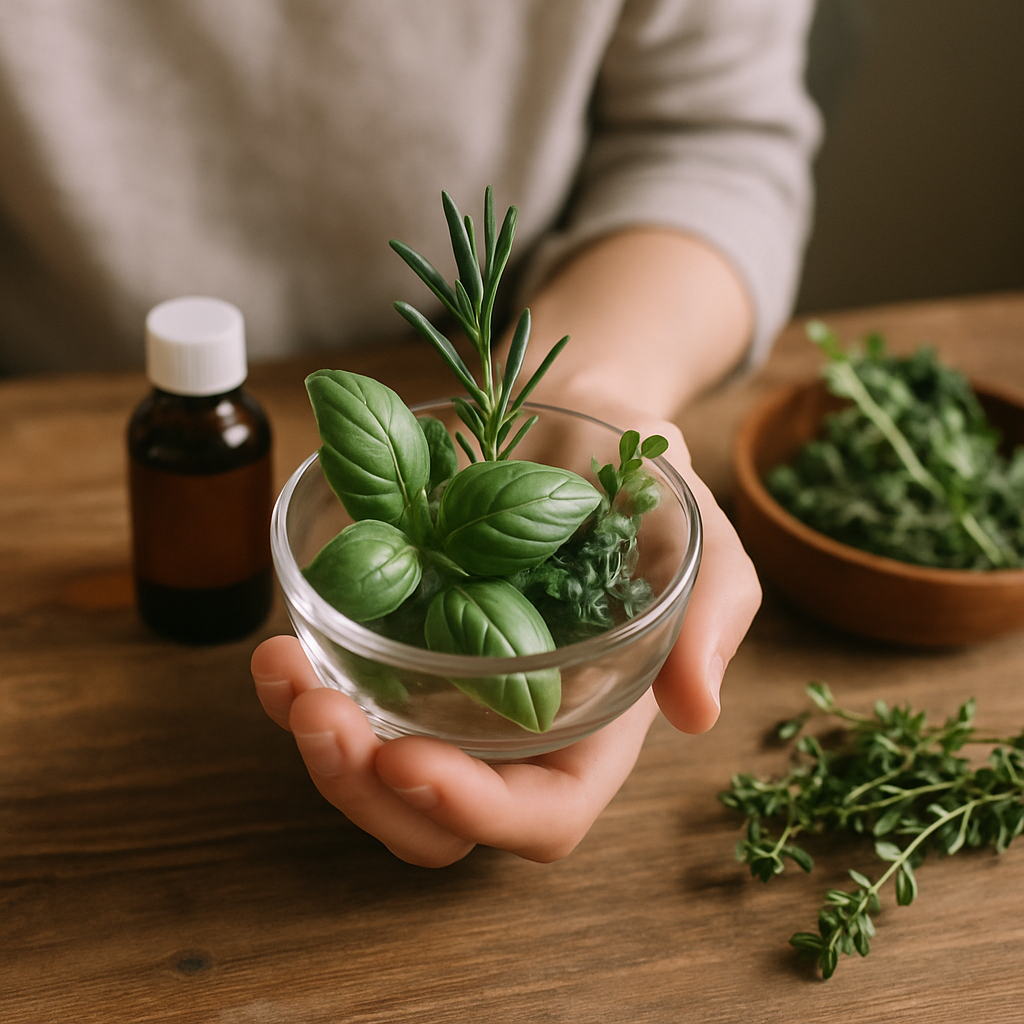
Nature has provided us with a rich pantry of herbs for joint lubrication that have been used for centuries in traditional medicine. Ayurvedic practitioners, for example, have long relied on specific plants to ease joint pain and improve flexibility.
Natural Ways to Increase Joint Lubrication
Many herbs contain compounds that help reduce inflammation, stimulate synovial fluid production, or protect cartilage. Turmeric, with its active ingredient curcumin, is a powerful anti-inflammatory that helps reduce joint swelling and pain. Ginger is another popular herb known to ease stiffness and improve mobility.
Other herbal remedies include boswellia (also called Indian frankincense), which helps reduce cartilage degradation, and nettle leaf, which may have pain-relieving properties.
Applying warm compresses infused with essential oils like eucalyptus or peppermint can also stimulate blood flow around the joints, indirectly supporting lubrication.
Best Ayurvedic Herbs to Lubricate Knee Joints
For those specifically focused on knee health, Ayurvedic medicine suggests herbs like ashwagandha, guggul, and shatavari. These herbs not only reduce inflammation but also help strengthen the connective tissues surrounding the knee.
Ashwagandha is renowned for its ability to calm inflammation and support tissue repair. Guggul resin contains anti-inflammatory compounds that have shown promise in easing joint pain and improving function. Shatavari is considered a rejuvenating herb that supports joint flexibility and hydration.
Incorporating these herbs into your diet or as supplements may provide a natural boost to your joint lubrication, but it’s important to consult a healthcare provider before starting any new herbal regimen, especially if you’re on medication.
Best Joint Lubrication Supplement Options
While natural foods and herbs offer great benefits, sometimes your body may need an extra boost to maintain optimal joint lubrication. This is where the best joint lubrication supplement options come into play.
Supplements containing hyaluronic acid are often recommended because this compound is a major component of synovial fluid. Taking hyaluronic acid supplements can help improve the viscosity of the fluid, making it more effective at reducing friction and cushioning your joints.
Glucosamine and chondroitin sulfate are other popular supplements that support cartilage health and stimulate synovial fluid production. Many users report reduced joint pain and increased flexibility after consistent use. Collagen peptides supplements also help by providing the building blocks for cartilage repair and joint lubrication.
Omega-3 fatty acids from fish oil supplements are renowned for their anti-inflammatory properties. By reducing inflammation around joints, omega-3s indirectly help maintain better lubrication and mobility.
When choosing supplements, look for reputable brands with good reviews, and always talk to a healthcare professional before beginning any new regimen.
Conclusion
Maintaining well-lubricated joints is essential for preserving flexibility, preventing stiffness, and enjoying pain-free movement throughout life. By understanding how to lubricate joints naturally and how to increase synovial fluid — especially in vulnerable areas like the knees — you can take control of your joint health without relying solely on medications.
Incorporate hydration, gentle exercise, and a diet rich in anti-inflammatory foods and herbs to support your joints from the inside out. Consider adding targeted supplements like hyaluronic acid or collagen for an extra layer of protection. Remember, small changes and consistency are key.
Your joints work hard for you every day. Returning the favor with natural lubrication techniques will help keep you moving comfortably for years to come. So why wait? Start exploring these natural methods today and share this knowledge with your friends and family who might benefit too!
FAQs
What is the best way to lubricate stiff joints naturally?
Staying hydrated, engaging in low-impact exercise, and consuming anti-inflammatory foods and herbs are the best natural ways. Supplements like hyaluronic acid or collagen can provide additional support.
How can I lubricate my knee joints at home?
Regular movement, gentle stretching, staying hydrated, and using warming massages or compresses can help lubricate knee joints naturally. Including herbs such as turmeric and ginger in your diet also supports joint health.
How do herbs help increase synovial fluid?
Certain herbs reduce inflammation, stimulate blood circulation, and promote tissue repair, which helps the synovial membrane produce more lubricating fluid. Herbs like turmeric, boswellia, and ashwagandha are particularly effective.
आयुर्वेदिक डॉक्टर से एक प्रश्न पूछें और मुफ़्त या सशुल्क मोड में अपनी चिंता की समस्या पर ऑनलाइन परामर्श प्राप्त करें।
2,000 से अधिक अनुभवी डॉक्टर हमारी साइट पर काम करते हैं और आपके प्रश्नों की प्रतीक्षा करते हैं और प्रतिदिन उपयोगकर्ताओं को उनकी स्वास्थ्य समस्याओं को हल करने में मदद करते हैं।
संबंधित आलेख