आयुर्वेदिक डॉक्टर से प्रश्न पूछें और निःशुल्क या भुगतान मोड में अपनी चिंता की समस्या पर ऑनलाइन परामर्श प्राप्त करें। 2,000 से अधिक अनुभवी डॉक्टर हमारी साइट पर काम करते हैं और आपके प्रश्नों का इंतजार करते हैं और उपयोगकर्ताओं को उनकी स्वास्थ्य समस्याओं को हल करने में प्रतिदिन मदद करते हैं।


Body DetoxEar, Nose, and Throat DisordersGeriatrics & RejuvenationImmunodeficiencyInfertility TreatmentNutritionOrthopedic DisordersPediatricsRespiratory DisordersSexually Transmitted Diseases (STDs)Surgery RecoveryUrological DisordersVascular DisordersDental DisordersEndocrinological DisordersGastrointestinal DisordersYoga TherapyGeneral MedicineAllergic DisordersCardio DisordersGynecology and ObstetricsCosmetologySkin and Hair DisordersEye DisordersInfectious DiseasesMental DisordersNeurological DisordersOncologyPanchakarmaSexual Health & DisordersSports Medicine
पर प्रकाशित 11/12/24
(को अपडेट 08/12/26)
star_border 5
8,216
Triphala: The Complete Guide to Ayurveda's Most Powerful Herbal Formula
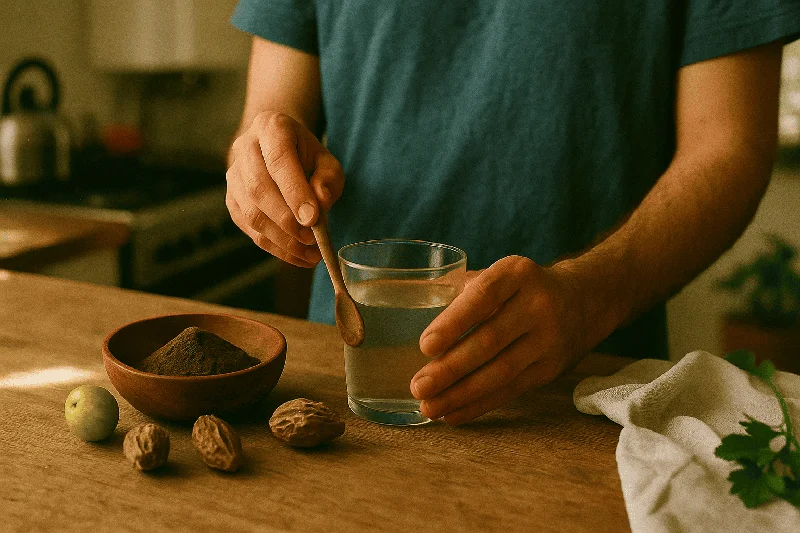
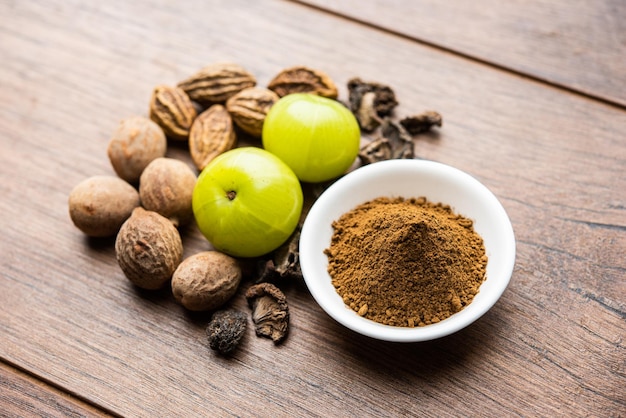
Triphala is a traditional Ayurvedic herbal formulation made by combining three dried fruits — Amalaki (Emblica officinalis), Bibhitaki (Terminalia bellerica), and Haritaki (Terminalia chebula) — in equal proportions. Used for over 1,000 years across India as a cornerstone of Ayurvedic medicine, triphala is classified as a rasayana (rejuvenative tonic) believed to promote longevity, improve digestion, detoxify the body, and balance all three doshas — Vata, Pitta, and Kapha. Referenced extensively in ancient texts like the Charaka Samhita and Sushruta Samhita, it remains one of the most widely researched and consumed polyherbal preparations in the world today.
But here's the thing — most articles you'll find online either rehash the same surface-level Ayurvedic claims or cite only in vitro studies without mentioning what the actual clinical evidence in humans looks like. This guide goes deeper. We'll break down the science, the traditional wisdom, the practical how-to, and the gaps nobody else is talking about.
What Is Triphala? Understanding the Three-Fruit Formula
- The name "triphala" comes from Sanskrit: tri meaning three and phala meaning fruit.
- It's deceptively simple — just three fruits ground into powder and mixed together. Yet this simplicity is exactly what makes it so elegant in Ayurvedic pharmacology.
The Three Ingredients of Triphala
Each fruit in the triphala formula brings distinct therapeutic properties. Together, they create what Ayurvedic practitioners describe as a synergistic effect far greater than any single component alone.
| Component | Latin Name | Common Name | Primary Dosha Affinity | Key Active Compounds |
|---|---|---|---|---|
| Amalaki | Emblica officinalis | Indian Gooseberry (Amla) | Pitta | Vitamin C, ellagic acid, gallic acid |
| Bibhitaki | Terminalia bellerica | Belleric Myrobalan | Kapha | Tannins, ellagic acid, gallic acid, lignans |
| Haritaki | Terminalia chebula | Chebulic Myrobalan | Vata | Chebulagic acid, chebulinic acid, anthraquinones |

Amalaki is one of the richest natural sources of vitamin C — some analyses show up to 720 mg per 100g of fresh fruit. It also delivers potent polyphenols and is considered the primary antioxidant driver in the formula. Bibhitaki is known in Ayurveda as the fruit that "removes disease." A 2016 clinical study found that 500 mg of Terminalia bellerica extract significantly reduced serum uric acid levels in gout patients, making it particularly interesting for metabolic health. Haritaki is often called the "King of Medicines" in Tibetan Buddhism. Its strong prokinetic and mild laxative properties drive much of triphala's well-known digestive benefits.
Why the Combination Matters More Than Individual Fruits
This is something most articles skip entirely. Why not just take amla for vitamin C and call it a day?
The answer lies in synergy. When combined, the polyphenols from all three fruits undergo interactions that enhance bioavailability. A 2017 study published in PLOS ONE demonstrated that triphala's combined extract showed significantly greater antioxidant capacity than any individual fruit extract at the same total concentration. The three fruits also balance each other's energetic properties — Haritaki's heating quality is tempered by Amalaki's cooling nature, while Bibhitaki provides neutral grounding.
In Ayurvedic pharmacology (Dravya Guna), triphala contains five of the six recognized tastes (rasas): sweet, sour, bitter, pungent, and astringent — missing only salty. Its virya (potency) is neutral, its vipaka (post-digestive effect) is sweet, and its prabhav (special action) is the rare ability to balance all three doshas simultaneously.
Traditional Proportions: 1:1:1 or 1:2:3?
- The classical formulation uses equal parts (1:1:1) of all three fruits. However, some traditional preparations and certain Ayurvedic practitioners recommend a 1:2:3 ratio (Haritaki : Bibhitaki : Amalaki) for enhanced digestive benefits.
- For general wellness, stick with the equal proportion — it's the most studied ratio in clinical research.
Top 10 Benefits of Triphala (Evidence-Based)
Let's be honest: you'll find articles claiming triphala cures everything from baldness to cancer. Below, we separate benefits with reasonable scientific support from those that are purely traditional claims.
1. Digestive Health and Natural Laxative Effect
This is triphala's flagship benefit and the one with the strongest evidence. A 2011 randomized controlled trial published in the Journal of Alternative and Complementary Medicine found that triphala significantly improved bowel movement frequency and consistency in patients with functional constipation compared to placebo.
The mechanism is dual: Haritaki provides a gentle stimulant laxative effect through anthraquinone compounds, while the overall formula acts as a prokinetic agent — meaning it stimulates natural gut motility rather than forcing evacuation like harsh stimulant laxatives.
For people with IBS-C (irritable bowel syndrome with constipation), triphala may offer relief without the cramping associated with senna-based products. However, if you have IBS-D (diarrhea-predominant), approach with caution — the laxative component could worsen symptoms.
2. Gut Microbiome Support
This is where the science gets genuinely exciting. A 2019 study in the Journal of Medicinal Food showed that triphala polyphenols act as prebiotics, selectively promoting the growth of beneficial Bifidobacteria and Lactobacillus species while suppressing pathogenic Clostridium and E. coli strains.
What makes this mechanism unique: the gut microbiota actually metabolizes triphala's complex polyphenols into smaller anti-inflammatory compounds (like urolithins) that would not exist without the microbial interaction. In other words, triphala feeds your good bacteria, and they repay the favor by producing additional therapeutic metabolites.
3. Antioxidant and Anti-Inflammatory Properties
Triphala is exceptionally rich in polyphenols — gallic acid, ellagic acid, chebulinic acid, and chebulagic acid. A 2005 study in the Journal of Ethnopharmacology found that triphala exhibited dose-dependent free radical scavenging activity comparable to standard antioxidant references.
The anti-inflammatory action appears to work through inhibition of COX-2 and NF-κB pathways, which are the same targets as conventional NSAIDs, though the effect is considerably milder.
4. Immune System Modulation
Triphala demonstrates immunomodulatory activity — it can upregulate a sluggish immune response or calm an overactive one. A 2014 in vivo study showed increased NK (natural killer) cell activity and enhanced cytokine production in subjects supplementing with triphala. The vitamin C content from Amalaki alone provides significant immune support, but the combined polyphenols appear to amplify this effect.
5. Anti-Diabetic and Anti-Obesity Potential
A 2017 randomized, double-blind, placebo-controlled trial on 80 obese individuals (published in Evidence-Based Complementary and Alternative Medicine) showed that 5g of triphala twice daily for 12 weeks significantly reduced:
- Body weight and BMI
- Waist and hip circumference
- Fasting blood glucose
- Total cholesterol and LDL
These results are promising, but the dose used (10g/day total) is substantially higher than typical supplement doses.
6. Cardiovascular Health
The same lipid-lowering effects noted above contribute to cardiovascular protection. Triphala has been shown to reduce serum cholesterol and triglycerides in multiple animal studies, with the human trial mentioned above confirming these effects in overweight adults. The antioxidant activity also helps protect LDL from oxidation — a key step in atherosclerosis development.
7. Oral Health and Dental Care
A 2016 clinical trial in the Journal of Periodontology found that triphala mouthwash (0.6% concentration) was as effective as chlorhexidine mouthwash in reducing dental plaque and gingivitis — without the staining side effects. The antibacterial activity against Streptococcus mutans (the primary cavity-causing bacterium) makes triphala a surprisingly effective natural oral care ingredient.
8. Eye Health (Triphala Ghrita)
Here's a benefit deeply rooted in Ayurvedic practice but rarely discussed in Western health articles. Triphala prepared with ghee (Triphala Ghrita) has been traditionally used for eye conditions including conjunctivitis, early-stage cataracts, and general eye strain. While clinical evidence is limited, in vitro studies show triphala's anti-inflammatory and antioxidant properties could theoretically protect against oxidative damage to lens proteins. Ayurvedic eye washes with triphala decoction remain popular in Kerala's traditional practice.
9. Skin Health and Anti-Aging (Rejuvenation)
As a rasayana, triphala is traditionally prescribed for rejuvenation and longevity. The high antioxidant and vitamin C content supports collagen synthesis and protects against UV-induced skin damage. Some practitioners recommend both internal supplementation and external application (as a face pack or wash) for acne, hyperpigmentation, and dull skin.
10. Anticancer and Chemoprotective Properties
Several in vitro studies have demonstrated that triphala exhibits antiproliferative effects against various cancer cell lines — including breast, prostate, colon, and pancreatic cancer cells. Gallic acid and chebulagic acid appear to be the primary active compounds, inducing apoptosis (programmed cell death) in cancer cells while showing selective toxicity that spares normal cells.
Triphala also shows radioprotective and chemoprotective properties — protecting healthy tissues from radiation and chemotherapy damage in animal models. This is genuinely promising but needs human clinical trials before making any therapeutic claims.
> Important disclaimer: Triphala is not a cancer treatment. These are preliminary research findings. Always consult your oncologist before adding any supplement to a cancer treatment regimen.
How to Use Triphala: Dosage Guide for Different Goals
One of the biggest gaps in existing triphala content is practical dosage guidance. Most articles say "500 mg to 1 g per day" without explaining how dosage should vary based on your specific goals.
General Dosage Guidelines
| Purpose | Recommended Dose | Timing | Duration |
|---|---|---|---|
| General wellness & detox | 500 mg – 1 g/day | Before bed with warm water | Ongoing with periodic breaks |
| Constipation relief | 1 – 2 g/day | Before bed | Until regularity established |
| Weight management | 2.5 – 5 g twice daily | Before meals | 8–12 week courses |
| Immune support | 500 mg – 1 g/day | Morning, empty stomach | Seasonal or ongoing |
| Oral health (mouthwash) | 1 tsp powder in warm water | After brushing | Daily |
| Skin care (topical) | Paste with water or honey | Apply 15–20 minutes | 2–3 times per week |
When to Take Triphala: Morning vs. Night
Morning (empty stomach): Best for detoxification and nutritional absorption. The vitamin C and antioxidants are absorbed more efficiently on an empty stomach. Wait at least 30 minutes before eating. Before bed: Best for digestive regularity and constipation relief. The gentle laxative effect works overnight, promoting a natural morning bowel movement. Take with warm water about 1–2 hours after your last meal. Between meals: Best for weight management. Some practitioners recommend taking triphala 1 hour before lunch and dinner to support metabolic activity and reduce appetite.
How to Take It: Mixing Methods
- The traditional method is mixing triphala powder (churna) with warm water and drinking it.
- The taste is... challenging.
- Bitter, astringent, sour — it's an acquired experience.
Here are practical alternatives:
- With honey and warm water — the Ayurvedic classic; honey masks the bitterness and adds its own therapeutic properties
- With ghee — traditional for eye health and deeper tissue rejuvenation
- In a smoothie — blending with banana, mango, and yogurt effectively hides the taste
- As a tea — steep 1 tsp in hot water for 10 minutes, strain, add honey
- Capsules or tablets — most convenient, no taste issues, but potentially slower absorption
Dosage for Children and Elderly
Children (ages 6–12): Half the adult dose (250–500 mg/day) is generally considered safe when supervised by a healthcare provider. Avoid giving triphala to children under 6 without professional guidance. Elderly adults: Start with the lowest effective dose (250 mg) and increase gradually. Elderly individuals may be more sensitive to the laxative effect. Those on blood thinners or diabetes medications should consult their doctor first.
Triphala Forms Compared: Powder vs. Capsules vs. Tablets vs. Liquid
Nobody in the existing top results offers a detailed comparison of triphala formats. Here it is.
| Feature | Powder (Churna) | Capsules | Tablets | Liquid Extract |
|---|---|---|---|---|
| Bioavailability | High — direct contact with digestive mucosa | Moderate — delayed by capsule dissolution | Moderate | Highest — pre-extracted actives |
| Taste | Strong (bitter/astringent) | None | Minimal | Strong |
| Convenience | Low — requires measuring and mixing | High | High | Moderate |
| Cost per serving | ₹2–5 | ₹5–15 | ₹5–10 | ₹10–20 |
| Shelf life | 12–24 months | 24–36 months | 24–36 months | 6–12 months after opening |
| Traditional preference | ✅ Most traditional | Modern adaptation | Modern adaptation | Modern adaptation |
| Best for | Purists, mouthwash, topical use | Travelers, taste-averse users | Ease of dosing | Fast absorption needs |
Expert tip: In Ayurveda, tasting the medicine is considered part of the therapeutic process. The bitter and astringent tastes activate digestive secretions and signal specific metabolic pathways. If you can tolerate the powder form, it is the preferred choice.
How to Choose a Quality Triphala Supplement
This is perhaps the most critical section of this entire guide — and one that no top-ranking competitor adequately covers. The supplement market is flooded with low-quality triphala products, some contaminated with heavy metals.
What to Look For
- 1.
- Third-party testing for heavy metals — India's soil in certain regions contains elevated levels of lead, arsenic, and mercury. Reputable brands test every batch and publish certificates of analysis (COA). If a brand can't provide a COA, walk away.
- 2.
- Organic certification — Look for India Organic, USDA Organic, or EU Organic logos. Organic certification means no synthetic pesticides and usually implies better manufacturing oversight.
- 3.
- FSSAI license — For products sold in India, an FSSAI license number is mandatory. Check that it's valid on the FSSAI website.
- 4.
- GMP certification — Good Manufacturing Practice certification ensures the facility meets quality standards. ISO 22000 or WHO-GMP are strong indicators.
- 5.
- Standardized extract vs. raw powder — Standardized extracts guarantee a minimum percentage of active compounds (typically 40-50% tannins). Raw powder is more traditional but less consistent between batches.
- 6.
- Ingredient list transparency — The label should clearly state the ratio of the three fruits and whether any fillers, binders, or flow agents are added.
Red Flags to Avoid
- Unrealistic health claims on the label ("cures diabetes," "treats cancer")
- No batch number or expiry date
- Unusually low price — quality triphala powder costs at least ₹300-500 per 200g
- Proprietary blends that don't disclose individual ingredient amounts
- No mention of testing or certifications anywhere
स्वयं दवा न लें और प्रतीक्षा न करें। अभी डॉक्टर से चैट शुरू करें
Side Effects, Contraindications, and Drug Interactions
Triphala is generally considered safe for most adults when taken at recommended doses. But "natural" doesn't always mean risk-free.
Common Side Effects
- Loose stools or diarrhea — the most common side effect, especially at higher doses. Usually resolves by reducing the dose.
- Abdominal cramping — typically mild, more common in first-time users
- Nausea — rare, usually linked to taking triphala on a completely empty stomach with very high doses
Who Should NOT Take Triphala
- Pregnant women — Haritaki has uterine stimulant properties; triphala is traditionally contraindicated during pregnancy
- Breastfeeding mothers — insufficient safety data; avoid unless advised by an Ayurvedic practitioner
- Children under 6 — no established safe dosage
- People with active diarrhea or dysentery — the laxative effect will worsen symptoms
- Individuals scheduled for surgery — stop triphala at least 2 weeks before surgery due to potential blood-thinning effects
Drug Interactions to Watch
- This is a critical gap in competitor content.
- Triphala can interact with several medication classes:
| Medication Type | Interaction Risk | Mechanism |
|---|---|---|
| Anticoagulants (warfarin, aspirin) | Moderate | Triphala may enhance blood-thinning effects; increased bleeding risk |
| Diabetes medications (metformin, sulfonylureas) | Moderate | Triphala lowers blood glucose; combined effect may cause hypoglycemia |
| Antihypertensives | Low-Moderate | Additive blood pressure-lowering effect possible |
| Immunosuppressants | Low-Moderate | Triphala's immunomodulatory action may counteract immunosuppressive drugs |
| CYP450 substrates | Uncertain | Some in vitro evidence suggests triphala may inhibit certain CYP enzymes, potentially affecting drug metabolism |
Always inform your doctor about triphala supplementation, especially if you take prescription medications.
Triphala Recipes for Everyday Use
Moving beyond capsules and powder-in-water, here are practical ways to incorporate triphala into your routine.
Triphala Detox Tea
- 1 tsp triphala powder
- 1 cup boiling water
- ½ tsp raw honey (add after cooling to ~40°C)
- Squeeze of lemon (optional)
Steep the powder for 10 minutes, strain through a fine cloth, add honey and lemon. Drink before bed.
Triphala Face Pack for Glowing Skin
- 1 tsp triphala powder
- 1 tsp multani mitti (Fuller's earth)
- Rose water to form paste
Mix and apply to clean face for 15–20 minutes. Rinse with lukewarm water. The astringent tannins help tighten pores, while gallic acid provides mild exfoliation.
Triphala Mouthwash
- 1 tsp triphala powder
- 1 cup warm water
- Stir, let it settle for 5 minutes, gargle for 30–60 seconds
Use daily after brushing. Based on the clinical trial mentioned earlier, this is as effective as chlorhexidine for plaque reduction.
Triphala Smoothie (Taste-Friendly)
- ½ tsp triphala powder
- 1 banana
- ½ cup mango chunks
- ½ cup yogurt
- 1 tbsp honey
Blend everything together. The sweetness of mango and banana completely masks the bitterness of triphala.
What to Expect: A Realistic Timeline of Effects
- Another gap no competitor fills.
- People want to know: how long before I actually feel something?
| Timeframe | What You May Notice |
|---|---|
| Days 1–3 | Increased bowel movements, possible mild cramping or gas as gut adjusts |
| Week 1–2 | More regular digestion, reduced bloating, possibly improved energy |
| Week 3–4 | Noticeable improvement in skin clarity, more consistent bowel habits |
| Month 2–3 | Sustained digestive health, potential improvements in cholesterol and blood sugar markers (if relevant), better immunity (fewer minor infections) |
| Month 3+ | Long-term rejuvenative and adaptogenic benefits; reduced inflammation markers |
Note: Individual results vary significantly. These timelines are based on user reports and the limited clinical trial data available. Some people feel effects within days; others need 4-6 weeks.
The History of Triphala: From Ancient Texts to Modern Research
Triphala's documented history spans at least 1,500 years. The Charaka Samhita (written roughly 100 BCE – 200 CE) describes it as capable of promoting longevity equivalent to "living for one hundred years without old age or disease." The Sushruta Samhita recommends it for wound healing and eye diseases.
Interestingly, triphala's influence extends beyond India. Historical records from China describe a fruit wine called sānlèjiāng (三勒浆) — essentially a fermented triphala preparation that arrived via Persia. The recipe was documented in the "Supplement to the Book of Tang" (written around 820 CE), making it a 1,200-year-old cross-cultural health formula.
- In modern times, PubMed indexes over 700 studies mentioning triphala, with research accelerating significantly since 2010.
- However — and this is an important caveat — the majority of studies remain in vitro or animal-based. The number of well-designed randomized controlled trials in humans is still relatively small, perhaps 15-20 total across all conditions. More human clinical data is needed before we can make definitive therapeutic claims.
Frequently Asked Questions About Triphala
What is the difference between Triphala Churna and Triphala tablets?
Triphala Churna is the traditional powder form — the three fruits simply dried and ground. Tablets are compressed churna, often with binding agents. The churna form is preferred in classical Ayurveda because tasting the herbs is considered therapeutically important. Tablets offer convenience and consistent dosing. Both are effective; choose based on your preference and lifestyle.
Can I take Triphala every day?
- Yes, for most adults, daily triphala consumption is considered safe.
- However, many Ayurvedic practitioners recommend cycling: take it daily for 8–10 weeks, then pause for 2–4 weeks before resuming. This prevents the body from developing tolerance to its laxative effect and aligns with traditional rasayana prescribing protocols.
Is Triphala available online in India?
Absolutely. Triphala is widely available on Amazon India, Flipkart, 1mg, and directly from brands like Himalaya, Organic India, and Kottakkal Arya Vaidya Sala. When buying online, verify seller ratings, check for FSSAI licensing, and look for products with third-party testing certificates.
What does Triphala taste like?
The honest answer: it tastes intensely bitter and astringent, with subtle sour and pungent undertones. Most first-time users find it unpleasant. The taste does get more tolerable over time, and in Ayurveda, the strong taste profile is considered a sign of the medicine's potency. If you truly cannot handle it, capsules are a perfectly acceptable alternative.
Can Triphala help with weight loss?
- Clinical evidence suggests it can support weight management when combined with a healthy diet and exercise. The 2017 RCT on obese subjects showed statistically significant reductions in BMI and waist circumference with 10g/day.
- However, triphala is not a magic weight-loss pill — think of it as a supportive tool, not a standalone solution.
Is Triphala the same as Triphala Guggulu?
No. Triphala Guggulu is a different formulation that combines triphala with guggulu resin (Commiphora mukul) and pippali (long pepper). It is primarily used for joint health, inflammation, and lipid management. Standard triphala does not contain guggulu.
What is Triphala called in Urdu?
In Urdu, triphala is commonly referred to as تریفلا (Triphala) — the name is largely retained from Sanskrit. The individual components may be referenced as Amla (آملہ), Baheda (بہیڑا), and Harad (ہرڑ).
Final Thoughts: Is Triphala Worth Taking?
After reviewing the traditional evidence spanning over a millennium and the growing body of modern scientific research, triphala stands out as one of the most well-rounded herbal formulations available. Its digestive benefits are well-established, its antioxidant profile is impressive, and its safety record across centuries of use is reassuring.
- That said, approach it with realistic expectations. Triphala is not a cure-all.
- It works best as part of a holistic approach to health — good diet, regular movement, adequate sleep, and stress management.
If you're ready to try triphala, start with a low dose (500 mg before bed with warm water), choose a quality product with proper certifications, and give it at least 3–4 weeks before evaluating results. If you're on medication, have a conversation with your doctor first.
Your gut — and potentially your entire body — may thank you for it.
Scientific Sources
- Neuroprotective Herbs for the Management of Alzheimer's Disease — Gregory J et al., 2021, Biomolecules
- The antitumor effects of herbal medicine Triphala on oral cancer by inactivating PI3K/Akt signaling pathway: based on the network pharmacology, molecular docking, in vitro and in vivo experimental validation — Hu S et al., 2024, Phytomedicine : international journal of phytotherapy and phytopharmacology
- Role of Triphala in dentistry — Prakash S et al., 2014, Journal of Indian Society of Periodontology
- Oxidative Stress and Cancer: Chemopreventive and Therapeutic Role of Triphala — Prasad S et al., 2020, Antioxidants (Basel, Switzerland)
- Triphala's characteristics and potential therapeutic uses in modern health — Bairwa VK et al., 2025, International journal of physiology, pathophysiology and pharmacology
- Immunomodulatory effects of Triphala and its constituents in oral squamous cell carcinoma and oral precancer — Dineshkumar T et al., 2024, Journal of oral and maxillofacial pathology : JOMFP
- Therapeutic Uses of Triphala in Ayurvedic Medicine — Peterson CT et al., 2017, Journal of alternative and complementary medicine (New York, N.Y.)
- Triphala in prevention of dental caries and as an antimicrobial in oral cavity- a review — Shanbhag VK, 2015, Infectious disorders drug targets
- Exploring scientific validation of Triphala Rasayana in ayurveda as a source of rejuvenation for contemporary healthcare: An update — Ahmed S et al., 2021, Journal of ethnopharmacology
- The interplay of triphala and its constituents with respect to metabolic disorders and gut-microbiome — Gurjar S et al., 2025, Fitoterapia
- Triphala: current applications and new perspectives on the treatment of functional gastrointestinal disorders — Tarasiuk A et al., 2018, Chinese medicine
- Azadirachta indica A. juss, Morinda citrifolia L. and Triphala as herbal endodontic irrigants: A scoping review — Agnihotri A et al., 2020, Ayu
- Triphala, Ayurvedic formulation for treating and preventing cancer: a review — Baliga MS, 2010, Journal of alternative and complementary medicine (New York, N.Y.)
- Comparative anti-plaque and anti-gingivitis efficiency of Triphala versus chlorhexidine mouthwashes in children: a systematic review and meta-analysis — Minervini G et al., 2024, The Journal of clinical pediatric dentistry
- Insights into the potential benefits of triphala polyphenols toward the promotion of resilience against stress-induced depression and cognitive impairment — Wang W et al., 2023, Current research in food science
- Indian Ayurvedic medicine: Overview and application to brain cancer — Newton HB, 2024, Journal of Ayurveda and integrative medicine
- Comparative Effectiveness of Triphala and Conventional Root Canal Irrigants in Primary Teeth: A Systematic Review — Chavan P et al., 2025, Cureus
- Preventive mechanisms of Chinese Tibetan medicine Triphala against nonalcoholic fatty liver disease — Jiang Y et al., 2024, Phytomedicine : international journal of phytotherapy and phytopharmacology
- Comparison of medicinal preparations of Ayurveda in India and five traditional medicines in China — Li X et al., 2022, Journal of ethnopharmacology
- Scientific validation of the ethnomedicinal properties of the Ayurvedic drug Triphala: a review — Baliga MS et al., 2012, Chinese journal of integrative medicine
उपयोगकर्ताओं के प्रश्न
What are the potential side effects of taking Triphala?
Client_75f457
28 दिनों पहले
Triphala is typically safe for most adults when consumed in recommended amounts, but it can cause certain side effects. Some people may experience gastrointestinal issues like diarrhea, gas, or stomach cramping. Due to its laxative properties, overuse can lead to dehydration or electrolyte imbalances. Allergic reactions, while rare, may also occur. Pregnant or nursing women and individuals with chronic health conditions should consult a healthcare provider before use. If you experience persistent adverse effects, it's advisable to see a doctor.
How to prepare Triphala decoction for eye washes?
Client_a29603
37 दिनों पहले
To prepare a Triphala decoction for eye washes, start by mixing one teaspoon of Triphala powder in a glass of water. Let it soak overnight. In the morning, strain the mixture through a clean, fine cloth to ensure no particles remain, as these can irritate the eyes. Use the clear liquid as an eye wash. Always ensure the solution is at room temperature before use. If you experience any irritation, discontinue use immediately and consult a healthcare professional. For chronic eye conditions or persistent symptoms, seek advice from an eye specialist.
What are the benefits of using Triphala for improving oral hygiene?
Client_e22f02
47 दिनों पहले
Triphala can benefit oral hygiene by effectively reducing dental plaque and gingivitis, as evidenced by a 2016 clinical trial that found a 0.6% triphala mouthwash to be as effective as chlorhexidine, minus the staining. This is likely due to its rich content of polyphenols, such as gallic and ellagic acids, which have antioxidant and anti-inflammatory properties. However, triphala mouthwash should be used as part of a comprehensive oral hygiene routine, including brushing and flossing, for the best results. If you experience any irritation or if oral health issues persist, consult a dentist.
What is the historical significance of Triphala in traditional medicine practices?
Client_3cf4c6
57 दिनों पहले
Triphala holds historical significance as a cornerstone in traditional Ayurvedic medicine, renowned for its multi-faceted health benefits. Comprising three fruits—Amalaki, Bibhitaki, and Haritaki—in equal proportions or varying ratios, it has been used for over a millennium for its unique ability to harmonize the body's three doshas. Historically documented in the "Supplement to the Book of Tang" around 820 CE, it reflects ancient wisdom in digestive health, detoxification, and rejuvenation. While scientific backing is limited, especially in human trials, Triphala's inclusion in over 700 studies on PubMed suggests ongoing interest in validating its traditional claims. For those considering Triphala for specific health concerns, consult a healthcare provider to ensure it aligns with individual health needs.
Is it safe to use Triphala as a mouthwash for dental health?
Client_ddebbf
66 दिनों पहले
Yep, using Triphala as a mouthwash can be a good idea! A study even noted it’s just about as effective as traditional chlorhexidine—minus the pesky stains. Just make sure it’s at a safe concentration (like 0.6%). If you notice any unusual effects, go easy or stop using it. And always check if the product is organic and reputable, no weird stuff added.
What is the role of Triphala in traditional Ayurvedic medicine?
Client_5f1b7b
76 दिनों पहले
Triphala in Ayurvedic medicine is like a multi-tasker! It's believed to balance the doshas, support digestion (by boosting agni, or digestive fire), and nourish the body's tissues (dhatus). Though it may aid in weight management, it's not a standalone fix. It's great for regular bowel movements and is commonly used in detox practices too.
What are the digestive benefits of taking Triphala before bed?
Client_1e1476
85 दिनों पहले
Taking Triphala before bed can help with digestive regularity and relieve constipation. It works by interacting with your gut microbiota, turning polyphenols into anti-inflammatory compounds. Just keep in mind, if you're on blood thinners or diabetes meds, it's best to check with your doc first!
What are the three main fruits in Triphala and what do they do?
Client_bf2cc0
94 दिनों पहले
Triphala is a blend of three fruits: Amalaki, Haritaki, and Bibhitaki. Amalaki cools and nourishes, supporting digestion and immunity. Haritaki is heat-producing, helps with detoxification and cleansing. Bibhitaki is neutral, aiding in digestion, and balancing the other two. Together, they harmonize your doshas and support overall health, but keep individual constitution in mind.
Can Triphala help boost my immune system during cold and flu season?
Client_750366
103 दिनों पहले
Yeah, Triphala could definitely help support your immune system during cold and flu season! It's known for its immunomodulatory properties, which means it can help balance your immune response, whether it’s underactive or overactive. So taking Triphala might boost your natural defenses. Make sure to find a balance that works for your body — it could be worth talking to a Ayurvedic practitioner to find the exact dosage or way of using it that suits you.
Can I use Triphala for weight loss and how does it work?
Client_517d6e
113 दिनों पहले
Yes, Triphala can support weight loss! It helps by balancing digestion and eliminating toxins, which can contribute to weight gain if left unchecked. It works on improving agni (digestive fire), which boosts metabolism, and by supporting a healthy gut microbiota. But remember, it's just a part of a balanced lifestyle, includin right diet and exercise!
संबंधित आलेख

Nutrition
तरबूज के बीज कैसे खाएं: फायदे और सुरक्षित उपयोग के लिए आयुर्वेदिक गाइड
तरबूज के बीजों को स्वास्थ्य लाभ के लिए कैसे खाएं? जानें तरबूज के बीज खाने, भूनने और इस्तेमाल करने के बेहतरीन तरीके, साथ ही रोजाना सुरक्षित सेवन के लिए आयुर्वेदिक टिप्स।
11,893

Nutrition
Is Vada Pav Healthy? Calories, Nutrition, and Better Alternatives
Is vada pav healthy or harmful? Learn about vada pav calories, nutrition facts, and how it compares to burgers and samosa pav. Find out if pav is good for health
18,626

Nutrition
Ayurveda: Ancient Wisdom for Health
Ayurveda is an ancient Indian system of medicine that focuses on achieving a balance between the body, mind, and spirit for overall well-being.
2,694

Nutrition
Spices: Beyond Just Flavor
Spices play a vital role in Ayurveda, functioning beyond seasonings to balance energies and promote overall wellness.
2,629

Nutrition
पतंजलि यौवन चूर्ण
पतंजलि यौवन चूर्ण की खोज
5,624

Nutrition
पतंजलि एप्पल साइडर विनेगर
पतनजलि एप्पल साइडर विनेगर की खोज
4,454

Nutrition
What Is Kali Mirch? Ayurvedic Guide, Benefits and Uses
Exploration of The Benefits and Uses of Kali Mirch (Black Pepper) in Cooking and Health
5,564

Nutrition
What Is Makhana? Ayurvedic Benefits, Nutrition and Side Effects
Exploration of Discover the Nutritional and Health Benefits of Makhana: A Versatile Superfood
9,963

Nutrition
M2 टोन सिरप
M2 टोन सिरप की खोज
5,999

Nutrition
पतंजलि दिव्य हर्बल पेय
पतंजलि दिव्य हर्बल पेय की खोज
7,360
विषय से संबंधित परामर्श
अतिरिक्त दस्तावेज़
© 2024 Ask Ayurveda. सर्वाधिकार सुरक्षित।