आयुर्वेदिक डॉक्टर से प्रश्न पूछें और निःशुल्क या भुगतान मोड में अपनी चिंता की समस्या पर ऑनलाइन परामर्श प्राप्त करें। 2,000 से अधिक अनुभवी डॉक्टर हमारी साइट पर काम करते हैं और आपके प्रश्नों का इंतजार करते हैं और उपयोगकर्ताओं को उनकी स्वास्थ्य समस्याओं को हल करने में प्रतिदिन मदद करते हैं।


Body DetoxEar, Nose, and Throat DisordersGeriatrics & RejuvenationImmunodeficiencyInfertility TreatmentNutritionOrthopedic DisordersPediatricsRespiratory DisordersSexually Transmitted Diseases (STDs)Surgery RecoveryUrological DisordersVascular DisordersDental DisordersEndocrinological DisordersGastrointestinal DisordersYoga TherapyGeneral MedicineAllergic DisordersCardio DisordersGynecology and ObstetricsCosmetologySkin and Hair DisordersEye DisordersInfectious DiseasesMental DisordersNeurological DisordersOncologyPanchakarmaSexual Health & DisordersSports Medicine
पर प्रकाशित 10/09/24
(को अपडेट 08/06/26)
3,025
Ayurveda for Immunity: Tips and Practices for a Healthier Tomorrow
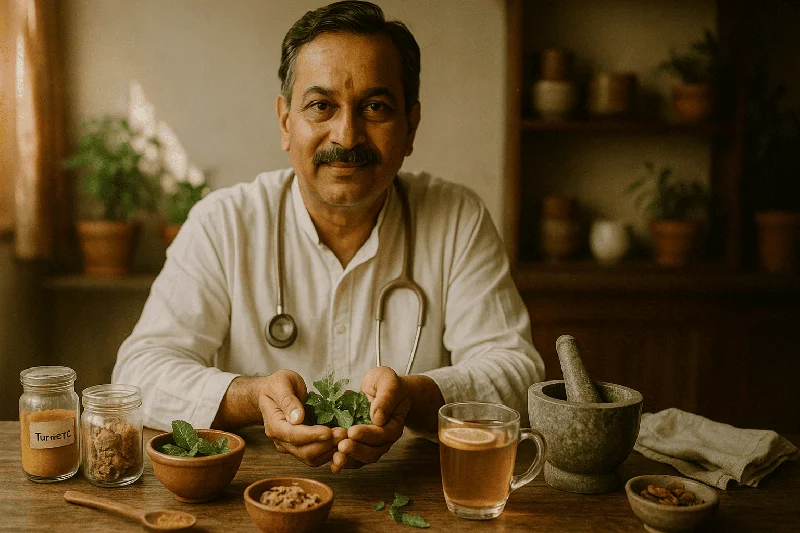
- Ayurveda strengthens immunity by balancing the three doshas (Vata, Pitta, Kapha), kindling your digestive fire (Agni), and building Ojas — the vital essence that determines how well your body resists disease. Unlike the modern "one-pill-fixes-all" approach, Ayurvedic immunity is a layered system built on specific herbs (Ashwagandha, Guduchi, Tulsi, Amla), daily routines (Dinacharya), seasonal protocols (Rutucharya), detoxification (Panchakarma), and stress management through yoga and pranayama.
- This guide covers every layer — with exact dosages, contraindications, a full morning-to-night plan, and the scientific evidence behind it all.
If you've ever wondered why some people rarely get sick while others catch every cold that passes through the office, Ayurveda has an answer that modern science is only now beginning to validate. It's not just genetics. It's not just luck. It's about how you live, eat, sleep, and manage the invisible fire in your gut that determines everything.
Let's break it down.
What Is Immunity in Ayurveda? Understanding Bala, Ojas & Vyadhikshamatva
In Ayurveda, immunity isn't a single concept — it's described through three interconnected terms: Bala (strength), Ojas (vital essence), and Vyadhikshamatva (disease resistance). The ancient text Charaka Samhita classifies immunity into three distinct types, each requiring a different approach.
Sahajabala — Innate (Genetic) Immunity
Sahajabala is the immunity you're born with. It's determined by your parents' health, the conditions during conception (Shukra and Artava Dhatu quality), and your Prakriti (constitutional type). You can't change Sahajabala, but you can support it. A person born with a strong Kapha constitution, for instance, naturally tends to have greater physical resilience — though they may be more prone to respiratory congestion.
Kalajabala — Seasonal and Age-Related Immunity
Your immunity fluctuates with the seasons and your age. Ayurveda recognizes that Bala is naturally strongest during Hemanta Ritu (early winter) and weakest during Greeshma Ritu (summer). Children and the elderly have inherently lower Kalajabala, which is why Rutucharya — seasonal regimen — isn't optional; it's essential.
Yuktikrutabala — Acquired Immunity You Can Build
- This is where you have real power. Yuktikrutabala is the immunity you actively build through Rasayana (rejuvenation therapy), proper diet (Ahara), lifestyle (Vihara), and targeted herbal formulations.
- Every recommendation in this guide falls under this category — the immunity you earn through daily choices.
The Agni-Immunity Connection: Why Your Gut Decides Everything
- Here's something none of the popular guides adequately explain: in Ayurveda, your immune system begins in your gut.
- Specifically, it begins with Agni — your digestive fire.
When Agni is strong (Sama Agni), food is completely digested and transformed through seven Dhatus (tissue layers) until it produces Ojas, the final and most refined product of metabolism. Ojas is essentially your immune reserve.
When Agni is weak or irregular, undigested food creates Ama — a toxic, sticky residue that clogs channels (Srotas), disturbs dosha balance, and directly suppresses Ojas production.
How Ama Destroys Immunity
- Think of Ama as metabolic sludge. It coats your intestinal lining, blocks nutrient absorption, and creates a breeding ground for pathogens.
- Modern science draws a strikingly similar picture: intestinal permeability ("leaky gut"), dysbiosis, and chronic low-grade inflammation are now recognized as major contributors to immune dysfunction.
Signs of Ama accumulation:
- Coated tongue (white/yellow)
- Feeling heavy after meals
- Frequent bloating and gas
- Foggy thinking, lethargy
- Foul-smelling stools or breath
- Recurrent infections
How to Strengthen Agni
- Eat your largest meal at midday when Agni peaks (aligned with Pitta time, 10 AM–2 PM)
- Sip warm water or ginger tea throughout the day — never ice-cold beverages
- Add Agni-kindling spices: cumin, black pepper, ginger, turmeric, asafoetida
- Avoid incompatible food combinations (Viruddha Ahara) such as milk with fish, or fruit with meals
- Practice intermittent fasting or eat only when the previous meal is fully digested
Top Ayurvedic Herbs for Immunity: Dosages, Mechanisms & Evidence
Every competitor lists the same herbs. What nobody tells you is how much to take, for how long, and who should avoid them. Let's fix that.
Ashwagandha (Withania somnifera)
Mechanism: Ashwagandha is classified as a Rasayana and Balya (strength-promoting) herb. It modulates immunity by increasing Natural Killer (NK) cell activity and enhancing the production of immunoglobulins. A 2021 systematic review published in the Journal of Clinical Medicine analyzing data from multiple RCTs found that Ashwagandha root extract significantly increased IgG and IgM antibody levels. Dosage: 300–600 mg of standardized root extract (withanolides 5%), twice daily with warm milk or water, for 8–12 weeks. Best for: Vata and Kapha types. Reduces stress-induced immunosuppression.
Guduchi/Giloy (Tinospora cordifolia)
Mechanism: Guduchi is called "Amrita" — the root of immortality. It activates macrophages and increases white blood cell counts. A 2012 study in the Journal of Ethnopharmacology demonstrated its immunomodulatory action through enhanced phagocytic activity. It also works as a potent Ama-digesting herb.
- Dosage: 500 mg of aqueous stem extract, twice daily, or 15–30 ml of fresh Giloy juice on an empty stomach.
- Course: 4–8 weeks.
Best for: All dosha types. Particularly effective during seasonal transitions.
Tulsi (Ocimum sanctum)
Mechanism: Tulsi enhances T-helper cell activity and cytokine production. It also has documented antibacterial, antiviral, and antifungal properties. Dosage: 300–600 mg extract daily, or 5–7 fresh leaves chewed each morning. Can be taken continuously as it also doubles as an adaptogen. Best for: Kapha-type congestion and respiratory immunity.
Amla (Emblica officinalis)
Mechanism: Amla is the richest natural source of vitamin C (approximately 600–700 mg per fruit), and it contains tannins that protect the vitamin C from degradation during cooking. It nourishes all seven Dhatus and directly supports Ojas production. Dosage: 500–1000 mg of Amla powder daily, or 15–20 ml of fresh Amla juice. For maximum benefit, combine with honey and turmeric. Best for: Pitta types. Cools inflammation while building immunity.
Yashtimadhu (Glycyrrhiza glabra / Licorice)
Mechanism: Yashtimadhu has both immunomodulatory and anti-inflammatory properties. It supports respiratory mucosal immunity and soothes irritated tissues. Its glycyrrhizin content shows antiviral activity against several respiratory viruses. Dosage: 250–500 mg of root powder, twice daily, for up to 6 weeks. Caution: Must not be taken for more than 6 weeks continuously. Avoid in hypertension.
Comparative Table: Ayurvedic Immunity Herbs at a Glance
| Herb | Primary Action | Target Dosha | Daily Dosage | Max Duration | Key Contraindication |
|---|---|---|---|---|---|
| Ashwagandha | Adaptogen, NK cell activation | Vata, Kapha | 300–600 mg (2×) | 12 weeks | Hyperthyroidism, pregnancy (high dose) |
| Guduchi | Macrophage activation, Ama digestion | Tridoshic | 500 mg (2×) or 15–30 ml juice | 8 weeks | Autoimmune conditions (consult doctor) |
| Tulsi | T-helper cell support, antimicrobial | Kapha, Vata | 300–600 mg | Ongoing | May lower blood sugar; caution in diabetics on medication |
| Amla | Ojas builder, antioxidant | Pitta, Tridoshic | 500–1000 mg | Ongoing | Hyperacidity in some individuals |
| Yashtimadhu | Mucosal immunity, antiviral | Pitta, Vata | 250–500 mg (2×) | 6 weeks max | Hypertension, hypokalemia, pregnancy |
| Pippali | Bioavailability enhancer, lung tonic | Kapha, Vata | 125–250 mg (2×) | 4 weeks | Pitta aggravation, gastric ulcers |
Rasayana Formulations: Chyavanprash, Samshamani Vati & More
Individual herbs are powerful, but Ayurveda's greatest genius lies in synergistic formulations — Rasayanas that combine dozens of ingredients for amplified effect.
Chyavanprash
The king of Rasayanas. This 2,500-year-old formulation contains 40+ ingredients with Amla as the base, processed in ghee and sesame oil. A 2011 study published in the Indian Journal of Experimental Biology found that Chyavanprash significantly enhanced NK cell activity and improved neutrophil function in healthy volunteers.
Dosage: 1–2 teaspoons (10–20 g) daily, morning on an empty stomach with warm milk. Safe for long-term use.
Samshamani Vati (Guduchi Ghana Vati)
- A concentrated Guduchi extract in tablet form. Used extensively during COVID-19 based on AYUSH Ministry guidelines.
- Dose: 500 mg twice daily after meals.
Which Herb Is Best for Immunity?
There's no single "best" herb — it depends on your Prakriti and current imbalance. However, if forced to choose one, Guduchi (Giloy) is considered the most universally applicable immunomodulator in Ayurveda because it's Tridoshic (balances all three doshas) and has the broadest evidence base for direct immune cell activation.
How to Boost Immunity as Per Ayurveda: Your Complete Daily Plan (Dinacharya)
Knowing which herbs to take is only half the equation. Ayurveda insists that when and how you structure your day matters just as much. Here's a practical morning-to-night protocol that no other guide provides.
Morning Routine (5:30 AM – 9:00 AM)
| Time | Practice | Purpose |
|---|---|---|
| 5:30–6:00 AM | Wake during Brahma Muhurta | Aligns with natural Vata rhythm for mental clarity |
| 6:00 AM | Tongue scraping (copper scraper) + oil pulling (1 tbsp sesame/coconut oil, 10 min) | Removes overnight Ama, reduces oral pathogen load |
| 6:10 AM | Drink warm water with 1 tsp raw honey + ½ tsp turmeric | Kindles Agni, anti-inflammatory |
| 6:20 AM | Nasya — 2 drops Anu Taila in each nostril | Protects upper respiratory tract, lubricates nasal passages |
| 6:30–7:00 AM | Yoga asanas (Surya Namaskar × 5, Sarvangasana, Matsyasana) + 10 min Pranayama (Nadi Shodhana, Bhastrika) | Stimulates lymphatic flow, oxygenates tissues, balances doshas |
| 7:00–7:15 AM | Meditation (mindfulness or Mantra-based, 10–15 min) | Reduces cortisol, protects Ojas from stress depletion |
| 7:30–8:00 AM | Breakfast: warm, cooked, light (oatmeal with cardamom, stewed apple, or Moong dal porridge) + Chyavanprash 1 tsp | Nourishes without taxing Agni |
Midday Routine (12:00 PM – 2:00 PM)
This is when Pitta — and therefore Agni — is at its peak. Eat your largest, most nutrient-dense meal here.
- Include all six tastes (Shadrasa): sweet, sour, salty, pungent, bitter, astringent
- Add immunity-boosting spices: turmeric, cumin, coriander, black pepper
- Include ghee (1–2 tsp) — it carries fat-soluble nutrients and nourishes Ojas
- - Eat mindfully, without screens.
- This isn't a suggestion — distracted eating directly weakens Agni.
Evening Routine (6:00 PM – 10:00 PM)
| Time | Practice | Purpose |
|---|---|---|
| 6:00–7:00 PM | Light dinner (soup, khichdi, steamed vegetables) | Easy to digest; prevents Ama formation overnight |
| 7:30 PM | Kavala Gandusha (gargling with warm salt water or Triphala decoction) | Protects throat mucosa |
| 8:00–9:00 PM | Gentle walk (15 min) + Abhyanga with warm sesame oil on feet | Promotes Vata balance, induces sleep readiness |
| 9:30 PM | Golden milk (warm milk + turmeric + pinch of black pepper + Ashwagandha 300 mg) | Promotes deep sleep, Rasayana effect |
| 10:00 PM | Sleep (lights off) | Sleep before 10 PM honors the Kapha window; delays past 10 PM activate Pitta, causing restlessness |
Seven Ways to Boost Your Immune System Through Ayurvedic Diet & Nutrition
1. Eat Seasonally (Rutucharya)
Each season demands different foods:
- - Hemanta/Shishira (Winter): Heavy, oily, sweet foods. Ghee, sesame, root vegetables, warm soups.
- Immunity is naturally strong — nourish deeply.
- - Vasanta (Spring): Light, bitter, astringent foods.
- Barley, honey, green leafy vegetables.
- Kapha accumulates — cleanse gently.
- Greeshma (Summer): Cool, sweet, liquid-rich. Coconut water, milk, rice, sweet fruits. Avoid excess sour and pungent.
- - Varsha (Monsoon): Warm, easily digestible, slightly sour.
- Ginger tea, light grains.
- Agni is weakest — be careful with raw foods.
- - Sharad (Autumn): Bitter, sweet, cold-potency foods.
- Pitta detox season — favor astringent tastes.
2. Cook with Immunity Spices Daily
Turmeric (anti-inflammatory), black pepper (bioavailability enhancer), cumin (digestive), ginger (Agni-kindler), and garlic (antimicrobial) should be non-negotiables in your kitchen.
3. Never Skip Ghee
Ghee is not just fat — it's a Yogavahi (catalytic substance) that carries medicinal properties of herbs into deeper tissues. 1–2 teaspoons daily with meals supports Ojas directly.
4. Favour Warm, Cooked Food Over Raw
Raw food requires stronger Agni to digest. If your digestion is even slightly compromised, raw salads and smoothies create more Ama than nourishment.
5. Hydrate Wisely
- Warm or room temperature water throughout the day. Adding cumin seeds, coriander seeds, or fennel seeds to boiled water creates a simple Ama-detoxing drink.
- Cold water suppresses Agni — always avoid it during and after meals.
6. Include Fermented Foods (In Moderation)
Small amounts of buttermilk (Takra) with cumin and curry leaves support gut microbiome. But excessive fermentation (kombucha in large quantities, excessive pickle) can aggravate Pitta.
7. The 80% Rule
Eat until your stomach is 75–80% full. The remaining space allows Agni to work properly. Overeating is one of the fastest ways to create Ama.
Panchakarma and Detoxification: Clearing Ama to Restore Immunity
- When Ama has accumulated deeply, dietary changes alone won't cut it.
- That's when Panchakarma — Ayurveda's fivefold detoxification therapy — becomes necessary.
The Five Procedures
- 1.Vamana (therapeutic emesis) — clears Kapha from the respiratory tract
- 2.Virechana (purgation) — eliminates excess Pitta and liver toxins
- 3.Basti (medicated enema) — the most important for Vata balance; cleanses the colon
- 4.Nasya (nasal administration of medicated oils) — protects upper respiratory immunity
- 5.Raktamokshana (bloodletting) — used in specific conditions; removes blood-borne toxins
When to do Panchakarma: Ideally at seasonal junctions (Ritu Sandhi), especially at the transition between winter and spring, and again before monsoon. A full Panchakarma takes 7–21 days and must be done under a qualified Ayurvedic physician.
Home-Level Detox (When Full Panchakarma Isn't Possible)
- 3-day Kitchari cleanse (Moong dal + basmati rice + mild spices)
- Daily Triphala (½ tsp with warm water at bedtime) for gentle colon detox
- Self-Abhyanga (warm sesame oil massage) followed by a warm bath — stimulates lymphatic drainage
Contraindications and Safety: Who Should Be Careful
This is the section every other guide ignores, and honestly, it's irresponsible to skip.
Pregnancy
- Avoid: Ashwagandha in high doses, Guduchi, Aloe vera juice, Pippali, strong Panchakarma procedures
- Safe: Amla in moderate doses, Shatavari, mild spices, ghee, milk-based Rasayanas
- Always consult an Ayurvedic practitioner experienced in Prasuti Tantra (obstetrics)
Children (Bala Roga — Pediatric Ayurvedic Immunity)
- Children have developing Agni and delicate Dhatus.
- Dosages must be adjusted:
- Under 5 years: ¼ of adult dose; prefer Chyavanprash (½ tsp), Tulsi drops, and Amla juice
- 5–12 years: ½ of adult dose
- Avoid: Pippali in excess, strong bitters like Neem internally, any Panchakarma without expert supervision
Elderly
- Vata dominates in old age.
- Focus on gentle Rasayanas — Ashwagandha with warm milk, Chyavanprash, and Basti therapy. Avoid harsh purgation or emesis.
Drug Interactions
| Ayurvedic Herb | Interacts With | Risk |
|---|---|---|
| Ashwagandha | Thyroid medication, sedatives, immunosuppressants | May potentiate effects |
| Guduchi | Blood sugar-lowering drugs | Additive hypoglycemia |
| Tulsi | Anticoagulants, anti-diabetic drugs | May enhance blood-thinning and glucose-lowering |
| Yashtimadhu | Diuretics, cardiac glycosides, antihypertensives | Hypokalemia, fluid retention |
| Turmeric (high dose) | Anticoagulants (Warfarin) | Increased bleeding risk |
Bottom line: If you're on any prescription medication, consult both your physician and a qualified Ayurvedic doctor before starting herbal protocols.
Myths and Misconceptions About Ayurveda and Immunity
Myth 1: "Ayurveda Is Just Placebo"
- A 2022 systematic review in PMC (National Library of Medicine) analyzed 20 randomized controlled trials involving 1,661 participants and found statistically significant improvements in NK cell activity, T-helper cell counts, and immunoglobulin levels with Ayurvedic interventions.
- This isn't anecdotal — it's peer-reviewed evidence.
Myth 2: "Natural Means Safe for Everyone"
As the contraindications section above shows, "natural" does not mean universally safe. Yashtimadhu can raise blood pressure. Ashwagandha can overstimulate the thyroid. Context matters.
Myth 3: "Ayurveda Replaces Modern Medicine"
Ayurveda works best as a complementary system. For acute infections, emergencies, and serious conditions, conventional medicine is necessary. Ayurveda excels at prevention, chronic immune support, and recovery.
Myth 4: "One Herb Can Fix Your Immunity"
- Immunity in Ayurveda depends on Agni, Ojas, Dosha balance, mental health, sleep, and seasonal alignment.
- A single herb — no matter how powerful — cannot compensate for poor sleep, chronic stress, and a diet of processed food.
Integrating Ayurveda With Modern Medicine: A Practical Framework
This is a gap no competitor addresses, yet it's what most readers actually need.
- 1.Use Ayurveda for prevention and foundation: Daily Dinacharya, seasonal Rutucharya, Rasayana herbs, and dietary guidelines form your baseline immune strength.
- 2.Use modern medicine for diagnosis and acute care: Blood tests, imaging, antibiotics for bacterial infections, vaccinations — these are not in conflict with Ayurveda.
- 3.Inform both practitioners: If you're taking Guduchi tablets while also on metformin, both your Ayurvedic doctor and your endocrinologist need to know.
- 4.Post-illness recovery with Ayurveda: After an acute illness treated with antibiotics, Ayurvedic Rasayanas and Agni-rebuilding protocols help restore gut flora and tissue strength faster than doing nothing.
- The goal isn't Ayurveda versus modern medicine.
- It's Ayurveda with modern medicine — each covering the other's blind spots.
Frequently Asked Questions
What are the 7 best ways to boost your immune system naturally?
Ayurveda recommends: (1) Kindle Agni with proper eating habits, (2) Take Rasayana herbs daily, (3) Follow Dinacharya, (4) Practice Pranayama and Yoga, (5) Sleep before 10 PM, (6) Eat seasonally through Rutucharya, and (7) Detoxify with Panchakarma or home cleansing at seasonal transitions.
What is the strongest natural immune booster?
From an Ayurvedic perspective, Chyavanprash is considered the most complete natural immune booster because it combines 40+ synergistic ingredients. Among single herbs, Guduchi (Giloy) has the broadest evidence for direct immune cell activation across all dosha types.
Which Ayurvedic immunity booster is best for adults?
For general adult use, a combination of Ashwagandha (600 mg/day) + Chyavanprash (1–2 tsp/day) + seasonal Guduchi (500 mg twice daily during monsoon and winter transitions) provides a comprehensive protocol. Adjust based on your dosha.
What is the best Ayurvedic immunity booster for men?
Men, especially those dealing with high stress and physical labor, benefit most from Ashwagandha — it simultaneously supports immune function, testosterone levels, and stress resilience. Combine with Shilajit for enhanced stamina.
Are Ayurvedic immunity booster powders effective?
Powders (Churnas) are traditional and effective if they are from quality sources and taken correctly — typically with warm water, honey, or ghee as Anupana (vehicle). Tablets offer convenience, but Churnas allow your taste receptors to trigger appropriate digestive responses, which Ayurveda considers therapeutically important.
Can I take Ayurvedic immunity herbs with my regular medications?
Some combinations are safe; others are not. See the Drug Interactions table above. As a rule, maintain a 2-hour gap between Ayurvedic and conventional medicines, and always disclose all supplements to your prescribing doctor.
Final Thoughts: Building Immunity Is a Daily Practice, Not a Quick Fix
- Ayurveda doesn't promise overnight immunity.
- What it promises — and delivers, when practiced consistently — is a deeper, more resilient kind of health that modern medicine calls "immune homeostasis." It's the state where your body efficiently fights pathogens without overreacting (autoimmunity) or underperforming (immunodeficiency).
- Start small.
- Pick three practices from this guide — maybe tongue scraping, golden milk at night, and one Rasayana herb matched to your dosha. Do them for 30 days. Notice the difference. Then build from there.
Your immunity isn't built in a day. But every day, you're either building it or depleting it. Ayurveda just makes the building part a whole lot more intentional.
If you found this guide useful, consult a qualified Ayurvedic physician (BAMS or MD Ayurveda) before beginning any new herbal protocol — especially if you have pre-existing conditions, are pregnant, or are on prescription medication.
Scientific Sources
- Catharanthus roseus (L.) G.
- Don: A review of its ethnobotany, phytochemistry, ethnopharmacology and toxicities — Kumar S et al., 2022, Journal of ethnopharmacology
- Ayurveda for Animals — Dohmen L, 2025, The Veterinary clinics of North America. Small animal practice
- Botanical drugs in Ayurveda and Traditional Chinese Medicine — Jaiswal Y et al., 2016, Journal of ethnopharmacology
- Ayurvedic plumbism — Sadler M et al., 2017, Internal medicine journal
- Cancer--an ayurvedic perspective — Balachandran P et al., 2005, Pharmacological research
उपयोगकर्ताओं के प्रश्न
How does Yashtimadhu reduce inflammation and support immunity?
Client_1ade36
1 दिन पहले
Yashtimadhu (Glycyrrhiza glabra, or licorice) may reduce inflammation by influencing inflammatory signals and may modulate immune-cell activity, but human evidence is limited—it is not proven to prevent infections or “boost” immunity. Benefits, if any, are usually assessed over days to weeks, not immediately. Long-term or high-dose licorice can raise blood pressure, lower potassium, and cause swelling or heart problems. Avoid it in pregnancy and with diuretics, heart or kidney disease; ask a clinician first.
How can seasonal changes affect my body's immunity according to Ayurveda?
Client_c97f79
22 दिनों पहले
Seasonal changes can affect your body's immunity by challenging it to adapt to different environmental conditions. According to Ayurveda, immunity, or "Ojas," can fluctuate with the seasons, which might affect your ability to fend off illnesses. For example, cold, dry winters may weaken respiratory immunity in some people, while spring can bring allergies that overstimulate some immune systems. To bolster immunity through these fluctuations, a balanced diet and lifestyle adjustments like incorporating season-appropriate foods and maintaining adequate hydration can be helpful. If you experience frequent illnesses or your immunity seems low, it may be wise to see a doctor for a comprehensive check-up.
How to prepare seasonal dishes that support winter immunity?
Client_a62924
27 दिनों पहले
To prepare seasonal dishes that support winter immunity, focus on integrating heavy, oily, and sweet foods into your meals. Ingredients such as root vegetables, nuts, seeds, whole grains like rice, and sweet fruits provide nourishment and energy. Add warming spices like ginger and turmeric which have anti-inflammatory properties, enhancing respiratory immunity. This approach aligns with maximizing the body's strength and disease resistance during winter. If immunity concerns persist, especially frequent illnesses or prolonged recovery, consult a healthcare provider for a tailored approach.
What are some side effects of long-term Amla consumption?
Client_fff07f
32 दिनों पहले
Long-term consumption of Amla, or Emblica officinalis, is generally considered safe for most people; however, some individuals may experience side effects such as digestive issues, including stomach upset or diarrhea. High doses of vitamin C, as found in Amla, can sometimes lead to increased acidity or exacerbate acid reflux. As Amla can also affect blood sugar levels, those with diabetes should monitor their blood sugar closely. If unusual symptoms occur or persist, consult a healthcare professional.
What is the best time to take Amla for immunity benefits?
Client_fe2ef7
37 दिनों पहले
The best time to take Amla for boosting immunity is typically after meals. Taking 500 mg of Amla twice daily can help maximize its benefits. Amla is renowned for its high vitamin C content and its tannins, which preserve this nutrient during cooking. This vitamin is vital for immune function, aiding in the protection against infections and enhancing phagocytic activity. Always consult a healthcare provider if you're pregnant, nursing, or have ongoing health concerns before adding Amla or any supplement to your routine.
How to effectively incorporate Churnas into my daily diet?
Client_7434c4
42 दिनों पहले
To effectively incorporate Churnas into your daily diet, start by adding them to warm water, teas, or smoothies. Churnas are powdered herbal formulations that can complement meals by sparking the digestive process. Generally, it's advisable to consume them around 30 minutes before or after meals to maximize their effectiveness. Watch for any digestive discomfort, such as bloating or upset stomach, which might indicate improper usage. Consult a healthcare provider if you're pregnant, nursing, have underlying health conditions, or are on medications, to ensure Churnas are safe for you.
How to choose the right Ayurvedic herbs for anxiety relief?
Client_9a8233
47 दिनों पहले
To choose the right Ayurvedic herbs for anxiety relief, consider starting with those that have been researched for calming effects, such as Ashwagandha, Brahmi, and Jatamansi. These herbs may help reduce anxiety symptoms but should be tailored to your individual health needs and conditions. It may take several weeks to notice significant effects, and caution is advised if you are pregnant, nursing, or on medication. Always consult a healthcare provider or a qualified Ayurvedic practitioner before beginning any new herbal supplement to ensure safety and efficacy.
How does Tulsi help with stress and overall wellness?
Client_3b3fc1
52 दिनों पहले
Tulsi, or Ocimum sanctum, can help reduce stress and promote overall wellness by enhancing the body's immune response and acting as an adaptogen. This herb boosts T-helper cell activity and cytokine production, potentially aiding the body's response to stressors. Taking 250–500 mg of Tulsi root powder twice daily for up to six weeks may help, but always consult healthcare professionals before starting new supplements, especially to address conditions like chronic stress. While some Ayurvedic texts link Tulsi with concepts like Ojas, for managing stress, modern approaches integrating lifestyle changes and counseling can be more comprehensive. If stress symptoms persist, it's essential to see a doctor.
What is the role of detoxification in Ayurvedic immunity support?
Client_61e477
57 दिनों पहले
Detoxification, such as through Panchakarma, plays a supportive role in Ayurvedic immunity by helping to cleanse the body of accumulated toxins (ama), which can weaken the immune system. Panchakarma treatments like massage, herbal steam baths, and cleansing enemas aim to restore balance and enhance bodily functions, thereby potentially boosting immunity. Detoxification should be tailored to the individual’s needs and done under the supervision of a qualified practitioner. Consult with a healthcare provider before starting any detox program, especially if you have underlying health conditions.
How does Giloy juice aid in digestion and overall health?
Client_458f5e
62 दिनों पहले
Giloy juice aids in digestion by acting as a natural detoxifier that helps eliminate toxins (Ama) from the body, thereby promoting better digestive health. Consuming 15–30 ml of fresh Giloy juice on an empty stomach is recommended, usually for a course of 4–8 weeks. It enhances the body's overall health by supporting the immune system and may boost energy levels. Although Giloy is generally safe for all dosha types, always consider the personal fit of herbs and consult a healthcare provider if you experience any adverse effects or have pre-existing health conditions.
संबंधित आलेख

Immunodeficiency
गुडुची सत्व के फायदे, खुराक, सामग्री, साइड इफेक्ट्स
गुडुची सत्व के फायदे, खुराक, सामग्री, और साइड इफेक्ट्स की खोज
4,010

Immunodeficiency
मधुस्नुही रसायन के उपयोग, खुराक, साइड इफेक्ट्स, और सामग्री
मधुस्नुही रसायन के उपयोग, खुराक, साइड इफेक्ट्स, और सामग्री की खोज
2,757

Immunodeficiency
Is Apple Good for Cough and Cold Relief?
Discover if apple is good for cough, its role during cold and cough, and possible side effects. Learn Ayurvedic tips for using apple in cough relief
16,896

Immunodeficiency
How to Control Autoimmune Disease Naturally with Ayurveda and Lifestyle
Discover how to control autoimmune disease naturally through Ayurvedic lifestyle tips, foods to control autoimmune disease, and immune-balancing remedies
2,881

Immunodeficiency
इम्यूनिटी पावर कैसे बढ़ाएं: आयुर्वेदिक और प्राकृतिक तरीके
प्राकृतिक तरीके से अपनी इम्युनिटी बढ़ाएं: टिप्स, खाद्य पदार्थ, और आयुर्वेदिक प्रथाएं
2,829

Immunodeficiency
Amavata Shloka – Understanding the Ayurvedic View on Rheumatism
Discover the Amavata Shloka, an important verse in Ayurveda that describes the causes and treatments of Amavata, or rheumatoid arthritis, through ancient wisdom.
3,935

Immunodeficiency
घर पर पीलिया कैसे जांचें: वयस्कों और नवजात शिशुओं में लक्षण और संकेत
घर पर पीलिया की जांच कैसे करें: वयस्कों और नवजात शिशुओं में शुरुआती लक्षण पहचानें। जानें आम संकेत, कारण और घर पर पहचानने के तरीके।
3,629

Immunodeficiency
ANA Positive Treatment in Ayurveda: Natural Healing Insights
Discover effective Ayurvedic approaches to manage ANA positivity. Learn about natural remedies, herbs, lifestyle changes, and holistic healing for autoimmune wellness.
4,981

Immunodeficiency
Autoimmune Disorders And Immunomodulation In Ayurveda
The management of autoimmune disorders presents a significant challenge in modern medicine, as these conditions involve the immune system mistakenly attacking the body’s own tissues, often leading to chronic inflammation and damage.
226,180
विषय से संबंधित परामर्श
अतिरिक्त दस्तावेज़
© 2026 Ask Ayurveda. सर्वाधिकार सुरक्षित।