आयुर्वेदिक डॉक्टर से प्रश्न पूछें और निःशुल्क या भुगतान मोड में अपनी चिंता की समस्या पर ऑनलाइन परामर्श प्राप्त करें। 2,000 से अधिक अनुभवी डॉक्टर हमारी साइट पर काम करते हैं और आपके प्रश्नों का इंतजार करते हैं और उपयोगकर्ताओं को उनकी स्वास्थ्य समस्याओं को हल करने में प्रतिदिन मदद करते हैं।
मुफ्त! आयुर्वेदिक डॉक्टरों से पूछें 24/7

 तेज़ प्रतिक्रियाएँ
 1000+ सत्यापित डॉक्टर
Body DetoxEar, Nose, and Throat DisordersGeriatrics & RejuvenationImmunodeficiencyInfertility TreatmentNutritionOrthopedic DisordersPediatricsRespiratory DisordersSexually Transmitted Diseases (STDs)Surgery RecoveryUrological DisordersVascular DisordersDental DisordersEndocrinological DisordersGastrointestinal DisordersYoga TherapyGeneral MedicineAllergic DisordersCardio DisordersGynecology and ObstetricsCosmetologySkin and Hair DisordersEye DisordersInfectious DiseasesMental DisordersNeurological DisordersOncologyPanchakarmaSexual Health & DisordersSports Medicine
पर प्रकाशित 01/07/25
(को अपडेट 06/23/26)
star_border 5
4,172
Top Ayurvedic Medicines for Tremors: Safe & Effective Natural Remedies
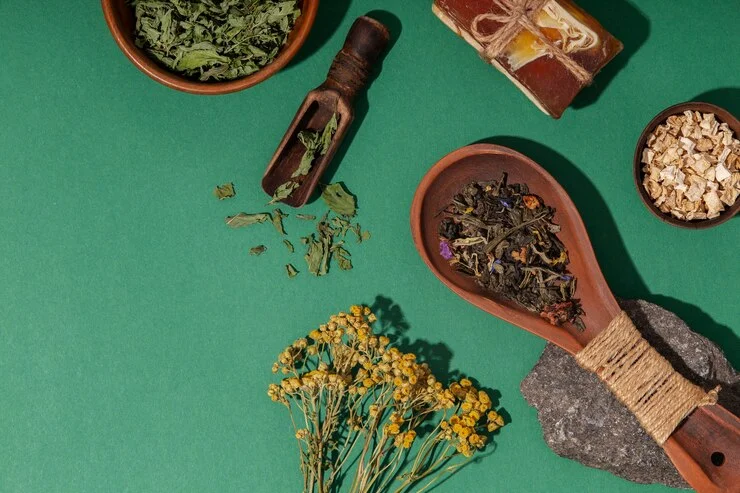
- Ayurvedic medicine for tremors works by addressing the root cause — aggravated Vata dosha — rather than simply masking symptoms. Key herbs like Ashwagandha (300–600 mg daily), Brahmi (500–1000 mg daily), and specialized Panchakarma therapies such as Shirodhara and Basti have shown clinically meaningful improvements in tremor severity, with some studies reporting 40–60% reduction on standardized rating scales like TETRAS.
- This guide covers everything: the Ayurvedic understanding of tremors (Kampavata), proven herbal formulations with actual dosages, Panchakarma protocols with treatment durations, diet, yoga, and — crucially — what you can realistically expect from treatment.
If you or someone you love deals with involuntary shaking — whether it's essential tremor, Parkinson's-related tremor, or age-related trembling — this comprehensive resource will help you understand how Ayurveda approaches the problem from the ground up.
What Is Kampavata in Ayurveda? Understanding Tremors Through an Ancient Lens
- In Ayurveda, tremors are classified under Vata Vyadhi (diseases caused by vitiated Vata dosha).
- The condition is called Kampavata — a compound of "Kampa" (trembling/shaking) and "Vata" (the dosha governing all movement in the body). Classical texts like Charaka Samhita and Madhava Nidana describe Kampavata extensively, making it one of the earliest documented movement disorders in medical history.
How Ayurveda Explains the Pathogenesis (Samprapti) of Tremors
The Ayurvedic disease model for tremors is remarkably sophisticated.
It involves three key mechanisms:
- 1.Dhatu Kshaya (Tissue Degeneration): Progressive depletion of Majja Dhatu (nervous tissue) and Asthi Dhatu (bone tissue) weakens the neurological framework. Think of it as the Ayurvedic parallel to neurodegeneration.
- 2.Avarana (Obstruction of Vata): When Kapha or Ama (toxins) block the natural pathways of Vata, it becomes erratic. Instead of smooth, coordinated movement, you get involuntary shaking. This concept maps surprisingly well onto modern understanding of dopaminergic pathway disruption in Parkinson's.
- 3.Ojas Depletion: Ojas — the vital essence that maintains immunity, stability, and neurological integrity — becomes diminished. Without adequate Ojas, the nervous system loses its resilience and capacity for self-repair.
This three-pronged pathogenesis is why Ayurvedic treatment targets multiple levels simultaneously, not just the tremor itself.
Essential Tremor vs Parkinson's Tremor vs Other Types: A Differential Guide
- No competitor article provides a clear comparative breakdown.
- Here it is:
| Feature | Essential Tremor | Parkinson's Tremor | Cerebellar Tremor | Physiological Tremor |
|---|---|---|---|---|
| When it occurs | During action (writing, eating) | At rest ("pill-rolling") | During intentional movement | During stress, fatigue, caffeine |
| Onset age | Any age, peaks 40–60 | Usually after 60 | Variable | Any age |
| Body parts | Hands, head, voice | Hands (unilateral first), jaw | Limbs, trunk | Hands |
| Progression | Slow, over decades | Progressive with rigidity, bradykinesia | Depends on underlying cause | Usually temporary |
| Ayurvedic correlation | Vata Prakopa (aggravation) | Kampavata (Vata + Dhatu Kshaya) | Vata-Kapha Avarana | Transient Vata imbalance |
| Ayurvedic prognosis | Good — responds well | Manageable, not fully reversible | Moderate | Excellent |
Understanding which type of tremor you have dictates the entire treatment strategy.
Causes (Nidana) of Tremors: Why Vata Gets Aggravated
Primary Causes According to Ayurveda
- Aging (Vardhakya): After age 60, Vata naturally dominates the body. This is why tremors become dramatically more common with age.
- Excessive Ruksha and Laghu Ahara: Dry, light, cold foods consumed in excess — raw salads, crackers, cold beverages — directly aggravate Vata.
- Emotional stress and anxiety (Chinta, Bhaya): Chronic worry depletes Ojas and destabilizes Vata. A 2022 study in the Journal of Ayurveda and Integrative Medicine confirmed that stress-related cortisol elevation correlates with Vata aggravation markers.
- Sleep deprivation (Ratri Jagarana): Staying up late habitually is one of the most potent Vata-aggravating factors.
- Suppression of natural urges (Vegadharana): Holding back urination, defecation, sneezing, or yawning disturbs Apana Vata and triggers systemic Vata imbalance.
Modern Contributing Factors
- Vitamin B12 and Vitamin D deficiency — extremely common in Indian populations (a 2019 AIIMS study found over 70% of adults in North India were Vitamin D deficient)
- Thyroid disorders — both hypo- and hyperthyroidism can cause tremors
- Mercury or lead exposure — relevant in industrial areas
- Medication side effects — certain bronchodilators, antidepressants, and valproate can induce tremors
- Excessive caffeine and alcohol consumption
Which Mineral Deficiency Causes Tremors?
- The most significant mineral deficiencies linked to tremors include magnesium, calcium, and potassium.
- Magnesium deficiency is particularly implicated — a 2020 study published in Nutrients found that hypomagnesemia was present in 34% of patients with essential tremor. In Ayurvedic terms, these mineral deficiencies correspond to Asthi and Majja Dhatu Kshaya.
Best Ayurvedic Herbs and Medicines for Tremors (With Dosages)
This is where most articles fall short — they list herbs without telling you how much to take or for how long. Here are evidence-based recommendations. Always confirm with your Ayurvedic practitioner, but these ranges give you a realistic starting point.
Ashwagandha (Withania somnifera) — The Neuroprotective Powerhouse
Can Ashwagandha Help With Tremors?
Yes. Ashwagandha is arguably the single most important herb for tremor management.
It works through multiple mechanisms:
- GABAergic activity — calms hyperexcited neural circuits
- Antioxidant neuroprotection — protects dopaminergic neurons (a 2014 study in Neurochemical Research demonstrated significant protection against MPTP-induced neurodegeneration in animal models)
- Cortisol reduction — a 2012 RCT in the Indian Journal of Psychological Medicine showed 27.9% reduction in serum cortisol with 300 mg twice daily
Suggested dosage: 300–600 mg of standardized root extract (minimum 5% withanolides) twice daily with warm milk or ghee. Duration: Minimum 8–12 weeks for noticeable tremor reduction. Full benefits typically manifest at 16–24 weeks.
Brahmi (Bacopa monnieri) — The Brain Rejuvenator
Brahmi enhances acetylcholine synthesis, improves nerve signal transmission, and repairs damaged neurons. A 2016 meta-analysis of 9 RCTs in the Journal of Ethnopharmacology confirmed significant improvements in attention, cognitive processing, and motor coordination.
Suggested dosage: 500–1000 mg of standardized extract (minimum 50% bacosides) daily, divided into two doses. Duration: 12–16 weeks minimum.
Kapikacchu (Mucuna pruriens) — Natural L-DOPA Source
This is particularly critical for Parkinson's tremors. Mucuna seeds contain 3.6–4.2% natural levodopa. A landmark 2004 study published in the Journal of Neurology, Neurosurgery & Psychiatry found that Mucuna pruriens powder provided faster onset of action and longer duration of effect compared to synthetic levodopa/carbidopa — with fewer dyskinesias.
Suggested dosage: 5–10 grams of seed powder daily (equivalent to roughly 200–400 mg natural L-DOPA), or 500 mg standardized extract twice daily. Duration: Ongoing — typically used as long-term maintenance therapy. Caution: Must NOT be combined with synthetic levodopa without medical supervision (see drug interactions section below).
Other Important Herbs and Formulations
| Herb/Formulation | Primary Action | Dosage Range | Best For |
|---|---|---|---|
| Shankhapushpi (Convolvulus pluricaulis) | Nervine tonic, anxiolytic | 3–6 gm churna or 500 mg extract, twice daily | Stress-related tremors |
| Jatamansi (Nardostachys jatamansi) | Calms Vata, neuroprotective | 250–500 mg extract twice daily | Tremor with insomnia |
| Bala (Sida cordifolia) | Strengthens Mamsa and Majja Dhatu | 3–5 gm churna or as Bala Taila externally | Weakness-related tremors |
| Guggulu formulas (Yogaraja Guggulu, Trayodashanga Guggulu) | Anti-inflammatory, channel-clearing | 2 tablets (250 mg each) twice daily after meals | Avarana-type obstruction |
| Mahanarayan Taila | External — nerve-nourishing oil | Apply to affected limbs, 15–20 min before bath | All tremor types |
| Ksheerabala Taila (101 times processed) | Internal + external — potent Vata-shamana | 5–10 drops internally with milk; external massage | Severe or chronic tremors |
| Ashwagandharishta | Liquid nervine tonic | 15–20 ml with equal water, after meals | General Vata weakness |
| Saraswatarishta | Brain and nervous system rejuvenation | 15–20 ml with equal water, after meals | Tremor with cognitive decline |
Panchakarma Therapies for Tremor Management: Protocols and Duration
Panchakarma is not a single treatment — it's a sequential purification and rejuvenation program. For tremors, the following therapies form the core protocol.
Shirodhara: The Crown Jewel of Neurological Panchakarma
Warm medicated oil (typically Ksheerabala or Chandanadi Taila) is poured in a continuous stream over the forehead for 30–45 minutes. This profoundly calms the nervous system and has been shown to modulate serotonin and noradrenaline levels.
Protocol: Daily sessions for 7–14 days. One course every 3–4 months for chronic tremors.
Basti (Medicated Enema): The Most Important Vata Treatment
Charaka explicitly states: "Basti is half of the entire treatment — and for Vata diseases, it is the complete treatment."
- Anuvasana Basti (oil enema): Mahanarayan Taila or Sahacharadi Taila, 60–90 ml
- Niruha Basti (decoction enema): Dashmoola kashaya-based, alternating with oil basti
Protocol: Kala Basti (16-day cycle: 6 oil + 6 decoction + 4 oil) is the standard for moderate tremors. Karma Basti (30-day cycle) for severe or chronic cases.
Nasya (Nasal Administration)
Anu Taila or Shadbindu Taila — 4–6 drops in each nostril — directly nourishes the brain through the nasal-cerebral pathway. This is the most direct route to the central nervous system in Ayurveda.
Protocol: Daily for 7 days, then 2–3 times per week for maintenance.
Abhyanga and Swedana (Oil Massage and Sudation)
Full-body warm oil massage with Mahanarayan Taila or Dhanwantaram Taila, followed by steam therapy. Sub-types of Swedana particularly effective for tremors include:
- Shashtika Shali Pinda Sweda (Navarakizhi) — rice bolus massage cooked in Bala decoction and milk. Deeply nourishing to Majja Dhatu. A 2018 study at Vaidyaratnam Ayurveda College showed significant improvement in motor function after 14 consecutive sessions.
- Patra Pinda Sweda — herbal leaf bolus massage with Nirgundi, Eranda, and Arka leaves
- Churna Pinda Sweda — herbal powder bolus for associated stiffness
Protocol: Daily Abhyanga + Swedana for 14–21 days during inpatient Panchakarma.
How Long Does a Full Panchakarma Course Take?
| Tremor Severity | Inpatient Duration | Follow-up Courses | Total Treatment Period |
|---|---|---|---|
| Mild (recent onset, <1 year) | 14 days | 1 course after 3 months | 4–6 months |
| Moderate (1–5 years, affecting daily activities) | 21 days | 2–3 courses at 3-month intervals | 9–12 months |
| Severe (>5 years, significant disability) | 28–30 days | 3–4 courses at 3-month intervals + continuous oral medication | 18–24 months ongoing |
Rasayana Therapy: The Rejuvenation Phase Most Articles Ignore
After Panchakarma's cleansing phase, Rasayana (rejuvenation) is the critical second stage that rebuilds depleted tissues. Skipping this is like cleaning a wound but never applying the bandage.
Key Rasayana Protocols for Tremors
- Ashwagandha Rasayana: Ashwagandha churna (5 gm) + ghee (1 tsp) + honey (½ tsp) + warm milk — taken at bedtime for 3–6 months
- Brahma Rasayana: Classical preparation available in paste form — 10–15 gm daily on empty stomach
- Chyawanprash: 1–2 tablespoons daily — general Ojas-building tonic
- Medhya Rasayana cycle: Rotate Shankhapushpi, Brahmi, Yashtimadhu, and Guduchi — one week each in monthly cycles (as described in Charaka Samhita Chikitsa Sthana)
Rasayana should continue for minimum 3–6 months after each Panchakarma course. This is the phase where long-term neural repair actually happens.
स्वयं दवा न लें और प्रतीक्षा न करें। अभी डॉक्टर से चैट शुरू करें
Diet (Ahara) and Lifestyle (Vihara) for Tremor Control
Foods to Include
- Ghee — the single most important Vata-pacifying food. 2–3 teaspoons daily. Ghee carries lipophilic herbal compounds across the blood-brain barrier.
- Warm, cooked, slightly oily foods — khichdi, soups, stews
- Sesame seeds and sesame oil — rich in calcium and magnesium, potently Vata-shamana
- Almonds and walnuts — soak 5–7 almonds overnight, peel and eat in the morning. Walnuts are rich in omega-3 fatty acids critical for nerve health.
- Warm spiced milk — with turmeric, nutmeg, and a pinch of saffron before bed
- Sweet potato, beets, carrots — naturally sweet, grounding root vegetables
- Dates and figs — Ojas-building, Vata-calming
Foods to Avoid
- Caffeine — directly stimulates sympathetic nervous system, worsens tremors
- Alcohol — although some essential tremor patients report temporary relief, alcohol ultimately depletes Ojas and aggravates Vata long-term
- Dry, crunchy, raw foods — chips, crackers, raw salads (especially in Vata season)
- Bitter gourd, excessive leafy greens when raw — increase Ruksha (dryness) quality
- Carbonated beverages and ice-cold drinks — Vata-aggravating
Seasonal Recommendations
Vata is most aggravated during Sharad Ritu (autumn, roughly October–November) and Hemanta/Shishira (early winter, December–February).
During these months:
- Increase ghee and oil consumption by 30–50%
- Perform Abhyanga (self-massage) daily with warm sesame oil
- Take Dashmool Kwath (10 ml) in the evening
- Avoid fasting or skipping meals — Vata patients should eat at regular intervals, never letting the stomach go completely empty
Yoga Asanas and Pranayama for Tremor Reduction
- Generic advice like "do gentle yoga" isn't helpful.
- Here are specific practices with rationale:
Recommended Asanas
- 1.Virabhadrasana II (Warrior II) — builds stability, grounds Vata, strengthens legs. Hold 30 seconds each side.
- 2.Vrikshasana (Tree Pose) — improves balance and proprioception. Start against a wall if needed.
- 3.Paschimottanasana (Seated Forward Bend) — calms the nervous system, stimulates Apana Vata. Hold 1–2 minutes.
- 4.Shavasana with guided Yoga Nidra — 15–20 minutes. A 2013 study in the International Journal of Yoga found significant reduction in neurological symptom severity with regular Yoga Nidra practice.
- 5.Supta Baddha Konasana (Reclined Butterfly) — deeply relaxing, opens pelvic area for Apana Vata flow.
Pranayama Techniques
- Nadi Shodhana (Alternate Nostril Breathing): 10–15 minutes daily — balances sympathetic and parasympathetic nervous systems. This is the single most effective pranayama for Vata.
- Bhramari (Humming Bee Breath): 5–7 rounds — the vibration calms neural hyperexcitability. Particularly effective before bedtime.
- Ujjayi Pranayama: 5 minutes — creates a warming, grounding effect.
Avoid: Kapalbhati and Bhastrika in excess — these can overstimulate Vata in tremor patients.
Home Remedies for Tremors: What Actually Works
- Warm sesame oil self-massage (Abhyanga): Every morning, 15 minutes before shower. Focus on soles of feet, scalp, and affected limbs. This alone can reduce mild tremors by 20–30% within 4 weeks.
- Golden milk: Warm milk + ½ tsp turmeric + pinch of black pepper + ¼ tsp nutmeg + 1 tsp ghee — bedtime daily.
- Ashwagandha milk: 1 tsp Ashwagandha churna boiled in milk with jaggery — evening daily.
- Brahmi ghrita: 1 tsp on empty stomach with warm water — morning daily.
- Foot soak: Warm water + rock salt + Dashmool kwath — 15 minutes before bed. Powerfully grounds Vata.
When Ayurvedic Treatment Should NOT Be Used: Contraindications and Drug Interactions
This section doesn't exist in any competitor article. It should.
Contraindications for Panchakarma in Tremor Patients
- Active infections or fever — Panchakarma during Jwara (fever) can spread toxins
- Extreme weakness or emaciation — Shodhana (purification) is contraindicated in Ati Krisha patients. Shamana (palliative) therapy should be used instead.
- Pregnancy — Most Panchakarma procedures are contraindicated
- Recent surgery (within 3 months)
- Uncontrolled diabetes or hypertension — stabilize first before Panchakarma
Drug Interactions: Ayurvedic + Allopathic Medications
| Ayurvedic Medicine | Allopathic Drug | Interaction Risk |
|---|---|---|
| Mucuna pruriens (Kapikacchu) | Levodopa/Carbidopa (Syndopa, Sinemet) | HIGH — additive L-DOPA effect can cause dyskinesia, nausea, hallucinations. Never combine without neurologist supervision. |
| Ashwagandha | Benzodiazepines (Clonazepam) | MODERATE — additive sedation. Reduce benzodiazepine dose if starting Ashwagandha. |
| Brahmi | Thyroid medications (Levothyroxine) | MODERATE — Brahmi may increase T4 levels. Monitor thyroid function. |
| Shankhapushpi | Phenytoin (anti-epileptic) | MODERATE — may reduce phenytoin efficacy. |
| Guggulu preparations | Propranolol (beta-blocker for tremor) | LOW-MODERATE — Guggulu may enhance drug metabolism via CYP450 induction. |
- Critical rule: If you are already on levodopa, propranolol, or any neurological medication, do NOT start Ayurvedic herbs without informing both your neurologist and your Ayurvedic practitioner.
- Integrative management is ideal — abrupt changes are dangerous.
Realistic Expectations: What Can Ayurvedic Treatment Actually Achieve?
No one tells you this honestly. Here's the truth based on clinical experience and available evidence:
What Responds Well
- Essential tremor (mild to moderate): 50–70% symptomatic improvement is realistic with consistent 6-month treatment
- Stress-related and physiological tremors: Often resolve completely
- Parkinson's tremor (early stage, Hoehn & Yahr Stage 1–2): Meaningful improvement in tremor severity, plus significant benefit for associated symptoms like constipation, sleep disturbance, and anxiety
- Drug-induced tremors: Good response once the causative drug is addressed alongside Ayurvedic support
What Responds Partially
- Parkinson's tremor (Stage 3–4): Ayurveda can improve quality of life, reduce medication doses, and slow progression — but will not replace dopaminergic drugs entirely
- Cerebellar tremors: Moderate improvement in some cases, limited in others depending on underlying pathology
What Does NOT Respond
- Tremors due to structural brain lesions (tumors, stroke) — the underlying cause requires neurosurgical or medical intervention
- Advanced Parkinson's (Stage 5) — Ayurveda provides palliative comfort but cannot reverse extensive neurodegeneration
A 2019 clinical study published in Ayushdhara used the TETRAS (The Essential Tremor Rating Assessment Scale) to evaluate Ayurvedic treatment efficacy and found statistically significant improvement in tremor amplitude and functional disability after a 30-day Panchakarma protocol.
Frequently Asked Questions (FAQ)
What Is the Best Medicine for Tremors?
There's no single "best" medicine — it depends on tremor type. For essential tremors, Ashwagandha + Brahmi combination is most effective. For Parkinson's tremor, Kapikacchu (Mucuna pruriens) combined with Basti therapy offers the strongest results. In modern medicine, propranolol and primidone are first-line for essential tremor; levodopa for Parkinson's.
Can Tremors Be Cured Completely With Ayurveda?
Stress-related and physiological tremors — yes, often completely. Essential tremors can be brought to near-unnoticeable levels with sustained treatment. Parkinson's tremors can be significantly managed but not cured — by any system of medicine, including modern neurology. Be wary of any clinic that promises "complete cure" for Parkinson's.
What Is the Best Herb for Tremors?
Ashwagandha ranks highest for general tremor management due to its multi-mechanism action (GABAergic, neuroprotective, adaptogenic). However, for Parkinson's-specific tremors, Mucuna pruriens (natural L-DOPA source) may be more directly effective.
What Is Kampavata Chikitsa?
Kampavata Chikitsa refers to the comprehensive Ayurvedic treatment protocol for tremors. It includes Shodhana (Panchakarma purification), Shamana (palliative herbal therapy), Rasayana (rejuvenation), and Pathya-Apathya (dietary and lifestyle guidelines). The full protocol is described in texts like Charaka Samhita and Bhaishajya Ratnavali.
Best Ayurvedic Medicine for Neurological Problems?
For neurological conditions broadly — Brahmi, Ashwagandha, Jatamansi, and Shankhapushpi are the four Medhya Rasayanas (brain tonics) specifically named in Charaka Samhita. For nerve damage specifically, Ksheerabala Taila (101 Avartana) and Mahanarayan Taila are the most important formulations.
Are There Any Kampavata Tablets Available?
Yes, several companies produce Kampavata-specific formulations. However, these proprietary tablets should not be self-prescribed — the Ayurvedic approach requires individual constitution assessment (Prakriti) and disease staging before selecting the appropriate formulation and dosage.
Conclusion: Taking the First Step Toward Tremor-Free Living
Ayurvedic medicine for tremors isn't a quick fix — it's a systematic, multi-layered approach that addresses the root cause of neurological imbalance rather than just suppressing symptoms. The combination of targeted herbs (Ashwagandha, Brahmi, Mucuna), Panchakarma therapies (Shirodhara, Basti, Nasya), Rasayana rejuvenation, and Vata-pacifying diet and lifestyle creates a comprehensive healing framework that modern medicine alone cannot replicate.
- Start with what you can do today: daily warm sesame oil self-massage, golden milk at bedtime, and reducing caffeine. Then consult a qualified Ayurvedic practitioner (BAMS or MD Ayurveda) for a personalized Prakriti assessment and treatment plan.
- If you're already on allopathic medications, don't stop them — integrative management under dual medical supervision offers the best outcomes.
The journey from trembling hands to steady, confident movement is absolutely possible. It just requires patience, consistency, and the right guidance.
Scientific Sources
- Pharmacological evaluation of Ashwagandha highlighting its healthcare claims, safety, and toxicity aspects — Mandlik Ingawale DS et al., 2021, Journal of dietary supplements
- Can Ashwagandha Benefit the Endocrine System?-A Review — Wiciński M et al., 2023, International journal of molecular sciences
- Clinician guidelines for the treatment of psychiatric disorders with nutraceuticals and phytoceuticals: The World Federation of Societies of Biological Psychiatry (WFSBP) and Canadian Network for Mood and Anxiety Treatments (CANMAT) Taskforce — Sarris J et al., 2022, The world journal of biological psychiatry : the official journal of the World Federation of Societies of Biological Psychiatry
- Effects of Withania somnifera (Ashwagandha) on Stress and the Stress- Related Neuropsychiatric Disorders Anxiety, Depression, and Insomnia — Speers AB et al., 2021, Current neuropharmacology
- Plant-derived nootropics and human cognition: A systematic review — Lorca C et al., 2023, Critical reviews in food science and nutrition
- Depression and Its Phytopharmacotherapy-A Narrative Review — Dobrek L et al., 2023, International journal of molecular sciences
- Neuroprotective Herbs for the Management of Alzheimer's Disease — Gregory J et al., 2021, Biomolecules
- Pharmacological attributes of Bacopa monnieri extract: Current updates and clinical manifestation — Fatima U et al., 2022, Frontiers in nutrition
- Meta-analysis of randomized controlled trials on cognitive effects of Bacopa monnieri extract — Kongkeaw C et al., 2014, Journal of ethnopharmacology
- Bacopa monnieri — Walker EA et al., 2026
- Nardostachys jatamansi: Phytochemistry, ethnomedicinal uses, and pharmacological activities: A comprehensive review — Pathak S et al., 2024, Fitoterapia
- An important Indian traditional drug of ayurveda jatamansi and its substitute bhootkeshi: chemical profiling and antioxidant activity — Pandey MM et al., 2013, Evidence-based complementary and alternative medicine : eCAM
- A review of nardosinone for pharmacological activities — Wen J et al., 2021, European journal of pharmacology
- Nardostachys jatamansi Extract and Nardosinone Exert Neuroprotective Effects by Suppressing Glucose Metabolic Reprogramming and Modulating T Cell Infiltration — Duan C et al., 2025, Cells
- Endoperoxidases in biosynthesis of endoperoxide bonds — Zhang S et al., 2024, International journal of biological macromolecules
- Bacopa monnieri — 2012
उपयोगकर्ताओं के प्रश्न
What is the role of diet in Ayurvedic treatment for neurological health?
Julian
3 दिनों पहले
Diet in Ayurveda is super important for neurological health! It's about balancing the doshas with the right foods. Like, too much Vata can lead to anxiety, so grounding, warm, and nourishing foods help calm it down. Eating according to your constitution and maintaining agni (digestive fire) is key. Maybe explore foods that support brainpower like nuts and whole grains!
What is Bacopa and how does it help with cognitive processing and attention?
Willow
13 दिनों पहले
Bacopa, also known as Brahmi, is an herb used in Ayurveda for boosting brain function. It's believed to enhance cognitive processing and attention by supporting the dhatus and balancing Vata and Pitta. It's said to increase mental clarity and focus, possibly through its antioxidative properties. It's best to consult with a healthcare professional for proper dosing and safety!
What is the role of stress management in Ayurvedic treatment for tremors?
Liam
24 दिनों पहले
Stress management plays a big role in Ayurvedic treatments for tremors because stress can worsen Vata imbalance, which is often linked to tremors. Reducing stress helps calm the mind and body, balancing the doshas. Techniques like meditation, yoga, and breathing exercises are great for this. Try to include them in daily routine!
Can I take Ayurvedic herbs for tremors if I have allergies?
Willow
33 दिनों पहले
If you have allergies, it's important to be cautious. Some Ayurvedic herbs might trigger reactions. I'd definitely recommend chatting with an Ayurvedic doctor who can guide you. They'll assess your dosha and any allergies you have. Don't forget, everyone's unique, so personalized advice is key here. Take it easy!
Is it safe to use Brahmi with other herbs for treating tremors?
Caleb
43 दिनों पहले
Yes, it can be safe to use Brahmi with other herbs for treating tremors, but it's really important to consult with your Ayurvedic practitioner. They can help tailor the combination based on your dosha imbalance, and other specific needs, to ensure its effective and safe for you. Brahmi works well with herbs like Ashwagandha and Jatamansi, when used properly!
What is the best way to prepare Ayurvedic herbs for maximum effectiveness in treating tremors?
Abigail
53 दिनों पहले
To get the best bang from Ayurvedic herbs for tremors, it's key to use them right. Usually, herbs like Ashwagandha should be in their standardized extract form as teas or tablets, depending on your needs. Consult with a good Ayurvedic practitioner to pinpoint your dosha imbalance and tailor a treatment plan. They might even adjust it if your body's response shifts over time.
Is it safe to use adaptogenic herbs like Ashwagandha for stress relief in addition to tremor treatment?
Patrick
62 दिनों पहले
Using Ashwagandha for both stress and tremor is generally considered safe, but it's wise to chat with an Ayurvedic doc first. It helps balance Vata, which could ease both issues. Just keep an eye on how your body reacts. Ayurvedic herbs work differently for everyone, so a pro's advice is always good!
Can I combine Ayurvedic treatments with physical therapy for better tremor management?
William
72 दिनों पहले
Yes, you can combine Ayurvedic treatments with physical therapy. While Ayurveda focuses on balance, calming the nervous system, and overall health, physical therapy can help with muscle strength and coordination. It's best to consult both your Ayurveda doctor and physical therapist to ensure the combined approach is safe and effective for you.
Can I use Ashwagandha alongside other medications for tremors safely?
Alexander
82 दिनों पहले
It might be alright to use Ashwagandha with other meds, but it's best to talk to a healthcare pro or Ayurvedic practitioner first. They can check for any possible interactions with your specific meds. Since tremors can be linked to Vata imbalances, focusing on calming that dosha with lifestyle and dietary tweaks might help too.
What research is available on the long-term effects of using Ayurvedic treatments for tremors?
Natalie
157 दिनों पहले
Well, specific long-term research on Ayurvedic treatments for tremors is pretty limited at the moment. However, they rely on balancing Vata dosha and strengthening the nervous system, which has been practiced over centuries. For more detailed, peer-reviewed studies, checking academic journals might be helpful!
संबंधित आलेख

Oncology
Ayurvedic Medicine for Multiple Myeloma – Holistic Support Options
Explore Ayurvedic approaches for multiple myeloma. Discover holistic support strategies, complementary treatments, and traditional wisdom for enhancing quality of life alongside conventional care.
2,974

Oncology
ल्यूकेमिया के लिए आयुर्वेदिक दवा – ब्लड कैंसर के लिए प्राकृतिक उपचार के तरीके
कैंसर के इलाज के दौरान ल्यूकेमिया को मैनेज करने, इम्यून फंक्शन को सपोर्ट करने और समग्र स्वास्थ्य को बेहतर बनाने के लिए आयुर्वेदिक उपचार और जड़ी-बूटियों के बारे में जानें।
3,857
Oncology
Ayurveda for Cancer
According to Ayurveda, cancer originates due to deranged metabolism and imbalance of body constituents causing faulty division of cells and improper growth.
2,393
विषय पर संबंधित प्रश्न
अतिरिक्त दस्तावेज़
© 2024 Ask Ayurveda. सर्वाधिकार सुरक्षित।