आयुर्वेदिक डॉक्टर से प्रश्न पूछें और निःशुल्क या भुगतान मोड में अपनी चिंता की समस्या पर ऑनलाइन परामर्श प्राप्त करें। 2,000 से अधिक अनुभवी डॉक्टर हमारी साइट पर काम करते हैं और आपके प्रश्नों का इंतजार करते हैं और उपयोगकर्ताओं को उनकी स्वास्थ्य समस्याओं को हल करने में प्रतिदिन मदद करते हैं।


Body DetoxEar, Nose, and Throat DisordersGeriatrics & RejuvenationImmunodeficiencyInfertility TreatmentNutritionOrthopedic DisordersPediatricsRespiratory DisordersSexually Transmitted Diseases (STDs)Surgery RecoveryUrological DisordersVascular DisordersDental DisordersEndocrinological DisordersGastrointestinal DisordersYoga TherapyGeneral MedicineAllergic DisordersCardio DisordersGynecology and ObstetricsCosmetologySkin and Hair DisordersEye DisordersInfectious DiseasesMental DisordersNeurological DisordersOncologyPanchakarmaSexual Health & DisordersSports Medicine
पर प्रकाशित 01/17/25
(को अपडेट 08/14/26)
7,338
Best Ayurvedic Oil for Varicose Veins: Natural Relief Guide
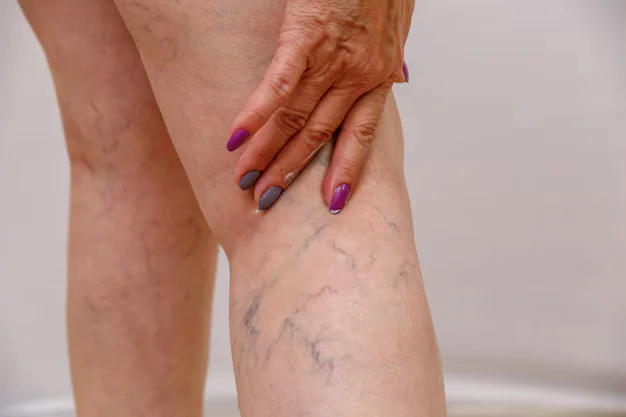
If you're searching for the best ayurvedic oil for varicose veins, here's the direct answer: Sahacharadi Thailam and Pinda Thailam are the two most clinically recommended Ayurvedic oils for varicose vein management. Sahacharadi Thailam specifically targets Vata dosha imbalance in the lower extremities, while Pinda Thailam addresses inflammation and skin discoloration associated with venous insufficiency. But choosing the right oil depends on your stage of varicose veins, your dominant dosha imbalance, and the specific symptoms you're experiencing.
This guide goes far beyond simple oil recommendations. We'll cover the Ayurvedic understanding of varicose veins, compare every major oil side by side, teach you proper self-massage technique, tell you when oils are actually dangerous to use, and give you home-preparation recipes that no other guide covers.
What Are Varicose Veins? The Ayurvedic Perspective
Varicose veins — known as Sira Granthi or Siraja Granthi in Ayurvedic texts — occur when veins become enlarged, dilated, and overfilled with pooled blood. They typically appear as blue or dark purple twisted cords on the legs and feet.
How Venous Valves Fail
To understand why Ayurvedic oils help, you need to understand the mechanics. Your leg veins contain one-way valves that push blood upward against gravity, back toward the heart. These valves handle pressures up to 300 mmHg during activities like heavy lifting or straining. When these valves weaken or get damaged, blood flows backward and pools in the veins — a condition called venous reflux.
The valve failure can occur at multiple levels: the saphenofemoral junction near the groin, perforator veins connecting superficial and deep systems, or within the small saphenous vein behind the knee. This is why varicose veins often don't appear in just one spot — they can manifest throughout the leg.
Varicose Veins Through the Lens of Doshas
In Ayurveda, varicose veins are primarily a Vata dosha disorder with secondary involvement of Pitta and Kapha.
Here's the breakdown:
- Vata imbalance causes dryness, loss of elasticity in vein walls, and impaired circulation (Vyana Vayu dysfunction)
- Pitta involvement leads to inflammation, burning sensation, and skin discoloration
- Kapha aggravation contributes to heaviness, swelling, and fluid retention in the legs
Acharya Sushruta described this condition under Siraja Granthi, where vitiated Vata dosha causes the blood vessels to become tortuous and knotted. This ancient understanding aligns remarkably well with modern vascular pathology.
Common Causes and Risk Factors
| Risk Factor | How It Contributes |
|---|---|
| Prolonged standing (6+ hours daily) | Increases venous pressure in legs |
| Obesity (BMI > 30) | Adds pressure on lower body veins |
| Pregnancy | Increased blood volume + hormonal changes |
| Age (over 50) | Natural loss of vein elasticity |
| Female sex | 2-3x more common due to hormonal influence |
| Family history | Genetic weakness in valve structure |
| Sedentary lifestyle | Poor muscle pump action |
Symptoms to Watch For
Early-stage symptoms include heaviness and aching in the legs after standing, visible spider veins, and mild swelling around ankles. As the condition progresses, you may notice bulging rope-like veins, leg cramps (especially at night), itching around affected veins, and skin darkening near the ankles.
Advanced symptoms — such as venous ulcers, spontaneus bleeding from veins, and hardened skin (lipodermatosclerosis) — require immediate medical attention and should not be treated with oils alone.
Best Ayurvedic Oils for Varicose Veins: Detailed Comparison
Not all Ayurvedic oils work the same way for varicose veins. Each has a different composition, targets different doshas, and works best at different stages. Here's the comprehensive comparison that no other guide provides.
Sahacharadi Thailam
This is considered the gold standard Ayurvedic oil for varicose veins, especially those rooted in Vata imbalance. The base herb is Sahachara (Strobilanthes ciliatus), combined with sesame oil and other Vata-pacifying herbs.
How it works: Strengthens vein walls, improves blood circulation in the lower extremities, and reduces the dryness and rigidity associated with Vata aggravation. It's traditionally indicated for diseases of the legs, numbness, and muscular weakness. Best for: Early to moderate varicose veins with symptoms like heaviness, aching, and cramping. Particularly effective in cold weather when Vata is naturally aggravated. How to use: Warm slightly (not hot) and apply using upward strokes from ankle to thigh. Use daily for a minimum of 21 days to see initial results. Kottakkal Arya Vaidya Sala and Kerala Ayurveda are two reputable manufacturers.
Pinda Thailam
When there's significant inflammation, skin discoloration, or burning sensation, Pinda Thailam becomes the better choice. Its formulation includes Manjistha (Rubia cordifolia), Sarjarasa (Vateria indica resin), and beeswax in a sesame oil base.
How it works: Primarily addresses Pitta and Rakta (blood tissue) vitiation. It has anti-inflammatory, wound-healing, and skin-regenerating properties. A 2018 observational study published in the Journal of Ayurveda and Integrative Medicine noted significant improvement in skin changes associated with chronic venous insufficiency when Pinda Thailam was used consistently over 30 days. Best for: Moderate to advanced varicose veins with skin changes, eczema, burning sensation, or early ulceration around the veins.
Eranda Thailam (Castor Oil)
Castor oil has gained populartiy as a home remedy for varicose veins, and there's actually some basis for it. Ricinoleic acid, the primary fatty acid in castor oil (making up about 90% of its composition), has demonstrated anti-inflammatory and analgesic properties in studies, including a 2019 investigation published in the Journal of Ethnopharmacology.
Best for: Mild varicose veins, spider veins, and as a budget-friendly daily maintenance oil.
Other Notable Ayurvedic Oils
- Dhanwantharam Thailam: Excellent for Vata disorders with muscular pain; works well when varicose veins are accompanied by body aches
- Ksheerabala Thailam: Best when varicose veins co-exist with neurological symptoms like numbness and tingling
- Murivenna: Specifically indicated when there's trauma or injury to the varicose vein area
Complete Oil Comparison Table
| Oil | Primary Dosha Target | Best Stage | Key Action | Price Range (approx.) | Application Frequency |
|---|---|---|---|---|---|
| Sahacharadi Thailam | Vata | Early–Moderate | Strengthens veins, improves circulation | ₹350–500/200ml | Daily |
| Pinda Thailam | Pitta-Rakta | Moderate–Advanced | Anti-inflammatory, heals skin changes | ₹350–450/200ml | Daily or twice daily |
| Eranda Thailam | Vata-Kapha | Mild–Early | Reduces inflammation, mild analgesic | ₹150–250/200ml | Daily |
| Dhanwantharam Thailam | Vata | Early–Moderate | Pain relief, muscle support | ₹300–450/200ml | 3–5 times/week |
| Ksheerabala Thailam | Vata | Any (with nerve symptoms) | Nerve nourishment | ₹350–500/200ml | Daily |
How to Use Sahacharadi Thailam for Varicose Veins
This is one of the most searched questions, and most guides answer it vaguely. Here's a proper step-by-step self-massage protocol specifically designed for varicose veins.
Step-by-Step Self-Massage Technique (Abhyanga)
Preparation:
- Warm the oil to slightly above body temperature — place the bottle in a bowl of warm water for 5 minutes. Never microwave Ayurvedic oils, as it can destroy the herbal compounds.
- Sit comfortably with your leg elevated on a cushion or stool.
The Massage:
- Take a tablespoon of warm oil and begin at the ankle, using gentle upward strokes toward the knee
- Use your palm and fingers — not thumbs — to apply even, light pressure. Think of it as guiding the blood upward rather than pressing deep
- Never massage directly over a bulging varicose vein. Work around it, always moving upward
- Continue from the knee upward toward the thigh using the same upward strokes
- Spend extra time on the calf muscles using gentle circular motions — the calf acts as a "second heart" for venous return
- Total massage time: 15–20 minutes per leg
After the massage:
- Keep legs elevated for 10–15 minutes
- If possible, wrap legs with a warm cotton cloth (this mimics Upanaha Swedam)
- Wash off with lukewarm water after 30–45 minutes, or leave on overnight for deeper absorption
Pressure Guidelines
This is critical and something most people get wrong. Light to moderate pressure only. On a scale of 1 to 10, aim for a 3-4. Excessive pressure can damage already weakened vein walls and potentially dislodge a clot if deep vein thrombosis is present but undiagnosed. If you feel pain during massage, you're pressing too hard.
Expected Timeline and Results
- Week 1–2: Reduced heaviness and aching in legs
- Week 3–4: Noticeable decrease in night cramps and ankle swelling
- Week 6–8: Mild improvement in vein appearance, better skin texture
- Week 12+: Significant reduction in symptoms; spider veins may fade noticeably
A typical Ayurvedic treatment course for varicose veins runs 21 to 90 days depending on severity. Chronic cases may require repeated courses with gaps.
Which Oil for Which Stage of Varicose Veins?
No competitor guide addresses this, but it's arguably the most practical information you need.
Stage 1: Spider Veins and Mild Heaviness
At this early stage, Vata dosha is just beginning to affect the vein walls. Sahacharadi Thailam or even regular Eranda Thailam (castor oil) applied daily with gentle massage is usually sufficient. Combine with lifestyle modifications for best results.
Stage 2: Visible Varicose Veins Without Skin Changes
The veins are visibly enlarged and twisted, but the surrounding skin is still normal. Sahacharadi Thailam remains the primary choice. You can alternate with Dhanwantharam Thailam if there's significant muscular pain.
Stage 3: Varicose Veins With Skin Changes
When you notice skin darkening (hyperpigmentation), eczema, or hardening around the ankles — switch to Pinda Thailam as the primary oil. You can use Sahacharadi Thailam on the upper leg where skin is unaffected. This stage requires professional Ayurvedic consultation.
Stage 4: Venous Ulcers
Do not self-treat with oils at this stage. Venous ulcers require professional wound care. However, after the ulcer begins healing under medical supervision, Pinda Thailam can be applied around (not on) the ulcer to support skin regeneration.
When NOT to Use Ayurvedic Oils: Critical Contraindications
This section could literally save your life, and no competitor covers it properly.
Absolute Contraindications
- Deep Vein Thrombosis (DVT): If you have a known or suspected blood clot in the deep veins, massage with any oil is strictly prohibited. It can dislodge the clot and cause a life-threatening pulmonary embolism. Signs of DVT include sudden swelling in one leg, warmth, redness, and calf pain when flexing the foot upward.
- Active cellulitis or skin infection: Oil application over infected skin can spread the infection
- Open, bleeding venous ulcers: Direct oil application interferes with wound healing and increases infection risk
- Acute thrombophlebitis: Inflamed, painful veins with redness indicate active inflammation — avoid massage entirely
Relative Contraindications
- Immediately after surgery (sclerotherapy, stripping, or ablation) — wait at least 2–4 weeks and consult your vascular surgeon
- During pregnancy — while Sahacharadi Thailam is generally considered safe, always consult an Ayurvedic physician first. Some formulations contain herbs that are contraindicated in pregnancy
- On anticoagulant medications — increased bruising risk; use very light pressure only
स्वयं दवा न लें और प्रतीक्षा न करें। अभी डॉक्टर से चैट शुरू करें
DIY Recipes: How to Prepare Ayurvedic Oils at Home
For those who prefer making their own oils or don't have access to commercial formulations, here are two authentic recipes.
Basic Sahacharadi Oil (Simplified Home Version)
Ingredients:
- 100 ml cold-pressed sesame oil (Tila Thailam)
- 20 g Sahachara root powder (Strobilanthes ciliatus)
- 10 g Devadaru powder (Cedrus deodara)
- 400 ml water
Method:
- Soak the herbal powders in 400 ml water overnight
- Next morning, boil the mixture on low flame until it reduces to about 100 ml (the herbal decoction)
- Add 100 ml sesame oil to this decoction
- Cook on very low heat, stirring continously, until all water evaporates.
- Test by adding a drop of the mixture — if it sizzles without sputtering, the water is gone
- Strain through a fine muslin cloth
- Store in a dark glass bottle.
- Shelf life: approximately 6 months
Anti-Inflammatory Varicose Vein Oil
Ingredients:
- 100 ml coconut oil
- 15 g Manjistha powder (Rubia cordifolia)
- 10 g Sariva powder (Hemidesmus indicus)
- 5 g Gotu Kola powder (Centella asiatica)
- 400 ml water
Method:
Follow the same process as above. This oil is better suited for Pitta-type varicose veins with inflammation and burning.
> Important note: Homemade oils are less potent than classical formulations prepared under controlled conditions. For moderate to severe varicose veins, use commercially prepared oils from reputable manufacturers like Kottakkal Arya Vaidya Sala, Kerala Ayurveda, or Vaidyaratnam.
Beyond Oils: Complete Ayurvedic Treatment Approach
Oils are just one part of Ayurvedic varicose vein management. A truly holistic approach includes several other interventions.
External Ayurvedic Therapies (Panchakarma)
- Lepam: Herbal paste application using herbs like Manjistha and Sariva directly over affected areas. Left on for 45–60 minutes
- Upanaha Swedam: Warm herbal poultice bandaging — herbs are mixed with oil, warmed, and bound to the legs overnight
- Dhara: Continuous pouring of warm medicated oil (like Sahacharadi Thailam) over the legs for 30–45 minutes. This is essentially a more intensive form of oil application
- Leech Therapy (Jalookavacharanam): A form of Raktamoksha (bloodletting) where medicinal leeches are applied near varicose veins. The leech saliva contains hirudin (an anticoagulant), hyaluronidase, and vasodilators that reduce blood congestion. A 2017 review in Indian Journal of History of Science documented its traditional use in Shalya Tantra
- Siravyadhana (Venesection): Described in Sushruta Samhita as "ardha chikitsa" (half the treatment), this involves controlled removal of stagnant blood from affected veins
Internal Ayurvedic Medicines
| Medicine | Form | Primary Action |
|---|---|---|
| Sahacharadi Kashayam | Decoction | Strengthens veins from inside |
| Kaishora Guggulu | Tablet | Anti-inflammatory, blood purifier |
| Sarivadyasava | Arishta (fermented) | Blood purification, reduces Pitta |
| Chirabilvadi Kashayam | Decoction | Improves circulation |
| Triphala Guggulu | Tablet | Reduces congestion, anti-inflammatory |
Always consult a qualified Ayurvedic practitioner before starting internal medicines.
Yoga Asanas for Varicose Veins
These specific poses promote venous return and reduce blood pooling:
- 1.Viparita Karani (Legs Up the Wall): The single most beneficial pose. Hold for 5–15 minutes daily
- 2.Sarvangasana (Shoulder Stand): Reverses gravitational pressure on leg veins — only if you have the strength and no neck issues
- 3.Pawanmuktasana (Wind-Releasing Pose): Improves abdominal and lower body circulation
- 4.Tadasana (Mountain Pose): Activates the calf muscle pump when practiced with conscious heel raises
- 5.Matsyasana (Fish Pose): Opens the chest and improves overall venous return
Avoid: Prolonged standing poses like Vrikshasana (Tree Pose) for extended durations if you have moderate to severe varicose veins.
Dietary Recommendations (Ahara)
Specific foods that support vein health in the Ayurvedic framework:
Foods to include:
- Bitter gourd (Karela), drumstick (Moringa), and pomegranate — all excellent Rakta Shodhak (blood purifiers)
- Turmeric (1/2 tsp daily in warm milk) — anti-inflammatory
- Garlic and ginger — improve circulation
- High-fiber foods: whole grains, leafy greens, legumes — prevent constipation (straining worsens varicose veins)
- Amla (Indian gooseberry) — rich in Vitamin C, strengthens vein walls
Foods to avoid:
- Excessive salt — causes water retention and increases venous pressure
- Deep fried and processed foods — aggravate Pitta and increase inflammation
- Refined sugar — contributes to obesity and inflammation
- Cold, leftover, and stale food — aggravates Vata dosha
Seasonal Considerations (Ritucharya)
This is something no other guide mentions. The choice and frequency of oil application should vary by season:
- Sharad Ritu (Autumn) and Hemanta Ritu (Early Winter): Vata is naturally aggravated. Use Sahacharadi Thailam daily. This is the most importent season for consistent oil application
- Grishma Ritu (Summer): Pitta predominates. Switch to cooling oils like Pinda Thailam or coconut oil-based preparations. Apply in the evening rather than during peak heat
- Varsha Ritu (Monsoon): Vata is at its peak. Warm oil massage is highly beneficial, but ensure the oil is genuinely warm (not lukewarm) as humidity can make the body feel cold
Combining Ayurvedic Oils With Conventional Treatment
- Many people are already using modern medical treatments for varicose veins.
- Here's how Ayurvedic oils can safely integrate:
- With compression stockings: Apply oil and allow 30 minutes of absorption before putting on compression stockings. The oil actually helps prevent skin dryness that stockings can cause
- After sclerotherapy: Wait at least 2 weeks post-procedure. Then gentle oil application can help with residual bruising and skin recovery. Pinda Thailam is particularly useful here
- After endovenous laser treatment (EVLT): Wait 3–4 weeks. Oil massage can help with post-procedure discomfort and skin changes
- Before planned surgery: Consistent oil massage for 4–6 weeks before surgery can improve skin quality and potentially support better surgical outcomes. Inform your surgeon about all Ayurvedic treatments
How to Cure Varicose Veins Naturally: Lifestyle Changes That Actually Work
Daily Habits
- Elevate your legs above heart level for 15 minutes, three to four times daily
- Take walking breaks every 30 minutes if you have a desk job — even 2 minutes of walking activates the calf pump
- Avoid crossing your legs when sitting. It sounds simple but genuinely restricts blood flow
- Sleep with legs slightly elevated — place a pillow under your calves
- Wear proper footwear — avoid high heels that impair calf muscle function
Exercise Guidelines
Low-impact exercises are best: walking, swimming, cycling, and yoga. Aim for 30 minutes daily. Avoid heavy weightlifting, prolonged running on hard surfaces, and any exercise that involves heavy straining or Valsalva maneuver.
Frequently Asked Questions
What oils remove varicose veins?
No oil can completely "remove" varicose veins once they're significantly enlarged. However, Sahacharadi Thailam and Pinda Thailam can significantly reduce symptoms (pain, heaviness, swelling), slow progression, and improve the appearance of mild to moderate varicose veins. Spider veins and early-stage varicose veins respond best to oil therapy.
How to use Sahacharadi Thailam for varicose veins?
Warm the oil slightly, then apply with gentle upward strokes from ankle to knee, and knee to thigh. Massage for 15–20 minutes per leg, avoiding direct pressure on bulging veins. Leave on for at least 30 minutes or overnight. Use daily for a minimum of 21 days for noticable results.
Can Pinda Thailam be used for varicose veins?
Yes, Pinda Thailam is specifically indicated when varicose veins are accompanied by skin changes such as discoloration, eczema, or mild ulceration. It's considered the better choice over Sahacharadi Thailam when Pitta dosha is significantly involved.
How long does Ayurvedic treatment take to show results for varicose veins?
Most patients report symptomatic relief (reduced heaviness and pain) within 2–3 weeks of consistent oil application. Visible improvement in vein appearance typically takes 6–12 weeks. Severe cases may require 3–6 months of combined treatment including oils, internal medicines, and Panchakarma therapies.
Are there any side effects of using Ayurvedic oils for varicose veins?
- When used correctly, Ayurvedic oils rarely cause side effects. However, some people may experience skin irritation or allergic reactions to specific herbs. Always do a patch test on a small area of skin before first use.
- The main risk isn't the oil itself — it's using massage when it's contraindicated (DVT, active infection, open wounds).
Is Kerala Ayurvedic treatment better for varicose veins?
Kerala has a strong tradition of oil-based treatments (Keraleeya Chikitsa) including Dhara, Pizhichil, and specialized Abhyanga techniques that are particularly effective for vascular conditions. However, the effectiveness depends more on the practitioner's skill and the treatment protocol than the geographic origin. Quality Ayurvedic treatment for varicose veins is available across India.
Can varicose veins be treated with Ayurveda alone?
Mild to moderate varicose veins (Stages 1–2) can often be managed effectively with Ayurvedic oils, internal medicines, lifestyle changes, and yoga. Advanced varicose veins (Stages 3–4) with complications like ulcers or bleeding typically require integrated care — Ayurvedic treatment for symptom management alongside modern surgical or interventional procedures.
Final Thoughts: Choosing Your Ayurvedic Oil for Varicose Veins
The best ayurvedic oil for varicose veins ultimately depends on your individual constitution, the stage of your condition, and which dosha is most imbalanced. Start with Sahacharadi Thailam for general Vata-type varicose veins, switch to Pinda Thailam if you have significant inflammation or skin changes, and use Eranda Thailam as an accessible daily maintenance option.
But remember — oil application is most effective when combined with proper technique, dietary changes, yoga, and professional Ayurvedic guidance. Don't ignore warning signs that require medical attention, and never substitute oil massage for emergency vascular care.
If you're dealing with varicose veins and want personalized guidance on which oil and treatment protocol is right for you, consulting a qualified Ayurvedic practitioner who can assess your Prakriti and the severity of your condition is the most reliable path to lasting relief.
Scientific Sources
- Indian medicinal plants as a source of antimycobacterial agents — Gautam R et al., 2007, Journal of ethnopharmacology
- Editorial: complementary and Alternative Medicine (CAM), Ayurvedic medicine, and research into behavioral and mind/body interventions in headache — Tepper SJ, 2014, Headache
- Ayurveda and gynecological disorders — Jadhav AN et al., 2005, Journal of ethnopharmacology
- Why the "sugars" in traditional Unani formulations are a pivotal component: A viewpoint perspective — Fazil M et al., 2022, Journal of integrative medicine
- Ayurvedic Management of Presbycusis (Project TOPMAC): Protocol for an Exploratory Randomized Controlled Trial — V KK et al., 2024, JMIR research protocols
- Utilization of Ayurveda in health care: an approach for prevention, health promotion, and treatment of disease.Part 2--Ayurveda in primary health care — Sharma H et al., 2007, Journal of alternative and complementary medicine (New York, N.Y.)
- Triphala, Ayurvedic formulation for treating and preventing cancer: a review — Baliga MS, 2010, Journal of alternative and complementary medicine (New York, N.Y.)
- RAACFDb: Rheumatoid arthritis ayurvedic classical formulations database — Mohamed Thoufic Ali AM et al., 2017, Journal of ethnopharmacology
- The Perspective of Unani Medicine in Understanding Hyperthyroidism — Alam A et al., 2023, Alternative therapies in health and medicine
- Ayurvedic Ingredients in Dermatology: A Call for Research — Singh N et al., 2025, Journal of cosmetic dermatology
- Highlighting the anti-carcinogenic potential of an ayurvedic medicinal plant, Swertia Chirata — Saha P et al., 2010, Asian Pacific journal of cancer prevention: APJCP
- Investigating Ayurvedic Strategies: An In-Depth Examination of Managing Diabetes across Different Types — Balkrishna A et al., 2025, Current diabetes reviews
- COMMENT: Ayurveda awaits a new dawn — Krishna GL, 2022, Indian journal of medical ethics
- Comparison of medicinal preparations of Ayurveda in India and five traditional medicines in China — Li X et al., 2022, Journal of ethnopharmacology
- Ayurveda and in silico Approach: A Challenging Proficient Confluence for Better Development of Effective Traditional Medicine Spotlighting Network Pharmacology — Sahu R et al., 2023, Chinese journal of integrative medicine
- Biomedical Research.Searching for science in India's traditional medicine — Pulla P, 2014, Science (New York, N.Y.)
- Recapitulation of Ayurveda constitution types by machine learning of phenotypic traits — Tiwari P et al., 2017, PloS one
- From nature's bounty to drug discovery: Leveraging phytochemicals and molecular approaches to combat multi-drug-resistant (MDR) tuberculosis — Nalam SM et al., 2024, The Indian journal of tuberculosis
- Knowledge, attitude, perception and satisfaction level of Ayurveda and allopathy in India: A systematic literature review — Hazra S et al., 2025, Explore (New York, N.Y.)
- Preserving neural retina through re-emerging herbal interventions — Anand A et al., 2014, Journal of cellular biochemistry
उपयोगकर्ताओं के प्रश्न
What are the potential side effects of Ayurvedic oils for varicose veins?
Client_8a06dd
7 दिनों पहले
The potential side effects of Ayurvedic oils for varicose veins can include skin irritation, allergic reactions, or worsening symptoms if oils are used improperly. To ensure safety, always do a patch test on a small skin area before fully applying the oil. The oils themselves are generally safe, but massage associated with their use may pose risks if you have conditions such as deep vein thrombosis (DVT), active infections, or open wounds. If you experience increased swelling, redness, or pain, it's important to consult a healthcare professional promptly.
How does diet influence the effectiveness of Ayurvedic treatments for varicose veins?
Client_f665aa
17 दिनों पहले
Diet plays a crucial role in enhancing the effectiveness of Ayurvedic treatments for varicose veins by supporting vascular health and reducing symptoms. A diet rich in high-fiber foods like fruits, vegetables, and whole grains can prevent constipation, a factor that can exacerbate varicose veins. Also, anti-inflammatory foods, such as ginger, turmeric, and garlic, help reduce inflammation and improve circulation. Limiting salt intake prevents fluid retention, which can worsen swelling. For severe symptoms or lifestyle changes that don't yield results within a few months, consult a healthcare professional.
What other natural remedies can complement Ayurvedic treatments for varicose veins?
Client_e5efda
26 दिनों पहले
Complementary natural remedies for varicose veins include increasing physical activity, such as walking, to improve circulation and wearing compression stockings to reduce swelling and discomfort. Dietary changes, like consuming foods high in flavonoids such as berries and citrus fruits, can also support vein health. While herbal remedies like horse chestnut extract have shown potential, it's essential to monitor for allergic reactions. If symptoms worsen or new issues arise, consulting a healthcare professional is advisable for safe, personalized care.
How can yoga techniques specifically help manage varicose veins symptoms?
Client_6e8171
36 दिनों पहले
Yoga techniques can specifically help manage varicose veins symptoms by improving circulation and reducing swelling. Poses like Legs Up the Wall (Viparita Karani) encourage blood flow from the legs back to the heart, alleviating pressure in the veins. Regular practice can also strengthen the muscles in your legs, which helps support veins and prevent worsening of symptoms. Generally, it may take several weeks to notice improvements, and consistency is key. If there is pain, significant swelling, or skin changes, consult a healthcare professional without delay, as these could indicate a need for more immediate treatment.
Is there any scientific research supporting Ayurvedic treatments for varicose veins?
Client_19d9fe
46 दिनों पहले
There is limited scientific research specifically supporting Ayurvedic treatments for varicose veins. While some ingredients like Manjistha and sesame oil are noted in Ayurveda for their potential therapeutic effects, significant clinical studies are lacking. For symptom relief, compression stockings and leg elevation are commonly recommended. If pain, swelling, or ulcers occur, consult a doctor. Ayurveda might complement these treatments with lifestyle adjustments, but it's vital to approach it as part of a broader wellness strategy rather than a primary solution.
What is Dhanwantharam Thailam and how does it help with muscular pain in varicose veins?
Client_b5c747
55 दिनों पहले
Dhanwantharam Thailam is an Ayurvedic herbal oil often recommended for relieving muscular pain, including pain associated with varicose veins. It's great because it helps to soothe Vata imbalances, which are often at play in these cases. It enhances blood circulation and reduces inflammation, which can alleviate some of the pain. Just remember to massage it in gently, not putting pressure on those bulging veins. If you're dealing with skin issues, it might be good to switch to another oil like Pinda Thailam as mentioned.
What is the best technique for applying Ayurvedic oils to varicose veins for optimal results?
Client_c9fd48
64 दिनों पहले
For optimal results, slightly warm the oil of your choice like Pinda or Sahacharadi Thailam and apply it with upward strokes, starting from your ankle up to your thigh. Be gentle, no need to press too hard! Do this for about 30 mins daily. And remember, combine it with lifestyle changes and maybe a bit of yoga for the best outcomes.
What lifestyle habits can help balance doshas to improve varicose veins according to Ayurveda?
Client_94ec9a
75 दिनों पहले
To balance your doshas for varicose veins, try these lifestyle habits: Practice gentle yoga or walking to keep blood flowing. Eat warm, cooked foods and stay hydrated to support agni. Elevating your legs and reducing prolonged standing helps too. Stress management, like meditation, can calm Vata imbalances. For personalized advice, consider consulting an Ayurvedic practitioner!
What lifestyle changes can support Ayurvedic treatments for varicose veins?
Client_22eda3
84 दिनों पहले
To support Ayurvedic treatments for varicose veins, try elevating your legs to reduce swelling. Walking helps improve circulation! Stay hydrated and eat foods that strengthen circulation like ginger and garlic. Avoid prolonged standing or sitting. Massage with Ayurvedic oils, like sesame or gotu kola oil, but remember, consistency is important!
What is the best time of day to apply Ayurvedic oils for varicose veins?
Client_b42e0b
94 दिनों पहले
For the best results, applying Ayurvedic oils in the morning or evening may be ideal, because it gives the body time to absorb and respond to the oils’ properties. Morning application can awaken the body’s energies, while evening can promote relaxation. But listen to your body too it’s all about finding what works best for your routine.
संबंधित आलेख
Neurological Disorders
Anuvasana Vasti: Benefits and Insights Into This Healing Ayurvedic Enema Therapy
Discover the proven benefits, proper dosage, side effects, and scientific research behind Anuvasana Vasti, a powerful Ayurvedic therapy for detoxification and balance.
3,638

Neurological Disorders
Ayurveda for Peripheral Neuropathy – Holistic Healing for Nerve Health
Discover natural Ayurvedic remedies for peripheral neuropathy to reduce nerve pain, promote nerve regeneration, and restore balance through holistic healing.
3,668
Neurological Disorders
Myasthenia Gravis Ayurvedic Treatment: A Holistic Approach to Managing Neuromuscular Healt
Myasthenia Gravis (MG) is a chronic autoimmune disorder that affects neuromuscular function, leading to weakness in skeletal muscles
3,506

Neurological Disorders
ब्राह्मी घृत के फायदे, खुराक, उपयोग करने का तरीका, साइड इफेक्ट्स, सामग्री, संदर्भ
ब्राह्मी घृत के फायदे, खुराक, उपयोग करने का तरीका, साइड इफेक्ट्स, सामग्री, संदर्भ की खोज
4,921

Neurological Disorders
हल्दी से वैरिकोज वेन्स का इलाज कैसे करें: प्राकृतिक उपाय
हल्दी वैरिकोज़ वेन पैच का अन्वेषण करें, वैरिकोज़ वेन्स के लिए हल्दी के फायदे और रक्त प्रवाह और पैरों की सेहत को सुधारने के लिए प्राकृतिक आयुर्वेदिक उपचारों के बारे में जानें।
9,056

Neurological Disorders
How to Get Rid of a Migraine: Fast and Natural Relief
How to get rid of a migraine fast and naturally? Discover migraine relief at home, Ayurvedic treatments, and how to cure migraines that won’t go away
1,874
Neurological Disorders
Ayurvedic Treatment for Neuropathy: A Gentle Yet Potent Healing Path You Might Not Have Considered
Let’s start with something most folks won’t tell you: neuropathy isn’t just “nerve pain.” It’s sneaky, persistent, and weirdly personal. Some feel it as tingling toes, others like burning fingers, and some like invisible ants crawling under their skin. Th
2,981

Neurological Disorders
सरस्वतारिष्ट के उपयोग, खुराक, साइड इफेक्ट्स और सामग्री
सारस्वतारिष्ट के उपयोग, खुराक, साइड इफेक्ट्स और सामग्री की खोज
4,000
Neurological Disorders
What Causes Vertigo: Ayurvedic Perspective on Imbalance and Healing
What causes vertigo? Discover Ayurvedic causes, symptoms, and treatments. Learn how to restore balance naturally with herbal remedies and lifestyle support
2,870

Neurological Disorders
Ayurvedic Remedies for Sleep Disorder
Sleep is one of the most basic yet essential commodities for leading a holistic and healthy life.
3,465
विषय से संबंधित परामर्श
अतिरिक्त दस्तावेज़
© 2024 Ask Ayurveda. सर्वाधिकार सुरक्षित।