

आयुर्वेदिक डॉक्टर से प्रश्न पूछें और निःशुल्क या भुगतान मोड में अपनी चिंता की समस्या पर ऑनलाइन परामर्श प्राप्त करें। 2,000 से अधिक अनुभवी डॉक्टर हमारी साइट पर काम करते हैं और आपके प्रश्नों का इंतजार करते हैं और उपयोगकर्ताओं को उनकी स्वास्थ्य समस्याओं को हल करने में प्रतिदिन मदद करते हैं।
मुफ्त! आयुर्वेदिक डॉक्टरों से पूछें 24/7

 तेज़ प्रतिक्रियाएँ
 1000+ सत्यापित डॉक्टर
Body DetoxEar, Nose, and Throat DisordersGeriatrics & RejuvenationImmunodeficiencyInfertility TreatmentNutritionOrthopedic DisordersPediatricsRespiratory DisordersSexually Transmitted Diseases (STDs)Surgery RecoveryUrological DisordersVascular DisordersDental DisordersEndocrinological DisordersGastrointestinal DisordersYoga TherapyGeneral MedicineAllergic DisordersCardio DisordersGynecology and ObstetricsCosmetologySkin and Hair DisordersEye DisordersInfectious DiseasesMental DisordersNeurological DisordersOncologyPanchakarmaSexual Health & DisordersSports Medicine
पर प्रकाशित 03/07/25
(को अपडेट 06/19/26)
4,084
How to Reduce Eosinophil Count in Ayurveda – Natural Remedies & Lifestyle Adjustments
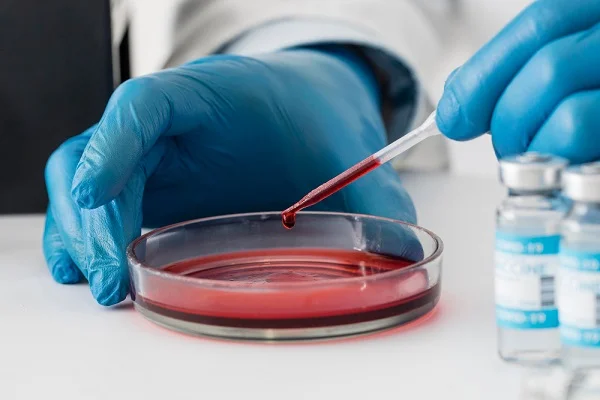
Your eosinophil count tells you how many eosinophils — a specific type of white blood cell — are circulating in your blood. A normal absolute eosinophil count (AEC) falls between 100 and 500 cells per microliter (cells/µL), which typically represents 1% to 5% of your total white blood cells. Counts above 500 cells/µL indicate eosinophilia, while counts below 100 cells/µL may suggest eosinopenia. Both directions warrant further investigation because they can signal conditions ranging from allergies and parasitic infections to autoimmune disorders and even certain cancers.
This guide covers everything you need to know — what eosinophils do, how the test works, what your results mean by age group, and practical steps to take next. Whether you're trying to understand a lab report or your doctor has flagged an abnormal result, you'll find clear, evidence-based answers below.
What Are Eosinophils and What Do They Do?
- Eosinophils are one of five types of white blood cells (leukocytes) produced in your bone marrow.
- Under a microscope, they're easy to spot: they have a distinctive bi-lobed (two-lobed) nucleus and are filled with reddish-orange granules when stained with eosin dye — which is actually how they got their name.
Where Are Eosinophils Located in the Body?
Once eosinophils mature in the bone marrow, they enter the bloodstream and circulate for roughly 8 to 12 hours. After that, they migrate into tissues where they can survive for 1 to 2 weeks.
You'll find them concentrated in:
- Gastrointestinal tract (especially the stomach and intestines)
- Lungs and airways
- Skin
- Adipose (fat) tissue
- Thymus, spleen, and lymph nodes
Here's an important clinical nuance that many people miss: the vast majority of your eosinophils — roughly 100 times more — reside in tissues rather than blood. This means your blood eosinophil count can appear normal even when tissue eosinophil levels are significantly elevated.
Key Functions of Eosinophils
Eosinophils are far more than just "allergy cells." They perform several critical roles in your immune system:
- Parasite defense: Eosinophils are your body's primary weapon against multicellular parasites like helminths (worms).
- They release toxic granule proteins — major basic protein (MBP), eosinophil cationic protein (ECP), and eosinophil peroxidase — that damage parasite membranes.
- Allergic response modulation: They accumulate at sites of allergic inflammation and release cytokines and leukotrienes that amplify or regulate inflammatory responses.
- Immune regulation: Eosinophils interact with T cells, dendritic cells, and mast cells to shape both innate and adaptive immunity.
- Tissue repair and remodeling: They participate in wound healing and tissue regeneration, particularly in the gut.
- Tumor surveillance: Emerging research suggests eosinophils may play a role in anti-tumor immunity, though this area is still being studied.
Eosinophils vs Other Granulocytes: How Do They Compare?
Understanding where eosinophils fit among other white blood cells helps you read your CBC report with more confidence.
| Feature | Eosinophils | Neutrophils | Basophils |
|---|---|---|---|
| % of WBCs | 1–5% | 55–70% | 0.5–1% |
| Primary role | Parasites, allergies | Bacterial infections | Allergic reactions, histamine release |
| Granule color (stained) | Reddish-orange | Pink/purple | Dark blue/purple |
| Nucleus shape | Bi-lobed | Multi-lobed (3–5) | Bi-lobed (often obscured) |
| Lifespan in blood | 8–12 hours | 6–8 hours | 6–12 hours |
| Tissue lifespan | 1–2 weeks | 1–2 days | 1–2 weeks |
What Is an Eosinophil Count Test?
An eosinophil count test measures the number of eosinophils in your blood. It's most commonly performed as part of a Complete Blood Count (CBC) with differential, which breaks down your white blood cells into their five subtypes: neutrophils, lymphocytes, monocytes, eosinophils, and basophils.
Absolute Eosinophil Count vs Percentage: Which One Matters More?
This is something that confuses a lot of patients — and understandably so, because your lab report typically shows both numbers.
- Eosinophil percentage (%): This shows what proportion of your total white blood cells are eosinophils. Normal is 1% to 5%.
- Absolute eosinophil count (AEC): This is the actual number of eosinophil cells per microliter of blood. Normal is 100 to 500 cells/µL.
- The absolute count is more reliable for clinical decision-making.
- Here's why: if your total WBC count is unusually high or low, the percentage can be misleading. For example, someone with a WBC of 20,000 cells/µL and 3% eosinophils has an AEC of 600 cells/µL — which is above normal, even though the percentage looks fine.
The formula is straightforward:
> AEC = Total WBC count × Eosinophil percentage ÷ 100
When Do Doctors Order a Standalone AEC Test?
While most eosinophil results come from a routine CBC, your doctor might order a specific absolute eosinophil count when:
- Monitoring a known eosinophilic disorder (e.g., eosinophilic asthma)
- Evaluating response to treatment with biologics like mepolizumab
- Investigating suspected parasitic infections in endemic regions
- Tracking drug reactions causing eosinophilia
- Assessing severity of allergic conditions that aren't responding to standard therapy
How the Test Is Performed
The test requires a simple venous blood draw — usually from a vein in your arm. In the lab, your blood sample is stained (eosin dye makes eosinophils visually distinct) and either counted manually under a microscope or processed through an automated hematology analyzer. Results are typically available within a few hours.
Preparation: No fasting is generally required. However, you should tell your doctor about any medications you're taking, as several drugs can affect results:
- Medications that may raise eosinophils: Amphetamines, certain antibiotics (particularly beta-lactams), interferon, laxatives containing psyllium
- Medications that may lower eosinophils: Corticosteroids (prednisone, dexamethasone), warfarin, beta-blockers
Risks of the Blood Test
Risks are minimal. You might experience slight bruising or soreness at the puncture site. Rarely, there may be minor bleeding, hematoma formation, or superficial phlebitis. If you're taking anticoagulants like warfarin, let the phlebotomist know — you may bleed a bit more than usual.
Eosinophil Count Normal Range by Age
- One of the biggest gaps in most online resources is the lack of age-specific reference ranges.
- Normal eosinophil levels actually vary depending on your age — and this matters significantly for parents checking their child's report.
| Age Group | Normal AEC (cells/µL) | Normal Percentage |
|---|---|---|
| Newborns (0–2 weeks) | 100–850 | 1–6% |
| Infants (2 weeks – 1 year) | 100–800 | 1–6% |
| Children (1–5 years) | 100–600 | 1–5% |
| Children (6–12 years) | 100–500 | 1–5% |
| Adolescents (13–17 years) | 100–500 | 1–5% |
| Adults (18+ years) | 100–500 | 1–5% |
| Elderly (65+ years) | 50–500 | 1–5% |
Reference ranges may vary slightly between laboratories. Always compare your results to the specific reference range printed on your lab report.
Eosinophil Count During Pregnancy
Pregnancy triggers significant immunological changes, and eosinophil counts are no exception. Research published in the Journal of Reproductive Immunology (2015) shows that eosinophil counts tend to decrease slightly during pregnancy, particularly in the second and third trimesters, due to the natural immunosuppressive state that protects the fetus. A count as low as 50 cells/µL may be considered normal in pregnant women and typically recovers postpartum.
However, if a pregnant woman shows rising eosinophil counts alongside symptoms like rash, wheezing, or gastrointestinal complaints, further evaluation is still warranted.
What Happens If Your Eosinophil Count Is High? (Eosinophilia)
Eosinophilia means your eosinophil count exceeds 500 cells/µL. It's classified into three degrees of severity, and this classification matters because it guides how urgently your doctor needs to act.
Classification of Eosinophilia by Severity
| Severity | AEC Range | Clinical Significance |
|---|---|---|
| Mild | 500–1,500 cells/µL | Common; often due to allergies or mild infections |
| Moderate | 1,500–5,000 cells/µL | Requires investigation; may indicate parasitic infection, drug reaction, or autoimmune condition |
| Severe | >5,000 cells/µL | Urgent evaluation needed; risk of organ damage from eosinophil infiltration |
Common Causes of High Eosinophil Count
The causes of eosinophilia vary widely, and some are far more common in India and other tropical regions:
Allergic conditions (most common cause globally):
- Allergic rhinitis / hay fever
- Asthma (particularly eosinophilic asthma)
- Atopic dermatitis / eczema
- Drug allergies
- Food allergies
Parasitic infections (most common cause in India and tropical regions):
- Roundworm (ascariasis)
- Hookworm
- Filariasis (very common in parts of India)
- Strongyloides
- Toxocara
Autoimmune and inflammatory conditions:
- Eosinophilic granulomatosis with polyangiitis (Churg-Strauss syndrome)
- Inflammatory bowel disease
- Celiac disease
- Rheumatoid arthritis
Eosinophilic disorders:
- Eosinophilic esophagitis (EoE) — inflammation of the esophagus
- Eosinophilic pneumonia — eosinophil accumulation in the lungs
- Eosinophilic colitis — eosinophil-driven colon inflammation
- Eosinophilic fasciitis
Cancers and blood disorders:
- Hodgkin lymphoma
- Eosinophilic leukemia
- Myeloproliferative neoplasms
- Systemic mastocytosis
Other:
- Adrenal insufficiency (Addison's disease)
- Hypereosinophilic syndrome (HES) — persistent eosinophilia >1,500 cells/µL for at least 6 months with organ involvement
Is 7 Percent Eosinophils High?
Yes, 7% eosinophils is above the normal reference range of 1–5%. However, the clinical significance depends on your absolute count, not just the percentage. If your total WBC is 8,000 cells/µL and eosinophils are 7%, your AEC is 560 cells/µL — which is mildly elevated. Your doctor would likely want to repeat the test and investigate common causes like allergies or a recent infection before pursuing more invasive workup.
Don't panic over a mildly elevated result. Mild eosinophilia is extremely common and often transient.
Does a High Eosinophil Count Indicate Cancer?
This is one of the most anxiety-inducing questions patients ask, so let's be direct: in the vast majority of cases, a high eosinophil count does NOT indicate cancer. The most common causes are allergies and infections.
That said, persistently elevated eosinophils — especially severe eosinophilia above 5,000 cells/µL that doesn't respond to treatment, or eosinophilia accompanied by unexplained weight loss, night sweats, fever, or swollen lymph nodes — does warrant investigation for hematologic malignancies. A 2017 study in Blood journal found that fewer than 1% of patients with eosinophilia had an underlying malignancy as the cause.
Can Eosinophilia Be Contagious?
- Eosinophilia itself is not contagious.
- However, the underlying cause might be.
- Parasitic infections — which are a major cause of eosinophilia in India — can spread from person to person or from animals to humans through contaminated food, water, soil, or direct contact. If your eosinophilia is due to a parasitic infection, the infection (not the eosinophilia) requires treatment and precautions.
What Does Low Eosinophil Count Mean? (Eosinopenia)
Eosinopenia refers to an eosinophil count below 100 cells/µL — or in some definitions, a near-absence of eosinophils in the blood. It's less commonly discussed than eosinophilia, but it can be clinically significant.
Causes of Low Eosinophil Count
- Acute stress response: Physical or emotional stress triggers cortisol release, which suppresses eosinophil production and promotes eosinophil apoptosis (cell death)
- Cushing's syndrome / exogenous corticosteroid use: Excess cortisol — whether from disease or medication — is the most common cause
- Severe bacterial infections / sepsis: Acute bacterial infections drive eosinophils from circulation into tissues; a 2020 study in Critical Care Medicine found that eosinopenia (<50 cells/µL) predicted sepsis with 80% sensitivity
- Alcohol intoxication: Acute alcohol consumption suppresses eosinophil counts temporarily
- Bone marrow disorders: Conditions that impair blood cell production
Eosinopenia and COVID-19
A clinically relevant finding that emerged during the pandemic: eosinopenia was identified as an early marker of COVID-19 severity. A 2020 meta-analysis published in Journal of Medical Virology found that patients with severe COVID-19 had significantly lower eosinophil counts than those with mild disease. Some ICUs began using eosinophil counts as one of several prognostic markers, though it's not diagnostic on its own.
स्वयं दवा न लें और प्रतीक्षा न करें। अभी डॉक्टर से चैट शुरू करें
How to Read Your Eosinophil Count Results: Step-by-Step
Many patients receive lab reports and feel overwhelmed. Here's a simple, step-by-step approach to interpreting your results:
Step 1: Locate the eosinophil line on your CBC differential report. It may be labeled "Eos," "Eosinophils," or "EOS%." Step 2: Check the percentage. Is it between 1% and 5%? If yes, proceed to Step 3 for confirmation. If above 5%, it's potentially elevated.
- Step 3: Calculate or find your absolute count. Many labs list this automatically.
- If not, use: AEC = Total WBC × Eos% ÷ 100. Compare it to the 100–500 cells/µL normal range.
Step 4: Consider your symptoms. A mildly elevated count without symptoms is very different from a moderately elevated count with wheezing, rash, or abdominal pain. Step 5: Note the context. Were you sick recently? Taking new medication? Stressed? These factors matter. Step 6: Don't self-diagnose. Share your results with your doctor, who can interpret them within the full clinical picture.
Factors That Affect Test Accuracy
Your eosinophil count is not a static number.
Several factors cause natural fluctuations:
- Time of day (diurnal variation): Eosinophils follow a circadian rhythm. Counts are lowest in the morning (around 8 AM, when cortisol peaks) and highest in the late evening (around midnight). This variation can be as much as 20–40%.
- Physical exercise: Intense exercise temporarily reduces eosinophil counts
- Stress: Acute psychological stress raises cortisol, which lowers counts
- Menstrual cycle: Eosinophil counts may fluctuate across the cycle, with some studies showing slight elevations during the luteal phase
- Recent meals: Some data suggest post-prandial changes, though the effect is minimal
- Seasonal variation: In individuals with allergies, counts may be higher during their specific allergy season
How Often Should You Retest?
This depends on your situation:
- Normal result, no symptoms: No routine retesting needed unless part of regular health screening
- Mildly elevated (500–1,000), no symptoms: Repeat in 4 to 6 weeks to check if it's transient
- Moderately elevated with symptoms: Repeat within 2 to 4 weeks, alongside targeted investigations
- Severe eosinophilia (>5,000): Urgent evaluation and possible repeat within days, along with organ damage assessment
- Monitoring chronic conditions (asthma, HES): Every 3 to 6 months or as directed by your specialist
Treatment: How to Manage Abnormal Eosinophil Levels
Treatment always targets the underlying cause — not the eosinophil count itself. Bringing down eosinophils without addressing why they're elevated is like silencing a fire alarm without putting out the fire.
Medical Treatment for High Eosinophils
Corticosteroids remain the first-line treatment for most causes of eosinophilia:
- Prednisone (oral) — typically 20–40 mg/day, tapered over weeks
- Inhaled corticosteroids for eosinophilic asthma
- Topical steroids for eosinophilic skin conditions
Biologic therapies (targeted monoclonal antibodies) have revolutionized treatment for specific conditions:
- Mepolizumab (Nucala): Anti-IL-5 antibody; reduces eosinophil production. Approved for severe eosinophilic asthma and HES.
- Benralizumab (Fasenra): Anti-IL-5 receptor antibody; directly depletes eosinophils. Approved for severe eosinophilic asthma.
- Dupilumab (Dupixent): Anti-IL-4/IL-13 antibody; used for atopic dermatitis, asthma, eosinophilic esophagitis, and chronic rhinosinusitis with nasal polyps.
- Reslizumab (Cinqair): Anti-IL-5; approved for severe eosinophilic asthma in adults.
Antiparasitic drugs when infection is the cause:
- Albendazole, mebendazole, ivermectin, or diethylcarbamazine (DEC) depending on the specific parasite
Additional treatments:
- Bone marrow biopsy and chemotherapy agents (imatinib) for eosinophilic leukemia or HES with FIP1L1-PDGFRA mutation
- Immunosuppressants like azathioprine or methotrexate for autoimmune causes
Diet and Lifestyle Modifications
While no diet alone will "cure" eosinophilia, certain lifestyle changes can support treatment and potentially reduce inflammatory triggers:
- Identify and eliminate food allergens: Common triggers include dairy, wheat, soy, eggs, nuts and seafood. An elimination diet guided by an allergist can help.
- Anti-inflammatory foods: Incorporate turmeric (curcumin), ginger, omega-3-rich fish, leafy greens, and berries. A 2019 study in Nutrients showed curcumin supplementation reduced blood eosinophil counts by 15–20% in patients with mild allergic rhinitis.
- Avoid known environmental triggers: Dust mites, mold, pet dander, pollen
- Stress management: Chronic stress dysregulates immune function. Regular yoga, meditation, or even daily walks can help normalize cortisol rhythms.
- Adequate hydration and sleep: Both support healthy immune function
- Avoid smoking and excessive alcohol: Both impair immune regulation
Ayurvedic and Traditional Approaches
In India specifically, many patients explore Ayurvedic approaches to managing eosinophilia. Ayurveda views eosinophilia through the lens of dosha imbalance — primarily Kapha and Pitta aggravation — and focuses on strengthening Agni (digestive fire) and eliminating ama (toxins). Common Ayurvedic recommendations include Panchakarma detoxification, herbal formulations containing turmeric, tulsi, and vasaka (Adhatoda vasica), and dietary modifications. However, it's important to note that Ayurvedic approaches should complement, not replace, evidence-based medical treatment, especially in moderate to severe eosinophilia.
What Diseases Are Linked to Eosinophils?
Several disease categories are directly associated with eosinophil dysfunction or infiltration:
Eosinophilic Gastrointestinal Disorders
- Eosinophilic esophagitis (EoE): Dense eosinophil infiltration of the esophagus causing difficulty swallowing, food impaction, and heartburn. Diagnosed when ≥15 eosinophils per high-power field are found on esophageal biopsy. Prevalence has been rising, with estimates of 1 in 2,000 people in Western populations.
- Eosinophilic colitis: Eosinophil accumulation in the colon causing diarrhea, abdominal pain, and sometimes bloody stools.
- Eosinophilic gastritis and enteritis: Similar infiltration in the stomach and small intestine.
Eosinophilic Respiratory Diseases
- Eosinophilic asthma: The most common severe asthma subtype; affects roughly 50–60% of severe asthma patients. Blood eosinophils ≥300 cells/µL are used as a biomarker to guide biologic therapy.
- Eosinophilic pneumonia: Acute or chronic accumulation of eosinophils in lung tissue. Acute eosinophilic pneumonia can cause respiratory failure; chronic forms present with cough, fever, and weight loss.
Hypereosinophilic Syndrome (HES)
Defined by persistent eosinophilia >1,500 cells/µL for more than 6 months with evidence of organ damage. HES can affect the heart, nervous system, skin, lungs, and GI tract. Cardiac involvement (Loeffler endocarditis) is the most dangerous complication. Without treatment, severe HES can be life-threatening.
Common Symptoms of Eosinophil-Related Conditions
- Wheezing, cough, and shortness of breath
- Skin rashes, hives, or eczema flares
- Abdominal pain, diarrhea, nausea
- Difficulty swallowing (dysphagia)
- Fatigue and malaise
- Joint pain
- Fever (in severe cases)
- Numbness or tingling (if nerves are affected)
Frequently Asked Questions (FAQ)
Can you reduce eosinophils without medication?
Mild eosinophilia — say, 500 to 700 cells/µL — that is triggered by environmental allergies may improve with allergen avoidance, dietary changes, and stress reduction. However, moderate to severe eosinophilia almost always requires medical treatment. Never stop prescribed medications to try "natural" alternatives without consulting your doctor.
Should I worry about an eosinophil count of 600 cells/µL?
- Not necessarily. A count of 600 cells/µL is only mildly elevated and is extremely common, particularly in India where allergic conditions and mild parasitic exposures are prevalent. Your doctor will likely recommend retesting in a few weeks and a basic workup (stool exam for parasites, allergy assessment).
- Stay calm — mild eosinophilia rarely indicates anything serious.
How long does it take for the eosinophil count to return to normal?
This varies. If the cause is a drug reaction, counts often normalize within 1 to 2 weeks of stopping the offending medication. Parasitic infections typically show improving counts within 2 to 4 weeks of antiparasitic treatment. Allergic eosinophilia may take longer and fluctuate seasonally. Chronic eosinophilic conditions may require ongoing management.
What level of eosinophils indicates cancer?
There's no specific threshold that definitively indicates cancer. However, severe eosinophilia (>5,000 cells/µL) that is persistent, unexplained by allergies or infections, and accompanied by constitutional symptoms (weight loss, fevers, night sweats) should be evaluated for hematologic malignancies. Most cancers that cause eosinophilia are blood cancers like lymphoma or leukemia, not solid tumors.
Is the absolute eosinophil count different from a CBC?
The AEC is part of a CBC with differential. A standard CBC measures all blood cell types; the differential breaks down white blood cells into subtypes, including eosinophils. When your doctor orders a CBC with differential, the eosinophil count is included. A standalone AEC test is sometimes ordered separately for monitoring known conditions.
How many eosinophils are normally in the body?
In blood, a healthy adult has roughly 100 to 500 eosinophils per microliter, which translates to approximately 250 million to 1.25 billion eosinophils in total blood volume. However, since most eosinophils reside in tissues (particularly the GI tract), the total body count is estimated to be roughly 100 times higher than the circulating number.
What do eosinophils look like under a microscope?
Eosinophils are medium-sized white blood cells (12–17 micrometers in diameter) with a characteristic bi-lobed nucleus that looks like a pair of connected sunglasses. Their cytoplasm is packed with large, uniform, reddish-orange granules when stained with standard Wright-Giemsa or eosin stain. These granules are what makes them easy to identify on a blood smear.
Conclusion: What to Do Next With Your Eosinophil Count Results
- Your eosinophil count is a valuable but single piece of a much larger health puzzle. A normal count is reassuring.
- A mildly elevated count is rarely cause for alarm — it's usually your body responding to an allergen, a mild infection, or even stress. Moderate to severe elevations, however, deserve proper medical evaluation to identify and treat the root cause.
Here's what you should do:
- Review your full CBC report, not just the eosinophil line — context matters.
- Share your results with your doctor and mention any symptoms, recent travel, new medications, or allergy history.
- Don't self-treat based on a single lab value.
- Even corticosteroids — the most common treatment — should only be used under medical supervision.
- Follow up as recommended. If your doctor suggests retesting or additional investigations (stool examination, allergy panel, imaging, or bone marrow biopsy), follow through.
- Adopt a healthy lifestyle — manage allergies proactively, maintain good hygiene to prevent parasitic infections, eat an anti-inflammatory diet, and manage stress.
If you're concerned about your eosinophil count or have questions about your lab results, consult with a qualified healthcare provider who can evaluate your specific situation and guide you toward the right next steps.
Scientific Sources
- Stapokibart for Severe Uncontrolled Chronic Rhinosinusitis With Nasal Polyps: The CROWNS-2 Randomized Clinical Trial — Shen S et al., 2025, JAMA
- An anti-TSLP monoclonal antibody for uncontrolled CRSwNP: the DUBHE randomized clinical trial — Xian M et al., 2025, Nature communications
- Efficacy and safety of moxibustion as a complementary and alternative therapy for asthma: A systematic review and meta-analysis — Deng G et al., 2024, International immunopharmacology
- Immunoassay-based biomarkers in atopic dermatitis — Orayj K et al., 2026, Clinica chimica acta; international journal of clinical chemistry
- A meta-analysis on randomized controlled trials of treating eosinophilic esophagitis with budesonide — Liu X et al., 2022, Annals of medicine
- Efficacy of different probiotic regimens for allergic rhinitis: A network meta-analysis — Lu C et al., 2025, Complementary therapies in clinical practice
- Immune-related severe pneumonia: A case report(https://pubmed.ncbi.nlm.nih.gov/39397478/) — Liu J et al., 2024, Beijing da xue xue bao. Yi xue ban = Journal of Peking University. Health sciences
- Systematic review and meta-analysis of probiotics in the treatment of allergic rhinitis — Yan S et al., 2022, Allergologia et immunopathologia
- Predicting eczema severity beyond childhood — Hon KL et al., 2016, World journal of pediatrics : WJP
- The association between peripheral eosinophil count and chronic kidney disease: evidence from NHANES 1999-2018 — Han S et al., 2024, Renal failure
- Progress in the mechanism of functional dyspepsia: roles of mitochondrial autophagy in duodenal abnormalities — Zhong K et al., 2024, Frontiers in medicine
- Acute interstitial nephritis induced by Dioscorea quinqueloba — Kim HY et al., 2014, BMC nephrology
- Association between fractional exhaled nitric oxide (FeNO) and blood eosinophil count among children and adolescents with asthma in the United States: a population-based study — Chen F et al., 2026, Respiratory medicine
- Association between eosinophil count and cholelithiasis among a population with Clonorchis sinensis infection in Foshan City, China — Xie W et al., 2019, Journal of helminthology
- Integrated Multi-Omics Analyses Reveal Innovative Diagnostic and Therapeutic Targets Associated with Atopic Dermatitis — Chen X et al., 2025, Journal of inflammation research
- Effects of increasing sensitizing doses of ovalbumin on airway hyperresponsiveness in asthmatic mice — Chen YJ et al., 2024, Immunity, inflammation and disease
- The Effects of Turmeric and Mangosteen Pericarp Ethanol Extract on Eosinophil Count, TNF-α and TGF-β1 Gene Expression in Asthmatic Rat Model — Elizabeth E et al., 2024, Journal of experimental pharmacology
- The prenatal and postnatal effects of air pollution on asthma in children with atopic dermatitis — Chen IL et al., 2022, Pediatric pulmonology
- Clinical and hematological characteristics of children infected with the omicron variant of SARS-CoV-2: role of the combination of the neutrophil: lymphocyte ratio and eosinophil count in distinguishing severe COVID-19 — Jin Q et al., 2024, Frontiers in pediatrics
- Eosinophils count in peripheral circulation is associated with coronary artery disease — Gao S et al., 2019, Atherosclerosis
उपयोगकर्ताओं के प्रश्न
What is the relationship between stress and eosinophil count in Ayurveda?
Isabella
8 दिनों पहले
In Ayurveda, stress can imbalance doshas, particularly Vata, leading to poor Agni and ama buildup. This stress can indirectly cause the body to react with inflammation or allergic-like responses, possibly increasing eosinophil count. Managing stress with calming practices and herbs is key to keeping balance and supporting healthy immune function.
What lifestyle changes in Ayurveda help improve digestion and reduce eosinophil levels?
Sutton
17 दिनों पहले
To enhance digestion and lower eosinophil levels ayurvedically, try to eat mindfully, maybe focussing on warm, cooked meals that are easy to digest. Sip warm water throughout the day, and engage in stress-reducing activities like yoga or meditation. Ginger and turmeric can help, but it’s a great idea to see an Ayurvedic practitioner for personalized advice, you know!
What is the role of detoxification therapies in Ayurveda for reducing eosinophil count?
Hannah
26 दिनों पहले
In Ayurveda, detoxification therapies like Panchakarma play a big role in reducing eosinophil count by clearing toxins and balancing doshas. They can help eliminate ama (undigested toxins) and improve Agni (digestive fire), reducing inflammation. But it's best to consult a practitioner as therapies need to be tailored to your prakriti (constitution) and specific imbalances.
What are the benefits of using Ayurveda for managing inflammation and allergies?
Penelope
35 दिनों पहले
Ayurveda tackles inflammation and allergies by looking at the root causes, like dosha imbalances, and aims to create balance through natural means. Herbs, dietary changes, and detox all play a role. It can ease inflammation and reset immune responses. Just remember, it's wise to chat with a pro before making changes!
What is the connection between digestion and eosinophil count in Ayurveda?
Walter
45 दिनों पहले
In Ayurveda, digestion is super important! It’s all about agni, or digestive fire. If digestion is weak, "ama" (toxins) can build up, which messes with your immunity and can raise eosinophil counts, like when your body overreacts to allergens. Boost your digestion thru diet, avoid ama-producing foods, and balance doshas. But yeah, definitely check with a pro for specific advice!
Can I use Ayurvedic detox methods to lower my eosinophil count safely?
James
55 दिनों पहले
Yes, Ayurvedic detox methods can help lower eosinophil count safely, by focusing on balancing your doshas and detoxifying ama. Try incorporating trikatu (a blend of ginger, black pepper, and pippali) to boost Agni and eat foods like turmeric, ginger, and green leafy veggies. Always check with an Ayurvedic practitioner to tailor this approach to your constitution!
What lifestyle practices in Ayurveda can help support a healthy immune response?
Ruby
64 दिनों पहले
To support a healthy immune response with Ayurveda, focus on strengthening digestion (agni) and removing ama (toxins). Regular practices like eating warm-cooked meals, sipping hot ginger tea, practicing yoga, meditating, and having consistent sleep patterns can be hugely beneficial. It's like you're giving your system a nice, balanced boost!
Is it safe to use Ayurvedic herbs alongside traditional medications for high eosinophil counts?
John
74 दिनों पहले
Using Ayurvedic herbs alongside traditional medications for high eosinophil counts can be helpful, but it’s super important to consult with an Ayurvedic practitioner and your healthcare provider first. They’ll consider how herbs, which affect dosha balance and digestive fire, might interact with your medicines to safely support your immune balance.
What is the role of Agni in Ayurveda for managing eosinophil count?
Samantha
83 दिनों पहले
Agni, or digestive fire, is crucial in Ayurveda for keeping things balanced. When Agni is strong, it helps digest food properly and eliminate toxins, which can reduce high eosinophil counts linked to allergies or inflammation. Focus on eating easy-to-digest foods and maintaining a balanced diet helps keep Agni strong!
What are some common misconceptions about Ayurveda that might lead to ineffective practices?
Presley
161 दिनों पहले
A common misconception is thinking Ayurveda is just about herbs. It's actually a comprehensive system involving diet, lifestyle, and stress management. People may also think results are instant, but Ayurveda's focus is long-term balance and may need patience. Consulting an expert helps avoid mistakes based on one's individual constitution.
संबंधित आलेख

Allergic Disorders
Is Pomegranate Good for Cough? Ayurvedic Benefits and Usage
Discover if pomegranate is good for cough and cold. Learn Ayurvedic insights, pomegranate juice benefits, and how it helps in cough and fever conditions
13,907

Allergic Disorders
Eosinophil Tablet – Benefits and Uses for Health Management
Learn about the Eosinophil tablet, its uses, benefits, and how it supports health in managing conditions related to eosinophils, allergies, and immune system responses.
4,109

Allergic Disorders
Ayurvedic Management of Food Allergies: A Natural Solution
Food allergies have become increasingly common in our modern society, affecting millions of people worldwide.
3,381

Allergic Disorders
Haridra Khanda Uses: A Scientific, Ayurveda-Based Guide
Explore Haridra Khanda uses for allergies and inflammation, backed by research and Ayurvedic wisdom. Learn benefits, dosage, and precautions here.
4,417

Allergic Disorders
Food Allergy Treatment in Ayurveda: Natural Relief Through Holistic Healing
Discover Ayurvedic food allergy treatment. Learn traditional remedies, scientific insights, dosage guidelines, and lifestyle tips for natural allergy relief.
2,758

Allergic Disorders
Allergies and Ayurveda’s Way of Curing It
It can be very frustrating when your body rejects it and you can’t wear your favorite perfume or enjoy certain foods.
3,422

Allergic Disorders
Kerala Ayurvedic Medicine for Allergic Rhinitis – Natural Relief & Healing
Discover effective Kerala Ayurvedic treatments for allergic rhinitis, a natural approach to reducing symptoms and boosting immunity through time-tested remedies.
3,589
विषय पर संबंधित प्रश्न
अतिरिक्त दस्तावेज़
© 2024 Ask Ayurveda. सर्वाधिकार सुरक्षित।