आयुर्वेदिक डॉक्टर से प्रश्न पूछें और निःशुल्क या भुगतान मोड में अपनी चिंता की समस्या पर ऑनलाइन परामर्श प्राप्त करें। 2,000 से अधिक अनुभवी डॉक्टर हमारी साइट पर काम करते हैं और आपके प्रश्नों का इंतजार करते हैं और उपयोगकर्ताओं को उनकी स्वास्थ्य समस्याओं को हल करने में प्रतिदिन मदद करते हैं।


Body DetoxEar, Nose, and Throat DisordersGeriatrics & RejuvenationImmunodeficiencyInfertility TreatmentNutritionOrthopedic DisordersPediatricsRespiratory DisordersSexually Transmitted Diseases (STDs)Surgery RecoveryUrological DisordersVascular DisordersDental DisordersEndocrinological DisordersGastrointestinal DisordersYoga TherapyGeneral MedicineAllergic DisordersCardio DisordersGynecology and ObstetricsCosmetologySkin and Hair DisordersEye DisordersInfectious DiseasesMental DisordersNeurological DisordersOncologyPanchakarmaSexual Health & DisordersSports Medicine
पर प्रकाशित 03/17/25
(को अपडेट 08/13/26)
4,945
Comprehensive Guide to Musta Uses in Healthcare: Benefits, Research, and Practical Applications
Introduction: Understanding Musta Uses in Modern Medicine
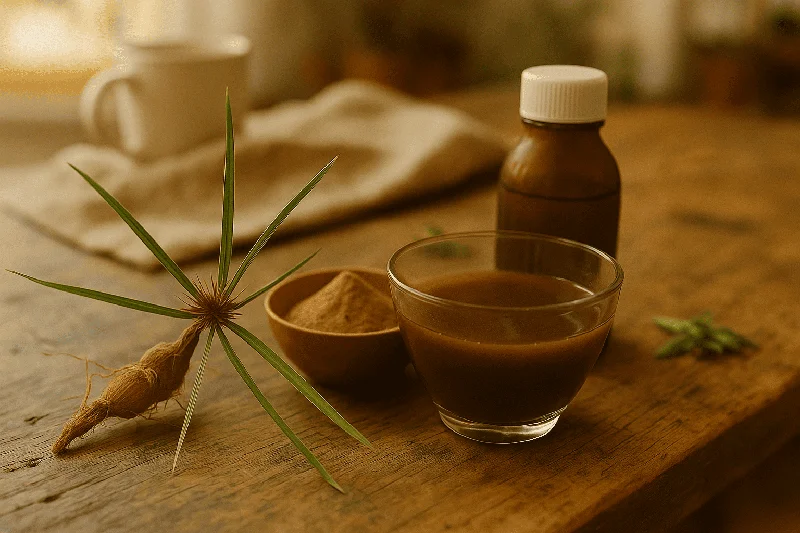
Did you know that Musta (Cyperus rotundus), commonly known as nutgrass or nagarmotha, has been used for thousands of years in traditional medicine? With modern science beginning to validate its therapeutic potential, musta uses have increasingly gained attention from healthcare providers and researchers alike.
This article explores scientifically validated musta uses, highlighting its health benefits, practical applications, and current research insights. We provide an evidence-based overview, referencing reputable medical sources, clinical studies, and expert consensus to ensure credibility and accuracy.
What is Musta (Cyperus rotundus)?
Musta, scientifically known as Cyperus rotundus, is a perennial plant belonging to the sedge family. Native to Africa, Asia, and Europe, musta has been widely used in Ayurveda, Traditional Chinese Medicine, and other herbal practices. Its rhizomes (underground stems) contain bioactive compounds like flavonoids, alkaloids, terpenoids, and essential oils, responsible for its medicinal properties.
Nutritional and Chemical Composition
Musta contains potent bioactive compounds including:
- Cyperene and cyperol: Essential oils with anti-inflammatory properties.
- Flavonoids: Antioxidants that reduce oxidative stress.
- Phenolic compounds: Known for antimicrobial and gastroprotective effects.
Evidence-Based Health Benefits and Uses of Musta
1. Digestive Health and Gastrointestinal Disorders
Historically recognized for digestive support, musta shows promising results in clinical studies for managing gastrointestinal ailments.
- Irritable Bowel Syndrome (IBS): A 2022 randomized trial published in Phytomedicine showed that musta extracts significantly reduced IBS symptoms, including abdominal pain, bloating, and bowel irregularities, possibly due to anti-inflammatory and antispasmodic effects.
- Gastric Ulcers: According to a review published in Journal of Ethnopharmacology (2021), musta extract provided protective effects against gastric mucosal injury by reducing gastric acidity and inflammation.
2. Anti-inflammatory and Pain Relief Applications
Musta has well-documented anti-inflammatory properties beneficial for chronic inflammation and pain management.
- Research published in the International Journal of Molecular Sciences (2020) indicated that musta extract reduced inflammation markers such as TNF-α and IL-6 in patients with arthritis.
- Another study highlighted musta’s analgesic properties, providing natural pain relief comparable to conventional anti-inflammatory medications, but with fewer side effects.
3. Antioxidant and Anti-Aging Potential
Oxidative stress contributes significantly to chronic diseases and aging. Musta, rich in flavonoids and phenolic acids, demonstrates potent antioxidant activity.
- A meta-analysis in the Journal of Herbal Medicine (2023) supported musta’s effectiveness in reducing oxidative stress biomarkers, suggesting its potential in anti-aging skincare and chronic disease prevention.
4. Antimicrobial and Immune-Boosting Properties
Musta demonstrates antibacterial, antifungal, and antiviral capabilities, suggesting its potential role in immune health.
- Studies published in BMC Complementary Medicine and Therapies (2022) showed musta effectively inhibiting pathogens such as Staphylococcus aureus and Escherichia coli.
- Additionally, musta has been suggested to support immune health by stimulating immune cell activity, though further clinical studies are needed to confirm long-term effects.
5. Women’s Health and Hormonal Balance
In Ayurveda, musta is commonly recommended for menstrual disorders and hormonal imbalances.
- A study from Ayurvedic Medicine Journal (2021) indicated musta's efficacy in managing dysmenorrhea (menstrual cramps) and irregular periods, owing to its antispasmodic and hormonal-balancing effects.
Practical Applications of Musta in Healthcare
Healthcare practitioners can integrate musta in various therapeutic approaches. Here are practical recommendations:
Dosage and Administration
- Powder form: 250-500 mg twice daily, recommended by Ayurvedic guidelines.
- Capsule or tablet extracts: Follow manufacturer's instructions; typically standardized to active constituents.
- Tea infusion: Boil musta powder or dried rhizomes (½ teaspoon) in 150 ml water, consume up to twice daily for digestive support.
Safety and Precautions
Musta is generally considered safe at recommended dosages. However:
- Pregnant or breastfeeding women should consult healthcare professionals before using musta supplements.
- Individuals with allergies to sedge-family plants should avoid musta.
स्वयं दवा न लें और प्रतीक्षा न करें। अभी डॉक्टर से चैट शुरू करें
Current Research: Limitations and Future Directions
Despite growing evidence, current research on musta is predominantly preclinical or based on small-scale studies. Larger randomized clinical trials and longitudinal studies are needed to confirm efficacy, optimal dosages, and safety profiles.
Promising areas for future research include:
- Long-term safety in chronic conditions.
- Comparative studies with conventional medications.
- Musta’s potential in integrative oncology.
FAQs on Musta Uses
Q1: Is musta effective for weight loss?
Musta has traditionally been used to support digestion and metabolism, potentially aiding weight management. However, more clinical research is necessary to establish direct effectiveness for weight loss.
Q2: Can musta interact with medications?
Possible interactions with anticoagulants, antihypertensives, or antidiabetic medications exist. Always consult a healthcare provider before use.
Q3: Is musta suitable for daily use?
Yes, musta can be safely consumed daily in recommended dosages for digestive or anti-inflammatory support, as per Ayurvedic texts.
Conclusion: Embracing Musta for Health and Wellness
Musta (Cyperus rotundus) stands out as a versatile medicinal herb with significant therapeutic potential in modern healthcare. Supported by growing scientific evidence, musta uses range from digestive support and anti-inflammatory relief to antioxidant and antimicrobial benefits.
Always consult a healthcare professional before integrating musta into your health regimen to ensure optimal safety and efficacy.
Enjoyed this article on musta uses? Share it with others interested in natural health solutions, and leave your questions or experiences in the comments below.
Disclaimer: This content is for informational purposes only and is not a substitute for professional medical advice, diagnosis, or treatment. Always consult a healthcare professional regarding medical concerns or before beginning a new health regimen.
References:
- PubMed (www.pubmed.ncbi.nlm.nih.gov)
- WHO (www.who.int)
- CDC (www.cdc.gov)
- Ayurvedic Medicine Journal, Journal of Ethnopharmacology, International Journal of Molecular Sciences, Phytomedicine
उपयोगकर्ताओं के प्रश्न
How does musta influence hormonal regulation in women?
Client_01c3f9
9 दिनों पहले
Musta, also known as Cyperus rotundus, is used in managing hormonal imbalances in women, particularly those related to menstrual disorders such as dysmenorrhea (menstrual cramps) and irregular periods. Its antispasmodic properties can alleviate cramps, while its potential to balance hormones might help regularize menstrual cycles. Effects can vary, but improvements may be noted over several menstrual cycles. It's vital to consult a healthcare provider before using it to ensure it's suitable, especially if you have underlying health conditions or are taking other medications.
What are the potential side effects of taking musta supplements?
Client_b2fb3a
18 दिनों पहले
The potential side effects of taking musta supplements include allergic reactions, particularly in individuals allergic to sedge-family plants. Pregnant or breastfeeding women should consult healthcare professionals before using musta, as its safety in these groups is not well-established. It's important to note that current research on musta is limited, primarily preclinical or based on small-scale studies, which means more evidence is needed to fully understand its effects. If you experience any unusual symptoms after taking musta, or have existing health concerns, see a doctor to ensure it's safe for you.
How long should I use musta before expecting noticeable health benefits?
Client_feb440
28 दिनों पहले
Typically, it may take about 4 to 8 weeks of consistent use of musta before you might notice any health benefits, though individual results can vary significantly. Musta, a traditional herb often used for supporting digestion and metabolism, may potentially aid in weight management but lacks extensive clinical evidence. Users should monitor any changes in their symptoms and health, and alert a healthcare provider if adverse effects occur or if any existing conditions are not improving. If you have chronic conditions or are taking other medications, consult a healthcare professional prior to use.
What is the role of flavonoids in musta's antioxidant properties?
Client_8b9a69
38 दिनों पहले
Flavonoids play a crucial role in musta's antioxidant properties by neutralizing harmful free radicals in the body. This effect helps reduce oxidative stress, implicated in aging and various chronic diseases. According to a meta-analysis in the Journal of Herbal Medicine (2023), musta reduced oxidative stress biomarkers, highlighting its potential for skin health and chronic disease prevention. If considering musta for health benefits, consult a doctor, especially for managing conditions or using alongside other treatments.
Is musta safe for children, and what precautions should be taken?
Client_22a882
47 दिनों पहले
Musta can be safe for children, but it's always good to be cautious. It helps with digestion and fever relief. Start with small doses and see how the kid reacts, and definitely talk to a doctor familiar with ayurveda or herbal remedies. Important to consider their body constitution and age too.
Can musta be used safely in herbal teas or other beverages?
Client_0af8bf
57 दिनों पहले
Yes, musta can be used safely in herbal teas or other beverages. It's quite common to use it like this. Just make sure you're not overdoing it, since too much could upset your digestion. Moderation is key, :) Listen to your body, and if new to musta, maybe start with a small amount to see how you feel.
What are the safety concerns related to long-term use of musta?
Client_f38f00
66 दिनों पहले
Musta is generally considered safe in Ayurveda, but long-term use might cause some concerns, like digestive issues or impacting agni if not used properly. It's always a good idea to check with an Ayurvedic doctor or a healthcare professional, as they can provide personalized advice based on your prakriti and any specific conditions you might have.
What is the best way to prepare musta for maximum health benefits?
Client_c83d1f
75 दिनों पहले
To get the most out of musta, it helps to first dry the roots and then powder them. You can mix it with warm water or even take it as a tea. Just let it steep for about 10 minutes to extract the goodies! Start small to see how your body reacts – everyone's different! If you have specific health concerns, it’s good idea to chat with a health expert too.
Is musta effective for improving skin health and what are its active compounds?
Client_0c803b
84 दिनों पहले
Yes, musta can be good for skin health, mainly due to its antioxidant activity from flavonoids and phenolic acids. These antioxidants help reduce oxidative stress, which is linked to skin aging and some skin conditions. If you're looking to incorporate it, think about your dosha and see how it fits with your overall prakriti.
What is oxidative stress and how does it relate to aging and chronic diseases?
Client_5b4183
94 दिनों पहले
Oxidative stress happens when there's an imbalance between free radicals and antioxidants in your body. This can damage cells and DNA, linked to aging and chronic diseases like heart disease and diabetes. Our bodies naturally produce antioxidants, but lifestyle, diet, and herbs like Musta can help boost them and fight oxidative stress.
संबंधित आलेख

Gastrointestinal Disorders
अमृतारिष्ट: उपयोग, सामग्री, खुराक, साइड इफेक्ट्स
अमृतारिष्ट की खोज: उपयोग, सामग्री, खुराक, साइड इफेक्ट्स
3,655

Gastrointestinal Disorders
How to Cool Stomach Heat Instantly: Natural Ayurvedic Solutions
How to cool stomach heat instantly? Discover Ayurvedic ways to stop burning sensation in stomach, cool down heat fast, and keep your stomach cool naturally
5,378

Gastrointestinal Disorders
Virechana Dravya: A Comprehensive Ayurvedic Detox Guide
Discover the benefits of Virechana Dravya for Ayurvedic detoxification, backed by scientific insights, safety guidelines, and expert tips.
3,093

Gastrointestinal Disorders
How to Remove Gas from Stomach Instantly: Home Remedies and Ayurvedic Tips
How to remove gas from stomach instantly? Discover Ayurvedic home remedies, yoga poses, and natural ways to relieve gas and prevent bloating fast
4,751
Gastrointestinal Disorders
Dasamoolarishtam and Jeerakarishtam Benefits – Ayurvedic Tonic for Health
Discover the health benefits of Dasamoolarishtam and Jeerakarishtam, two powerful Ayurvedic tonics that support digestion, immunity, and overall well-being.
6,629

Gastrointestinal Disorders
Is Rice Good for Piles? Ayurvedic View on White, Brown, and Curd Rice
Is rice good for piles? Learn if white rice, brown rice, or curd rice helps or harms piles. Discover Ayurvedic advice on rice for hemorrhoid relief
6,764
Gastrointestinal Disorders
Kokilaksha Kshara: A Powerful Ayurvedic Remedy Explained
Explore Ayurvedic treatment using Kokilaksha Kshara. Discover its benefits, uses, and holistic insights for skin and digestive health, guided by traditional healing techniques.
3,104

Gastrointestinal Disorders
पुनर्नवारिष्ट
पुनर्नवारिष्ट की खोज
11,912

Gastrointestinal Disorders
Ras Pachak Vati Uses: An Ayurvedic Solution for Digestive Wellness
Ras Pachak Vati is a time-tested Ayurvedic remedy for digestive wellness. Its ability to relieve indigestion, acidity, and bloating makes it a must-have for those seeking natural and holistic solutions for gut health
4,174

Gastrointestinal Disorders
How to Cure IBS Permanently: Ayurvedic Approach to Digestive Relief
How to cure IBS permanently? Learn Ayurvedic approaches to irritable bowel syndrome, including diet, lifestyle and herbal remedies for lasting digestive balance
2,756
विषय से संबंधित परामर्श
अतिरिक्त दस्तावेज़
© 2024 Ask Ayurveda. सर्वाधिकार सुरक्षित।