Laghu Panchamoola: Ayurvedic Roots for Holistic Wellness
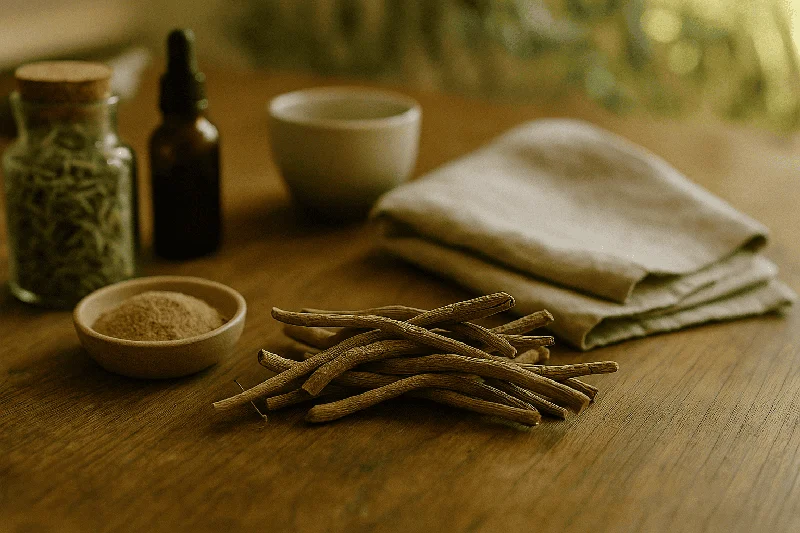
Imagine a time-tested natural remedy combining five potent roots—each with its own unique therapeutic properties—into one powerful formulation. Laghu panchamoola is precisely that: an Ayurvedic ensemble renowned for its synergy in promoting holistic health. While Ayurveda has centuries of real-world application, modern science is increasingly turning its spotlight onto these age-old botanicals, validating or investigating many of their purported benefits. In this comprehensive guide, we delve into the origins, scientific perspectives, and practical applications of laghu panchamoola.
Table of Contents
- What Is Laghu Panchamoola?
- Historical Roots in Ayurveda
- Modern Scientific Evidence
- Health Benefits and Mechanisms of Action
- Usage, Dosage, and Formulations
- Safety and Precautions
- Frequently Asked Questions (FAQ)
- Conclusion and Next Steps
What Is Laghu Panchamoola?
Laghu panchamoola literally translates to “the lesser set of five roots” in Sanskrit. It belongs to a classification in Ayurvedic medicine that groups five smaller plant roots believed to offer a wide range of health benefits.
The five herbs that commonly constitute laghu panchamoola include:
- Shaliparni (Desmodium gangeticum)
- Prishnaparni (Uraria picta)
- Brihati (Solanum indicum)
- Kantakari (Solanum xanthocarpum)
- Gokshura (Tribulus terrestris)
Each of these roots possesses unique properties, but when combined, they are traditionally believed to act synergistically, enhancing one another’s therapeutic efficacy. While Ayurveda has recommended these roots for various conditions—from respiratory issues to inflammation—ongoing research continues to explore their biological and pharmacological properties.
Historical Roots in Ayurveda
Ayurveda, often described as the “Science of Life,” originates from ancient Vedic texts that are millennia old. Texts like the Charaka Samhita and the Sushruta Samhita have detailed accounts of numerous medicinal plant formulations, laghu panchamoola being one of them. In these treatises, laghu panchamoola is specifically mentioned for:
- Balancing the Doshas: Particularly Vata and Kapha imbalances.
- Supporting Respiratory Health: Traditional usage in easing congestion and cough.
- Aiding Digestive Function: Historically used to support gut motility and reduce bloating.
Although these recommendations are rooted in holistic, centuries-old wisdom, modern clinical guidelines now emphasize evidence-based practice. Practitioners often integrate Ayurvedic formulations with current medical protocols for complementary patient care, ensuring both traditional knowledge and scientific scrutiny are upheld.
Modern Scientific Evidence
Emerging Research on Individual Roots
-
Shaliparni (Desmodium gangeticum)
- Immunomodulatory Effects: According to a study published in the Journal of Ethnopharmacology, Desmodium gangeticum extracts demonstrated immunomodulatory properties, suggesting its ability to help regulate immune responses.
- Anti-Inflammatory Action: Preliminary in vitro findings indicated a significant reduction in inflammation markers.
-
Prishnaparni (Uraria picta)
- Antioxidant Potential: Some laboratory studies highlight its capacity to neutralize free radicals, possibly helping in oxidative stress reduction.
- Antimicrobial Activity: Research appearing in the Indian Journal of Pharmaceutical Sciences suggests it may exert inhibitory effects against certain bacterial strains.
-
Brihati (Solanum indicum)
- Respiratory Support: A study noted in the Journal of Ayurveda and Integrative Medicine observed that brihati may help reduce symptoms of bronchial irritation.
- Gastroprotective Properties: Animal-model research points to possible protective benefits for the gastric mucosa.
-
Kantakari (Solanum xanthocarpum)
- Bronchodilatory Effects: Some pilot clinical trials in the area of asthma management have shown improvement in respiratory function.
- Anti-Inflammatory: Like brihati, kantakari contains phytochemicals that appear to modulate inflammatory pathways.
-
Gokshura (Tribulus terrestris)
- Renal Support: A widely cited study in the journal Phytomedicine indicates potential benefits for kidney health and urinary tract support.
- Libido and Vitality: Traditionally used to enhance vigor, although systematic reviews advise further research to confirm long-term efficacy and safety.
Synergistic Impact in Formulations
While individual herbs show promise, research in polyherbal combinations—formulations that combine multiple botanicals—hints that the synergy among the root constituents in laghu panchamoola could amplify their overall therapeutic effects. For instance, a comparative study in Evidence-Based Complementary and Alternative Medicinehighlighted that certain multi-herbal blends, inclusive of these roots, showed enhanced analgesic and anti-inflammatory activities compared to single-herb extracts.
Despite increasing scientific validation, more randomized controlled trials (RCTs) are necessary to standardize dosing, assess long-term safety, and confirm their efficacy across various populations. The current data, however, supports the historical usage of laghu panchamoola as a complementary therapy in contemporary medical contexts.
Health Benefits and Mechanisms of Action
-
Anti-Inflammatory Effects
- Mechanism: Flavonoids, alkaloids, and saponins present in the combination may inhibit pro-inflammatory cytokines.
- Application: Could be considered in managing mild joint discomfort, muscle soreness, or inflammatory conditions, alongside standard treatments.
-
Respiratory Support
- Mechanism: Certain alkaloids found in Solanum species may help relax bronchial muscles and clear respiratory passages.
- Application: Often recommended in Ayurveda for chronic coughs and occasional breathing difficulties, though clinical supervision is essential.
-
Immune Modulation
- Mechanism: Some constituents appear to adjust immune system responses, potentially balancing overactive or underactive immunity.
- Application: Might support general well-being, especially during seasonal changes. Always confirm with a healthcare provider, especially for autoimmune conditions.
-
Urinary and Renal Health
- Mechanism: Tribulus terrestris (gokshura) is linked to diuretic and kidney-supporting properties, possibly helping flush toxins.
- Application: Could benefit individuals prone to urinary tract concerns. However, professional guidance ensures safe usage and checks for contraindications.
-
Antioxidant Properties
- Mechanism: Polyphenols and other bioactive compounds neutralize free radicals, reducing oxidative stress.
- Application: May offer adjunct support in preventing cellular damage and slowing degenerative processes.
Usage, Dosage, and Formulations
Traditional Preparations
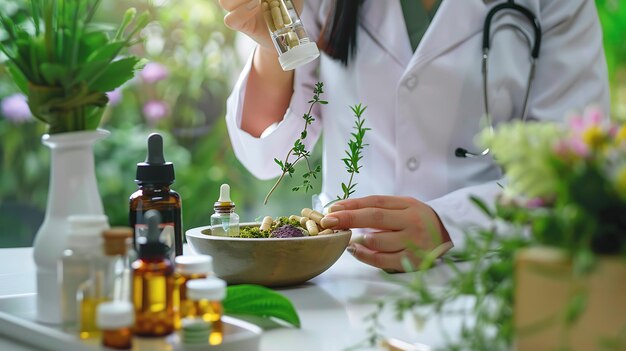
- Decoctions (Kwath): Traditionally, the five roots are boiled in water to prepare a concentrated liquid extract.
- Powder (Churna): Dried and ground root blends are consumed with warm water or milk.
- Tablets and Capsules: Modern phytopharmaceuticals now offer standardized dosages in pill form, often available in Ayurvedic pharmacies.
Suggested Dosage
Specific doses vary depending on factors like age, constitution (prakriti), and the condition being treated. Commonly, a practitioner might suggest:
- Decoction: 50–100 mL once or twice daily.
- Powder: 1–3 grams (about ½ to 1 teaspoon) per day.
Disclaimer: These are rough guidelines. Consult an Ayurvedic physician or a qualified healthcare provider for personalized advice, particularly if you have existing health conditions or are taking other medications.
Combining with Other Therapies
Integration with conventional treatments is increasingly common. For instance, patients with mild joint issues might take anti-inflammatory medications along with an Ayurvedic supplement under medical supervision. This dual approach can optimize treatment outcomes without compromising safety.
Safety and Precautions
-
Allergic Reactions
- Rare but possible. Discontinue use and seek medical advice if you experience itching, swelling, or difficulty breathing.
-
Drug Interactions
- Potential interactions may occur with diuretics, anti-hypertensive drugs, and immunosuppressants. Always disclose your use of herbal supplements to your primary healthcare provider.
-
Pregnancy and Lactation
- Comprehensive clinical studies on laghu panchamoola in pregnant or nursing women are limited. Consult with a gynecologist or obstetrician before use.
-
Quality Assurance
- Ensure you purchase products from reputable manufacturers who adhere to Good Manufacturing Practices (GMP). Look for standardized extracts or certifications from recognized bodies.
-
Consult a Professional
- Self-medication with herbal formulations should be approached cautiously. A trained Ayurvedic practitioner or integrative medicine specialist can provide individualized recommendations.
Frequently Asked Questions (FAQ)
-
Is laghu panchamoola the same as brihat panchamoola?
- No. While both are Ayurvedic herbal combinations, brihat panchamoola (“the larger set of five roots”) generally comprises different, larger plant species. Laghu panchamoola involves five smaller roots.
-
Can I use laghu panchamoola for chronic illnesses like arthritis or asthma?
- Some research indicates potential benefits for inflammatory and respiratory conditions. However, individual responses vary, and professional medical advice is essential, especially for chronic or severe conditions.
-
How long does it take to see results?
- Herbal remedies often work gradually. Some people notice improvements within a few weeks, while others may require longer. Regular follow-ups with a healthcare provider can track progress and adjust dosages.
-
Are there any side effects?
- Side effects are generally rare when used as recommended, but mild digestive upset or allergies can occur. Always start with a low dose under professional guidance.
-
Can I make laghu panchamoola at home?
- Traditional Ayurvedic texts do provide instructions for preparing decoctions. However, sourcing high-quality ingredients and ensuring correct ratios can be challenging. Store-bought formulations from reputable brands are often more convenient and standardized.
Conclusion and Next Steps
Laghu panchamoola stands at the fascinating intersection of ancient wisdom and modern scientific inquiry. With roots revered in Ayurveda for their potential to support respiratory, immune, urinary, and overall well-being, this herbal blend has captured the attention of researchers and health enthusiasts alike. While initial studies corroborate many traditional claims, ongoing clinical trials are indispensable for establishing standardized dosages and confirming long-term safety profiles.
Whether you’re an Ayurvedic practitioner, a medical professional considering integrative approaches, or a curious health enthusiast, laghu panchamoola offers a promising avenue for holistic healing. As with all health-related decisions, remember:
- Consult your doctor or an Ayurvedic expert for personalized advice.
- Monitor your response and report any unusual symptoms to your healthcare provider.
- Stay informed by looking for new research findings in peer-reviewed journals and authoritative medical databases like PubMed.
Call to Action
- Share this article with friends, family, or colleagues who might benefit from understanding traditional remedies in a modern context.
- Comment below with your experiences or questions about laghu panchamoola—your insights may help others on their health journey.
- Subscribe to our newsletter for regular updates on integrative medicine, current research, and other Ayurvedic formulations.
Medical Disclaimer: The content provided here is for informational purposes only and should not be construed as medical advice. Consult a qualified healthcare professional for personalized recommendations, diagnoses, or treatment plans. While we strive to present accurate, research-backed information, the field of medicine is ever-evolving, and guidelines may change as new evidence emerges.
By blending the wisdom of Ayurveda and the rigor of modern science, laghu panchamoola continues to stand out as a compelling herbal formulation. Embrace it responsibly, remain open to evolving research, and work closely with healthcare professionals to harness its full potential for improving well-being.
आयुर्वेदिक डॉक्टर से एक प्रश्न पूछें और मुफ़्त या सशुल्क मोड में अपनी चिंता की समस्या पर ऑनलाइन परामर्श प्राप्त करें।
2,000 से अधिक अनुभवी डॉक्टर हमारी साइट पर काम करते हैं और आपके प्रश्नों की प्रतीक्षा करते हैं और प्रतिदिन उपयोगकर्ताओं को उनकी स्वास्थ्य समस्याओं को हल करने में मदद करते हैं।
संबंधित आलेख