
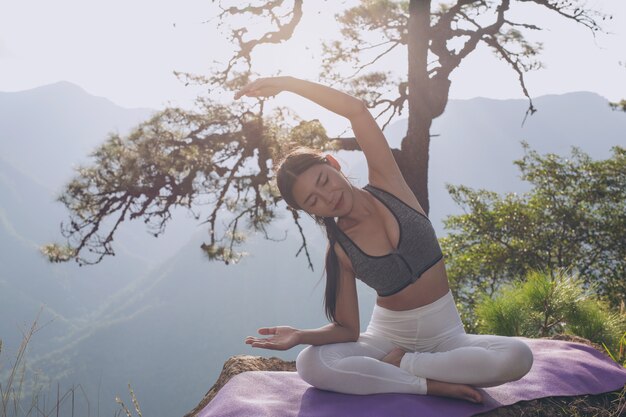
आयुर्वेदिक डॉक्टर से प्रश्न पूछें और निःशुल्क या भुगतान मोड में अपनी चिंता की समस्या पर ऑनलाइन परामर्श प्राप्त करें। 2,000 से अधिक अनुभवी डॉक्टर हमारी साइट पर काम करते हैं और आपके प्रश्नों का इंतजार करते हैं और उपयोगकर्ताओं को उनकी स्वास्थ्य समस्याओं को हल करने में प्रतिदिन मदद करते हैं।


Body DetoxEar, Nose, and Throat DisordersGeriatrics & RejuvenationImmunodeficiencyInfertility TreatmentNutritionOrthopedic DisordersPediatricsRespiratory DisordersSexually Transmitted Diseases (STDs)Surgery RecoveryUrological DisordersVascular DisordersDental DisordersEndocrinological DisordersGastrointestinal DisordersYoga TherapyGeneral MedicineAllergic DisordersCardio DisordersGynecology and ObstetricsCosmetologySkin and Hair DisordersEye DisordersInfectious DiseasesMental DisordersNeurological DisordersOncologyPanchakarmaSexual Health & DisordersSports Medicine
पर प्रकाशित 03/26/25
(को अपडेट 08/09/26)
2,711
Shwas: Health Benefits & Clinical Perspectives
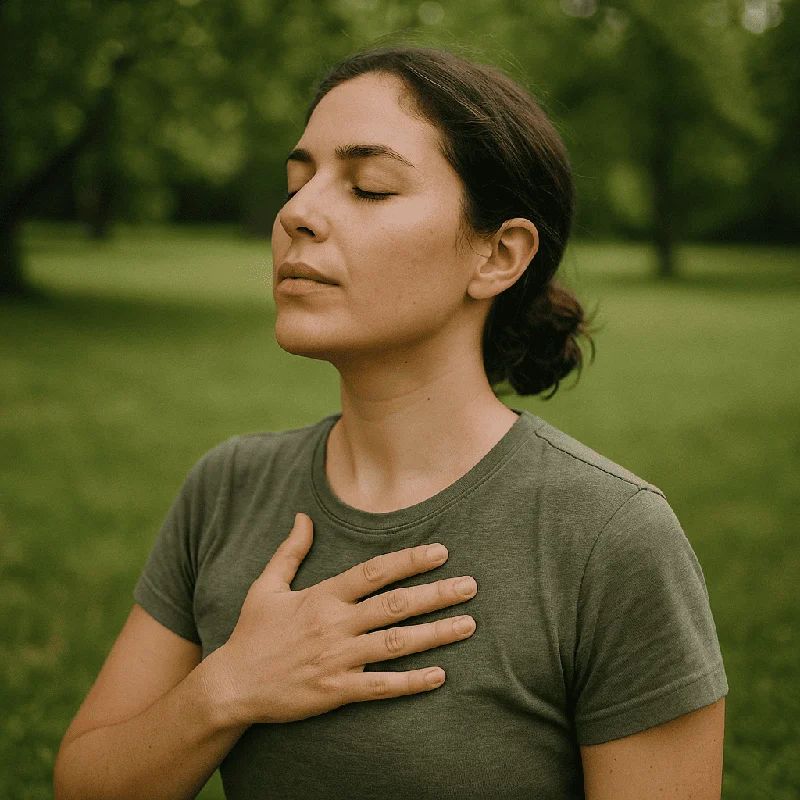
Shwas is a term that has been increasingly mentioned in integrative and alternative health circles. Proponents claim that it may offer a multitude of benefits for stress management, cardiovascular health, and overall well-being. But what does the science actually say? In this article, we will dive deep into the origins and scientific underpinnings of Shwas, review current research findings, and explore practical tips for incorporating it into a balanced healthcare routine.
Introduction: Why Shwas Matters
Imagine standing in the middle of a hectic day, juggling deadlines, family responsibilities, and a flurry of everyday tasks. Your mind is racing, and you feel overwhelmed. It’s in moments like these that practices focusing on regulated breathing, mindful awareness, or gentle body techniques—often summarized in Shwas—are said to help restore calm and clarity. This concept, frequently discussed in integrative health care, claims to support not only mental well-being but also physiological markers like blood pressure and heart rate.
While Shwas may seem like a trendy buzzword, the roots of controlled breathing, awareness training, and mindful relaxation go back centuries in various cultural traditions. Modern medicine is beginning to take note of these practices, spurred by a growing body of research that seeks to uncover whether these claims stand on solid scientific ground.
What is Shwas?
Shwas, in many contexts, is closely associated with conscious breathing techniques, gentle postural adjustments, and mindfulness-based stress reduction methods. It can encompass:
-
Breath Control: Slow and deep breathing, sometimes synchronized with gentle movement or mental focus.
-
Mindful Awareness: A heightened sense of present-moment focus, often supported by guided relaxation, meditation, or specific breathing cadences.
-
Physical Postures (If Applicable): In some interpretations of Shwas, specific body postures or stretches are integrated to help improve lung capacity and spinal alignment.
Key Point: Shwas revolves around the concept of harnessing one’s breath and mental focus to cultivate a state of calm and equilibrium. It is not merely a meditation technique, nor simply a breathing exercise, but potentially a framework that integrates multiple wellness strategies.
The Science Behind Shwas
Neurological Mechanisms
Contemporary neuroscience has begun to document how breathing exercises can influence brain activity. According to a review published in the journal Frontiers in Human Neuroscience, controlled breathing can modulate the activity of the parasympathetic nervous system, often referred to as the “rest and digest” system. By slowing the breath, researchers observed changes in the prefrontal cortex and limbic system, which can lead to reduced stress and anxiety levels.
Cardiovascular Implications
The American Heart Association (AHA) has noted that stress management techniques, including structured breathing exercises, may help maintain healthy blood pressure levels. While studies specific to Shwas are ongoing, existing research on breath-focused interventions suggests possible improvements in vascular function and a reduction in stress hormones like cortisol.
Emotional and Mental Health
Shwas often includes a mindfulness component. Several randomized controlled trials, such as one listed in PubMedfocusing on mindfulness-based stress reduction (MBSR), reveal that participants practicing deliberate breathwork report lower anxiety, improved mood, and reduced symptoms of depression. The National Center for Complementary and Integrative Health (NCCIH) highlights that such mind-body techniques can be complementary to traditional therapy in managing mental health conditions, although they should never replace prescribed medications or professional consultation.
Respiratory Efficiency
One of the hallmarks of Shwas is the emphasis on slow, deep breathing. According to research published in the Journal of Psychophysiology, deep diaphragmatic breathing can enhance oxygen exchange and reduce the respiratory rate. Over time, these adjustments may lead to better endurance and, in some cases, improved respiratory function. However, it’s crucial to note that Shwas is not a replacement for clinical respiratory therapies but may serve as a supportive practice.
Current Research and Evidence
While many of Shwas’s reported benefits stem from studies on breathing exercises, yoga, and mindfulness, dedicated peer-reviewed research on Shwas as an integrated practice is still growing. Below is a snapshot of the existing evidence:
-
Systematic Reviews: A meta-analysis in BMC Complementary Medicine and Therapies examining “breathwork interventions” found modest yet significant benefits in stress reduction and blood pressure control. Although Shwas was not named explicitly, the principles align with many breath-focused therapies.
-
Case Studies: Smaller case studies suggest that Shwas-like techniques can improve quality of sleep and reduce somatic symptoms of stress, such as tension headaches and digestive disturbances.
-
Expert Consensus: Groups like the World Health Organization (WHO) and the Centers for Disease Control and Prevention (CDC) generally encourage stress management strategies, including controlled breathing, as part of a comprehensive approach to health. However, they also emphasize that these methods should not replace medical treatments but can serve as adjunct therapies.
Balancing the Evidence: While these findings are promising, the existing body of research varies in quality. More randomized controlled trials with larger sample sizes and standardized Shwas protocols are needed to make definitive statements about its efficacy.
स्वयं दवा न लें और प्रतीक्षा न करें। अभी डॉक्टर से चैट शुरू करें
Practical Applications of Shwas in Healthcare
In Hospitals and Clinics
-
Stress Management Programs: Some hospital wellness programs integrate breath-focused and mindfulness training, resembling Shwas, to help patients cope with anxiety or chronic pain.
-
Postoperative Recovery: Gentle breathing exercises are often recommended by clinicians to promote lung function and relaxation post-surgery.
Mental Health Support
-
Therapeutic Settings: Psychologists and counselors might incorporate Shwas-like interventions as part of cognitive-behavioral therapy (CBT) or anxiety reduction programs.
-
Self-Care Routines: Patients experiencing mild anxiety or stress-related conditions may find relief through structured breath sessions at home, albeit with professional guidance if needed.
Workplace Wellness
-
Employee Wellness Programs: Incorporating short Shwas segments—sometimes labeled as “mindful breaks”—during work hours can decrease stress and boost productivity.
-
Online Platforms: Virtual coaching sessions or apps guide users through a series of breath cycles and mindful prompts, allowing for remote adoption of Shwas principles.
How to Get Started with Shwas – Practical Tips
If you’re interested in exploring Shwas or breath-based interventions, here are some introductory steps:
-
Set Aside Time: Start with just 5–10 minutes each day in a quiet, distraction-free environment.
-
Focus on Posture: Sit comfortably with your spine erect but relaxed. This posture helps optimize lung expansion.
-
Slow, Steady Breaths: Inhale slowly through your nose, counting to four, then exhale through your mouth or nose, also counting to four. Gradually increase the count if you feel comfortable.
-
Observe Sensations: Pay attention to how your abdomen expands and contracts. Bring awareness to any tension in your neck or shoulders and let it go.
-
Integrate Mindfulness: As thoughts arise, acknowledge them without judgment and gently refocus on your breath.
-
Progress Gradually: Over time, you may extend the duration or practice Shwas multiple times a day, especially during high-stress moments.
Precautions and Considerations
-
Medical Conditions: Individuals with chronic respiratory or cardiovascular conditions should consult a healthcare professional before starting any new breathing or mindfulness practice.
-
Pregnancy: While gentle breathing exercises are usually safe, always seek obstetric guidance to ensure it aligns with prenatal health guidelines.
-
Mental Health: Shwas can complement—but not replace—professional treatment for clinical anxiety, depression, or other mental health disorders.
-
Proper Technique: If you experience dizziness, discomfort, or shortness of breath, it’s essential to pause and return to normal breathing. Improper or overly forceful techniques can be counterproductive.
Frequently Asked Questions (FAQ) About Shwas
Q1: Is Shwas the same as yoga or pranayama?
Not exactly. While Shwas may draw on similar breath regulation techniques and mindfulness approaches, it can differ in scope and purpose. Pranayama is rooted in yogic traditions, while Shwas can encompass a broader set of stress management and conscious breathing strategies.
Q2: Can Shwas help with asthma or other lung conditions?
Possibly as a supportive measure. Research on breathwork suggests it may enhance respiratory efficiency, but Shwas is not a treatment for medical conditions like asthma. Always follow a healthcare provider’s advice for serious conditions.
Q3: How quickly can one expect to see results from practicing Shwas?
It varies. Some individuals report immediate relaxation benefits, while more significant effects, such as improved stress resilience, might take consistent practice over weeks or months.
Q4: Are there any age restrictions?
Generally, no. Shwas techniques can be adapted for various ages and fitness levels. Children, adults, and seniors alike may find value in breath regulation, though modifications might be necessary.
Q5: Do I need special equipment or training?
Not necessarily. Many basic Shwas exercises can be done at home, seated on a chair or on the floor, without specialized equipment. However, if you have underlying health concerns, seeking guidance from a qualified instructor or health professional is advisable.
Shwas in the Context of Overall Wellness
Breathing and mindfulness techniques like Shwas are not standalone solutions but can be an essential component of a holistic healthcare plan. Incorporating good nutrition, regular physical activity, and sufficient sleep remains vital for maintaining long-term health. According to the Harvard T.H. Chan School of Public Health, lifestyle modifications—including stress management—can significantly reduce the risk of chronic diseases such as heart disease and diabetes.
Research Gaps and Future Directions
The current literature on Shwas specifically is still developing. While numerous studies support the value of breath-focused methods, there is a need for:
-
Standardized Protocols: Clear definitions and protocols for Shwas to streamline research and replicate interventions accurately.
-
Longitudinal Studies: Extended follow-ups to determine if observed benefits, such as stress reduction and improved physiological markers, persist over months or years.
-
Diverse Populations: Research that includes individuals of varying ages, ethnicities, and medical backgrounds to understand the full breadth of Shwas’s applicability.
As academic interest grows, you can expect more rigorous data and possibly more widespread integration of Shwas principles in both clinical settings and everyday life.
Disclaimer
This article is for informational purposes only and does not constitute medical advice. Always consult a qualified healthcare provider before making significant changes to your health regimen, especially if you have pre-existing conditions or concerns. Shwas and similar mind-body interventions can be a valuable adjunct to conventional treatments but are not intended to replace professional medical guidance or therapy.
Conclusion
Shwas stands at the intersection of conscious breathing, mindfulness, and gentle physical awareness. Grounded in principles that date back centuries yet remain highly relevant in today’s fast-paced world, Shwas offers potential benefits for stress management, cardiovascular health, and emotional well-being. Early research and clinical observations suggest that regulated breathing and mindfulness can significantly impact physiological and psychological states, aligning well with current holistic healthcare models.
However, as with any emergent or integrative practice, it’s essential to approach Shwas with balanced expectations and scientific scrutiny. By blending modern medical insights with time-tested breathing and mindfulness techniques, Shwas can serve as a complementary method to support overall health and resilience.
Call to Action:
-
If you’ve tried Shwas or have questions, share your experiences and comments.
-
Subscribe to our newsletter for more updates on integrative health strategies.
-
Consider speaking to a qualified health professional to see if Shwas aligns with your specific medical needs.
With a mindful approach and ongoing research, Shwas may well become a staple in the ever-evolving landscape of integrative healthcare. By harnessing the transformative power of the breath, we have the opportunity to foster a deeper connection between mind and body—one breath at a time.
उपयोगकर्ताओं के प्रश्न
What are the long-term health benefits of consistent breathwork practice?
Client_a939f1
24 दिनों पहले
Consistent breathwork practice offers long-term health benefits such as reduced anxiety, improved mood, and decreased symptoms of depression. Regular deep diaphragmatic breathing, a key aspect of breathwork, can enhance oxygen exchange and lower respiratory rates. These physiological changes can potentially reduce the risk of chronic diseases like heart disease and diabetes, particularly when combined with other lifestyle changes. While research is promising, consult a healthcare provider for personalized advice, especially if you have respiratory conditions.
How to combine Shwas techniques with traditional therapy for anxiety?
Client_bbd7c5
29 दिनों पहले
To combine Shwas techniques effectively with traditional therapy for anxiety, integrate deliberate breathwork and mindfulness into your routine as complementary practices. Shwas focuses on conscious breathing and physical awareness, which can enhance the benefits of conventional treatments like cognitive behavioral therapy (CBT) or medication. Practice these techniques consistently alongside your regular therapy sessions. Changes may take weeks to notice, so monitor progress and consult your therapist. Seek professional help if anxiety worsens or if new symptoms arise.
What are the key components of effective Shwas practices for beginners?
Client_3d219b
34 दिनों पहले
The key components of effective Shwas practices for beginners typically include controlled breathing exercises, mindfulness techniques, and basic yoga postures. These practices aim to enhance respiratory function and promote relaxation. A beginner might start with simple techniques like deep belly breathing, alternate nostril breathing, or practicing mindful observation of the breath. Gradual progress in duration and complexity is encouraged. It's important for beginners to ensure they're not experiencing any discomfort, and if symptoms persist, consulting a healthcare professional is advised. While Shwas can complement traditional respiratory therapies, it should not replace medical treatments.
What are some common misconceptions about Shwas practices?
Client_4fdf46
39 दिनों पहले
Common misconceptions about Shwas practices often involve the belief that they can replace professional medical treatment. While Shwas, which focuses on slow, deep breathing to enhance respiratory efficiency, can support mental health by engaging the parasympathetic nervous system, it should only complement, not replace, traditional therapies and prescribed medications. It's also a misconception that Shwas yields instant results; consistent practice is necessary for noticeable benefits, typically over weeks or months. Always consult a healthcare provider to align these practices with your overall treatment plan.
How does deep diaphragmatic breathing improve athletic performance?
Client_343dd7
44 दिनों पहले
Deep diaphragmatic breathing improves athletic performance by enhancing oxygen exchange, increasing lung capacity, and reducing respiratory rates, which can help delay fatigue and improve endurance. By focusing on slow, deliberate breaths, athletes can optimize lung expansion, thereby increasing the oxygen supply to their muscles during physical activity. Athletes typically see improvements within a few weeks of regular practice, but individual timelines can vary. Incorporating these breathing exercises into daily routines can be easily done without specialized equipment. If you experience any discomfort or issues, it's advisable to consult a healthcare professional.
How can Shwas practices enhance mindfulness during meditation?
Client_749b6e
49 दिनों पहले
Shwas practices can enhance mindfulness during meditation by promoting slow, deep breathing that helps calm the nervous system and increase focus. This type of breathing encourages a state of relaxation, which can make it easier to concentrate on the present moment and reduce distractions. Typically, individuals may start to notice improvements in mindfulness after a few sessions, although consistent practice over weeks to months is generally needed for more substantial benefits. If you experience dizziness or difficulty breathing during Shwas exercises, consult a healthcare provider.
What is the impact of Shwas on mental clarity and decision-making?
Client_ad098b
54 दिनों पहले
The impact of Shwas, a term sometimes used for mindful breathing practices, on mental clarity and decision-making appears to be promising but not fully understood. Mindful breathing techniques have shown potential in reducing stress and increasing focus, which can lead to clearer thinking and better decision-making. These practices may help regulate emotional responses, improve concentration, and enhance cognitive performance. However, individual results can vary, and while beneficial, Shwas alone should not be relied upon for significant cognitive issues. For persistent clarity or decision-making difficulties, consulting with a healthcare professional is advisable.
What are the potential side effects of practicing Shwas regularly?
Client_888793
59 दिनों पहले
Practicing Shwas, a form of breathwork, generally carries minimal side effects when done correctly. Some individuals may experience dizziness or tingling during sessions due to increased oxygen intake, but these sensations typically subside quickly. Always practice in a comfortable position to avoid fainting. While breathwork like Shwas can reduce stress and improve respiratory efficiency, it is not a substitute for medical treatment of conditions such as asthma. Consult a healthcare provider if you experience persistent discomfort or have pre-existing respiratory conditions before starting Shwas.
What techniques from Shwas can reduce workplace stress effectively?
Client_c121c0
64 दिनों पहले
To effectively reduce workplace stress using Shwas, practice simple breathing exercises that focus on mindful, controlled inhalation and exhalation. Techniques like diaphragmatic breathing or rhythmic breathing can help lower cortisol levels and improve emotional well-being. Aim for 5 to 10 minutes of practice a few times daily. Watch for dizziness or discomfort, which may indicate you're breathing too deeply or quickly. If stress is overwhelming or affects your daily functioning, consult a healthcare professional. Additionally, coupling these with a balanced diet, exercise, and adequate sleep enhances overall stress management.
What lifestyle changes complement Shwas for better health outcomes?
Client_54b231
69 दिनों पहले
To complement the benefits of Shwas breathing techniques for better health outcomes, lifestyle changes like regular physical activity, a balanced diet, and effective stress management can be valuable. Regular exercise can enhance lung capacity and overall cardiovascular health. A diet rich in fruits, vegetables, whole grains, and lean proteins supports general well-being. Stress management strategies such as mindfulness or yoga can enhance the calming effects of Shwas. While Shwas may support respiratory health, consult a healthcare professional for personalized advice, especially if you have underlying health conditions.
संबंधित आलेख

Respiratory Disorders
Can Bronchitis Kill You? Ayurvedic Insight into Risks and Prevention
Can bronchitis kill you? Learn the real risks of acute and chronic bronchitis, possible death complications, and how Ayurveda helps prevent serious outcomes
3,019

Respiratory Disorders
Prasarinyadi Kashayam Benefits, Dosage, Side Effects, Ingredients
Exploration of Prasarinyadi Kashayam Benefits, Dosage, Side Effects, Ingredients
2,323

Respiratory Disorders
Vasaguluchyadi Kashayam Benefits, Dose, Side Effects, Ingredients, And Reference
Exploration of Vasaguluchyadi Kashayam Benefits, Dose, Side Effects, Ingredients, And Reference
2,916

Respiratory Disorders
How to Use Harad for Cough: Ayurvedic Remedies and Benefits
Exploration of Harness the Power of Harad for Natural Cough Relief
4,963

Respiratory Disorders
मैनोल सिरप
मैनोल सिरप की खोज
2,515

Respiratory Disorders
How to Prevent Cold and Flu with Ayurveda?
In the battle against the annual influenza epidemic, Ayurveda, the ancient system of holistic healing originating in India, offers a unique and time-tested approach to both prevention and treatment.
3,906

Respiratory Disorders
व्योशादि गुग्गुलु के फायदे, खुराक, उपयोग करने का तरीका, साइड इफेक्ट्स, सामग्री, संदर्भ
व्योशादि गुग्गुलु के फायदे, खुराक, उपयोग करने का तरीका, साइड इफेक्ट्स, सामग्री, संदर्भ की खोज
2,153

Respiratory Disorders
Bharangyadi Kashayam – Ayurvedic Remedy for Respiratory Health
Discover the benefits, uses, and traditional significance of Bharangyadi Kashayam. Learn how this Ayurvedic decoction supports respiratory health and alleviates bronchial disorders.
3,699

Respiratory Disorders
वसाकासव के उपयोग
वासाकासव के उपयोगों की खोज
2,979

Respiratory Disorders
How Long Does Bronchitis Last? Recovery Timeline and Ayurvedic Insights
How long does bronchitis last? Discover the duration of acute bronchitis, typical recovery timeline, and Ayurvedic tips to shorten symptoms and support healing
1,956
विषय से संबंधित परामर्श
अतिरिक्त दस्तावेज़
© 2026 Ask Ayurveda. सर्वाधिकार सुरक्षित।