आयुर्वेदिक डॉक्टर से प्रश्न पूछें और निःशुल्क या भुगतान मोड में अपनी चिंता की समस्या पर ऑनलाइन परामर्श प्राप्त करें। 2,000 से अधिक अनुभवी डॉक्टर हमारी साइट पर काम करते हैं और आपके प्रश्नों का इंतजार करते हैं और उपयोगकर्ताओं को उनकी स्वास्थ्य समस्याओं को हल करने में प्रतिदिन मदद करते हैं।


Body DetoxEar, Nose, and Throat DisordersGeriatrics & RejuvenationImmunodeficiencyInfertility TreatmentNutritionOrthopedic DisordersPediatricsRespiratory DisordersSexually Transmitted Diseases (STDs)Surgery RecoveryUrological DisordersVascular DisordersDental DisordersEndocrinological DisordersGastrointestinal DisordersYoga TherapyGeneral MedicineAllergic DisordersCardio DisordersGynecology and ObstetricsCosmetologySkin and Hair DisordersEye DisordersInfectious DiseasesMental DisordersNeurological DisordersOncologyPanchakarmaSexual Health & DisordersSports Medicine
पर प्रकाशित 10/09/24
(को अपडेट 08/07/26)
3,537
How to Prevent Cold and Flu with Ayurveda?
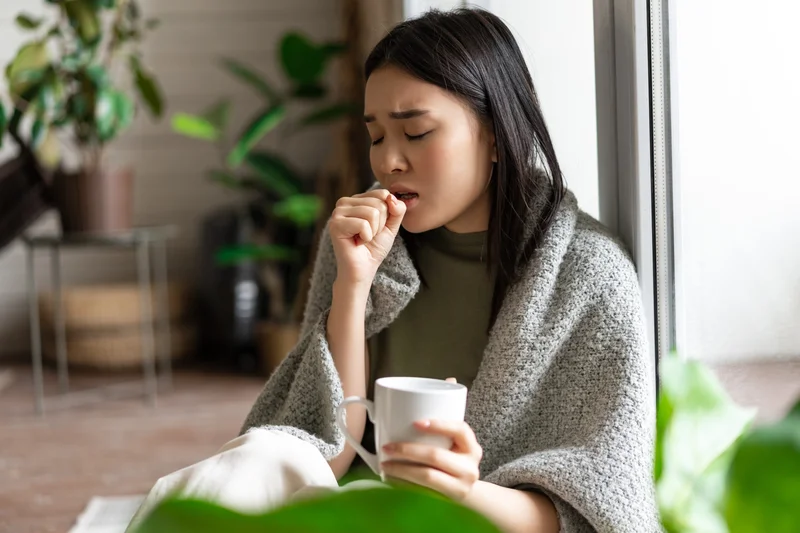
Cold and flu can be prevented through Ayurveda by strengthening your digestive fire (Agni), balancing Vata and Kapha doshas, following a daily immune-boosting routine (Dinacharya), and using time-tested herbs like Tulsi, Giloy, and Turmeric. Unlike conventional medicine that primarily targets symptoms, Ayurveda works at the root — correcting the internal imbalances that make you vulnerable to infections in the first place.
Every year, influenza and the common cold affect millions across India, especially during monsoon and winter transitions. The World Health Organization estimates that seasonal influenza causes 3 to 5 million cases of severe illness globally each year. While modern medicine offers antivirals and symptomatic relief, Ayurveda provides a holistic framework that not only treats the infection but builds lasting resilience so you don't keep falling sick season after season.
This guide covers everything — from understanding why you catch colds through an Ayurvedic lens, to specific herbs with dosages, personalized prevention by your body type (Prakriti), daily and seasonal routines, remedies for children and the elderly, and clear red flags for when you should see a doctor.
Understanding Cold and Flu Through Ayurveda
What Causes Cold and Flu According to Ayurveda (Vata-Kapha Imbalance & Ama)
- In Ayurveda, cold and flu are not simply caused by viruses "attacking" the body. They occur when your internal environment becomes hospitable to disease.
- Three key factors are at play:
- Vata-Kapha Imbalance:** Cold, dry Vata aggravates first, weakening your system.
- Then excess Kapha accumulates in the respiratory tract — leading to congestion, mucus, heaviness, and that familiar stuffy feeling. This dual imbalance is why Ayurvedic texts classify most upper respiratory infections under Pratishyaya (common cold) and Jwara (fever/flu).
- Weakened Agni (Digestive Fire):** When your Agni is low, food isn't properly digested.
- This creates Ama — a sticky, toxic metabolic waste that clogs your channels (Srotas) and suppresses Ojas (your vital immunity essence). A person with strong Agni and abundant Ojas can be exposed to the same virus as everyone else and not get sick.
- Accumulation of Ama (Toxins):** Ama is considered the root cause of most diseases in Ayurveda.
- It settles in weak areas of the body — for those prone to respiratory issues, it accumulates in the lungs, sinuses, and throat. This creates the perfect breeding ground for infections.
Think of it this way: the virus is the seed, but Ama and dosha imbalance are the fertile soil. Remove the soil, and the seed can't grow.
- Common Cold vs Influenza: Symptoms and Differences
Many people use "cold" and "flu" interchangeably, but they are quite different in severity:
| Feature | Common Cold (Pratishyaya) | Influenza/Flu (Jwara) |
|---|---|---|
| Onset | Gradual, over 1–3 days | Sudden, within hours |
| Fever | Rare or mild | High (101–104°F), lasts 3–4 days |
| Body Aches | Mild | Severe, widespread |
| Fatigue | Mild | Extreme, can last 2–3 weeks |
| Sneezing/Runny Nose | Very common | Sometimes |
| Cough | Mild to moderate, hacking | Severe, can become deep |
| Dosha Involvement | Primarily Kapha | Vata-Pitta-Kapha (Sannipataja Jwara) |
| Duration | 7–10 days | 1–2 weeks, recovery longer |
| Complications | Rare | Pneumonia, secondary infections |
- In Ayurveda, a simple cold (Vataja or Kaphaja Pratishyaya) involves one or two doshas.
- Influenza, however, often presents as Sannipataja Jwara — a condition involving all three doshas — which is why it's more severe and harder to treat.
Why Immunity Drops During Seasonal Changes (Ritucharya Explained)
Ayurveda has a brilliant concept called Ritucharya — the science of seasonal living. According to classical texts like Charaka Samhita, each season naturally aggravates specific doshas:
- Late monsoon to early autumn — Vata accumulation peaks. Cold, dry, windy conditions weaken immunity.
- Late autumn to early winter — Kapha starts accumulating. Combined with lingering Vata, this is prime cold and flu season.
- Spring (Vasanta Ritu) — Accumulated Kapha liquefies as temperatures rise, flooding the respiratory system. This is why many people get sick in spring despite the pleasant weather.
The transition periods between seasons (Ritu Sandhi — roughly the last 7 days of one season and first 7 days of the next) are especially dangerous. Your body hasn't yet adapted to the new climate, and Agni fluctuates. This is exactly when most viral infections strike.
The takeaway? Ayurveda doesn't wait for you to get sick. It prescribes proactive seasonal adjustments to diet, routine, and herbal intake to prevent dosha accumulation before it manifests as disease.
Ayurvedic Prevention Strategies: Stop Cold and Flu Before They Start
Daily Routine (Dinacharya) for Immune Resilience
- Dinacharya is the single most powerful preventive tool in Ayurveda.
- It's not a one-time detox — it's a daily protocol that keeps your doshas balanced, Agni strong, and Ama at bay.
- Here are the key practices:
Jala Neti (Nasal Irrigation): Rinse nasal passages with lukewarm saline water using a neti pot every morning. This physically removes pathogens, dust, and allergens before they can establish infection. A 2009 Cochrane review found that saline nasal irrigation significantly reduces cold symptoms and recurrence in adults and children. Nasya (Nasal Oil Application): After Jala Neti, apply 2 drops of Anu Taila or plain sesame oil to each nostril. This lubricates nasal mucosa, strengthens the local immune barrier, and prevents Vata-driven dryness that cracks the nasal lining and lets viruses in. This is especially critical during air-conditioned environments and cold weather. Oil Pulling (Gandusha/Kavala): Swish 1 tablespoon of sesame or coconut oil in your mouth for 5–10 minutes every morning before brushing. This Ayurvedic practice reduces oral bacterial load and supports throat health. A 2017 study in the Journal of Traditional and Complementary Medicine confirmed that oil pulling significantly reduces Streptococcus mutans count in the oral cavity. Abhyanga (Self-Massage with Warm Oil): Massage your body with warm sesame oil (Vata-Kapha types) or coconut oil (Pitta types) for 10–15 minutes before bathing. Abhyanga improves circulation, supports lymphatic drainage, nourishes skin (your body's first defense barrier), and calms the nervous system. Charaka Samhita states that regular Abhyanga makes one "Dridha Gatra" — strong-bodied and resistant to disease. Morning Warm Water: Drink a glass of warm water with a squeeze of lemon upon waking. This kindles Agni and begins the flushing of overnight Ama accumulation.
Seasonal Regimen (Ritucharya): Adapting to Each Season
Rather than following the same routine year-round, Ayurveda recommends adjusting your prevention strategy by season:
Monsoon/Autumn (Varsha-Sharad Ritu): Agni is at its weakest. Favor light, warm, freshly cooked foods. Add digestive spices like ginger, cumin, and black pepper to every meal. Begin Giloy (Guduchi) supplementation to build immunity. Avoid leftover food, raw salads, and cold beverages.
- Winter (Hemanta-Shishira Ritu): Agni is naturally strongest.
- This is the best time for nourishing, heavier foods — ghee, warm milk with turmeric, nuts, and Chyawanprash. Perform Abhyanga daily with sesame oil. Start Rasayana herbs (discussed below).
Spring (Vasanta Ritu): Kapha melts and floods the system. Switch to lighter, drier, spicier foods. Bitter and astringent tastes are your friends. Drink warm honey-ginger water. This is the ideal time for a mild Panchakarma cleanse, particularly Vamana (therapeutic emesis) to clear excess Kapha.
Prevention by Dosha Type (Prakriti): Personalized Recommendations
This is something no other guide covers properly — and it's the heart of Ayurveda. The same cold prevention protocol doesn't work for everyone.
Vata-Predominant Individuals:
- You tend to catch colds with dry cough, body aches, scanty nasal discharge, and anxiety.
- Your prevention focus: stay warm, avoid cold and windy exposure, eat warm unctuous foods with plenty of ghee.
- Best herbs: Ashwagandha (500 mg daily), Dashmool decoction, sesame oil Nasya.
- Avoid fasting or skipping meals — this devastates Vata.
Pitta-Predominant Individuals:
- Your colds tend to come with fever, sore throat, yellow-green nasal discharge, and irritability. Focus on not overheating.
- Avoid overly spicy prevention protocols.
- Best herbs: Amalaki/Amla (1000 mg daily), Guduchi, Sariva. Use coconut oil for Nasya instead of sesame. Avoid excessive garlic and chili.
Kapha-Predominant Individuals:
- You're most prone to colds and respiratory congestion — thick mucus, sinus pressure, lethargy, loss of appetite. Your prevention must be aggressive with Kapha-reducing measures: vigorous exercise daily, avoid dairy and sweets, favor pungent and bitter tastes.
- Best herbs: Trikatu Churna (1/4 teaspoon with honey before meals), Tulsi, Pippali. Steam inhalation with eucalyptus 2–3 times per week.
Best Ayurvedic Herbs and Medicines for Cold and Flu Prevention
Top Herbs with Dosages, Duration, and Evidence
| Herb | Ayurvedic Action | Recommended Dosage | Duration | Evidence |
|---|---|---|---|---|
| Tulsi (Holy Basil) | Kapha-Vata shamaka, antimicrobial, adaptogenic | 300–600 mg extract or 2–3 fresh leaves daily; Tulsi tea 2x/day | Throughout cold season | A 2017 review in Evidence-Based Complementary Medicine confirmed immunomodulatory and anti-inflammatory effects |
| Giloy (Guduchi/Tinospora cordifolia) | Rasayana, Amapachana (toxin-digesting), immunomodulator | 500 mg extract or 1–2 inches fresh stem boiled as decoction, twice daily | 4–6 weeks during seasonal transitions | A 2020 study in Journal of Ethnopharmacology showed significant enhancement of macrophage activity |
| Turmeric (Haridra) | Anti-inflammatory, antimicrobial, Kapha shamaka | 500–1000 mg curcumin with piperine, or 1 tsp turmeric powder in golden milk | Daily, ongoing | WHO monograph acknowledges anti-inflammatory properties; over 12,000+ PubMed studies on curcumin |
| Ginger (Shunthi/Ardraka) | Deepana (Agni-kindling), Kapha-Vata shamaka | 1–2 g dried powder or 1-inch fresh root in tea, 2–3x/day | During symptoms or preventively in cold weather | Health Canada and European Medicines Agency approve ginger for upper respiratory support |
| Black Pepper (Maricha) | Kapha-destroying, bioavailability enhancer | 2–3 pinches with honey or in food | Daily in winter and monsoon | Piperine shown to increase curcumin bioavailability by 2000% (Shoba et al., 1998) |
| Pippali (Long Pepper) | Powerful Rasayana for lungs, Kapha shamaka | 250–500 mg with honey, or Vardhamana Pippali protocol under guidance | 2–4 weeks | Classical Ayurvedic texts (Charaka Samhita) list it as the foremost Rasayana for the respiratory system |
| Amla (Amalaki) | Richest natural source of vitamin C, tridosha balancing | 500–1000 mg or 1 tbsp Amla juice daily | Year-round | Contains 20x more vitamin C than oranges (per 100g); acts as a powerful antioxidant |
| Mulethi (Yashtimadhu/Licorice) | Soothes throat, expectorant, anti-viral | 500 mg extract or chew a small stick, 1–2x/day | Max 4–6 weeks | European Medicines Agency recognizes it for cough and upper respiratory tract catarrh |
Key Ayurvedic Formulations (Classical Medicines)
Beyond single herbs, Ayurveda has time-tested polyherbal formulations:
- Chyawanprash: The ultimate Rasayana. Take 1–2 teaspoons daily in the morning with warm milk. Contains Amla as the base with 40+ herbs. Enhances Ojas and systemic immunity.
- - Sitopaladi Churna: Excellent for cough, congestion, and early cold symptoms.
- Dose: 1–2 g with honey, 2–3 times daily.
- - Trikatu Churna: A combination of Ginger, Black Pepper, and Pippali.
- Burns Ama, kindles Agni, destroys Kapha.
- Dose: 250–500 mg with honey before meals. Best for Kapha types.
- - Kantakari Avaleha: Specific for recurrent respiratory infections and bronchial issues.
- Dose: 5–10 g twice daily.
- Tribhuvankirti Rasa: A classical mineral-herbal formula for Jwara (fever/flu). Should be taken only under practitioner supervision.
Home Remedies and Recipes for Cold and Flu Relief
Golden Milk (Haldi Doodh) — The Immune Powerhouse
Boil 1 cup of milk (or plant-based alternative) with 1/2 tsp turmeric powder, a pinch of black pepper, 1/4 tsp dried ginger powder, and 1/2 tsp ghee. Sweeten lightly with jaggery. Drink warm before bed. The fat from milk and ghee dramatically increases curcumin absorption, while black pepper boosts it further.
Ayurvedic Kadha (Herbal Decoction)
- Boil 2 cups of water with: 4–5 Tulsi leaves, 1-inch fresh ginger (crushed), 5 black peppercorns, 2 cloves, 1 small cinnamon stick, and a pinch of turmeric. Reduce to half.
- Strain, add 1 tsp raw honey (after cooling slightly — never add honey to boiling liquids, Ayurveda considers heated honey toxic). Drink twice daily during cold season.
This recipe gained massive popularity during COVID-19 when India's AYUSH Ministry recommended similar formulations for preventive care.
Steam Inhalation with Eucalyptus and Ajwain
Add a few drops of eucalyptus oil or a teaspoon of Ajwain (carom seeds) to a pot of boiling water. Inhale the steam with a towel over your head for 5–7 minutes. This opens blocked sinuses, reduces Kapha congestion, and has direct antimicrobial effects on the respiratory lining.
Saltwater Gargle for Sore Throat and Throat Infection
Dissolve 1/2 teaspoon of rock salt and a pinch of turmeric in a glass of warm water. Gargle 3–4 times daily. A 2005 study published in the American Journal of Preventive Medicine found that regular saltwater gargling reduced upper respiratory tract infections by 36%.
Diet (Ahara) and Lifestyle (Vihara) for Cold and Flu Season
What to Eat and What to Avoid
Favor: Warm, freshly cooked, easily digestible meals. Soups (especially moong dal soup with ginger and cumin), Khichdi (rice-lentil porridge — the ultimate Agni-supportive food), steamed vegetables, warm herbal teas, and moderate amounts of ghee. Avoid: Cold foods and beverages, ice cream, yogurt/curd (especially at night — it increases Kapha dramatically), heavy fried foods, processed sugar, excessive dairy, bananas, and leftover refrigerated food. These all increase Kapha and generate Ama. Key dietary spices to use liberally: Cumin, coriander, fennel (the "CCF tea" trio), turmeric, black pepper, ginger, garlic (for Vata-Kapha types), cinnamon, and cloves.
Yoga and Pranayama for Respiratory Immunity
Specific practices that directly strengthen the respiratory system and balance Kapha:
- Surya Namaskar (Sun Salutations): 6–12 rounds daily. Generates internal heat, improves circulation, and reduces Kapha stagnation.
- Bhastrika Pranayama (Bellows Breath): 2–3 rounds of 20 breaths. Clears respiratory passages and energizes the lungs. Avoid during active fever.
- Kapalbhati Pranayama: 3 rounds of 30–60 strokes. Specifically designed to cleanse Kapha from the head and respiratory system. The name literally means "skull-shining."
- Anulom-Vilom (Alternate Nostril Breathing): 5–10 minutes daily. Balances Vata, calms the nervous system, and enhances Prana flow through respiratory channels.
A 2013 study in the International Journal of Yoga found that regular pranayama practice significantly improved pulmonary function and immune markers in healthy adults.
स्वयं दवा न लें और प्रतीक्षा न करें। अभी डॉक्टर से चैट शुरू करें
Rasayana Therapy: Building Long-Term Immunity Beyond Quick Fixes
Rasayana is Ayurveda's answer to long-term immune building — it's not about popping a pill when you feel a cold coming on. It's a sustained protocol designed to enhance Ojas (vital immunity), slow aging, and create deep tissue resilience.
What Makes Rasayana Different from Symptomatic Treatment
Symptomatic herbs suppress or relieve signs of illness. Rasayana herbs like Ashwagandha, Guduchi, Amalaki, and Pippali work at a cellular level — improving tissue nutrition (Dhatu Poshana), enhancing antioxidant defense, and modulating immune response rather than merely stimulating it. This is why Ayurvedic practitioners recommend Rasayana courses during healthy periods, not during acute illness.
Panchakarma as Seasonal Detox
For those with recurrent cold and flu (more than 3–4 episodes per year), classical Ayurveda recommends seasonal Panchakarma — a structured five-procedure detoxification:
- Pre-monsoon: Vamana (therapeutic emesis) to clear Kapha from the chest and stomach
- Post-monsoon: Virechana (therapeutic purgation) to clear Pitta and Ama from the liver and gut
- Winter start: Basti (medicated enema) to pacify Vata
- Panchakarma should only be performed under a qualified Ayurvedic practitioner's supervision.
- It's not a DIY procedure.
- But even a simplified home detox — 3 days of Khichdi-only diet with warm water and Triphala at bedtime — can significantly reduce Ama burden before high-risk seasons.
Ayurvedic Cold and Flu Prevention for Children and the Elderly
For Children (Ages 2–12)
- Children have naturally dominant Kapha, making them especially prone to colds, coughs, and congestion.
- However, dosages must be adjusted and certain herbs avoided:
- Chyawanprash: 1/2 teaspoon daily for ages 2–5; 1 teaspoon for ages 5–12. Mix with warm milk.
- Tulsi-Ginger-Honey: 1 tsp Tulsi juice + tiny pinch of ginger + 1/2 tsp honey. Twice daily. Do NOT give honey to infants under 1 year.
- Haldi Doodh: 1/4 tsp turmeric in warm milk. Safe and effective.
- Avoid: Trikatu Churna in full adult doses (too hot), raw garlic, and any mineral-based formulations (Rasa Shastra medicines) without practitioner guidance.
- Gentle Nasya: A drop of cow's ghee in each nostril at bedtime — safe for children above 2 years and protects nasal passages.
For Elderly (Ages 60+)
Elderly individuals have naturally increasing Vata, leading to reduced Agni, drier tissues, and weakened immunity. They are also more likely to be on multiple medications.
- Ashwagandha: 300–500 mg daily for Vata pacification and immune support. A 2012 study in the Journal of Ayurveda and Integrative Medicine showed that Ashwagandha significantly enhanced natural killer cell activity in elderly subjects.
- Chyawanprash: 1–2 teaspoons daily. Diabetics should use sugar-free variants.
- Abhyanga: Absolutely essential. Daily warm sesame oil massage prevents Vata aggravation and supports circulation.
- Lighter formulations: Prefer decoctions over churnas (powders) for better absorption.
- Important: Always inform your Ayurvedic practitioner about concurrent allopathic medications to avoid interactions.
Contraindications and Drug Interactions: What No Other Guide Tells You
This is critical — and something virtually every other article on this topic ignores entirely.
| Herb | Contraindication / Caution |
|---|---|
| Mulethi (Licorice) | Raises blood pressure with prolonged use (>6 weeks). Avoid in hypertension, edema, and hypokalemia. Can interact with diuretics and cardiac medications. |
| Turmeric/Curcumin | High-dose supplements can interact with blood thinners (Warfarin, Aspirin) and increase bleeding risk. Avoid in gallbladder obstruction. |
| Giloy (Guduchi) | May lower blood sugar — caution with diabetes medications. Rare reports of liver concerns with prolonged unsupervised use prompted FDA warnings. |
| Pippali | Avoid in Pitta-aggravated conditions, gastritis, acid reflux. Can increase absorption of pharmaceutical drugs (bioenhancer effect). |
| Ashwagandha | Avoid in hyperthyroidism (it stimulates thyroid). May interact with immunosuppressants, sedatives, and thyroid medications. |
| Trikatu | Contraindicated in active gastric ulcers, pregnancy, and hyperacidity. |
Golden Rule: If you are pregnant, breastfeeding, on blood thinners, immunosuppressants, or managing chronic conditions like diabetes and hypertension — consult a qualified Ayurvedic doctor before starting any herbal protocol.
When to See a Doctor: Red Flags You Should Never Ignore
- Ayurvedic home remedies are powerful for prevention and mild infections.
- But certain symptoms require immediate medical attention:
- Fever above 103°F (39.4°C) that doesn't respond to treatment within 24 hours
- Difficulty breathing, shortness of breath, or chest pain
- Bluish discoloration of lips or fingertips (cyanosis)
- Persistent vomiting or inability to keep fluids down
- Symptoms that improve and then return with worse fever and cough (suggests secondary bacterial infection)
- Confusion, severe drowsiness, or altered consciousness
- In children: refusal to eat or drink, inconsolable crying, or rapid breathing
- In elderly: sudden worsening of existing conditions, confusion, or falls
Do not attempt to treat pneumonia, severe influenza, or secondary bacterial infections with home remedies alone. Ayurveda and modern medicine are not enemies — they work best as complementary approaches. Use Ayurveda for prevention and mild illness, and don't hesitate to seek conventional care when needed.
- Ayurveda vs Conventional Medicine: How the Approaches Compare
| Aspect | Ayurvedic Approach | Conventional Medicine |
|---|---|---|
| Philosophy | Prevent disease by maintaining doshic balance and strong Agni | Treat disease after it manifests |
| Diagnosis | Prakriti assessment, Nadi Pariksha (pulse), tongue/eye examination | Lab tests, viral cultures, rapid antigen tests |
| Treatment Goal | Remove root cause (Ama, dosha imbalance), restore Ojas | Kill pathogen, suppress symptoms |
| Medications | Herbal formulations, dietary changes, lifestyle modifications | Antivirals (Oseltamivir/Tamiflu), antipyretics, decongestants |
| Personalization | Highly personalized based on Prakriti, Vikriti, season, age | Standardized protocols with some variation |
| Side Effects | Minimal when used correctly; risk with improper use | Well-documented side effects |
| Prevention | Comprehensive — Dinacharya, Ritucharya, Rasayana, Panchakarma | Primarily vaccination and hand hygiene |
| Time to Results | Prevention: weeks to months; Acute: 2–5 days for mild cases | Acute: hours to days with medication |
| Cost | Generally lower; most remedies are kitchen-based | Can be expensive (consultations, medications, tests) |
The smartest approach? Integrative. Use Ayurveda's prevention framework year-round, rely on home remedies for mild symptoms, and access conventional medicine for severe or complicated cases.
Frequently Asked Questions (FAQ)
What is the best Ayurvedic medicine for cold and sneezing?
For acute sneezing and runny nose, Sitopaladi Churna (1–2 g with honey, 3 times daily) combined with Tulsi tea is highly effective. For prevention of recurrent sneezing, daily Nasya with Anu Taila and Haridra Khanda (turmeric-based formulation) for allergic rhinitis work well. If sneezing is accompanied by throat infection, add Mulethi (licorice) — chew a small stick or take 500 mg extract twice daily for up to 4 weeks.
Can Ayurvedic remedies be used alongside allopathic cold medicines?
- Yes, in most cases.
- Simple kitchen remedies — Tulsi tea, golden milk, ginger-honey, steam inhalation — are generally safe alongside OTC cold medications. However, concentrated herbal supplements (high-dose curcumin, Giloy tablets, Ashwagandha capsules) should be discussed with your healthcare provider, especially if you take prescription medications. Maintain a 2-hour gap between Ayurvedic and allopathic medicines as a general precaution.
How long does it take for Ayurvedic remedies to work for cold and flu?
- For acute symptoms (active cold/flu), well-chosen Ayurvedic remedies typically show noticeable improvement within 2–3 days for mild cases. Kadha, steam inhalation, and Sitopaladi Churna can relieve congestion within hours. For prevention and immune-building (Rasayana approach), expect 4–8 weeks of consistent use before significant immune resilience is established.
- Ayurveda is not about instant suppression — it's about genuine recovery and lasting protection.
Is Ayurvedic cold prevention safe during pregnancy?
Some remedies are safe — warm Tulsi tea (in moderation), ginger tea (small amounts), steam inhalation, and saltwater gargling are generally considered safe. However, avoid Trikatu, Pippali, high-dose turmeric supplements, Giloy, and any Panchakarma procedures during pregnancy. Always consult an Ayurvedic practitioner experienced in prenatal care before taking any herbal medicine during pregnancy.
What is the best way to prevent cold in children naturally?
- Regular Chyawanprash (age-appropriate doses), a diet free of cold foods and excess sugar, daily warm water intake, and keeping the chest and feet warm during cold weather are the foundations. Add Tulsi-honey drops and haldi doodh during high-risk seasons. Teach older children simple pranayama like Anulom-Vilom.
- Avoid over-bundling — children also need fresh air and moderate outdoor activity to build natural resilience.
Conclusion: Build Your Ayurvedic Shield Against Cold and Flu
- Ayurveda's approach to cold and flu prevention isn't about a single magic herb or one dramatic detox.
- It's a way of living — daily routines that keep your Agni strong, seasonal adjustments that prevent dosha accumulation, herbs that nourish deep immunity, and the wisdom to know your own body type and what it needs.
- Start small.
- Pick one Dinacharya practice — maybe Nasya or morning warm water. Add one Rasayana herb appropriate for your Prakriti. Adjust your diet with the seasons.
- Over weeks and months, you'll notice something remarkable: you stop catching every cold that goes around.
Your next step: Consult with a qualified Ayurvedic practitioner to assess your Prakriti and get a personalized prevention protocol. If you're unsure where to start, try the basic Ayurvedic Kadha recipe and daily Tulsi tea described above — these alone can make a measurable difference this season. This article is for informational and educational purposes. It is not a substitute for professional medical advice. Always consult a qualified Ayurvedic practitioner or healthcare provider before starting any new health regimen, especially if you have pre-existing conditions or take medications.
Scientific Sources
- Ayurvedic Herbal Medicines: A Literature Review of Their Applications in Female Reproductive Health — Patibandla S et al., 2024, Cureus
- Bangladeshi medicinal plant dataset — Borkatulla B et al., 2023, Data in brief
- Iranian Traditional Medicine (ITM) and Natural Remedies for Treatment of the Common Cold and Flu — Shahrajabian MH et al., 2024, Reviews on recent clinical trials
- Ocimum sanctum L (Holy Basil or Tulsi) and its phytochemicals in the prevention and treatment of cancer — Baliga MS et al., 2013, Nutrition and cancer
- Harnessing the Antibacterial, Anti-Diabetic and Anti-Carcinogenic Properties of Ocimum sanctum Linn (Tulsi) — Arya R et al., 2024, Plants (Basel, Switzerland)
- Chinese herbal medicine-derived extracellular vesicles as novel biotherapeutic tools: present and future — Zhang J et al., 2024, Journal of translational medicine
- Efficacy of herbal medicine (cinnamon/fennel/ginger) for primary dysmenorrhea: a systematic review and meta-analysis of randomized controlled trials — Xu Y et al., 2020, The Journal of international medical research
- A critical review of Ginger's (Zingiber officinale) antioxidant, anti-inflammatory, and immunomodulatory activities — Ayustaningwarno F et al., 2024, Frontiers in nutrition
- Zingiber officinale var. rubrum: Red Ginger's Medicinal Uses — Zhang S et al., 2022, Molecules (Basel, Switzerland)
- Ulcerative colitis: molecular insights and intervention therapy — Liang Y et al., 2024, Molecular biomedicine
- Turmeric and Curcumin: From Traditional to Modern Medicine — Akaberi M et al., 2021, Advances in experimental medicine and biology
- Curcumin (Turmeric) and cancer — Unlu A et al., 2016, Journal of B.U.ON. : official journal of the Balkan Union of Oncology
- Dietary supplements and bleeding — Hatfield J et al., 2022, Proceedings (Baylor University. Medical Center)
- The Essential Medicinal Chemistry of Curcumin — Nelson KM et al., 2017, Journal of medicinal chemistry
- Eugenol (Clove Oil) — 2012
- Alternative Prosthodontic Therapies: A Multifaceted Approach — Beri A Jr et al., 2022, Cureus
- Phytotherapy in periodontics as an effective and sustainable supplemental treatment: a narrative review — Gawish AS et al., 2024, Journal of periodontal & implant science
- Anti-tumoral Immunity and Chemo-preventive Effectiveness of Herbal Extracts of Curcumin, Ginger, Clove and Amygdaline in Ehrlich Ascites Carcinoma-Challenging Mice — Gomaa S et al., 2024, Anti-cancer agents in medicinal chemistry
- Immunomodulatory and anti-cancer potential of cloves (Syzygium aromaticum) bud extract and its phytogenic silver nanoparticles — Ibrahim EH et al., 2023, Journal of physiology and pharmacology : an official journal of the Polish Physiological Society
- Cardamom — 2006
- Chyawanprash: A Traditional Indian Bioactive Health Supplement — Sharma R et al., 2019, Biomolecules
- Spices: Therapeutic Potential in Cardiovascular Health — Rastogi S et al., 2017, Current pharmaceutical design
- Acupuncture and Herbal Medicine for Nausea and Vomiting in Pregnancy: An Overview and Quality Assessment of Systematic Reviews — Choi SJ et al., 2025, International journal of women's health
उपयोगकर्ताओं के प्रश्न
How to prepare a nutritious moong dal soup at home?
Client_6c09c1
3 दिनों पहले
To prepare a nutritious moong dal soup at home, start by rinsing 1 cup of moong dal and soaking it in water for about 30 minutes. In a pot, heat 1 tablespoon of ghee or oil, and sauté 1 teaspoon of cumin seeds and some freshly grated ginger. Add the drained dal along with 4 cups of water, salt, and turmeric to taste. Simmer until the dal is soft—typically 20-30 minutes. This nourishing soup is rich in protein and easy to digest. You can adjust the spices and ingredients to suit your taste. If you have specific dietary needs, or if symptoms persist, consult a healthcare provider.
How to incorporate Amla into my daily diet for immunity?
Client_ca84aa
8 दिनों पहले
To incorporate amla into your daily diet for boosting immunity, start by consuming fresh amla fruit, amla juice, or amla powder. A common dose is 1-2 teaspoons of amla powder mixed with water or juice daily, or you can eat 1-2 fresh fruits if available. Amla is rich in vitamin C and antioxidants, which can help enhance immune function over time. It's beneficial to integrate amla into smoothies, teas, or use it as a seasoning. If you have a medical condition or are pregnant, consult with a healthcare professional before adding amla to your routine.
What dietary changes can strengthen Agni and reduce Ama?
Client_e5e86f
13 दिनों पहले
To strengthen Agni (digestive fire) and reduce Ama (toxins), incorporate fresh, easily digestible foods into your diet, such as cooked vegetables, whole grains, and legumes. Avoid processed and heavy foods that can burden digestion. Warm spices like ginger, cumin, and fennel can boost metabolism and help in detoxifying the body. Eating at regular intervals and ensuring proper hydration are essential. If digestive issues persist or you notice persistent symptoms like fatigue or indigestion, consult a healthcare provider.
What are the benefits of Bhastrika Pranayama for respiratory health?
Client_82010c
18 दिनों पहले
Bhastrika Pranayama, also known as Bellows Breath, significantly benefits respiratory health by increasing lung capacity and improving oxygenation. By rapidly inhaling and exhaling, this breathing technique can help clear excess mucus, enhance circulation, and boost energy levels. Most people start noticing benefits, such as easier breathing and increased vitality, within a few weeks of regular practice. However, those with respiratory issues like asthma should consult a healthcare provider for personalized advice. If any discomfort or dizziness occurs, it's advisable to stop and seek professional guidance.
How to boost immunity naturally during cold and flu season?
Client_3c9985
23 दिनों पहले
To boost immunity naturally during cold and flu season, focus on maintaining a healthy diet, getting regular exercise, and ensuring adequate sleep. Eat plenty of fruits and vegetables rich in vitamins C and D, zinc, and antioxidants to support immune function. Regular physical activity, at least 150 minutes of moderate exercise weekly, can also enhance immune response. Sleep for 7-9 hours per night to allow your body to repair and strengthen immunity. Be cautious with supplements like turmeric, as they can interact with certain medications. If you have health conditions or are on medication, consult your doctor before starting any new regimen. Ayurveda suggests using Tulsi and Turmeric for immunity, but always check for interactions with existing treatments. If symptoms persist, see a healthcare professional.
Is it safe to give honey to infants under one year?
Client_46ce38
33 दिनों पहले
It is not safe to give honey to infants under one year of age. Honey can contain spores of Clostridium botulinum, which can lead to infant botulism, a serious illness that affects the digestive system and nervous system of infants. Symptoms of botulism can include constipation, general weakness, poor feeding, and lethargy. If you suspect your infant has consumed honey or is showing signs of botulism, seek medical attention immediately. As a safety measure, avoid honey and honey-containing products for babies under one year.
What natural supplements can help alleviate anxiety during cold season?
Client_ecfd6e
42 दिनों पहले
To alleviate anxiety during the cold season, consider natural supplements like Ashwagandha, which is known for its adaptogenic properties that help reduce stress and anxiety. A typical dose is 500 mg daily. Valerian root and passionflower are also commonly used for their calming effects. It can take a few weeks to notice significant benefits. Lifestyle interventions, such as maintaining a balanced diet, regular exercise, and adequate sleep, are crucial. Consult a healthcare provider if anxiety persists or significantly impacts your daily life.
How long should I give herbal remedies to see effects on immunity?
Client_0802a9
52 दिनों पहले
The effects of herbal remedies on immunity can vary widely based on the specific remedy, individual health conditions, and consistency of use. Generally, some people may notice changes in their immune response within a few weeks, but others might take several months to experience benefits. It's crucial to follow dosage instructions and be aware of any FDA advisories, such as those related to liver issues with prolonged use. If no improvement is observed within a few months, or if adverse effects occur, consult a healthcare professional to discuss your health approach.
How can I use warm milk effectively for cold relief?
Client_67dcf4
62 दिनों पहले
Warm milk can be used effectively for cold relief by combining it with beneficial ingredients like turmeric. To prepare, add 1/4 teaspoon of turmeric to a cup of warm milk to make "haldi doodh," known for its potential anti-inflammatory properties. Turmeric milk may help soothe sore throats and ease congestion. Drinking this mixture once daily before bedtime can be helpful. However, it's important to monitor symptoms, and if the cold persists beyond 10 days, worsens, or is accompanied by severe symptoms like high fever or difficulty breathing, consult a healthcare professional. Avoid giving honey to infants under one year.
Can I use steam inhalation for cold prevention while pregnant?
Client_ea79f0
71 दिनों पहले
Yes, steam inhalation can be safe during pregnancy, but make sure not to overdo it or use very hot steam, which might be uncomfortable. It can help open your airways and prevent colds in a gentle way. Just remember to listen to your body! And, as always, it'd be a good idea to check with your healthcare provider just to be safe.
संबंधित आलेख

Respiratory Disorders
वासावलेह के उपयोग, खुराक, साइड इफेक्ट और सामग्री
वासावलेह के उपयोग, खुराक, साइड इफेक्ट और सामग्री की खोज
3,518

Respiratory Disorders
Chiruvilwadi Kashayam – Benefits, Dosage, Ingredients, Side Effects, Reference
Exploration of Chiruvilwadi Kashayam – Benefits, Dosage, Ingredients, Side Effects, Reference
2,853

Respiratory Disorders
पुष्पधन्वा रस के फायदे, खुराक, सामग्री और साइड इफेक्ट्स
पुष्पधन्वा रस के फायदे, खुराक, सामग्री और साइड इफेक्ट्स की खोज
8,094

Respiratory Disorders
Gandharvahasthadi Kashayam Benefits, Dosage, Side Effects, Ingredients, Reference
Exploration of Gandharvahasthadi Kashayam Benefits, Dosage, Side Effects, Ingredients, Reference
3,086

Respiratory Disorders
व्योशादि गुग्गुलु के फायदे, खुराक, उपयोग करने का तरीका, साइड इफेक्ट्स, सामग्री, संदर्भ
व्योशादि गुग्गुलु के फायदे, खुराक, उपयोग करने का तरीका, साइड इफेक्ट्स, सामग्री, संदर्भ की खोज
1,892

Respiratory Disorders
हेमपुष्पा सिरप
हेमपुष्पा सिरप की खोज
6,673

Respiratory Disorders
नासोलरिन कैप्सूल
नासोलरिन कैप्सूल की खोज
2,176

Respiratory Disorders
Nirocil Syrup
Exploration of Nirocil Syrup
2,641

Respiratory Disorders
Pushkaramrith – Ayurvedic Remedy for Respiratory Health
Pushkaramrith is a traditional Ayurvedic formulation celebrated for its efficacy in managing various respiratory ailments.
4,248
विषय से संबंधित परामर्श
अतिरिक्त दस्तावेज़
© 2024 Ask Ayurveda. सर्वाधिकार सुरक्षित।