Amritadi Guggulu: Traditional Roots, Modern Evidence

Introduction
Around the world, interest in natural remedies is growing as people look for alternative ways to support their health. Among the many options, amritadi guggulu stands out in Ayurvedic medicine as an age-old herbal preparation linked to numerous potential benefits. From joint health to metabolic balance, this traditional formulation is believed to offer a holistic approach for those seeking integrative health solutions. But what exactly is amritadi guggulu? How does it work in the body? And most importantly, what does modern scientific research say about its efficacy?
In this in-depth guide, we explore amritadi guggulu from every angle—its history in Ayurveda, the modern scientific evidence, its composition, potential benefits, usage guidelines, and more. Whether you’re a healthcare provider, a student of integrative medicine, or simply curious about ancient remedies, this article aims to be your authoritative resource on amritadi guggulu.
Disclaimer: The information provided here is for educational purposes only and should not replace professional medical advice. Consult a qualified healthcare practitioner before starting any new supplement or treatment.
Table of Contents
What Is Amritadi Guggulu?
Amritadi guggulu is an Ayurvedic herbal formula traditionally used for a wide range of health concerns. The term “guggulu” refers to resin exudates obtained from the mukul myrrh tree (Commiphora mukul), which is revered in Ayurveda for its reputed anti-inflammatory and rejuvenating properties. Guggulu-based formulations often serve as carriers that enhance the bioavailability of other herbal compounds.
Historical Context
-
Origin: Referenced in classical Ayurvedic texts like the Charaka Samhita and Sushruta Samhita, guggulu preparations have been used for centuries to address metabolic, skeletal, and inflammatory conditions.
-
Ayurvedic Theory: In Ayurveda, amritadi guggulu is said to balance the three doshas—Vata, Pitta, and Kapha—helping maintain overall harmony in the body.
Because of its foundational role in Ayurvedic therapy, amritadi guggulu remains popular in India and is gaining traction in integrative health circles worldwide.
Traditional Ayurvedic Perspective
In Ayurveda, amritadi guggulu is often described as a “rasayana,” which translates to “rejuvenator.” Rasayana formulas aim to:
-
Promote longevity
-
Enhance immunity
-
Support the body’s natural healing processes
Ayurvedic practitioners commonly recommend amritadi guggulu for:
-
Supporting joint flexibility and comfort
-
Aiding digestion
-
Promoting healthy metabolic function
-
Facilitating detoxification and waste elimination
Ayurveda emphasizes customizing treatments to individual constitutions. Therefore, while amritadi guggulu can be used broadly, it’s crucial to consult a qualified practitioner for personalized advice.
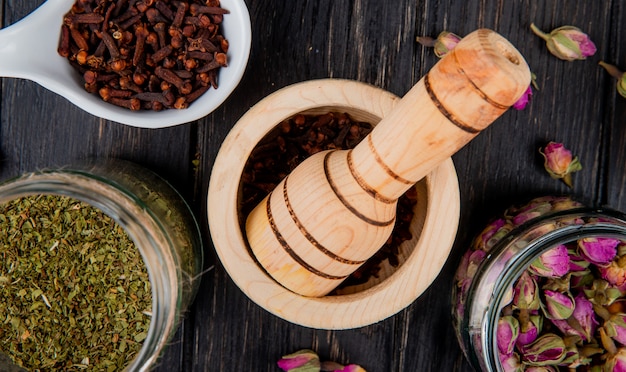
Key Ingredients and Their Roles
The exact composition of amritadi guggulu can vary by manufacturer or practitioner. However, the following ingredients frequently appear:
-
Guggulu (Commiphora mukul)
-
Primary resin believed to contain guggulsterones and other active components.
-
Traditionally used for its anti-inflammatory, cholesterol-modulating, and revitalizing properties.
-
-
Guduchi (Tinospora cordifolia)
-
Known in Ayurveda as “amrita,” meaning “immortality.”
-
Rich in alkaloids and polysaccharides, which may support immune function and metabolic processes.
-
-
Triphala (a combination of Amla, Bibhitaki, and Haritaki)
-
Renowned Ayurvedic blend of three fruits.
-
Aims to support digestion, detoxification, and nutrient absorption.
-
-
Ginger (Zingiber officinale) or Long Pepper (Piper longum)
-
Commonly included for their thermogenic, digestive-enhancing, and circulation-supporting properties.
-
-
Other Herbs
-
Depending on the specific recipe, ingredients like Nimba (Azadirachta indica) or Vidanga (Embelia ribes) may be added for extra immune and digestive support.
-
Scientific Perspective and Evidence
While Ayurvedic texts offer extensive anecdotal and historical data on amritadi guggulu, modern research is still catching up. However, several scientific studies, particularly on guggulu (the core resin) and Guduchi, shed light on the potential mechanisms of this formulation.
-
Anti-Inflammatory Effects
-
A study in the Journal of Ethnopharmacology (2017) suggested that guggulsterones help modulate pro-inflammatory enzymes, potentially easing inflammation in joint tissues.
-
Guduchi has been studied for its ability to regulate the immune response, possibly aiding in the management of inflammatory conditions.
-
-
Metabolic and Cholesterol Management
-
Research published in Phytotherapy Research (2019) found that supplementation with guggul extracts improved lipid profiles in a subset of patients with mild hyperlipidemia.
-
Further studies are needed to confirm these findings and establish standardized dosing protocols.
-
-
Immune System Support
-
Guduchi (Tinospora cordifolia) has been the subject of multiple studies indicating possible immunomodulatory effects, including a 2021 review in the Journal of Ayurveda and Integrative Medicine.
-
-
Antioxidant Properties
-
Several herbs in amritadi guggulu, such as ginger and Triphala, contain antioxidant phytochemicals. These compounds may help combat oxidative stress, although more clinical trials are required for definitive conclusions.
-
Limitations and Ongoing Research
-
Lack of Large-Scale Studies: Much of the existing evidence comes from small clinical trials or animal studies.
-
Quality Variations: Herbal products are not standardized in the same way as pharmaceuticals, leading to inconsistencies in quality and dosage.
-
Need for More RCTs: Randomized controlled trials (RCTs) with larger sample sizes are needed to confirm therapeutic benefits and safety profiles definitively.
Potential Health Benefits
Joint Health
One of the primary reasons individuals turn to amritadi guggulu is to support joint health. The synergistic combination of guggulu’s anti-inflammatory properties and Guduchi’s immune-modulatory effects may offer relief from:
-
Joint stiffness
-
Mild to moderate discomfort
-
Swelling and limited range of motion
Note: Always consult a healthcare professional for a thorough assessment before using herbal supplements to manage joint conditions.
Metabolic Support
Several ingredients in amritadi guggulu, such as guggulsterones, are studied for their impact on lipid metabolism. Research suggests:
-
Possible cholesterol-lowering effects
-
Enhanced fat metabolism
-
Support for healthy weight management
While these findings are encouraging, they are far from conclusive. A balanced diet and regular exercise remain fundamental to maintaining a healthy metabolism.
Immune Modulation
Amritadi guggulu often includes Guduchi, a renowned Ayurvedic herb for its purported immune-balancing qualities. According to some in vitro and in vivo studies:
-
Guduchi may enhance the activity of white blood cells, thus supporting the body’s defense against pathogens.
-
The formula’s antioxidant components may also contribute to overall immune resilience.

Dosage and Usage Guidelines
The dosage of amritadi guggulu can vary based on individual needs, the specific product formula, and the guidance of a healthcare practitioner. However, some general recommendations include:
-
Typical Adult Dosage: 1 to 2 tablets (or 250–500 mg if in capsule form) twice daily with warm water.
-
Timing: Often recommended to be taken after meals to support digestion and absorption.
-
Duration: Duration of use may range from a few weeks to several months, depending on the health objective.
-
Dietary Considerations: Avoid excessively heavy, oily, or spicy foods if using amritadi guggulu for metabolic balance. Maintaining a balanced diet and hydration can enhance the herb’s efficacy.
Pro Tip: Consult an Ayurvedic practitioner or integrative medicine doctor for personalized dosage recommendations and to ensure the formulation suits your specific constitution (Prakriti) and health condition.
Possible Side Effects and Precautions
Although amritadi guggulu is generally considered safe when used under professional guidance, potential side effects can occur, particularly with unsupervised use or if the product is of subpar quality.
-
Gastrointestinal Issues: Some people may experience mild stomach upset, diarrhea, or nausea, especially at higher doses.
-
Allergic Reactions: Symptoms like rash, itching, or swelling could indicate an allergic response to guggulu or other herbal components.
-
Interaction with Medications: Herbs like guggul can potentially interact with medications that affect lipid metabolism (e.g., statins) or blood sugar control.
-
Pregnancy and Lactation: Adequate human studies are lacking, so pregnant or nursing women should avoid amritadi guggulu unless otherwise directed by a qualified healthcare provider.
Safety Tip: Always purchase herbal products from reputable brands that follow Good Manufacturing Practices (GMP). Look for products tested for heavy metals, pesticides, and microbial contaminants.
Frequently Asked Questions
-
What is amritadi guggulu primarily used for?
Amritadi guggulu is commonly used to support joint health, metabolism, and immune function, according to traditional Ayurvedic principles and some modern research findings. -
How long does it take to see results?
Results can vary depending on factors like the severity of the condition and individual body chemistry. Some people notice improvements in a few weeks, while others may need several months. -
Is amritadi guggulu safe for everyone?
While generally safe for healthy adults, it may not be suitable for people with certain health conditions or those taking specific medications. Pregnant or breastfeeding women should avoid use unless advised by a qualified practitioner. -
Can I combine amritadi guggulu with other supplements?
It’s crucial to consult a healthcare provider before combining herbal formulations, as interactions can occur. Many Ayurvedic practitioners do recommend complementary herbs, but professional guidance is key. -
Where can I find reputable studies on amritadi guggulu?
Peer-reviewed journals like the Journal of Ayurveda and Integrative Medicine, Phytotherapy Research, and Journal of Ethnopharmacology often publish studies on herbal formulations, including those containing guggulu and Guduchi.
Conclusion
Amritadi guggulu continues to capture global attention for its deeply rooted Ayurvedic heritage and its potential in supporting joint health, metabolic balance, and immune resilience. While preliminary scientific evidence points toward benefits—particularly for inflammation and lipid management—more comprehensive research is needed to confirm its full range of therapeutic applications.
If you’re intrigued by this time-honored remedy, remember:
-
Consult a Professional: Seek a qualified healthcare or Ayurvedic practitioner for personalized advice.
-
Prioritize Quality: Source your supplements from reputable manufacturers who conduct rigorous quality testing.
-
Adopt a Holistic Lifestyle: Healthy eating, regular exercise, and stress management are indispensable for maximizing the benefits of amritadi guggulu (or any supplement).
By combining ancient wisdom with modern science, amritadi guggulu could offer a valuable, integrative approach to wellness—one that merges the best of both traditional and evidence-based medicine.
Call to Action
If you found this guide useful, share it with friends, leave a comment below about your experiences with amritadi guggulu, or subscribe to our newsletter for more articles on herbal supplements and integrative health. Your engagement helps us continue to bring balanced, research-backed content to a wider audience!
Medical Disclaimer: The content in this article is for informational purposes and should not be taken as professional medical advice. Consult your doctor or a qualified healthcare professional before starting any new supplement or treatment regimen. The statements made here are based on current research and traditional uses; they have not been evaluated by the U.S. Food and Drug Administration or other regulatory bodies.
आयुर्वेदिक डॉक्टर से एक प्रश्न पूछें और मुफ़्त या सशुल्क मोड में अपनी चिंता की समस्या पर ऑनलाइन परामर्श प्राप्त करें।
2,000 से अधिक अनुभवी डॉक्टर हमारी साइट पर काम करते हैं और आपके प्रश्नों की प्रतीक्षा करते हैं और प्रतिदिन उपयोगकर्ताओं को उनकी स्वास्थ्य समस्याओं को हल करने में मदद करते हैं।
संबंधित आलेख