आयुर्वेदिक डॉक्टर से प्रश्न पूछें और निःशुल्क या भुगतान मोड में अपनी चिंता की समस्या पर ऑनलाइन परामर्श प्राप्त करें। 2,000 से अधिक अनुभवी डॉक्टर हमारी साइट पर काम करते हैं और आपके प्रश्नों का इंतजार करते हैं और उपयोगकर्ताओं को उनकी स्वास्थ्य समस्याओं को हल करने में प्रतिदिन मदद करते हैं।


Body DetoxEar, Nose, and Throat DisordersGeriatrics & RejuvenationImmunodeficiencyInfertility TreatmentNutritionOrthopedic DisordersPediatricsRespiratory DisordersSexually Transmitted Diseases (STDs)Surgery RecoveryUrological DisordersVascular DisordersDental DisordersEndocrinological DisordersGastrointestinal DisordersYoga TherapyGeneral MedicineAllergic DisordersCardio DisordersGynecology and ObstetricsCosmetologySkin and Hair DisordersEye DisordersInfectious DiseasesMental DisordersNeurological DisordersOncologyPanchakarmaSexual Health & DisordersSports Medicine
पर प्रकाशित 04/14/25
(को अपडेट 08/15/26)
3,400
Kokilakshakam Kashayam Uses and Health Benefits Explained
Introduction
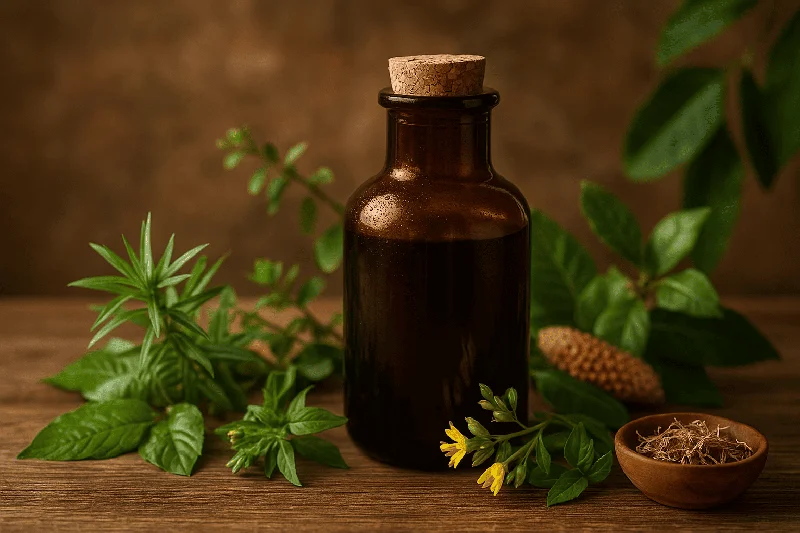
Ayurveda, India’s time-tested system of medicine, continues to gain global recognition for its natural remedies, especially when it comes to managing chronic musculoskeletal conditions. One such formulation is Kokilakshakam Kashayam, a traditional decoction known for its potent anti-inflammatory, analgesic, and immunomodulatory effects. Prescribed mainly for conditions like rheumatoid arthritis, gout, and muscle stiffness, this herbal blend contains Kokilaksha (Hygrophila spinosa) along with other synergistic herbs that support joint health.
Recent studies have started validating its benefits through pharmacological and clinical research. This article explores the uses, underlying mechanisms, and scientific relevance of Kokilakshakam Kashayam, bringing together traditional wisdom and modern evidence.
What is Kokilakshakam Kashayam?
Kokilakshakam Kashayam is a classical Ayurvedic formulation primarily indicated in Vata and Kapha disorders. The name is derived from “Kokilaksha,” a Sanskrit term for the herb Hygrophila spinosa, the principal ingredient.
Key Ingredients
-
Kokilaksha (Hygrophila spinosa) – Anti-inflammatory and diuretic
-
Punarnava (Boerhavia diffusa) – Reduces swelling and supports kidney function
-
Gokshura (Tribulus terrestris) – Relieves urinary disorders and improves muscle strength
-
Devadaru (Cedrus deodara) – Supports joint function and reduces Ama (toxins)
-
Rasna (Pluchea lanceolata) – Known for its analgesic and anti-rheumatic properties
These ingredients are decocted into a herbal liquid, usually taken under the supervision of an Ayurvedic physician.
Clinical and Traditional Uses of Kokilakshakam Kashayam
1. Rheumatoid Arthritis (Amavata)
This is the most common indication for Kokilakshakam Kashayam. The formulation helps break down "Ama" (metabolic toxins) that accumulate in joints and cause pain, stiffness, and inflammation.
-
A 2022 study published in the Journal of Ayurveda and Integrative Medicine evaluated its effect on 60 patients with early-stage rheumatoid arthritis. Patients reported reduced joint stiffness and inflammatory markers after 8 weeks of therapy.
2. Gout (Vatarakta)
In Ayurvedic texts, Vatarakta is described as a painful disorder caused by the vitiation of Vata and Rakta (blood). Kokilakshakam Kashayam helps regulate uric acid levels and reduces swelling.
-
Hygrophila spinosa, its primary herb, has demonstrated uricosuric and anti-inflammatory activity in preclinical trials.
3. Muscular Stiffness and Fatigue
The presence of Devadaru and Rasna helps in relaxing tight muscles, making it useful in post-exercise fatigue and chronic muscle tension, especially in elderly patients.
4. Edema and Water Retention
Due to Punarnava’s diuretic properties, this Kashayam is often used in cases of swelling caused by fluid retention. It supports healthy kidney function and reduces puffiness.
5. Autoimmune Joint Disorders
Although data is still emerging, Ayurvedic physicians often use Kokilakshakam Kashayam as a supportive therapy in autoimmune joint conditions due to its immunomodulatory herbs like Gokshura.
Scientific Evidence Supporting Kokilakshakam Kashayam
While traditional use is well-documented, modern research is gradually validating its effects:
-
Anti-inflammatory action: A review in Pharmacognosy Reviews confirmed that Hygrophila spinosa possesses significant anti-inflammatory activity due to flavonoids and alkaloids.
-
Diuretic effect: Boerhavia diffusa and Tribulus terrestris are both cited in studies for enhancing renal clearance and reducing serum creatinine levels.
-
Muscle relaxant effect: Rasna extracts have been studied in animal models and found to reduce muscle spasms.
Though most evidence is preclinical or observational, they suggest strong therapeutic potential.
How to Take Kokilakshakam Kashayam
Dosage and Administration
-
Recommended Dose: 15 to 30 ml of kashayam mixed with an equal amount of warm water, taken twice daily before meals.
-
Best taken with: Warm water or prescribed Anupana (carrier), usually advised by an Ayurvedic doctor.
-
Duration: Varies from a few weeks to months depending on the condition.
Always consult a certified Ayurvedic practitioner before use.
Precautions and Contraindications
-
Pregnancy and lactation: Not recommended without medical supervision.
-
Patients with hypotension: Should use cautiously due to potential diuretic effects.
-
Concurrent medications: Always inform your healthcare provider if you're on diuretics, NSAIDs, or immunosuppressants.
Benefits at a Glance
-
Natural pain relief in joint disorders
-
Reduces swelling and water retention
-
Enhances mobility in arthritis patients
-
Supports kidney and urinary tract health
-
Aids in managing metabolic toxins (Ama)
Conclusion
Kokilakshakam Kashayam represents a time-tested Ayurvedic approach to managing inflammatory and degenerative joint conditions. Its ingredients have both traditional backing and increasing scientific interest, especially for their anti-inflammatory and diuretic properties. While more robust clinical trials are needed to fully integrate this kashayam into modern protocols, current evidence supports its use as an adjunctive therapy in rheumatoid arthritis, gout, and related disorders.
As always, consult a qualified Ayurvedic physician or healthcare provider before beginning any new herbal treatment.
Share this article with friends, family, and colleagues who are interested in complementary and alternative medicine. For personalized advice or to learn more about Ayurvedic treatments, visit Ask-Ayurveda.com and ask a free question to our team of expert doctors. Empower your health journey by integrating traditional wisdom, modern research, and professional medical guidance for the best possible outcomes.
Frequently Asked Questions (FAQs)
What is Kokilakshakam Kashayam used for in Ayurveda?
It is primarily used for arthritis, gout, muscular pain, and fluid retention disorders. It balances Vata and Kapha and detoxifies the system.
Can Kokilakshakam Kashayam help in rheumatoid arthritis?
Yes, it helps reduce joint stiffness and inflammation by breaking down Ama and reducing Vata aggravation.
Is Kokilakshakam Kashayam safe for long-term use?
Under proper medical supervision, it is generally considered safe. Long-term use should be monitored by a practitioner.
Does it have side effects?
If taken without medical advice, it may lead to dehydration or low blood pressure due to its diuretic effects.
Can I take it alongside allopathic medicines?
Possibly, but always inform your physician to avoid herb-drug interactions, especially with anti-inflammatories or diuretics.
What’s the ideal time to take Kokilakshakam Kashayam?
It is usually taken before meals, twice daily, diluted in warm water.
Is there scientific evidence for its effectiveness?
Yes, several ingredients have been studied for anti-inflammatory and renal benefits, though more clinical trials are needed.
उपयोगकर्ताओं के प्रश्न
What are the common side effects of Kokilakshakam Kashayam?
Client_6a0fa9
23 दिनों पहले
Kokilakshakam Kashayam, an Ayurvedic formulation used for conditions related to Vata and Kapha imbalances, may cause side effects such as digestive issues, nausea, or diarrhea in some individuals. These effects can vary significantly depending on the person's constitution and any underlying health conditions. While generally well-tolerated, it's crucial to monitor for any adverse reactions, especially if using it for the first time. If you experience significant discomfort or new symptoms, consult a healthcare professional to ensure safe use.
How does Kokilakshakam Kashayam affect inflammation in elderly patients?
Client_400f00
33 दिनों पहले
Kokilakshakam Kashayam, a traditional herbal decoction, may help reduce inflammation in elderly patients due to its anti-inflammatory properties, often attributed to ingredients like Devadaru and Rasna. These components may offer relief in conditions such as rheumatoid arthritis by easing muscular stiffness and fatigue. However, results can vary, and it is crucial for elderly patients to consult a healthcare provider before starting any herbal treatment to ensure safety and proper integration with any existing medical treatments.
What lifestyle habits should I adopt alongside Kokilakshakam Kashayam?
Client_b9fd3a
43 दिनों पहले
When using Kokilakshakam Kashayam, which is utilized for conditions such as arthritis, gout, muscular pain, and fluid retention, adopting certain lifestyle habits can enhance its effectiveness. A balanced diet rich in anti-inflammatory foods like fruits, vegetables, and omega-3 fatty acids is beneficial. Regular low-impact exercise and maintaining a healthy weight can support joint health and reduce pressure on the joints. Drinking plenty of water each day helps manage fluid retention. Avoid excessive alcohol and caffeine as they may exacerbate fluid imbalance and inflammation. Monitor symptoms and consult a healthcare professional if they persist or worsen.
How does Kokilakshakam Kashayam aid in kidney health support?
Client_f5ae9d
52 दिनों पहले
Kokilakshakam Kashayam may support kidney health primarily through its diuretic properties, which can aid in managing edema and water retention by promoting the excretion of excess fluids. Ingredients like Punarnava are credited for these effects. While it is traditionally used to target various health issues, including inflammatory conditions, scientific evidence specifically detailing its impact on kidney health is limited. If symptoms persist or worsen, or if you have existing kidney disease, consult a healthcare provider to ensure safe integration into your treatment plan.
What lifestyle changes can help support kidney health while using Kokilakshakam Kashayam?
Client_24a824
62 दिनों पहले
To support kidney health while using Kokilakshakam Kashayam, it's crucial to stay well-hydrated by drinking plenty of water, which helps flush out toxins and maintain kidney function. A balanced diet low in sodium, processed foods, and red meat can reduce kidney strain. Regular exercise is also beneficial but should be moderated according to individual health. Monitoring uric acid levels is important; high levels can harm the kidneys. Consult a doctor frequently to monitor kidney health and address any concerns. Use Kokilakshakam Kashayam under medical guidance for optimal results.
Can I use Kokilakshakam Kashayam for treating muscle pain along with joint stiffness?
Client_8d59ea
71 दिनों पहले
Using Kokilakshakam Kashayam for muscle pain can be helpful because it's known for tackling joint stiffness and reducing inflammation. It targets "Ama" and vata dosha, which can be involved in both muscle and joint issues. However, always consult an Ayurveda practitioner to ensure it aligns with your specific needs!
What is the best way to prepare Kokilakshakam Kashayam at home for joint health?
Client_18f4a3
81 दिनों पहले
To make Kokilakshakam Kashayam at home, take the dried herbs like Kokilaksha, mix with water and boil it down till half of the water evaporates. You gotta strain it before drinking. Remember, it's always good to chat with an Ayurvedic doc before starting herbal treatments, cuz everyone's body is kinda different! 😊
What is the recommended dosage of Kokilakshakam Kashayam for managing edema?
Client_e481d5
90 दिनों पहले
Ah, dosage for Kokilakshakam Kashayam can vary based on individual needs and constitution, but it might be common to take about 15-30 ml diluted with an equal amount of water twice daily before meals for edema. It's always a good idea to consult with an Ayurvedic practitioner though to tailor it to your specific needs and dosha balance!
Is it safe to use Kokilakshakam Kashayam for long-term management of rheumatoid arthritis?
Client_582ad0
99 दिनों पहले
Using Kokilakshakam Kashayam for a long time can be safe for rheumatoid arthritis but it's good to be cautious. It's best to use it under a practitioner's guidance, since prolonged use might require dose adjustments or monitoring. Keep an eye on how your body reacts, and check in with your Ayurvedic doctor to be safe!
Can Kokilakshakam Kashayam be used for managing uric acid levels in diabetics?
Client_9c5d10
108 दिनों पहले
Yes, Kokilakshakam Kashayam can be helpful for managing uric acid levels, even in diabetics, due to its uricosuric and anti-inflammatory properties. But since diabetes can complicate things, it's best to consult with your ayurvedic practitioner or healthcare provider to make sure it fits well with your health plan. Each individual's constitution and needs vary, so its good to get personalized advice!
संबंधित आलेख

Orthopedic Disorders
Effective Tennis Elbow Treatment in Ayurveda: Natural Remedies and Tips
Explore effective Ayurvedic treatments for tennis elbow, including herbal remedies, lifestyle practices, dosage guidelines, and scientific evidence supporting natural healing.
3,293
Orthopedic Disorders
Sandhivata Oil: Benefits, Uses, and Science-Backed Insights
Discover the benefits, uses, and science behind Sandhivata Oil for joint pain relief, improved mobility, and holistic arthritis management.
3,474

Orthopedic Disorders
सैंधवाड़ी तेल
सैंधवाड़ी तैल का अन्वेषण
2,396

Orthopedic Disorders
रास्नादी गुग्गुलु: उपयोग, खुराक, साइड इफेक्ट्स
रास्नादी गुग्गुलु की खोज: उपयोग, खुराक, साइड इफेक्ट्स
5,676

Orthopedic Disorders
Rasnairandadi Kashayam Benefits: Joint Pain and Inflammation Relief
Benefits of Rasnairandadi Kashayam, an Ayurvedic herbal decoction. Learn how it supports joint health, reduces inflammation, and promotes respiratory well-being through natural remedies.
3,147

Orthopedic Disorders
Vatagajankusha Rasa: Ayurvedic Insights and Modern Evidence
Explore Vatagajankusha Rasa in-depth—its Ayurvedic roots, modern studies, benefits, precautions, and usage. Gain scientific insight and expert perspectives.
2,387

Orthopedic Disorders
Marmani Vati: Ayurvedic Remedy for Calm and Clarity
Discover Marmani Vati, an Ayurvedic herbal formulation. Learn about its traditional uses, benefits, dosage, and how it supports holistic well-being.
3,326

Orthopedic Disorders
Coccyx Pain Treatment in Ayurveda: Effective Ayurvedic Solutions for Coccyx Pain
Discover Ayurvedic treatments for coccyx pain, including benefits, proper dosage, uses, and scientific evidence supporting natural remedies for tailbone discomfort and healing.
3,115

Orthopedic Disorders
Chandanbala Lakshadi Tel: Cooling Ayurvedic Oil for Skin and Mind
Chandanbala Lakshadi Tel, an Ayurvedic herbal oil. Learn about its traditional uses, therapeutic benefits, dosage guidelines, and how it promotes balance, skin health, and overall wellness.
2,786

Orthopedic Disorders
Ayurvedic Treatment for Joint Pain After Chikungunya: Natural Relief and Recovery
Explore effective Ayurvedic treatments for joint pain after chikungunya, including natural remedies, benefits, proper dosage, and scientific evidence supporting holistic recovery.
3,351
विषय से संबंधित परामर्श
अतिरिक्त दस्तावेज़
© 2024 Ask Ayurveda. सर्वाधिकार सुरक्षित।