आयुर्वेदिक डॉक्टर से प्रश्न पूछें और निःशुल्क या भुगतान मोड में अपनी चिंता की समस्या पर ऑनलाइन परामर्श प्राप्त करें। 2,000 से अधिक अनुभवी डॉक्टर हमारी साइट पर काम करते हैं और आपके प्रश्नों का इंतजार करते हैं और उपयोगकर्ताओं को उनकी स्वास्थ्य समस्याओं को हल करने में प्रतिदिन मदद करते हैं।


Body DetoxEar, Nose, and Throat DisordersGeriatrics & RejuvenationImmunodeficiencyInfertility TreatmentNutritionOrthopedic DisordersPediatricsRespiratory DisordersSexually Transmitted Diseases (STDs)Surgery RecoveryUrological DisordersVascular DisordersDental DisordersEndocrinological DisordersGastrointestinal DisordersYoga TherapyGeneral MedicineAllergic DisordersCardio DisordersGynecology and ObstetricsCosmetologySkin and Hair DisordersEye DisordersInfectious DiseasesMental DisordersNeurological DisordersOncologyPanchakarmaSexual Health & DisordersSports Medicine
पर प्रकाशित 04/24/25
(को अपडेट 08/15/26)
3,592
Ayurvedic Medicine for Tooth Decay: An Honest Dive Into Ancient Wisdom and Real Solutions
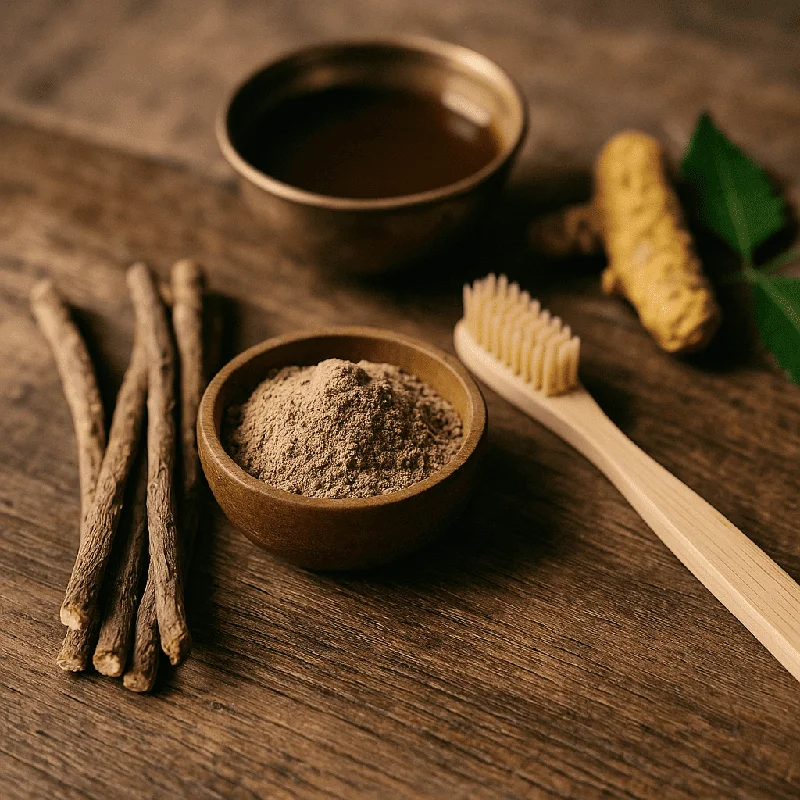
Why You Should Care About Tooth Decay — and What Ayurveda Has to Say About It
Tooth decay. Two words that sound small but can cause a ton of pain, cost a fortune in dental bills, and leave you nervously poking that one molar with your tongue. I’ve been there — late-night Googling “how to stop a cavity naturally” with half my cheek numb and zero hope left. That’s when I stumbled into the ancient rabbit hole of Ayurveda, and to my surprise… it wasn’t all incense and vague promises.
So, what exactly are we diving into here?
This article isn’t just another list of herbal hacks. It’s a full, honest exploration of Ayurvedic medicine for tooth decay — the symptoms, causes, treatments, and more. We’ll look at what modern science says, but also how 5,000-year-old Ayurvedic texts deal with cavities, gum infections, and dental pain.
You’ll learn:
-
What really causes decay from an Ayurvedic lens (spoiler: it’s not just sugar).
-
How ancient diagnostic tools like Nadi Pariksha (pulse diagnosis) can help detect oral imbalances.
-
Actual remedies — from herbs to oils to rituals — that people still use today with solid results.
-
Where Ayurveda succeeds… and where it might fall short.
Let’s also acknowledge this: oral health isn’t just a “cosmetic” thing. According to WHO, dental disease affects 3.5 billion people worldwide, with untreated tooth decay in permanent teeth being the most common health condition globally. And yet, dentistry still feels expensive, stressful, and sometimes a little inaccessible.
Ayurveda — India’s ancient system of health — offers a different way. One that’s holistic, often more affordable, and surprisingly rooted in logic, not just lore.
This article is for the skeptical, the curious, the desperate, and the wellness nerds alike. Let’s talk teeth.
Understanding Ayurvedic Medicine for Tooth Decay: It’s More Than Just Oil Pulling
What Exactly Is Tooth Decay, Anyway?
Let’s get this part straight. Scientifically, tooth decay (aka dental caries) is the demineralization of your enamel — the outer protective layer of your teeth — due to acids formed by bacteria feasting on sugar and food debris. This acid wears down the tooth surface over time, creating holes (cavities), pain, and eventually infection or even tooth loss.
It typically goes like this:
-
Plaque buildup
-
Acid attack
-
Enamel erosion
-
Dentin exposure
-
Cavitation and decay
-
Potential abscess and bone involvement
Modern dentistry sees this as a microbiological disease. Fair. But it’s a bit reductionist, right? Because why do some people get decay constantly and others (with the same diet) don’t?
The Ayurvedic Take: Dosha Imbalance and Deep Roots
In Ayurveda, tooth decay is linked to Danta Rogas (diseases of the teeth), most often rooted in an imbalance of the Kapha and Vata doshas — the body’s bio-energies. It’s also tied to Rasa Dhatu (the essence of nourishment) and Asthi Dhatu (bone tissue), which includes teeth.
Some of the main Ayurvedic reasons for decay:
-
Excess Kapha → leads to mucus and heaviness, feeding bacterial growth.
-
Vata aggravation → causes dryness, cracking, and receding gums.
-
Poor digestion (Agni imbalance) → affects nutrient absorption, weakening bones and teeth.
-
Improper oral hygiene rituals or wrong use of toothbrushes (like harsh bristles).
-
Unwholesome diet — cold, sweet, sticky foods in excess.
Stages? Ayurveda does have its version:
-
Initial vitiation of doshas
-
Local accumulation in oral cavity
-
Infiltration into gums and teeth
-
Manifestation of pain, sensitivity, discoloration
-
Degeneration (which may link to systemic dosha aggravation)
There’s even a term: Dantaharsha – tooth sensitivity due to vitiated Vata. Or Krimi Danta – tooth decay linked to microbial activity and poor hygiene.
Where Ayurveda and Dentistry Split Paths
Western dentistry is about eliminating the damage: drilling, filling, extracting. Effective? Definitely. But it doesn’t always explore why decay keeps coming back. Ayurveda, in contrast, zooms out. It wants to know: is your liver congested? Is your digestive fire low? Are you emotionally holding tension in your jaw?
One goes local. The other goes systemic.
One numbs the pain. The other tries to balance the whole system.
Neither is wrong. But maybe — just maybe — combining both could be smarter.
Why Does Tooth Decay Happen? Here’s the Ayurvedic Breakdown
The Root Causes, According to Ayurveda
If you’ve ever wondered, “Why me? I brush and floss and do the whole routine,” Ayurveda might have a different angle. It says dental decay isn't just about external hygiene — it’s a reflection of internal imbalance.
-
Imbalanced Doshas: The primary culprits in decay are aggravated Vata and Kapha.
-
Vata dries out the tissues, leads to brittleness in the gums and teeth.
-
Kapha stagnates things, creating a perfect breeding ground for bacteria.
-
-
Weak Agni (Digestive Fire): If your digestion’s off, you’re not absorbing the nutrients that keep bone tissue (Asthi Dhatu) strong — and that includes your teeth.
-
Improper Dinacharya (daily routines): Not following traditional routines like tongue scraping or oil pulling can allow “Ama” (toxins) to build up.
-
Emotional stress: Yep. Ayurveda says mental factors — anger, anxiety, grief — disturb doshic harmony, weakening immunity and oral health.
Triggers That Tip the Scale
Some of the biggest triggers from an Ayurvedic standpoint include:
-
Frequent intake of sweets, sticky carbs, and fermented foods
-
Drinking cold beverages, especially with meals
-
Poor sleep habits
-
Chronic dehydration (which dries out oral mucosa)
-
Constant snacking — no time for proper digestion
Modern Life, Ancient Disease
Let’s be real — a lot of what’s considered “normal” now is exactly what Ayurveda flags as problematic:
-
24/7 grazing? Terrible for digestion.
-
Icy smoothies? Not great for your jaw or stomach fire.
-
High stress and overwork? You already know.
Ayurveda doesn’t just call this a tooth problem — it calls it a lifestyle disorder. One that shows up as decay, yes, but that’s just the visible symptom.
The Telltale Signs of Decay, From a Whole-Body View
Obvious Symptoms — We Know These
These are the signs we usually recognize:
-
Sensitivity to hot, cold, or sweet
-
Toothache, especially at night
-
Visible holes or black spots on the tooth
-
Pain while chewing
-
Swelling or pus around a tooth
-
Bad breath (sometimes metallic or sour)
Less Obvious, Still Important
Ayurveda teaches that the body whispers before it screams. Subtle signs may include:
-
Dry mouth, or excessive salivation
-
Discoloration on the gums (bluish, pale, or red)
-
Mild indigestion, bloating, or even constipation — yes, connected!
-
Receding gums or teeth “feeling loose” in their sockets
-
Unexplained fatigue or brain fog
Some Vaidyas (Ayurvedic doctors) even claim early signs of oral decay can show up as headaches or sinus congestion. Seems far-fetched? Maybe. But everything’s connected.
When Ayurveda Helps — And When It Might Not
Look — Ayurveda isn’t a miracle wand. It works best in:
-
Early stages of decay
-
Sensitivity without actual cavitation
-
Gum inflammation
-
Chronic recurrence (where you’ve already had dental work, but issues keep coming back)
But if you’re in deep pain or dealing with an abscess? You need modern dentistry, fast. Ayurveda can help support healing, but don’t delay real intervention when there’s infection in the picture.
How Ayurveda Diagnoses Tooth Decay (Hint: It’s Not Just X-Rays)
Pulse, Tongue, and the Full-Body Scan
Ayurvedic diagnosis — especially for something like decay — feels oddly intimate. A trained Vaidya won’t just peek into your mouth; they’ll check:
-
Nadi Pariksha (Pulse Diagnosis): Feeling the radial pulse to detect dosha imbalances
-
Jihva Pariksha (Tongue Analysis): Is your tongue coated? Cracked? Red at the tip?
-
Mala/Mutra (Stool and Urine Analysis): To assess toxin levels and digestion
-
Darshanam, Sparshanam, Prashnam: Observation, palpation, questioning — the OG holistic check-up
Finding the Doshic Imbalance
Once the imbalance is identified:
-
Vata-type decay = sensitivity, dryness, sharp pains, thin gums
-
Kapha-type = heaviness, thickened gums, plaque, sluggish circulation
-
Pitta-type = inflammation, bleeding gums, ulcers, sour taste in the mouth
Each type affects treatment. That’s the beauty of Ayurveda — it’s individualized, not just “one size fits all.”
स्वयं दवा न लें और प्रतीक्षा न करें। अभी डॉक्टर से चैट शुरू करें
Remedies, Oils, Herbs: Let’s Talk Real Ayurvedic Treatments
Ayurvedic Herbs & Medicines That Actually Work
Here's the part everyone waits for: the remedies. The stuff you can actually do.
-
Triphala: A digestive tonic that supports gum health and reduces Ama.
-
Dosage: 1 tsp powder at bedtime with warm water
-
-
Dashana Samskara Churna: A herbal tooth powder with astringent, antibacterial properties.
-
Bakula (Mimusops elengi): Strengthens teeth, useful in decoctions and powders.
-
Neem: Antibacterial, astringent — found in oils and powders for brushing.
-
Clove (Lavanga): Pain relief and microbial control — use the oil topically, but diluted!
Always consult a practitioner before using herbs — especially if pregnant, breastfeeding, or on meds.
Panchakarma and Oral Therapies
For chronic or deep-seated issues, full detox may be recommended:
-
Gandusha (oil holding): Holding medicated oil (like sesame or Triphala oil) in the mouth for 10–20 minutes.
-
Kavalagraha (oil swishing): Like oil pulling, but more precise — often medicated oils prescribed based on your dosha.
-
Nasya (nasal oiling): Clears head region and sinuses, improves oral circulation.
-
Virechana (purgation therapy): For deeper Pitta-related inflammations.
These aren’t DIY — you’d need supervision. But they work when done right.
Home Remedies That Don't Suck
A few things I swear by (and yeah, I’ve tested them):
-
Warm sesame oil swishing every morning before breakfast. My dentist noticed.
-
Licorice stick chewing — old school, but it cleanses and strengthens gums.
-
Salt + turmeric paste as an emergency toothpaste for sore gums.
Also, use a soft brush. And don’t brush right after eating acidic foods — it scrapes the enamel.
What Should You Eat (and Avoid) If You’re Dealing With Tooth Decay?
The Ayurvedic Kitchen Rules for Dental Health
Food isn’t just fuel in Ayurveda — it’s medicine. And if you’re dealing with tooth decay, your plate might be a bigger part of the problem (or solution) than you think.
Here’s what Ayurveda recommends eating — in exact detail.
🍚 What to Eat:
-
Warm, soft, and cooked foods: Think kichari (rice and mung dal porridge), stewed vegetables, lightly spiced soups.
-
Spices like turmeric, clove, cinnamon, cardamom, and ginger: Antibacterial and digestion-enhancing.
-
Good oils: Ghee (clarified butter) and sesame oil nourish the tissues and support Asthi dhatu.
-
Millets and rice: Especially for Vata imbalance — grounding and easy on digestion.
-
Vegetables: Especially bitter ones like fenugreek, neem leaves, spinach — cleanse the system and support oral detox.
-
Fruits: Ripe bananas, papaya, cooked apples — avoid sour and citrus if you have sensitivity.
👉 Meal timing matters. Stick to three solid meals a day. No random grazing. Eat your biggest meal at lunch when Agni (digestive fire) is strongest.
🧂What to Limit or Avoid Entirely:
-
Sugar — obviously. But also “healthy” sugars like jaggery or dates in excess.
-
Cold foods and drinks — ice cream, soda, even cold water. Ayurveda considers these digestive killers.
-
Fermented and sour items — yogurt, vinegar, pickles can worsen Pitta and enamel erosion.
-
Hard, dry snacks — they aggravate Vata and can damage enamel.
-
Caffeine and alcohol — drying and acidic, bad combo for teeth and gums.
⚠️ Be especially careful with food combinations — Ayurveda warns against mixing milk with fruits, meat with dairy, etc. It creates Ama, or toxins, which then affect immunity and yes, your teeth.
Daily Routine: What Would a Tooth-Friendly Ayurvedic Day Look Like?
Mornings in Ayurveda start before the sun. Not mandatory, but here’s a basic routine for dental and doshic health:
-
Wake up early (ideally by 6 am)
-
Oil pulling (Gandusha): Hold sesame or coconut oil in your mouth for 10–15 minutes.
-
Brush with herbal powder or mild paste: Look for neem, babool, or clove-based pastes.
-
Scrape your tongue: Stainless steel or copper scraper.
-
Drink warm water: Maybe with a bit of lemon or Triphala.
-
Move your body: Yoga or light exercise to stimulate circulation.
-
Eat mindfully: No screens, no rushing.
-
Avoid eating late at night: It dampens digestion and leads to Ama buildup.
And yes — go to bed before midnight. Sleep affects every system, including oral pH and immune function.
Herbal Medicines and Dosage Guidelines (No Vague Suggestions Here)
💊 For early-stage decay or sensitivity:
-
Triphala churna: 1 tsp with warm water before bed
-
Dashana Churna: Use for brushing or gum massage
-
Khadiradi Vati: Lozenges for sore gums (2x daily)
-
Clove oil: 1–2 drops diluted in carrier oil, applied topically
🧪 For deeper tissue involvement or gum recession:
-
Arimedadi Taila: For oil pulling
-
Bala Taila or Mahanarayan Oil: If Vata is high
-
Guggulu-based formulas: For tissue regeneration
Pregnancy/Breastfeeding Warning: Avoid strong purgatives, essential oils internally, and herbs like guggulu or turmeric in high doses.
Allergy Warning: Always patch-test oils. And check with a practitioner — herbs are powerful medicine, not snacks.
Real Stories From People Who Tried Ayurvedic Remedies for Tooth Decay
“I had a deep cavity on my molar. My dentist wanted to drill, but I wanted to try something else first. I started oil pulling every morning with sesame oil and applied clove oil at night. Within three weeks, the sensitivity reduced dramatically.”
— Kavita R., Bangalore
“After my root canal, I kept getting gum infections. Ayurveda helped me manage them with neem oil and diet. My gums are finally healthy.”
— Joe B., New Jersey
“My 8-year-old daughter had early signs of decay. Our vaidya recommended Triphala water rinses and changing her diet. It reversed in 6 months.”
— Arjun M., Pune
These stories aren’t miracles — they’re just consistent practice, matched with the right Ayurvedic diagnosis.
But Does It Work? What the Research Says About Ayurveda for Tooth Decay
What Science Is Finding Out
Ayurveda’s slowly getting its due in research circles. Key findings:
-
Triphala has been shown to reduce Streptococcus mutans — the main cavity-causing bacteria.
-
Neem and clove oil are now widely recognized for their antimicrobial and analgesic properties.
-
Studies comparing Arimedadi oil with modern mouthwash showed comparable, sometimes better results in reducing plaque and inflammation.
-
Ayurvedic powders like Dashana Samskara Churna have proven effective in treating gingivitis and early periodontal disease.
Ayurveda vs. Modern Medicine: Not Either/Or
Modern dentistry excels at repair. Ayurveda shines in prevention and long-term systemic balance. Together, they’re better.
You’ll see more integrative practices popping up — Ayurvedic oral care products in clinics, dentists recommending oil pulling post-procedure, etc.
Trusted Sources That Back It Up
-
National Center for Complementary and Integrative Health
-
AYUSH Ministry (India)
-
PubMed and ClinicalTrials.gov (search “Ayurveda tooth decay”)
-
All India Institute of Ayurveda (AIIA)
Common Myths About Ayurveda and Tooth Decay — Busted
-
“Ayurveda can regrow enamel.”
Nope. Once it’s gone, it’s gone. Ayurveda can slow decay and strengthen tissue, but not regrow lost enamel. -
“Oil pulling cures cavities overnight.”
Not even close. It supports oral detox and pH balance — great for prevention and mild symptoms. -
“If you use herbs, you don’t need to see a dentist.”
That’s risky. Ayurveda complements, not replaces, professional dental care — especially for acute infections. -
“All Ayurvedic treatments are safe.”
Only if used right. Herbs are potent — get guidance, especially if pregnant or on meds.
So, What’s the Final Word?
Tooth decay might seem like a small issue until it isn’t. Painful, expensive, emotionally exhausting — it can spiral. But Ayurveda offers a grounded, daily, deeply nourishing path to both prevent and support healing.
We covered a lot:
-
The Ayurvedic view of tooth decay and how it’s rooted in systemic imbalance.
-
How to catch the signs early — even subtle ones.
-
Specific herbs, oils, foods, and rituals that genuinely help.
-
Real success stories and scientific proof it’s not just woo.
If you’re curious, overwhelmed, or just tired of temporary fixes, Ayurveda has something for you. And if you want personalized guidance, reach out to a certified Vaidya or connect with a platform like Ask-Ayurveda.com — they’ll match you with a practitioner who can look at your whole picture.
FAQ: Ayurvedic Medicine for Tooth Decay
Q1. Can Ayurveda reverse existing cavities?
No, but it can stop progression, reduce symptoms, and strengthen surrounding tissue to avoid further damage.
Q2. How long does it take to see results from Ayurvedic treatments?
Anywhere from a few days (for pain relief) to 3–6 months for gum health or decay prevention. Consistency is key.
Q3. Is oil pulling really effective?
Yes — for reducing bacterial load and inflammation. It’s preventive, not curative.
Q4. Can kids use Ayurvedic dental remedies?
Yes — but under supervision. Herbal tooth powders, gentle oil pulling, and dietary changes are safe if dosed appropriately.
Q5. Is it safe to use Ayurvedic herbs with prescription meds?
Depends. Some herbs interact with medications. Always talk to a practitioner first.
References & Authoritative Sources
उपयोगकर्ताओं के प्रश्न
What are early warning signs of tooth decay to watch for?
Client_67d0c7
8 दिनों पहले
Early warning signs of tooth decay can include tooth sensitivity, visible spots or discoloration on the teeth, and persistent bad breath. Early tooth decay may not always show symptoms, so regular dental check-ups are vital. If you notice any pain or swelling, it's important to see a dentist promptly. Factors like dry mouth or gums discoloration can be indirectly associated with issues in oral health. Tooth decay can progress over months, and early intervention is key. If you experience unusual symptoms like receding gums or loose teeth, consult a dentist.
How long does it take for natural remedies to heal tooth decay?
Client_cfebd2
18 दिनों पहले
Natural remedies can support dental health, but they cannot heal tooth decay completely or reliably. While some natural practices like oil pulling, remineralizing toothpaste, and dietary changes can slow down decay and improve oral health over a period of several months, they should not replace professional dental treatment. If you suspect tooth decay, consult a dentist promptly, as untreated cavities can lead to more severe issues. Natural remedies might be part of a holistic approach but are not a substitute for proper dental care. Watch for worsening symptoms like pain or visible damage. Avoid substituting natural remedies without professional guidance.
How does stress influence tooth decay according to Ayurveda?
Client_29a9b7
27 दिनों पहले
Stress can contribute to tooth decay through physiological changes such as increased acidity in the mouth and decreased immune function, which can encourage bacterial growth and worsen oral health. While Ayurveda suggests stress can worsen conditions like Krimi Danta, a condition linked to poor oral hygiene and microbes, stress management is indeed important. Practices like meditation can be part of a stress-reduction plan but aren't a cure for decay. Tooth decay requires dental treatment. If you're experiencing tooth pain or signs of decay, consult a dentist promptly.
Can Ayurvedic treatments enhance recovery from dental procedures?
Client_147f9f
37 दिनों पहले
While Ayurvedic treatments may complement recovery after dental procedures, they should not replace conventional medical advice. Strategies such as using clove oil for discomfort and turmeric for inflammation are sometimes suggested due to their anti-inflammatory properties. However, always consult with a dentist or healthcare provider before combining Ayurvedic remedies with prescription medications, as interactions can occur. Keep an eye on any adverse reactions and see a doctor if symptoms persist or worsen during recovery.
What dietary changes can help support dental health naturally?
Client_008d68
46 दिनों पहले
To naturally support dental health, incorporating a diet rich in vitamins and minerals is crucial. Foods high in calcium and phosphorus, like dairy products and fish, help reinforce enamel. Vitamin C-rich foods, such as citrus fruits and berries, boost gum health. Crunchy vegetables like carrots and celery can help clean teeth surfaces as you chew. Limiting sugary snacks and beverages is key due to their potential to contribute to tooth decay. If you experience persistent dental issues, consult a dentist for tailored advice. Ayurvedic practices, like opting for warm meals to aid digestion, can complement these dietary changes.
What is Nadi Pariksha and how does it relate to dental health in Ayurveda?
Client_68ebcd
56 दिनों पहले
Nadi Pariksha, or pulse diagnosis, is a method used in Ayurveda to assess dosha imbalances by feeling your pulse. It's not directly related to dental health but it helps identify imbalances that could affect overall health, including dental issues. Once imbalance is found, your treatment can be tailored to support both oral and general well-being.
What is Dantaharsha and how is it related to tooth sensitivity in Ayurveda?
Client_958513
65 दिनों पहले
Dantaharsha in Ayurveda refers to tooth sensitivity mainly caused by an imbalance of Vata dosha. When Vata is vitiated, it affects the gums and teeth, leading to sensitivity. If your digestive fire (agni) is low too, it might be worth looking into improving that. Simple steps like rinsing with Triphala water and watching your diet can help!
What is gently oil pulling and how does it differ from regular oil pulling methods?
Client_261aef
74 दिनों पहले
Gently oil pulling is just a more relaxed version of regular oil pulling. Instead of swishing vigorously, you do it more softly, maybe for a shorter time. This makes it easier on your jaw and neck, pretty helpful if you're already dealing with tension or TMJ issues. It still helps in clearing toxins, just with less strain, so it's more chill overall.
What is oil pulling and how does it help improve dental health in Ayurveda?
Client_4c9ad3
83 दिनों पहले
Oil pulling is basically where you swish oil (like sesame or coconut) around in your mouth for about 15-20 minutes. In Ayurveda, it’s said to draw out toxins and help balance the Kapha dosha. For dental health, it can improve gum health and reduce plaque. It’s kinda like giving your mouth a little detox, enhancing that overall oral vibe.
What is the connection between liver health and dental issues in Ayurveda?
Client_692ab7
93 दिनों पहले
Sure, in Ayurveda, liver health is seen as linked to dental issues. If your liver ain't doin' great at detoxifying, it might lead to ama (toxins) buildup that can mess with gums and teeth. Think of it as an imbalance in the pitta dosha affecting oral health too. Focusing on liver-cleansing herbs like turmeric could help. But, more specific advice would need a personal consultation with an Ayurvedic practitioner.
संबंधित आलेख

Dental Disorders
दांतों की समस्याओं के लिए आयुर्वेदिक दवा: मौखिक स्वास्थ्य के लिए एक समग्र दृष्टिकोण
जानें कि आयुर्वेदिक चिकित्सा कैसे प्राकृतिक उपायों जैसे ऑयल पुलिंग, हर्बल टूथपेस्ट और माउथवॉश के जरिए दांतों की समस्याओं का समाधान करती है। जानें इसके फायदे, उपयोग के टिप्स और समग्र मौखिक स्वास्थ्य के लिए रोकथाम की देखभाल।
4,808

Dental Disorders
Dental problems
The oral disease remains a major health problem worldwide. Oral health is an integral part of general well-being and refers to the quality of life.
3,025

Dental Disorders
दांत दर्द के लिए लौंग का उपयोग कैसे करें: दर्द से प्राकृतिक राहत पाने के तरीके
दांत दर्द से राहत पाने के लिए लौंग का उपयोग कैसे करें, जानें। लौंग के उपाय, यह दर्द कम करने में कैसे मदद करता है, और दर्द वाले दांतों पर लौंग या लौंग के तेल को सुरक्षित तरीके से कैसे लगाएं।
10,768

Dental Disorders
कौन सा तेल ऑयल पुलिंग के लिए सबसे अच्छा है: सही तेल चुनने के लिए आयुर्वेदिक गाइड
कौन सा तेल ऑयल पुलिंग के लिए सबसे अच्छा है? आयुर्वेद में सबसे अच्छा ऑयल पुलिंग तेल कौन सा है, कौन सा तेल इस्तेमाल करना चाहिए, और कौन से तेल रोजाना डिटॉक्स और ओरल हेल्थ के लिए अच्छे हैं, जानें।
14,648

Dental Disorders
Best Ayurvedic Medicine for Mouth Ulcer: Effective Natural Remedies
Discover the best Ayurvedic medicines for mouth ulcers. Learn about natural remedies, their benefits, usage guidelines, and scientific insights to effectively treat mouth ulcers.
3,978

Dental Disorders
Which Fruit Is Good for Mouth Ulcer? Ayurvedic Tips and Best Choices
Which fruit is good for mouth ulcer? Discover the best fruits and juices for mouth ulcer relief, healing tips, and Ayurvedic diet suggestions
11,698

Dental Disorders
How to Cure Gum Disease Without a Dentist: Ayurvedic and Home Treatment Guide
How to cure gum disease without a dentist? Discover Ayurvedic and home remedies for gum infection, gingivitis, and periodontitis, including natural treatment tips
2,870

Dental Disorders
दांतों को सड़न से कैसे बचाएं: आयुर्वेदिक गाइड से रोकथाम और देखभाल
दांतों को सड़न से बचाने के लिए आयुर्वेदिक उपाय, रोकथाम के टिप्स और प्राकृतिक इलाज के बारे में जानें, ताकि आपकी मुस्कान स्वस्थ और मजबूत बनी रहे।
3,860

Dental Disorders
How to Remove Tartar from Teeth Naturally at Home
Exploration of Effective Home and Ayurvedic Remedies to Remove Tartar from Teeth
4,638

Dental Disorders
Ayurvedic Treatment for Teeth Cavities: A Holistic Guide
Discover how Ayurveda may help prevent and manage teeth cavities. Learn about scientific insights, holistic remedies, and tips for lasting oral health.
4,868
विषय से संबंधित परामर्श
अतिरिक्त दस्तावेज़
© 2024 Ask Ayurveda. सर्वाधिकार सुरक्षित।