What Is Pyorrhea and How Can It Be Treated in Ayurveda?
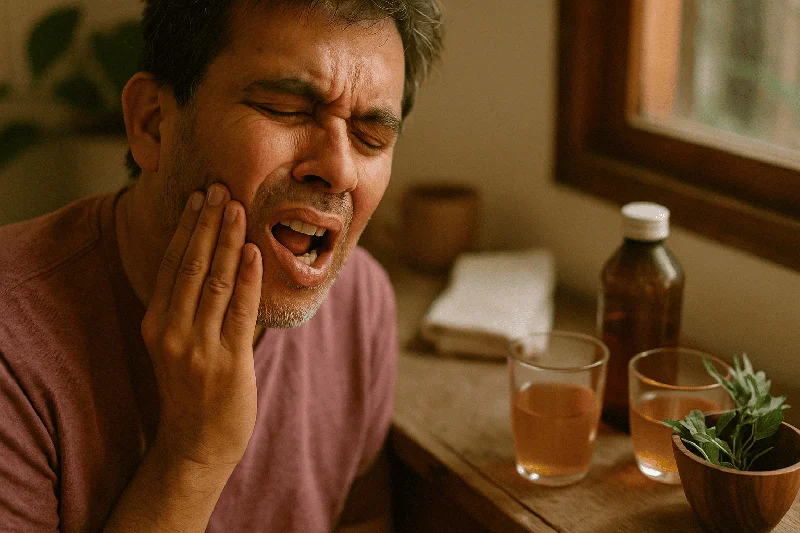
- Pyorrhea is a severe gum infection that damages the soft tissue and destroys the bone supporting your teeth. If you're reading this, chances are you or someone you care about is dealing with bleeding gums, loose teeth, or persistent bad breath — and you want real answers.
- Here's the straightforward truth: pyorrhea is the advanced stage of gum disease (periodontitis), and while the bone damage it causes is irreversible, the disease can absolutely be managed and its progression stopped with the right treatment. Left untreated, it leads to tooth loss and can seriously affect your overall health.
According to the World Health Organization (WHO), severe periodontal disease affects roughly 19% of the global adult population — that's more than 1 billion people worldwide. In India specifically, studies suggest that the prevalence of periodontitis ranges between 50–90% of the adult population depending on the region and demographic, making it one of the most common chronic diseases in the country. Yet most people don't realize they have it until significant damage has already occured.
This guide covers everything you need to know — from early warning signs and diagnostic methods to modern treatment options, home remedies with actual scientific backing, and prevention strategies that work.
What Is Pyorrhea?
Pyorrhea is a chronic inflammatory disease of the periodontium — the specialized tissues that surround and support your teeth. These tissues include the gingiva (gums), periodontal ligament, cementum, and alveolar bone. When pyorrhea sets in, bacteria-laden plaque triggers an immune response that progressively destroys these supporting structures, eventually creating deep pockets between your teeth and gums that fill with more bacteria, pus, and debris.
The word itself comes from the Greek words pyon (pus) and rhoia (flow or discharge), literally meaning "a discharge of pus." This describes one of the hallmark signs of advanced disease — purulent (pus-filled) discharge from the gum line when pressure is applied.
- Pyorrhea vs Periodontitis — Is There a Difference?
In short, no. Pyorrhea is simply the older, more colloquial term for what modern dentistry calls periodontitis. You might also hear it referred to as "pyorrhea alveolaris" in older medical texts. The term was widely used in the early-to-mid 20th century and remains extremely common in South Asia, particularly in India, where patients and even many practitioners still use "pyorrhea" or "pyria" in everyday conversation.
Clinically, dentists and periodontists worldwide now use "periodontitis" as the standard term. So when your dentist says periodontitis and your grandmother says pyorrhea — they're talking about the exact same condition.
Pyorrhea in Ayurveda
In traditional Ayurvedic medicine, pyorrhea is referred to as "Sheetada" — a condition described in classical texts like the Sushruta Samhita and Charaka Samhita. It is associated with vitiation of the Kapha and Pitta doshas, leading to bleeding, swelling, and suppuration (pus discharge) of the gums. The Ayurvedic approach views oral health as deeply connected to digestive health and overall systemic balance, which interestingly aligns with modern research linking periodontal disease to systemic inflammation.
How Does Pyorrhea Develop? (Pathogenesis)
Pyorrhea doesn't appear overnight. It's the result of a progressive, multi-stage process that typically unfolds over months or years. Understanding this progression is crucial because early intervention can prevent irreversible damage.
From Plaque to Tartar
It all starts with dental plaque — a sticky, colorless biofilm of bacteria that constantly forms on your teeth. Within hours of brushing, plaque begins to recolonize tooth surfaces. If not removed through regular brushing and flossing, this plaque hardens into tartar (calculus) within 24–72 hours. Tartar is mineralized and cannot be removed by a toothbrush alone; it requires professional cleaning.
Tartar serves as a rough surface that attracts even more bacterial plaque, creating a vicious cycle. The bacteria in mature plaque are predominantly anaerobic gram-negative species such as Porphyromonas gingivalis, Tannerella forsythia, and Aggregatibacter actinomycetemcomitans — these are the primary pathogens implicated in periodontal destruction.
From Gingivitis to Pyorrhea
The body's immune response to these bacteria first causes gingivitis — inflammation limited to the gums. At this stage, the gums become red, swollen, and bleed easily, but the underlying bone and ligament are still intact. Gingivitis is fully reversible with proper oral hygiene.
- However, if gingivitis is left untreated, the inflammation extends deeper. The bacterial toxins and the body's own inflammatory mediators begin to break down the periodontal ligament and alveolar bone. This is when gingivitis crosses over into pyorrhea (periodontitis).
- Once bone loss occurs, it cannot regenerate naturally — this is why early detection is so critical.
- Gingivitis vs Pyorrhea — Key Differences
| Feature | Gingivitis | Pyorrhea (Periodontitis) |
|---|---|---|
| Tissue affected | Gums only | Gums, ligament, and bone |
| Bone loss | No | Yes |
| Reversibility | Fully reversible | Bone loss is irreversible |
| Pocket depth | 1–3 mm (normal sulcus) | 4 mm or deeper |
| Tooth mobility | None | Present in advanced stages |
| Pus discharge | Absent | May be present |
| Bleeding | On brushing/probing | Spontaneous in severe cases |
| Bad breath | Mild or absent | Persistent, often severe |
Signs and Symptoms of Pyorrhea
One of the most insidious things about pyorrhea is that it can progress silently. Many patients don't experience significant pain until the disease is fairly advanced.
Early Warning Signs
- Bleeding gums during brushing, flossing, or even eating hard foods
- Red or swollen gums that appear puffy rather than firm and pink
- Persistent bad breath (halitosis) that doesn't go away with mouthwash
- Tender gums when touched or while chewing
- A bad taste in the mouth, especially in the morning
Advanced Symptoms
- Gum recession — teeth appear longer than normal because the gums have pulled away
- Deep periodontal pockets — spaces between teeth and gums where bacteria accumulate
- Pus discharge between teeth and gums (this is the classic "pyorrhea" presentation)
- Loose or shifting teeth — teeth may change position or feel mobile
- Pain while chewing or sensitivity to hot and cold
- Changes in bite — the way your teeth fit together may feel different
- Tooth loss in severe, untreated cases
When to See a Dentist
Don't wait for pain. If you notice bleeding gums that persist for more than two weeks, persistent bad breath despite good oral hygiene, or any gum recession, schedule an appointment with a dentist or periodontist immediately. Early stage periodontitis responds dramatically better to treatment than advanced disease.
Causes and Risk Factors
Primary Cause: Bacterial Plaque Accumulation
- The fundamental cause of pyorrhea is the chronic accumulation of bacterial plaque at and below the gum line.
- However, not everyone with plaque develops periodontitis — the disease results from a complex interplay between bacterial infection and the host's immune response.
Specific bacterial species are strongly associated with pyorrhea. A landmark 1998 study by Socransky et al. identified the "red complex" bacteria — P. gingivalis, T. forsythia, and T. denticola — as the most strongly associated with deep periodontal pockets and clinical attachment loss.
Risk Factors
Smoking and tobacco use is the single most significant modifiable risk factor. Smokers are 2–3 times more likely to develop periodontitis compared to non-smokers, and smoking impairs healing after treatment. Gutka and paan chewing, prevalent in India, also significantly increases risk. Diabetes mellitus shares a bidirectional relationship with pyorrhea. Poorly controlled diabetics are approximately 3 times more likely to develop severe periodontitis (a 2018 meta-analysis in the Journal of Clinical Periodontology confirmed this association). Conversely, severe periodontal disease can worsen glycemic control — treating pyorrhea in diabetic patients has been shown to reduce HbA1c levels by 0.3–0.4%. Genetic predisposition plays a substantial role. Research suggests that up to 50% of susceptibility to periodontitis may be genetically determined. Some individuals produce an exaggerated inflammatory response to bacterial plaque. Hormonal changes during pregnancy, puberty, menstruation, and menopause increase gum sensitivity and susceptibility to gingivitis and periodontitis. Medications that cause dry mouth (xerostomia) — including antihistamines, antidepressants, and certain blood pressure medications — reduce saliva flow, which is a natural defense against bacteria. Nutritional deficiencies — particularly Vitamin C deficiency — have been historically linked to gum disease. While severe Vitamin C deficiency (scurvy) directly causes gum breakdown, even subclinical deficiency may impair immune function and wound healing in periodontal tissues. Vitamin D deficiency has also been associated with increased periodontitis risk in several observational studies. Immunocompromised conditions such as HIV/AIDS significantly increase susceptibility to necrotizing forms of periodontal disease.
Which Deficiency Causes Pyorrhea?
- This is one of the most frequently asked questions online.
- While pyorrhea is primarily caused by bacterial infection — not a single vitamin deficiency — Vitamin C is the nutrient most directly linked to gum health. Vitamin C is essential for collagen synthesis, and collagen makes up a significant portion of gum tissue and periodontal ligament. Deficiency weakens these tissues and impairs healing. Vitamin D and calcium deficiencies may also contribute by affecting bone density, including the alveolar bone that supports teeth.
Types of Pyorrhea
Not all pyorrhea is the same. The 2017 World Workshop on the Classification of Periodontal and Peri-Implant Diseases (jointly organized by the AAP and EFP) reclassified periodontal diseases, but the following clinical forms remain widely referenced.
Chronic Pyorrhea
This is the most common form, affecting the majority of periodontitis patients. It progresses slowly over years and is most prevalent in adults over 35. Chronic pyorrhea is characterized by gradual pocket formation, slow bone loss, and periods of activity and remission. The amount of destruction generally correlates with the amount of local factors (plaque, tartar) present.
Aggressive Pyorrhea
This form occurs in otherwise clinically healthy individuals, often before the age of 30. It features rapid attachment loss and bone destruction that is disproportionate to the amount of plaque present. There is often a strong familial (genetic) component. Aggressive periodontitis can be localized (typically affecting first molars and incisors) or generalized.
Necrotizing Pyorrhea
This is the most severe and acute form — previously known as "trench mouth" or acute necrotizing ulcerative gingivitis/periodontitis (ANUG/ANUP). It's characterized by necrosis (death) of gum tissue, severe pain, spontaneous bleeding, and a distinctive foul odor. It is strongly associated with immunosuppression, severe stress, malnutrition, and smoking. In HIV-positive patients, necrotizing periodontal disease can progress extremely rapidly.
Stages and Grading of Pyorrhea (Clinical Classification)
The 2018 AAP/EFP classification introduced a staging and grading system for periodontitis that no other consumer-facing article adequately explains. Understanding where you fall in this system helps you grasp the severity of your condition and what to expect from treatment.
Staging (Severity and Complexity)
| Stage | Clinical Attachment Loss | Radiographic Bone Loss | Pocket Depth | Key Features |
|---|---|---|---|---|
| Stage I | 1–2 mm | Less than 15% of root length | ≤4 mm | Early periodontitis, no tooth loss |
| Stage II | 3–4 mm | 15–33% of root length | ≤5 mm | Moderate periodontitis, no tooth loss |
| Stage III | ≥5 mm | Extending to mid-third of root or beyond | ≥6 mm | Severe, with tooth loss (≤4 teeth) |
| Stage IV | ≥5 mm | Extending to mid-third of root or beyond | ≥6 mm | Very severe, with extensive tooth loss, bite collapse |
Grading (Rate of Progression)
- Grade A (Slow): No evidence of progression over 5 years; destruction less than expected for amount of plaque
- Grade B (Moderate): Destruction consistent with amount of plaque; typical progression
- Grade C (Rapid): Destruction exceeds expectation for plaque levels; often seen in smokers and uncontrolled diabetics
How Pyorrhea Is Diagnosed
- Proper diagnosis requires more than a visual exam.
- Here are the methods your dentist or periodontist will use:
- Periodontal probing: A calibrated probe measures pocket depth at six sites per tooth. Depths ≥4 mm indicate periodontitis.
- Clinical attachment level (CAL): Measures the distance from a fixed point (the cemento-enamel junction) to the bottom of the pocket — the gold standard for assessing cumulative tissue destruction.
- Bleeding on probing (BOP): Indicates active inflammation. Sites that bleed are at higher risk of progression.
- Dental radiographs: Panoramic X-rays (OPG/orthopantomogram) and periapical films reveal the pattern and extent of bone loss.
- Microbial testing: In select cases, bacterial culture or DNA-based tests identify specific pathogenic species.
Pyorrhea Treatment: How to Remove Pyorrhea from Teeth
Treatment depends on the stage and severity of disease. The primary goal is to control infection, reduce pocket depths, halt bone loss, and create an environment that's maintainable with good home care.
Non-Surgical Treatment
Scaling and root planing (SRP) — often called "deep cleaning" — is the cornerstone of pyorrhea treatment. Using ultrasonic scalers and hand instruments (curettes), the dentist removes plaque and calculus from tooth surfaces both above and below the gum line. Root planing smooths the root surfaces, making it harder for bacteria to reattach. Most patients require 2–4 sessions.
- Antibiotics may be prescribed as an adjunct to SRP. Locally delivered antibiotics (such as minocycline microspheres or chlorhexidine chips placed directly in periodontal pockets) target bacteria at the site of infection.
- Systemic antibiotics — commonly amoxicillin plus metronidazole — are reserved for aggressive or refractory cases. A 2015 systematic review in the Journal of Clinical Periodontology confirmed that systemic antibiotics combined with SRP provide additional benefit in reducing pocket depths compared to SRP alone.
Surgical Treatment
When non-surgical therapy is insufficient — typically in cases with pockets ≥6 mm that persist after SRP — surgical intervention becomes necessary.
- Flap surgery (open flap debridement): The gums are lifted back to allow thorough cleaning of deep pockets and irregular bone surfaces. The gums are then sutured back into place to fit snugly around the teeth.
- Bone grafting: Synthetic or natural bone graft material is placed in areas of bone loss to encourage regeneration.
- Guided tissue regeneration (GTR): A biocompatible membrane is placed between the bone and gum tissue, preventing gum tissue from growing into the bone defect and allowing bone and ligament to regenerate.
- Soft tissue grafts: Tissue (usually from the palate) is grafted onto areas of gum recession to cover exposed roots and restore gum contour.
Modern and Advanced Treatment Options
These are cutting-edge approaches that none of the top-ranking articles currently discuss in detail:
- LANAP (Laser-Assisted New Attachment Procedure): Uses an Nd:YAG laser to selectively remove diseased tissue and bacteria without cutting or suturing. Studies show comparable outcomes to traditional flap surgery with less pain and faster recovery.
- Emdogain (Enamel Matrix Derivative): A protein gel applied during surgery that mimics natural tooth development, promoting regeneration of lost periodontal attachment including cementum, periodontal ligament, and bone.
- PRP/PRF therapy (Platelet-Rich Plasma / Platelet-Rich Fibrin): The patient's own blood is centrifuged to concentrate growth factors, which are then applied to surgical sites to accelerate healing and tissue regeneration.
Tooth Replacement After Pyorrhea
In cases where teeth have already been lost to pyorrhea, replacement options include:
- Dental implants — titanium posts surgically placed in the jawbone that serve as artificial tooth roots. However, sufficient bone density is required, and active periodontal disease must be fully controlled before implant placement.
- Dental bridges — fixed prosthetic teeth anchored to adjacent natural teeth.
- Removable dentures — partial or complete dentures for extensive tooth loss.
Cost of Pyorrhea Treatment in India
- This is something every patient wants to know but rarely finds online.
- While costs vary significantly by city and clinic:
| Treatment | Approximate Cost (India) |
|---|---|
| Scaling and polishing | ₹1,000–₹3,000 |
| Deep scaling and root planing (full mouth) | ₹3,000–₹8,000 |
| Flap surgery (per quadrant) | ₹5,000–₹15,000 |
| Bone grafting (per site) | ₹8,000–₹25,000 |
| Laser treatment (LANAP) | ₹10,000–₹30,000 per quadrant |
| Dental implant (single tooth) | ₹25,000–₹60,000 |
These are approximate ranges as of 2024–2025. Costs in metro cities like Mumbai, Delhi, and Bangalore tend to be on the higher end.
Pyorrhea Treatment at Home: Natural Remedies with Evidence
Many people in India search for home remedies for pyorrhea. While home remedies cannot replace professional treatment, some natural approaches have actual scientific support as adjuncts to standard care.
Oil Pulling
This traditional Ayurvedic practice involves swishing oil (typically sesame or coconut oil) in the mouth for 15–20 minutes. A 2015 randomized controlled trial published in the Journal of Indian Society of Pedodontics and Preventive Dentistry found that oil pulling with coconut oil significantly reduced plaque index and gingival scores comparable to chlorhexidine mouthwash. However, it's important to understand that oil pulling cannot remove subgingival calculus or treat established periodontal pockets.
Saltwater Rinses
Warm saltwater rinses (½ teaspoon salt in 8 oz warm water) help reduce bacterial load and soothe inflamed tissues. While not a cure, it's a safe, low-cost supportive measure recommended by many dentists post-treatment.
Turmeric (Curcumin)
Curcumin, the active compound in turmeric, has well-documented anti-inflammatory and antimicrobial properties. A 2015 study in the Journal of Indian Society of Periodontology demonstrated that a 1% curcumin gel applied subgingivally as an adjunct to SRP significantly reduced pocket depths and bacterial counts compared to SRP alone.
Aloe Vera
Aloe vera gel has shown anti-inflammatory and antimicrobial effects in periodontal research. A 2019 systematic review found that aloe vera mouthwash reduced plaque and gingivitis scores, though evidence for its effect on established periodontitis is limited.
Neem (Azadirachta indica)
Neem-based mouthwashes and neem stick (datun) chewing are traditional Indian oral hygiene practices. Research published in the Journal of Ayurveda and Integrative Medicine (2014) showed that neem extract has antibacterial activity against periodontal pathogens. Neem sticks mechanically clean teeth and gums, though they are not a substitute for modern toothbrushes in reaching all tooth surfaces.
> Important: Home remedies should be used alongside, not instead of, professional dental treatment. If you have active pyorrhea, see a periodontist first.
Pyorrhea in Special Populations
Pyorrhea and Pregnancy
Pregnancy increases the risk of gingivitis and can accelerate existing periodontal disease due to hormonal changes (elevated progesterone and estrogen increase blood flow to gums and alter immune response). Studies have linked untreated periodontitis during pregnancy to preterm birth and low birth weight — a 2006 meta-analysis in the Journal of Dental Research found a 1.6-fold increased risk of preterm delivery in women with periodontitis.
Treatment considerations during pregnancy: scaling and root planing is generally safe and recommended during the second trimester. Elective surgeries are typically postponed until after delivery. Maintaining good oral hygiene during pregnancy is essential.
Pyorrhea in Children and Adolescents
While periodontitis is primarily an adult disease, it does occur in younger populations. Aggressive periodontitis, in particular, often manifests during adolescence. The prevalence of aggressive periodontitis in Indian adolescents has been reported at approximately 0.1–0.5% in various studies. Early detection is critical as rapid bone loss can occur before the patient or parent notices any symptoms.
The Diabetes-Pyorrhea Connection
The relationship between diabetes and pyorrhea deserves special attention because it's bidirectional. Diabetes impairs immune function and blood supply to the gums, making infections harder to fight. Periodontal bacteria and their inflammatory products enter the bloodstream and worsen insulin resistance. This creates a feedback loop where each condition exacerbates the other. If you have diabetes, periodontal monitoring should be part of your diabetes management plan.
Systemic Health Consequences of Pyorrhea
Pyorrhea isn't just a dental problem. The chronic inflammation and bacterial load associated with periodontitis have far-reaching effects on overall health, and this is an area where existing online resources fall seriously short.
- Cardiovascular disease: A 2016 meta-analysis in Circulation found that individuals with periodontitis had a 1.2–1.5 fold increased risk of coronary heart disease. Periodontal bacteria have been found in atherosclerotic plaques.
- Stroke: Periodontitis is associated with a 1.6-fold increased risk of ischemic stroke, according to a 2018 study in the European Journal of Neurology.
- Rheumatoid arthritis: P. gingivalis produces an enzyme (peptidylarginine deiminase) that may trigger autoimmune responses implicated in rheumatoid arthritis.
- Alzheimer's disease: A 2019 study published in Science Advances detected P. gingivalis and its toxic enzymes (gingipains) in the brains of Alzheimer's patients, suggesting a possible link between chronic periodontal infection and neurodegeneration.
- Respiratory infections: Aspiration of oral bacteria from periodontal pockets has been linked to pneumonia, particularly in elderly and hospitalized patients.
Is Pyorrhea Curable?
- This is perhaps the question patients ask most often.
- The honest answer: pyorrhea can be controlled but not fully cured in the traditional sense. The bone and attachment lost to periodontitis do not fully regenerate on their own. However, with appropriate treatment and consistent maintenance, the disease can be brought into remission. Progression can be halted. Many patients maintain their natural teeth for life with proper management.
The key is committing to a lifelong maintenance program that includes professional cleanings every 3–6 months and meticulous daily home care.
Prevention: How to Keep Pyorrhea from Developing
- Prevention is far simpler, cheaper, and less painful than treatment.
- Here's what works:
- Brush twice daily using a soft-bristled toothbrush and fluoride toothpaste.
- Spend at least 2 minutes.
- Use the modified Bass technique — angle the bristles at 45° toward the gum line.
- Floss daily. There is no substitute for floss or interdental brushes when it comes to removing plaque between teeth where toothbrush bristles can't reach.
- Use an antimicrobial mouthwash. Chlorhexidine-based rinses are the gold standard for reducing bacterial plaque, though long-term use can cause staining. Essential oil–based rinses (like Listerine) are effective alternatives for daily use.
- Quit smoking and tobacco. This single change dramatically reduces your risk and improves treatment outcomes.
- Manage systemic conditions. Control diabetes, address nutritional deficiencies, and discuss medication side effects (dry mouth) with your physician.
- Visit your dentist regularly. Professional cleanings every 6 months — or every 3–4 months if you've had periodontitis — are non-negotiable.
- Eat a balanced diet. Foods rich in Vitamin C (citrus fruits, amla, guava), Vitamin D (sunlight exposure, fortified foods), and calcium support gum and bone health.
Frequently Asked Questions (FAQ)
How to remove pyorrhea from teeth?
- Pyorrhea is treated through professional scaling and root planing (deep cleaning) to remove plaque and calculus from below the gum line. In advanced cases, flap surgery or laser treatment may be needed.
- You cannot "remove" pyorrhea at home — professional intervention is essential, supplemented by diligent home care.
What is pyorrhea alveolaris?
Pyorrhea alveolaris is the full historical medical term for periodontitis. "Alveolaris" refers to the alveolar bone — the bone that holds teeth in their sockets. The term was commonly used in medical literature from the late 1800s through the mid-1900s, but has since been replaced by "periodontitis" in modern clinical practice.
How is pyorrhea pronounced?
Pyorrhea is pronounced as py-uh-REE-uh (/ˌpaɪ.əˈriː.ə/). In India, it is often colloquially referred to as "pyria" or "payriya."
Can pyorrhea spread from one person to another?
The bacteria that cause pyorrhea can be transmitted through saliva — for example, through kissing or sharing utensils. However, transmission of bacteria alone doesn't mean the other person will develop pyorrhea. Disease development depends on individual risk factors, immune response, and oral hygiene habits.
What antibiotics are used for pyorrhea treatment?
The most commonly prescribed antibiotics for pyorrhea are metronidazole (400 mg, three times daily for 7–10 days) and amoxicillin (500 mg, three times daily for 7–10 days), often used in combination. Doxycycline at sub-antimicrobial doses (20 mg twice daily) is sometimes used as a host modulation therapy. Always take antibiotics only under dental supervision.
If dental pyorrhea is not treated in time, what can it cause?
Untreated pyorrhea leads to progressive bone destruction, tooth loosening, and eventual tooth loss. Beyond the mouth, chronic periodontal infection is associated with increased risk of heart disease, stroke, diabetic complications, preterm birth, respiratory infections, and potentially Alzheimer's disease.
Final Thoughts
Pyorrhea is incredibly common, largely preventable, and highly treatable when caught early. The challenge is that it's painless in its early stages, which means millions of people don't seek help until significant damage has already been done.
If you're experiencing any symptoms — even "just" bleeding gums — don't brush it off (pun intended). Schedule a dental checkup. Ask your dentist specifically about periodontal probing and pocket depth measurements. And if you've already been diagnosed, know that with consistent professional care and daily commitment to oral hygiene, you can keep your natural teeth healthy for decades to come.
This article is for informational purposes only and should not replace professional dental advice. Always consult a qualified dentist or periodontist for diagnosis and treatment of pyorrhea.
Scientific Sources
- Ethnomedicine of Dharwad district in Karnataka, India--plants used in oral health care — Hebbar SS et al., 2004, Journal of ethnopharmacology
- The treatment of alveolar pyorrhea in native Chinese medicine — Nagai K, 1965, The Journal of Nihon University School of Dentistry
आयुर्वेदिक डॉक्टर से एक प्रश्न पूछें और मुफ़्त या सशुल्क मोड में अपनी चिंता की समस्या पर ऑनलाइन परामर्श प्राप्त करें।
2,000 से अधिक अनुभवी डॉक्टर हमारी साइट पर काम करते हैं और आपके प्रश्नों की प्रतीक्षा करते हैं और प्रतिदिन उपयोगकर्ताओं को उनकी स्वास्थ्य समस्याओं को हल करने में मदद करते हैं।
संबंधित आलेख