आयुर्वेदिक डॉक्टर से प्रश्न पूछें और निःशुल्क या भुगतान मोड में अपनी चिंता की समस्या पर ऑनलाइन परामर्श प्राप्त करें। 2,000 से अधिक अनुभवी डॉक्टर हमारी साइट पर काम करते हैं और आपके प्रश्नों का इंतजार करते हैं और उपयोगकर्ताओं को उनकी स्वास्थ्य समस्याओं को हल करने में प्रतिदिन मदद करते हैं।


Body DetoxEar, Nose, and Throat DisordersGeriatrics & RejuvenationImmunodeficiencyInfertility TreatmentNutritionOrthopedic DisordersPediatricsRespiratory DisordersSexually Transmitted Diseases (STDs)Surgery RecoveryUrological DisordersVascular DisordersDental DisordersEndocrinological DisordersGastrointestinal DisordersYoga TherapyGeneral MedicineAllergic DisordersCardio DisordersGynecology and ObstetricsCosmetologySkin and Hair DisordersEye DisordersInfectious DiseasesMental DisordersNeurological DisordersOncologyPanchakarmaSexual Health & DisordersSports Medicine
पर प्रकाशित 06/02/25
(को अपडेट 08/14/26)
star_border 5
5,184
How to Cure TMJ Permanently: Ayurvedic, Natural, and At-Home Treatments

If you've been experiencing jaw pain, clicking sounds, or chronic headaches, you might be dealing with temporomandibular joint disorder (TMD). This disorder is more common than you think, and there are many practical, holistic solutions that can provide lasting relief.
From Ayurvedic approaches to simple TMJ treatment exercises, this article will explain everything about how to cure TMJ permanently. It will help you understand the root cause of this disorder and apply natural, science-backed methods. Whether you are looking for TMJ treatment at home, hoping to cure TMJ naturally, or just curious about exercises to cure TMJ, this article will help you with easy-to-apply tips and useful details.

What Is TMJ and How Ayurveda Understands It
Understanding the Jaw Joint and TMJ Problems
The temporomandibular joint (TMJ) is the part of your body that connects your jaw to your skull. It helps you do everyday things like chewing, talking, and making facial expressions. When this joint gets sore, stressed, or doesn’t move properly, it can cause a problem called temporomandibular joint disorder (TMD).
People with TMD may feel pain when chewing, hear clicking or popping sounds in their jaw, or get headaches and earaches. It can make simple things uncomfortable, but the good news is — it can be treated with the right care.
TMD is not just a mechanical issue. It’s a signal that your body is out of balance — and healing it requires more than just medication. By understanding the anatomy, we also see why TMJ pain treatment exercises and lifestyle changes are so effective.
Dosha Involvement in TMJ Pain and Stress Response
From an Ayurvedic point of view, TMJ pain is often linked to an imbalance in the Vata dosha, which governs movement and nerve function. Too much Vata can cause dryness, tension, and nerve issues — all of which affect TMJ. Emotional stress makes this worse.
Pitta imbalance, which relates to heat and inflammation, may also play a role, especially when there is sharp pain or swelling. Ayurveda provides a full-body approach to healing, targeting both physical and emotional causes.

Causes and Symptoms of TMJ Disorder
TMJ Headaches, Jaw Tension, and Clicking Sounds
TMJ disorder isn’t always just jaw pain. Many people get TMJ headaches, especially near the temples or behind the eyes. Jaw stiffness may make it hard to open your mouth wide or chew comfortably. Clicking, popping, or grinding noises when you move your jaw are also common signs.
Ignoring these symptoms can make things worse over time. Early temporomandibular joint dysfunction self-care can stop the problem from becoming long-term.
Emotional and Physical Triggers Behind Chronic TMJ Pain
Chronic TMJ pain often comes from more than one cause. Stress can lead to jaw clenching or teeth grinding, especially at night. Physical causes include injuries, bad dental alignment, or poor posture (like looking down at your phone a lot).
Modern life adds to these triggers, which is why temporomandibular joint dysfunction relaxation techniques like breathwork and yoga are becoming popular.
How Misalignment and Lifestyle Habits Contribute to TMJ
Bad posture, like slouching or pushing your head forward, puts pressure on the jaw. Habits like chewing gum too much, biting nails, or grinding your teeth at night can make the problem worse.
That’s why TMJ treatment needs a full approach — not just physical changes but also daily habits and stress management. The good news is, most solutions can be done at home with consistency.

How to Cure TMJ Permanently with Natural Remedies
For those exploring how to cure TMJ at home, natural solutions can be gentle and powerful. A true cure often comes from consistent self-care, not just short-term fixes.
Ayurvedic Herbs and Oils for Jaw Joint Relief
Ayurvedic herbs like ashwagandha, bala, and turmeric help relax muscles, calm the nervous system, and reduce inflammation. You can take them as teas or capsules, or use them in oil form.
Mahanarayan oil, a special Ayurvedic blend, works great when massaged into your jaw and temples. It boosts blood flow, relaxes the area, and supports proper alignment — which makes it an excellent treatment for TMJ.
TMJ Treatment at Home with Massage and Diet Adjustments
A simple way to cure TMJ naturally is with self-massage and diet changes. Use your fingers in gentle circles on your jaw, temples, and neck to reduce tension.
Diet also matters. Soft, warm foods like soups and teas are easier on the jaw. Avoid hard, sticky, or crunchy foods. Cut back on caffeine and sugar, which can increase inflammation and stress — both big triggers for TMJ.
These small changes form the foundation of effective TMJ treatment at home.
Temporomandibular Joint Dysfunction Relaxation Techniques
Relaxation is one of the most helpful but often overlooked temporomandibular joint dysfunction treatments. Since stress causes jaw tension, relaxing daily can make a big difference.
Start with progressive muscle relaxation, especially around the face and jaw. Try alternate nostril breathing (Nadi Shodhana) to calm the nervous system.
Even 10 minutes of meditation, gentle stretching, or breathwork can create long-term change when done regularly.
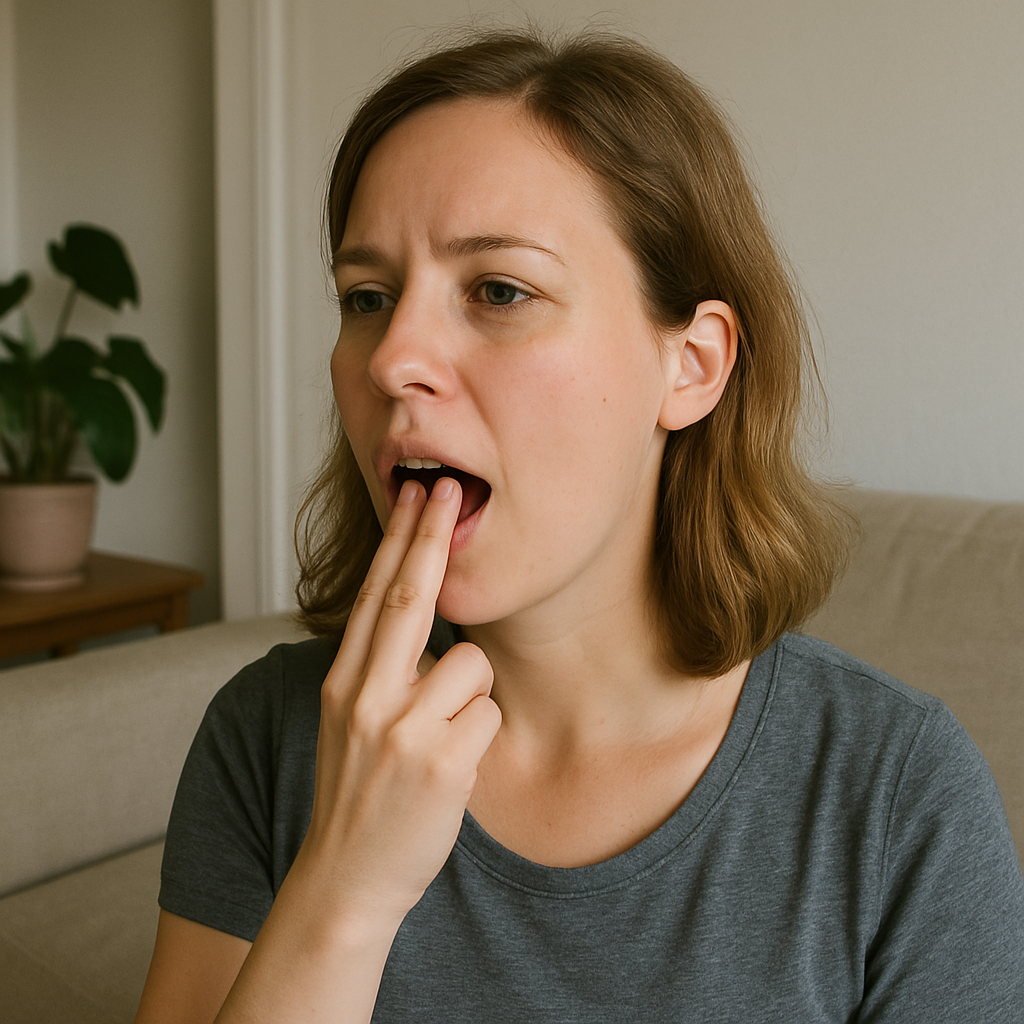
Exercises and Daily Practices for TMJ Recovery
Proper movements can help restore alignment, improve jaw function, and relieve tension. That’s why TMJ treatment exercises are a key part of your recovery process.
TMJ Treatment Exercises to Relieve Tension and Improve Alignment
Start with simple resistance exercises. For example:
-
Gently press your tongue to the roof of your mouth and slowly open your jaw without straining.
-
Place two fingers on your chin and apply light resistance while opening and closing your mouth.
These exercises to cure TMJ help retrain how your jaw moves and strengthen nearby muscles.
⚠️ Tip: Do these slowly, with full awareness. Never push through pain. Your goal is stability, not force.
Gentle Movements and Breathing for Jaw Relaxation
Somatic exercises, like gentle neck rolls and shoulder shrugs, can release tension in areas that impact the jaw. Combine these with deep belly breathing:
-
Inhale by expanding your abdomen.
-
Exhale slowly, softening your jaw as you breathe out.
The more often you relax your jaw and facial muscles while breathing, the faster you’ll see improvements.
Doing these movements regularly reduces both immediate pain and long-term tension, which is critical for any lasting temporomandibular joint (TMJ) disorder treatment.
Self-Care Routines for Long-Term TMJ Healing
Consistency is everything. Build a simple daily self-care routine to support healing:
-
Morning: Do 5 minutes of jaw massage and 5 minutes of calm breathing.
-
Midday: Eat soft foods for lunch, check your posture, and avoid clenching your jaw.
-
Evening: Perform gentle TMJ exercises, apply a warm compress, and sip calming herbal tea.
Over time, these habits become second nature. Many people find that sticking to them helps cure TMJ naturally — no drugs or surgeries needed.
Conclusion
Living with TMJ disorder can be tough — it affects your comfort, sleep, mood, and ability to enjoy everyday activities. But lasting relief is possible.
When you understand TMJ from both a physical and holistic perspective, you gain the power to heal. Whether you want to know how to cure TMJ permanently or are just looking for simple TMJ treatment at home, the path forward is clear: take consistent, natural steps that target the root cause.
Ayurveda teaches that balance is the foundation of health. This applies to your jaw too. True recovery includes:
-
Calming the nervous system
-
Improving posture and jaw alignment
-
Using TMJ pain treatment exercises
-
Practicing daily relaxation techniques
-
Making mindful choices in food and self-care
There’s no magic cure, but with patience and the right tools, you can find relief and reclaim your comfort.
💡 If this article helped you, please share it. You never know who’s silently struggling with jaw pain.
TMJ doesn’t have to be a life sentence — it can be a turning point toward deeper healing and self-awareness.
स्वयं दवा न लें और प्रतीक्षा न करें। अभी डॉक्टर से चैट शुरू करें
FAQs
Which drink is best for TMJ?
Warm, soothing drinks that reduce inflammation work best. Try:
-
Chamomile tea
-
Turmeric and ginger tea
-
Ayurvedic golden milk (warm plant-based milk with turmeric and ghee)
Avoid fizzy drinks or too much caffeine — they can increase stress and inflammation.
Which breathing exercises are most effective for reducing jaw tension?
Two great options:
-
Box breathing: Inhale 4 counts → Hold 4 → Exhale 4 → Hold 4. Repeat.
-
Alternate nostril breathing (Nadi Shodhana): Calms the mind and reduces clenching.
Both are excellent for temporomandibular joint dysfunction relaxation techniques.
Can daily stress relief practices prevent TMJ flare-ups?
Yes! Stress is a major TMJ trigger. Daily practices like:
-
Meditation
-
Somatic movement
-
Breathwork
-
Gratitude journaling
can reduce flare-ups and help your jaw stay relaxed. This makes temporomandibular joint dysfunction self-care not just helpful — but essential.
उपयोगकर्ताओं के प्रश्न
Can I use ice packs for TMJ pain relief at home?
Client_b833a2
24 दिनों पहले
Yes, using ice packs is a common and effective home remedy for TMJ pain relief. Applying an ice pack to the jaw area can help to reduce inflammation and numb the pain temporarily. It is recommended to use the ice pack for 15-20 minutes at a time. It's important not to apply ice directly to the skin; always wrap it in a cloth to prevent frostbite. In addition to ice therapy, incorporating stress-reduction techniques and avoiding habits like chewing gum can also aid in managing TMJ symptoms. If pain persists or worsens despite these interventions, consult a healthcare professional for further evaluation and treatment options.
What foods should I eat to support TMJ healing?
Client_fc43a7
34 दिनों पहले
To support TMJ healing, focus on eating soft foods that do not require extensive chewing. This includes yogurt, smoothies, mashed potatoes, scrambled eggs, and well-cooked pasta. Such foods can help minimize jaw movement and discomfort. Avoid hard, sticky, or crunchy foods like nuts, raw vegetables, and chewing gum, as these can strain the jaw joints. Healing timelines vary by individual, but if symptoms persist for more than a few weeks or worsen, consult a healthcare professional. Ayurveda may suggest reducing inflammation with anti-inflammatory herbs; however, traditional medical guidance is essential.
What are the best Ayurvedic oils for soothing TMJ discomfort?
Client_382907
44 दिनों पहले
The best Ayurvedic oils for soothing TMJ discomfort include sesame oil, ashwagandha oil, and mahanarayan oil. These oils help relax muscles and reduce inflammation when massaged gently into the jaw area. Typically, regular application over several weeks may provide relief. Watch for any skin irritation as a possible side effect. If TMJ pain persists or worsens, it is crucial to consult a healthcare provider to explore additional treatment options. Massaging these oils coupled with stress reduction techniques can offer more comprehensive relief.
How long does it take to see improvement in TMJ symptoms?
Client_86390e
53 दिनों पहले
Improvement in TMJ (temporomandibular joint) symptoms can vary widely among individuals, but many people begin to notice changes within a few weeks when consistently performing exercises and adopting daily practices. Techniques like gentle jaw stretching and relaxation exercises can alleviate tension and improve jaw function over time. It's essential to avoid activities that exacerbate symptoms, such as chewing gum or eating hard foods. If TMJ symptoms persist or worsen over several weeks despite self-care efforts, it's advisable to consult a healthcare professional for personal evaluation and treatment options.
What lifestyle factors can worsen TMJ symptoms that I should avoid?
Client_a02caf
63 दिनों पहले
Lifestyle factors that can worsen TMJ symptoms include habits such as excessive gum chewing, nail biting, and teeth grinding (bruxism). Stress is another significant factor, as it can lead to jaw clenching and increased muscle tension. Managing stress through techniques like progressive muscle relaxation is beneficial. Consuming hard or chewy foods can also exacerbate symptoms, so opting for softer foods may help. If symptoms persist despite avoiding these triggers, it is advisable to consult a healthcare professional for a more tailored treatment plan.
What habits should I avoid to help manage my TMJ symptoms better?
Client_c45894
73 दिनों पहले
To help manage TMJ symptoms, avoid habits like chewing gum excessively, biting nails, and teeth grinding, as they strain the jaw. Also, focus on reducing stress, as it often leads to jaw tension. Try relaxing techniques like progressive muscle relaxation. Be mindful of Vata imbalances, they can increase dryness and tension. Hope this helps!
What causes jaw clenching during sleep and how can I stop it?
Client_b656fb
82 दिनों पहले
Jaw clenching during sleep is often caused by stress or anxiety, but other factors can play a role too, like misaligned teeth or an imbalance in your doshas, especially if pitta or vata are elevated. Try relaxation techniques, maybe some calming herbal teas like chamomile before bed, and a gentle jaw massage to ease tension. Ayurveda also loves using Ashwagandha for stress management. If this continues, a dentist or healthcare professional might be worth a visit!
Can I use essential oils to help relieve TMJ symptoms naturally?
Client_1f12ee
90 दिनों पहले
Yeah, essential oils can definitely help relieve TMJ symptoms! Try massaging a bit of lavender or chamomile oil gently around the jaw area. It helps with relaxation and reduces tension. Just be sure to dilute them with a carrier oil, like coconut or almond, first. Remember, it's always good to check with a professional before trying anything new.
What lifestyle changes can help prevent TMJ issues from getting worse?
Client_84d282
100 दिनों पहले
To keep TMJ from worsening, try maintaining good posture that keeps the head and neck aligned. Reducing stress with yoga or breathwork can also help. Stick to soft foods and avoid clenching your jaw. Also, be mindful of not looking down at your phone too much to prevent excessive strain on your jaw.
Is it normal to experience jaw tightness or discomfort after practicing breathwork for TMJ?
Client_e91373
109 दिनों पहले
Yeah, it's actually possible for some folks to feel a bit of jaw tightness after breathwork, especially if you're new to it or doing strong techniques. Breathwork can shift tension around, so maybe it's a sign your body's adjusting. Try gentle practices and monitor how your jaw reacts over time. Focus on what feels good for you.😊
संबंधित आलेख

Dental Disorders
How to Get Rid of Bitter Taste in Mouth: Causes, Remedies, and Ayurvedic Treatment
How to get rid of bitter taste in mouth? Discover home remedies, Ayurvedic tips, and how to treat bitter taste after fever or when sick
6,937

Dental Disorders
प्राकृतिक तरीकों से घर पर मसूड़ों को मजबूत कैसे बनाएं
घर पर आयुर्वेदिक उपायों, विटामिन्स, खाने-पीने की चीजों और मसूड़ों की देखभाल के तरीकों से मसूड़ों को मजबूत कैसे बनाएं, जानें। अपनी ओरल हेल्थ को प्राकृतिक और प्रभावी तरीके से सुधारें।
5,948

Dental Disorders
Morning Tongue Cleaning: Why and How
Tongue cleaning is an ancient Ayurvedic ritual that enhances oral hygiene by removing toxins and bacteria from the tongue.
3,141

Dental Disorders
What Is Miswak and Why It’s Used for Natural Oral Care
Learn what is miswak, its benefits for teeth and gums, and how to use a miswak stick. Discover its meaning, plant source, and role in natural oral care
21,230

Dental Disorders
दांतों को सड़न से कैसे बचाएं: आयुर्वेदिक गाइड से रोकथाम और देखभाल
दांतों को सड़न से बचाने के लिए आयुर्वेदिक उपाय, रोकथाम के टिप्स और प्राकृतिक इलाज के बारे में जानें, ताकि आपकी मुस्कान स्वस्थ और मजबूत बनी रहे।
3,960

Dental Disorders
What Is Oil Pulling? Ayurvedic Meaning, Method, and Benefits
What is oil pulling? Learn about the meaning, method, benefits, and Ayurvedic technique for teeth cleaning using oils like coconut oil and sesame oil
3,867

Dental Disorders
How to Cure Cavity at Home: Natural Remedies and Ayurvedic Tips
How to cure a cavity at home? Discover Ayurvedic remedies and natural ways to reduce tooth decay, clean cavity teeth, and relieve cavity pain without chemicals
2,347

Dental Disorders
Ayurvedic Dentistry: Nurturing Oral Well-Being through Ancient Wisdom
In the realm of holistic well-being, Ayurveda, the ancient Indian system of medicine, extends its wisdom to every aspect of our lives, including dental health.
3,906

Dental Disorders
गम टोन टूथ पाउडर
गम टोन टूथ पाउडर की खोज
2,656
विषय से संबंधित परामर्श
अतिरिक्त दस्तावेज़
© 2024 Ask Ayurveda. सर्वाधिकार सुरक्षित।