आयुर्वेदिक डॉक्टर से प्रश्न पूछें और निःशुल्क या भुगतान मोड में अपनी चिंता की समस्या पर ऑनलाइन परामर्श प्राप्त करें। 2,000 से अधिक अनुभवी डॉक्टर हमारी साइट पर काम करते हैं और आपके प्रश्नों का इंतजार करते हैं और उपयोगकर्ताओं को उनकी स्वास्थ्य समस्याओं को हल करने में प्रतिदिन मदद करते हैं।


Body DetoxEar, Nose, and Throat DisordersGeriatrics & RejuvenationImmunodeficiencyInfertility TreatmentNutritionOrthopedic DisordersPediatricsRespiratory DisordersSexually Transmitted Diseases (STDs)Surgery RecoveryUrological DisordersVascular DisordersDental DisordersEndocrinological DisordersGastrointestinal DisordersYoga TherapyGeneral MedicineAllergic DisordersCardio DisordersGynecology and ObstetricsCosmetologySkin and Hair DisordersEye DisordersInfectious DiseasesMental DisordersNeurological DisordersOncologyPanchakarmaSexual Health & DisordersSports Medicine
पर प्रकाशित 10/14/24
(को अपडेट 08/07/26)
3,027
Dental problems

Nearly 3.5 billion people worldwide suffer from some form of dental problem, according to the World Health Organization's 2023 Global Oral Health Status Report. That's almost half the planet. Whether it's a nagging toothache you've been ignoring or bleeding gums you brush off as "normal," dental problems affect your ability to eat, speak, sleep, and even your confidence in social situations.
This guide covers every major dental problem — from common cavities to rare genetic conditions — organized in a way no other resource does: by condition, by age group, and by urgency. You'll find symptoms to watch for, treatment options with approximate costs, home care tips, and clear guidance on when you need to see a dentist immediately versus when it can wait.
What Are the Most Common Dental Problems?
- Dental problems range from mild cosmetic concerns to serious, life-threatening conditions. The most common ones include tooth decay (cavities), gum disease, tooth sensitivity, and cracked or chipped teeth.
- But "common" doesn't mean harmless — untreated dental issues can lead to infections, tooth loss, and even complications in your heart, lungs, and brain.
Here's an important stat that puts things in perspective: untreated tooth decay in permanent teeth is the single most common health condition globally, affecting roughly 2 billion people (WHO, 2023). In India alone, dental caries prevalence ranges from 50% to 80% depending on the region and age group, according to data from the Indian Dental Association.
Let's break down each problem in detail.
Tooth Decay (Cavities): The World's Most Widespread Dental Problem
Tooth decay happens when bacteria in your mouth produce acids that eat through the enamel — the hard outer layer of your teeth. It starts as a tiny white spot and, if left untreated, progresses into a full-blown cavity, then deeper into the tooth until it reaches the nerve.
What Causes Tooth Decay?
- The process is straightforward but often misunderstood. Bacteria in dental plaque feed on sugars from the food you eat. They produce acid as a byproduct. This acid demineralizes your enamel over time.
- The key risk factors include:
- Frequent sugar consumption — especially sticky or acidic foods
- Poor brushing and flossing habits — plaque builds up within hours
- Lack of fluoride — fluoride strengthens enamel and reverses early decay
- Dry mouth — saliva naturally washes away bacteria and neutralizes acid
- Deep tooth grooves — back teeth with deep fissures trap food easily
How Is Tooth Decay Treated?
Treatment depends entirely on how far the decay has progressed:
| Stage | What's Happening | Treatment | Approximate Cost (India) |
|---|---|---|---|
| White spot lesion | Enamel losing minerals, no hole yet | Fluoride treatment, remineralization | ₹500–₹1,500 |
| Enamel cavity | Small hole in enamel only | Dental filling (composite/amalgam) | ₹800–₹3,000 |
| Dentin involvement | Decay reached the softer layer below enamel | Larger filling or inlay/onlay | ₹2,000–₹8,000 |
| Pulp involvement | Infection reached the nerve | Root canal treatment + crown | ₹5,000–₹15,000+ |
| Abscess/severe damage | Tooth beyond saving | Extraction + implant/bridge | ₹1,500–₹35,000+ |
Notice something? Prevention and early treatment cost a fraction of what advanced treatment does. A ₹200 toothpaste with fluoride could save you ₹35,000 on an implant.
Tooth Decay in Children vs. Adults
Children are particularly vulnerable because their enamel is thinner and newly erupted teeth are less mineralized. "Baby bottle tooth decay" — caused by prolonged exposure to milk or juice in bottles — remains a significant issue in India.
A common myth worth busting here: "Milk teeth don't need treatment because they'll fall out anyway." This is wrong. Infected baby teeth can damage the permanent teeth developing beneath them and cause pain, difficulty eating, and speech problems.
Gum Disease: The Silent Destroyer of Teeth
Gum disease (periodontal disease) is the leading cause of tooth loss in adults over 35. It's called "silent" because it often progresses without pain until significant damage is done.
- Gingivitis vs Periodontitis — What's the Difference?
- Gingivitis is the early, reversible stage. Your gums become red, swollen, and bleed when you brush. It's caused by plaque buildup along the gumline.
- The good news — with proper brushing, flossing, and professional cleaning, gingivitis is completely reversible.
- Periodontitis is what happens when gingivitis is ignored. The infection spreads below the gumline, destroying the bone that supports your teeth. Pockets form between teeth and gums, trapping more bacteria.
- Eventually teeth become loose and fall out — or need to be extracted.
How Gum Disease Connects to Your Overall Health
This is where things get serious. Research has established links between periodontal disease and several systemic conditions:
- Heart disease — Bacteria from infected gums can enter the bloodstream and contribute to arterial plaque (atherosclerosis). A 2018 study in the Journal of Clinical Periodontology found that periodontitis increased the risk of cardiovascular events by 20-50%.
- Diabetes — The relationship is bidirectional. Diabetes increases gum disease risk, and severe gum disease makes blood sugar harder to control.
- Respiratory infections — Inhaling bacteria from infected gums can cause or worsen pneumonia, especially in elderly patients.
- Pregnancy complications — Periodontitis has been associated with preterm birth and low birth weight.
- Alzheimer's disease — Emerging research suggests a possible link between P. gingivalis bacteria and cognitive decline.
- Your mouth is literally a window to your overall health.
- Ignoring gum disease isn't just about teeth — it's about your entire body.
Cracked, Chipped, and Broken Teeth: More Common Than You Think
A cracked or chipped tooth can happen to anyone. Biting down on something hard, a sports injury, grinding your teeth at night, or even temperature changes in your mouth can cause fractures.
Types of Tooth Fractures
- Craze lines — tiny, superficial cracks in enamel. Usually harmless and painless.
- Fractured cusp — a piece of the chewing surface breaks off. Rarely affects the nerve.
- Cracked tooth — a crack extends from the chewing surface toward the root. Can cause intermittent pain, especially when chewing.
- Split tooth — a crack has progressed so far the tooth is split into segments. Usually cannot be saved intact.
- Vertical root fracture — starts at the root and extends upward. Often discovered only when the surrounding bone and gum become infected.
Treatment Options
Minor chips can be repaired with dental bonding (₹2,000–₹5,000). More significant fractures may require a crown (₹5,000–₹20,000). If the crack extends into the root, extraction may be the only option.
When to go to the dentist immediately: If you see a visible crack, experience sharp pain when biting, or notice swelling around a damaged tooth, don't wait. Cracks can worsen rapidly.

Teeth Grinding (Bruxism): The Problem You Might Not Know You Have
Many people grind or clench their teeth at night without realizing it. You might only discover it when your dentist notices worn-down tooth surfaces, or when you wake up with jaw pain and headaches.
Causes of Bruxism
- Stress and anxiety (the most common trigger)
- Misaligned bite (malocclusion)
- Sleep disorders like sleep apnea
- Certain medications — SSRIs (antidepressants) are a known culprit
- Excessive caffeine or alcohol consumption
What Bruxism Does to Your Teeth
Chronic grinding wears down enamel, flattens chewing surfaces, causes microfractures, and can even loosen teeth over time. It also contributes to temporomandibular joint (TMJ) disorders, which cause jaw pain, clicking sounds, and difficulty opening your mouth fully.
Treatment: Custom-fitted night guards (₹3,000–₹10,000) are the most common solution. Stress management, correcting bite issues through orthodontics, and treating underlying sleep disorders also help.
स्वयं दवा न लें और प्रतीक्षा न करें। अभी डॉक्टर से चैट शुरू करें
Impacted Teeth and Wisdom Tooth Problems
An impacted tooth is one that fails to fully emerge through the gum. Wisdom teeth (third molars) are the most commonly impacted, but canines and premolars can also be affected.
Symptoms of Impacted Wisdom Teeth
- Pain or swelling at the back of the jaw
- Difficulty opening your mouth fully
- Bad taste or bad breath (from partial eruption allowing bacteria in)
- Damage to adjacent teeth from pressure
Should You Always Remove Wisdom Teeth?
Not necessarily. If your wisdom teeth are fully erupted, properly positioned, and cleanable — there's no reason to extract them. But if they're impacted, causing pain, developing cysts, or pushing against other teeth, removal is usually recommended.
Surgical extraction of impacted wisdom teeth in India typically costs ₹3,000–₹15,000 per tooth depending on complexity and location.
Dental Problems by Age Group: What to Watch For at Every Stage
This is something most guides miss entirely. Your dental risks change significantly throughout life.
Dental Problems in Children (0–12 Years)
- Baby bottle tooth decay — avoid putting sugary liquids in bottles, especially at bedtime
- Early childhood cavities — start dental visits by age 1 or when the first tooth appears
- Thumb sucking — usually harmless before age 4, but persistent habits can affect jaw development
- Dental trauma — falls and playground injuries commonly chip or knock out baby teeth
- Malocclusion — early orthodontic assessment is recommended by age 7
Dental Problems in Teenagers (13–19 Years)
- Wisdom teeth emergence — monitor for impaction symptoms
- Orthodontic issues — crooked teeth, overcrowding, and bite problems are most effectively treated during teenage years
- Sports injuries — mouth guards are essential for contact sports
- Eating disorders — bulimia causes severe enamel erosion from stomach acid
- Tobacco and gutkha use — a growing concern in India, significantly increasing oral cancer risk even in young people
Dental Problems in Adults (20–60 Years)
- Gum disease — the primary dental threat from age 30 onward
- Teeth staining — from tea, coffee, tobacco, and certain medications
- Bruxism — often peaks during high-stress career years
- Dental work failures — old fillings and crowns may need replacement
Dental Problems During Pregnancy
Pregnancy deserves special mention. Hormonal changes increase blood flow to gums, making them more prone to inflammation and bleeding — a condition called "pregnancy gingivitis," which affects up to 75% of pregnant women. Untreated gum disease during pregnancy has been linked to preterm birth.
Important: Dental cleanings and necessary treatments are safe during pregnancy (ideally in the second trimester). What's not safe is ignoring dental problems because you think treatment should wait until after delivery.
Dental Problems in Seniors (60+ Years)
- Dry mouth (Xerostomia) — extremely common due to medications (antihistamines, blood pressure drugs, antidepressants). Saliva protects teeth, so reduced flow accelerates decay.
- Root decay — as gums recede with age, exposed root surfaces are vulnerable
- Tooth loss (Edentulism) — WHO data shows severe tooth loss affects approximately 7% of the global population, mostly in the 60+ age group
- Denture problems — ill-fitting dentures cause sores, difficulty eating, and social embarrassment
- Oral cancer — risk increases with age, especially with a history of tobacco or alcohol use
Oral Cancer: The Dental Problem That Can Be Fatal
Oral cancer includes cancers of the lips, tongue, cheeks, floor of the mouth, hard palate, and throat. India has one of the highest rates of oral cancer in the world, largely due to tobacco and betel nut (supari/gutkha) use.
Risk Factors
- Tobacco in any form — smoking, chewing, gutkha, khaini
- Alcohol use (risk multiplies when combined with tobacco)
- Human Papillomavirus (HPV) infection
- Excessive sun exposure (lip cancer)
- Poor nutrition and diet
Early Warning Signs
- A sore or ulcer in the mouth that doesn't heal within 2 weeks
- Red or white patches on gums, tongue, or mouth lining
- Unexplained numbness or pain
- Difficulty swallowing or persistent sore throat
- A lump in the neck
Critical point: Early-stage oral cancer has a survival rate above 80%. Late-stage detection drops that to below 30%. Regular dental checkups that include oral cancer screening can literally save your life.


Periodontal disease Dental caries Oral thrush


Halitosis Stained teeth
Stained Teeth, Bad Bites, and Other Common Concerns
Tooth Discoloration and Staining
Teeth can become discolored from external factors (coffee, tea, tobacco, red wine) or internal factors (medications like tetracycline, fluorosis, aging, or trauma).
Treatment options:
- Professional cleaning — removes surface stains (₹1,000–₹3,000)
- Professional whitening — bleaches deeper stains (₹5,000–₹20,000)
- Veneers — covers permanently stained teeth (₹8,000–₹25,000 per tooth)
Malocclusion (Bad Bite / Crooked Teeth)
Misaligned teeth aren't just cosmetic. They can cause difficulty chewing, jaw pain, speech issues, and increased decay risk (because crooked teeth are harder to clean). Treatment includes traditional braces (₹25,000–₹80,000) or clear aligners (₹60,000–₹3,00,000+).
Tooth Sensitivity
If hot coffee or cold water sends a sharp pain through your teeth, you likely have exposed dentin — either from enamel wear, gum recession, or cracks. Desensitizing toothpaste, fluoride treatments, and addressing the underlying cause usually resolve it.
The Impact of Diet and Specific Foods on Your Teeth
No competitor fully covers this, so let's fix that.
Foods That Harm Your Teeth
- Citrus fruits and juices — highly acidic, erodes enamel over time
- Sticky candies and dried fruits — cling to teeth and feed bacteria for hours
- Carbonated drinks — even diet sodas are acidic enough to weaken enamel
- Ice — chewing ice is one of the most common causes of cracked teeth
- Starchy foods (chips, white bread) — break down into sugars quickly and get stuck between teeth
Foods That Help Your Teeth
- Cheese and dairy — high in calcium, stimulates saliva production
- Crunchy vegetables (carrots, celery) — act as natural toothbrushes
- Leafy greens — rich in calcium and folic acid
- Green tea — contains polyphenols that suppress bacterial growth
- Water — especially fluoridated water, washes away food particles and bacteria
Dental Problems Linked to Medications
- This is a gap that no major competitor addresses comprehensively.
- Many common medications have dental side effects:
| Medication Type | Dental Side Effect |
|---|---|
| Antihistamines, decongestants | Dry mouth → increased decay risk |
| Blood pressure medications (ACE inhibitors, calcium channel blockers) | Gum overgrowth, dry mouth, altered taste |
| Antidepressants (SSRIs) | Dry mouth, bruxism |
| Bisphosphonates (for osteoporosis) | Osteonecrosis of the jaw (rare but serious) |
| Chemotherapy drugs | Mouth sores, increased infection risk, altered taste |
| Inhaled corticosteroids (for asthma) | Oral thrush (fungal infection) |
| Anticonvulsants (phenytoin) | Gum overgrowth |
If you take any of these medications regularly, inform your dentist. They can recommend preventive measures like saliva substitutes, more frequent cleanings, or fluoride treatments.

Early Signs and Symptoms: When to See a Dentist Urgently
- Not every dental issue is an emergency.
- But some absolutely are.
- Here is a red-flag checklist:
Emergency — See a Dentist Within 24 Hours
- Severe, uncontrolled tooth pain
- Swelling in the face, jaw, or neck
- A knocked-out permanent tooth (keep it moist in milk — you have about 30 minutes for the best chance of reimplantation)
- Uncontrolled bleeding after extraction or injury
- Difficulty breathing or swallowing due to oral swelling
- Pus or foul-tasting discharge from gums
Urgent — Schedule an Appointment This Week
- Persistent tooth pain that's manageable but not improving
- A chipped or cracked tooth without severe pain
- Lost filling or crown
- Bleeding gums that won't stop with improved brushing
- Mouth sore lasting more than 2 weeks
Routine — Address at Your Next Checkup
- Mild sensitivity to hot/cold
- Slight gum bleeding during brushing
- Minor cosmetic concerns (staining, small chip)
- Questions about teeth alignment
Dental Fear and How It Makes Problems Worse
Dentophobia — the fear of dental treatment — affects an estimated 36% of the population, with about 12% experiencing extreme dental anxiety (research published in the British Dental Journal, 2018). In India, where dental visit rates are already low, this fear leads to a vicious cycle: people avoid the dentist, problems worsen, treatment becomes more invasive and painful, which reinforces the fear.
What can help:
- Communication — tell your dentist about your fear. Good dentists adapt their approach.
- Sedation dentistry — options range from nitrous oxide ("laughing gas") to IV sedation
- Gradual exposure — start with a simple checkup, no treatment, just to build comfort
- Distraction techniques — music, guided breathing, or watching videos during treatment
Myths About Dental Health That Need to Die
- "Harder brushing = cleaner teeth" — Actually, aggressive brushing damages enamel and causes gum recession. Use a soft-bristled brush with gentle, circular motions.
- "Sugar-free sodas are safe for teeth" — They're still acidic. The acid, not just sugar, erodes enamel.
- "White teeth are healthy teeth" — Whiteness is cosmetic. You can have perfectly white teeth with cavities underneath, or slightly yellow teeth that are completley healthy.
- "You only need a dentist when something hurts" — Most dental problems are painless in early stages. By the time it hurts, significant damage is often done.
- "Milk teeth don't matter" — Infected baby teeth affect permanent teeth development, nutrition, speech, and self-esteem.
- "Dental treatment during pregnancy is dangerous" — Untreated dental infections during pregnancy are far more dangerous than treatment. Routine dental care is safe and recommended.
Prevention: How to Avoid Most Dental Problems
- The overwhelming majority of dental problems are preventable.
- Here's what evidence-based prevention looks like:
- Brush twice daily with fluoride toothpaste (at least 1000 ppm fluoride)
- Floss daily — brushing alone misses about 40% of tooth surfaces
- Limit sugar intake — WHO recommends keeping free sugars below 10% of total energy intake
- Don't smoke or use tobacco in any form
- Visit your dentist every 6 months for checkups and professional cleaning
- Use a mouthguard during sports
- Stay hydrated — water is your teeth's best friend
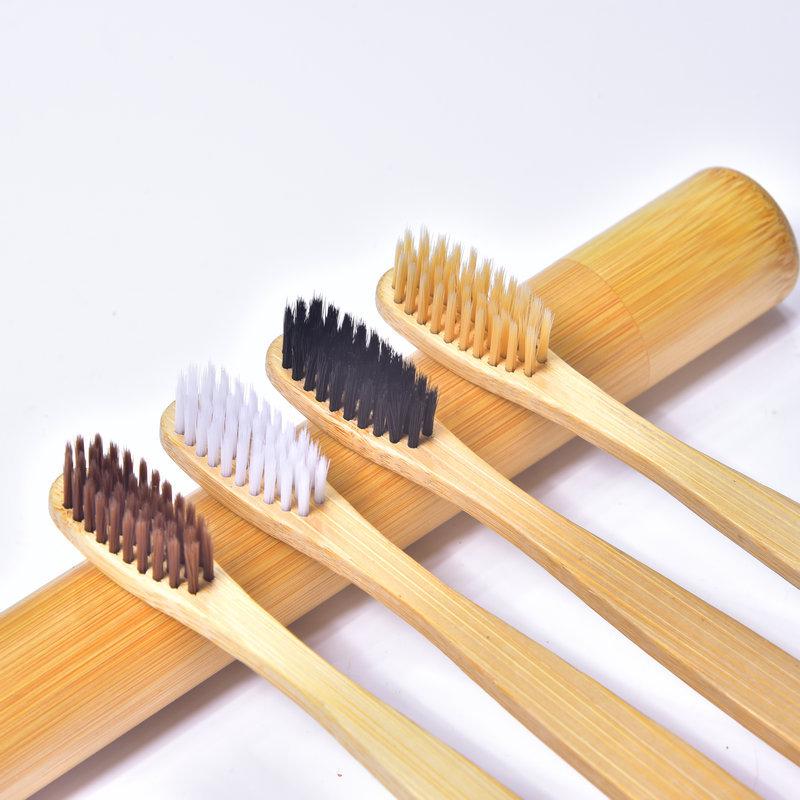
- Replace your toothbrush every 3–4 months (or sooner if bristles are frayed)
The math is simple: spending ₹5,000–₹10,000 per year on preventive dental care can save you ₹50,000–₹5,00,000 in restorative treatments over a lifetime.
Dental Problems and Mental Health
- This connection deserves more attention than it gets.
- Dental problems — especially visible ones like missing, crooked, or severely stained teeth — significantly impact mental well-being:
- Self-esteem and confidence — people with dental problems often avoid smiling, laughing, or speaking in social situations
- Employment discrimination — studies have shown that poor dental appearance negatively affects hiring decisions
- Social isolation — bad breath or visible dental issues can lead to withdrawal from social interactions
- Depression and anxiety — chronic dental pain and embarrassment about appearance contribute to mental health disorders
A 2019 study in Community Dentistry and Oral Epidemiology found that adults with untreated dental problems were 1.5 times more likely to report symptoms of depression compared to those with good oral health.
Frequently Asked Questions
What Is the 3-3-3 Rule for Dental Pain?
The 3-3-3 rule is a simple guideline some dentists use to assess tooth pain: if pain lasts more than 3 seconds after a stimulus (like cold water), occurs more than 3 times, and has been happening for more than 3 days — it likely indicates a problem that needs professional evaluation rather than just sensitivity.
How Many Types of Teeth Problems Are There?
- There's no single definitive number since dental problems span a wide spectrum.
- However, major categories include: tooth decay, gum disease, tooth fractures, impacted teeth, malocclusion, oral cancer, bruxism, tooth sensitivity, oral infections (like thrush and abscesses), developmental disorders (like amelogenesis imperfecta), and trauma. Within these categories, there are dozens of specific conditions.
What Are Tooth Disorders?
Tooth disorders are any conditions that affect the structure, position, number, or health of teeth. This includes cavities, enamel defects, extra teeth (hyperdontia), missing teeth (hypodontia), and genetic conditions like dentinogenesis imperfecta that affect tooth development.
Can Tooth Disorders Be Prevented?
Most common tooth disorders — cavities, gum disease, erosion — are highly preventable through proper hygiene, diet, and regular dental visits. However, some conditions like genetic enamel defects, cleft lip and palate, or hyperdontia cannot be prevented, only managed through early intervention and treatment.
What Are Home Remedies for Dental Pain Before You Can See a Dentist?
- For temporary relief: rinse with warm salt water, apply a cold compress to the outside of your cheek, use over-the-counter pain relievers (ibuprofen is generally more effective than paracetamol for dental pain), and apply clove oil to the affected area (eugenol in clove oil has natural analgesic properties).
- These are temporary measures only — they don't treat the underlying problem.
Do Grills Cause Dental Problems?
Decorative grills (removable metal covers for teeth) can trap food and bacteria, increasing cavity and gum disease risk. Poorly fitted grills can irritate gum tissue and wear down adjacent teeth. If you choose to wear grills, remove them before eating, brush and floss thorougly before and after wearing them, and get them professionally fitted.
Take Control of Your Dental Health Today
- Every dental problem described in this article shares one thing in common: it's easier to deal with early than late. A cavity caught early needs a simple filling. Caught late, it needs a root canal or extraction. Gum disease caught early needs better hygiene.
- Caught late, it needs surgery — or you loose teeth.
If you haven't seen a dentist in over a year, schedule a checkup. If you're experiencing any of the symptoms discussed above, don't wait for them to go away on their own. They won't.
Your mouth is the gateway to your body. Take care of it, and it takes care of you.
Scientific Sources
- Neurological symptoms in Hypophosphatasia — Colazo JM et al., 2019, Osteoporosis international : a journal established as result of cooperation between the European Foundation for Osteoporosis and the National Osteoporosis Foundation of the USA
- Herbal Dentistry: Nurturing Oral Health with Natural Remedies — Duggal S et al., 2024, Journal of pharmacy & bioallied sciences
- Potential applications of medicinal herbs and phytochemicals in oral and dental health: Status quo and future perspectives — Dalir Abdolahinia E et al., 2023, Oral diseases
- The genus Tamarix: Traditional uses, phytochemistry, and pharmacology — Bahramsoltani R et al., 2020, Journal of ethnopharmacology
- Multimodal management of dental pain with focus on alternative medicine: A novel herbal dental gel — Kumarswamy A, 2016, Contemporary clinical dentistry
- Esthetic Interdisciplinary Treatment: An Effective Approach to Address Complex Short-Face Adult Cases — Chang CL et al., 2019, Compendium of continuing education in dentistry (Jamesburg, N.J. : 1995)
- Physicochemical Evaluation and Antibacterial Activity of Massularia acuminata Herbal Toothpaste — Adeleye OA et al., 2021, Turkish journal of pharmaceutical sciences
- Neem (Azadirachta indica): A Miracle Herb; Panacea for All Ailments — Tufail T et al., 2025, Food science & nutrition
- Comparison of dental education and professional development between mainland China and North America — Wu ZY et al., 2010, European journal of dental education : official journal of the Association for Dental Education in Europe
- Ethno-medicinal uses of vertebrates in the Chitwan-Annapurna Landscape, central Nepal — Adhikari JN et al., 2020, PloS one
- Herbal toothpaste craze: A marketing triumph or a public health concern — Kumar M et al., 2025, Bioinformation
- Nanomedicines for dental applications-scope and future perspective — Narang RS et al., 2015, International journal of pharmaceutical investigation
- Dental self-care among dentate adults: contrasting problem-oriented dental attenders and regular dental attenders — Gilbert GH et al., 2000, Special care in dentistry : official publication of the American Association of Hospital Dentists, the Academy of Dentistry for the Handicapped, and the American Society for Geriatric Dentistry
- Dental caries and oral hygiene status: Survey of schoolchildren in rural communities, Southwest Nigeria — Akinyamoju CA et al., 2018, The Nigerian postgraduate medical journal
- Chitosan-based polyherbal toothpaste: as novel oral hygiene product — Mohire NC et al., 2010, Indian journal of dental research : official publication of Indian Society for Dental Research
- Utilization of dental services in Southern China — Lo EC et al., 2001, Journal of dental research
- Comparative Evaluation of Antibacterial Efficacy of Emblica Officinalis Lollipop Against Streptococcus Mutans Counts in Institutionalized Visually Impaired Children — Bane SP et al., 2022, Cureus
- Use of health care services in two rural communities in Tanzania — Sarita PT et al., 1993, Community dentistry and oral epidemiology
- Remote diagnosis of children dental problems based on non-invasive photographs - a valid proceeding? — Amável R et al., 2009, Studies in health technology and informatics
- Oral healthcare challenges for older Punjabi-speaking immigrants — MacEntee MI et al., 2014, Canadian journal on aging = La revue canadienne du vieillissement
उपयोगकर्ताओं के प्रश्न
How to overcome dental fear and improve visit frequency?
Client_7edd86
1 दिन पहले
To overcome dental fear and improve visit frequency, start by communicating openly with your dentist about your fears. This can help create a more comfortable environment and enable your dentist to tailor their approach to alleviate anxiety. Behavioral techniques like gradual exposure and relaxation strategies, such as deep breathing or listening to music, can also be beneficial. Regular visits, ideally every 6 months, often become easier as familiar routines develop over time. Not addressing dental fear can worsen problems, increasing the need for invasive treatments. If fear persists, consider seeking professional help from a therapist experienced in dental phobias.
What dental treatments are effective for TMJ disorders?
Client_e97d9d
6 दिनों पहले
Effective dental treatments for TMJ disorders often include custom-fitted night guards, which can alleviate symptoms by preventing teeth grinding and reducing jaw tension. Costs for these guards typically range from ₹3,000 to ₹10,000. If TMJ symptoms persist despite wearing a night guard, therapies like physical therapy, stress management, or medications may be needed. Severe cases may require more specialized interventions like orthodontics or surgery. See a dentist if you experience persistent pain, jaw locking, or significant changes in your bite, as these may be signs of a more serious issue.
How long does recovery take after wisdom teeth removal?
Client_5e7a95
16 दिनों पहले
Recovery after wisdom teeth removal typically takes about one to two weeks. Initial swelling and discomfort are most pronounced within the first two to three days but gradually improve over the next few days. It's important to follow your dentist's or oral surgeon's aftercare instructions, including taking prescribed pain medication and avoiding smoking or using straws, which can dislodge blood clots and delay healing. Watch for signs of complications like severe pain, fever, or pus, which may signal infection and require prompt medical attention. If such symptoms occur, contact your dentist or surgeon immediately.
What are common symptoms of advanced gum disease to watch for?
Client_86d9b9
26 दिनों पहले
Common symptoms of advanced gum disease, also known as periodontitis, include persistent bad breath, swollen and bleeding gums, pain during chewing, and receding gums, which can lead to the appearance of longer-looking teeth. Over time, pockets form between teeth and gums, trapping bacteria and eventually causing teeth to become loose or fall out. Seek dental evaluation if you experience any of these symptoms, as untreated periodontitis can lead to serious complications, including tooth loss.
What are the signs that my child may need braces?
Client_81be73
35 दिनों पहले
If you notice that your child has misaligned teeth, crowded or overlapping teeth, difficulty chewing or biting, or frequent mouth breathing, they may need braces. Other signs include early, late, or irregular loss of baby teeth, a jaw that shifts or makes sounds, and frequent cheek biting. Children typically get braces between ages 9 and 14, but the optimal timing varies. Regular dental checkups can help identify issues early. Consult an orthodontist for a comprehensive evaluation and treatment plan if you notice these signs. Ignoring the signs can lead to more complex dental issues later, so timely intervention is advisable.
How can tooth enamel be effectively strengthened and protected?
Client_8cdbf0
45 दिनों पहले
Tooth enamel can be strengthened and protected by maintaining proper oral hygiene, using fluoride toothpaste, and avoiding acidic foods and beverages. Fluoride helps remineralize enamel, making it more resistant to decay. Drinking water with fluoride or using fluoride mouthwashes can be beneficial too. Limiting sugary snacks and acidic drinks like soda reduces the risk of enamel erosion. If you experience tooth sensitivity or see visible damage to the enamel, consult a dentist promptly. Regular dental check-ups help catch problems early. While Ayurveda suggests using sesame oil pulling as a supplementary practice, modern studies do not conclusively support its benefits for strengthening enamel.
What preventive measures can I take to avoid cavities and tooth disorders?
Client_0fb04b
54 दिनों पहले
To avoid cavities and tooth disorders, focus on a few key things: keep up with good oral hygiene by brushing and flossing daily, eat less sugary foods, and stick to regular dental checkups. Also, try to stay calm about dentist visits—it helps get issues sorted early, saving money and pain later on. Don't forget healthy oils like sesame oil for pulling; they can boost oral health and balance.
Is baby bottle tooth decay reversible with treatment?
Client_03dc5a
64 दिनों पहले
Baby bottle tooth decay isn't exactly reversible, but you can stop it from getting worse! Regular dental cleanings and fluoride treatments can help protect the teeth that are left. Cutting down on sugary drinks, and getting a dentist's help are key. Early detection also helps maintain those milk teeth till it's time for them to fall out naturally.
Is it normal for kids to grind their teeth at night?
Client_d7e167
73 दिनों पहले
Yeah, it's actually quite common for kids to grind their teeth at night, it's called bruxism. Sometimes it can be due to stress, teething, or even just because of how their teeth are growing in. If it's severe or causing issues, might be good to check with a dentist, though. They can give advice on treatment options and see if it's affecting their teeth.
What causes jaw pain and clicking sounds related to TMJ disorders?
Client_55a747
82 दिनों पहले
Jaw pain and clicking sounds linked to TMJ disorders can be due to a number different things. Stress, teeth grinding (called bruxism), or misaligned teeth sometimes affect the jaw joints. Ayurveda might suggest looking at your dosha balance, as Vata imbalances could play a role. If it's a recurring issue, consider seeing an ayurvedic practitioner to explore holistic treatments.
संबंधित आलेख

Dental Disorders
How to Get Rid of Salty Taste in Mouth: Causes and Natural Remedies
Discover how to get rid of salty taste in mouth with Ayurvedic tips. Learn causes, possible illnesses, and natural treatments to restore oral freshness
4,501

Dental Disorders
How to Cure TMJ Permanently: Ayurvedic, Natural, and At-Home Treatments
How to cure TMJ permanently? Discover Ayurvedic methods, self-care techniques, home remedies, and effective exercises for TMJ pain relief and jaw joint healing
5,088

Dental Disorders
घर पर मसूड़ों की सूजन का प्राकृतिक इलाज कैसे करें
प्राकृतिक उपायों से घर पर मसूड़ों की सूजन का इलाज कैसे करें जानें। सरल आयुर्वेदिक टिप्स के साथ सूजे हुए मसूड़ों और दर्द से राहत पाने के प्रभावी तरीके खोजें।
5,791

Dental Disorders
Ayurvedic Treatment for Teeth Cavities: A Real, Root-Level Solution
Dental caries (cavities) have become so common that most people shrug them off — until they land in the dentist’s chair needing a root canal. Globally, over 2.5 billion people suffer from untreated dental cavities. It’s the most prevalent chronic disease
4,567

Dental Disorders
प्राकृतिक उपायों और आयुर्वेदिक टिप्स से संवेदनशील दांतों का इलाज कैसे करें
प्राकृतिक उपायों से घर पर संवेदनशील दांतों का इलाज कैसे करें, जानें। आयुर्वेदिक देखभाल के टिप्स, दर्द से राहत और लंबे समय तक संवेदनशील दांतों के इलाज के बारे में जानकारी प्राप्त करें।
4,602

Dental Disorders
How to Get Rid of Bitter Taste in Mouth: Causes, Remedies, and Ayurvedic Treatment
How to get rid of bitter taste in mouth? Discover home remedies, Ayurvedic tips, and how to treat bitter taste after fever or when sick
6,819

Dental Disorders
Which Fruit Is Good for Mouth Ulcer? Ayurvedic Tips and Best Choices
Which fruit is good for mouth ulcer? Discover the best fruits and juices for mouth ulcer relief, healing tips, and Ayurvedic diet suggestions
11,701
Dental Disorders
दांतों की समस्याओं के लिए आयुर्वेदिक दवा: मौखिक स्वास्थ्य के लिए एक समग्र दृष्टिकोण
जानें कि आयुर्वेदिक चिकित्सा कैसे प्राकृतिक उपायों जैसे ऑयल पुलिंग, हर्बल टूथपेस्ट और माउथवॉश के जरिए दांतों की समस्याओं का समाधान करती है। जानें इसके फायदे, उपयोग के टिप्स और समग्र मौखिक स्वास्थ्य के लिए रोकथाम की देखभाल।
4,809

Dental Disorders
Ayurvedic Treatment for Teeth Cavities: A Holistic Guide
Discover how Ayurveda may help prevent and manage teeth cavities. Learn about scientific insights, holistic remedies, and tips for lasting oral health.
4,870

Dental Disorders
ऑयल पुलिंग कब करें ओरल और ओवरऑल हेल्थ के लिए
तेल खींचने के अधिकतम फायदे कब मिलते हैं, जानें। जानिए इसका सबसे अच्छा समय, कितनी देर तक करना चाहिए, और क्या इसे ब्रश करने से पहले या बाद में करना चाहिए ताकि आपके मुंह की सेहत बनी रहे।
16,224
विषय से संबंधित परामर्श
अतिरिक्त दस्तावेज़
© 2024 Ask Ayurveda. सर्वाधिकार सुरक्षित।