आयुर्वेदिक डॉक्टर से प्रश्न पूछें और निःशुल्क या भुगतान मोड में अपनी चिंता की समस्या पर ऑनलाइन परामर्श प्राप्त करें। 2,000 से अधिक अनुभवी डॉक्टर हमारी साइट पर काम करते हैं और आपके प्रश्नों का इंतजार करते हैं और उपयोगकर्ताओं को उनकी स्वास्थ्य समस्याओं को हल करने में प्रतिदिन मदद करते हैं।


Body DetoxEar, Nose, and Throat DisordersGeriatrics & RejuvenationImmunodeficiencyInfertility TreatmentNutritionOrthopedic DisordersPediatricsRespiratory DisordersSexually Transmitted Diseases (STDs)Surgery RecoveryUrological DisordersVascular DisordersDental DisordersEndocrinological DisordersGastrointestinal DisordersYoga TherapyGeneral MedicineAllergic DisordersCardio DisordersGynecology and ObstetricsCosmetologySkin and Hair DisordersEye DisordersInfectious DiseasesMental DisordersNeurological DisordersOncologyPanchakarmaSexual Health & DisordersSports Medicine
पर प्रकाशित 04/25/25
(को अपडेट 08/15/26)
3,340
Ayurvedic Remedy for Headache: Natural Relief That Actually Works
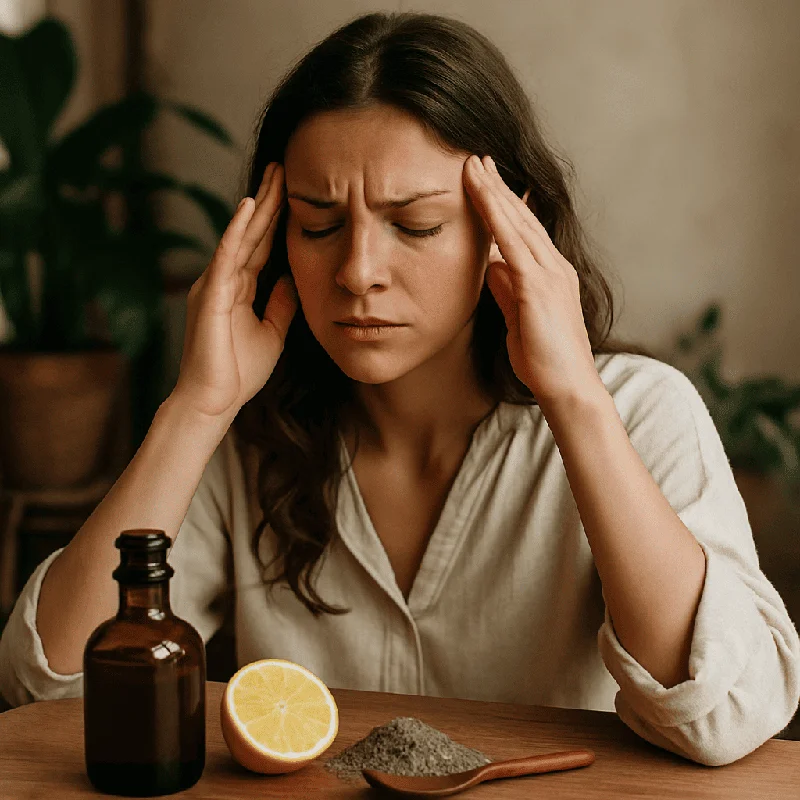
Introduction to Ayurvedic Remedy for Headache and Ayurveda’s Approach
Let’s talk about headaches. Not the metaphorical kind, like taxes or group chats that won’t stop buzzing — I mean the real, pounding, dull, stabbing, squeezing kind. The ones that creep in at 11 AM for no good reason, hijack your day, and laugh in the face of your “mild discomfort” ibuprofen.
Now, here's the thing — Ayurveda, the 5,000-year-old Indian system of natural healing, doesn’t treat a headache as just one thing. That in itself already makes it more interesting than most modern approaches. According to Ayurveda, a headache isn’t a “symptom” to be dulled, but a message. And that message? It’s saying something in your inner ecosystem is off-balance. Like maybe you’ve been skipping meals, sleeping late, drinking cold smoothies on cold mornings, or just living too much in your head.
This article isn’t about quick fixes. You’re not going to find a “magic herb” that lets you go back to your usual chaos. What you will find is a holistic look at what causes headaches from an Ayurvedic point of view — and more importantly, how to recalibrate your entire system so your head doesn’t feel like a pressure cooker every Thursday afternoon.
We’ll dig into everything: the doshas (don’t worry, I’ll explain), the foods that aggravate or soothe, daily habits, yoga, breathwork, emotional patterns — even your drinking water. Sounds like a lot, right? It kind of is. But it's all connected, and when you start aligning the pieces, you don't just get rid of the headache... you start to feel like a person again.
And trust me, that’s worth way more than popping a pill.
Understanding the Role of Ayurveda in Managing Headaches
What Ayurveda Says About Headaches
Ayurveda doesn’t throw all headaches into one basket. Instead, it breaks them down by dosha imbalance — the three biological energies that govern your body: Vata (air & space), Pitta (fire & water), and Kapha (earth & water).
-
Vata-type headaches tend to be throbbing or pulsating, often related to stress, anxiety, lack of sleep, or dry, cold conditions. Think tension headaches from too much screen time or skipped meals.
-
Pitta-type headaches feel sharp and intense, sometimes even burning. They’re usually linked to heat — both emotional (anger, frustration) and physical (hot weather, spicy food).
-
Kapha-type headaches are more dull and heavy. They often come with sinus congestion or lethargy, especially in cold, damp weather.
Ayurveda doesn't just label your pain; it tracks the why. Each type of headache ties back to your constitution, lifestyle, and environment. So, if you’ve ever felt like your body is trying to send you a memo, well — it probably is.
How Ayurvedic Lifestyle & Diet Directly Impact Headaches
This is where things get both simple and complex.
Simple, because it’s about consistency: eat warm, balanced meals. Sleep at the same time each night. Hydrate. Move your body gently. Avoid loud, overstimulating environments if you’re prone to Pitta-type headaches. Cut back on cold smoothies if you’re Vata-dominant. Stay clear of heavy dairy and cold-weather laziness if Kapha is your thing.
But also complex, because we’re not all the same. Ayurveda is highly individualized. What’s healing for one person could trigger another. So it’s not just about cutting sugar or taking turmeric — it’s about finding your rhythm. Your dosha. Your imbalance.
If you wake up every morning with a dull ache behind your eyes, Ayurveda won’t just ask “what can we take for this?” but rather “what led you here?” That shift in mindset? That’s everything.
The Importance of Individualized Ayurvedic Approaches for Headaches
Here’s where Western medicine often trips. It wants a universal fix. Ayurveda goes the other way — it customizes.
Take two people with identical migraine symptoms. One might be a fiery Pitta constitution triggered by skipping lunch and working through deadlines. The other might be Vata-imbalanced, reeling from insomnia and constant change.
They might both get migraines, but their treatments would be totally different. For Pitta, we’d cool the system: coconut water, aloe vera, calming routines, early dinners. For Vata, we’d ground it: warm soups, oil massage, consistent sleep, and a full belly before 7 PM.
This is the beauty of Ayurveda: it doesn’t just see your headache — it sees you.
Ayurvedic Dietary Guidelines for Headaches
Let’s be honest — most of us don’t eat, we reactively snack. Ayurveda, however, treats food like a form of daily medicine, especially when it comes to balancing the doshas and preventing those annoying headaches from creeping in.
Foods Recommended by Ayurveda for Headaches
So first things first — what should you eat? That depends on the type of headache you're dealing with, but generally, here’s the vibe:
-
For Vata-type headaches: Think warm, grounding, oily foods. Soups, stews, cooked root vegetables, ghee, whole grains like rice or oats. Also, spices like cumin, fennel, and ginger — not the fiery kind, but the warming, digestive ones.
-
For Pitta-type headaches: Cooling, soothing foods. Cucumber, coconut, melons, cilantro, dairy (if tolerated), and sweet fruits like pears or ripe mangoes. Think: meals that chill you out, not rev you up.
-
For Kapha-type headaches: Light, drying, and spicy food. Barley, millet, leafy greens, legumes. You want to wake up the system and reduce congestion, so warming spices like black pepper, turmeric, and mustard seed can be helpful.
And weirdly enough — sometimes eating less is key. Overeating or irregular eating patterns mess with digestion, which Ayurveda considers the root of most imbalances.
Foods Ayurveda Suggests Avoiding for Headaches
Some of this may sound familiar, but you’ll see Ayurveda’s got its own take.
-
Avoid cold or raw food — especially for Vata and Kapha types. Cold disrupts digestion.
-
Stay away from processed, packaged, or leftover food. It’s considered “stale” or energetically dead in Ayurveda.
-
Skip overly spicy or acidic stuff if you’re prone to fiery Pitta headaches.
-
Avoid dairy if you’re congested (Kapha alert), but it’s fine in moderation for Vata or Pitta — if it’s warm and spiced.
And yes, coffee can be both medicine and poison depending on your type. Pitta? It’s probably pushing you into overdrive. Vata? Might spike anxiety. Kapha? Could be just the thing. (Moderation though, always.)
Meal Planning and Timing Tips in Ayurveda for Headaches
Here’s where Ayurvedic rhythm kicks in:
-
Eat your biggest meal at midday, when your digestive fire (Agni) is strongest.
-
Don’t skip breakfast, but keep it light and warm. Think stewed fruit or spiced porridge.
-
Dinner should be early (like, before Netflix kicks in early) and light.
-
Avoid snacking late at night, or honestly, snacking at all unless you're truly hungry.
Regular mealtimes calm Vata. Balanced spice and hydration cool Pitta. Light, stimulating meals energize Kapha. See the pattern?
Hydration and Beverage Recommendations for Headaches
This part gets ignored way too often.
-
Warm water is your best friend, especially in the morning. Add ginger or fennel if you're bloated or cold. Mint or coriander seed if you're overheated.
-
Avoid ice water — yes, even in summer. Cold water dampens digestion.
-
Herbal teas like tulsi, chamomile, licorice root, or cinnamon can be miracle-workers.
-
And no, soda and energy drinks don’t count as hydration — they’re often headache triggers.
Ayurvedic Lifestyle Practices Specifically Beneficial for Headaches
Modern life is the perfect storm for headaches — overstimulation, irregular sleep, screen addiction, stress eating. Ayurveda’s response? Grounding. Slowness. Rituals.
Daily Ayurvedic Routines (Dinacharya) to Manage Headaches
Dinacharya sounds fancy, but it’s really about simple consistency. Here's what helps:
-
Wake up before sunrise (yes, really). There’s a calm clarity to early mornings that regulates Vata and calms Pitta.
-
Tongue scraping and oil pulling every morning — not just for your mouth, but for detoxing and digestion.
-
Abhyanga (self-massage with warm oil) — sesame oil for Vata, coconut for Pitta, mustard for Kapha. It’s not indulgence; it’s maintenance.
-
Regular bowel movements — headaches and constipation are best friends in Vata types.
-
Avoid overexposure to screens, noise, and drama (yes, even TikTok drama).
Sleep Patterns and Ayurvedic Guidelines Relevant to Headaches
If your sleep is out of whack, your head will be too. Ayurveda's golden rules:
-
Sleep by 10 PM, ideally.
-
Avoid late-night stimulation — screens, loud music, work emails.
-
Use calming herbs like Brahmi, Ashwagandha, or nutmeg (in warm milk) to unwind.
-
Keep your bedroom dark, cool, and quiet — make it a cave, not a rave.
Poor sleep aggravates Vata. Overheating at night aggravates Pitta. Oversleeping fuels Kapha stagnation. All roads = headache.
Ayurvedic Personal Care Practices for Headaches
-
Shirodhara (a stream of warm oil over your forehead) is divine. Try it at a Panchakarma center.
-
Nasya oiling — drops of medicated oil in the nostrils — helps with sinus headaches and nervous system calming.
-
Herbal hair oiling — Brahmi, Bhringraj, or Amalaki oils massaged into the scalp can literally pull tension out of your head.
-
Aromatherapy — use cooling oils like sandalwood, vetiver, or lavender if you’re overheated; energizing oils like eucalyptus for congestion.
Yoga & Breathing Techniques for Headaches
You knew yoga was coming. But it’s not just “do yoga” — the kind of yoga matters. Fast-paced, sweaty flows might just make things worse.
Yoga Asanas Specifically Recommended for Headaches
Some of the best headache-soothing poses include:
-
Child’s Pose (Balasana) – the ultimate reset.
-
Legs-Up-the-Wall (Viparita Karani) – magical for Vata and Pitta types.
-
Seated Forward Fold (Paschimottanasana) – grounds excess mental energy.
-
Cat-Cow (Marjaryasana-Bitilasana) – gently mobilizes the spine and calms nerves.
-
Shoulder Rolls + Neck Stretches – because tension headaches love tight traps.
Avoid inverted or overly strenuous poses during a headache flare-up. Go slow. Feel your body. Don’t “push through.”
Pranayama (Breathing Exercises) That Improve Headaches
Breath is so underrated. Ayurveda says breath governs Prana — the life force. Imbalanced Prana = headaches.
-
Nadi Shodhana (Alternate Nostril Breathing) – balances all doshas. Pure gold.
-
Sheetali (Cooling Breath) – good for heat-induced migraines.
-
Bhramari (Bee Breath) – creates vibration and mental calm.
-
Avoid forceful pranayama like Kapalabhati if you already feel buzzy or wired.
How Often to Practice Yoga & Breathing Techniques for Headaches
You don’t need a 90-minute session. In fact, that might be too much.
-
Aim for 20–30 minutes daily of gentle yoga + 5–10 minutes of breathwork.
-
Even 10 minutes a few times a week can shift your baseline.
-
Consistency > intensity.
Stress Management and Emotional Health Advice for Headaches
This one’s sneaky. Emotional stress is often the hidden cause behind stubborn headaches. Ayurveda sees the mind and body as completely intertwined — so mental imbalance? Totally physical consequences.
Ayurvedic Techniques to Reduce Stress Related to Headaches
-
Abhyanga again — I know I keep saying it, but seriously. It’s grounding AF.
-
Evening rituals like foot soaks, moonlight walks, reading actual books (remember those?).
-
Ayurvedic herbs: Ashwagandha, Shankhpushpi, Jatamansi. Each targets nervous system tension.
-
Journaling or mantra chanting – especially beneficial for Vata-type anxiety.
Meditation and Mindfulness Practices Beneficial for Headaches
-
Try Trataka (candle gazing) to balance eye strain and mental agitation.
-
Yoga Nidra is amazing if you feel burned out but can’t fall asleep.
-
Simple breath awareness – inhale for 4, exhale for 6 – that’s it. Do it whenever your mind starts doing cartwheels.
Emotional and Psychological Considerations in Ayurveda for Headaches
This is where Ayurveda gets deep. Emotions aren’t random — they’re doshic.
-
Vata imbalance = anxiety, fear, overthinking
-
Pitta imbalance = anger, intensity, perfectionism
-
Kapha imbalance = melancholy, attachment, lethargy
Addressing the emotional root is often the key to lasting headache relief. And sometimes that means doing less, not more.
स्वयं दवा न लें और प्रतीक्षा न करें। अभी डॉक्टर से चैट शुरू करें
Practical Ayurvedic Home Remedies and Recipes for Headaches
Let’s say it’s Sunday afternoon, you’re slightly dehydrated, your head feels like a squeezed sponge, and you don’t have the energy to schedule a consultation. This is when Ayurveda shows up like a friend with soup.
Simple and Effective Home Remedies for Headaches
Some of these might sound like your grandmother’s wisdom — and honestly, she was probably on to something.
-
Ginger Paste on the Forehead: Mix dry ginger powder (called shunthi) with warm water into a paste and apply it across your forehead. It’s spicy and warming — excellent for Kapha or Vata-type headaches.
-
Coriander Tea: Boil crushed coriander seeds in water. This helps with Pitta headaches, especially if related to heat or indigestion.
-
Nasya Therapy at Home: A couple drops of warm sesame oil or Anu Tailam in the nostrils — done in the morning — can reduce Vata-based head pain and sinus issues.
-
Triphala at Night: Keeps your gut clear. Constipation and headaches are basically cousins in Ayurveda.
-
Aromatic Head Oil Massage: Use Brahmi or Bhringraj oil. Massage your scalp gently in circles, especially before bed.
Note: Don’t overdo any of these. Ayurvedic remedies work gently and consistently — not with the urgency of a double espresso shot.
Ayurvedic Recipe Ideas Specifically Beneficial for Headaches
Here are three “calm-your-nervous-system” meals that also taste good:
-
Vata-Calming Kitchari: Rice, mung dal, ghee, cumin, ginger, and soft-cooked veggies. Comfort food that also balances your energy.
-
Cooling Pitta Smoothie: Ripe pear, soaked almonds, cardamom, a pinch of fennel — all blended with room-temp water or coconut water. (No ice!)
-
Kapha-Busting Herbal Soup: Lentils, garlic, turmeric, black pepper, mustard seeds. Light but stimulating.
Bonus points if you serve these in a quiet kitchen, not while doom-scrolling TikTok.
Preparation Tips and Guidelines for Ayurvedic Remedies
-
Use fresh, high-quality ingredients — no pre-ground, dusty jars from 2003.
-
Prepare remedies with presence — even that sounds woo-woo. Ayurveda says your mental state while cooking affects the result.
-
Store oils and herbs properly, and don't microwave Ayurvedic food. Warm on a stove if possible.
Common Mistakes & Misconceptions About Ayurvedic Lifestyle for Headaches
Let’s be real — Instagram Ayurveda is full of pretty bowls, turmeric lattes, and simplified "dosha types." But actual Ayurveda is deeper... and sometimes messier.
Common Myths About Ayurveda & Headaches
-
“Just take turmeric and you’ll be fine.” Uh, no. Turmeric can aggravate Pitta-type headaches if overused.
-
“Everyone should detox with juice cleanses.” Ayurvedic detox isn’t about starvation. Juicing can worsen Vata imbalances.
-
“All natural = safe.” Just because it’s Ayurvedic doesn’t mean it’s gentle. Some herbs are potent and need supervision.
-
“You can cure everything with Ayurveda.” No. Ayurveda is a system of support and balance, not magical thinking.
Typical Mistakes People Make When Adopting Ayurvedic Lifestyle for Headaches
-
Guessing your dosha based on an online quiz and then eating like it’s your star sign.
-
Overcomplicating it. Trying 20 new practices at once and burning out.
-
Skipping proper diagnosis from an Ayurvedic practitioner.
-
Treating the symptom, not the root. Popping herbs for a headache without adjusting your stress, diet, or sleep.
How to Avoid These Mistakes for Headache Relief
-
Start small. Consistency is better than intensity.
-
Tune into your body every day. What worked last month might not work this week.
-
Track triggers (foods, stress, sleep). Journal it if you must.
-
Seek professional Ayurvedic guidance — even if it's just once. It changes everything.
Real-Life Success Stories & Testimonials Related to Ayurvedic Headache Remedies
Inspirational Stories from Individuals Who Improved Headaches Through Ayurveda
Rina, a 37-year-old designer from Mumbai, used to get tension headaches three times a week. Her turning point? Learning that skipping lunch was throwing her Vata into chaos. After incorporating Abhyanga, kitchari lunches, and regular sleep, she hasn’t had a serious headache in over a year.
Sameer, a tech developer in San Jose, tackled his heat-triggered migraines with cooling herbs, coconut water, and early dinners. He swears by Sheetali breath now — and says he actually enjoys summer again.
Real-World Benefits & Results Achieved Using Ayurvedic Recommendations
Most people don’t realize how many headaches are lifestyle-generated. With Ayurvedic routines:
-
Frequency drops.
-
Pain reduces.
-
Triggers become manageable.
-
You feel... lighter, mentally and physically.
Scientific Evidence Supporting Ayurvedic Lifestyle & Diet for Headaches
Ayurveda isn’t just vibes and tradition anymore — there’s actual research backing it up.
Research Findings About Diet’s Impact on Headaches
-
Studies link dietary habits with migraine frequency — especially irregular meals and food sensitivities. Ayurveda’s structure around meal timing and digestive support aligns perfectly with these findings.
-
Certain Ayurvedic herbs like ginger and Brahmi have shown promising effects in reducing headache intensity.
Clinical Studies Confirming the Benefits of Ayurvedic Practices for Headaches
-
A study published in the Journal of Ayurveda and Integrative Medicine showed that Nasya therapy significantly reduced headache frequency in chronic migraine patients.
-
Research on yoga, breathwork, and meditation — all Ayurvedic staples — consistently shows reduced stress and headache incidence.
Expert Opinions on Ayurvedic Approaches to Headaches
Modern integrative doctors increasingly support Ayurveda’s individualized approach. Dr. Vasant Lad and Dr. David Frawley both advocate for doshic balancing over symptom-suppressing.
The scientific world is catching up to what Ayurveda has said for centuries: Treat the whole person, not just the pain.
Conclusion & Summary of Ayurvedic Recommendations for Headaches
Let’s rewind a second.
You’re not broken. Your body’s just giving you messages. Headaches? They're not enemies — they're clues. Ayurveda doesn’t chase them with pills; it listens.
To manage headaches the Ayurvedic way:
-
Eat warm, balanced, dosha-appropriate meals at consistent times.
-
Live with intention — daily routines, restful sleep, nourishing habits.
-
Breathe, stretch, slow down. Don’t ignore your emotional body.
-
Hydrate mindfully, avoid cold food, stay connected to nature’s rhythm.
You don’t need to become a monk or give up modern life. Ayurveda isn’t about extremes. It’s about tuning in, day by day, tweak by tweak.
👉 Want personal guidance on your Ayurvedic journey with headaches? Connect with a certified Ayurvedic practitioner who can create a plan that fits you. Your head will thank you — and honestly, so will the rest of your life.
Frequently Asked Questions (FAQ) about Ayurvedic Lifestyle for Headaches
Q1: Which dosha causes the most headaches?
All doshas can cause headaches, but Vata and Pitta types are most commonly involved. Vata = tension, dryness. Pitta = heat, intensity. Kapha = congestion, heaviness.
Q2: Can Ayurveda permanently cure headaches?
It depends on the root cause. Ayurveda aims to remove the cause, not just the symptom. For many, consistent practice leads to long-term relief.
Q3: Is it okay to combine Ayurveda with modern headache medicine?
Yes — Ayurveda can complement modern treatment. Just avoid mixing herbs with medication without a practitioner’s input.
Q4: How fast do Ayurvedic remedies work for headaches?
Some home remedies can bring relief within hours, but deep healing takes time. Think weeks, not minutes.
Q5: Do I need to follow a strict diet forever?
No — Ayurveda is flexible. Once your imbalance is corrected, you can enjoy more variety, as long as you stay mindful.
References & Credible Sources
-
The Ayurvedic Institute -
National Center for Complementary and Integrative Health (NCCIH) -
Ayurveda Research and Education -
Journal of Ayurveda and Integrative Medicine -
All India Institute of Ayurveda
उपयोगकर्ताओं के प्रश्न
How long does it take to see results from Ayurvedic headache remedies?
Client_0dba77
24 दिनों पहले
Results from Ayurvedic headache remedies can vary widely among individuals, typically taking a few weeks to a few months to notice a significant decrease in frequency and intensity of headaches. It's important to follow a consistent routine that may include dietary changes, stress management techniques, and possibly herbal supplements. If headaches persist or worsen, it's crucial to consult a healthcare provider to rule out any underlying conditions. While Ayurveda offers natural ways to manage headaches, it should complement, not replace, conventional medical advice.
How does stress impact Vata imbalances and headaches?
Client_984ae4
34 दिनों पहले
Stress can significantly impact Vata imbalances and contribute to headaches by exacerbating anxiety and tension, leading to physical symptoms like headaches. Vata imbalances often manifest as tension-type headaches, which may result from irregular routines, insufficient rest, or excessive screen time. To help manage Vata-related headaches, prioritize regular sleep patterns, balanced meals, and stress-relief practices like deep breathing or yoga. If headaches persist or worsen, it is advisable to consult a healthcare provider for a comprehensive evaluation and treatment plan.
How can I find a certified Ayurvedic practitioner for headache relief?
Client_ed28a7
43 दिनों पहले
To find a certified Ayurvedic practitioner for headache relief, search for practitioners through recognized organizations like the National Ayurvedic Medical Association (NAMA) or the Ayurvedic Professionals of North America (APNA). Verify their credentials and look for reviews or referrals. While Ayurvedic treatments may include dietary changes, stress reduction, and herbal remedies, it is crucial to consult a healthcare provider if headaches persist, worsen, or are accompanied by other serious symptoms, as these could indicate underlying health issues that require medical attention.
What lifestyle habits can I adopt to reduce headache frequency according to Ayurveda?
Client_81ad9e
53 दिनों पहले
To reduce headache frequency according to Ayurveda, focus on lifestyle habits such as maintaining regular meal times, eating a balanced diet, staying hydrated, and engaging in gentle physical activity like yoga or walking. Regular sleep patterns are crucial; avoid oversleeping and maintain a calming bedtime routine. Stress management, through techniques such as meditation or breathing exercises, can also be beneficial. If headaches persist or worsen, consulting a healthcare provider for a comprehensive evaluation is essential.
How can I use yoga to alleviate stress-related headaches?
Client_b28b28
62 दिनों पहले
To alleviate stress-related headaches with yoga, focus on specific poses and practices that promote relaxation and reduce tension. Beneficial yoga poses include the child’s pose, forward bends, and the supine spinal twist, which can relax the neck and shoulder muscles. Incorporating deep breathing and mindfulness into your practice can further help reduce stress. Aim for consistency, as regular practice may relieve headaches over weeks or months. However, if headaches are severe or persistent, consult a healthcare professional to rule out underlying conditions.
Is it safe to use Ayurvedic herbs daily for headache prevention?
Client_e7b3dc
72 दिनों पहले
Yes, using Ayurvedic herbs daily can be safe for headache prevention if you do it mindfully. Some herbs like Brahmi or Ashwagandha might help, but it's important to consider your unique dosha balance. It might be good to consult with an Ayurvedic practitioner to tailor the right approach for your body. Also, don't forget lifestyle factors, like stress and diet, play a big role too!
How can warming spices help with digestion according to Ayurveda?
Client_d96f9e
81 दिनों पहले
Warming spices like black pepper and turmeric actually ignite the digestive fire, or "agni," which is considered key in Ayurveda for good digestion. They help increase heat in the body and aid in breaking down food more efficiently, reducing congestion and bloating! Plus mustard seed can stimulate digestion. So yeah, they keep things moving smoothly, basically.
What is Nadi Shodhana and how does it help balance doshas for headache relief?
Client_dc33f8
90 दिनों पहले
Nadi Shodhana, or Alternate Nostril Breathing, is a breathing technique in Ayurveda that helps balance all doshas. By calming the mind and relieving stress, it can address headaches caused by dosha imbalances—like excess Pitta or Vata. It's like a reset button, balancing your body's energy channels and promoting relaxation. If headaches are frequent, consider also looking into diet and lifestyle—these could be underlying factors.
What is the importance of hydration in Ayurveda for overall health?
Client_c1dfc7
99 दिनों पहले
Hydration is super crucial in Ayurveda for keeping everything in balance! Drinking warm water helps keep your agni (digestive fire) strong, which prevents those pesky dosha imbalances. It supports all your body tissues and helps flush out toxins. Think of it as your daily reset button. So, keep sipping through the day!
Is it safe to drink cold smoothies if I have headaches?
Client_0e1fd9
109 दिनों पहले
Drinking cold smoothies might not be the best idea if you're struggling with headaches. Cold can affect the body's digestive fire, or agni, which could lead to imbalance, especially if you lean towards Vata or Pitta doshas. Opt for warm, grounding drinks or even room temperature juices instead. Listen to your body and see what feels best for you.
संबंधित आलेख

General Medicine
प्राकृतिक खांसी के उपाय: क्या काम करता है और कब
<honey>शहद</honey>, <licorice>मुलेठी</licorice>, <menthol>मेंथॉल</menthol> और <ginger>अदरक</ginger> के काम करने के तरीके की तुलना — साथ ही कब एक उत्पादक खांसी को दबाना गलत होता है, और किन संकेतों पर ध्यान देना चाहिए।
142

General Medicine
अनिद्रा के घरेलू उपाय जो सच में काम करते हैं
26 घरेलू उपाय अनिद्रा के लिए: जानें क्यों आप जाग रहे हैं, आज रात के लिए सबसे तेज उपाय, क्या पीना चाहिए, सबसे अच्छे जड़ी-बूटियाँ, और कब डॉक्टर से मिलना चाहिए।
138

General Medicine
Agastiprash: Comprehensive Benefits and Ayurvedic Uses Explained
Discover the proven benefits, proper dosage, side effects, and scientific research behind Agastiprash, the powerful Ayurvedic herbal tonic.
2,543

General Medicine
जमैका का तेल बालों की बढ़त के लिए: क्या ब्लैक कैस्टर ऑयल काम करता है?
जमैका का ब्लैक कैस्टर ऑयल कैसे बनाया जाता है, यह किसके लिए उपयुक्त है, इसे सुरक्षित रूप से कैसे इस्तेमाल करें, और यह सामान्य कैस्टर ऑयल और आयुर्वेदिक भृंगराज और आंवला से कैसे तुलना करता है।
198

General Medicine
Panchatikta Kashayam – Natural Ayurvedic Detox & Healing Decoction
Discover the benefits and uses of Panchatikta Kashayam, a traditional Ayurvedic bitter decoction known for detoxification, balancing doshas, and promoting skin and digestive health.
3,347

General Medicine
अष्ट चूर्ण के उपयोग, सामग्री, और साइड इफेक्ट्स
अष्ट चूर्ण के उपयोग, सामग्री, और साइड इफेक्ट्स की खोज
1,769

General Medicine
How to Overcome Laziness and Sleepiness Naturally
Learn how to overcome laziness and sleepiness with Ayurvedic tips. Discover causes, natural remedies, lifestyle changes, and herbal support for lasting energy
3,972

General Medicine
Ideal Ayurvedic Lifestyle for Today’s Generation
Our lifestyle plays a critical role in determining how successful, happy, or fulfilling our life will be.
3,454

General Medicine
क्या चुकंदर का जूस इरेक्टाइल डिसफंक्शन में मदद करता है?
नाइट्रिक ऑक्साइड पाथवे की जानकारी, कितना चुकंदर का जूस पीना चाहिए, माउथवॉश की गलती जो इसे बेअसर कर देती है, इसके जोखिम, और कब इरेक्टाइल डिसफंक्शन दिल की समस्या का संकेत हो सकता है।
705

General Medicine
Saptasaram Kashayam – Benefits, Dose, Side Effects, Ingredients, Reference
Exploration of Saptasaram Kashayam – Benefits, Dose, Side Effects, Ingredients, Reference
3,056
विषय से संबंधित परामर्श
अतिरिक्त दस्तावेज़
© 2024 Ask Ayurveda. सर्वाधिकार सुरक्षित।