Mochras Botanical Name: Your Guide to Bombax ceiba

Introduction
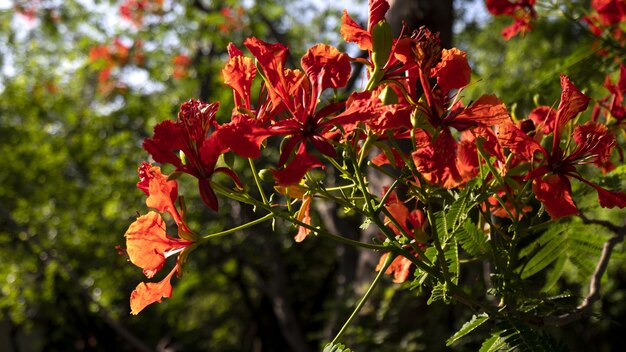
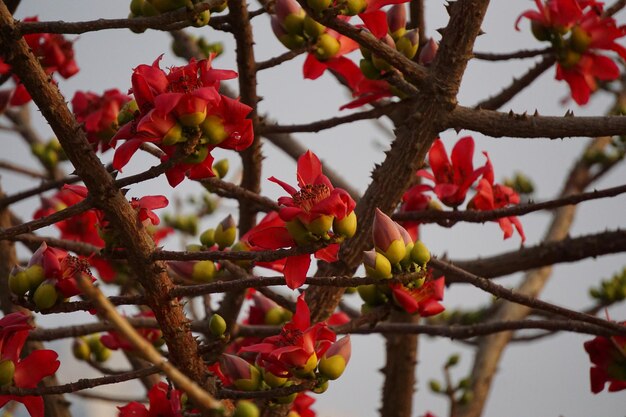
Imagine standing beneath a towering tree with bright red, cotton-like blossoms that seem to light up the landscape. This is Bombax ceiba, often referred to as Mochras in various traditional medicinal systems. The plant’s striking appearance and storied therapeutic uses have cemented its place in Ayurveda, folk healing practices, and emerging scientific research.
In this in-depth article, we explore the topic of Mochras (Bombax ceiba) from a scientific perspective. You’ll find relevant research findings, medical insights, and potential applications in modern healthcare. Whether you’re a curious reader, a healthcare practitioner, or a researcher looking for credible information, this guide aims to provide a clear, evidence-based overview of Mochras and its significance in natural medicine.
Table of Contents
- What Is Mochras?
- Traditional Uses and Cultural Significance
- Active Compounds and Mechanisms of Action
- Modern Scientific Evidence
- Potential Health Benefits
- Safety, Dosage, and Precautions
- How to Use Mochras (Bombax ceiba)
- Frequently Asked Questions (FAQ)
- Conclusion
- Disclaimer and References
1. What Is Mochras?
Mochras is the traditional name for the red silk-cotton tree, scientifically classified as Bombax ceiba. This tropical tree is native to parts of Asia and Africa, where it has been historically revered for its vibrant flowers, spiny trunk, and medicinal properties. You may also come across synonyms such as Bombax malabaricum or Salmalia malabarica in older texts, but Bombax ceiba remains the widely accepted botanical name.
Key Identifiers
- Family: Malvaceae (previously Bombacaceae)
- Common Names: Silk Cotton Tree, Semal, Salmali, Kapok Tree
- Habitat: Tropical and subtropical regions, often found near riverbanks and in mixed forests
- Features: Towering trunk often covered in conical spines, bright red blossoms, and fluffy cotton-like fibers within its seed pods.
2. Traditional Uses and Cultural Significance
In various traditional medicine systems, particularly Ayurveda in the Indian subcontinent, Mochras (Bombax ceiba) has been prized for multiple reasons:
- Astringent Properties: Traditional practitioners have used different parts of the plant—bark, flowers, gum, and roots—to manage gastrointestinal issues like diarrhea and dysentery.
- Wound Healing: The bark and gum have historically been applied to minor wounds and ulcers.
- Cooling Effect: Ancient Ayurvedic texts describe Bombax ceiba as having a “cooling” property, used to reduce excessive heat in the body.
- Skin Health: Certain formulations include Mochras for its potential to support healthy skin.
Cultural Practices
- Religious Ceremonies: In some regions, the vibrant red flowers are offered in religious rituals.
- Folk Remedies: Rural communities prepare decoctions of bark and gum to soothe inflammation or discomfort.
Despite these age-old applications, it’s important to corroborate these claims with modern scientific research to distinguish anecdotal folklore from evidence-based medicine.
3. Active Compounds and Mechanisms of Action
Over the years, researchers have isolated various bioactive compounds from Bombax ceiba that may explain its reputed health benefits. According to a review published in the Journal of Ethnopharmacology, these compounds include:
- Flavonoids: Known for their antioxidant properties, flavonoids may help neutralize free radicals and reduce oxidative stress.
- Tannins: Often responsible for the plant’s astringent properties.
- Alkaloids: Some have potential analgesic or anti-inflammatory effects.
- Saponins: Frequently associated with immune-modulatory activities.
Laboratory studies suggest these compounds can exhibit anti-inflammatory, antimicrobial, and antioxidant actions. While the exact mechanisms remain a topic of ongoing research, the existing findings offer clues into how Mochras formulations could be integrated into healthcare applications.
4. Modern Scientific Evidence
The popularity of Mochras (Bombax ceiba) in folk traditions has prompted modern scientists to explore its therapeutic potential. Below are some key studies and findings:
- Antioxidant Activity: A 2019 study in the Pharmacognosy Research journal reported that extracts of Bombax ceiba flowers exhibited significant antioxidant effects, helping to protect cells from oxidative damage.
- Wound Healing: Research published in the Journal of Traditional and Complementary Medicine indicated that topical applications of Bombax ceiba bark extract supported wound healing in animal models.
- Gastrointestinal Benefits: According to a 2021 analysis published in BMC Complementary Medicine and Therapies, certain formulations containing Bombax ceiba demonstrated gastroprotective effects, suggesting its potential role in managing common GI issues.
- Anti-inflammatory Effects: A meta-analysis of plant-based anti-inflammatory agents highlighted Bombax ceiba for its possible usefulness in reducing inflammatory markers.
Although these findings are promising, most studies have been conducted on animal models or in vitro, thus calling for more randomized clinical trials on humans to confirm efficacy and safety profiles.
5. Potential Health Benefits
5.1. Gastrointestinal Support
- Traditional Use: Diarrhea, dysentery, and related ailments
- Possible Mechanism: Tannins and flavonoids that may exert antibacterial or astringent effects
5.2. Wound Care and Skin Health
- Traditional Use: Minor cuts, abrasions, and skin ulcers
- Possible Mechanism: Antimicrobial and anti-inflammatory properties may facilitate tissue repair
5.3. Anti-inflammatory Support
- Research Highlight: Studies suggest that certain extracts of Bombax ceiba might reduce cytokine levels, markers of inflammation in the body.
5.4. Antioxidant Protection
- Biochemical Basis: Flavonoids and other compounds help scavenge free radicals, potentially supporting overall cellular health.
6. Safety, Dosage, and Precautions
When considering Mochras (Bombax ceiba) for therapeutic or supplemental use, the following guidelines are essential:
- Consult a Healthcare Provider: Always discuss with a qualified medical professional, especially if you have underlying health conditions or are on medication.
- Dosage Variations: While traditional medicine suggests specific dosages, scientific backing for standardized amounts is still limited.
- Possible Allergens: Some individuals may have allergic reactions to the plant’s components. Perform a patch test or ingest a small amount under professional guidance.
- Pregnancy and Lactation: Clinical data on Bombax ceiba for pregnant or breastfeeding women is scarce; therefore, consult a doctor for personalized advice.
7. How to Use Mochras (Bombax ceiba)
Different parts of Bombax ceiba can be utilized in varying ways:
- Bark Decoction: Often prepared by boiling pieces of the bark in water until the volume reduces.
- Powdered Form: The dried bark, flowers, or gum can be powdered and mixed with water or juice.
- Topical Paste: A paste made from the bark or gum may be applied externally for minor skin issues.
Practical Tips
- Quality Control: Source from reputable herbal suppliers to ensure purity and authenticity.
- Storage: Keep dried parts in airtight containers, away from moisture.
- Combination Therapy: Mochras is sometimes paired with other herbs like Amalaki (Emblica officinalis) or Neem (Azadirachta indica) in Ayurvedic formulations for synergistic benefits.
8. Frequently Asked Questions (FAQ)
Q1: Is Mochras the same as Kapok Tree?
Yes, Mochras (Bombax ceiba) is often called the Red Silk Cotton Tree or Kapok Tree. However, “Kapok” is also commonly used for Ceiba pentandra, a related but distinct species.
Q2: Can I grow Bombax ceiba at home?
In tropical and subtropical climates, Bombax ceiba can be grown if you have ample space and well-draining soil. It’s a large tree that can reach heights of over 20 meters, so ensure you have the room it needs.
Q3: Are there any known side effects of using Mochras?
Side effects are not commonly reported, but individual allergic reactions or mild gastrointestinal discomfort can occur. Always consult a medical professional before trying new herbal remedies.
Q4: How is Mochras used in Ayurveda?
In Ayurveda, Mochras (Bombax ceiba) is used for its cooling, astringent, and demulcent properties. It may appear in formulations aimed at balancing the body’s internal “heat” and supporting healthy digestion.
Q5: Can children use Mochras formulations?
There is insufficient clinical data on pediatric safety. Consulting a pediatrician or qualified Ayurvedic practitioner is strongly recommended before administering Mochras to children.
9. Conclusion
Mochras (Bombax ceiba) stands at the intersection of cultural heritage and modern science. Its long history in Ayurvedic and folk medicine is increasingly supported by emerging research, particularly in areas like anti-inflammatory and antioxidant benefits. Nonetheless, more high-quality human studies are necessary to confirm its broader therapeutic potential.
If you’re considering using Mochras in any form—be it a bark decoction, powdered supplement, or topical paste—prioritize quality control and professional guidance. Its rich cultural legacy and promising preliminary studies certainly make Bombax ceiba an intriguing subject for further exploration.
10. Disclaimer and References
Disclaimer
This article is for informational purposes only and does not replace professional medical advice. Always consult a qualified healthcare provider for personalized guidance before making changes to your diet, supplement routine, or treatment regimen. The inclusion of any third-party references or data does not imply endorsement.
References
- Journal of Ethnopharmacology: Key studies on phytochemical properties of Bombax ceiba.
- Pharmacognosy Research (2019): Antioxidant activity of Bombax ceiba flower extracts.
- Journal of Traditional and Complementary Medicine: Wound healing properties of Bombax ceiba bark.
- BMC Complementary Medicine and Therapies: Gastroprotective effects of plant-based formulations.
- Clinical guidelines and best practices from recognized institutions (e.g.,
NIH ,WHO ,CDC ) regarding herbal supplementation.
Call to Action
If you found this article helpful, share it with friends, comment below on your experience with Mochras, or subscribe to our newsletter for more evidence-based insights into natural therapies and medicinal plants.
Author’s Note: This content is continually updated to reflect the latest research. Stay connected with reputable sources such as PubMed and professional medical associations for ongoing developments on Mochras (Bombax ceiba) and other herbal remedies.
आयुर्वेदिक डॉक्टर से एक प्रश्न पूछें और मुफ़्त या सशुल्क मोड में अपनी चिंता की समस्या पर ऑनलाइन परामर्श प्राप्त करें।
2,000 से अधिक अनुभवी डॉक्टर हमारी साइट पर काम करते हैं और आपके प्रश्नों की प्रतीक्षा करते हैं और प्रतिदिन उपयोगकर्ताओं को उनकी स्वास्थ्य समस्याओं को हल करने में मदद करते हैं।
संबंधित आलेख