आयुर्वेदिक डॉक्टर से प्रश्न पूछें और निःशुल्क या भुगतान मोड में अपनी चिंता की समस्या पर ऑनलाइन परामर्श प्राप्त करें। 2,000 से अधिक अनुभवी डॉक्टर हमारी साइट पर काम करते हैं और आपके प्रश्नों का इंतजार करते हैं और उपयोगकर्ताओं को उनकी स्वास्थ्य समस्याओं को हल करने में प्रतिदिन मदद करते हैं।


Body DetoxEar, Nose, and Throat DisordersGeriatrics & RejuvenationImmunodeficiencyInfertility TreatmentNutritionOrthopedic DisordersPediatricsRespiratory DisordersSexually Transmitted Diseases (STDs)Surgery RecoveryUrological DisordersVascular DisordersDental DisordersEndocrinological DisordersGastrointestinal DisordersYoga TherapyGeneral MedicineAllergic DisordersCardio DisordersGynecology and ObstetricsCosmetologySkin and Hair DisordersEye DisordersInfectious DiseasesMental DisordersNeurological DisordersOncologyPanchakarmaSexual Health & DisordersSports Medicine
पर प्रकाशित 05/07/25
(को अपडेट 08/09/26)
3,748
Kapha Dosha in Ayurveda: How to Balance It with Diet, Lifestyle & Real-Life Tools
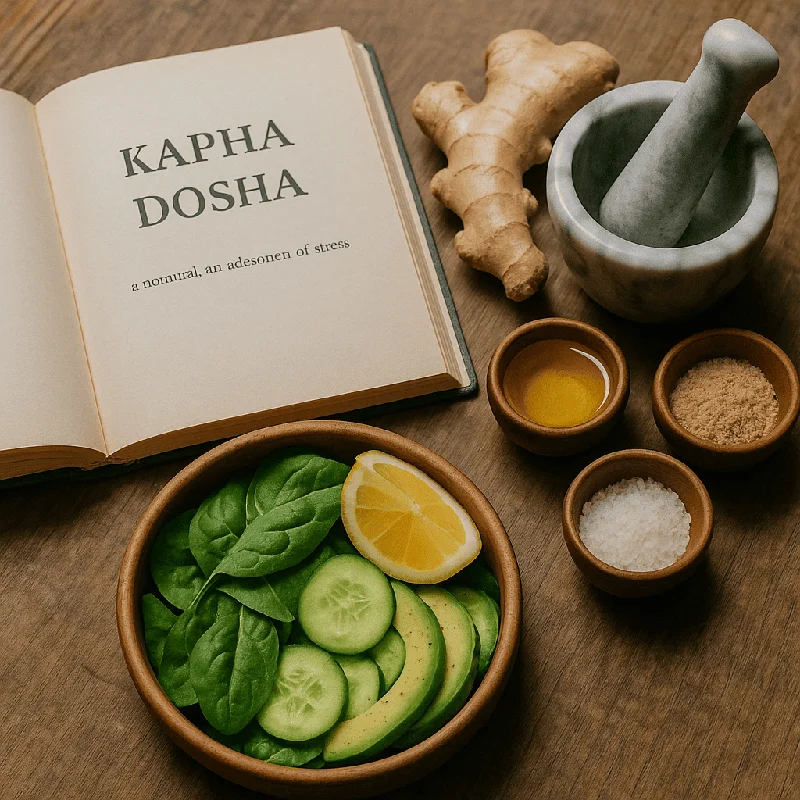
Introduction to Kapha Dosha and Ayurveda’s Approach
Alright, let’s get real for a second.
If you’ve ever felt sluggish, bloated, emotionally stuck, or just plain heavy — like your body’s moving through molasses — chances are Kapha might be at play. No, it’s not some trendy new supplement or obscure Instagram health hack. Kapha is one of the three doshas in Ayurveda, the ancient Indian system of holistic health. It’s earthy, watery, grounded, stable. All good things — until it’s not.
See, Kapha is that cozy blanket of a friend who just wants to nap, snack, and chill. But too much of it? And suddenly that blanket’s suffocating. You’re sleepy all the time. Digestion slows to a crawl. Emotional stagnation sets in. Think hoarding — in your body, your mind, your calendar. That’s the dark side of Kapha.
But here’s the thing: Kapha isn’t your enemy. In balance, it’s what keeps you grounded, calm, nourished, connected to others. It gives you resilience. A solid immune system. Emotional depth. The challenge is keeping it in balance, especially when our modern lifestyles are basically a buffet of everything that throws Kapha off: overeating, oversleeping, not moving, emotional suppression, heavy foods, cold weather, etc.
That’s where Ayurvedic lifestyle and diet come in — not as strict rules but as gentle, intuitive nudges back to equilibrium.
If you’ve ever tried to bulldoze your way to better health with intense workouts, extreme diets, or stress-fueled self-help programs, Ayurveda might feel like a sigh of relief. It’s personal. Rhythmic. Seasonally aware. It doesn’t rush. And if your primary imbalance is Kapha, it knows exactly how to get you unstuck — with spices, routines, herbs, yoga, and, yes, maybe even a bit of tough love.
In this guide, we’re diving deep — not just into what Kapha dosha is, but how to live with it, support it, and lighten it up when needed. Expect diet tips, lifestyle rituals, movement ideas, breathwork, emotional insights, practical home remedies, and yes, a healthy dose of skepticism and reflection. Ayurveda isn’t a checklist — it’s a relationship with your body.
So let’s not pretend we have it all figured out. Let’s explore, try things out, maybe stumble a bit — and keep it real while we’re at it.
Understanding t

he Role of Ayurveda in Managing Kapha Dosha
Let’s pull back the curtain on this whole Ayurvedic-Kapha connection. It’s not just about drinking warm water or avoiding dairy. There’s depth here.
What Ayurveda Says About Kapha Dosha
In the Ayurvedic worldview, we’re all made up of the five elements: earth, water, fire, air, and ether. The doshas — Vata, Pitta, and Kapha — are just different combinations of these elements. Kapha is primarily earth + water.
It’s the juicy stuff. Think structure, lubrication, immunity, stability, and cohesion. It governs your joints, your lymph, your fat tissue, and your emotional resilience. People with dominant Kapha often have soft features, thick hair, strong stamina, and a kind of quiet emotional strength. (Also — let’s be real — they often make the best huggers.)
But when Kapha gets out of whack? We’re talking:
-
Lethargy and inertia
-
Emotional clinging or possessiveness
-
Weight gain, fluid retention, slow digestion
-
Allergies, sinus congestion, depression
How Ayurvedic Lifestyle & Diet Directly Impact Kapha Dosha
Here’s where it gets practical. Kapha needs stimulation. Movement. Spice. Warmth. Dryness. Lightness.
So Ayurveda leans hard into opposites. Cold, heavy, wet Kapha? Balance it with warm, light, dry qualities. That’s why the diet focuses on:
-
Warm, cooked meals over raw, cold foods
-
Pungent spices like ginger, black pepper, and turmeric
-
Light grains and legumes over dairy or red meat
-
Skipping breakfast if you’re not hungry (yes, really)
Lifestyle-wise? Sleeping in is a trap. Napping during the day is a red flag. Movement is non-negotiable. Even if it’s just brisk walking or dancing around your kitchen.
The Importance of Individualized Ayurvedic Approaches for Kapha
But — and this is crucial — not all Kaphas are the same.
Some folks have Kapha as their primary constitution (prakriti). Others might just be experiencing a temporary Kapha imbalance (vikriti). Maybe you’re usually fiery and driven (Pitta), but lately you’ve been sluggish and cloudy — that’s a Kapha spike, not your baseline. That distinction matters a lot when applying Ayurvedic remedies.
Which means: what works for your friend may totally backfire on you. It’s not about copying someone else’s diet or routine. It’s about tuning in, noticing, experimenting.
Ayurveda doesn’t hand you a script. It gives you tools and tells you to listen — to your hunger, your cravings, your energy levels, your weather, your poop (yep, especially your poop).
So before we jump into what to eat or which yoga pose will magically fix your sinuses, let’s remember: this is your Kapha story. You’re not just managing it — you’re learning from it.
Ayurvedic Dietary Guidelines for Kapha Dosha
If food is medicine, then Ayurveda is the long-lost manual we all kind of forgot we had.
When it comes to balancing Kapha dosha, what you eat — and how you eat — is everything. Not in the obsessive, calorie-counting way, but in a “notice how you feel after that bowl of creamy pasta vs. a spiced veggie stir-fry” kind of way.
Kapha responds best to warm, light, dry, and stimulating foods. Think: roasted over boiled, spicy over bland, small portions over endless grazing.
Foods Recommended by Ayurveda for Kapha Dosha
Let’s keep it simple. If it’s:
-
Warm
-
Light
-
Dry
-
Spicy or bitter or astringent
…it’s probably a win for Kapha.
So what’s that look like on a plate?
-
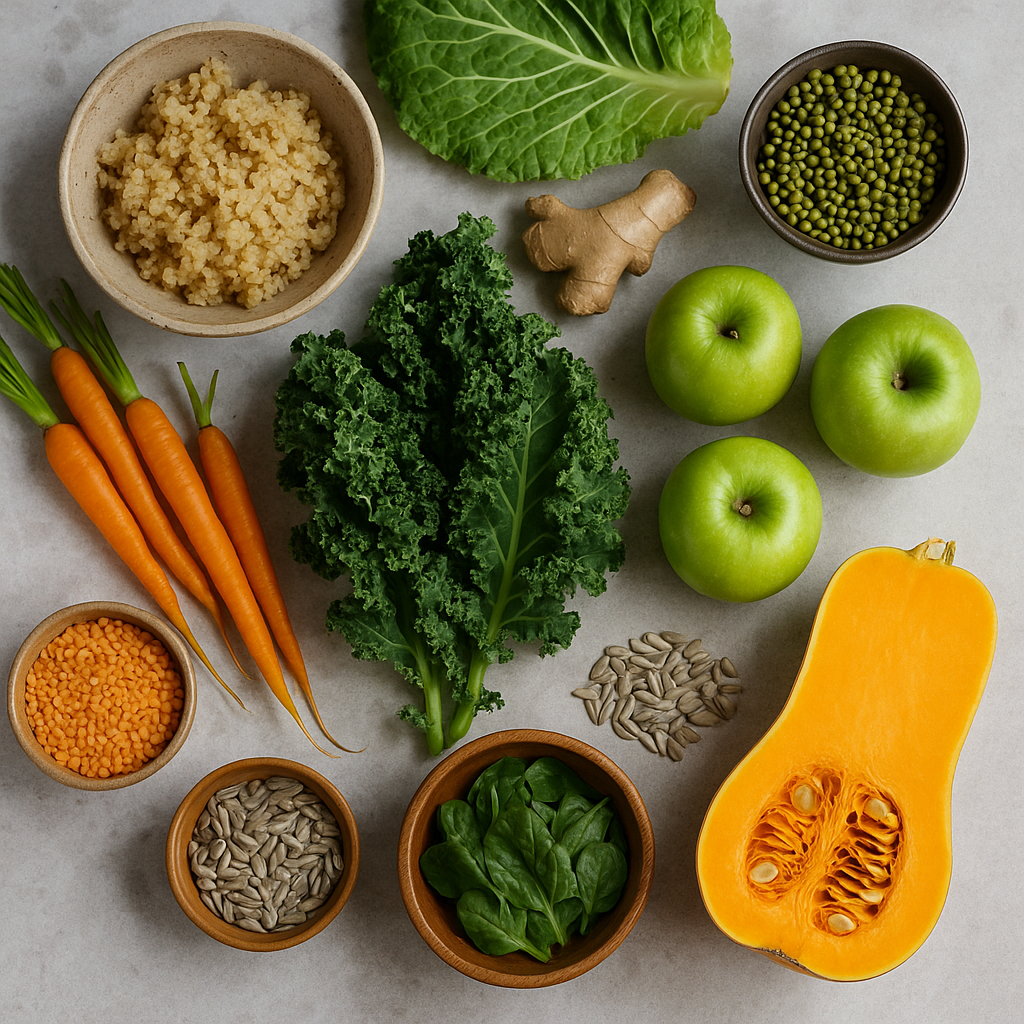
Vegetables: Mustard greens, kale, spinach, asparagus, broccoli — lightly cooked or sautéed.
-
Legumes: Lentils, mung beans, black beans — all great for drying excess moisture.
-
Grains: Barley (top choice!), millet, buckwheat, quinoa.
-
Fruits: Apples, pears, pomegranates — tart > sweet. Avoid heavy bananas and melons.
-
Spices: Ginger, turmeric, cumin, fenugreek, mustard seed, cinnamon, cloves.
-
Other friends: Honey (in moderation), green tea, apple cider vinegar.
Quick thought: it’s not about cutting everything fun. It’s about making choices that help you feel clearer, lighter, and less weighed down after meals. That’s a win.
Foods Ayurveda Suggests Avoiding for Kapha Dosha
Here comes the tough love.
Kapha craves the very foods that make it worse. Heavy, creamy, sweet, cold — you know the type.
Here’s what to minimize or avoid if Kapha’s tipping the scales:
-
Dairy: Milk, cheese, yogurt — especially cold or sweetened. These create mucus and sluggish digestion.
-
Wheat: Especially refined wheat. It’s just too heavy.
-
Cold foods: Ice cream, smoothies, iced drinks. These slow down Agni (digestive fire).
-
Sweet fruits: Bananas, avocados, melons, dates.
-
Deep-fried anything: You knew that was coming.
-
Red meat: Too dense and heavy for most Kapha types.
Let this sink in though — it’s not about perfection. Just notice what your body says after eating these. That awareness is the real game-changer.
Meal Planning and Timing Tips in Ayurveda for Kapha Dosha
Routine is sacred in Ayurveda. But for Kapha types, it shouldn’t be complacent routine.
Here’s how to approach food and meals:
-
Skip breakfast if you’re not genuinely hungry. (Yes, that’s allowed — especially if Kapha is dominant.)
-
Main meal = lunch. This is when digestion is strongest. Go big here.
-
Dinner should be early, light, and ideally before 7 p.m.
-
Fast occasionally. Even skipping one meal a week can spark sluggish metabolism.
-
Eat only when hungry. Kapha tends to eat emotionally or out of habit — notice that.
Imagine eating like you actually like your digestive system. That’s the vibe.
Hydration and Beverage Recommendations for Kapha Dosha
Hydration’s still key, but not all liquids are created equal.
Kapha thrives on warm, spiced drinks. Think:
-
Ginger tea
-
Cumin-coriander-fennel decoctions
-
Warm water with lemon or apple cider vinegar
-
Tulsi or chai without milk
What to ditch?
-
Ice water
-
Sweetened fruit juices
-
Milky drinks
-
Fizzy sodas
Even tea gets a vibe check here.
Ayurvedic Lifestyle Practices Specifically Beneficial for Kapha Dosha
Let’s talk about how you live — the stuff beyond food.
Kapha is naturally grounded. But too much grounding? You’re stuck. It’s like wet clay that never gets shaped — just heavy and immobile.
Ayurvedic lifestyle practices are here to invigorate Kapha. To wake it up, dry it out, and get it moving.
Daily Ayurvedic Routines (Dinacharya) to Manage Kapha Dosha
The golden rule: Start your day early.
Seriously, sleeping past 7:00 a.m. adds to Kapha heaviness. Try this:
-
Wake up by 6:00 a.m. (before the Kapha time of day kicks in)
-
Dry brushing to stimulate lymph and circulation
-
Tongue scraping — clears overnight toxins
-
Oil pulling — gently detoxifying
-
Warm lemon water — digestion starter
-
Move your body! — even just 15 mins of brisk walking
And hey — your morning isn’t a spa day. It’s a system tune-up.
Sleep Patterns and Ayurvedic Guidelines Relevant to Kapha Dosha
More sleep isn’t always better.
Kapha types often feel drowsy — but ironically, more sleep just adds to the problem. Here’s what helps:
-
Avoid napping during the day
-
Go to bed early (by 10 p.m.)
-
Wake up early (before 6 a.m.)
-
Use stimulating aromas (like eucalyptus or clove) in the morning
Think light and alert, not sluggish and dreamy.
Ayurvedic Personal Care Practices for Kapha Dosha
Your skin and body care routine can actually support doshic balance. Try:
-
Udvartana: An herbal powder massage that’s stimulating and exfoliating
-
Warming oils: Like sesame or mustard, infused with pungent herbs
-
Invigorating scents: Cinnamon, clove, camphor — avoid sweet florals
-
Minimal creams and oils — Kapha tends to retain moisture naturally
It’s care, but with a spark.
स्वयं दवा न लें और प्रतीक्षा न करें। अभी डॉक्टर से चैट शुरू करें
Yoga & Breathing Techniques for Kapha Dosha
Let’s be honest: Kapha isn’t the dosha most likely to jump out of bed for a 6 a.m. vinyasa flow. But that’s exactly why movement matters.
The goal? Stimulate, energize, clear stagnation.
Yoga Asanas Specifically Recommended for Kapha Dosha
Kapha needs intensity. Heat. Movement. Not a long nap in Child’s Pose.
Try this style and sequence:
-
Dynamic sun salutations (Surya Namaskar)
-
Backbends: Cobra, Bow, Camel — open the chest and lungs
-
Twists: Revolved Triangle, Seated Twist — aid digestion
-
Inversions: Headstand or Shoulderstand (with guidance)
Short but consistent practice > long lazy sessions.
Pranayama (Breathing Exercises) That Improve Kapha Dosha
Kapha clogs — the mind, the sinuses, the chest. Breathwork is a superpower here.
Try:
-
Kapalabhati (Skull-shining breath): Sharp exhales that clear mental fog and sinus congestion
-
Bhastrika (Bellows breath): Energizing and heating
-
Surya Bhedana (Right-nostril breathing): Activates the body and digestion
Skip long, sleepy breathing sessions. Keep it sharp and stimulating.
How Often to Practice Yoga & Breathing Techniques for Kapha Dosha
Daily. No excuses.
Even 15–20 minutes in the morning can reset your entire day.
Make it:
-
First thing in the morning
-
On an empty stomach
-
Spontaneous if needed — dance counts too
Consistency wakes Kapha up. Movement is medicine.
Stress Management and Emotional Health Advice for Kapha Dosha
Kapha tends to hold on. To old pain, relationships, routines — even after they stop serving any purpose. Emotionally, it’s sticky.
So when stress hits, Kapha might not explode like fiery Pitta or spiral like airy Vata. Instead, it withdraws, numbs out, or quietly gets depressed.
Here’s how Ayurveda helps you thaw that emotional freeze.
Ayurvedic Techniques to Reduce Stress Related to Kapha Dosha
-
Dry massage with stimulating oils — moves stagnant energy
-
Uplifting aromas — eucalyptus, rosemary, sage
-
Spicy teas + warm foot soaks — soothe without sedation
-
Waking up with sunrise — literally brings in lightness
Sometimes it’s not about “relaxing.” Kapha needs activation more than sedation.
Meditation and Mindfulness Practices Beneficial for Kapha Dosha
Meditation for Kapha needs to be alert, not drowsy. Choose:
-
Walking meditation
-
Mantra repetition with energizing sounds (like “Ram” or “Om Ram Ramaya Namaha”)
-
Candle-gazing (Trataka) to boost focus
-
Short bursts (5–10 minutes) to prevent zoning out
The idea is to stay awake inside yourself.
Emotional and Psychological Considerations in Ayurveda for Kapha Dosha
Let’s not sugarcoat this: Kapha can get emotionally stuck. There’s often deep loyalty, but also resentment, over-attachment, fear of change.
What helps?
-
Journaling — not for goals, but for honest emotional dump-outs
-
Laughter — seriously, schedule it in
-
Therapy — yes, Ayurveda + talk therapy = dream team
-
Light social connection — Kapha isolates when overwhelmed
There’s strength in Kapha’s emotional depth — the trick is not to drown in it.
Practical Ayurvedic Home Remedies and Recipes for Kapha Dosha
You don’t need a pantry full of exotic herbs or a wellness retreat in Kerala to start balancing your Kapha. Sometimes, your grandma’s spice rack and a little curiosity are all you need.
Ayurveda is deeply practical — it evolved from people watching nature, using what they had, and adjusting based on seasons, sensations, and gut feelings.
Here’s how to tap into that kitchen wisdom for Kapha support.
Simple and Effective Home Remedies for Kapha Dosha
These aren’t magic potions. They’re just tried-and-true fixes that nudge your system back into balance.
-
Ginger-Lemon-Honey Shot:
Warm water + fresh ginger juice + squeeze of lemon + a tiny bit of raw honey (only after heating).
→ Clears sinuses, jumpstarts digestion, and cuts through Kapha fog. -
Turmeric Tea:
Boil turmeric, black pepper, and a pinch of cinnamon in water. Sip warm.
→ Anti-inflammatory, drying, and perfect for Kapha colds. -
Cumin-Coriander-Fennel Tea (CCF Tea):
Equal parts of each, boiled for 5–10 minutes.
→ Balancing for digestion and bloating — great after heavier meals. -
Steam Inhalation with Eucalyptus:
Old-school, but it works. Add a few drops of eucalyptus oil to hot water, cover your head with a towel, and inhale.
→ Clears respiratory congestion. -
Dry Powder Massage (Udvartana):
Mix chickpea flour, turmeric, and a pinch of salt. Rub over damp skin before a shower.
→ Stimulating and exfoliating — reduces Kapha dullness and fluid retention.
Ayurvedic Recipe Ideas Specifically Beneficial for Kapha Dosha
You don’t need to eat bland food to keep Kapha in check. In fact, Ayurveda loves flavor — just the right kinds.
Here are a few go-to dishes:
-
Spiced Moong Dal Soup: Light, warming, and packed with cumin, coriander, turmeric, and ginger.
-
Kitchari with Barley: Swap rice for barley, add warming spices, and go light on ghee.
-
Roasted Veggie Bowl with Tahini-Ginger Sauce: Think Brussels sprouts, carrots, beets, and a sharp sauce to cut heaviness.
-
Stuffed Bell Peppers with Quinoa and Black Beans: Baked with herbs and warming spices.
Oh — and portion size matters. Kapha does better with smaller, more mindful meals. Your gut (and your mood) will thank you.
Preparation Tips and Guidelines for Ayurvedic Remedies for Kapha
Here’s where folks often miss the point.
How you prepare matters just as much as what you eat.
-
Cook fresh — reheated leftovers? Kapha no-no.
-
Use minimal oil — no drowning your food.
-
Favor dry roasting, grilling, baking over steaming or boiling.
-
Spices aren’t optional — they’re functional.
-
Eat in a calm, focused setting — no scrolling while chewing.
Ayurveda is a vibe. Get your kitchen to match.
Common Mistakes & Misconceptions About Ayurvedic Lifestyle for Kapha Dosha
Okay, real talk.
Most people dip their toes into Ayurveda with a vague idea that it’s all about turmeric lattes and yoga. But when it comes to Kapha, there are a few especially common traps people fall into.
Let’s bust those wide open.
Common Myths About Ayurveda & Kapha Dosha
-
“Kapha is bad or lazy.”
Nah. Kapha is nurturing, strong, and emotionally deep. It’s not lazy — it’s just slow to change. -
“If I’m Kapha, I can’t eat anything fun.”
You can. Just not heavy, cold, greasy stuff every day. Spice and creativity are your allies. -
“Ayurveda is vegetarian only.”
While many recommendations are plant-based, Ayurveda can include meat if it’s appropriately chosen for the dosha. -
“Oil massage is for everyone.”
Not necessarily. Kapha may benefit more from dry or powder massage. -
“Once you balance your dosha, you’re done.”
Nope. It’s dynamic. Seasons change. Moods shift. You’re not a fixed formula.
Typical Mistakes People Make When Adopting Ayurvedic Lifestyle for Kapha Dosha
-
Doing “Kapha routines” in winter but ignoring them in spring
-
Clinging to “healthy” cold foods like smoothies or raw salads
-
Going too hard too fast — intense detoxes or extreme yoga
-
Skipping daily movement — this one’s non-negotiable
-
Treating Ayurveda like a diet plan instead of a living system
It’s not about a to-do list. It’s about rhythm, repetition, and relationship with your body.
How to Avoid These Mistakes with Kapha Dosha
-
Check in with your body every morning.
-
Adjust based on the weather, your energy, your digestion.
-
Get curious, not dogmatic.
-
Track what works — keep a light journal.
-
And please — if you mess up, forgive yourself. Start again. Ayurveda is forgiving.

Real-Life Success Stories & Testimonials Related to Kapha Dosha
Sometimes the science isn’t what convinces people. It’s the stories.
Inspirational Stories from Individuals Who Improved Kapha Dosha Through Ayurvedic Lifestyle
Meena, 42 — Bangalore
“I used to sleep until 9 a.m., eat dairy-heavy breakfasts, and feel bloated all day. I thought I just had ‘low energy.’ After an Ayurvedic consult, I started waking up early, drinking ginger tea, and doing 20 minutes of yoga. Within a month, I dropped 4 kilos and felt mentally sharper.”
Eric, 36 — London
“I hated mornings. Ayurveda helped me realize Kapha was ruling my life. I swapped my cold cereal for spiced lentils and hot tea. Started walking before work. Honestly? My productivity doubled.”
Real-world Benefits & Results Achieved Using Ayurvedic Recommendations for Kapha Dosha
-
Better digestion
-
Easier weight loss (without forcing it)
-
Clearer skin
-
More emotional stability
-
Reduced sinus issues and allergies
-
Improved relationships (yes — because mood matters)
Sometimes, simple changes move the needle most.
Scientific Evidence Supporting Ayurvedic Lifestyle & Diet for Kapha Dosha
You don’t have to blindly trust ancient wisdom. Science is catching up — slowly, but surely.
Research Findings About Diet’s Impact on Kapha Dosha
Modern studies support several Ayurvedic ideas:
-
Warming spices like ginger and black pepper improve metabolic rate and digestive function.
-
Intermittent fasting, which Ayurveda recommends for Kapha, helps with insulin resistance and weight loss.
-
Low dairy intake reduces mucus production and inflammation.
-
High-fiber, plant-based diets align with Kapha-balancing food lists — and improve gut health.
Clinical Studies Confirming the Benefits of Ayurvedic Practices for Kapha Dosha
-
A 2020 study in the Journal of Ayurveda and Integrative Medicine showed improved respiratory function and weight loss in participants using Kapha-balancing diets and herbal teas.
-
Yoga and breathwork reduced depressive symptoms in Kapha-dominant patients within 6 weeks, per a 2022 clinical review.
-
Seasonal routines (like spring detoxes) aligned with Kapha-balancing principles helped regulate hormones in women with PCOS.
Expert Opinions on Ayurvedic Approaches to Kapha Dosha
Many integrative practitioners agree:
“Ayurveda’s individualization model is exactly what modern healthcare needs — especially for metabolic issues linked to Kapha,” says Dr. Rohini Patel, Ayurvedic physician and MD.
Conclusion & Summary of Ayurvedic Recommendations for Kapha Dosha
If you’ve made it this far, you already know — Kapha isn’t the problem. Imbalance is.
Ayurveda doesn’t shame your cravings, your sleepiness, or your stuckness. It gets it. And then offers rhythm, warmth, spice, and motion in return.
TL;DR Recap:
-
Kapha = heavy, slow, moist, cold — balance it with the opposite.
-
Favor spicy, light, warm foods.
-
Avoid dairy, sweets, cold stuff, and over-sleeping.
-
Move your body daily.
-
Use breath, scent, routine, and food as tools — not punishment.
-
Don’t try to “fix” yourself — just shift. Slowly, with compassion.
And if you're serious about getting support?
→ Book a personalized Ayurvedic consultation to decode your Kapha patterns and start living in rhythm with your true self. Start small. Start today.
Frequently Asked Questions (FAQ) about Ayurvedic Lifestyle for Kapha Dosha
1. What are the signs of Kapha imbalance?
Lethargy, weight gain, sinus issues, depression, excessive sleep, and a feeling of mental fog are classic signs of elevated Kapha.
2. Can Kapha types eat dairy?
In small amounts, maybe. But generally, Ayurveda recommends minimizing dairy, especially cold milk and yogurt, for Kapha.
3. Is coffee okay for Kapha dosha?
Surprisingly — yes, in moderation. Its bitter and stimulating properties can help balance Kapha, especially black coffee.
4. Do I need to follow a strict vegetarian diet for Ayurveda?
Not necessarily. Ayurveda is flexible. Kapha types might benefit from lean, light animal protein if needed — always based on constitution and digestion.
5. How quickly can I expect results from Ayurvedic changes?
Some people feel lighter and clearer within a week. Deeper shifts may take months — it depends on your consistency and current state.
उपयोगकर्ताओं के प्रश्न
What foods should I avoid to prevent worsening a Kapha imbalance?
Client_8c73f5
24 दिनों पहले
To prevent worsening a Kapha imbalance, avoid foods that are heavy, oily, and cold. Specifically, steer clear of dairy products like cheese and cream, refined wheat products, and fried foods, as they can lead to mucus production and sluggish digestion. Instead, focus on foods that are warming, spicy, and light, such as ginger, garlic, and fresh vegetables. Incorporating movement and staying active is also crucial. If symptoms persist, consider consulting a healthcare professional for a tailored approach.
How does seasonal diet affect Kapha dosha health?
Client_9ee523
29 दिनों पहले
A seasonal diet can significantly impact Kapha dosha health. During the colder and wetter months, Kaphas may feel sluggish due to the natural increase in Kapha qualities, which are earth and water elements. To balance this, a diet rich in warm, spicy, and light foods can help stimulate metabolism and energy. Foods like ginger, peppers, and bitter greens are beneficial. Avoid heavy, oily, and sweet foods, which may increase Kapha imbalance. If symptoms like persistent lethargy or respiratory issues occur, seeing a healthcare professional is recommended.
How do I adapt my diet to increase metabolism for Kapha dosha?
Client_b4ec1e
34 दिनों पहले
To boost metabolism for Kapha dosha, start by incorporating regular physical activity, as movement is crucial for stimulating metabolism. Focus on a diet that favors warm, light, and dry foods while minimizing fatty, oily, and heavy foods that can lead to sluggishness. Eating only when genuinely hungry, rather than out of boredom or emotional cues, can further enhance your metabolic rate. Results from dietary changes might be noticeable within a few weeks, but if persistent symptoms occur, consulting a healthcare provider is advisable.
What are the effects of stress on Kapha dosha balance?
Client_1f132f
39 दिनों पहले
Stress can exacerbate Kapha imbalance by increasing tendencies toward lethargy, weight gain, and sluggish digestion. It's crucial to manage stress effectively through regular exercise, a balanced diet, and adequate sleep to support healthy metabolic function and energy levels. Symptoms of a Kapha imbalance include fatigue, congestion, and excessive sleep. It's important to consult a healthcare provider if lifestyle adjustments do not alleviate these symptoms. While Ayurveda may offer lifestyle suggestions to manage stress, it's always best to discuss any persistent health concerns with a medical professional.
How to identify if you have a Kapha dosha imbalance?
Client_81f3f5
44 दिनों पहले
A Kapha dosha imbalance may present itself through symptoms like persistent sluggishness, bloating, excessive sleepiness, or feeling emotionally heavy. People with this imbalance might struggle with weight gain and respiratory issues as well. To help alleviate these Kapha symptoms, regular exercise and movement are crucial, alongside dietary changes such as spiced, warm meals instead of cold, heavy foods. If these lifestyle adjustments do not relieve symptoms, it is advisable to consult with a healthcare provider to rule out other underlying conditions.
Can I incorporate intermittent fasting to help balance Kapha dosha?
Client_68043c
49 दिनों पहले
Intermittent fasting may help balance Kapha dosha by promoting metabolic efficiency and reducing excess weight, which are common characteristics of Kapha imbalance. Typically, this involves eating during an 8-hour window and fasting for 16 hours. This can help improve digestion, enhance energy levels, and prevent the heaviness Kapha types often experience. However, it's essential to monitor how your body responds and consult with a healthcare provider before starting, especially if you have underlying health conditions, to ensure it's appropriate for your individual needs.
What yoga routines are best suited for Kapha dosha energy?
Client_99c1b3
54 दिनों पहले
For individuals with a Kapha dosha imbalance, dynamic and energizing yoga routines can be most beneficial. Focus on practices that stimulate circulation and encourage movement, such as Sun Salutations, Warrior poses, and backbends. These asanas can help counteract Kapha's tendencies toward sluggishness and stagnation. Aim for 20-30 minutes each day to see improvement in energy levels. Watch for signs of overexertion if you’re new to vigorous exercise, and consult a healthcare provider if you experience persistent fatigue or physical discomfort. Ayurveda emphasizes balancing energies, but for specific medical conditions, consult a doctor.
How to create a supportive environment for balancing Kapha dosha?
Client_dbb016
59 दिनों पहले
To create a supportive environment for balancing Kapha dosha, focus on creating warmth, stimulating activities, and reducing heaviness and stagnation. Begin by organizing your space to minimize clutter, as this can help reduce feelings of sluggishness. Incorporate bright lighting and warm colors to energize your space. Regular physical activity, such as brisk walking or dancing, is crucial to keep Kapha balanced. Be mindful of a diet that includes light, warm, and spice-rich foods. If feelings of lethargy or heaviness persist, it is advisable to consult a healthcare professional.
What are the best cooking methods for balancing Kapha dosha?
Client_06dd7f
64 दिनों पहले
The best cooking methods for balancing Kapha dosha include dry roasting, grilling, and baking, as these techniques help reduce moisture content in food, which is beneficial for balancing Kapha's naturally earthy and watery qualities. It's important to use minimal oil in cooking, as excess oil can exacerbate Kapha's characteristics. Adding spices such as ginger, cumin, and black pepper can aid digestion and stimulate metabolism. While Ayurvedic practices can provide guidance, it's essential to consult with a healthcare professional for personalized advice, particularly if you have specific health concerns.
How can I improve my mood if I have a Kapha imbalance?
Client_f04861
69 दिनों पहले
To improve your mood if you have a Kapha imbalance, focus on incorporating warm, light, and dry activities and foods. Regular physical activity can help, especially exercises that are invigorating, like cardio or dance. Opt for spicy, warm foods and avoid heavy, oily meals to stimulate metabolism and energy. Maintaining a consistent sleep schedule is crucial, as excessive sleep can worsen Kapha's lethargy. If symptoms persist or worsen, consider consulting a healthcare professional to rule out other health concerns.
संबंधित आलेख

Body Detox
अनुलोम विलोम क्या है और यह आपके स्वास्थ्य के लिए कैसे फायदेमंद है?
जानें कि अनुलोम विलोम क्या है, इसका प्राणायाम प्रक्रिया, मुख्य फायदे और संभावित साइड इफेक्ट्स। बेहतर स्वास्थ्य और संतुलन के लिए अनुलोम विलोम कैसे करें, यह जानें।
9,224

Body Detox
Krimisodhini Gulika: Ayurvedic Medicine for Gut Health and Parasite Cleansing
Explore Krimisodhini Gulika, its benefits, proper dosage, side effects, and scientific research supporting its use as an effective Ayurvedic treatment for parasitic infections.
6,082

Body Detox
Panchakarma for Stress Relief: Ayurvedic Therapy for Emotional Healing
Discover how Panchakarma therapy helps relieve stress and calm the mind. Explore Ayurvedic treatments for mental clarity, emotional balance, and inner peace
2,868

Body Detox
आयुर्वेद में स्नेहपान क्या है?
आयुर्वेद में स्नेहपान क्या है, इसके स्वास्थ्य लाभ, प्रक्रिया और संभावित साइड इफेक्ट्स के बारे में जानें। जानें कि यह तैलाभ्यंग कैसे शरीर को डिटॉक्स के लिए तैयार करता है।
5,285
Body Detox
How to Actually Balance Vata Dosha — Without Driving Yourself Nuts
In Ayurveda — India’s ancient system of natural healing — Vata is one of the three doshas, or bodily energies. It’s made of air and ether, so you can guess it’s kind of floaty. It governs movement, speech, creativity, quick thinking, but also... anxiety,
3,854

Body Detox
What Is Kayakalpa: Meaning, Treatment, Benefits in Ayurveda
Discover what is Kayakalpa, its meaning, treatment, benefits, medicines, and yoga practices. Learn Ayurvedic procedures of Kaya Kalpa for health and longevity
8,226

Body Detox
Best Time to Wake Up in the Morning According to Ayurveda
Learn the best time to wake up in the morning according to Ayurveda. Discover healthy wake-up habits, ideal sleeping hours, and benefits of rising early daily
5,036

Body Detox
Kanak Sundar Ras – Ayurvedic Formula for Skin Health and Radiance
Discover Kanak Sundar Ras, a traditional Ayurvedic formulation known for its benefits in promoting glowing skin, detoxifying the body, and improving overall complexion and health.
3,392

Body Detox
How to Prepare Fenugreek Water: Ayurvedic Recipes and Benefits
Learn how to prepare fenugreek water at home for hair, weight loss, and daily health. Discover methi water recipe, tips, and Ayurvedic benefits
19,006

Body Detox
Pizhichil Benefits: Why This Ancient Oil Bath Therapy Still Matters Today
So, you’re here because someone mentioned Pizhichil — maybe your yoga instructor or that Ayurvedic clinic downtown that smells like sesame oil and peace. You Googled it. And now you’re wondering: What exactly is Pizhichil? Why is everyone suddenly acting
3,069
विषय से संबंधित परामर्श
अतिरिक्त दस्तावेज़
© 2026 Ask Ayurveda. सर्वाधिकार सुरक्षित।