आयुर्वेदिक डॉक्टर से प्रश्न पूछें और निःशुल्क या भुगतान मोड में अपनी चिंता की समस्या पर ऑनलाइन परामर्श प्राप्त करें। 2,000 से अधिक अनुभवी डॉक्टर हमारी साइट पर काम करते हैं और आपके प्रश्नों का इंतजार करते हैं और उपयोगकर्ताओं को उनकी स्वास्थ्य समस्याओं को हल करने में प्रतिदिन मदद करते हैं।


Body DetoxEar, Nose, and Throat DisordersGeriatrics & RejuvenationImmunodeficiencyInfertility TreatmentNutritionOrthopedic DisordersPediatricsRespiratory DisordersSexually Transmitted Diseases (STDs)Surgery RecoveryUrological DisordersVascular DisordersDental DisordersEndocrinological DisordersGastrointestinal DisordersYoga TherapyGeneral MedicineAllergic DisordersCardio DisordersGynecology and ObstetricsCosmetologySkin and Hair DisordersEye DisordersInfectious DiseasesMental DisordersNeurological DisordersOncologyPanchakarmaSexual Health & DisordersSports Medicine
पर प्रकाशित 05/07/25
(को अपडेट 08/09/26)
2,831
After Pregnancy Belt: An Ayurvedic Perspective That’s More Than Skin-Deep
Introduction to After Pregnancy Belt (in the Ayurvedic Context)
Okay, let's get something straight right from the start — the phrase “after pregnancy belt” might sound like something you’d pick off a shelf at a pharmacy or buy online without a second thought. Something modern, maybe even gimmicky. But in Ayurveda, this concept isn’t new. Not even close. It’s ancient. Deep-rooted. Symbolic. Therapeutic. And yeah — surprisingly effective, if used properly.
So, what is the after pregnancy belt in Ayurvedic tradition?
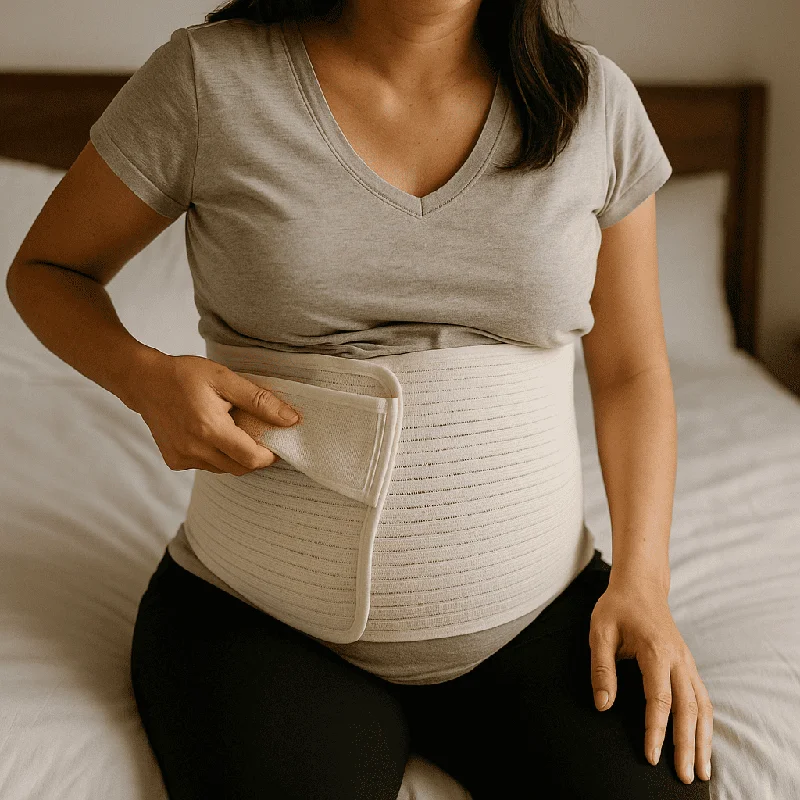
In its most basic form, it’s a piece of cloth. Long, usually cotton or muslin, and tightly (but not uncomfortably) wrapped around the abdominal area after childbirth. But really, it's not just about physical support — it's about energetic containment. Think of it like this: during pregnancy, a woman’s body opens up in remarkable ways. Organs shift. Bones stretch. Energies move. And after birth, everything doesn’t just snap back into place. There’s this rawness. Vulnerability. An openness that Ayurveda sees as both sacred and sensitive.
The after pregnancy belt — or “Yoni Bandha” or “Kati Bandhana” in traditional Sanskrit references — is a gentle invitation for the body to gather itself back. To re-center. To ground. Physically, it supports the abdominal muscles and internal organs. Energetically, it helps seal in the vital prana that tends to scatter after delivery. It’s part of a larger postpartum care protocol in Ayurveda, which is arguably one of the most thoughtful and detailed systems of maternal healing you’ll ever come across.
And let’s talk honestly — postpartum can be chaotic. Leaky everything. Emotions like waves. A sense of “What happened to my body?” Ayurveda meets that moment with ritual. With warmth. With oil. With herbs. And yes, with a cloth belt. This article isn’t a sales pitch. It’s a dive into the real Ayurvedic context of after pregnancy belts — what they meant historically, how they’re used, what they do, and what to watch out for.
If you’re someone who just gave birth, or you're planning for the journey ahead, this might be one of those small tools with unexpectedly big results. Let’s explore it together.
History and Origin of the After Pregnancy Belt
Historical Background and Roots of the After Pregnancy Belt
Let’s rewind. Not just a few years — centuries.
In traditional Indian households, women weren’t simply handed a belt after childbirth. It was part of a “sankalpa,” a postpartum regimen rooted in ritual, care, and deep intuitive wisdom. The cloth wasn’t just a belt. It was sacred. Sometimes passed down from mother to daughter. It came with stories. It had meaning.
Historically, the belt was used as a tool to help the uterus contract and reposition, support weakened abdominal muscles, and prevent air (Vata) from accumulating in the abdominal cavity. In villages and tribal communities, older women — the dais or saukhyammas — knew exactly how to wrap it. It was firm, never forceful. Tied daily. Untied at night. Sometimes soaked with herbal oils before application.
Interestingly, similar practices were seen in parts of Southeast Asia, Africa, and Latin America — which means this isn’t just a “cultural quirk.” It’s something our ancestors intuitively understood across continents: the postpartum body needs binding. Ayurveda just gave it context, vocabulary, and structure.
Ayurvedic Textual References about the After Pregnancy Belt
Ayurvedic classics like the Charaka Samhita, Sushruta Samhita, and Ashtanga Hridaya don’t mention “belts” in the modern sense, but they offer explicit postpartum care protocols that imply or directly recommend “Yoni Bandhana” or binding of the lower abdomen.
For example:
-
Charaka Samhita Sharira Sthana outlines steps for postpartum uterine contraction, including oil massages and compresses, followed by binding.
-
Sushruta, the surgical sage, mentions abdominal bandaging as a recovery technique, not just for wounds, but for muscular and organ repositioning.
-
Bhaishajya Ratnavali, a later Ayurvedic compendium, directly recommends the use of cloth bindings in postpartum recovery, emphasizing the importance of Vata containment.
What’s important is the principle: postpartum care in Ayurveda revolves around Vata pacification, and Vata is associated with cold, movement, airiness, and instability. A belt, snugly tied around the midsection, is a literal and metaphorical counterbalance — it grounds, warms, and contains.
Traditional Use and Evolution of the After Pregnancy Belt
In earlier times, belts weren’t mass-manufactured. They were hand-stitched, often by the family elder or local midwife. Natural materials like soft cotton, wool, or even plant-based fibers were used. Sometimes, herbs were stitched into the fabric itself. Neem leaves. Castor roots. Dried turmeric. Crazy, right?
The practice also evolved. In South India, women might have used long kaavi cloths. In Maharashtra, herbal oils like Bala Taila were applied before binding. In Bengal, the ritual had its own rhythm and songs. Each region shaped the tradition differently, but the core idea stayed: protect, support, contain.
Over time, as urbanization took hold and Western medical systems dominated, this practice faded — or got reduced to a perfunctory belt purchase from a maternity store. But in recent years, there’s been a revival. Not out of nostalgia, but necessity. Women are searching for real healing after childbirth, and sometimes, the wisdom of the past has answers modern science hasn’t fully caught up with.
Purpose and Benefits of the After Pregnancy Belt
Physical Health Benefits of the After Pregnancy Belt
Let’s not sugarcoat it — postpartum recovery can feel like living in someone else’s body. Your core muscles are mushy. Your lower back is screaming. Your belly feels like an empty balloon. That’s where the after pregnancy belt steps in — or wraps in, really.
Physically, the belt provides support to the abdominal wall and back. It encourages the uterus to return to its original size and position, helping reduce the postpartum “pooch.” It can ease back pain, improve posture (especially if you’re breastfeeding around the clock), and help with overall core stabilization. Think of it as scaffolding for a rebuilding body.
In Ayurvedic terms, it also helps reduce Apana Vata vitiation, which governs downward movement — elimination, menstruation, childbirth. After delivery, Apana can go haywire. This binding creates a sense of containment, which supports not just the organs, but also the flow of prana.
A little weird fact? Some midwives used to say, “The belt helps close the door that birth opened.” Sounds poetic, but there’s real biomechanics at play.
Mental and Emotional Benefits of the After Pregnancy Belt
Now, this might surprise you: many women report that wearing the belt made them feel emotionally… held. Safe. Less exposed.
There’s this psychological thing about containment — feeling swaddled, so to speak. Just like newborns need swaddling to soothe their nervous systems, postpartum women often benefit from that same sensory feedback. It may reduce anxiety, that sense of “falling apart,” or feeling scattered. (Which, by the way, Ayurveda directly links to imbalanced Vata.)
And there’s also the small ritual of it. Taking that moment each day to wrap your midsection — to literally hold yourself together — can be oddly grounding. It turns survival mode into sacred routine.
How the After Pregnancy Belt Balances the Doshas (Vata, Pitta, Kapha)
Quick crash course: in Ayurveda, everything comes down to the doshas — Vata (air/ether), Pitta (fire/water), and Kapha (earth/water).
After childbirth, Vata goes bananas. Why? Because the body has undergone a massive emptying-out process — literally and energetically. The after pregnancy belt helps pacify Vata by:
-
Providing warmth and pressure (Vata hates cold and dryness)
-
Stabilizing movement (Vata is the dosha of motion — and instability)
-
Grounding the body (Vata is light, airy, and spacey)
Kapha and Pitta may also be affected, but it’s Vata that takes the biggest hit postpartum. So while the belt isn’t a cure-all, it’s a cornerstone for Vata-pacifying postpartum care, especially when paired with warm oils, herbal decoctions, and restorative foods.
Detailed Procedure and Steps of Using the After Pregnancy Belt
Preparation for the After Pregnancy Belt Procedure
First off — don’t just wrap and go. That’s one of the most common mistakes people make.
The Ayurvedic method emphasizes preparation. Ideally, you’ve already received a warm oil massage (abhyanga) with Vata-pacifying oils like Dhanwantharam Taila or Bala Taila. That massage helps loosen toxins, stimulate lymphatic flow, and relax the abdominal muscles. Some women also do a light steam bath (swedana) afterward.
Only then does the belt come in. You’re preparing your body to receive the binding, not forcing it into place.
Oh, and comfort matters. Choose a breathable cotton cloth — around 5 to 7 meters long, and wide enough to cover your waist and hips.
Step-by-Step Guide of the After Pregnancy Belt Procedure
-
Lie down comfortably on your back. Make sure your lower back is supported.
-
Fold the cloth in half lengthwise, depending on how much coverage you want.
-
Place the belt below the navel, around the pubic bone.
-
Start wrapping from the lower abdomen upward, moving in overlapping circles — gently but firmly.
-
Each layer should be snug, not tight. You should be able to breathe and move without discomfort.
-
Stop wrapping just below the ribcage, unless advised otherwise.
-
Tie it off securely but without digging into the skin.
-
Wear it for 6–8 hours a day, depending on comfort and your Ayurvedic practitioner’s recommendation.
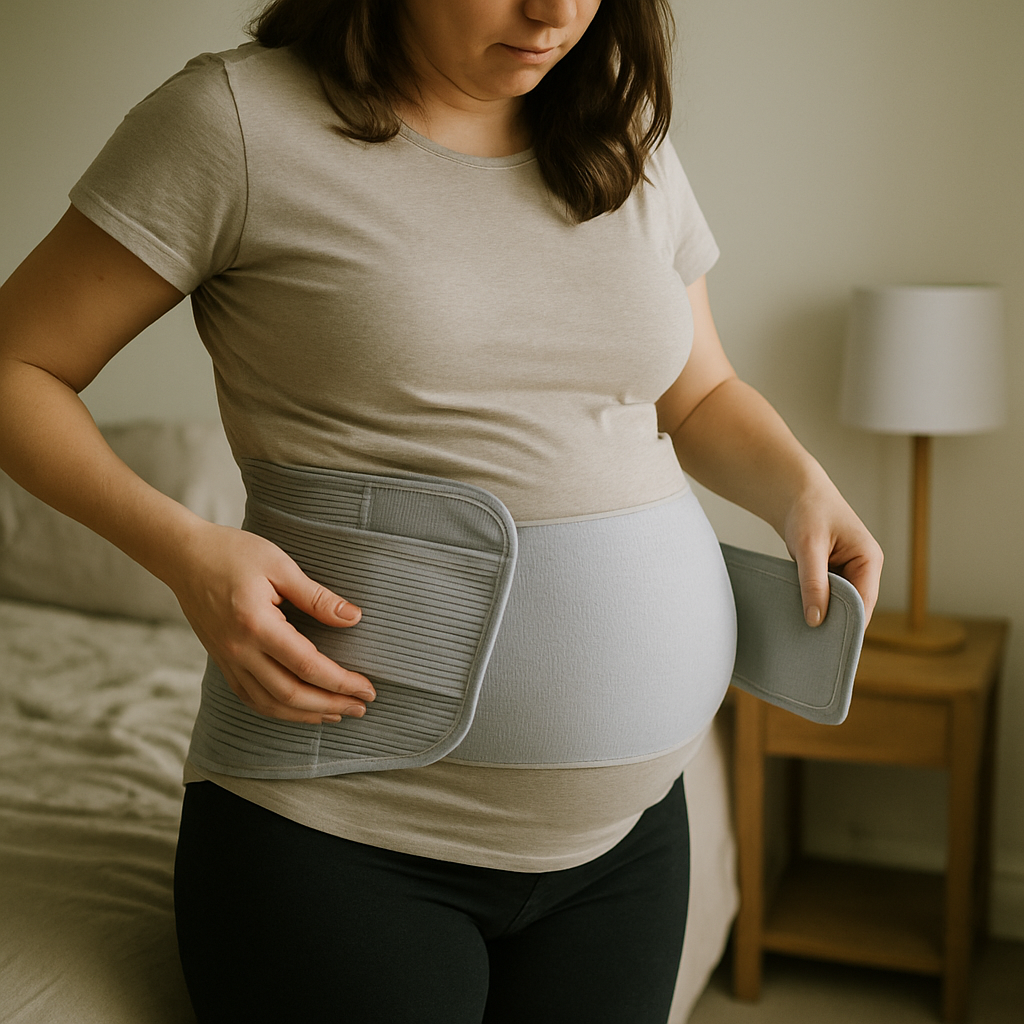
Optional: If you’re using a pre-made Velcro or elastic version, adjust the tension carefully and avoid synthetic materials that can cause sweat buildup or rashes.
Duration and Frequency Recommendations for the After Pregnancy Belt
Traditional guidelines suggest starting binding on Day 3 or 4 postpartum (assuming natural delivery) — and continuing for up to 6–8 weeks. If you’ve had a C-section, wait until the incision is healed and your practitioner gives the green light.
Daily binding is recommended, typically after your oil massage. Avoid overnight use, as the body needs rest and circulation.
Consistency matters more than intensity. It’s not about cinching your waist but coaxing it back gently.
Herbs, Oils, and Ingredients Used in the After Pregnancy Belt Ritual
Key Herbs and Oils Essential for the After Pregnancy Belt
This part isn’t always talked about, but in Ayurveda, the belt isn’t used alone. It’s part of a bigger system that includes herbal oils and sometimes poultices or medicated cloths.
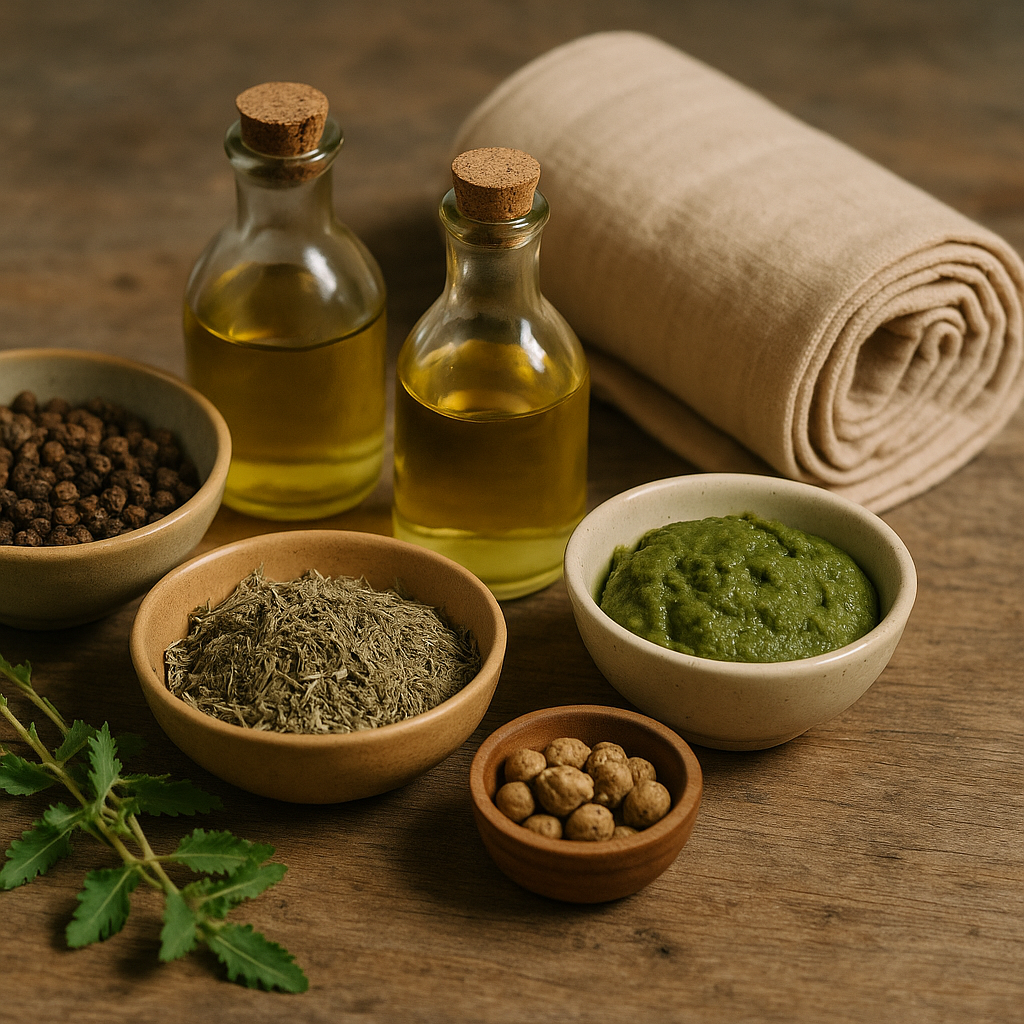
Some commonly used herbs and oils:
-
Bala (Sida cordifolia) – strength-giving, muscle-repairing
-
Ashwagandha – calming, grounding, rejuvenative
-
Castor oil – deeply penetrating, reduces inflammation
-
Turmeric – antiseptic, detoxifying
-
Ginger and Cinnamon – warming, circulatory stimulants
-
Dhanwantharam Taila – a complex classical oil used postnatally
These are used either as massage oils, oil infusions, or sometimes as powders sprinkled lightly on the cloth if a warm compress method is applied.
Benefits and Roles of Specific Ingredients in the After Pregnancy Belt
-
Bala helps strengthen pelvic muscles and supports neuromuscular tone — ideal for restoring abdominal structure.
-
Ashwagandha reduces fatigue and supports hormonal balance.
-
Turmeric prevents infection, particularly helpful in preventing sweat rashes under the belt.
-
Castor oil helps eliminate toxins and pacify stubborn Vata.
-
Dhanwantharam Taila improves circulation, warms the body, and accelerates uterine involution.
Think of these ingredients as working behind the scenes. The belt holds things in, the herbs do the real healing work.
Where and How to Source Quality Ingredients for the After Pregnancy Belt
Now here’s a real challenge. Not all oils and herbs are created equal. Ayurvedic pharmacies vary wildly in quality, and online sellers can be hit or miss.
Best bet? Look for brands that follow GMP (Good Manufacturing Practices) and use cold-pressed base oils. If possible, source from traditional Ayurvedic pharmacies like Kottakkal, Arya Vaidya Sala, or AVP in India.
If you’re outside India, check importers with a solid reputation — and always ask for the batch testing info if you’re not sure about purity.
When in doubt? Talk to a practitioner. They usually have secret go-to suppliers. And no, Amazon is not always your friend here.
स्वयं दवा न लें और प्रतीक्षा न करें। अभी डॉक्टर से चैट शुरू करें
Indications and Contraindications for the After Pregnancy Belt
Health Conditions and Symptoms Indicating the Use of the Belt
The after pregnancy belt isn’t a fashion accessory. It’s a therapy. Here’s when it’s most indicated:
-
Diastasis recti (separation of abdominal muscles)
-
Uterine prolapse or “sagging”
-
Severe lower back pain
-
General weakness or instability in the core
-
Excess air/gas or bloating postpartum
-
Cold feet, cold belly, general Vata imbalance
Ayurveda would say: if you feel ungrounded, cold, weak, or “leaky,” the belt may help.
Potential Risks and Contraindications of the After Pregnancy Belt
Alright, let’s not get carried away. There are situations where the belt might do more harm than good:
-
C-section recovery (too early use can hinder healing)
-
Skin infections, rashes, or fungal issues
-
Respiratory discomfort or feeling constricted
-
Hot flashes or excessive Pitta symptoms (Ayurveda 101: don’t overheat yourself!)
Over-tightening is the most common mistake — people think they need to “pull everything in.” Nope. Gentle encouragement, not force.
Who Should Avoid the Belt or Seek Expert Advice
You definitely want to consult an Ayurvedic practitioner (or your OB-GYN) if:
-
You had a complicated delivery
-
You have chronic back or spinal issues
-
You have underlying digestive disorders
-
You’re using medications that thin the skin or affect connective tissue
And hey — even if you’re all clear medically, it’s still a good idea to get custom guidance. Ayurveda isn’t one-size-fits-all.
Aftercare and Post-procedure Recommendations for the After Pregnancy Belt
Recommended Lifestyle Adjustments After Using the Belt
So you’ve wrapped yourself up — now what?
This is where most modern guides stop short. But in Ayurveda, the aftercare is just as crucial as the treatment. The after pregnancy belt isn’t a standalone miracle. It’s part of a whole ecosystem of healing. If you want it to work — like really work — you’ve got to sync it with your lifestyle.
Start with this: slow down. Seriously. The Western obsession with “bouncing back” is toxic. Ayurveda would rather you bounce inward. The first 40 days after birth are sacred. Some say it’s like being reborn yourself. Rest is not laziness — it’s medicine.
Warmth is key. Wrap yourself in soft, cozy clothes. Keep your feet covered. Avoid cold air, cold food, and cold water. Don’t skip your daily oil massage, either — even if you feel tired. It’s more powerful than a nap sometimes.
And movement? Yes, you’ll eventually need it. But ease into it. Walking is fine. Avoid twisting poses, heavy lifting, or crunches. Let your body whisper before it starts shouting.
Diet and Nutrition Guidelines Following Use of the Belt
This might sound unrelated, but what you eat dramatically affects how the belt works. Ayurveda teaches that healing the agni (digestive fire) is central to any postnatal recovery.
Here’s a gentle, Vata-pacifying guideline:
-
Start with light, warm, spiced foods – think khichdi, stewed apples, ghee rice
-
Favor soups, broths, and lentil dishes with ginger, cumin, ajwain
-
Avoid raw salads, cold dairy, and anything straight from the fridge
-
Ginger tea and cumin-coriander-fennel (CCF) tea are your best friends
-
Sprinkle a little hing (asafoetida) on your meals to help with postpartum gas and bloating
You’d be amazed how much faster the body comes back together when the digestion is on your side.
Common Mistakes and Precautions After Using the Belt
Alright, let’s talk mess-ups. Because yeah, even something as “simple” as wrapping a cloth can go sideways.
Common mistakes:
-
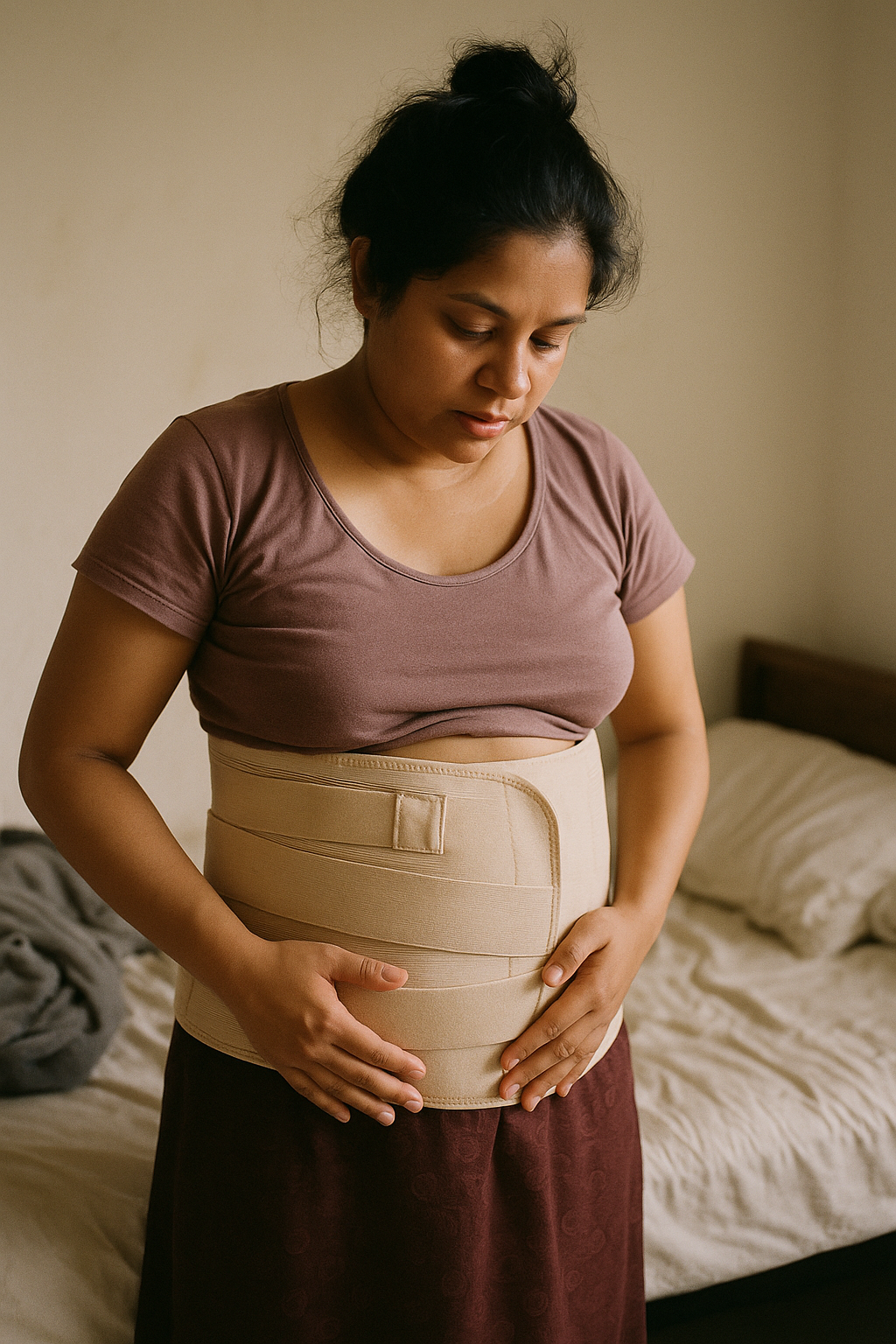
Tying it too tight, causing shallow breathing or bruising
-
Wearing it all day and night — you need circulation and rest
-
Using synthetic materials that don’t breathe
-
Forgetting to combine it with oil massage — which is like skipping the marinade before cooking
-
Eating gas-producing foods while wearing the belt (hello, discomfort)
Also — don’t freak out if you feel emotional after using it. Some women cry. Some feel foggy. That’s Vata shifting, energy realigning. Give it space. Let it pass. And talk to someone if it doesn’t.
Scientific Studies and Modern Research on the After Pregnancy Belt
Research Validating the Benefits of the After Pregnancy Belt
Here’s where things get interesting. The modern medical world is slowly — very slowly — catching up to what Ayurveda has known for centuries. Studies on postpartum abdominal binding, pelvic support, and recovery regimens are popping up across maternal health journals.
One study published in the Journal of Physiotherapy and Rehabilitation found that women using structured postpartum wraps (like Ayurvedic belts) showed faster uterine involution, reduced diastasis recti, and improved back support compared to controls.
Another small-scale study conducted in Kerala compared postpartum outcomes among women using Ayurvedic massage + belt therapy vs. only belt therapy. The combo group had significantly better outcomes in energy levels, lochia discharge patterns, and core stability.
And let’s not forget anecdotal data — thousands of women, across generations, swearing by this simple practice.
Clinical Trials and Evidence Supporting the Use of the Belt
While there aren’t yet large-scale randomized trials specifically on “Ayurvedic after pregnancy belts,” trials on abdominal binders used after cesarean sections have shown:
-
Improved pain management
-
Faster wound healing
-
Better posture and mobility
-
Psychological comfort
These modern belts aren’t always Ayurvedic in design, but the principle is the same — containment, support, stability. Imagine what the results might be if those belts were paired with warm oils and dosha-balancing herbs.
There’s a gap in the literature, but not in the experience. Maybe it’s time for researchers to catch up with midwives.
Real-Life Testimonials and Experiences with the After Pregnancy Belt
Patient Stories and Experiences
“I thought it was weird at first,” said Priya, 32, from Bangalore. “My mother-in-law insisted I use this long cloth she had saved for years. I rolled my eyes, honestly. But after two weeks, I felt this… strength returning. Not just physical, but like my body remembered itself.”
Another mom, Sara, in Toronto, tried it out of curiosity after reading about postpartum Ayurvedic practices online. “It didn’t ‘fix’ me overnight. But every morning when I wrapped that cloth, I felt connected to something old, wise, and kind. That was healing in itself.”
It’s rarely just about the results. It’s about the ritual.
Results Achieved and Realistic Expectations
Let’s be clear: the belt is not a magic wand.
It won’t make your stomach flat in 10 days. It won’t erase every ache. But if used consistently, along with proper rest and diet, you can expect:
-
Faster uterine recovery
-
Improved core strength
-
Reduced bloating
-
Enhanced emotional grounding
-
Less back pain
More importantly, you might feel more whole.
Conclusion and Final Thoughts on the After Pregnancy Belt
The Ayurvedic after pregnancy belt might look simple. A piece of cloth. That’s it?
But behind that simplicity lies centuries of wisdom, intention, and care. It’s not just about flattening the belly or speeding up recovery — it’s about reclaiming your body. After childbirth, everything feels shifted, stretched, scattered. This ancient practice helps you gather the pieces back.
We’ve covered everything — from the belt’s origins in ancient Ayurvedic texts to the herbs, oils, steps, and modern-day applications. We’ve talked about the science, the stories, and the real-life messiness of healing after birth. And here’s the big takeaway:
Healing isn’t always high-tech. Sometimes it’s a warm cloth, an old song, and an act of self-love repeated daily.
If you’re curious to explore this further — especially in a way tailored to your unique body and dosha balance — don’t guess. Book a personalized consultation at
Frequently Asked Questions (FAQ) About the After Pregnancy Belt
1. When should I start using the after pregnancy belt?
Ideally, around Day 3–4 after a natural delivery, once bleeding stabilizes. For C-sections, wait until your doctor gives the go-ahead — usually around 2 weeks post-op.
2. Can I sleep with the belt on?
No — it’s best worn during the day for 6–8 hours. Sleeping with it can restrict circulation and make you uncomfortable.
3. Does it help with weight loss?
Not directly. The belt supports uterine and abdominal recovery. Weight loss comes from diet, digestion, and hormonal balance — which Ayurveda also supports, by the way.
4. What if I missed using the belt postpartum — is it too late?
Not necessarily. Even weeks or months later, gentle abdominal binding can still help with posture, back pain, and energy stabilization. Just don’t expect instant miracles.
5. Is it okay to use a modern Velcro belly binder instead?
Yes, but make sure it’s breathable, not too tight, and preferably used after warm oil massage. And if you can, give the traditional cloth method a try — it feels different. More… personal.
उपयोगकर्ताओं के प्रश्न
How does diet influence recovery when using an after pregnancy belt?
Client_bf50c5
12 घंटे पहले
Diet plays a significant role in recovery when using an after pregnancy belt. A well-balanced diet rich in nutrients can enhance faster uterine recovery by providing essential vitamins and minerals. Foods high in fiber can help reduce bloating, while protein-rich meals contribute to improved core strength and tissue repair. Hydration and foods with anti-inflammatory properties, like leafy greens and fatty fish, may reduce back pain. Watch for any dietary restrictions postpartum and consult a doctor if any complications arise.
What materials are commonly used in after pregnancy belts?
Client_792fc4
5 दिनों पहले
After pregnancy belts are typically made from materials like cotton, nylon, spandex, and elastic. These materials offer a combination of comfort, stretch, and support, crucial for postpartum recovery. The belts may feature adjustable straps or Velcro for a better fit. While immediate benefits, such as improved posture and abdominal support, can be felt, significant physical recovery varies per individual, taking weeks to months. Consult a healthcare provider if discomfort or pain persists when using an after pregnancy belt.
What are the benefits of using an after pregnancy belt for abdominal support?
Client_67d9fb
10 दिनों पहले
Using an after-pregnancy belt for abdominal support can help new mothers experience improved posture and reduced back pain by offering additional support to weakened muscles. It also helps in the stabilization of the pelvic region post-delivery. However, it's important to use the belt correctly and not overly rely on it, as doing so might impede natural muscle recovery. Most women wear these belts for 6-8 weeks postpartum, though it's always best to consult with a healthcare provider to tailor use to individual needs and ensure it complements recovery effectively.
How does the after pregnancy belt affect posture during recovery?
Client_19918b
15 दिनों पहले
An after pregnancy belt can aid in posture by providing support to the abdominal area, which may help stabilize the spine during postpartum recovery. It can encourage upright posture, reducing strain on the back muscles that may be weakened after childbirth. Typically, women may notice improvements in posture within a few weeks with regular use when combined with exercises. However, it's crucial to avoid wearing it overnight and to monitor for signs of discomfort or restricted circulation. Consult with a healthcare provider, especially if you experience pain or have concerns about your recovery.
What exercises are safe to do while wearing an after pregnancy belt?
Client_5e6c78
20 दिनों पहले
While wearing an after pregnancy belt, it is safe to engage in gentle exercises such as walking and pelvic floor exercises, like Kegels, which help strengthen the pelvic muscles without straining the abdomen. Avoid high-impact activities, heavy lifting, twisting poses, and crunches as they may compromise postnatal recovery. Typically, you can begin light activities around day 3-4 postpartum for natural deliveries after bleeding stabilizes, and about two weeks after a C-section, with your doctor's approval. Always consult your healthcare provider before starting any postpartum exercise regimen.
How long should I wear the after pregnancy belt each day?
Client_83ba39
30 दिनों पहले
You should generally wear an after-pregnancy belt for about 6 to 8 hours a day, but this can depend on your comfort level and any guidance from your healthcare provider. It is meant to support your abdominal muscles and help your uterus return to its pre-pregnancy size. Ensure it's not too tight to avoid restricting circulation or causing discomfort; you should be able to breathe easily. If you experience pain, discomfort, or any unusual symptoms, it's important to consult a doctor. Your body is unique, and professional guidance is essential, especially postpartum.
How does the after pregnancy belt aid in physical recovery?
Client_14c93f
40 दिनों पहले
An after pregnancy belt, often called a postpartum belly wrap, can aid in physical recovery by providing support to the abdominal muscles and lower back after childbirth. This support can help reduce discomfort, improve posture, and potentially assist with diastasis recti, a condition where abdominal muscles separate. Wearing the belt may offer immediate comfort, but it's important to listen to your body and only use it for short periods initially. Consult your healthcare provider before using a belt, especially if you had a C-section or complications, as personalized advice is crucial for safe recovery.
What types of oils are best for postpartum healing massage?
Client_0afd32
49 दिनों पहले
For postpartum healing massage, the best oils are often those known for their soothing and nourishing properties, such as sesame oil, coconut oil, and almond oil. Sesame oil is traditionally favored for its warming and grounding qualities, while coconut oil is cooling and moisturizing, making it suitable for soothing sensitive skin. Almond oil is rich in vitamins E and D, which are beneficial for skin repair and hydration. Be sure to choose high-quality, natural oils and consider patch testing first to avoid any allergic reactions. If you notice persistent discomfort or skin reactions, consult a healthcare provider.
How can I support my mental health during postpartum recovery?
Client_27b4d1
59 दिनों पहले
Supporting your mental health during postpartum recovery involves a combination of practical self-care strategies and professional support. It's crucial to prioritize rest, nutrition, and hydration to maintain physical health, which directly impacts mental well-being. Engage in gentle physical activity when possible, and make time for leisure and relaxation. Social support from family, friends, or postpartum support groups can provide emotional comfort. If symptoms of postpartum depression or anxiety arise, such as persistent sadness or overwhelming anxiety, consult a healthcare provider promptly. Ayurveda can complement these strategies, emphasizing balance and grounding practices.
Can I start using the after pregnancy belt earlier if I'm not bleeding heavily?
Client_e1b00d
69 दिनों पहले
Yes, you can start using the belt if your bleeding has stabilized, usually around Day 3 or 4. But remember, every body is different! It's always a good idea to listen to your body and check with your healthcare provider. And don’t skipp on other Ayurvedic practices like oil massage, they can be incredibly helpful postpartum!
संबंधित आलेख

Gynecology and Obstetrics
ईवकेयर सिरप
ईवकेयर सिरप की खोज
14,577

Gynecology and Obstetrics
Ayurvedic Treatment for Bartholin Cyst – Natural Remedies for Relief and Healing
Explore Ayurvedic treatments for Bartholin cysts, including herbal remedies, therapies, and lifestyle changes to naturally reduce cyst size and promote healing.
7,469

Gynecology and Obstetrics
Ayurvedic Medicine for Uterus Problems: A Comprehensive Guide
Discover how Ayurvedic medicine for uterus problems can support women’s reproductive health. Learn evidence-based treatments, tips, and more.
3,757

Gynecology and Obstetrics
What Causes Lower Abdominal Pain in Females: Ayurvedic Diagnosis and Relief
What causes lower abdominal pain in females? Discover Ayurvedic insights into left and right lower belly pain, root causes, and natural ways to restore balance
2,257

Gynecology and Obstetrics
How to Get Periods Immediately: Ayurvedic Remedies, Food, and Tips
Learn how to get periods immediately using natural methods, food, exercises, and Ayurvedic remedies. Understand safe ways to induce menstruation effectively
16,396

Gynecology and Obstetrics
Kamini Vidrawan Ras Benefits, Dosage, Side Effects, Ingredients, Reference
Exploration of Kamini Vidrawan Ras Benefits, Dosage, Side Effects, Ingredients, Reference
6,719

Gynecology and Obstetrics
गर्भावस्था के दौरान केसर का सेवन कब करें ताकि अधिकतम लाभ मिल सके
गर्भावस्था के दौरान केसर कब खाना चाहिए, केसर वाला दूध पीने का सबसे अच्छा समय, किस महीने से शुरू करना चाहिए, और इसके फायदे जानें। गर्भावस्था में केसर के सेवन के लिए समय से जुड़ी टिप्स।
17,586

Gynecology and Obstetrics
Phala Ghrita in Pregnancy: Ayurvedic Insights & Modern Evidence
Discover how Phala Ghrita in pregnancy may support maternal health from an Ayurvedic and scientific standpoint. Learn its benefits, risks, and research.
5,304

Gynecology and Obstetrics
Ayurvedic Medicine for Endometrial Thickness – Natural Remedies for Healthy Uterine Lining
Discover Ayurvedic solutions to improve endometrial thickness, using natural herbs and treatments to support uterine health, enhance fertility, and promote overall wellness.
4,933
विषय से संबंधित परामर्श
अतिरिक्त दस्तावेज़
© 2024 Ask Ayurveda. सर्वाधिकार सुरक्षित।