Ask Ayurvedic doctor a question and get a consultation online on the problem of your concern in a free or paid mode. More than 2,000 experienced doctors work and wait for your questions on our site and help users to solve their health problems every day.


Body DetoxEar, Nose, and Throat DisordersGeriatrics & RejuvenationImmunodeficiencyInfertility TreatmentNutritionOrthopedic DisordersPediatricsRespiratory DisordersSexually Transmitted Diseases (STDs)Surgery RecoveryUrological DisordersVascular DisordersDental DisordersEndocrinological DisordersGastrointestinal DisordersYoga TherapyGeneral MedicineAllergic DisordersCardio DisordersGynecology and ObstetricsCosmetologySkin and Hair DisordersEye DisordersInfectious DiseasesMental DisordersNeurological DisordersOncologyPanchakarmaSexual Health & DisordersSports Medicine
Published on 12/22/25
(Updated on 08/09/26)
2,207
Takrarishta

Introduction
Welcome to the world of Takrarishta, a traditional Ayurvedic fermented tonic that’s been whispered about in herbal circles for centuries. Takrarishta, Takrarishta—you’ve probably seen the name pop up on health blogs or in Ayurvedic shops, but what’s the real deal? In this intro we’ll take you through the magic, the history and the science behind this ancient remedy. You’ll learn why it’s gaining traction today, especially for those seeking natural digestive support. Let’s dive in.
What is Takrarishta?
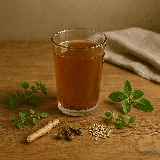
So first off, what exactly is this brew? Simply put, Takrarishta is a fermented herbal preparation made by soaking specific Ayurvedic herbs in a base liquid—often butyrous or citrusy—and allowing natural fermentation to take place. The end result is a slightly fizzy, aromatic tonic rich in beneficial compounds, enzymes and probiotics. It’s known sometimes as the “Ayurvedic soda”—though that nickname might be kinda misleading since it’s not carbonated the same way your fizzy drinks are.
Historical Roots
Digging into the history books (or dusty palm-leaf manuscripts), you’ll find references to Takrarishta in classical texts like the Charaka Samhita and Sushruta Samhita. Traditionally it was used to treat digestive woes, fever, and even minor infections. Granny probably called it “liquid gold”, mixing up small batches at home and sipping it with a spoonful of honey now and then. Over years, the recipe evolved across regions, leading to slight variations in herbs and techniques.
Composition and Preparation
Making authentic Takrarishta is both a science and an art. It demands careful selection of herbs, proper proportions, and patience during fermentation. Let’s break down the components and steps so you can appreciate what goes into each bottle of this golden tonic.
Key Ingredients
While recipes differ, the core ingredients often include:
- Takra (buttermilk or curd whey)—acts as the fermenting base
- Pippali (long pepper)—helps with digestion
- Haritaki (Terminalia chebula)—a mild laxative, rejuvenative
- Trikatu mix (black pepper, long pepper, dry ginger)—stimulates metabolism
- Rock sugar (Mishri)—balances taste, soothes throat
- Water or herbal decoction—dilutes and adds moisture
Side note: some local variants toss in ginger or small amounts of jaggery instead of sugar. It’s ok to experiment, but keep the core herbs intact for the true effect.
Fermentation Process
Here’s roughly how it goes:
- Grind the herbs into a coarse powder.
- Mix with takra (buttermilk) and add water or decoction.
- Add rock sugar and stir until dissolved.
- Transfer to a glass jar; seal loosely to allow gases to escape.
- Leave in a warm spot for 7–15 days, stirring once daily.
During fermentation, naturally occurring yeasts and lactobacilli break down sugars, producing lactic acid and trace alcohol. You’ll know it’s ready when the aroma is pleasantly sour and the liquid has a gentle fizz. Too long, and it turns overly sharp or even spoils—so check it often.
Therapeutic Benefits
Now for the good stuff: why people swear by Takrarishta. Ancient texts and modern research both highlight a range of benefits, particularly for the gut. And, with all those spices and probiotics, it’s no wonder folk are sipping it like there’s no tomorrow.
Digestive Health
The star of the show is obviously digestive support. Takrarishta can:
- Enhance appetite and digestion by stimulating digestive fire (Agni).
- Reduce bloating and gas—thanks to carminative herbs like ginger and black pepper.
- Ease constipation with mild laxative action from Haritaki.
- Balance gut flora due to probiotics from lactic acid fermentation.
I remember my first time trying it: a tablespoon after lunch and felt lighter, less gassy, and kind of energized. Really beats popping antacids every time you overindulge in spicy curry, am I right?
Other Health Benefits
Beyond the digestive tract, Takrarishta may:
- Support immune function via antioxidants in the herbs.
- Provide mild detoxification—herbs help eliminate toxins.
- Calm mild fevers and act as an anti-inflammatory.
- Offer stress relief through gut-brain axis modulation.
There’s also anecdotal evidence for improved skin health—people say their complexion brightens after regular use. Could be the improved digestion helping your body dump toxins more effectively.
Usage and Dosage
When it comes to using Takrarishta, more isn’t always better. You want to get the dose right to maximize benefits without causing imbalance. Let’s break it down:
How to Use
- General dose: 15–30 ml (about 1–2 tablespoons) after meals, once or twice daily.
- For kids: halve the adult dose, mixed with equal water.
- For constipation-dominant issues: take on an empty stomach in the morning.
- Best if fresh—but store sealed in fridge up to 7 days.
tip: stir well before measuring, since sediments can settle. And don’t chug it like a soda; sip slowly to help your body adapt to the sour notes.
Precautions
- Not recommended for those with overly acidic stomach or ulcers—can aggravate acidity.
- Avoid if you’re allergic to any spicy herbs like black pepper or ginger.
- Check with a qualified Ayurvedic practitioner during pregnancy or chronic conditions.
- Always use clean utensils and jars to prevent contamination.
Also, slight dizziness or mild nausea can happen if you overdo it—so stick to the recommended dose! And if you notice any adverse reactions, stop and consult a pro.
Integrating Takrarishta into Modern Life
Let’s be real: finding time for elaborate Ayurvedic rituals can be tough these days. But incorporating Takrarishta into your routine is surprisingly easy. Here are a few ideas to make it work, even on your busiest days.
Recipes and Ideas
- Morning Tonic: Mix 15 ml in warm water, add a slice of lemon and a dash of honey for a refreshing start.
- Post-Workout Refresher: Blend 15 ml with coconut water, ice cubes and mint leaves to rehydrate and cool down.
- Digestive Mocktail: Combine 20 ml with soda water, a pinch of salt, and a few fresh coriander leaves—wink, wink.
- Salad Dressing: Use 10 ml as part of your vinaigrette, mixing it with olive oil, mustard and herbs.
Common Mistakes
Many newbies stumble over the same hiccups:
- Using metal containers during fermentation—iron can react with acids, altering taste.
- Over-fermenting—leads to harsh, vinegary flavor.
- Ignoring hygiene—always sterilize jars and spoons.
- Skipping the stir—if you don’t mix daily, pockets of mold can form.
Fix these, and you’ll have a smoother, tastier brew every time.
Don't wait or self medicate. Start chat with Doctor NOW
Conclusion
Alright, that’s the lowdown on Takrarishta—the fermented Ayurvedic elixir that’s all about supporting digestion, immunity and general well-being. You’ve learned what it is, how to make it, its history, benefits, dos and don’ts, plus fun ways to incorporate it into your daily grind. Like any herbal remedy, results vary from person to person, so give it a few weeks to show its true potential. Trust the process, and your gut will thank you.
Now it’s your turn: why not whip up a small batch this weekend? Share your experience, tweak the recipe, and let us know how it goes.
FAQs
- Q: Can I buy Takrarishta online?
A: Yes, many certified Ayurvedic brands sell ready-made Takrarishta. Just check the ingredient list for authenticity. - Q: How long does homemade Takrarishta last?
A: Stored in the fridge, it’s best consumed within 7–10 days. After that, the taste changes and potency drops. - Q: Is Takrarishta alcoholic?
A: It contains trace alcohol due to fermentation (usually under 1%). If you’re sensitive, start with a small dose. - Q: Can diabetics use Takrarishta?
A: The rock sugar adds simple carbs, so diabetics should consult their doctor or use a sugar-free alternative like stevia. - Q: Any vegan version?
A: Replace dairy-based buttermilk with coconut water or almond water. It won’t be “takra” technically, but close enough! - Q: Why is mine too sour?
A: Likely over-fermented. Cut down fermentation by a few days or reduce the initial sugar. - Q: Can children drink it?
A: Yes in small doses (5–10 ml), diluted with water. Always watch for any discomfort.
Questions from users
How to improve the taste of homemade Takrarishta?
Client_84b228
4 days ago
To improve the taste of homemade Takrarishta, consider adding natural sweeteners like honey or jaggery, which can help balance its typically tangy flavor. Infusing it with aromatic spices such as ginger, cardamom, or cinnamon during preparation may also enhance its taste profile. If your batch tastes overly sour, reducing the fermentation time slightly might help. Remember, the taste can also vary based on the quality of ingredients and fermentation process. If you're finding the task challenging, consider commercial options with more consistent taste profiles. Consult a healthcare provider if you plan on using it for specific health conditions.
What conditions should I avoid when consuming Takrarishta?
Client_ba0cbe
9 days ago
When consuming Takrarishta, avoid it if you have an overly acidic stomach or ulcers, as it can aggravate these conditions. It's also important to steer clear if you're allergic to spicy herbs like black pepper or ginger. Consult a qualified Ayurvedic practitioner if you're pregnant or have chronic health conditions. Stick to the recommended dose to avoid slight dizziness or nausea. Always observe for any discomfort and consult a healthcare provider if adverse symptoms persist. Use clean utensils to prevent contamination and ensure safety.
What are the best ways to incorporate Takrarishta into my daily diet?
Client_6441ab
14 days ago
To incorporate Takrarishta into your daily diet effectively, begin by taking it in small amounts, typically 15-30 ml with an equal quantity of water once or twice a day after meals to aid digestion and metabolism. Given its strong taste, you can sweeten it slightly with honey if needed. Observe how your body responds over a couple of weeks, as it varies per individual. Monitor for any unusual side effects like bloating or discomfort, and consult a doctor if these occur. Ensure you buy Takrarishta from reputable brands to avoid quality issues.
What ingredients are essential for making authentic Takrarishta?
Client_fe8e67
19 days ago
The essential ingredients for making authentic Takrarishta include ingredients like buttermilk as a base and other key herbs such as Haritaki (Terminalia chebula), Dhataki (Woodfordia fruticosa), and Ginger (Zingiber officinale). These are fermented over time to produce the final brew. While regional recipes might feature slight variations, these core ingredients are pivotal. To achieve the best results, it is important to follow traditional fermentation techniques and proportions. If you experience any adverse effects, it's advisable to consult a healthcare professional.
What are the potential side effects of consuming Takrarishta?
Client_33c518
28 days ago
Takrarishta, an Ayurvedic fermented tonic, may have several side effects, though they can vary based on individual tolerance and sensitivity. Common side effects include mild stomach discomfort, allergic reactions, or exacerbation of existing digestive issues. Given its fermentation process, it contains trace amounts of alcohol (usually under 1%), which might not be suitable for everyone, including children or those with alcohol sensitivities. It's important to monitor for any adverse symptoms and consult a healthcare professional if you experience significant discomfort, allergies, or digestive problems. Always introduce new supplements gradually and follow recommended dosages.
How long should I take Takrarishta for best results?
Client_66d77c
38 days ago
The duration for taking Takrarishta can vary depending on individual health needs and the specific condition being addressed. Generally, it is recommended to use Takrarishta for a period of 1 to 3 months to observe potential benefits, such as improved digestion and relief from bloating. Monitor for any discomfort and adjust your dosage as needed. If symptoms persist or worsen, consult a healthcare professional. Takrarishta is made with ingredients that aid in digestion, but always speak with a doctor, especially if you have underlying health conditions or are taking other medications.
How is Takrarishta different from other digestive tonics?
Client_12a29c
48 days ago
Takrarishta differs from other digestive tonics primarily due to its unique combination of fermented herbs and spices, often including buttermilk, which supports digestive health through probiotics. Unlike many other tonics, its fermentation process creates a mildly fizzy, sour liquid, which can aid in digestion and gut health. It typically takes a few weeks to notice its full benefits. Always monitor for any discomfort or adverse reactions, and consult a doctor if symptoms persist or worsen, especially if you have pre-existing health conditions.
How should I store homemade Takrarishta for maximum freshness?
Client_bd53ce
58 days ago
To store homemade Takrarishta for maximum freshness, keep it sealed in the refrigerator. This helps to preserve its potency and ensures safe consumption. Typically, it should be used within 7 to 10 days for optimal freshness. Before refrigerating, make sure the container is airtight to prevent exposure to air and contaminants. Watch for changes in taste, color, or smell, which could indicate spoilage. If you notice any adverse symptoms after consumption, consult a doctor. Using genuine and fresh ingredients from the start can also maintain its quality.
Can Takrarishta be taken with other medications or supplements?
Client_3ec186
67 days ago
It's generally okay to take Takrarishta with other medications, but timing is key. Consider spacing it out by at least 30 mins to 1 hour to avoid any possible interactions. Especially if you're taking meds for your digestive system, which Takrarishta can also affect. Best to chat with a healthcare pro who knows both Ayurvedic stuff and your current meds for clearer advice!
What are the dos and don'ts when taking Takrarishta for health benefits?
Client_ff4260
77 days ago
When taking Takrarishta, do start with small doses and observe how your body feels. Don't overdo it though, balance is key! It's usually best to take it after meals to help with digestion. And, avoid if you notice any negative symptoms and talk to a practitioner. Ayurveda is all about knowing your body's unique balance, remember?
Related articles

Gastrointestinal Disorders
Aam Pachak Vati Uses: Benefits, Dosage, and Ayurvedic Insights
Discover the uses, benefits, and proper dosage of Aam Pachak Vati. Learn how this Ayurvedic remedy supports digestion and overall wellness.
10,092

Gastrointestinal Disorders
Punarnavarishta
Exploration of Punarnavarishta
12,040

Gastrointestinal Disorders
Kankayan Gutika – Unlocking the Power of Traditional Ayurvedic Healing
Discover Kankayan Gutika, a time-honored Ayurvedic formulation crafted to support digestive harmony, boost metabolism, and restore doshic balance for enhanced overall health.
2,764

Gastrointestinal Disorders
Dasamoolarishtam and Jeerakarishtam Benefits – Ayurvedic Tonic for Health
Discover the health benefits of Dasamoolarishtam and Jeerakarishtam, two powerful Ayurvedic tonics that support digestion, immunity, and overall well-being.
6,728

Gastrointestinal Disorders
Ponnaavaarai Chooranam
Exploration of Ponnaavaarai Chooranam
2,289

Gastrointestinal Disorders
Drakshadi Vati: Antioxidant Power for Liver & Wellness
Dive into Drakshadi Vati’s powerful antioxidant benefits. Learn how it supports liver health, boosts energy, and promotes overall wellness naturally.
3,023

Gastrointestinal Disorders
Pilex Tablet Uses: Dosage, Duration, and Ayurvedic Benefits
Explore Pilex tablet uses, dosage instructions, and duration of intake. Learn how it helps with piles and what to know before use during pregnancy
18,030

Gastrointestinal Disorders
Adhmana in Ayurveda: Understanding Imbalances and Restoring Balance
Explore Adhmana in Ayurveda—its significance, causes, symptoms, and holistic treatment strategies to restore digestive fire, detoxify, and balance the body.
3,443
Gastrointestinal Disorders
Shadangodak: An In-Depth Exploration of an Ayurvedic Six-Herb Infusion
Discover Shadangodak, an Ayurvedic six-herb water infusion. Learn its benefits, scientific basis, and practical tips for safe use in daily wellness.
3,208

Gastrointestinal Disorders
Arsh Kuthar Ras – Benefits, Dosage, Ingredients, Side Effects
Exploration of Arsh Kuthar Ras – Benefits, Dosage, Ingredients, Side Effects
3,687
Related consultations on the topic
Legal
Additional Documents
© 2024 Ask Ayurveda. All rights reserved.