Ask Ayurvedic doctor a question and get a consultation online on the problem of your concern in a free or paid mode. More than 2,000 experienced doctors work and wait for your questions on our site and help users to solve their health problems every day.


Body DetoxEar, Nose, and Throat DisordersGeriatrics & RejuvenationImmunodeficiencyInfertility TreatmentNutritionOrthopedic DisordersPediatricsRespiratory DisordersSexually Transmitted Diseases (STDs)Surgery RecoveryUrological DisordersVascular DisordersDental DisordersEndocrinological DisordersGastrointestinal DisordersYoga TherapyGeneral MedicineAllergic DisordersCardio DisordersGynecology and ObstetricsCosmetologySkin and Hair DisordersEye DisordersInfectious DiseasesMental DisordersNeurological DisordersOncologyPanchakarmaSexual Health & DisordersSports Medicine
Published on 12/27/24
(Updated on 08/09/26)
2,983
Hamsapathyadi Kashayam: Ayurvedic Cognitive Boost
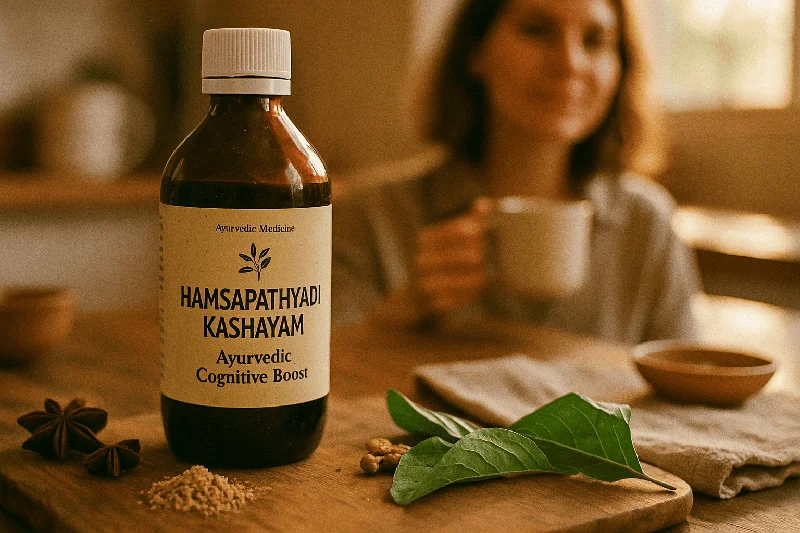
Hamsapathyadi Kashayam is a classical Ayurvedic decoction (kashayam) primarily used to manage thyroid disorders — including hypothyroidism, hyperthyroidism, and goiter. Rooted in the Bhavaprakasha Samhita, this polyherbal formulation combines five key herbs that work synergistically to regulate thyroid hormone levels (TSH, T3, T4), balance Vata and Kapha doshas, and restore metabolic harmony. If you've been searching for a natural, time-tested approach to thyroid health, this guide covers everything you need to know: from ingredients and pharmacological mechanisms to dosage, side effects, and how it compares with other Ayurvedic thyroid formulations.
Unlike most resources online that offer surface-level information, we've dug into the clinical research, explained the actual biochemistry behind each ingredient, and addressed practical questions like drug interactions with Levothyroxine — details no other guide currently provides.
What Is Hamsapathyadi Kashayam?
Hamsapathyadi Kashayam (also spelled Hamsapadadi Kashayam or Hamsapadiadi Kashayam) is a traditional Ayurvedic kwath — a water-based herbal decoction prepared by boiling raw herbs until the liquid reduces to a concentrated therapeutic extract. The formulation has been used for centuries across Kerala and other Ayurvedic traditions to treat conditions related to thyroid dysfunction, glandular swellings, and metabolic imbalance.
The word "Kashayam" itself means an astringent or bitter decoction, which reflects the taste profile of this medicine. It is available commercially in liquid form (typically 200 ml bottles) and increasingly as tablets for those who find the taste difficult.
Classical Reference: Bhavaprakasha Samhita
The original formulation of Hamsapathyadi Kashayam is referenced in the Bhavaprakasha Samhita, one of the three major later-period Ayurvedic texts (Laghutrayi) compiled by Bhavamishra in the 16th century. The shloka describes the combination of five herbs and their therapeutic action on galaganda (goiter) and related glandular conditions.
- The classical text categorizes this formulation under Galaganda Chikitsa (treatment of thyroid swellings), which gives it a well-documented traditional pedigree that pre-dates modern thyroid diagnostics by several hundred years.
- This classical grounding is important — it means the formulation wasn't designed for a single lab value but for a holistic symptom complex that we now understand as thyroid dysfunction.
How Does Hamsapathyadi Kashayam Work on the Thyroid?
Here's where most resources fall short. They mention that the kashayam "regulates thyroid function" without explaining how. Let's break down the pharmacological mechanism.
- The thyroid gland operates within the Hypothalamic-Pituitary-Thyroid (HPT) axis. The hypothalamus releases TRH, which signals the pituitary to release TSH, which then stimulates the thyroid to produce T3 and T4 hormones.
- In hypothyroidism, the thyroid underperforms — TSH rises as the pituitary tries to compensate. In hyperthyroidism, excess T3/T4 suppress TSH.
Hamsapathyadi Kashayam works through multiple pathways:
- 1.Immunomodulation — Guduchi (Tinospora cordifolia) modulates immune responses, which is critical because the most common cause of thyroid dysfunction globally is autoimmune (Hashimoto's thyroiditis and Graves' disease). A 2015 study published in the Journal of Ethnopharmacology demonstrated that Tinospora cordifolia possesses significant immunomodulatory and anti-inflammatory properties that can influence autoimmune cascades.
- 2.Iodine metabolism support — Hamsapadi (Adiantum philippense) has trace mineral content that supports the raw material supply chain the thyroid needs for hormone synthesis.
- 3.HPT axis modulation — Pippali (Piper longum) enhances bioavailability of other herbs (a concept called "yogavahi" in Ayurveda) and has been shown in animal studies to influence thyroid hormone levels directly. A 2011 study in the Indian Journal of Pharmacology found that piperine (from Piper species) significantly altered T3 and T4 concentrations in experimental models.
- 4.Anti-inflammatory action on glandular tissue — Nimba and Vasa reduce localized inflammation in the thyroid gland, potentially reducing goiter size over time.
This multi-target approach is fundamentally different from conventional single-molecule drugs, and it explains why the kashayam is traditionally indicated for both hypo- and hyperthyroidism — it modulates rather than simply suppresses or replaces.
Key Ingredients of Hamsapathyadi Kashayam
The formulation contains five principal herbs, each with a distinct role. Below is a detailed breakdown that goes beyond simple listing.
| Ingredient (Sanskrit) | Botanical Name | Common Name | Primary Role in Formula |
|---|---|---|---|
| Hamsapadi | Adiantum philippense | Walking Maidenhair Fern | Lead herb; anti-goiter, diuretic |
| Guduchi | Tinospora cordifolia | Giloy / Amrita | Immunomodulator, anti-inflammatory |
| Nimba | Azadirachta indica | Neem | Blood purifier, anti-microbial |
| Pippali | Piper longum | Long Pepper | Bioenhancer, metabolic stimulant |
| Vasa | Justicia adhatoda (syn. Adhatoda vasica) | Malabar Nut | Anti-inflammatory, bronchodilator |
Hamsapadi (Adiantum philippense) — Walking Maidenhair Fern
This is the namesake and primary ingredient of the formulation. Hamsapadi literally translates to "swan's foot," referencing the shape of the fern's fronds. In Ayurvedic pharmacology, it is classified as Kashaya (astringent) and Tikta (bitter) in taste, with a cooling potency (Sheeta Virya).
Its traditional use centers on galaganda (goiter) and granthi (glandular swellings). Modern pharmacological screening of Adiantum philippense has revealed the presence of flavonoids, terpenoids, and phenolic compounds with documented anti-oxidant and anti-inflammatory activities. A 2017 study in Pharmacognosy Reviews noted its hepatoprotective and diuretic properties, which support the elimination of metabolic waste — a concept Ayurveda calls "ama pachana."
What makes Hamsapadi unique is that it's not commonly found in other thyroid formulations. It is the differentiating factor that distinguishes this kashayam from, say, Kanchanar Guggulu.
Guduchi (Tinospora cordifolia) — Giloy
Guduchi is one of the most extensively researched Ayurvedic herbs. Known as "Amrita" (the divine nectar), it has demonstrated immunomodulatory, anti-diabetic, anti-oxidant, and anti-inflammatory properties across numerous studies. A 2020 systematic review in Phytomedicine analyzed 34 studies and confirmed its significant immunomodulatory effects.
In the context of thyroid health, Guduchi's role is primarily to regulate the immune system — calming autoimmune attacks on thyroid tissue (relevant in Hashimoto's) while strengthening the body's overall defense mechanisms. It also balances all three doshas (Tridoshahara), making it a versatile therapeutic agent.
Nimba (Azadirachta indica) — Neem
Neem is well-known as a blood purifier and anti-microbial agent. In this formulation, it serves to detoxify the blood (Rakta Shodhana) and reduce Pitta-related inflammation. Its bitter taste (Tikta rasa) directly supports liver function, which is important because the liver is where approximately 60% of T4-to-T3 conversion occurs. Poor liver function can directly impair thyroid hormone activation, something that conventional thyroid treatment often overlooks.
Pippali (Piper longum) — Long Pepper
Pippali serves a dual purpose here. First, its well-documented "bioenhancer" properties increase the absorption and efficacy of the other four herbs — a 1998 landmark study by Atal et al. in the Journal of Ethnopharmacology first characterized this bioenhancing capability. Second, Pippali directly stimulates Agni (digestive fire), which is typically diminished in hypothyroidism, leading to weight gain, sluggish metabolism, and fatigue.
In Ayurvedic terms, Pippali performs Deepana (appetite stimulation) and Pachana (digestive enhancement) karma — both critical for hypothyroid patients who struggle with slow digestion and accumulation of ama (metabolic toxins).
Vasa (Justicia adhatoda) — Malabar Nut
While Vasa is more commonly associated with respiratory conditions (it contains vasicine, a bronchodilator), its inclusion in this formulation has a specific logic. Vasa possesses strong anti-inflammatory and mucolytic properties. In the context of thyroid health, it helps reduce inflammation in the neck region and supports clearance of Kapha-related congestion that Ayurveda associates with galaganda (goiter).
A 2018 study in BMC Complementary Medicine and Therapies confirmed that Justicia adhatoda extracts exhibit significant anti-inflammatory activity through COX-2 inhibition pathways.
Ayurvedic Properties of Hamsapathyadi Kashayam
Understanding the formulation through the Ayurvedic lens adds a layer of clinical nuance that purely modern analysis misses.
Roga Karma (Therapeutic Actions)
- Galagandahara — Alleviates goiter and thyroid swellings
- Granthi Nashaka — Dissolves abnormal glandular growths and nodules
- Medohara — Reduces excess adipose tissue (relevant for hypothyroid-associated obesity)
- Shothhara — Anti-inflammatory action
Dosha Karma (Effect on Doshas)
- The formulation is classified as Tridoshahara with particular emphasis on pacifying Vata and Kapha doshas.
- This makes pharmacological sense — hypothyroidism predominantly manifests as a Kapha disorder (weight gain, lethargy, cold intolerance, slow metabolism), while hyperthyroidism often presents with Vata aggravation (anxiety, tremors, weight loss, restlessness). By balancing both, the kashayam addresses the full spectrum of thyroid dysfunction.
Agni Karma (Metabolic Action)
- Deepana — Kindles digestive fire
- Pachana — Digests and clears metabolic toxins (ama)
These actions are particularly relevant for hypothyroid patients who universally experience diminished Agni, manifesting as constipation, bloating, and slow gastric emptying.
Benefits of Hamsapathyadi Kashayam
Thyroid Hormone Regulation (TSH, T3, T4)
The primary benefit is normalization of thyroid hormone levels. With regular use, patients have reported improvement in TSH levels, with the formulation working to bring both elevated and suppressed TSH toward normal ranges. The multi-target mechanism allows it to function as a modulator rather than a simple replacement or suppressant.
Metabolic Enhancement and Weight Management
Hypothyroid patients frequently struggle with unexplained weight gain due to reduced basal metabolic rate. The Deepana and Medohara properties of this kashayam help reignite metabolic activity, supporting gradual and sustainable weight loss when combined with appropriate diet and exercise.
Reduction in Fatigue and Brain Fog
Thyroid dysfunction — particularly hypothyroidism — commonly causes persistent fatigue, mental fog, and reduced cognitive function. The combination of Guduchi (neuroprotective properties) and Pippali (CNS stimulant) works to alleviate these symptoms, often among the first improvements patients notice.
Goiter Size Reduction
- For patients with visible thyroid enlargement (goiter), the formulation's Granthi Nashaka action works to gradually reduce swelling.
- This is a slower process — typically requiring 3 to 6 months of consistent use — but has been documented in Ayurvedic clinical practice.
Immune System Modulation
Given that autoimmune conditions (Hashimoto's and Graves' disease) account for the majority of thyroid disorders, the immunomodulatory action of Guduchi and Nimba provides a root-cause approach rather than merely managing symptoms.
How to Use Hamsapathyadi Kashayam: Dosage & Administration
Standard Dosage
| Parameter | Recommendation |
|---|---|
| Adult dose | 5–15 ml of kashayam |
| Dilution | Mix with 15–60 ml of lukewarm water |
| Frequency | Twice daily |
| Timing | Before meals (empty stomach) |
| Duration | As directed by physician; typically 3–6 months |
Anupana (Adjuvant) — A Detail Most Guides Miss
According to classical Ayurvedic practice, Hamsapathyadi Kashayam is often administered with specific anupanas to enhance its effect:
- Pippali Churna (Long Pepper Powder) — added to the diluted kashayam to boost absorption
- Guggulu (Commiphora wightii) — co-administered as a tablet to amplify the anti-goiter action
This combination is mentioned in the classical references and is a practice still followed by experienced vaidyas in Kerala and other traditional Ayurvedic centers. If your physician hasn't mentioned anupana, it's worth asking about it.
Dosage Differences: Hypothyroidism vs. Hyperthyroidism
This is a significant gap in existing literature. While the standard dosage range is the same, the approach differs:
- For hypothyroidism: Higher end of dosage range (12–15 ml) is often preferred, with stronger Deepana anupanas like Pippali and honey.
- For hyperthyroidism: Lower dosage (5–10 ml) with cooling adjuvants like ghee or milk may be recommended to avoid aggravating the already elevated Pitta.
Important: These are general principles. Your Ayurvedic physician should determine exact dosing based on your Prakriti (constitution), Vikriti (current imbalance), and severity of the condition.
Preparation Method for Homemade Kashayam
For those who prefer making kashayam from raw herbs (which is traditionally considered more potent than commercially bottled versions):
- 1.Take the five herbs in equal parts — coarsely powdered
- 2.Mix the herb powder with water in a 1:8 ratio (e.g., 25 grams of herbs to 200 ml of water)
- Boil on low-medium heat until the liquid reduces to 1/4 of original volume (50 ml from 200 ml)
- Strain through a clean cotton cloth
- Consume warm
The reduction process concentrates the active compounds and is a characteristic feature of kashayam preparation that distinguishes it from simple herbal teas or infusions.
Don't wait or self medicate. Start chat with Doctor NOW
Hamsapathyadi Kashayam vs. Other Ayurvedic Thyroid Formulations
No other online resource currently offers this comparison — and it's arguably one of the most practical questions patients have: "Which formulation is right for me?"
| Feature | Hamsapathyadi Kashayam | Kanchanar Guggulu | Thyrokalp Tablet |
|---|---|---|---|
| Form | Liquid decoction | Tablet/Vati | Tablet |
| Primary action | Thyroid hormone modulation | Glandular dissolution, lymph detox | Thyroid support blend |
| Best for | Active thyroid dysfunction (hypo/hyper) | Goiter, nodules, lipoma | Mild thyroid imbalance |
| Classical reference | Bhavaprakasha Samhita | Sharangadhara Samhita | Proprietary modern formula |
| Dosha target | Vata-Kapha | Kapha-Medas | Varies by brand |
| Bioavailability | High (liquid absorption) | Moderate (tablet) | Moderate (tablet) |
| Taste | Bitter, astringent | Relatively palatable | Easy to consume |
| Ideal combination | Can combine with Kanchanar Guggulu | Can combine with kashayam | Usually standalone |
When to choose Hamsapathyadi Kashayam: When dealing with confirmed thyroid dysfunction (abnormal TSH, T3, or T4 levels), especially when metabolic symptoms like weight gain, fatigue, and brain fog are prominent. When to choose Kanchanar Guggulu: When the primary concern is structural — visible goiter, thyroid nodules, or other glandular swellings — even if hormone levels are borderline normal. When to combine both: Many experienced practitioners prescribe Hamsapathyadi Kashayam along with Kanchanar Guggulu tablets for comprehensive thyroid management — the kashayam handles hormonal regulation while the guggulu works on structural normalization.
Side Effects, Interactions & Precautions
Known Side Effects
- When taken in the recommended dosage under physician guidance, Hamsapathyadi Kashayam has no well-documented serious side effects.
- However, some patients may experience:
- Mild gastrointestinal discomfort initially (due to the bitter taste and potent herbal compounds)
- Loose stools in Pitta-dominant individuals if taken in higher doses
- Rare allergic reactions in individuals sensitive to any of the five ingredients
Interaction with Allopathic Thyroid Medications
This is a critical topic that no competitor addresses adequately. Many patients take Hamsapathyadi Kashayam alongside conventional thyroid medications, and they need clear guidance.
With Levothyroxine (for hypothyroidism):
- Do NOT take both at the same time. Maintain a gap of at least 2 hours between Levothyroxine and the kashayam.
- Levothyroxine absorption is affected by many substances, and herbal decoctions can potentially interfere with its uptake in the gut.
- Monitor TSH levels every 6–8 weeks when introducing the kashayam alongside Levothyroxine. Your doctor may need to adjust the Levothyroxine dose as the kashayam starts working.
With Methimazole/Carbimazole (for hyperthyroidism):
- Similar spacing recommended — at least 1.5 to 2 hours apart
- Both the drug and kashayam reduce thyroid hormone levels, so combined use requires careful monitoring to avoid over-suppression
General rule: Always inform both your Ayurvedic practitioner AND your endocrinologist about all medications you're taking. Integrative management is the safest approach.
Contraindications
- Pregnancy: Not recommended unless specifically prescribed by a qualified Ayurvedic physician. The Tikshna (sharp) properties of Pippali and the Ushna (hot) potency of certain ingredients could potentially affect pregnancy.
- Breastfeeding: Use with caution and only under medical supervision. Components may pass into breast milk.
- Children under 12: Dosage adjustment required; not suitable for self-medication in pediatric cases.
Diet and Lifestyle Recommendations During Treatment
Taking the kashayam is only one part of thyroid management. What you eat and how you live matter enormously.
Foods to Include
- Iodine-rich foods: Eggs, yogurt, potatoes with skin, cheese, iodized salt
- Selenium sources: Brazil nuts, sunflower seeds, mushrooms — selenium is critical for T4-to-T3 conversion
- Zinc-rich foods: Pumpkin seeds, chickpeas, lentils — zinc supports TSH production
- Coconut oil: Contains medium-chain fatty acids that support thyroid function
Foods to Limit or Avoid
- Cruciferous vegetables in raw form: Cabbage, broccoli, cauliflower, kale, radish — these contain goitrogens that can interfere with iodine uptake. Cooking significantly reduces goitrogenic activity, so cooked cruciferous vegetables are generally acceptable.
- Soy products: Soy isoflavones may interfere with thyroid hormone synthesis
- Highly processed foods: These increase systemic inflammation
- Excessive caffeine: Can worsen anxiety and palpitations, especially in hyperthyroidism
Yoga and Pranayama
Dedicate 15–20 minutes daily to specific practices:
- Sarvangasana (Shoulder Stand) — directly stimulates the thyroid gland through gentle pressure on the neck region
- Halasana (Plow Pose) — complementary to Sarvangasana
- Ujjayi Pranayama — the "ocean breath" creates a gentle vibration in the throat region, believed to stimulate thyroid activity
- Matsyasana (Fish Pose) — stretches the throat and neck, improving circulation to the thyroid
Role in Panchakarma Protocols
Hamsapathyadi Kashayam is not just a standalone medicine — it plays a role within comprehensive Panchakarma (five-action cleansing) protocols for thyroid management.
In specialized Ayurvedic centers, the kashayam is often prescribed during the Shamana (palliative) phase that follows Shodhana (purificatory) therapies. A typical Panchakarma protocol for thyroid disorders might include:
- 1.Snehapana (internal oleation with medicated ghee) — 3–7 days
- 2.Virechana (therapeutic purgation) — to clear Pitta and ama
- 3.Nasya (nasal administration of medicated oils) — directly influences the hypothalamic-pituitary axis
- 4.Shamana with Hamsapathyadi Kashayam — continued for 3–6 months post-Panchakarma
This integrated approach tends to yield faster and more durable results than kashayam alone, according to experienced practitioners.
Available Forms and Storage
Forms of Hamsapathyadi Kashayam
| Form | Pros | Cons |
|---|---|---|
| Liquid Kashayam (200 ml bottle) | Highest bioavailability, fastest absorption | Bitter taste, requires refrigeration after opening |
| Kashayam Tablets | Convenient, travel-friendly, no taste issue | Slightly lower absorption, may need higher dose |
| Homemade decoction | Freshest, most potent, customizable | Time-consuming, requires raw herb sourcing |
Popular brands include SNA Oushadhasala, Vaidyaratnam, Kerala Ayurveda, and SKM Siddha — all based in Kerala where the classical tradition of kashayam preparation is strongest.
Storage Guidelines
- Unopened liquid kashayam: Store in a cool, dry place away from direct sunlight. Shelf life is typically 3 years from manufacturing date.
- After opening: Refrigerate and consume within 60–90 days. Discard if you notice any unusual odor, color change, or sediment formation.
- Tablets: Store at room temperature in airtight container. Shelf life is generally longer than liquid form.
- Homemade kashayam: Prepare fresh daily for best results. Can be stored in refrigerator for up to 24 hours if absolutely needed.
When to Expect Results
This is a question almost every patient asks, and honestly, the answer varies. Based on traditional clinical practice guidelines and patient reports:
- Symptom relief (energy, mood, digestion): 2–4 weeks
- Measurable TSH changes: 6–12 weeks of consistent use
- Goiter size reduction: 3–6 months
- Optimal long-term management: 6–12 months, sometimes longer
Results depend on several factors: severity and duration of the condition, patient's Prakriti (constitution), adherence to dosage and dietary recommendations, and whether it's being used alongside other Ayurvedic or conventional treatments.
- The 3-month mark is generally considered the minimum period to assess whether the formulation is working for a particular patient.
- Don't expect overnight results — thyroid conditions develop over months or years, and reversing them takes time.
Frequently Asked Questions (FAQ)
What are the benefits of Hamsapathyadi Kashayam?
The primary benefits include regulation of thyroid hormones (TSH, T3, T4), reduction of goiter, improvement in metabolism and weight management, relief from fatigue and brain fog, immune system modulation, and balancing of Vata-Kapha doshas. It is traditionally indicated for both hypothyroidism and hyperthyroidism, though the dosing approach may differ.
What are the ingredients in Hamsapadadi Kwath?
The five key ingredients are: Hamsapadi (Adiantum philippense), Guduchi (Tinospora cordifolia), Nimba (Azadirachta indica), Pippali (Piper longum), and Vasa (Justicia adhatoda). Some commercial preparations may include minor additional ingredients as preservatives or taste modifiers.
Can I take Hamsapathyadi Kashayam with Levothyroxine?
Yes, but with precautions. Maintain at least a 2-hour gap between the two. Never stop your allopathic medication abruptly. Monitor TSH levels regularly (every 6–8 weeks) and inform both your endocrinologist and Ayurvedic doctor about all medicines you are taking.
Is Hamsapathyadi Kashayam available in tablet form?
Yes. Several manufacturers offer Hamsapathyadi Kashayam in tablet form for convenience. While tablets are easier to consume, the traditional liquid kashayam is considered to have higher bioavailability and faster absorption. Discuss with your practitioner which form is best for your situation.
How long should I take Hamsapathyadi Kashayam?
Most practitioners recommend a minimum of 3 months to assess effectiveness, with many patients continuing for 6–12 months for optimal results. The duration depends on the severity of your condition, response to treatment, and your physician's assessment. It is not typically intended for indefinite use without periodic reassessment.
What is the classical reference (shloka) for Hamsapathyadi Kashayam?
The formulation is referenced in the Bhavaprakasha Samhita under the Galaganda Chikitsa (goiter treatment) section. The text describes the five-herb combination and its indication for glandular swellings of the neck region.
Are there any reviews from patients who used it?
While formal clinical trial data is limited, there is a published case report in the Journal of Emerging Technologies and Innovative Research (JETIR) documenting the use of Hamsapathyadi Kashayam in thyroid management. Anecdotally, patient reviews on Ayurvedic pharmacy websites generally report positive experiences, particularly regarding improvement in energy levels and TSH normalization, with most noting results within 2–3 months of regular use. However, individual results vary, and patient reviews should not replace medical consultation.
What are the benefits of Hamsapadi (the herb)?
Hamsapadi (Adiantum philippense), the lead herb in this formulation, has documented anti-oxidant, anti-inflammatory, hepatoprotective, and diuretic properties. In Ayurveda, it is specifically indicated for galaganda (goiter) and granthi (abnormal growths). It is classified as Kashaya-Tikta in rasa and Sheeta in virya.
Final Thoughts
- Hamsapathyadi Kashayam represents one of Ayurveda's most targeted formulations for thyroid health.
- Its five-ingredient composition — deceptively simple — works through multiple biochemical pathways to modulate thyroid function, reduce inflammation, support immune balance, and restore metabolic vitality.
But here's what matters most: this kashayam works best as part of an integrated approach. Combine it with appropriate dietary modifications, regular yoga and pranayama, and open communication with both your Ayurvedic and conventional healthcare providers. If you're on allopathic thyroid medication, don't stop it abruptly — work with your doctors to find the right integrative protocol.
Start with a consultation with a qualified Ayurvedic physician who can assess your Prakriti, evaluate your current thyroid status, and prescribe the right dosage and anupana for your specific condition. The kashayam is powerful medicine, but like all medicine, it works best when personalized to the individual.
Disclaimer: This article is for informational purposes only and does not constitute medical advice. Always consult a qualified healthcare practitioner before starting any new treatment, especially if you are pregnant, breastfeeding, or currently taking prescription medications.
Scientific Sources
- COMMENT: Ayurveda awaits a new dawn — Krishna GL, 2022, Indian journal of medical ethics
- Rabies treatment — Lele RD, 1982, Science (New York, N.Y.)
- Application of diet-derived taste active components for clinical nutrition: perspectives from ancient Ayurvedic medical science, space medicine, and modern clinical nutrition — Kulkarni AD et al., 2014, Current pharmaceutical design
- BAD SCIENCE: Oil pulling — King A, 2018, British dental journal
- Ayurveda--the science of healing — Gokani T, 2014, Headache
- Medicinal plants of India with anti-diabetic potential — Grover JK et al., 2002, Journal of ethnopharmacology
- Phytochemistry, Food Application, and Therapeutic Potential of the Medicinal Plant (Withania coagulans): A Review — Khan MI et al., 2021, Molecules (Basel, Switzerland)
- An Insight of Clinical Evidence of Ayurveda Interventions in the Management of COVID-19 Patients — Maideen NMP et al., 2022, Infectious disorders drug targets
- Rasayana therapy in classical literature of Ayurveda: a review — Ali M, 1998, Bulletin of the Indian Institute of History of Medicine (Hyderabad)
- Scientific evaluation of Ayurvedic drugs - the use of N-of-1 clinical trials — Chatterjee A et al., 2024, Indian journal of medical ethics
- Withaferin A in the Treatment of Liver Diseases: Progress and Pharmacokinetic Insights — Xia Y et al., 2022, Drug metabolism and disposition: the biological fate of chemicals
- Genome-wide analysis correlates Ayurveda Prakriti — Govindaraj P et al., 2015, Scientific reports
- Using Guduchi (Tinospora cordifolia) as an eco-friendly feed supplement in human and poultry nutrition — Saeed M et al., 2020, Poultry science
- An 'Ayurveda-Biology' platform for integrative diabetes management — Thottapillil A et al., 2021, Journal of ethnopharmacology
- Search of novel model for integrative medicine — Patwardhan B et al., 2014, Chinese journal of integrative medicine
- Government policies and initiatives for development of Ayurveda — Katoch D et al., 2017, Journal of ethnopharmacology
- Knowledge, attitude and practice towards Ayurveda among patients attending cardiology and neurology clinics at a tertiary care institute in India — Sharma G et al., 2023, The National medical journal of India
- Ethnopharmacology, phytochemistry and pharmacology of Tephrosia purpurea — Palbag S et al., 2014, Chinese journal of natural medicines
- Ayurvedic Management of Presbycusis (Project TOPMAC): Protocol for an Exploratory Randomized Controlled Trial — V KK et al., 2024, JMIR research protocols
- A case for testing and modifying theory in Ayurveda: Author's response — Patwardhan K, 2023, Indian journal of medical ethics
Questions from users
What are the potential side effects of taking Hamsapathyadi Kashayam?
Client_61962a
2 days ago
Hamsapathyadi Kashayam is an Ayurvedic formulation used primarily for thyroid issues, but like any supplement, it can have side effects. Potential side effects may include gastrointestinal discomfort, changes in appetite, or allergic reactions. It's important to monitor for any such symptoms, especially during the first few weeks of use. If you experience severe or persistent side effects, consult a healthcare provider. Always inform your doctor about any herbal supplements you are taking, as they may interact with other medications or health conditions.
How can Hamsapathyadi Kashayam be integrated into a weight loss plan?
Client_5b496d
7 days ago
Hamsapathyadi Kashayam can be integrated into a weight loss plan as a supportive herbal preparation that may complement diet and exercise. Its Deepana (digestive stimulant) and Medohara (fat-reducing) properties might help boost metabolism, aiding gradual weight loss. Effective integration involves consuming the kashayam as recommended by an Ayurvedic practitioner while maintaining a balanced diet and regular physical activity. It's crucial not to discontinue any prescribed medications abruptly, and to communicate with both Ayurvedic and conventional healthcare providers to avoid interactions and optimize health outcomes. If you're considering using Hamsapathyadi Kashayam alongside treatments for conditions such as hypothyroidism, first consult a healthcare professional, as improper use might interfere with your treatment.
What herbal ingredients are in Hamsapathyadi Kashayam and their benefits?
Client_d23397
12 days ago
Hamsapathyadi Kashayam is an Ayurvedic formulation commonly used for thyroid management. It typically contains herbal ingredients like Hamsapatha, Bala, Punarnava, Varuna, and Triphala. These herbs are believed to help regulate hormonal balance and support thyroid function, but concrete evidence from scientific studies is limited. Users may experience mild gastrointestinal discomfort or loose stools, particularly if they are Pitta-dominant. Consult a healthcare provider before use, especially if you're taking allopathic thyroid medications, to prevent unwanted interactions.
How does Hamsapathyadi Kashayam affect metabolism in thyroid health?
Client_73f139
17 days ago
Hamsapathyadi Kashayam may help support metabolism in thyroid conditions by traditionally regulating thyroid function, although specific mechanisms remain unclear. This formulation's primary ingredient, Hamsapadi (Adiantum philippense), is often used in Ayurveda for its potential benefits in inflammation and metabolism. While some claim it may aid in managing symptoms, there is no scientific consensus on its efficacy for thyroid metabolism. For those dealing with thyroid issues, monitoring thyroid hormone levels and consulting with a healthcare provider for a comprehensive approach are crucial. Always continue prescribed thyroid medications unless instructed otherwise by a physician.
How does Pippali improve digestion in hypothyroidism?
Client_29f30a
27 days ago
Pippali, or long pepper, may improve digestion in those with hypothyroidism by stimulating the digestive system. In the context of hypothyroidism, which often results in slowed digestion, weight gain, and fatigue, Pippali can help enhance digestive enzymes and metabolism. This herb may reduce symptoms by increasing appetite and aiding the digestion of food, potentially alleviating sluggishness. Those seeking to use Pippali should watch for side effects like gastric irritation and should consult a doctor, especially when combining with medications like levothyroxine.
What other herbs are commonly combined with Hamsapathyadi Kashayam?
Client_88669f
37 days ago
Hamsapathyadi Kashayam is primarily combined with herbs like Guduchi (Tinospora cordifolia) for its immunomodulatory benefits. This combination is often aimed at managing thyroid dysfunction through the modulation of immune responses, especially in conditions like Hashimoto's thyroiditis or Graves' disease. Guduchi's anti-inflammatory properties complement the hepatoprotective and diuretic effects of Hamsapathyadi Kashayam. Always consult a healthcare provider before combining herbs, particularly if you are taking other medications or have underlying health issues.
What conditions can Hamsapathyadi Kashayam help with besides thyroid issues?
Client_b50cd2
47 days ago
Hamsapathyadi Kashayam is traditionally used in Ayurvedic medicine not only for thyroid issues but also for its potential benefits in conditions such as glandular swellings, reducing inflammation, supporting liver health, and aiding in fluid balance due to its diuretic properties. While it may help with these issues, it's crucial to consult an Ayurvedic physician for personalized evaluation. Always integrate it alongside conventional treatments, and consult your doctor before stopping any prescribed medication. If you experience adverse effects or if symptoms persist, seek medical attention promptly.
Can Hamsapathyadi Kashayam be used to support digestive health?
Client_ca03ce
56 days ago
Hamsapathyadi Kashayam is not typically recognized for directly supporting digestive health in conventional medical literature. This herbal formulation is more commonly associated with managing thyroid issues. If considering it for digestive purposes, consult a healthcare provider, as its use primarily revolves around thyroid hormone regulation rather than digestion. Digestive health is usually supported best by dietary adjustments, probiotics, and lifestyle changes. If digestive issues persist or worsen, it is crucial to consult a doctor.
What is the recommended duration for taking Hamsapathyadi Kashayam for thyroid health?
Client_dda33b
66 days ago
The recommended duration for taking Hamsapathyadi Kashayam for thyroid health is generally 2-3 months, based on anecdotal reports. But, everyones different, so it's a good idea to chat with your Ayurvedic practitioner about how long you should continue. They'll consider your dosha balance and any specific health goals along the way!
What is the shelf life of Hamsapathyadi Kashayam compared to other forms?
Client_f90b83
76 days ago
Hamsapathyadi Kashayam usually has a shorter shelf life than tablets, as liquid forms tend to degrade quicker. Kashayam is best prepared fresh daily for maximum benefits. Tablets generally last longer due to less moisture content. Always check the expiry date and store in a cool, dry place for best results!
Related articles

Mental Disorders
How to Reduce Anxiety Naturally with Ayurvedic and Home-Based Approaches
Discover how to reduce anxiety naturally with Ayurvedic herbs, calming foods, and home self-care. Learn effective anxiety treatments without side effects
4,004

Mental Disorders
Manasamitra Vatakam Benefits, Dosage, Ingredients and Side Effects
Exploration of Manasamitra Vatakam Benefits, Dosage, Ingredients and Side Effects
9,359

Mental Disorders
Psychological Illnesses
Mental illness is a condition that affects an individual’s thinking, feelings, mood, and behavior. They can be occasional or long-term (chronic).
3,175
Mental Disorders
Naladadi Ghritam – Ayurvedic Remedy for ADHD, Aphasia, and Cognitive Health
Learn about Naladadi Ghritam, an Ayurvedic remedy for ADHD and aphasia. Discover how it improves cognitive skills, enhances mental functions, and promotes overall brain health.
4,655

Mental Disorders
Brahmi Drakshadi Kashayam: Improve Mental Clarity with Brahmi Drakshadi Kashayam
Explore Brahmi Drakshadi Kashayam, its benefits, proper dosage, uses, and the scientific evidence supporting this Ayurvedic remedy for cognitive health, stress relief, and overall well-being.
3,418

Mental Disorders
Graha Chikitsa – Ayurvedic Treatment for Spiritual and Mental Well-being
Explore Graha Chikitsa, an ancient Ayurvedic treatment designed to address the effects of planetary influences on health, mental well-being, and emotional balance.
4,637

Mental Disorders
Understanding Anxiety through Ayurveda
Ayurveda views anxiety as a disruption in mind-body balance, emphasizing the importance of understanding its root causes.
2,696

Mental Disorders
Atatvabhinivesha – Understanding the Concept & Significance in Ayurveda
Explore the Ayurvedic concept of Atatvabhinivesha, its meaning, significance, and how it relates to mental health, emotions, and overall well-being in Ayurvedic philosophy.
3,675

Mental Disorders
Ayurvedic Medicine for Sleep Apnea: Natural Relief for Restful Sleep
Find natural relief from sleep apnea symptoms with Ayurvedic medicine. Learn how herbal formulations improve respiratory function and promote deep, restorative sleep.
4,905

Mental Disorders
Narayan Kalp Vati – Ayurvedic Tonic for Comprehensive Health & Rejuvenation
Discover the benefits and uses of Narayan Kalp Vati, a traditional Ayurvedic tonic known for its rejuvenating properties, immune support, and overall health enhancement.
5,674
Related consultations on the topic
Legal
Additional Documents
© 2024 Ask Ayurveda. All rights reserved.