Ask Ayurvedic doctor a question and get a consultation online on the problem of your concern in a free or paid mode. More than 2,000 experienced doctors work and wait for your questions on our site and help users to solve their health problems every day.
FREE! Ask Ayurvedic Doctors 24/7

 Fast responses
 1000+ verified doctors
Body DetoxEar, Nose, and Throat DisordersGeriatrics & RejuvenationImmunodeficiencyInfertility TreatmentNutritionOrthopedic DisordersPediatricsRespiratory DisordersSexually Transmitted Diseases (STDs)Surgery RecoveryUrological DisordersVascular DisordersDental DisordersEndocrinological DisordersGastrointestinal DisordersYoga TherapyGeneral MedicineAllergic DisordersCardio DisordersGynecology and ObstetricsCosmetologySkin and Hair DisordersEye DisordersInfectious DiseasesMental DisordersNeurological DisordersOncologyPanchakarmaSexual Health & DisordersSports Medicine
Published on 01/28/25
(Updated on 07/08/26)
3,087
Tantu Pashan Tablet – Ayurvedic Solution for Kidney Stones & Urinary Health
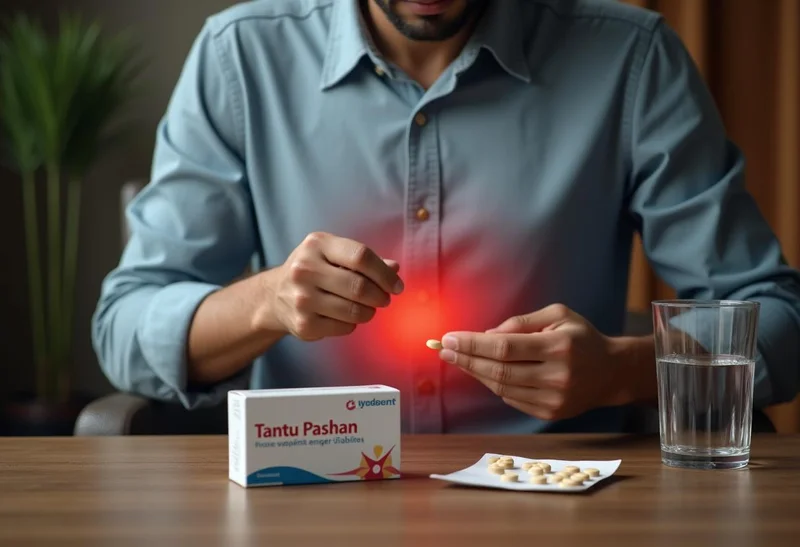
Tantu Pashan Tablet is a classical Ayurvedic formulation manufactured by Sagar Pharma, primarily used in the management of epilepsy (Apasmara) — including grand mal, petit mal, focal epilepsy, and myoclonic jerks. Each tablet contains Maricha (Piper nigrum), Chavya (Piper chaba), and Tantu Pashan Bhasma, a unique mineral-origin ash preparation derived from asbestos-group minerals. Unlike what some websites incorrectly claim, this is not a kidney stone remedy — it is a dedicated anti-epileptic Ayurvedic medicine with a specific 40-day treatment protocol involving massive and maintenance dosing phases.
If you've landed here searching for clarity on what Tantu Pashan Tablet actually does, how to take it, and whether it's safe, you're in the right place. Let's break down everything you need to know.
What Is Tantu Pashan Tablet?
Tantu Pashan Tablet is a proprietary Ayurvedic anti-epileptic medicine formulated according to classical Ayurvedic pharmacological principles. It is designed to reduce the frequency, intensity, and duration of epileptic seizures by restoring normal neuronal activity in the brain. The formulation combines two herbal ingredients with a mineral bhasma (calcined ash), creating a synergistic action that targets the underlying doshic imbalance responsible for convulsive disorders.
In Ayurveda, epilepsy falls under the category of Apasmara — a condition primarily involving vitiation of Vata dosha along with disturbances in Pitta and sometimes Kapha. Tantu Pashan Tablet addresses this by combining ingredients that pacify Vata, enhance neural conductivity, and strengthen the Majja Dhatu (nervous tissue).
Manufacturer — Sagar Pharma
Tantu Pashan Tablet is manufactured by Sagar Pharma, an Ayurvedic pharmaceutical company known for its specialized neurological formulations. The product is available in blister packs of 12 × 10 tablets (120 tablets per box), which is designed to cover approximately one full treatment course of 40 days.
What Is Tantu Pashan Bhasma? (Origin & Preparation)
This is something no competitor website has adequately explained, and it's probably the most fascinating aspect of this medicine.
Tantu Pashan literally translates to "fibrous stone" — it refers to minerals from the chrysotile/asbestos family. In Ayurvedic pharmacology, this raw mineral undergoes a rigorous purification and calcination process before it becomes therapeutically usable:
- 1.Shodhana (Purification): The raw mineral is repeatedly soaked in herbal decoctions (often Triphala Kashaya or cow's urine) and heated to remove toxic impurities. This step is absolutely critical — raw mineral substances are never used directly in Ayurveda.
- 2.Marana (Calcination/Incineration): The purified mineral is ground into fine paste with herbal juices, formed into small cakes, dried, and then subjected to intense heat in a sealed crucible (sharava samputa). This process is repeated multiple times (sometimes 10-20 cycles) until the material achieves bhasma status.
- 3.Quality Tests: The final bhasma must pass several classical tests — Rekhapurna (fine enough to settle into fingerprint lines), Varitara (floats on water), and Nishchandratva (no metallic lustre). Only then it is considered safe for internal use.
The resulting Tantu Pashan Bhasma is a nano-particulate mineral preparation that, according to Ayurvedic theory, can cross the blood-brain barrier more effectively than crude mineral preparations.
Ayurvedic Pharmacology (Rasa, Guna, Veerya, Vipaka)
| Property | Value |
|---|---|
| Rasa (Taste) | Kashaya (Astringent), Tikta (Bitter) |
| Guna (Quality) | Laghu (Light), Ruksha (Dry) |
| Veerya (Potency) | Ushna (Hot) |
| Vipaka (Post-digestive effect) | Katu (Pungent) |
| Dosha Karma | Primarily Vata-shamaka; also balances Kapha |
| Dhatu Affinity | Majja (Nervous tissue), Rakta (Blood) |
The hot potency and pungent post-digestive effect of this formulation help in penetrating deep tissues (Majja Dhatu), while the astringent taste provides a stabilizing effect on erratic neuronal firing.
Key Ingredients & Composition
Each Tantu Pashan Tablet contains three carefully proportioned active ingredients. Let's look at what each one does and why it's in the formula.
| Ingredient | Botanical/Mineral Name | Quantity per Tablet | Primary Action |
|---|---|---|---|
| Maricha | Piper nigrum (Black Pepper) | 180 mg | Bio-enhancer, Vata-pacifying, improves CNS penetration |
| Chavya | Piper chaba (Java Long Pepper) | 80 mg | Deepana (digestive fire enhancer), Vata-shamaka |
| Tantu Pashan Bhasma | Chrysotile-derived mineral ash | 140 mg | Anti-convulsant, nervine stabilizer |
| Total weight | 400 mg |
Maricha (Piper nigrum) — 180 mg
Maricha isn't just a kitchen spice. It contains piperine, a compound extensively studied for its ability to enhance bioavailability of co-administered substances — sometimes by 200-300%. In this formulation, Maricha serves as a Yogavahi (bio-enhancer), ensuring that the Tantu Pashan Bhasma reaches neural tissues more effectively. Piperine also has documented anticonvulsant properties on its own; a 2014 study published in the Iranian Journal of Basic Medical Sciences demonstrated that piperine significantly increased the seizure threshold in pentylenetetrazole-induced seizure models in mice.
Additionally, Maricha is a potent Vata-shamaka — it calms the erratic energy that Ayurveda associates with convulsive disorders.
Chavya (Piper chaba) — 80 mg
Chavya belongs to the same Piperaceae family as Maricha but has distinct pharmacological properties. It acts primarily as a Deepana (kindler of digestive fire) and Srotoshodhaka (channel purifier). In the context of epilepsy treatment, Chavya helps ensure proper absorption of the bhasma component and clears Srotas (micro-channels) that may be obstructed, particularly the Manovaha Srotas (mind-carrying channels).
Tantu Pashan Bhasma — 140 mg
The star ingredient. After the elaborate Shodhana and Marana processes described above, this bhasma contains bioavailable mineral elements — primarily silicates and magnesium compounds in nano-particulate form. In Ayurvedic terms, it acts as a Medhya (intellect-promoting) and Vata-Vyadhi-nashaka (destroyer of Vata disorders).
How the Ingredients Work Together (Mechanism of Action)
Here's where things get interesting — and where every competitor falls short.
No published study has fully elucidated the exact pharmacological mechanism of Tantu Pashan Bhasma on neuronal activity. However, based on the preclinical evidence and Ayurvedic pharmacological reasoning, here's what we can piece together:
- 1.Mineral stabilization of neuronal membranes: The magnesium-rich silicate compounds in Tantu Pashan Bhasma may help stabilize neuronal cell membranes, reducing the hyperexcitability that leads to seizure discharge. Magnesium is a known natural calcium channel blocker and NMDA receptor antagonist — both mechanisms relevant to seizure prevention.
- 2.Enhanced bioavailability via piperine: Maricha's piperine ensures the nano-particulate bhasma achieves sufficient concentration in the central nervous system.
- 3.Channel purification: Chavya clears obstructed Manovaha Srotas, allowing the formulation to reach brain tissue efficiently.
- 4.Vata pacification: All three ingredients have Ushna Veerya (hot potency), which directly counters the cold, erratic quality of vitiated Vata — the dosha primarily responsible for Apasmara.
Think of it as a three-pronged approach: stabilize the neurons, deliver the medicine where it needs to go, and correct the underlying energetic imbalance.
Indications & Therapeutic Uses
Tantu Pashan Tablet is primarily indicated for epilepsy and convulsive disorders.
Here are the specific conditions it is used for:
Grand Mal Epilepsy (Generalized Tonic-Clonic Seizures)
This is the primary indication. Grand mal seizures involve loss of consciousness followed by tonic (stiffening) and clonic (jerking) phases. Tantu Pashan Tablet aims to reduce the frequency of these episodes and, over time, achieve seizure-free status in some patients.
Petit Mal Epilepsy (Absence Seizures)
Characterized by brief episodes of "blanking out," absence seizures can occur dozens of times per day. The formulation helps by stabilizing the thalamo-cortical neural circuits believed to generate these absence episodes.
Focal Epilepsy
When seizure activity originates in a specific brain region, Tantu Pashan Tablet can help reduce the spread of abnormal electrical discharge from the focal point.
Myoclonic Jerks
Sudden, brief involuntary muscle twitches — particularly common in juvenile myoclonic epilepsy — also respond to this formulation according to practitioners who use it regularly.
Restoring Normal Neuronal Activity
Beyond controlling visible seizures, the formulation is believed to gradually normalize underlying brain electrical patterns. Some Ayurvedic practitioners report improvements in EEG patterns after complete treatment courses, though published clinical data on this specific claim remains limited.
> Important clarification: Some websites describe Tantu Pashan Tablet as a kidney stone remedy. This confusion arises because there exist different Ayurvedic products with similar names — some containing Pashanbheda (Bergenia ligulata) and Gokshura (Tribulus terrestris) targeted at urolithiasis. The Tantu Pashan Tablet by Sagar Pharma discussed in this article is exclusively an anti-epileptic formulation and should not be confused with nephrological products.
Dosage & Administration
- The dosage protocol for Tantu Pashan Tablet is unlike most Ayurvedic medicines.
- It follows a distinctive two-phase approach — a high-dose initial phase followed by a lower maintenance phase. This is one of the most critical sections to understand, so pay close attention.
Massive Dose Protocol (10 Days with Pathya)
During the first 10 days, patients take a significantly higher dose accompanied by strict dietary restrictions (Pathya):
| Day | Morning Dose | Afternoon Dose | Evening Dose | Night Dose | Total Tablets/Day |
|---|---|---|---|---|---|
| Day 1-2 | 2 tablets | 2 tablets | 2 tablets | 2 tablets | 8 |
| Day 3-4 | 3 tablets | 3 tablets | 3 tablets | 3 tablets | 12 |
| Day 5-6 | 4 tablets | 4 tablets | 4 tablets | 4 tablets | 16 |
| Day 7-8 | 3 tablets | 3 tablets | 3 tablets | 3 tablets | 12 |
| Day 9-10 | 2 tablets | 2 tablets | 2 tablets | 2 tablets | 8 |
Anupana (adjuvant): Tablets should be taken with warm milk or warm water.
Notice the pyramid pattern — doses escalate over the first 6 days, peak at 16 tablets per day, then taper back down. This is designed to achieve a therapeutic loading concentration of the active ingredients in nervous tissue.
Maintenance Dose Protocol (30 Days without Pathya)
After the intensive 10-day phase, patients transition to a maintenance dose:
- 2 tablets, twice daily (morning and evening) for 30 consecutive days
- Strict dietary restrictions (Pathya) are no longer required during this phase
- Total: 4 tablets per day
Complete Treatment Schedule — 40-Day Course
| Phase | Duration | Daily Dose | Pathya Required | Total Tablets Used |
|---|---|---|---|---|
| Massive Dose | 10 days | 8-16 (varies) | Yes | ~112 tablets |
| Maintenance Dose | 30 days | 4 | No | 120 tablets |
| Total Course | 40 days | — | — | ~232 tablets |
Some practitioners recommend repeating the full 40-day course after a gap of 2-4 weeks if seizure control is not yet adequate. Maximum number of courses should be determined by a qualified Ayurvedic physician based on individual response.
Dosage for Children (Pediatric Considerations)
This is a significant gap in all available literature. No competitor or even the manufacturer provides explicit pediatric dosing guidelines.
Based on general Ayurvedic principles:
- Children under 5 years: Tantu Pashan Tablet should NOT be administered without direct supervision by a qualified Ayurvedic physician. The massive dose protocol is generally not suitable for very young children.
- Children 5-12 years: Half of the adult dose is the general guideline used by some practitioners, but this must be individualized.
- Adolescents 12-16 years: Adult doses may be used with caution, particularly during the massive dose phase where some practitioners prefer to cap the peak dose at 12 tablets/day instead of 16.
Always consult a qualified Ayurvedic doctor before administering this medicine to children.
Pathya — Dietary Guidelines During Treatment
The Pathya (dietary regimen) during the Massive Dose phase is not optional — it is considered an integral part of the therapy. Ignoring it can reduce efficacy and increase the risk of side effects.
Foods to Avoid During Massive Dose Phase
- Sour foods: Citrus fruits, tamarind, vinegar, fermented foods, pickles
- Salty foods: Excessive salt, papad, preserved/canned foods
- Spicy/pungent foods: Chillies, mustard, excessive garlic
- Heavy-to-digest foods: Fried food, red meat, cheese, urad dal
- Stimulants: Tea, coffee, alcohol, tobacco
- Stale or reheated food (Paryushita Ahara)
Recommended Foods & Diet
- Freshly cooked, light meals — rice, moong dal khichdi, roti with ghee
- Mild vegetables — bottle gourd (lauki), ridge gourd, parwal, pumpkin
- Fruits — sweet pomegranate, ripe banana, apple, grapes
- Milk and ghee — especially cow's milk and cow's ghee
- Adequate hydration — warm water throughout the day
Role of Milk & Ghee in Tantu Pashan Therapy
This might seem like a small detail, but it's actually quite significant.
Milk and ghee serve dual purposes:
- 1.Anupana function: Ghee and milk are lipophilic carriers that enhance the absorption of bhasma preparations across the intestinal wall and blood-brain barrier. Tantu Pashan Bhasma, being a mineral preparation, benefits enormously from this fat-based delivery system.
- 2.Protective function: During the massive dose phase when patients are consuming up to 16 tablets daily, milk and ghee help coat the gastric mucosa and prevent stomach irritation — one of the most commonly reported side effects.
Don't wait or self medicate. Start chat with Doctor NOW
Use with Conventional Anti-Epileptic Drugs
This is a question many patients and caregivers have. Can you take Tantu Pashan Tablet alongside western anticonvulsants like phenytoin, valproate, carbamazepine, or levetiracetam?
How to Taper Off Anticonvulsants Safely
According to practitioners experienced with this formulation, the recommended approach is:
- Do NOT abruptly stop any conventional anti-epileptic drug when starting Tantu Pashan Tablet. Sudden withdrawal of anticonvulsants can trigger status epilepticus — a life-threatening condition.
- Continue both simultaneously during the first 40-day course.
- Gradual tapering of the conventional drug may be considered only after significant clinical improvement (reduction in seizure frequency by >50%) and preferably after EEG assessment.
- Tapering should be done under medical supervision — typically reducing the western drug by 25% every 2-4 weeks while monitoring for breakthrough seizures.
Some patients eventually achieve seizure control with Tantu Pashan alone. Others may continue a reduced dose of their conventional medication alongside Ayurvedic treatment indefinitely. There's no one-size-fits-all answer here.
Drug Interactions & Precautions
- Piperine (from Maricha) can increase the bioavailability of many drugs, including phenytoin and carbamazepine. This means blood levels of these drugs may rise, potentially causing toxicity. Patients on narrow therapeutic index drugs should have their drug levels monitored more frequently.
- Avoid combining with CNS depressants (benzodiazepines, barbiturates) in high doses, as the sedative effect may be amplified.
- Inform your neurologist that you are taking an Ayurvedic preparation containing piperine. This is non-negotiable.
Scientific Evidence & Research
Let's be honest about where the evidence stands — because credibility matters more than hype.
Preclinical Studies (Animal Models)
The most notable study is the one published on platforms like ResearchGate, which evaluated the anti-convulsant effect of Tantu Pashan formulation on electrically and chemically induced seizures in mice.
Key findings:
- The formulation showed significant protection against maximal electroshock seizures (MES) — a standard screening model for drugs effective against grand mal epilepsy.
- It also demonstrated activity against pentylenetetrazole (PTZ)-induced seizures — a model used to evaluate drugs effective against petit mal/absence seizures.
- The dual activity against both MES and PTZ models is noteworthy, as many conventional anticonvulsants are effective against only one type.
This dual mechanism is rare even among allopathic drugs. For context, phenytoin works primarily in MES models, while ethosuximide works primarily in PTZ models. A drug showing activity in both is pharmacologically significant.
Clinical Observations
No randomized controlled trials (RCTs) on humans have been published in indexed journals as of 2025. However, several Ayurvedic practitioners have reported clinical observations in case series and institutional studies:
- Reports of 60-70% seizure frequency reduction in patients completing two or more 40-day courses
- Some patients achieving complete seizure freedom after 3-4 courses (approximately 6 months)
- Improvements in cognitive function and alertness — likely because the patient can reduce the dose of sedating conventional drugs
These observations, while promising, lack the rigorous methodology of double-blind RCTs. More research is clearly needed.
Comparison with Western Anticonvulsants
| Parameter | Tantu Pashan Tablet | Conventional AEDs (e.g., Phenytoin, Valproate) |
|---|---|---|
| Onset of action | Gradual (weeks to months) | Rapid (hours to days) |
| Seizure control rate | Reported ~60-70% (observational) | 60-80% (RCT-proven) |
| Side effect profile | GI irritation, generally mild | Hepatotoxicity, weight gain, teratogenicity, cognitive dulling |
| Long-term dependence | Not reported | Common; withdrawal seizures possible |
| Cost per month | ₹200-400 | ₹100-2000+ depending on drug |
| Evidence quality | Preclinical + observational | Multiple RCTs, meta-analyses |
| Availability | Limited (Ayurvedic pharmacies) | Widely available |
The bottom line: Tantu Pashan Tablet is not a proven replacement for conventional AEDs in acute or severe epilepsy. It may serve as an adjunct therapy or, in mild cases, a potential alternative — but only under qualified medical supervision.
Side Effects & Safety Profile
Common Side Effects
- Gastric irritation / Stomach discomfort — This is the most frequently reported side effect, especially during the massive dose phase when patients take 12-16 tablets per day.
- Mild nausea — Usually transient, resolving within 30-60 minutes of dosing.
- Loose stools — Occasionally reported, likely due to the piperine content.
- Sensation of warmth / heat in the body — Consistent with the Ushna Veerya of the formulation.
Stomach Irritation & How to Manage It
Since this is the primary concern, here's how to minimize it:
- Never take on an empty stomach — always consume tablets with or immediately after food.
- Use milk as anupana — the fat and protein in milk buffer gastric irritation.
- Add a teaspoon of ghee to your meals during the massive dose phase.
- If irritation persists, consult your Ayurvedic physician about temporary dose reduction or adding a mucoprotective herb like Yashtimadhu (Glycyrrhiza glabra).
Long-Term Safety
One of the claimed advantages of Ayurvedic bhasma preparations is the absence of organ-level toxicity when prepared correctly.
However, it's important to note:
- No long-term safety studies (>1 year of continuous use) have been published for Tantu Pashan Tablet specifically.
- The bhasma undergoes extensive purification, but quality can vary between manufacturers. Only use products from reputable companies like Sagar Pharma.
- Periodic liver and kidney function tests are advisable for patients on multiple courses, especially those also taking conventional AEDs.
Contraindications & Precautions
This is another area where competitor websites are remarkably silent. Based on Ayurvedic principles and general pharmacological reasoning:
Pregnancy & Breastfeeding
Tantu Pashan Tablet is contraindicated during pregnancy. The Ushna Veerya (hot potency) and the mineral bhasma content make it unsuitable for pregnant women. The massive dose protocol in particular poses unacceptable risk. Breastfeeding mothers should also avoid this formulation unless specifically cleared by both their Ayurvedic physician and pediatrician.
Pre-Existing Conditions
Exercise caution or avoid entirely in the following situations:
- Active gastric or duodenal ulcers — the piperine and bhasma combination will aggravate ulceration
- Severe hepatic impairment — reduced capacity to process mineral compounds
- Severe renal impairment — impaired excretion of mineral metabolites
- Known hypersensitivity to black pepper or related Piperaceae species
When Not to Self-Medicate
Epilepsy is a serious neurological condition.
Self-medicating with Tantu Pashan Tablet — especially while taking conventional anticonvulsants — can be dangerous. The massive dose protocol in particular requires professional guidance.
If you're considering this formulation:
- Consult a qualified Ayurvedic physician (BAMS or MD Ayurveda) experienced in neurological conditions
- Inform your neurologist
- Do not modify your existing anti-epileptic medication without medical guidance
Price, Packaging & Where to Buy
Price Comparison Across Pharmacies
| Source | Price (approx.) | Pack Size |
|---|---|---|
| Pharmayush (online) | ₹180 - ₹220 | 120 tablets |
| Flipkart | ₹200 - ₹250 | 120 tablets |
| Local Ayurvedic pharmacies | ₹150 - ₹200 | 120 tablets |
Prices may vary by region and availability. As of mid-2025.
Given that a full 40-day course requires approximately 232 tablets (roughly 2 packs), the total cost per course is approximately ₹350-500 — remarkably affordable compared to conventional anti-epileptic drugs.
Packaging Details
- Blister pack: 12 strips × 10 tablets = 120 tablets per box
- Each tablet: 400 mg total weight
- Shelf life: Typically 3-5 years from manufacture (bhasma preparations have excellent shelf stability)
- Storage: Store in a cool, dry place away from direct sunlight. Keep out of reach of children.
How to Verify Authenticity
- Check for the Sagar Pharma name and logo on the packaging
- Look for a valid manufacturing license number and batch number
- Verify the manufacturing and expiry dates are clearly printed
- Buy from authorized retailers or established Ayurvedic pharmacy websites
- If the price seems too low or the packaging looks different from standard images — don't buy it
Frequently Asked Questions (FAQ)
What is the use of Tantu Pashan Tablet?
- Tantu Pashan Tablet by Sagar Pharma is primarily used for the management of epilepsy and seizure disorders, including grand mal epilepsy, petit mal epilepsy, focal epilepsy, and myoclonic jerks.
- It is not a kidney stone medicine — some websites confuse it with differently formulated products of a similar name.
How long does it take to see results from Tantu Pashan Tablet?
Most practitioners report noticeable reduction in seizure frequency after completing the first 40-day course. However, significant and sustained improvement typically requires 2-3 complete courses (approximately 3-5 months). Individual response varies based on seizure type, severity, duration of illness, and compliance with Pathya.
Can Tantu Pashan Tablet be used for urinary tract infections or kidney stones?
No. The Sagar Pharma Tantu Pashan Tablet discussed in this article is an anti-epileptic formulation. The confusion arises because other Ayurvedic products with "Pashan" in the name (like those containing Pashanbheda) are used for urolithiasis. Always check the ingredient list and manufacturer.
Are there any side effects of using Tantu Pashan Tablet?
The most common side effect is mild gastric irritation, especially during the massive dose phase. Taking the tablets with milk and after food significantly reduces this. Serious adverse effects have not been commonly reported when the medicine is used as directed under professional supervision.
What is Tantu Pashan Bhasma in English?
Tantu Pashan Bhasma can be translated as "calcined fibrous stone ash." It is a processed mineral preparation derived from chrysotile (a mineral in the asbestos group), purified and incinerated according to classical Ayurvedic pharmaceutical methods to render it therapeutically active and safe for internal consumption.
Where can I buy authentic Tantu Pashan Tablet?
Authentic Tantu Pashan Tablets can be purchased from established Ayurvedic pharmacies, online platforms like Pharmayush and Flipkart, and directly through Ayurvedic practitioners. Always verify that the manufacturer is Sagar Pharma and check for proper batch numbers and expiry dates.
Can children take Tantu Pashan Tablet?
Children above 5 years may be given Tantu Pashan Tablet at reduced doses, but only under direct supervision of a qualified Ayurvedic physician. The massive dose protocol is generally modified for pediatric patients, and the decision must account for the child's weight, seizure type, and overall constitution.
Can I stop my allopathic seizure medicine after starting Tantu Pashan?
Absolutely not — not without medical guidance. Abruptly stopping conventional anticonvulsants can trigger rebound seizures or status epilepticus. If Tantu Pashan Tablet proves effective, your doctor may gradually taper the allopathic medication over weeks to months. This should always be a collaborative decision between your neurologist and Ayurvedic practitioner.
Final Thoughts
Tantu Pashan Tablet occupies a unique space in the Ayurvedic pharmacopeia — a classical mineral-herbal formulation backed by preclinical evidence and decades of clinical use by Ayurvedic practitioners, yet still awaiting robust clinical trials to satisfy evidence-based medicine standards. Its distinctive 40-day treatment protocol, the fascinating pharmacology of Tantu Pashan Bhasma, and its affordability make it a noteworthy option for patients seeking integrative approaches to epilepsy management.
That said, epilepsy is not a condition to take lightly. Whether you choose Ayurvedic treatment, conventional medicine, or a combination of both — do so under the guidance of qualified healthcare professionals. The best outcomes happen when patients are honest with all their doctors about every medicine they take.
If you're considering Tantu Pashan Tablet, take this article to your next appointment. Discuss it with your doctor. Ask questions. Make informed decisions.
Disclaimer: This article is for informational purposes only and should not be considered medical advice. Always consult a qualified healthcare practitioner before starting any new medication or making changes to your existing treatment plan.
Scientific Sources
- A TLC-Direct Bioautography Method for Detection of Antiurolithiatic Metabolites — Patil AS et al., 2017, Journal of chromatographic science
- Urolithic property of Varuna (Crataeva nurvala): An experimental study — Agarwal S et al., 2010, Ayu
- Antibacterial and antibiofilm activities of extract and bioactive compounds from Bergenia ciliata (Haw.) Sternb. flowers against Streptococcus mutans through cell membrane damage — Moktan N et al., 2025, Journal of ethnopharmacology
- A critical review on two types of Laghupanchamula — Ghildiyal S et al., 2012, Ayu
- Clinical study of Tribulus terrestris Linn. in Oligozoospermia: A double blind study — Sellandi TM et al., 2012, Ayu
- Potential therapeutic use of Indian medicinal plants for preeclampsia management — Wazib S et al., 2025, Journal of Ayurveda and integrative medicine
- Clinical efficacy of Gokshura-Punarnava Basti in the management of microalbuminuria in diabetes mellitus — Ramteke RS et al., 2012, Ayu
- Wound healing and antimicrobial activity of two classical formulations of Laghupanchamula in rats — Ghildiyal S et al., 2015, Journal of Ayurveda and integrative medicine
- Ayurvedic drug induced liver injury — Dalal KK et al., 2017, World journal of hepatology
- Effective management Alopecia totalis by Ayurveda - A case report — Patil SB et al., 2023, Journal of Ayurveda and integrative medicine
- Suspected Cutaneous Allergic Reactions with Ayurveda Medicine Punaranava Mandura: A Case Report — Roseleena S et al., 2025, Current drug safety
- Ethnomedicinal values of Boerhaavia diffusa L. as a panacea against multiple human ailments: a state of art review — Das S et al., 2023, Frontiers in chemistry
- Phytochemical profile and hepatoprotective potentiality of Phyllanthus genus: a review — Pratima H et al., 2025, The Journal of pharmacy and pharmacology
- Effect of selected Samana and Vicitra Pratyayarabdha Dravya w.s.r. to Vipaka — Jadoun A et al., 2013, Ayu
- Effect of Ayurvedic management in 130 patients of diabetic nephropathy — Patel K et al., 2011, Ayu
- Pharmacognostic evaluation of leaves of certain Phyllanthus species used as a botanical source of Bhumyamalaki in Ayurveda — Sharma SK et al., 2011, Ayu
- Efficacy and safety of livwin (polyherbal formulation) in patients with acute viral hepatitis: A randomized double-blind placebo-controlled clinical trial — Keche Y et al., 2010, International journal of Ayurveda research
- Role of Vacha (Acorus calamus Linn.) in Neurological and Metabolic Disorders: Evidence from Ethnopharmacology, Phytochemistry, Pharmacology and Clinical Study — Sharma V et al., 2020, Journal of clinical medicine
- Anticonvulsant activity of raw and classically processed Vacha (Acorus calamus Linn.) rhizomes — Bhat SD et al., 2012, Ayu
- Preliminary physico-chemical profile of Brahmi Ghrita — Yadav KD et al., 2013, Ayu
- Case Study on Management of Overweight (Sthoulya) through Ayurveda — Pardhekar AD et al., 2024, Journal of pharmacy & bioallied sciences
- Phytochemical, Pharmacological, and Therapeutic Benefit of Acorus Calamus (Vacha): A Comprehensive Scientific Review — Middha SK et al., 2026, Mini reviews in medicinal chemistry
Questions from users
What are the primary actions of each ingredient in Tantu Pashan Tablet?
Kendall
5 days ago
The primary actions of each ingredient in Tantu Pashan Tablet are as follows: Maricha, or black pepper (Piper nigrum), functions as a bio-enhancer, meaning it helps improve the absorption of other compounds, pacifies Vata, and enhances central nervous system penetration. Chavya, or Java long pepper (Piper chaba), enhances digestive fire and also pacifies Vata. Tantu Pashan Bhasma, derived from chrysotile mineral ash, serves as an anti-convulsant and stabilizes the nerves. If considering Tantu Pashan Tablet for specific health conditions, consulting with a healthcare provider is advisable for personalized advice.
How should I taper anticonvulsants while taking Tantu Pashan for seizures?
Morgan
14 days ago
To taper anticonvulsants safely while on Tantu Pashan, you should wait until you see a big improvement in your seizures, like over 50% less, maybe after an EEG check. Then, reduce the anticonvulsant by 25% every 2-4 weeks, but always under a doctor's care to avoid any risks. It's really important to do this with medical guidance to prevent any issues.
Can Tantu Pashan Tablet cause any side effects when taken with allopathic medications?
Julian
24 days ago
Combining Tantu Pashan Tablet with allopathic meds can cause interactions. It's crucial to check with your doc first since mixing remedies can affect doshas and cause unexpected reactions. Try consulting someone who understands both approaches for a safe path forward!
What is the best way to use Bhumyamalaki for kidney stone prevention?
Andrew
35 days ago
For kidney stone prevention, Bhumyamalaki can be made into a tea or taken as a powder with warm water, ideally on an empty stomach. It's good to combine it with lifestyle changes like staying hydrated & consulting an Ayurvedic practitioner to ensure the dose is right for your dosha. Remember, always check in with a health pro before starting anything new!
How does Vacha help reduce pain from kidney stones?
Logan
45 days ago
Vacha is believed to help with kidney stone pain by soothing the inflammation and discomfort in the urinary tract. Its detoxifying action may assist in breaking down stones, making them easier to pass. Always good idea to consult with a practitioner for personalized advice, and maybe do a patch test if u plan to use topically!
Can Tantu Pashan Tablet improve kidney function in people with chronic kidney disease?
Tiffany
54 days ago
Tantu Pashan Tablet is mainly known for its effectiveness with kidney stones and supporting urinary health, due to its diuretic effects. It might help enhance kidney function by detoxifying the urinary system, but its specific effects on chronic kidney disease need more research. Always best to consult with an Ayurvedic practitioner for personalized advice.
Can Gokshura and Punarnava help relieve kidney pain?
Uriah
64 days ago
Yes, Gokshura and Punarnava can help! They support kidney filtration and help flush out toxins, which could potentially relieve kidney pain. But since everyone's body is unique, it's super important to consult with an Ayurvedic practitioner to make sure it's a good fit for you. Hope that helps a bit!
What is the role of diuretics in preventing kidney stones and how does Tantu Pashan Tablet fit in?
Lucy
74 days ago
Diuretics help prevent kidney stones by increasing urine flow, flushing out minerals that can form stones. Tantu Pashan Tablet includes herbs like Pashanbheda and Gokshura that act as natural diuretics, supporting this process. It balances Kapha and Pitta doshas, too. Always good to consult a practitioner before use, especially if overuse might dehydrate you!
Can Tantu Pashan Tablet interact with other medications for urinary health?
Wallace
83 days ago
Tantu Pashan Tablet might interact with other medications, especially those affecting urinary health cuz it has diuretic effects and influences urine flow. It's a good idea to check with an Ayurvedic practitioner or healthcare professional to be sure there's no unwanted interaction or side effect. Better safe!
Can Tantu Pashan Tablet help with kidney stones if I have a history of UTIs?
Xanthe
93 days ago
Yes, Tantu Pashan Tablet can potentially help with kidney stones and might also help prevent UTIs. Ingredients like Gokshura and Punarnava have antimicrobial properties that could aid in clearing out harmful bacteria. But, its always best to consult an ayurvedic practitioner to consider your individual history!
Related articles
Gastrointestinal Disorders
Audumbaravleha – Ayurvedic Remedy for Digestive and Respiratory Health
Savor the benefits of Audumbaravleha, an Ayurvedic herbal jam that boosts immunity, aids digestion, and promotes overall wellness. Discover the sweet path to natural h
3,209

Gastrointestinal Disorders
Patanjali Divya Udarkalp Churna
Exploration of Patanjali Divya Udarkalp Churna
3,279

Gastrointestinal Disorders
How to Get Rid of a Stomach Ache in 5 Minutes: Quick Ayurvedic Relief
Get rid of a stomach ache in 5 minutes: discover Ayurvedic remedies, yoga poses, essential oils, and quick tips for gas pain, IBS, and stomach cramps relief
3,660
Gastrointestinal Disorders
Ayurvedic Medicine for Blood Clots: A Science-Based Overview
Explore how ayurvedic medicine for blood clot prevention complements modern therapies. Learn about research, best practices, and safe usage.
4,116

Gastrointestinal Disorders
Drakshadi Kashayam Weight Loss: Detoxify and Slim Down Naturally
Discover how Drakshadi Kashayam supports weight loss through Ayurvedic principles. Learn about its benefits, usage, and holistic approach to shedding pounds naturally.
4,118

Gastrointestinal Disorders
Drakshadi Kashayam Benefits Dose Side Effects And Ingredients
Exploration of Drakshadi Kashayam Benefits Dose Side Effects And Ingredients
3,155
Gastrointestinal Disorders
Amorex Tablet: Ayurvedic Benefits and How It Supports Well-being
Discover the uses, benefits, proper dosage, and scientific research behind Amorex Tablet, a potent pharmaceutical formulation for enhancing health and well-being.
4,146
Gastrointestinal Disorders
Kapardika Bhasma: Seashell-Based Ayurvedic Remedy for Digestive Health
Discover Kapardika Bhasma, an Ayurvedic mineral preparation made from conch shell. Learn about its benefits, traditional uses, dosage guidelines, and safety precautions for holistic health.
2,991

Gastrointestinal Disorders
Pothin Dravakam – Ayurvedic Elixir for Vitality and Healing
Discover Pothin Dravakam uses, benefits, dosage, and how this Ayurvedic formulation supports health. Learn ancient remedies and modern applications for wellness.
3,360

Gastrointestinal Disorders
What Causes Jelly-Like Mucus in Stool
What causes jelly-like mucus in stool? Discover Ayurvedic causes of digestive mucus, types like clear or red jelly, and natural ways to balance your gut and reduce symptoms
30,371
Related consultations on the topic
Legal
Additional Documents
© 2024 Ask Ayurveda. All rights reserved.