Ask Ayurvedic doctor a question and get a consultation online on the problem of your concern in a free or paid mode. More than 2,000 experienced doctors work and wait for your questions on our site and help users to solve their health problems every day.
FREE! Ask Ayurvedic Doctors 24/7

 Fast responses
 1000+ verified doctors
Body DetoxEar, Nose, and Throat DisordersGeriatrics & RejuvenationImmunodeficiencyInfertility TreatmentNutritionOrthopedic DisordersPediatricsRespiratory DisordersSexually Transmitted Diseases (STDs)Surgery RecoveryUrological DisordersVascular DisordersDental DisordersEndocrinological DisordersGastrointestinal DisordersYoga TherapyGeneral MedicineAllergic DisordersCardio DisordersGynecology and ObstetricsCosmetologySkin and Hair DisordersEye DisordersInfectious DiseasesMental DisordersNeurological DisordersOncologyPanchakarmaSexual Health & DisordersSports Medicine
Published on 10/11/24
(Updated on 07/09/26)
4,341
Lymphatic system
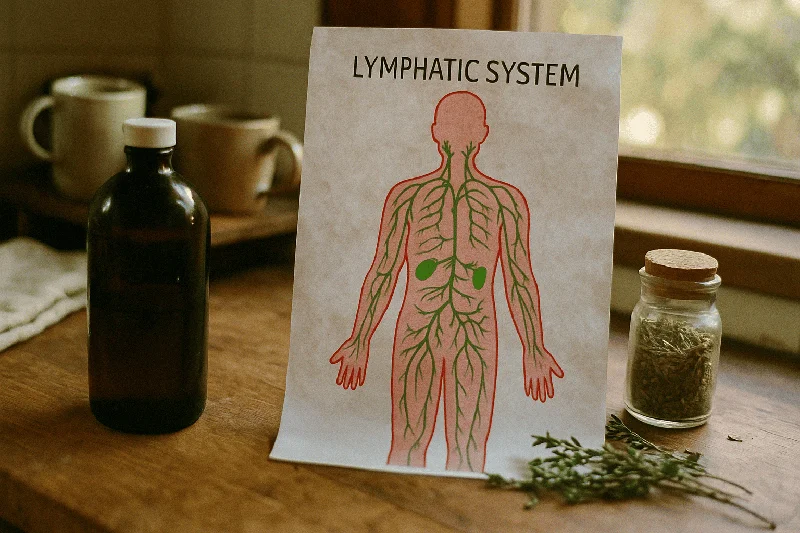
The lymphatic system is a complex network of tissues, organs, and vessels that runs throughout your entire body, working silently to maintain fluid balance, absorb dietary fats, and defend you against infections. Think of it as your body's drainage and security system combined — it collects excess fluid that leaks out of blood capillaries into tissues, filters it through lymph nodes, and returns it to the bloodstream while scanning for pathogens, damaged cells, and other threats.
Despite being as widespread as the circulatory system, the lymphatic system often gets overlooked — until something goes wrong. Swollen lymph nodes during a cold, unexplained swelling in a limb, or a cancer diagnosis that involves "lymph node staging" suddenly bring this hidden network into focus. In this comprehensive guide, we'll cover everything you need to know: its anatomy, how it works step by step, the diseases that affect it, and practical ways to support its health.
What Is the Lymphatic System and Its Function?
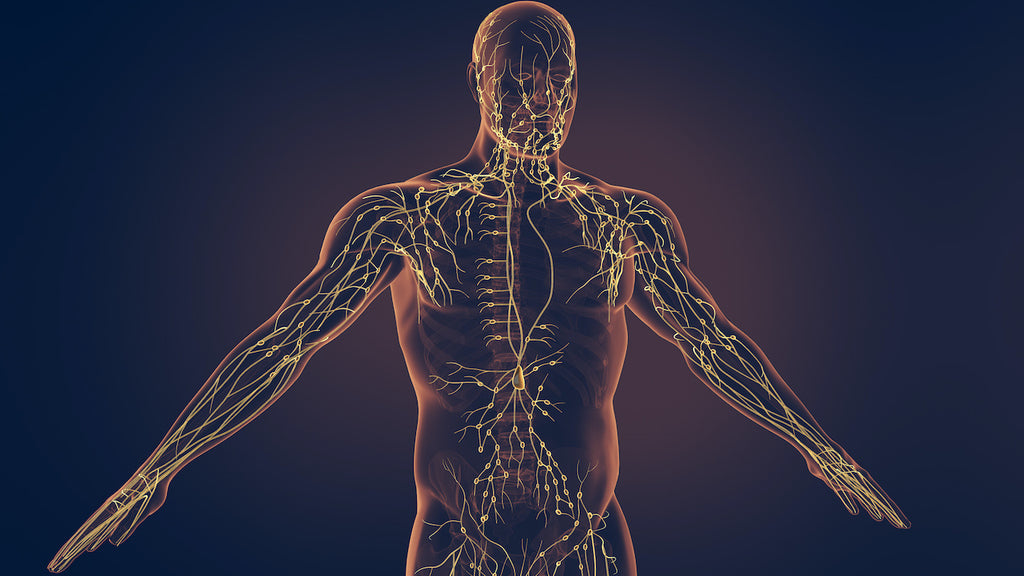
The lymphatic system is part of both the immune system and the circulatory system. It consists of a vast network of lymphatic vessels (similar to veins and capillaries), lymph nodes, and several organs — including the spleen, thymus, tonsils, adenoids, and bone marrow.
Together, these components perform three essential functions:
- 1.Fluid balance: Every day, approximately 20 liters of plasma flow through your arterial blood capillaries into body tissues. About 17 liters are reabsorbed directly back into venous blood. The remaining 3 liters seep into lymphatic capillaries as lymph and are eventually returned to the bloodstream. Without this drainage, your tissues would swell dangerously within hours.
- 2.Immune defense: Lymph nodes and lymphoid organs act as checkpoints. As lymph passes through them, immune cells — particularly lymphocytes (B-cells and T-cells) — identify and destroy bacteria, viruses, and abnormal cells. This is why your lymph nodes swell when you're sick; they're actively fighting infection.
- 3.Fat absorption: Specialized lymphatic capillaries called lacteals line the small intestine. They absorb dietary fats and fat-soluble vitamins (A, D, E, K) that are too large to enter blood capillaries directly. The milky fluid produced is called chyle, which eventually drains into the bloodstream.
How Does the Lymphatic System Work?
Unlike the cardiovascular system, the lymphatic system has no central pump. There's no "lymphatic heart." Instead, lymph moves through vessels thanks to:
- Skeletal muscle contractions — when you move, muscles squeeze lymphatic vessels and push lymph forward
- Respiratory movements — breathing creates pressure changes in the thorax that help pull lymph upward through the thoracic duct
- One-way valves — similar to veins, lymphatic vessels contain valves that prevent backflow
- Smooth muscle in vessel walls — larger lymphatic vessels have a thin layer of smooth muscle that contracts rhythmically
- Arterial pulsations — nearby arteries can pulse against lymphatic vessels and nudge lymph along
This is exactly why prolonged inactivity (sitting for hours, bedrest) can lead to fluid buildup and swelling — the lymphatic pump essentially stalls.
Step-by-Step: The Complete Path of Lymph
Here's a clear, sequential breakdown of how lymph travels — something most resources fail to lay out in a simple way:
Step 1 → Blood plasma leaks out of blood capillaries into the interstitial space (the space between cells) due to hydrostatic pressure. Step 2 → This interstitial fluid — now carrying waste products, proteins, and sometimes pathogens — enters blind-ended lymphatic capillaries through one-way flap junctions. Step 3 → The fluid, now called lymph, moves into progressively larger lymphatic vessels (collecting vessels). Step 4 → Lymph passes through a series of lymph nodes (typically 2–3 in sequence) where it is filtered and immune cells respond to any threats. Step 5 → Filtered lymph continues into lymphatic trunks (lumbar, intestinal, bronchomediastinal, subclavian, and jugular trunks). Step 6 → These trunks drain into two main ducts: the thoracic duct (left side, drains ~75% of the body) and the right lymphatic duct (drains the right arm, right side of head, and right thorax). Step 7 → Both ducts empty lymph back into the subclavian veins near the junction with the internal jugular veins, rejoining the blood circulation.
This entire cycle happens continuously, processing roughly 3 liters of lymph per day in an average adult.
What Are the Lymphatic System Organs?
The organs of the lymphatic system are classified into primary (central), secondary (peripheral), and tertiary lymphoid organs — a classification that most sources mention but rarely explain properly.
Primary Lymphoid Organs
These are where immune cells are produced and mature:
- Bone marrow: The birthplace of all blood cells, including lymphocytes. B-cells mature here. Red bone marrow is found in flat bones like the sternum, pelvis, and vertebrae.
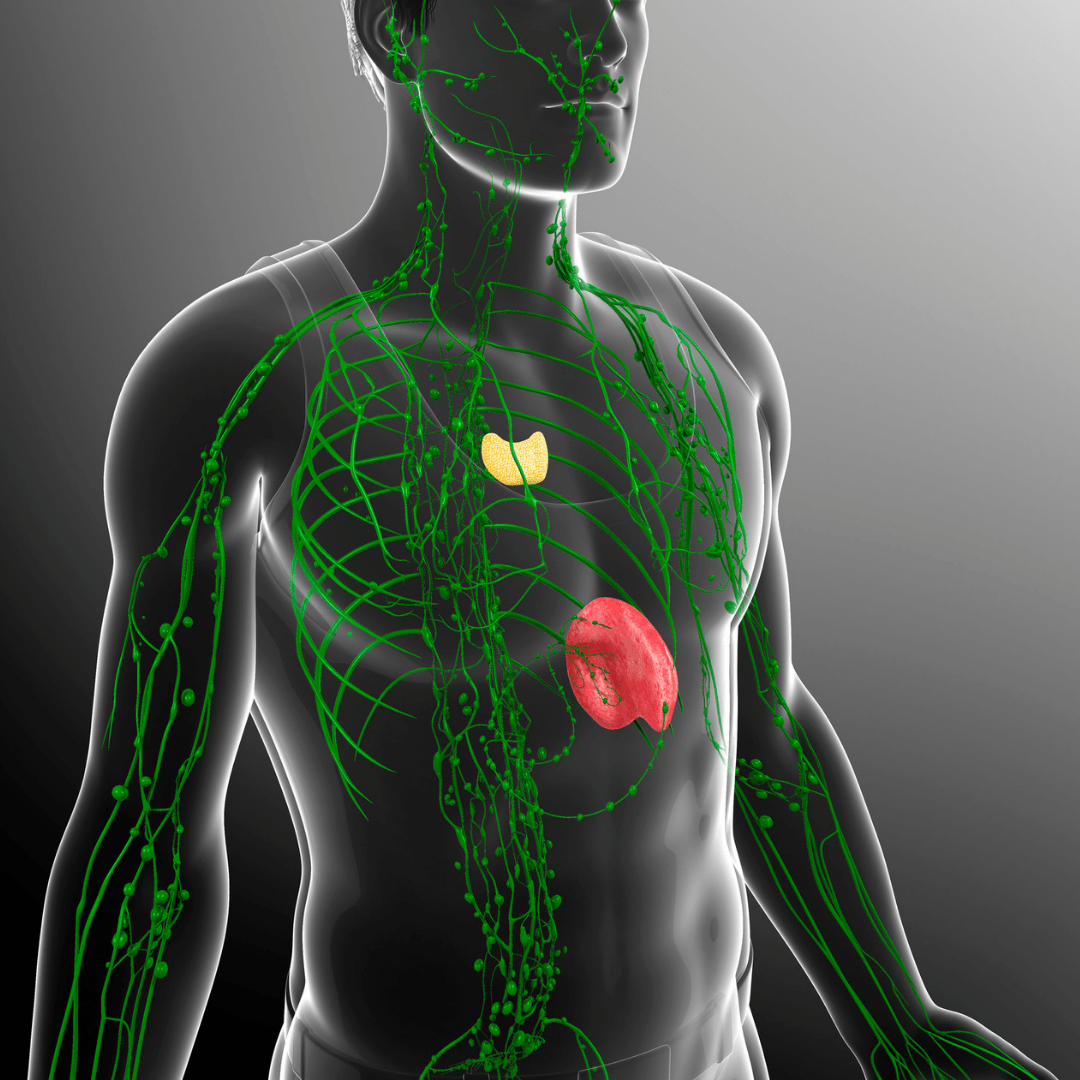
- Thymus: A bi-lobed gland located behind the sternum, most active during childhood. This is where T-cells migrate from the bone marrow to mature and undergo selection. The thymus is largest in children and begins to shrink (involute) after puberty, gradually being replaced by fatty tissue.
T-Cell Selection in the Thymus
- The thymus runs an incredibly rigorous quality control process. Immature T-cells undergo positive selection (can they recognize self-MHC molecules?) and negative selection (do they attack the body's own tissues?). Fewer than 5% of T-cells survive this dual screening.
- Those that fail are destroyed — a critical process that prevents autoimmune disease.
Secondary Lymphoid Organs
These are where immune responses are initiated:
- Lymph nodes: Small, bean-shaped structures (usually 1–2 cm) scattered throughout the body. You have between 500 and 700 of them. Major clusters are found in the neck (cervical), armpits (axillary), groin (inguinal), chest (mediastinal), and abdomen (mesenteric).
- Spleen: The largest lymphoid organ, located in the upper left abdomen. It contains red pulp (filters old or damaged red blood cells; stores monocytes) and white pulp (produces antibodies and activates immune cells). The spleen also acts as a blood reservoir.
- Tonsils and adenoids: Rings of lymphoid tissue at the entrance to the throat and nasal passages. They're the first line of defense against inhaled or ingested pathogens.
- Mucosa-associated lymphoid tissue (MALT): Found in the lining of the digestive, respiratory, and urogenital tracts. Includes Peyer's patches in the small intestine. MALT monitors surfaces that are constantly exposed to the external environment.
Tertiary Lymphoid Organs
- These are not normally present in healthy tissue.
- They form in response to chronic inflammation — for example, in joints affected by rheumatoid arthritis or in transplanted organs experiencing rejection. Their presence often signals ongoing immune activity.
- Lymphatic System vs Circulatory System: Key Differences
- Many people confuse the lymphatic system with the blood circulatory system since they run in parallel.
- Here's a clear comparison:
| Feature | Lymphatic System | Circulatory (Blood) System |
|---|---|---|
| Fluid carried | Lymph (clear to milky) | Blood (red) |
| Pump | No central pump | Heart |
| Flow direction | One-way (tissues → bloodstream) | Circular (heart → arteries → veins → heart) |
| Vessels | Blind-ended capillaries, collecting vessels, trunks, ducts | Arteries, arterioles, capillaries, venules, veins |
| Oxygen transport | No | Yes |
| Fat transport | Yes (via lacteals) | Limited |
| Filtering organs | Lymph nodes | Kidneys, liver |
| Contains red blood cells | No (mainly lymphocytes) | Yes |
| Flow rate | ~3 liters/day | ~5 liters/minute |
| Open or closed | Open (blind-ended start) | Closed loop |
- This table highlights a critical point: the lymphatic system is a one-way drainage system, not a loop.
- Lymph only flows in one direction — from tissues toward the heart.
What Conditions and Disorders Affect the Lymphatic System?
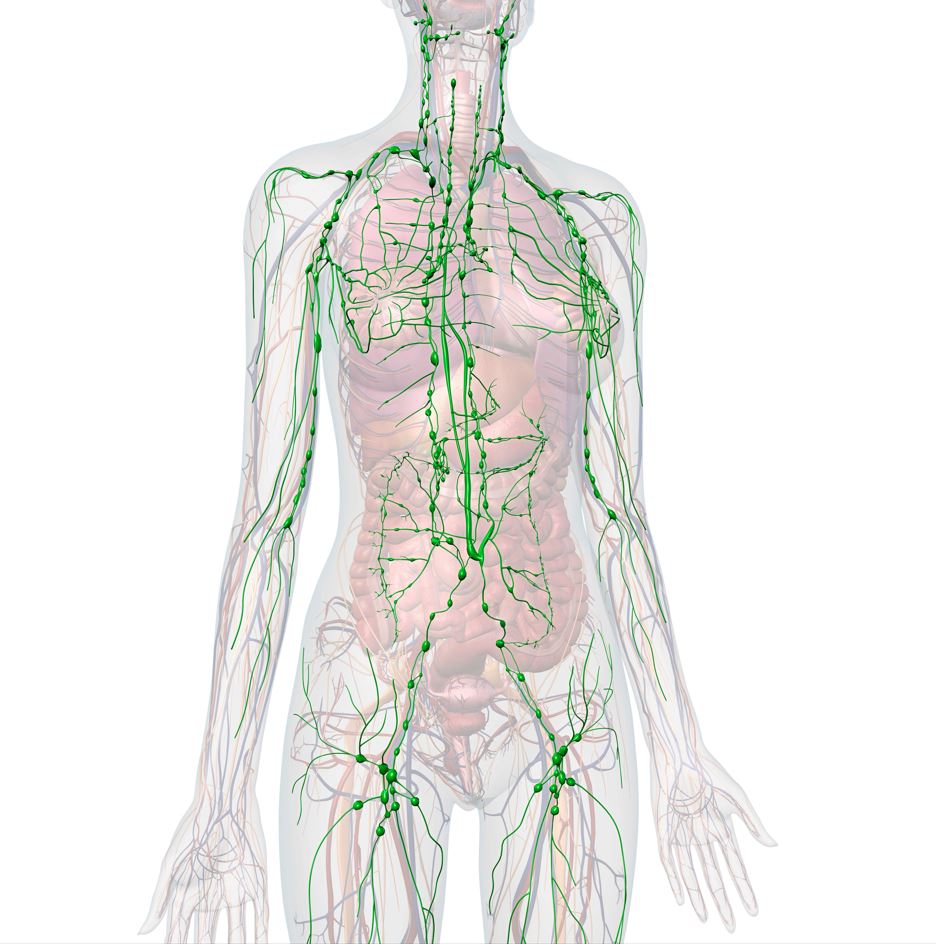
The lymphatic system can be affected by infections, blockages, cancers, and immune dysfunction. Here are the main conditions, organized by category.
Lymphadenopathy (Swollen Lymph Nodes)
- This is the most common lymphatic issue people notice. Lymph nodes swell when they're actively fighting infection or when abnormal cells accumulate.
- Common causes include:
- Viral infections (cold, flu, mononucleosis, HIV)
- Bacterial infections (strep throat, tuberculosis, cat-scratch disease)
- Cancer (lymphoma, leukemia, or metastatic cancer from other sites)
Most swollen lymph nodes are benign and resolve on their own. However, lymph nodes that are persistently enlarged for more than 2 weeks, painless, hard, fixed in place, or larger than 2 cm warrant medical evaluation.
Lymphedema
Lymphedema occurs when lymph fluid accumulates in tissues — usually in the arms or legs — causing chronic swelling. It can be:
- Primary: Caused by genetic abnormalities in lymphatic vessel development (rare, present from birth or puberty)
- Secondary: Caused by damage to the lymphatic system — most commonly after surgical removal of lymph nodes, radiation therapy for cancer, severe infections (like filariasis, which affects over 120 million people worldwide), or trauma
There is currently no cure for lymphedema, but it can be managed with compression garments, specialized massage (manual lymphatic drainage), exercise, and meticulous skin care.
10 Diseases of the Lymphatic System
Here is a broader list of conditions, since this is a frequently searched topic:
- 1.Lymphedema — chronic swelling due to lymph fluid buildup
- 2.Lymphoma (Hodgkin's and Non-Hodgkin's) — cancers originating in lymphocytes
- 3.Lymphangitis — bacterial infection of lymphatic vessels, visible as red streaks on skin
- 4.Lymphadenitis — infection and inflammation of lymph nodes
- 5.Castleman disease — rare overgrowth of cells in lymph nodes
- 6.Lymphangioma — benign cystic malformation of lymphatic vessels
- 7.Filariasis — parasitic infection blocking lymphatic vessels, common in tropical regions
- 8.Splenomegaly — enlarged spleen, often due to infections, liver disease, or blood cancers
- 9.Autoimmune lymphoproliferative syndrome (ALPS) — genetic disorder causing lymphocyte accumulation
- 10.Tonsillitis — infection/inflammation of the palatine tonsils
How Cancer Spreads Through the Lymphatic System
Cancer's relationship with the lymphatic system is clinically crucial. Tumor cells can enter lymphatic vessels and travel to nearby lymph nodes — this is called lymphatic metastasis. During cancer staging (the TNM system), doctors check regional lymph nodes to determine how far cancer has spread:
- N0: No cancer in lymph nodes
- N1, N2, N3: Increasing involvement of lymph nodes
A sentinel lymph node biopsy identifies the first lymph node a tumor drains to. If this node is cancer-free, further lymph node removal may be unnecessary — sparing the patient from potential lymphedema. This technique is now standard in breast cancer and melanoma staging.
Research is also exploring how tumors actively promote the growth of new lymphatic vessels (lymphangiogenesis) to create their own metastatic highways. A 2020 study published in Nature Reviews Cancer identified VEGF-C and VEGF-D as key growth factors driving tumor lymphangiogenesis, opening doors for targeted therapies.
What Tests Check the Health of the Lymphatic System?
Several diagnostic tools help assess lymphatic function:
- Physical examination: Palpation of lymph node regions (neck, armpits, groin)
- Blood tests: Complete blood count (CBC), lactate dehydrogenase (LDH), flow cytometry
- Lymph node biopsy: Excisional, core needle, or fine-needle aspiration — the gold standard for diagnosing lymphoma
- Imaging: Ultrasound, CT scan, MRI, PET scan
- Lymphoscintigraphy: A special nuclear medicine test where radioactive tracer is injected to visualize lymphatic drainage pathways — critical for diagnosing lymphedema
- Indocyanine green (ICG) lymphography: A newer, real-time fluorescent imaging technique gaining popularity for mapping lymphatic vessels during surgery


Lymphadenitis Lymphangitis Lymphedema


Don't wait or self medicate. Start chat with Doctor NOW
Hodgkin's Disease Lymphocytosis
How Can I Keep My Lymphatic System Healthy?
This is one of the most-searched questions about the lymphatic system, yet most medical resources barely address it. Since the lymphatic system relies on movement and external forces to function (remember, no pump!), lifestyle plays a direct role in its efficiency.
Exercise and Movement
Physical activity is the single most effective way to support lymph flow. Even moderate exercise like walking, swimming, yoga, or cycling significantly improves lymphatic circulation. A 2012 study in the Journal of Physiology demonstrated that muscle contractions during exercise increased lymph flow rate by up to 10-fold compared to rest.
Practical tip: If you sit for long periods (desk job, long flights), take a 5-minute movement break every hour. Simple calf raises, arm circles, and deep breathing can make a meaningful difference.
Hydration and Nutrition
- Lymph is approximately 95% water. Dehydration makes lymph thicker and harder to move.
- Aim for adequate water intake — the general recommendation is 2–3 liters per day, adjusted for climate and activity level.
Foods that support lymphatic health include:
- Leafy greens (spinach, kale) — rich in chlorophyll, which supports purification
- Citrus fruits — vitamin C strengthens lymphatic vessel integrity
- Nuts and seeds — healthy fats support immune cell function
- Garlic and ginger — natural anti-inflammatory and antimicrobial properties
- Beets — support liver function, which is connected to lymphatic drainage (the liver and intestines produce approximately 80% of the body's lymph, according to StatPearls)
Lymphatic Drainage Massage
- Manual lymphatic drainage (MLD) is a specialized, gentle massage technique developed by Emil Vodder in the 1930s. It uses light, rhythmic strokes in the direction of lymph flow to encourage drainage.
- MLD is clinically validated for:
- Managing lymphedema (both primary and secondary)
- Reducing post-surgical swelling
- Improving recovery after sports injuries
- Important: MLD is not the same as deep tissue massage.
- The pressure used is very light — about the weight of a nickel. It should be performed by a certified lymphedema therapist (CLT) or trained physiotherapist, especially if you have existing lymphatic conditions.
Dry Brushing: Does It Work?
Dry brushing — using a natural-bristle brush on dry skin in upward strokes toward the heart — is a popular wellness practice claimed to "boost lymphatic flow." While there are no large-scale clinical studies confirming significant lymphatic benefits, it does improve blood circulation to the skin and provides gentle exfoliation. It's generally safe for healthy individuals but should be avoided on broken, inflamed, or irradiated skin.
What Not to Believe: Common Myths About the Lymphatic System
Let's clear up some persistent misconceptions:
Myth 1: "Detox programs cleanse your lymph."
Reality: Your lymphatic system (along with your liver, kidneys, and spleen) already detoxifies your body continuously. No juice cleanse, supplement, or foot pad has been scientifically proven to "flush" or "cleanse" lymph. What actually helps is consistent exercise, hydration, and a healthy diet.
Myth 2: "Underwire bras block lymphatic drainage and cause breast cancer."
Reality: This claim, popularized by a 1995 book, has been thoroughly debunked. A large 2014 study published in Cancer Epidemiology, Biomarkers & Prevention found no association between bra wearing and breast cancer risk.
Myth 3: "You only have lymph nodes in your neck and armpits."
Reality: You have 500–700 lymph nodes distributed throughout your entire body, including deep inside your chest, abdomen, and pelvis.
Myth 4: "The brain has no lymphatic system."
- Reality: For decades, scientists believed the central nervous system lacked lymphatic vessels. However, in 2015, researchers at the University of Virginia discovered functional lymphatic vessels in the meninges (brain coverings).
- Additionally, the glymphatic system — a waste-clearance pathway unique to the brain that is most active during sleep — was described by Maiken Nedergaard's team in 2012. This discovery has major implications for understanding Alzheimer's disease and other neurodegenerative conditions.
The Lymphatic System Across the Lifespan: Children vs. Adults
The lymphatic system changes significantly with age — a topic that almost no resources cover systematically.
In Children
- The thymus is proportionally largest in infants and children, actively producing huge numbers of T-cells. After puberty it begins to atrophy.
- Children have relatively larger tonsils and adenoids, which is why tonsillitis and adenoiditis are so common in childhood.
- Lymphadenopathy is extremely common in pediatric patients — reactive lymph nodes from minor viral infections are normal. Studies show that palpable cervical lymph nodes are present in up to 90% of children aged 4–8 years, and this is usually benign.
- Children's lymphatic systems are generally more responsive and resilient, which is partly why children tend to recover faster from infections.
In Older Adults
- - The thymus has largely been replaced by fat, reducing the production of new naive T-cells.
- This contributes to immunosenescence — the gradual deterioration of immune function with age.
- Lymph node number and size may decrease, and fibrosis within nodes can reduce filtering efficiency.
- The risk of lymphoma increases with age, particularly non-Hodgkin lymphoma, which has a median diagnosis age of around 67 years.
How the Lymphatic System Connects to Other Body Systems
- The lymphatic system doesn't operate in isolation.
- Its interconnections with other systems are profound:
- Cardiovascular system: The lymphatic system returns fluid and proteins to the blood, maintaining blood volume and pressure. Without it, blood volume would drop critically within hours.
- Digestive system: Lacteals in the small intestine absorb fats. The gut-associated lymphoid tissue (GALT), including Peyer's patches, monitors the enormous surface area of the intestinal lining — the body's largest interface with the external environment.
- Nervous system: The recently discovered meningeal lymphatic vessels and the glymphatic system link lymphatic drainage directly to brain health. Disruption of glymphatic clearance during chronic sleep deprivation has been linked to accumulation of amyloid-beta, a hallmark of Alzheimer's disease.
- Endocrine system: Hormones influence lymphatic function. For example, cortisol (stress hormone) suppresses lymphocyte activity, while thymic hormones (thymosins) promote T-cell maturation.
- Integumentary system (skin): The skin contains a dense network of initial lymphatic capillaries. Skin infections, wounds, and even sunburn trigger local lymphatic responses.

Modern Research and Breakthroughs
- Lymphatic research has exploded in the past decade.
- Here are some of the most exciting developments:
- Glymphatic system and sleep (2012–present): Nedergaard's research showed the brain's glymphatic system is 60% more active during sleep, clearing metabolic waste including amyloid-beta. This gives scientific weight to the idea that adequate sleep is essential for brain health.
- COVID-19 and lymphatics: Studies from 2021–2023 showed that SARS-CoV-2 can damage lymphatic endothelial cells, potentially contributing to the immune dysregulation seen in long COVID. Lymphopenia (low lymphocyte counts) was identified early as a prognostic marker for severe COVID-19.
- Tumor lymphangiogenesis: Ongoing clinical trials are testing anti-VEGF-C therapies to block tumor-driven lymphatic vessel growth and reduce metastatic spread.
- Lymphatic vessel regeneration: Researchers at Stanford (published in Nature Biomedical Engineering, 2022) demonstrated successful bioengineering of functional lymphatic vessels, offering hope for lymphedema treatment.
A Brief History
- The lymphatic system's discovery has an interesting backstory.
- In the 17th century, two scientists — Olaus Rudbeck (Swedish) and Thomas Bartholin (Danish) — independently described the lymphatic system in the 1650s. Bartholin coined the term "lymphatic system," derived from the Latin word lympha, meaning "clear water" or "water deity." Their work built on earlier observations by Gaspare Aselli, who discovered lacteals in dogs in 1622.
Frequently Asked Questions (FAQ)
What is the difference between lymph and blood plasma?
Lymph originates from blood plasma that has leaked into tissues. However, lymph has a lower protein concentration than plasma (since large proteins are partially retained in blood vessels), contains no red blood cells, and is rich in lymphocytes. Once lymph passes through the intestinal lacteals, it becomes chyle — a milky white fluid due to its fat content.
How do I clean out my lymphatic system?
You don't need to "clean" your lymphatic system — it cleans itself continuously. What you can do is support its function through regular exercise, staying well-hydrated, eating a diet rich in vegetables and fruits, avoiding prolonged inactivity, maintaining a healthy weight, and managing stress. Manual lymphatic drainage massage may also help if you have sluggish lymph flow.
What are the 6 lymphatic organs?
The six main organs typically listed are: (1) lymph nodes, (2) spleen, (3) thymus, (4) tonsils (and adenoids), (5) bone marrow, and (6) Peyer's patches (or MALT). Some sources count the appendix as a lymphoid organ as well due to its GALT tissue.
What tests diagnose lymphatic system disorders?
Key tests include physical examination, blood work (CBC, LDH, flow cytometry), imaging (ultrasound, CT, PET scan), lymph node biopsy, lymphoscintigraphy, and ICG lymphography. Your doctor will choose based on the suspected condition.
Can the lymphatic system repair itself?
- Yes, to some extent. After minor damage, lymphatic vessels can regenerate.
- However, extensive damage — such as that caused by surgery, radiation, or chronic infection — may lead to permanent impairment. New research into lymphatic vessel bioengineering and pro-lymphangiogenic therapies aims to improve regenerative outcomes.
What role does the lymphatic system play in autoimmune diseases?
In autoimmune conditions, the immune system mistakenly attacks the body's own tissues. The lymphatic system is central to this process because lymph nodes and lymphoid organs are where autoreactive immune cells can be activated. Conditions like rheumatoid arthritis, lupus, and Sjögren's syndrome often involve lymphadenopathy and can even trigger the formation of tertiary lymphoid structures in affected tissues.
Final Thoughts
The lymphatic system is far more than a passive drainage network — it's a dynamic, intelligent system that connects immunity, fluid regulation, fat metabolism, and even brain health. Yet it remains one of the most underappreciated systems in the human body. Understanding how it works empowers you to take simple, practical steps to support it: move regularly, stay hydrated, eat well, sleep enough, and see a doctor if you notice persistently swollen lymph nodes, unexplained swelling, or recurring infections.
If you're experiencing symptoms that might involve your lymphatic system — chronic swelling, frequent infections, or unexplained lymph node enlargement — don't ignore them. Consult a qualified healthcare professional for proper evaluation and personalized guidance.
Scientific Sources
- Leveraging the glymphatic and meningeal lymphatic systems as therapeutic strategies in Alzheimer's disease: an updated overview of nonpharmacological therapies — Formolo DA et al., 2023, Molecular neurodegeneration
- The paravertebral lymphatic system is involved in the resorption of the herniated nucleus pulposus and the regression of inflammation associated with disc herniation — Fu Y et al., 2024, Osteoarthritis and cartilage
- Real-world study of adverse events associated with gepant use in migraine treatment based on the VigiAccess and U.S. Food and Drug Administration's adverse event reporting system databases — Liang Q et al., 2024, Frontiers in pharmacology
- Progress on Brain and Ocular Lymphatic System — Xu Y et al., 2022, BioMed research international
- Neutrophil Interactions with the Lymphatic System — Jakovija A et al., 2021, Cells
- An injectable thermosensitive hydrogel delivering M2 macrophage-derived exosomes alleviates osteoarthritis by promoting synovial lymphangiogenesis — Song X et al., 2024, Acta biomaterialia
- Panax Notoginseng Saponins promotes the meningeal lymphatic system-mediated hematoma absorption in intracerebral hemorrhage — Yu Z et al., 2024, Phytomedicine : international journal of phytotherapy and phytopharmacology
- Periaortic lymphatic vessels protect against thoracic aortic dissection through mobilizing immune response — Pei Y et al., 2025, Cardiovascular research
- The pathophysiology of lymphedema — Mortimer PS, 1998, Cancer
- Chinese Herbal Medicine Adjusting Brain Microenvironment via Mediating Central Nervous System Lymphatic Drainage in Alzheimer's Disease — Zhou XB et al., 2022, Chinese journal of integrative medicine
- Peri-articular lymphatic system and "Bi" theory of Chinese medicine in the pathogenesis and treatment of arthritis — Liang QQ et al., 2015, Chinese journal of integrative medicine
- Nano-fluorescence imaging: advancing lymphatic disease diagnosis and monitoring — Han CY et al., 2024, Nano convergence
- Cardiac lymphatic system and coronary heart disease: associations, mechanisms and therapeutic strategies — Yang Z et al., 2026, European journal of pharmacology
- Traditional Chinese Medicine Regulating Lymphangiogenesis: A Literature Review — Peng L et al., 2020, Frontiers in pharmacology
- Cellular Contributions to Glymphatic and Lymphatic Waste Clearance in the Brain — Smyth LCD et al., 2025, Cold Spring Harbor perspectives in biology
- Advances in the Understanding of ocular and nasal lymphatics — Yan M et al., 2025, BMC immunology
- Lymph node metastases: importance of detection and treatment strategies — Obinu A et al., 2018, Expert opinion on drug delivery
- Relationship between Epstein-Barr virus and inflammatory bowel disease — Li SY et al., 2025, World journal of gastroenterology
- Comorbidity and Lymphatic Disease: The Lymphatic Continuum Re-Examined — Rockson SG, 2021, Lymphatic research and biology
- Meningeal immunity: Structure, function and a potential therapeutic target of neurodegenerative diseases — Ma T et al., 2021, Brain, behavior, and immunity
Questions from users
What are the symptoms of a dysfunctional lymphatic system?
Seth
3 days ago
Symptoms of a dysfunctional lymphatic system can include swelling or lymphedema (usually in the arms or legs), chronic fatigue, recurrent infections, skin changes such as hardening or thickening, and difficulty healing wounds or cuts. The timeline and severity of these symptoms can vary, depending on the underlying cause. Watch out for persistent swelling, as this could exacerbate circulation issues. If you experience these symptoms or signs of infection, it is important to see a doctor for evaluation. While Ayurveda suggests certain lifestyle modifications, medical assessment is crucial for proper diagnosis and treatment of lymphatic concerns.
What is dry brushing and how does it affect lymphatic flow?
Bella
13 days ago
Dry brushing involves using a brush with natural bristles on dry skin in upward strokes, heading towards the heart. People say it boosts lymphatic flow, but there's no solid research proving big effects on the lymphatic system. It can help with exfoliation and skin blood flow, though. If you have lymph issues, a specialist is better for advice!
What causes swollen lymph nodes and when should I see a doctor?
Morgan
22 days ago
Swollen lymph nodes are often due to infections, like a cold or throat infection. But if they're persistently swollen, painful, or accompanied by symptoms like fever, night sweats, or unexplained weight loss, it's good to see a doctor to figure out what's going on. It's always better to get things checked out, just in case!
What is the role of lymph nodes in the body's immune system?
Hannah
31 days ago
Lymph nodes are like checkpoints for your immune system, filtering harmful substances from lymph fluid and trapping viruses, bacteria, and other pathogens. They house white blood cells that help fight infections. When nodes are swollen, it means they're working hard to fight off an infection or respond to inflammation!
Can I use manual lymphatic drainage after surgery to reduce swelling?
Ruby
40 days ago
Yes, you can use manual lymphatic drainage (MLD) after surgery to help reduce swelling. Just remember, it's gentle, not like deep tissue massage. But, it's a good idea to check with your healthcare provider to make sure it's suitable for your specific situation and that the timing is right after your surgery. Drink lots of water too!
What foods should I eat to balance Kapha Dosha and support lymphatic health?
Vance
55 days ago
To balance Kapha and support lymphatic health, include warming, spicy foods like ginger and black pepper, which stimulates your agni (digestive fire). Favor light, dry foods - think barley or millet, and plenty of veggies. Avoid heavy, oily, or dairy-rich foods that can weigh down the system. Keeping agni strong and light will help balance Kapha and keep your lymph moving smoothly. And hey, regular yoga or brisk walks can make a big difference too.
Can Ayurveda help with emotional issues related to lymphatic health?
Theodore
65 days ago
Absolutely, Ayurveda can be helpful for emotional issues tied to lymphatic health. Since Rasa dhatu is linked with emotional well-being, balancing the Kapha dosha might help. Practices like Abhyanga or meditation can support this. Focusing on love and joy, as well as maintaining a balanced diet and lifestyle, can help in emotional and lymphatic health together.
Is it safe to use detoxifying herbs while pregnant according to Ayurveda?
Levi
75 days ago
In Ayurveda, it's generally not advised to use strong detoxifying herbs like triphala while pregnant, as they could disturb the balance of doshas and agni. Preganancy is a delicate time—gently supporting your well-being with mild herbal teas or simple foods can be safer. Always consult an Ayurvedic practitioner or healthcare professional for personal advice.
Can I use lymphatic drainage massage as part of my detox plan in Ayurveda?
Yara
84 days ago
Yeap, definitely! Lymphatic drainage massage is a great start for an Ayurvedic detox plan, as it helps keep your rasa dhatu flowing smoothly. Pairing it with specific herbs like turmeric and neem can boost lymphatic health even more. Just remember, individual needs matter – so might wanna consult with an Ayurvedic practitioner too.
What is the connection between digestive health and lymphatic function in Ayurveda?
Levi
94 days ago
Sure thing! In Ayurveda, digestive health is seen as crucial for overall well-being, including lymphatic function. Good digestion helps keep the body's tissues (like the lymphatic system) clean and nourished. When digestion is balanced, it supports "Agni" (digestive fire), preventing buildup of toxins that can clog lymphatics. So by promoting strong digestion, you help the lymph system be more efficient at clearing out toxins and boosting immunity. This is why dietary recommendations and detoxifying herbs like triphala are often suggested! Hope that helps!
Related articles

General Medicine
Bola Parpati: Energize Your Life with Ayurvedic Wisdom
Discover Bola Parpati, its Ayurvedic significance, therapeutic benefits, uses, dosage recommendations, and safety precautions. Learn how this traditional remedy supports holistic healing and balance.
2,907

General Medicine
Nishamalaki Benefits, Dosage, Ingredients
Exploration of Nishamalaki Benefits, Dosage, Ingredients
2,682

General Medicine
Yuvatyadi Tailam: Herbal Oil for Women’s Health and Vitality
Discover Yuvatyadi Tailam, an Ayurvedic herbal oil for rejuvenation and wellness. Learn about its traditional uses, key ingredients, application methods, and precautions to promote balanced health.
3,226

General Medicine
Chandan Bala Lakshadi Tel
Exploration of Chandan Bala Lakshadi Tel
1,468

General Medicine
Updhatu in Ayurveda – Understanding the Concept and Its Importance
Learn about Updhatu in Ayurveda, a vital concept related to the production and function of secondary tissues, and its role in maintaining balance and health.
4,191

General Medicine
Exploring the Three Sub-Pillars of Health in Ayurveda
Ayurveda is an ancient holistic healing system that has been practiced for thousands of years, originating in India.
4,455

General Medicine
Cardocalm – Ayurvedic Formula for Heart Health & Calm
Discover CardoCalm, a natural supplement for heart health. Learn about its benefits, usage, dosage, potential side effects, and scientific insights for cardiovascular support.
3,847

General Medicine
Satvapatana: A Path to Holistic Health and Well-Being
Explore how satvapatana merges ancient wisdom and modern science to support holistic healthcare, mental clarity, and overall well-being.
1,998

General Medicine
Pippalyadi Churna – An Ayurvedic Remedy for Digestion and Respiratory Health
Learn about Pippalyadi Churna, an Ayurvedic herbal powder used to improve digestion, enhance respiratory health, and balance doshas for overall wellness.
3,780

General Medicine
Changeri Ghrita Uses: Ayurvedic Ghee for Gut and Digestive Health
Meta Description: Discover the uses of Changeri Ghrita, an Ayurvedic medicated ghee. Learn about its therapeutic benefits, historical significance, dosage guidelines, and how it supports overall health.
2,972
Related consultations on the topic
Legal
Additional Documents
© 2024 Ask Ayurveda. All rights reserved.