आयुर्वेदिक डॉक्टर से प्रश्न पूछें और निःशुल्क या भुगतान मोड में अपनी चिंता की समस्या पर ऑनलाइन परामर्श प्राप्त करें। 2,000 से अधिक अनुभवी डॉक्टर हमारी साइट पर काम करते हैं और आपके प्रश्नों का इंतजार करते हैं और उपयोगकर्ताओं को उनकी स्वास्थ्य समस्याओं को हल करने में प्रतिदिन मदद करते हैं।
मुफ्त! आयुर्वेदिक डॉक्टरों से पूछें 24/7

 तेज़ प्रतिक्रियाएँ
 1000+ सत्यापित डॉक्टर
Body DetoxEar, Nose, and Throat DisordersGeriatrics & RejuvenationImmunodeficiencyInfertility TreatmentNutritionOrthopedic DisordersPediatricsRespiratory DisordersSexually Transmitted Diseases (STDs)Surgery RecoveryUrological DisordersVascular DisordersDental DisordersEndocrinological DisordersGastrointestinal DisordersYoga TherapyGeneral MedicineAllergic DisordersCardio DisordersGynecology and ObstetricsCosmetologySkin and Hair DisordersEye DisordersInfectious DiseasesMental DisordersNeurological DisordersOncologyPanchakarmaSexual Health & DisordersSports Medicine
पर प्रकाशित 06/06/25
(को अपडेट 07/06/26)
1,851
How Long Does Vertigo Typically Last and What You Can Do About It

Vertigo. That off-balance, spinning, unsettling feeling that can throw your entire day—or week—off track. If you've ever found yourself gripping the wall or lying flat just to stop the room from swirling, you're not alone. And like most people dealing with this disorienting condition, you’ve probably Googled in frustration: how long does vertigo last? or how to cure vertigo permanently.
The truth is, vertigo is not a one-size-fits-all experience. For some, it lasts minutes. For others, days or even longer. Whether it's a sudden bout of benign paroxysmal positional vertigo (BPPV) or something more chronic, the key to managing it lies in understanding the root causes—and your options.
This article will walk you through everything from what causes vertigo to how long does vertigo usually last, including natural and Ayurvedic approaches that just might surprise you.
What Is Vertigo and Why It Happens
Vertigo isn’t a disease. It’s a symptom. A sign that something in your body’s balance system—mostly the inner ear or brain—isn’t quite syncing up the way it should. It feels like motion when there isn’t any. Like your head’s in a slow spin, or the ground is swaying under your feet, even if you’re standing still.
Sometimes it’s subtle, like a lightheaded moment. Other times, it’s the full-on dizziness you can’t ignore. And it's more common than you think. Millions of people experience it each year, and many struggle with figuring out how long does vertigo normally last without knowing where to begin.
What Causes Vertigo: An Overview
So, what causes vertigo, exactly? The culprits are many. It can stem from inner ear disturbances, like inflammation or infection. Migraines are another common trigger. There’s also Meniere’s disease, which affects inner ear fluid levels, causing pressure and spinning.
Then there’s the one that shows up in so many searches: benign paroxysmal positional vertigo—or BPPV vertigo. It's a mouthful, but it’s actually the most common cause.
Benign Paroxysmal Positional Vertigo (BPPV) Explained
BPPV happens when tiny calcium particles in your inner ear canals get dislodged. When you move your head—like rolling over in bed—these particles shift and send confusing signals to your brain. The result? A brief but intense spinning sensation.
And here's the kicker: BPPV can come and go without warning. You might feel fine one day and suddenly be hit with a vertigo attack the next. Which brings us to the burning question…
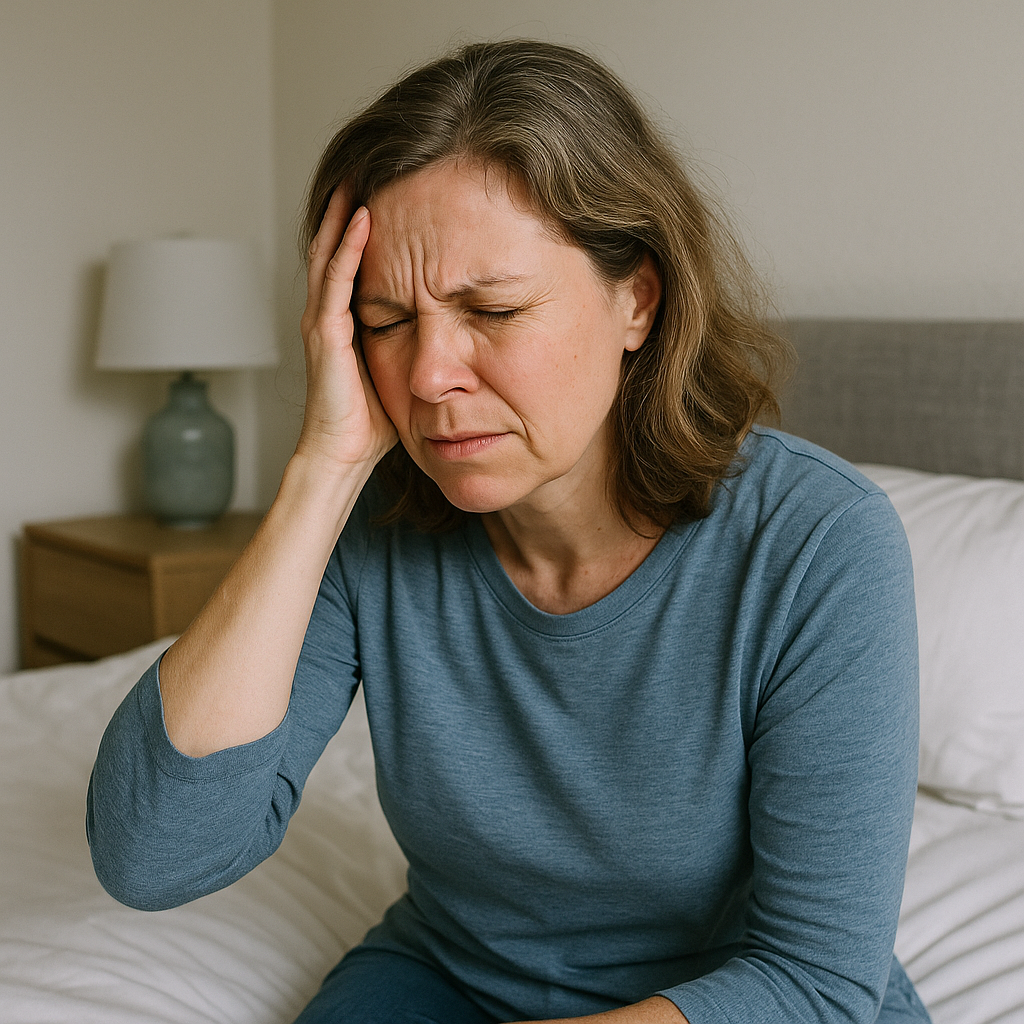
How Long Does a Vertigo Attack Last?
That depends. Some vertigo attacks last just a few seconds—especially in the case of BPPV. Others can stretch on for hours. A few unlucky folks even report symptoms that stick around for days. If you’ve ever thought, how long does vertigo last without treatment?—you’re not alone.
But there's no straight answer. How long does a vertigo attack last may depend on its root cause, your health, and even your stress levels. For instance, how long does cervical vertigo last may differ significantly from BPPV-related episodes.
Short answer? Anywhere from seconds to several weeks.
What to Expect with Recurrent Episodes
Recurring vertigo can be incredibly frustrating. One week you’re good. The next, the room is spinning again. While how long does vertigo typically last can vary, frequent episodes are a sign it’s time to look deeper. Sometimes, lifestyle changes or physical therapy can reduce or eliminate recurrence. Other times, medical intervention—or alternative methods—may be needed.
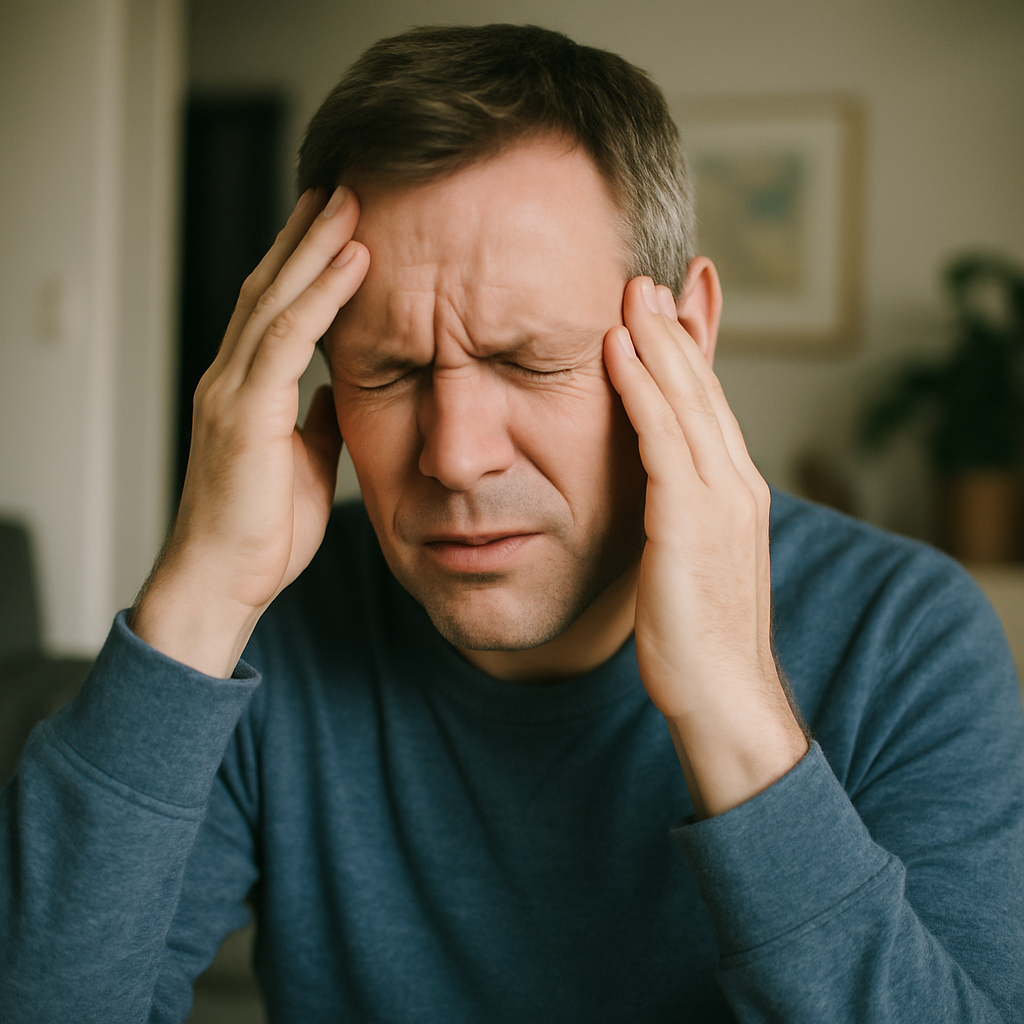
When to Seek Help for Vertigo
Feeling dizzy now and then? Sure, that happens. But when vertigo keeps showing up uninvited—or sticks around longer than you’d expect—it might be a sign of something more serious.
So, how long does vertigo last before you should get it checked out? While some episodes resolve on their own in a few minutes, others can linger for days. If your vertigo lasts more than a week, or worsens over time, don’t just chalk it up to stress or sleep deprivation. Trust your gut. Something’s not right.
Signs It’s More Than a Temporary Imbalance
You should definitely see a doctor if:
-
The spinning sensation doesn’t improve or fades and then keeps coming back,
-
You have trouble walking, speaking, or seeing clearly during episodes,
-
Nausea or vomiting become constant,
-
There’s ringing in your ears or hearing loss.
These could point to more serious neurological conditions or problems in the vestibular system. Even though benign paroxysmal positional vertigo is, well, benign, not all vertigo is.
If you’re still wondering, how long does vertigo usually last or how long does vertigo normally last and can’t find a straight answer—it's because the duration varies widely depending on the cause. But persistent symptoms? Always worth a closer look.

Ayurvedic Approach to Vertigo and Dizziness
Western medicine tends to focus on symptom management. That’s great for relief, but if you’re someone who’s asking how to cure vertigo permanently, it might be time to consider alternative perspectives. Ayurveda, the ancient healing science of India, takes a deeper and more holistic look at why your world might be spinning.
Vata and Pitta Imbalances Behind Spinning Sensations
In Ayurvedic terms, vertigo is usually linked to imbalances in the Vata and Pitta doshas. Vata governs movement and the nervous system; when it’s out of balance, the mind and body can become unsteady—literally. Pitta, responsible for metabolism and heat, when aggravated, can overheat the head and contribute to inflammation or dizziness.
According to this framework, what causes vertigo isn’t just physical—it’s energetic too. Stress, poor sleep, excess screen time, and irregular meals can all contribute to doshic imbalance and vertigo symptoms.
Herbs and Therapies for Balancing the Nervous System
Ayurveda recommends calming, grounding herbs such as:
-
Brahmi (Gotu Kola) – Supports cognitive function and nervous system balance.
-
Ashwagandha – Helps reduce stress and anxiety, two major vertigo triggers.
-
Guduchi – A detoxifying herb often used for balancing Pitta.
These can be taken in tea, tincture, or capsule form. But remember: always talk to a professional before mixing herbal treatments with prescription meds. Just because it’s natural doesn’t mean it’s harmless.
Also, certain therapies like Shirodhara (warm oil poured on the forehead) and Nasya (nasal oil application) are traditionally used to stabilize the senses.
Lifestyle, Diet, and Breathing Practices for Stability
Your daily routine plays a massive role in how your body maintains equilibrium. Try:
-
Eating warm, cooked meals at the same time each day,
-
Avoiding stimulants like caffeine and alcohol,
-
Practicing gentle yoga and breathing techniques like alternate nostril breathing.
These support your nervous system and help reduce those unpredictable vertigo attacks. The goal here isn’t just symptom relief—it’s nervous system resilience.
If you’ve been wondering how long does vertigo last without treatment, Ayurveda suggests it might linger indefinitely if the root cause isn’t addressed. But with consistent self-care and balance? Relief is possible.
Conclusion
Vertigo isn’t just an inconvenience—it can be downright terrifying when it hits out of nowhere. And the first thing most people ask is, how long does vertigo last? Unfortunately, there's no universal answer. A quick spin that lasts seconds might not seem serious, but for others, a single attack can stretch into days or even weeks of instability.
Whether it’s caused by benign paroxysmal positional vertigo (BPPV), cervical issues, or something deeper like nervous system imbalance, understanding the causes of vertigo is the first step to managing it. And if you're looking for how to cure vertigo permanently, it’s going to take a combination of awareness, the right diagnosis, and potentially a blend of Western and holistic healing strategies.
Don’t ignore recurring symptoms. Don’t write off that weird spin when you tilt your head. And don’t assume it’ll just go away forever without effort. The more you listen to your body and care for your nervous system—whether through Ayurvedic herbs, stress management, or physical therapy—the better chance you have at breaking free from the dizzy cycle.
And hey, if this helped even a little, maybe share it with someone who’s feeling lost in the spin. They might thank you for it.
स्वयं दवा न लें और प्रतीक्षा न करें। अभी डॉक्टर से चैट शुरू करें
FAQs
Can cervical vertigo last for weeks?
Yes, unfortunately, it can. Cervical vertigo—linked to issues in the neck like misalignment, disc problems, or muscle tension—can cause dizziness that drags on for days or even weeks. What makes it tricky is that the symptoms often come and go, which makes it hard to diagnose. If you’ve had a neck injury or poor posture from long computer hours (hey, who hasn’t?), and you’re also experiencing dizziness, this could be the connection.
Chiropractic care, physiotherapy, and posture correction exercises can help reduce or even resolve the issue, though it might take time. In other words, it’s not usually a “quick fix.”
What’s the difference between BPPV and other types of vertigo?
Great question—and one that confuses a lot of people. BPPV vertigo is caused by little calcium crystals moving into the wrong part of your inner ear. It usually results in short, intense episodes triggered by movement (like turning your head or rolling over).
Other types of vertigo, such as from vestibular neuritis or Meniere’s disease, may last longer and come with other symptoms like hearing loss or tinnitus. BPPV doesn’t affect hearing, which is one way to tell it apart.
So if your vertigo is triggered by head position and doesn’t include ear symptoms, chances are, it’s BPPV.
What are the best natural remedies for vertigo?
Some of the best natural remedies include:
-
Ginger tea – Known for reducing nausea and helping with circulation.
-
Hydration – Even mild dehydration can trigger dizziness.
-
Yoga and breathing – Grounding poses and calming breathwork help settle your nervous system.
-
Ayurvedic herbs – As mentioned earlier: Brahmi, Ashwagandha, and Guduchi can be powerful allies when used properly.
Also, don't forget rest. When your body is off-balance, it’s usually a sign that it needs downtime—not another coffee or more screen time.
उपयोगकर्ताओं के प्रश्न
What exercises can help improve balance after experiencing vertigo?
Lily
1 दिन पहले
Exercises that can help improve balance after experiencing vertigo include vestibular rehabilitation exercises such as Cawthorne-Cooksey exercises, gaze stabilization exercises, and Tai Chi. These exercises aim to retrain the brain and your body’s balance system. Regular practice can start showing results in 4 to 6 weeks, though individual times may vary. Monitor your progress, and if symptoms persist or worsen, consult a healthcare provider for a tailored treatment plan. Ayurveda may offer supplementary benefits, but a healthcare professional should guide any vertigo treatment plan.
What physical therapy techniques are best for treating cervical vertigo symptoms?
Noah
10 दिनों पहले
For cervical vertigo, try techniques focusing on neck exercises, like gentle range-of-motion stretches to reduce muscle tension. Also, manual therapy and balance exercises can be beneficial. It's good to check with a physical therapist to tailor exercises specific to your condition! Be sure you’re taking care of neck posture, especially if you work long hours on a computer. These steps could help balance out those tricky vertigo symptoms.
Can vertigo attacks be triggered by certain foods or drinks?
Aria
19 दिनों पहले
Yep, certain foods and drinks might trigger vertigo for some peeps, especially if there's a migrane involved. Things like caffeine, alcohol, and super salty or sugary foods could be culprits. It's different for everyone, so if you notice a pattern, keep track & discuss with your doc!
What is the best way to rest and recover from a vertigo episode?
Allison
28 दिनों पहले
Resting after a vertigo episode is important! Try to find a quiet, dim spot to lie down, this calms the Vata dosha energy. Drinking warm ginger tea can soothe your agni, support digestion a bit. Do slow, deep breathing to relax. Ayurveda’s gentle approach helps — patience is key as balance restores naturally. 😊
How to tell if my vertigo is related to migraines or another condition?
Natalie
37 दिनों पहले
To figure out if your vertigo is from migraines or something else, look for migraine symptoms like auras, head pain or sensitivity to light. Also keep track when vertigo happens. If it's during or after a migraine, that’s a clue! if it's lasting long or happens randomly, chat with a doc to get it checked out, just to be safe! Keep an eye on patterns and any other symptoms you notice. Hope this helps!
Is it safe to do yoga if I have cervical vertigo?
Sebastian
47 दिनों पहले
Yes, gentle yoga can be helpful for cervical vertigo. Just make sure you're practicing poses that are not straining your neck. Focus on breathing techniques like alternate nostril breathing to support your nervouz system. Always tune into your body and if something doesn’t feel right, skip that pose yeah? It's all about being kind to yourself!
How can posture correction exercises help with dizziness related to vertigo?
Uriah
57 दिनों पहले
Posture correction exercises help vertigo dizziness by improving neck and spinal alignment, which affects balance and blood flow to the ears. Poor posture, especially from computer usage, can strain neck muscles, affecting the inner ear and causing dizziness. Regular exercises could gradually ease this strain and improve stability. But it's not an instant fix.
What types of movement should I avoid to prevent triggering vertigo episodes?
Seth
66 दिनों पहले
To avoid triggering vertigo, try to minimize quick or sudden head movements. Turning your head quickly, looking up or down rapidly, and rolling over in bed are common culprits. Just move slowly and mindfully! If you're finding it tricky, a healthcare professional can guide you with specific exercises or tips tailored for you.
What causes inner ear disturbances that lead to vertigo episodes?
Addison
76 दिनों पहले
Inner ear disturbances leading to vertigo can be due to things like inflammation, infections, or conditions like BPPV. These disturb the balance organs in the ear, causing that spinning sensation. It's not something with quick fixes usually, and can hang around for a while. So, it's important to understand your triggers and how your body reacts!
What are the signs that indicate a vertigo episode is improving or getting worse?
Xander
85 दिनों पहले
If vertigo is improving, you might notice fewer dizziness episodes, less intensity, or shorter lengths. Feeling more balanced and stable can also be a good sign. If getting worse, dizziness feels more frequent or intense, and any new symptoms like headaches or changes in hearing - these could mean it's not getting better. Listen to your body, it usually tells you what’s up.
संबंधित आलेख

Neurological Disorders
Sukumara Erandam: Ayurvedic Detox Solution for Digestive Health
Learn about Sukumara Erandam, an Ayurvedic remedy for varicose veins. Discover its benefits, proper dosage, uses, and scientific research supporting its efficacy.
3,440

Neurological Disorders
Pakshaghata Chikitsa – Ayurvedic Strategies for Hemiplegia & Neuromuscular Rehabilitation
Explore holistic Ayurvedic strategies to manage hemiplegia and neuromuscular imbalances for improved mobility.
2,909

Neurological Disorders
Deep Vein Thrombosis Treatment in Ayurveda: Effective Herbal Solutions
Discover effective Ayurvedic treatments for deep vein thrombosis, including herbal remedies, lifestyle changes, and scientific insights to manage blood clots naturally.
4,529
Neurological Disorders
What Causes Vertigo: Ayurvedic Perspective on Imbalance and Healing
What causes vertigo? Discover Ayurvedic causes, symptoms, and treatments. Learn how to restore balance naturally with herbal remedies and lifestyle support
2,630

Neurological Disorders
Kakshadhara Marma – Ayurvedic Understanding of Shoulder Marma Point and Its Benefits
Explore Kakshadhara Marma, an important Ayurvedic marma point located in the shoulder area. Learn about its significance, therapeutic benefits, and how it can promote overall health and healing.
3,090

Neurological Disorders
How to Shrink Acoustic Neuroma Naturally?
The topic of acoustic neuromas raises critical concerns and considerations, given that these benign tumors can affect an individual’s hearing, balance, and overall quality of life.
226,072

Neurological Disorders
पक्षाघात संप्राप्ति को समझना: हेमीप्लेजिया का आयुर्वेदिक रोगजनन
आयुर्वेदिक अवधारणा 'पक्षाघात संप्राप्ति' का अन्वेषण करें, जो एक तरफ के लकवे (हेमिप्लेजिया) की उत्पत्ति को दोषों के असंतुलन, कारण कारकों और पारंपरिक ज्ञान के अनुसार रोग की प्रगति के माध्यम से विस्तार से बताता है।
2,698

Neurological Disorders
Ayurvedic Remedies for Insomnia
In today’s hectic world, sleep disorders have become an everyday issue for many of us.
232,374

Neurological Disorders
आयुर्वेदिक जड़ी-बूटियाँ और उनके बेहतरीन फायदे
आयुर्वेद, जो भारत से उत्पन्न एक प्राचीन समग्र चिकित्सा प्रणाली है, हजारों सालों से जड़ी-बूटियों का उपयोग करके बेहतर स्वास्थ्य और कल्याण को बढ़ावा दे रहा है।
6,030

Neurological Disorders
How to Control Headache: Natural and Effective Ways
Discover natural ways to control headache at home. Learn fast, medicine-free techniques and effective Ayurvedic tips for headache relief and pain control
2,646
विषय से संबंधित परामर्श
अतिरिक्त दस्तावेज़
© 2024 Ask Ayurveda. सर्वाधिकार सुरक्षित।