आयुर्वेदिक डॉक्टर से प्रश्न पूछें और निःशुल्क या भुगतान मोड में अपनी चिंता की समस्या पर ऑनलाइन परामर्श प्राप्त करें। 2,000 से अधिक अनुभवी डॉक्टर हमारी साइट पर काम करते हैं और आपके प्रश्नों का इंतजार करते हैं और उपयोगकर्ताओं को उनकी स्वास्थ्य समस्याओं को हल करने में प्रतिदिन मदद करते हैं।


Body DetoxEar, Nose, and Throat DisordersGeriatrics & RejuvenationImmunodeficiencyInfertility TreatmentNutritionOrthopedic DisordersPediatricsRespiratory DisordersSexually Transmitted Diseases (STDs)Surgery RecoveryUrological DisordersVascular DisordersDental DisordersEndocrinological DisordersGastrointestinal DisordersYoga TherapyGeneral MedicineAllergic DisordersCardio DisordersGynecology and ObstetricsCosmetologySkin and Hair DisordersEye DisordersInfectious DiseasesMental DisordersNeurological DisordersOncologyPanchakarmaSexual Health & DisordersSports Medicine
पर प्रकाशित 12/20/24
(को अपडेट 08/09/26)
star_border 5
3,227
MND Treatment in Ayurveda: Natural Approaches & Benefits
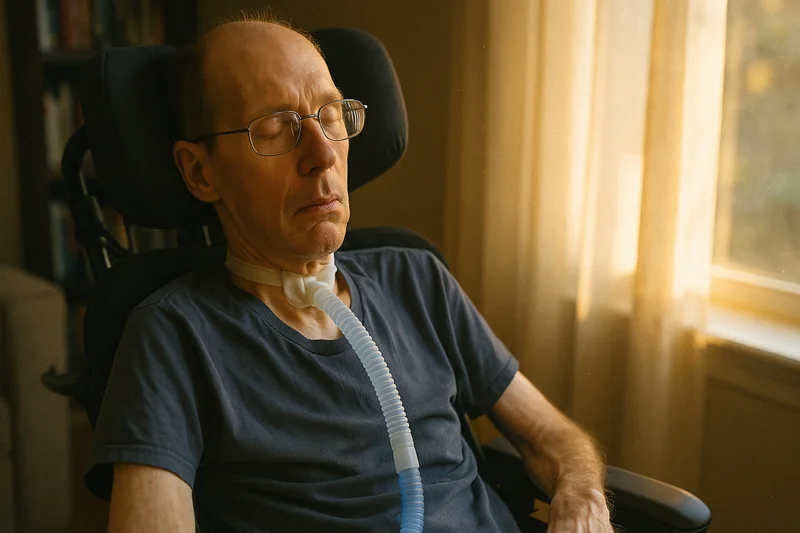
Motor Neuron Disease (MND) has no cure in modern medicine — but Ayurveda offers a structured, evidence-informed approach that can slow progression, improve muscle strength, and significantly enhance quality of life. If you or a loved one is dealing with MND, understanding what Ayurvedic treatment can realistically achieve is the first step toward making an informed decision.
- MND treatment in Ayurveda centers on correcting aggravated Vata dosha through Panchakarma detoxification, neuroprotective herbal formulations (Rasayana therapy), and individualized dietary and lifestyle protocols.
- Published case reports — including one that documented an improvement from 29 to 38 on the ALSFRS-R functional scale — suggest that a well-designed Ayurvedic protocol can meaningfully improve motor function, speech, and swallowing, especially when initiated in the early to mid stages of the disease.
This guide covers everything: the Ayurvedic understanding of MND, specific treatment protocols with dosages, Panchakarma procedures, herbal medicines, a head-to-head comparison with conventional treatment, realistic prognosis, caregiver support, safety considerations, and the emerging research behind it all.
What Is Motor Neuron Disease? Understanding MND From Both Perspectives
Motor Neuron Disease is a group of progressive neurological disorders that selectively destroy motor neurons — the nerve cells responsible for controlling voluntary muscle activity such as walking, speaking, swallowing, and breathing. As these neurons degenerate, muscles weaken, waste away (atrophy), and eventually cease to function.
Types of MND You Should Know
| Type | Neurons Affected | Primary Symptoms | Progression |
|---|---|---|---|
| ALS (Amyotrophic Lateral Sclerosis) | Upper & lower motor neurons | Muscle weakness, spasticity, fasciculations | Most common (~60-70% of MND); average survival 2-5 years |
| Progressive Bulbar Palsy (PBP) | Bulbar motor neurons | Slurred speech, difficulty swallowing | Often progresses to ALS |
| Progressive Muscular Atrophy (PMA) | Lower motor neurons only | Muscle wasting, weakness without spasticity | Slower progression than ALS |
| Primary Lateral Sclerosis (PLS) | Upper motor neurons only | Stiffness, spasticity, balance problems | Slowest progression; better prognosis |
Common Symptoms Across All Types
- Muscle weakness beginning in hands, feet, or mouth
- Fasciculations (visible muscle twitching)
- Muscle cramps and spasticity
- Slurred speech (dysarthria) and difficulty swallowing (dysphagia)
- Progressive loss of mobility
- Respiratory muscle weakness in advanced stages
- Emotional lability (involuntary laughing or crying)
Importantly, MND typically does not affect cognitive function, bladder control, or sensation — though frontotemporal dementia can co-occur with ALS in approximately 10-15% of cases.
How Ayurveda Explains MND: The Vata Dosha Connection
Ayurveda does not have a single, direct ancient correlate for MND, but classical texts provide remarkably relevant frameworks. The condition is primarily understood through the lens of Vata dosha vitiation — specifically through the concept of Avarana (obstruction or occlusion).
Kaphavrutavata: The Core Pathological Mechanism
- The most widely accepted Ayurvedic interpretation describes MND as Kaphavrutavata or Kaphavruta Udanavata — a state where aggravated Kapha dosha obstructs the normal movement pathways of Vata.
- Think of it this way: Vata governs all motor functions and nerve impulses. When Kapha (which governs structure, lubrication, and stability) becomes pathologically increased, it blocks Vata's channels (Srotas), leading to progressive loss of motor control.
An alternative classification from Ayurvedic neurological literature describes MND as Mamsa Majjagata Sarvanga Vata — Vata vitiation that has penetrated deep into muscle tissue (Mamsa dhatu) and bone marrow/nervous tissue (Majja dhatu), affecting the entire body (Sarvanga).
The Three-Stage Pathological Model
Experienced Ayurvedic neurologists typically approach MND treatment in stages:
- 1.Ama Stage — Addressing accumulated toxins and metabolic waste that clog the channels
- 2.Kapha Dosha Stage — Reducing the Kapha obstruction that blocks Vata pathways
- 3.Vata Dosha Stage — Directly pacifying and normalizing aggravated Vata to restore nerve-muscle communication
This staged approach explains why Ayurvedic treatment for MND takes time and requires sustained commitment — each stage demands different therapeutic strategies.
Panchakarma Therapies for MND: The Treatment Backbone
Panchakarma — Ayurveda's five-fold detoxification system — forms the foundation of MND treatment. These are not casual spa procedures; they are intensive, medically supervised therapies designed to remove deep-seated toxins, restore dosha balance, and rejuvenate damaged tissues.
Basti (Medicated Enema Therapy)
Basti is considered the most important Panchakarma procedure for MND because it directly addresses Vata dosha, which governs the colon — Vata's primary seat in the body.
Two types are typically used:
- Anuvasana Basti (oil-based): Uses medicated oils like Dhanwantaram Taila or Sahacharadi Taila to nourish and calm Vata
- Niruha Basti (decoction-based): Uses herbal decoctions such as Dashamoola Kwatha to cleanse and balance
A specialized variant, Ksheera Vaitarana Basti (milk-based medicated enema), has been documented in clinical practice specifically for neurodegenerative conditions. It combines milk, ghee, rock salt, and specific herbal pastes to provide deep nourishment to nervous tissue.
Typical protocol: Courses of 8, 16, or 30 bastis administered over the treatment period, often in alternating (Yoga Basti or Kala Basti) patterns.
Abhyanga and Swedana (Oil Massage & Therapeutic Sweating)
Full-body warm oil massage (Abhyanga) using Vata-pacifying oils like Bala Taila, Ksheerabala Taila, or Mahamasha Taila improves peripheral circulation, reduces muscle stiffness, and enhances nerve conduction. This is typically followed by Swedana (steam therapy or warm herbal poultice application) to open channels and improve tissue absorption of medicines.
Duration: 45–60 minutes daily during inpatient treatment phases.
Nasya (Nasal Administration of Medicines)
Nasya targets the brain and cranial nerves directly through the nasal route — which Ayurveda considers the "gateway to the head." Anu Taila or medicated ghee preparations are administered intranasally to nourish cranial nerves and improve bulbar functions like speech and swallowing.
Shirodhara (Continuous Oil Stream on Forehead)
A steady stream of warm medicated oil poured on the forehead for 30–45 minutes. Shirodhara has demonstrated effects on the autonomic nervous system — a 2013 study published in the Journal of Ayurveda and Integrative Medicine showed it significantly reduces cortisol levels and sympathetic nervous system activation. For MND patients, this helps with anxiety, sleep disturbances, and emotional lability.
Additional Specialized Procedures
- Sarvanga Kayaseka (Pizhichil): Continuous pouring of warm medicated oil over the entire body — deeply nourishing for muscle and nerve tissues
- Taila Dhara: Localized oil streaming over specific affected areas to reduce stiffness and improve local circulation
- Virechana (therapeutic purgation): Used strategically to clear Kapha and Pitta accumulation before beginning Vata-focused therapies
- Agnichikitsa Lepa: A unique warming herbal paste application documented in advanced Ayurvedic MND protocols
Can Ayurveda Repair Nerve Damage? Herbal Medicines and Rasayana Therapy for MND
This is one of the most searched questions — and the honest answer is nuanced. Ayurveda cannot regenerate completely destroyed motor neurons. However, Rasayana (rejuvenation) therapy can protect surviving neurons, potentially reactivate partially damaged pathways, and significantly improve the functional capacity of remaining motor units.
Key Neuroprotective Herbs
| Herb | Active Compounds | Mechanism of Action | Evidence Level |
|---|---|---|---|
| Ashwagandha (Withania somnifera) | Withanolides, Withaferin-A | Promotes nerve growth factor (NGF), reduces neuroinflammation, antioxidant | Multiple preclinical studies; a 2020 review in Journal of Ethnopharmacology confirmed neuroprotective properties |
| Brahmi (Bacopa monnieri) | Bacosides A & B | Enhances nerve impulse transmission, repairs damaged neurons, reduces oxidative stress | Well-studied; a 2014 meta-analysis showed cognitive and neural benefits |
| Shankhpushpi (Convolvulus pluricaulis) | Shankhpushpine, flavonoids | Calms Vata, supports memory and motor coordination | Traditional evidence strong; preclinical data supporting |
| Guduchi (Tinospora cordifolia) | Berberine, tinosporin | Immunomodulatory, neuroprotective, reduces neuroinflammation | A 2016 study in Neurochemical Research demonstrated neuroprotection |
| Bala (Sida cordifolia) | Ephedrine alkaloids, phytosterols | Strengthens muscles and nerves, classic Vata-pacifying herb | Traditional cornerstone for neuromuscular conditions |
Classical Formulations Used in MND
- Brihat Vata Chintamani Rasa — A potent herbo-mineral formulation containing gold bhasma; considered among the most effective for degenerative neurological conditions.
- Typical dosage: 125 mg twice daily with honey or ghee (must be prescribed and supervised due to metallic content)
- Saraswatharishta — A liquid fermented preparation for neurological rejuvenation.
- Typical dosage: 15-20 ml with equal water, twice daily after meals
- Kalyanaka Ghrita — Medicated ghee specifically for neurological conditions; also serves as a pre-Panchakarma preparation (Snehapana). Dosage escalated over 5-7 days during purification protocols
- Agnitundi Vati — Used during the initial Ama-clearing phase to improve digestive fire and metabolic function
- Vak Shuddhikara Choorna — A specialized powder formulation documented for improving speech clarity in patients with bulbar symptoms
- Chandraprabha Vati — Supports Majja dhatu (nervous tissue) nourishment and urinary function
Which Ayurvedic Medicine Is Best for Brain Nerves?
For brain and cranial nerve support specifically, the combination of Brahmi + Ashwagandha + Saraswatharishta forms the therapeutic backbone. Brihat Vata Chintamani Rasa is reserved for more advanced cases under strict medical supervision. Kalyanaka Ghrita administered both orally and nasally provides direct nourishment to cranial nerves.
Ayurveda vs Conventional Medicine for MND: An Honest Comparison
No competitor has provided this comparison — but it's exactly what patients and families need to make informed decisions.
| Parameter | Conventional Medicine | Ayurvedic Treatment |
|---|---|---|
| Primary Drug | Riluzole (extends survival by ~2-3 months); Edaravone (modest functional slowing) | Brihat Vata Chintamani Rasa, Ashwagandha, Brahmi, Panchakarma protocols |
| Mechanism | Riluzole reduces glutamate excitotoxicity | Multi-target: anti-inflammatory, neuroprotective, channel-clearing, tissue nourishment |
| Evidence Level | Riluzole — Phase III RCTs; Edaravone — FDA-approved but debated efficacy | Case reports, clinical observations, preclinical herb studies; no large RCTs for full protocol |
- | Side Effects | Riluzole: liver toxicity, nausea, fatigue.
- Edaravone: requires IV infusion, allergic reactions | Generally well-tolerated; see safety section below |
| Cost (India) | Riluzole: ₹3,000–8,000/month; Edaravone: significantly higher | Inpatient Panchakarma: ₹30,000–80,000 per course (14-21 days); herbs: ₹2,000–5,000/month ongoing |
|---|---|---|
| Quality of Life Impact | Limited; primarily manages symptoms | Significant improvements in mobility, speech, swallowing, energy reported |
| Best Used | From diagnosis onwards | Ideally from early stages; can be combined with conventional treatment |
The Integrative Approach: Combining Both Systems
Here's what none of the other resources tell you — most MND patients in India are already on Riluzole or other conventional medicines when they seek Ayurvedic treatment. And that's perfectly fine.
An integrative approach often yields the best results:
- Continue Riluzole for its neuroprotective glutamate-blocking effect
- Add Panchakarma courses (typically 2-4 per year) for detoxification and dosha balancing
- Use Rasayana herbs daily for ongoing neuroprotection
- Inform both your neurologist and Ayurvedic physician about all treatments
There are no known contraindications between Riluzole and standard Ayurvedic herbs like Ashwagandha or Brahmi, but liver function should be monitored since both Riluzole and some herbo-mineral formulations can affect hepatic markers.
Ayurvedic Treatment for MND: Case Studies and Evidence
Published Clinical Case Report (ALSFRS-R Documented)
A detailed case study published in an indexed Ayurvedic journal documented a male patient diagnosed with ALS who underwent a comprehensive Ayurvedic treatment protocol.
Key findings:
- Baseline ALSFRS-R Score: 29 out of 48 (moderate disability)
- Post-treatment ALSFRS-R Score: 38 out of 48 (mild disability)
- MRC Muscle Strength Scale: Improvement from grade 3 (movement against gravity only) to grade 4 (movement against resistance) in multiple muscle groups
- Deep Tendon Reflexes: Normalization from hyperreflexic to normal range
- Treatment duration: Multiple Panchakarma courses over several months
- Functional gains: Improved walking, improved hand grip, better speech clarity, resumed independent eating
This 9-point improvement on ALSFRS-R is clinically significant — by comparison, Riluzole slows decline by approximately 2-3 points over 18 months in clinical trials.
Mamsa Majjagata Sarvanga Vata Case Documentation
Another clinical paper documented the use of the Barthel Index (a standard rehabilitation outcome measure) in an MND patient treated with staged Ayurvedic therapy over 20 days of inpatient care. The patient showed measurable improvement in activities of daily living, including transfers, mobility, and self-care tasks.
Where Is the Research Heading?
A 2023 review paper published through InteresJournals systematically evaluated Ayurvedic approaches to MND, concluding that while large-scale randomized controlled trials are still needed, the theoretical framework and existing clinical observations are "promising and warrant further investigation." The Indian Council of Medical Research (ICMR) and Central Council for Research in Ayurvedic Sciences (CCRAS) have initiated efforts to study Ayurvedic interventions for neurodegenerative diseases more rigorously.
स्वयं दवा न लें और प्रतीक्षा न करें। अभी डॉक्टर से चैट शुरू करें
How Do You Treat MND Naturally? Diet, Lifestyle, and Pranayama Protocols
Beyond formal therapies and medicines, Ayurveda prescribes a comprehensive daily regimen that becomes integral to the treatment.
Dietary Recommendations (Ahara)
Foods should be warm, moist, nourishing, and easy to digest — qualities that directly pacify Vata:
- Use liberally: Ghee (clarified butter — 2-3 teaspoons daily), warm milk, sesame oil, soups, stewed vegetables, rice preparations, wheat porridge
- Include daily: Turmeric (anti-inflammatory), ginger (digestive support), garlic (Vata-pacifying), black pepper, cumin
- Avoid: Cold foods and beverages, raw salads, dry or crunchy foods, carbonated drinks, excessive caffeine, refined sugar, processed foods
- For swallowing difficulties: Semi-solid preparations, well-cooked dals, porridges, and blended foods with added ghee for lubrication
Pranayama and Breathing Support
Respiratory muscle weakness is a major concern in MND. While vigorous pranayama is not appropriate, gentle breathing techniques can maintain respiratory capacity:
- Nadi Shodhana (Alternate Nostril Breathing): 5-10 minutes daily; balances Vata and calms the nervous system. Only if the patient can comfortably perform it
- Bhramari (Humming Bee Breath): The vibrations stimulate cranial nerves and can help with speech clarity; 5 repetitions, twice daily
- Diaphragmatic Breathing Practice: Slow, deep belly breaths for 10 minutes; helps maintain diaphragm strength
- Avoid: Kapalabhati, Bhastrika, or any forceful breathing technique — these can fatigue already weakened respiratory muscles
Ayurvedic Medicine for Slurred Speech: Practical Tips
- Slurred speech (dysarthria) is among the most distressing MND symptoms.
- Ayurvedic approaches include:
- Vak Shuddhikara Choorna gargle and oral administration
- Saraswatharishta for nerve nourishment to speech centers
- Nasya with Anu Taila to nourish cranial nerves V, VII, IX, X, XII involved in speech
- Tongue exercises combined with warm sesame oil gargling (Gandusha)
- Bhramari pranayama to stimulate vocal cord function
Yoga Therapy (Modified for MND)
Gentle, supported yoga — not vigorous asana practice. Chair yoga and bed-based stretches can maintain range of motion.
Focus on:
- Passive stretching to prevent contractures
- Gentle joint rotations (Sukshma Vyayama)
- Meditation and Yoga Nidra for mental health support
Realistic Prognosis: What Ayurveda Can and Cannot Do for MND
This is perhaps the most important section of this article, and it's something no competitor addresses honestly.
What Ayurvedic Treatment CAN Do
- Slow the rate of disease progression (documented in case reports)
- Improve muscle strength in surviving motor units
- Reduce spasticity and muscle stiffness
- Improve speech clarity and swallowing function
- Enhance overall energy and quality of life
- Provide psychological and emotional support through holistic care
- Reduce dependency on others for daily activities
What Ayurvedic Treatment CANNOT Do
- Reverse complete motor neuron death
- Guarantee halting disease progression entirely
- Replace emergency respiratory support if breathing fails
- Cure MND permanently (no system of medicine can currently do this)
When Is Ayurvedic Treatment Most Effective?
- Early stage (first 6-18 months after symptom onset): Best outcomes; maximum surviving neurons to protect
- Mid stage: Still beneficial; can improve functional capacity and slow decline
- Advanced stage: Focus shifts to comfort care, maintaining swallowing and communication, respiratory support, and quality of life
The critical takeaway: do not wait. The earlier Ayurvedic intervention begins, the more motor neurons can be preserved and supported.
Safety, Side Effects, and Contraindications
Another gap that no competing resource addresses — and one that's critical for patient safety.
Generally Safe When Properly Administered
Most Ayurvedic herbal formulations used in MND treatment (Ashwagandha, Brahmi, Bala, medicated ghee) have excellent safety profiles when used at recommended dosages under professional guidance.
Potential Concerns
- Herbo-mineral formulations (Brihat Vata Chintamani Rasa, other Rasa Shastra preparations containing Bhasmas): Must be prepared by certified manufacturers and prescribed by qualified practitioners. Heavy metal content in improperly prepared formulations is a documented concern — always source from GMP-certified Ayurvedic pharmacies
- Panchakarma contraindications: Virechana and intense Basti are contraindicated in extremely debilitated patients, those with active respiratory failure, or those with very low body weight. The treating physician must assess Bala (patient strength) before prescribing
- Liver monitoring: If taking Riluzole concurrently with herbo-mineral preparations, liver function tests every 3 months are advisable
- Allergic reactions: Rare but possible with any herbal preparation; begin with lower doses
Who Should NOT Undergo Intensive Panchakarma?
- Patients on ventilatory support
- Those with BMI below 16 or severe cachexia
- Active infections or fever
- Uncontrolled cardiac conditions
- Pregnant women (though MND is rare in this demographic)
Caregiver Support and Family Guidance
Living with MND affects the entire family. Ayurveda's holistic philosophy extends beyond the patient.
For Caregivers
- Learn Abhyanga techniques: Daily oil massage can be performed at home between Panchakarma courses. Your Ayurvedic physician can teach you the specific strokes and oils
- Manage your own health: Caregiver burnout is real. Ashwagandha (300-600 mg daily) can help manage stress; prioritize your own sleep and nutrition
- Create a Vata-pacifying home environment: Warm, humid air (use a humidifier if needed), calm music, regular meal times, warm lighting
- Document progress: Keep a weekly log of the patient's functional abilities — this helps both Ayurvedic and conventional physicians adjust treatment
Emotional and Psychological Support
Ayurveda addresses mental health through Sattvavajaya Chikitsa (psychotherapy in Ayurveda):
- Meditation and guided visualization
- Mantra chanting (if the patient is inclined)
- Counseling for both patient and family about realistic expectations
- Community support through patient groups
Frequently Asked Questions
Can MND be cured by Ayurveda?
No system of medicine — Ayurvedic or otherwise — can currently cure MND. However, Ayurveda can significantly slow disease progression, improve functional abilities, and enhance quality of life. Published case reports show measurable improvements on standardized scales like the ALSFRS-R, with one documented case improving from 29 to 38 points. The goal of Ayurvedic treatment is to maximize the patient's functional independence and comfort for as long as possible.
How long does Ayurvedic treatment for MND take to show results?
- Most patients begin noticing improvements in energy, muscle stiffness, and general wellbeing within 2-4 weeks of starting treatment. Measurable improvements in muscle strength and functional ability typically become apparent after 1-2 complete Panchakarma courses (each lasting 14-21 days).
- Herbal Rasayana therapy is a long-term commitment — often continued indefinitely.
Does MND eventually lead to paralysis?
- MND is progressive and, without intervention, leads to increasing paralysis over time.
- The rate of progression varies widely — some patients progress slowly over 5-10 years (especially PLS and PMA types), while aggressive ALS forms can progress rapidly. Ayurvedic treatment aims to slow this trajectory and maintain muscle function for as long as possible.
Can I take Ayurvedic medicines along with Riluzole?
Yes, in most cases. There are no documented interactions between Riluzole and standard Ayurvedic herbs like Ashwagandha, Brahmi, or Saraswatharishta. However, if herbo-mineral formulations containing metal bhasmas are prescribed, liver function monitoring is essential since Riluzole also carries hepatotoxicity risk. Always inform both your neurologist and Ayurvedic physician about all medications.
Where can I get Ayurvedic treatment for MND in India?
Specialized Ayurvedic neurology centers exist across India, with Kerala being particularly known for authentic Panchakarma traditions. Major cities like Kottakkal, Coimbatore, Jaipur, Bangalore, and Delhi have established Ayurvedic hospitals with dedicated neurology departments. Look for institutions with published case studies, qualified Ayurvedic neurologists, and inpatient Panchakarma facilities.
Is homeopathy better than Ayurveda for MND?
Both are alternative systems with different philosophies. Ayurveda has a more developed body of published clinical evidence for MND specifically, including documented case reports with standardized outcome measures. Homeopathic literature for MND is primarily anecdotal. Many patients explore both, but the physical therapies of Panchakarma (Basti, Abhyanga, Nasya) give Ayurveda a practical advantage in neuromuscular conditions that homeopathy's oral-only approach cannot replicate.
Moving Forward: Your Next Steps
If you're considering Ayurvedic treatment for MND — whether for yourself or a family member — here's a practical roadmap:
- Get a confirmed diagnosis with staging from a neurologist, including baseline ALSFRS-R scoring if possible
- Consult a qualified Ayurvedic neurologist (BAMS or MD Ayurveda with neurology specialization) who has specific experience treating MND
- Plan your first Panchakarma course — ideally 14-21 days of inpatient treatment for comprehensive assessment and intensive therapy
- Begin daily Rasayana therapy as prescribed — this continues at home between Panchakarma courses
- Maintain conventional care — do not stop Riluzole or other prescribed medications without discussing with your neurologist
- Track your progress using functional scales and daily activity logs
- Schedule follow-up Panchakarma courses every 3-4 months, or as recommended by your Ayurvedic physician
- The earlier you begin, the more motor neurons remain available to protect and nourish.
- Don't let uncertainty lead to inaction — an integrative approach combining the best of both conventional and Ayurvedic medicine currently offers the most comprehensive strategy for managing MND.
Scientific Sources
- Twenty-eight days of repeated dose sub-acute toxicological evaluation of polyherbal Ayurvedic medicine BPGrit in Sprague-Dawley rats — Balkrishna A et al., 2024, Journal of applied toxicology : JAT
- The scientific value of Ayurveda — Hankey A, 2005, Journal of alternative and complementary medicine (New York, N.Y.)
- Ayurvedic medicine: An introduction for nurses — Narayanasamy A et al., 2006, British journal of nursing (Mark Allen Publishing)
- Ayurvedic herbal drugs with possible cytostatic activity — Smit HF et al., 1995, Journal of ethnopharmacology
- Vedic principles of therapy — Boyer RW, 2012, Explore (New York, N.Y.)
- Maharishi Ayurveda for postpartum care — Boes RR, 2013, Midwifery today with international midwife
- Pediatric Residency Training for Integration of Behavior Health: Indian Perspective — Bhave SY et al., 2021, Pediatric clinics of North America
- Ayurveda and Panchakarma: measuring the effects of a holistic health intervention — Conboy L et al., 2009, TheScientificWorldJournal
- A review of immunomodulators in the Indian traditional health care system — Kumar D et al., 2012, Journal of microbiology, immunology, and infection = Wei mian yu gan ran za zhi
- Ajurveda in modern medical science (https://pubmed.ncbi.nlm.nih.gov/27211357/) — Korossy A et al., 2016, Orvosi hetilap
- Ayurveda and Yoga Approaches for Managing Generalized Anxiety Disorder with Short Temperament in a School-Going Child: A Case Report — Khatri AN et al., 2024, Alternative therapies in health and medicine
- Ayurpharmacoepidemiology en Route to Safeguarding Safety and Efficacy of Ayurvedic Drugs in Global Outlook — Debnath P et al., 2017, Journal of evidence-based complementary & alternative medicine
- Suspected Cutaneous Allergic Reactions with Ayurveda Medicine Punaranava Mandura: A Case Report — Roseleena S et al., 2025, Current drug safety
- Traditional medicine — Skeet M, 1981, Nursing times
- Government policies and initiatives for development of Ayurveda — Katoch D et al., 2017, Journal of ethnopharmacology
- From ancient medicine to modern medicine: ayurvedic concepts of health and their role in inflammation and cancer — Garodia P et al., 2007, Journal of the Society for Integrative Oncology
- Treatment of Parkinson's disease in 'Ayurveda' (ancient Indian system of medicine): discussion paper — Gourie-Devi M et al., 1991, Journal of the Royal Society of Medicine
- Application of diet-derived taste active components for clinical nutrition: perspectives from ancient Ayurvedic medical science, space medicine, and modern clinical nutrition — Kulkarni AD et al., 2014, Current pharmaceutical design
- Nepal(https://pubmed.ncbi.nlm.nih.gov/4662604/) — Allenbach C, 1972, Revue medicale de la Suisse romande
- Research, biomedicine and Ayurveda: From evidence-based medicine to evidence-informed healthcare — Chaturvedi S et al., 2021, Indian journal of medical ethics
उपयोगकर्ताओं के प्रश्न
What are the benefits of physical therapy for MND patients?
Client_355494
2 दिनों पहले
Physical therapy offers numerous benefits for patients with Motor Neuron Disease (MND). It helps maintain muscle strength, enhance functional abilities, reduce stiffness, and manage fatigue. Physical therapy can slow the progression of muscle weakness, although it cannot halt disease progression. Patients may start seeing improvements in strength and function within a few weeks to months with consistent therapy. It's essential to monitor for any worsened symptoms and consult a doctor regularly to adapt the therapy to the individual's changing needs.
How effective are dietary changes in managing symptoms of MND?
Client_84e4ea
12 दिनों पहले
Dietary changes can help manage some symptoms of Motor Neuron Disease (MND) by addressing nutritional deficiencies and maintaining energy levels. A balanced diet with adequate calories, protein, and micronutrients is vital since people with MND may experience increased energy expenditure and difficulty swallowing. This can help prevent weight loss and malnutrition, which exacerbate symptoms. However, dietary changes cannot halt the progression of MND. Regular consultations with a dietitian or nutritionist experienced with neurological disorders are crucial. If symptoms worsen or swallowing becomes more challenging, it is essential to seek medical advice promptly.
How long does Panchakarma treatment take for MND recovery?
Client_957b0c
22 दिनों पहले
Panchakarma treatment typically takes 14-21 days per course, and it may require multiple courses to observe measurable improvements in muscle strength and functional ability for motor neuron disease (MND). However, MND is a progressive condition that generally leads to increasing paralysis over time. While Panchakarma and therapies like herbal Rasayana can potentially support symptom management, they are not a cure. It's vital to consult both a neurologist and an Ayurvedic physician to coordinate your treatments. If you notice rapid progression or worsening of symptoms, contact your healthcare provider immediately.
What lifestyle habits support the effectiveness of Ayurvedic treatments for MND?
Client_5a7b05
32 दिनों पहले
To support the effectiveness of Ayurvedic treatments for Motor Neuron Disease (MND), certain lifestyle habits can be beneficial. Regular physical activity, tailored to an individual's capabilities, may help maintain muscle function. A balanced diet rich in antioxidants and omega-3 fatty acids supports overall health; foods like leafy greens, berries, and fish can be included. Stress management techniques, such as yoga or meditation, can also be helpful, although they should not replace conventional medical treatments. It's important to monitor for any liver issues if herbo-mineral formulations are used. Always consult a healthcare provider to align these habits with your specific medical plan for MND.
How to use gentle breathing techniques for improving respiratory health in MND patients?
Client_a83d2d
41 दिनों पहले
Gentle breathing techniques, like Nadi Shodhana or alternate nostril breathing, can be beneficial for individuals with Motor Neuron Disease (MND) by maintaining respiratory function without causing strain. This practice involves sitting comfortably, closing one nostril, and inhaling through the other before switching the nostrils. Performing this for 5-10 minutes daily may help balance the nervous system and improve airflow. It’s crucial to start slowly and gradually increase the duration while monitoring for any discomfort. If difficulties in breathing arise, or if you notice any worsening of symptoms, consult a healthcare professional immediately for appropriate guidance tailored to the person's condition.
Can Ayurveda help improve sleep quality for people living with MND?
Client_12014d
51 दिनों पहले
Yes, Ayurveda may offer support for improving sleep quality for people with MND. Techniques like Shirodhara can calm the nervous system, potentially helping relax the mind. Herbs such as Ashwagandha or Brahmi might also support relaxation. But I'd suggest consulting with a healthcare professional or an Ayurvedic practitioner to personalize this approach!
What is the role of yoga in improving mobility for MND patients according to Ayurveda?
Client_b7a789
60 दिनों पहले
Yoga plays a really supportive role for MND patients in Ayurveda, focusing on gentle movements and breathing exercises, which can enhance mobility and balance. Yoga helps in balancing the doshas and enhancing the vata, which is often involved in MND. Pranayama and light asanas can improve energy flow and support muscular function too.
Can Shirodhara be beneficial for stress relief in Motor Neuron Disease patients?
Client_5c465e
69 दिनों पहले
Shirodhara can definitely be helpful for stress relief, even for Motor Neuron Disease patients. It calms the mind and balances the nervous system, which is great for managing stress levels. But, since it's part of a broader treatment plan, it might be worth discussing the specific benefits with an Ayurvedic doctor familiar with MND.
Can Ayurveda help with respiratory complications in MND patients?
Client_17f8f3
86 दिनों पहले
Yeah, Ayurveda can definitely support managing respiratory complications in MND. It focuses on balancing doshas and improving overall health. Pranayama (breathing exercises) can enhance lung capacity, and herbs like Vasa and Tulsi might help. Of course, it's crucial to work alongside conventional treatments and docs for the best outcome.
What is Rasayana therapy and how does it help in treating MND according to Ayurveda?
Client_f9a03e
96 दिनों पहले
Rasayana therapy in Ayurveda is all about rejuvenation! It's meant to boost longevity, vitality, and immunity by revitalizing tissues, and balancing doshas. For MND, it can help manage symptoms by balancing Vata and supporting the nervous system. A qualified Ayurvedic practitioner could provide personalized guidance.
संबंधित आलेख
Neurological Disorders
Syphilis Treatment in Ayurveda: Herbal Remedies and Healing Practices
Discover effective Ayurvedic treatments for syphilis, including herbal remedies, lifestyle practices, dosage guidelines, and scientific evidence supporting natural healing.
5,175

Neurological Disorders
How to Get Rid of a Migraine: Fast and Natural Relief
How to get rid of a migraine fast and naturally? Discover migraine relief at home, Ayurvedic treatments, and how to cure migraines that won’t go away
1,875

Neurological Disorders
Ayurvedic Medicine for Numbness in Feet – Natural Neuropathy Relief
Discover effective Ayurvedic remedies for numbness in feet. Learn how traditional herbs, dietary changes, and holistic therapies can help restore nerve function and improve circulation.
4,383
Neurological Disorders
What Causes Vertigo: Ayurvedic Perspective on Imbalance and Healing
What causes vertigo? Discover Ayurvedic causes, symptoms, and treatments. Learn how to restore balance naturally with herbal remedies and lifestyle support
2,870

Neurological Disorders
ब्राह्मी वटी के फायदे, खुराक, सामग्री, साइड इफेक्ट्स
ब्राह्मी वटी के फायदे, खुराक, सामग्री, और साइड इफेक्ट्स की जानकारी
6,089

Neurological Disorders
ब्राह्मी घृत के फायदे, खुराक, उपयोग करने का तरीका, साइड इफेक्ट्स, सामग्री, संदर्भ
ब्राह्मी घृत के फायदे, खुराक, उपयोग करने का तरीका, साइड इफेक्ट्स, सामग्री, संदर्भ की खोज
4,922

Neurological Disorders
Ayurvedic Multiple Sclerosis Treatment: Holistic Approaches for Management
Discover effective Ayurvedic treatments for Multiple Sclerosis, including herbal remedies, lifestyle practices, dosage guidelines, and scientific evidence supporting natural healing.
3,161

Neurological Disorders
Ayurvedic Evening Routine for Better Sleep
Sleep plays an important role when it comes to building a healthy life.
3,478
Neurological Disorders
Panchendriya Vardhan Tel: Enhance Your Senses with Ayurvedic Oil
Discover the benefits, proper dosage, uses, and scientific research behind Panchendriya Vardhan Tel, a powerful Ayurvedic oil for varicose veins.
3,560

Neurological Disorders
आयुर्वेद में मोटर न्यूरॉन डिजीज का इलाज – समग्र तंत्रिका समर्थन
आयुर्वेदिक तरीकों से मोटर न्यूरॉन बीमारी का इलाज कैसे करें, जानें। एमएनडी को मैनेज करने के लिए होलिस्टिक थेरेपी, जड़ी-बूटियाँ, जीवनशैली में बदलाव और वैज्ञानिक दृष्टिकोण के बारे में जानकारी प्राप्त करें।
3,948
विषय से संबंधित परामर्श
अतिरिक्त दस्तावेज़
© 2024 Ask Ayurveda. सर्वाधिकार सुरक्षित।