आयुर्वेदिक डॉक्टर से प्रश्न पूछें और निःशुल्क या भुगतान मोड में अपनी चिंता की समस्या पर ऑनलाइन परामर्श प्राप्त करें। 2,000 से अधिक अनुभवी डॉक्टर हमारी साइट पर काम करते हैं और आपके प्रश्नों का इंतजार करते हैं और उपयोगकर्ताओं को उनकी स्वास्थ्य समस्याओं को हल करने में प्रतिदिन मदद करते हैं।


Body DetoxEar, Nose, and Throat DisordersGeriatrics & RejuvenationImmunodeficiencyInfertility TreatmentNutritionOrthopedic DisordersPediatricsRespiratory DisordersSexually Transmitted Diseases (STDs)Surgery RecoveryUrological DisordersVascular DisordersDental DisordersEndocrinological DisordersGastrointestinal DisordersYoga TherapyGeneral MedicineAllergic DisordersCardio DisordersGynecology and ObstetricsCosmetologySkin and Hair DisordersEye DisordersInfectious DiseasesMental DisordersNeurological DisordersOncologyPanchakarmaSexual Health & DisordersSports Medicine
पर प्रकाशित 05/01/25
(को अपडेट 08/09/26)
4,354
Ayurvedic Medicine for Neuropathic Pain: What Really Works?
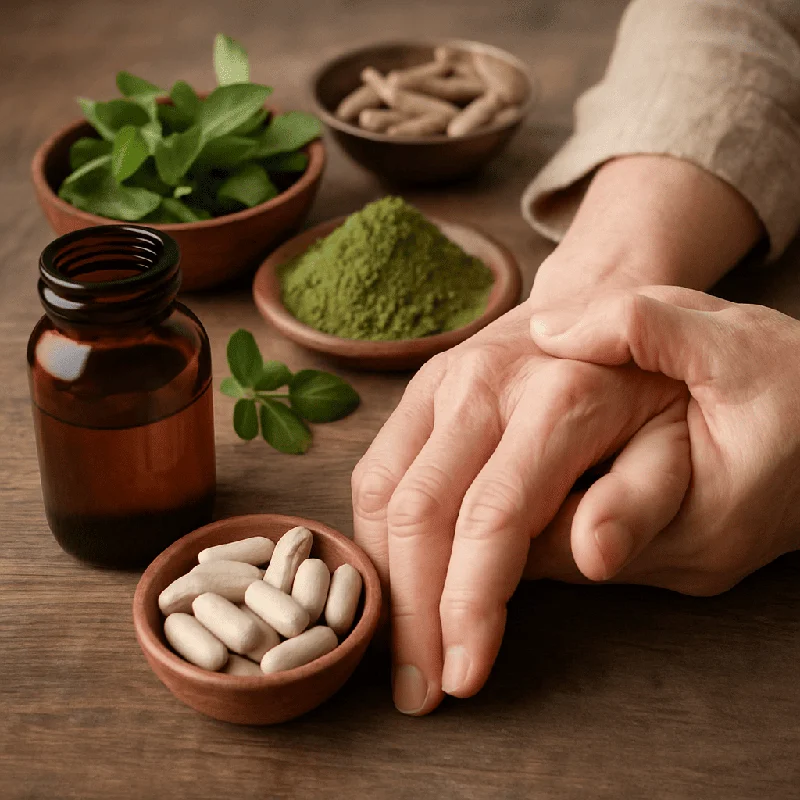
Ever tried explaining neuropathic pain to someone who’s never felt it? It’s like describing a static radio buzz inside your body — there, but invisible, relentless, strange. Now imagine treating that with ancient herbs and oils, handed down for generations, in a system older than most civilizations. Sounds a bit far-fetched, right? But that's exactly what Ayurveda has been doing — quietly, and often effectively — for centuries.
Let’s dive into how Ayurvedic medicine addresses neuropathic pain. And no, this isn’t a fluff piece trying to push turmeric pills or throw Sanskrit terms around to sound fancy. We're talking practical, grounded insight into real treatments that have helped real people — and where the science does (or doesn’t) line up.
Introduction
You know what’s frustrating? Neuropathic pain doesn’t always play by the rules. It’s not like a stubbed toe or a pulled muscle. It lingers. It burns, tingles, stabs, and sometimes numbs — often all at once. People feel it after surgeries, from chronic conditions like diabetes, or without any obvious cause at all. And here’s the thing: standard medicine doesn’t always have a solid answer. That’s where people start looking elsewhere — and Ayurveda, with its deep-rooted history in holistic healing, starts to sound more than just intriguing.
Ayurvedic medicine for neuropathic pain isn’t a one-size-fits-all pill. It’s a system — a philosophy, really — that looks at the body not as a battleground but as a network of energies, tissues, and pathways. The idea is that pain is a symptom of imbalance, not just damage. And to restore balance, you don’t just numb the sensation — you go after its root.
The goal here? Not to pit East against West or glorify herbal remedies like they’re magic. But if something’s worked for thousands of years, shouldn’t we at least look into it properly?
In this article, we’ll explore what Ayurvedic medicine really says about neuropathic pain. The key remedies. The herbs with tongue-twister names. The practices that might sound odd but are backed by surprising logic — and sometimes even hard data. Along the way, I’ll share a few stories, throw in some doubts, and hopefully help you make sense of whether this is something worth considering for yourself or someone you love.
What is Ayurvedic Medicine for Neuropathic Pain?
Definition and Origin of Ayurvedic Medicine for Neuropathic Pain
Alright, let’s untangle this. First, Ayurveda. It’s not just about oils, yoga, and detox teas — although yes, those are part of it. At its core, Ayurveda is a science of life (literally what the word means in Sanskrit). It’s an ancient Indian system of medicine that dates back over 3,000 years — older than most religions, by the way — and it’s still practiced widely today, especially across India and Sri Lanka.
Now, when we bring in neuropathic pain, things get more complex. Ayurveda doesn’t have a direct translation for "neuropathy" — obviously, ancient texts weren’t diagnosing "diabetic peripheral neuropathy." But they did describe symptoms remarkably similar: burning, tingling, numbness, weakness, radiating pain. These were often linked to vitiation of the Vata dosha, which governs the nervous system and movement in the body.
So Ayurvedic medicine for neuropathic pain is essentially about rebalancing Vata — calming the nervous system, nourishing the tissues (especially the nerves), and improving circulation and energy flow. It’s holistic in the truest sense.
Some practitioners even say that the modern idea of nerve dysfunction is just our updated version of what Ayurveda already understood in terms of "Majja Dhatu" (the tissue system responsible for nerves and bone marrow).
Historical Use in Ayurveda
What’s fascinating is that texts like the Charaka Samhita and Sushruta Samhita — Ayurvedic classics — describe treatments for conditions we’d now classify under neuropathic pain. They didn’t call it that, obviously. But they wrote about “Vatavyadhi” — diseases caused by aggravated Vata. And the symptoms? Tingling, twitching, stiffness, radiating pain — eerily familiar.
To treat these, they prescribed a combination of internal medicines (herbal decoctions, medicated ghee), external therapies (oil massage, steam therapy), and dietary and lifestyle adjustments. No single solution — it was all about context, constitution, and cause.
Even now, many Ayurvedic clinics treat conditions like sciatica, diabetic neuropathy, and post-herpetic neuralgia with protocols based on these age-old principles. And for some patients, especially those who’ve exhausted other options, they actually help.
Cultivation and Harvesting (Where Applicable)
Now, here's where it gets dirt-under-the-fingernails real. A lot of the herbs used in Ayurvedic neuropathy treatments aren’t mass-produced in factories. They’re grown in specific regions — sometimes in forests, sometimes in carefully managed farms.
Take Ashwagandha, for instance — a superstar adaptogen used for calming nerves. It's a hardy plant, grown mostly in dry regions of India like Madhya Pradesh. Its roots are harvested after about six months, dried, and ground into powder or used in oils and decoctions.
Or Bala (Sida cordifolia) — another nerve tonic. It's often collected from wild growths, though some sustainable cultivation projects now exist. Same goes for Guduchi (Tinospora cordifolia) — which grows as a climbing vine, often over neem or mango trees. All of this matters because the quality of the herb — the soil, the climate, the timing — deeply affects its potency. No surprise there, but it’s worth pointing out.
In short? Ayurvedic medicine for neuropathic pain isn’t something that just pops out of a capsule. It’s rooted (literally) in nature — and a whole lot of tradition.
Key Components and Active Substances in Ayurvedic Medicine for Neuropathic Pain
Chemical Composition and Active Ingredients
You ever try to read the back of a supplement bottle and feel like you’ve accidentally opened a chemistry textbook? Yeah, Ayurveda doesn’t usually come with labels like “alpha-lipoic acid” or “gabapentin.” But make no mistake — the herbs used have active compounds that are quite powerful, even if their names aren’t as lab-coat friendly.
Let’s take Ashwagandha again — a classic for calming aggravated Vata. It contains withanolides, which have neuroprotective and anti-inflammatory effects. Then there’s Guduchi, loaded with alkaloids and glycosides that modulate immune response and support nerve regeneration. And Shankhpushpi — often given for nerve-related anxiety and insomnia — has flavonoids and alkaloids that enhance neurotransmitter function.
Brahmi (Bacopa monnieri) might be the most “brainy” of the bunch. It’s packed with bacosides, known to improve cognitive function and help rebuild damaged neurons. There’s real research (we’ll get to that) showing how Brahmi enhances synaptic activity and reduces oxidative stress in the brain.
Ayurveda might not use the term “neurotransmitter,” but it sure knows how to support one.
How the Components Affect the Body
The Ayurvedic explanation? Herbs work by restoring doshic balance — particularly calming Vata, which is responsible for erratic nerve signals. The modern explanation? Many of these herbs reduce oxidative stress, improve blood flow to nerves, reduce inflammation, and modulate the central nervous system.
Think of it like this: your nerves are like tiny electrical wires running through the body. When they’re damaged or inflamed, the signals go haywire — pain, numbness, tingling. These herbs help rebuild the insulation, calm the sparks, and restore the signal. Slowly, but steadily.
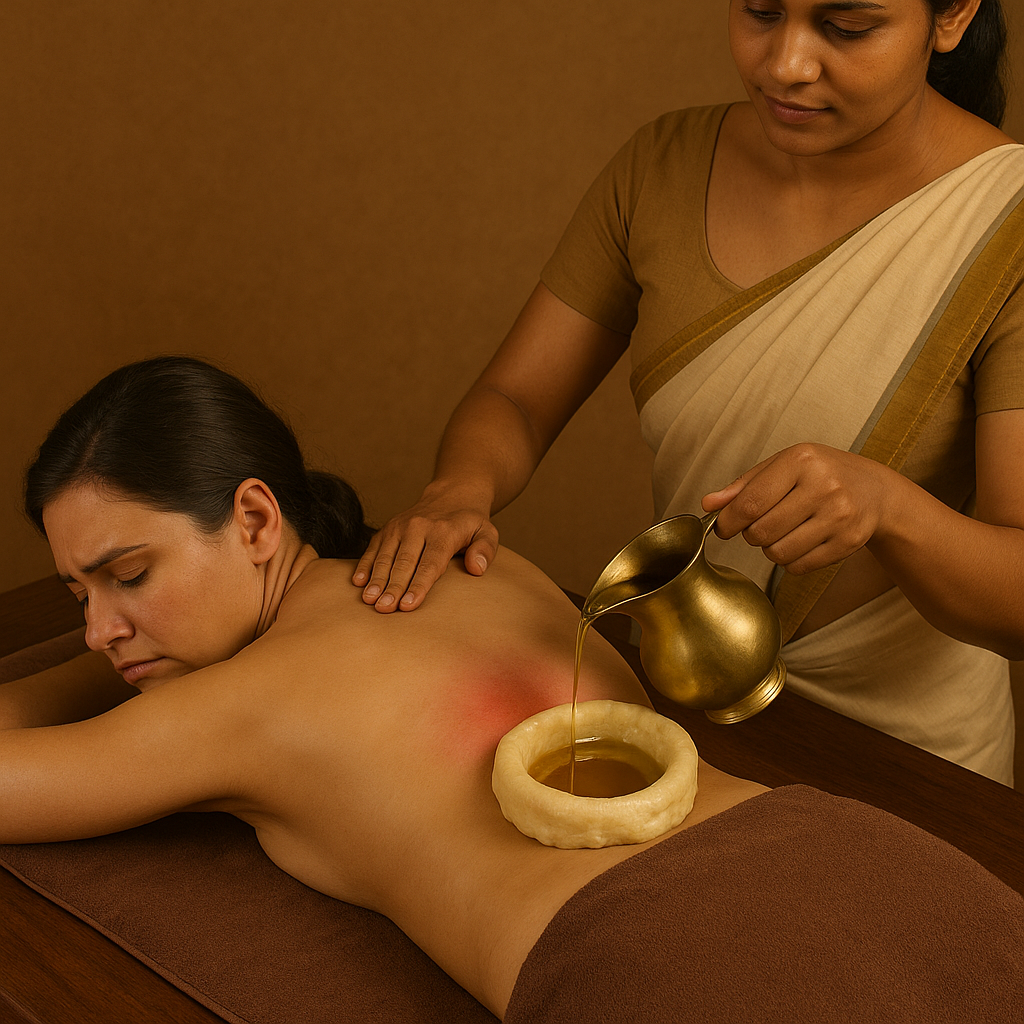
Oil-based preparations, like Ksheerabala Taila or Mahanarayana Taila, go a step further. Used in massages or even administered internally (yes, that’s a thing), they help lubricate the channels (called srotas) and reduce dryness — a classic Vata symptom.
It’s not a quick fix. But in some cases, that’s the point. You’re not numbing pain — you’re undoing damage.
Comparison with Similar Ayurvedic Remedies
What about other options? Ayurveda offers a whole catalog of nerve tonics, and choosing the right one depends on constitution, symptoms, and sometimes even climate. No joke.
For instance, Bala-Ashwagandha Lakshadi Taila is great for people with both pain and muscle wasting. Saraswatarishta is more for nervous exhaustion with emotional distress — think burnout, sleeplessness, and anxiety along with physical pain.
Compare that to something like Triphala, which is more digestive but still helpful if nerve pain is accompanied by toxin buildup (Ama in Ayurvedic terms). Or Guggulu-based formulas — especially Yogaraj Guggulu — which are better when there's joint involvement or systemic inflammation.
So yes, there’s nuance. It’s not just “take this herb for that pain.” It’s more like matching puzzle pieces.
Health Benefits and Therapeutic Uses of Ayurvedic Medicine for Neuropathic Pain
Physical Health Benefits
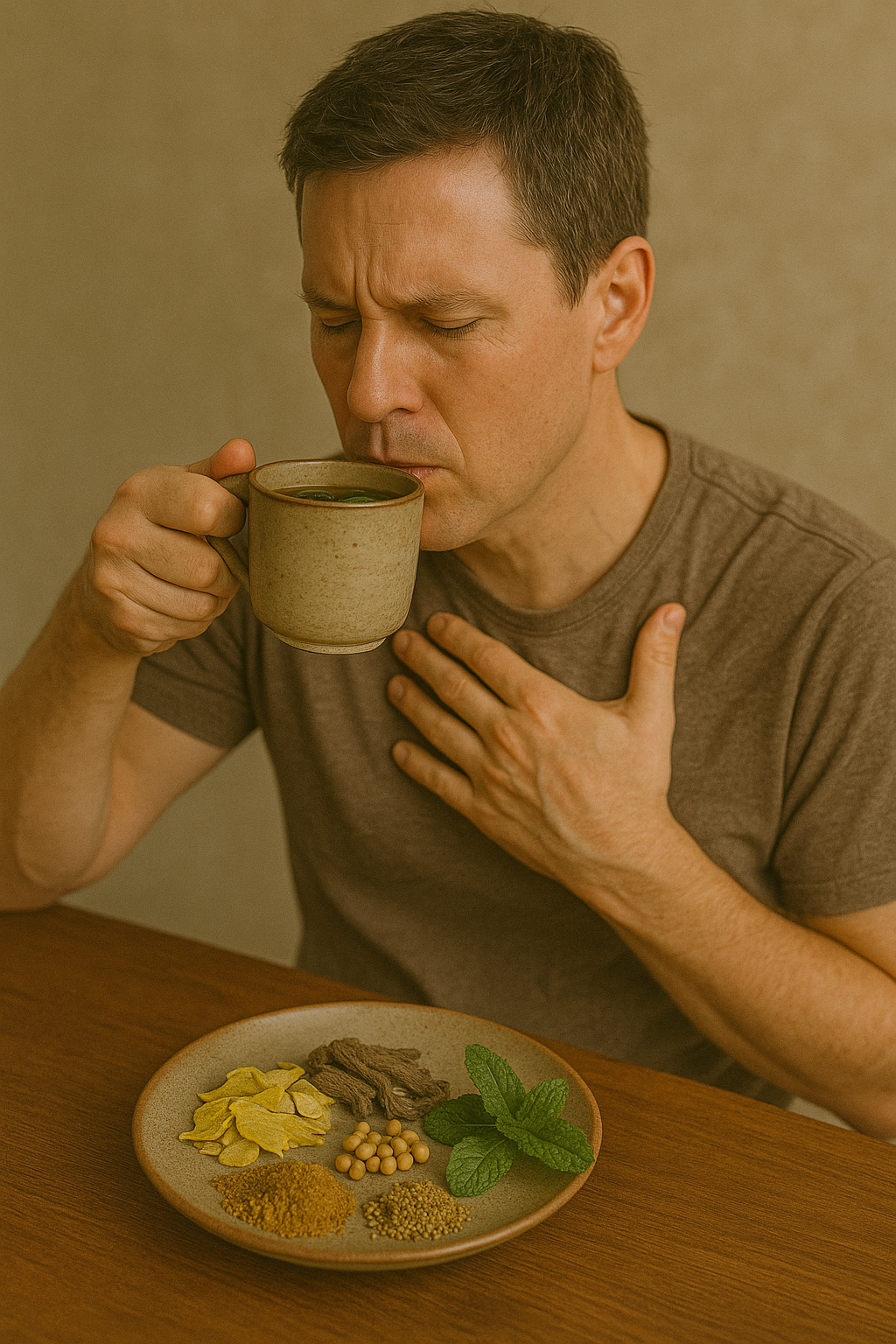
Let’s not sugarcoat it: when neuropathic pain flares, even walking across the room can feel like stepping on broken glass. But the right Ayurvedic protocol? It can help. Not instantly. But often profoundly.
Here are the reported physical benefits:
-
Pain reduction — through nervine sedatives and anti-inflammatories like Ashwagandha and Rasna.
-
Improved nerve function — thanks to nerve tonics like Bala and Guduchi.
-
Better circulation — especially with massage oils like Sahacharadi and Kottamchukkadi.
-
Reduced numbness and tingling — often after consistent use of medicated oils and decoctions.
And unlike many pharmaceutical options, the aim is not suppression. It’s healing.
Mental and Emotional Health Benefits
Now here’s a part we don’t talk about enough: how pain messes with your mind. Chronic pain brings irritability, anxiety, depression — sometimes even identity loss.
This is where herbs like Shankhpushpi, Jatamansi, and Tagara come in. They soothe the nervous system and mind together. You start sleeping better. You feel less emotionally raw. And that, in turn, reduces pain perception. It’s all connected.
Brahmi, in particular, has a long-standing reputation for enhancing memory, reducing mental fatigue, and calming the heart — especially when neuropathic pain is tied to stress or trauma.
Ayurveda doesn’t separate body and mind. So neither should your treatment.
Most Effective Use Cases
Let’s get specific. Ayurvedic medicine has been particularly effective in:
-
Diabetic neuropathy — often tackled with Guduchi, Ashwagandha, and dietary overhaul.
-
Post-herpetic neuralgia — helped by Rasayana therapy and Panchakarma detox.
-
Sciatica — commonly treated with Abhyanga (oil massage), Basti (medicated enema), and Rasnasaptakam Kashayam.
-
Chemotherapy-induced neuropathy — a newer frontier, but with promising anecdotal cases using Brahmi and Dashamoola-based therapies.
Each of these requires a tailored approach — sometimes including detox (Shodhana), sometimes just rejuvenation (Rasayana). No two cases are the same.
Use in Integrated Ayurvedic Therapy
Here’s where it gets holistic — the real Ayurvedic experience isn’t just about herbs.
You might get:
-
Abhyanga – daily massage with medicated oils to soothe nerves.
-
Swedana – herbal steam therapy to relax tissues and open channels.
-
Nasya – nasal administration of oils to calm the brain and head.
-
Basti – medicated enemas to regulate Vata from its root in the colon.
Combined with yoga, breathing practices, and a Vata-pacifying diet (warm, oily, grounding foods), it becomes a full lifestyle change. Not everyone’s ready for that, but those who go all-in often see deep, lasting results.
Indications and Contraindications of Ayurvedic Medicine for Neuropathic Pain
Health Conditions Where It’s Recommended
Let’s be honest: Ayurveda doesn’t pretend to be the miracle cure for every kind of neuropathic pain. But when it works, it works really well — especially in chronic, non-surgical cases where inflammation and nerve damage are central.
Common conditions treated include:
-
Peripheral neuropathy
-
Diabetic neuropathy
-
Trigeminal neuralgia
-
Sciatica
-
Carpal tunnel syndrome
-
Post-viral nerve pain (like after shingles)
And if the root cause is Vata imbalance? Even better. Ayurveda shines in those cases.
Possible Side Effects and Contraindications
Here’s the no-hype truth: just because it’s herbal doesn’t mean it’s harmless.
Some herbs can:
-
Overstimulate the nervous system if taken in high doses (e.g., too much Brahmi or Ashwagandha).
-
Interact with diabetes or blood pressure meds.
-
Cause digestive upset in people with weak Agni (digestive fire).
And let’s not forget allergic reactions — rare, but possible.
That’s why working with a knowledgeable practitioner is key. Self-prescribing based on a blog post (even this one) is risky business.
Restrictions Based on Age, Health Status, or Drug Interactions
Kids? Usually not given potent Rasayana herbs unless supervised.
Pregnant or breastfeeding? Some herbs are contraindicated, like Guggulu or high-dose Turmeric.
On medication for epilepsy, heart disease, or blood pressure? Definitely check for interactions. For instance, Ashwagandha may amplify sedatives or affect thyroid meds.
Basically: Ayurveda can be powerful — so treat it with respect.
स्वयं दवा न लें और प्रतीक्षा न करें। अभी डॉक्टर से चैट शुरू करें
How to Properly Use Ayurvedic Medicine for Neuropathic Pain
Recommended Forms and Dosages
First rule? Form matters.
Depending on the condition and constitution, herbs can be given as:
-
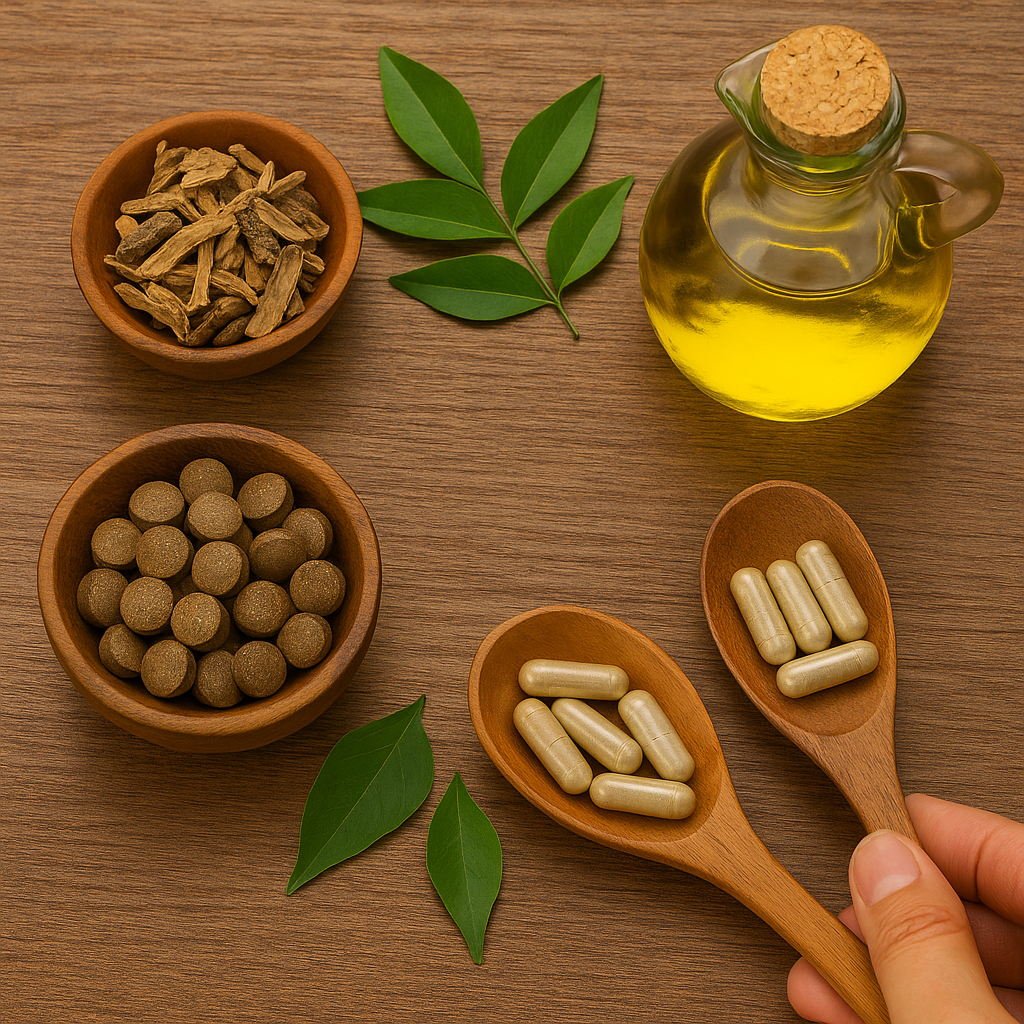
Churna (powder)
-
Kashayam (decoction)
-
Arishta (fermented liquid)
-
Taila (oil for massage or ingestion)
-
Ghritha (medicated ghee)
Typical dosage ranges:
-
Ashwagandha powder: 3–6g daily
-
Brahmi syrup: 10–15ml twice daily
-
Guduchi Kashayam: 15–30ml before meals
-
Ksheerabala Taila: external use daily or 5–10 drops internally (only under guidance)
But again — consult someone trained. Dosage isn’t universal.
Best Time to Take It / Dosage Schedule
Ayurveda loves rhythm. For nerve health, many remedies are best taken:
-
Morning – to align with circulation and elimination
-
Evening – for calming effects and better sleep
For oils: Abhyanga is best done in the morning before showering. Internal oils are usually taken on an empty stomach — but only if digestion is strong.
Consistency is key. No herb will save you if you take it “every now and then.”
Recipes and Practical Advice
Here’s a simple recipe you can try (non-medical, of course):
Ashwagandha-Brahmi Milk
-
1/2 tsp Ashwagandha powder
-
1/2 tsp Brahmi powder
-
Warm milk (cow or almond)
-
Optional: pinch of nutmeg or ghee
Boil it all together, strain, and sip at bedtime. It helps calm the nerves and aids sleep — especially after a long, painful day.
Want to go deeper? Prepare a medicated oil massage routine at home with Ksheerabala Taila or Narayana Taila. Warm the oil gently, apply it with long strokes toward the heart, and sit for 20 minutes before a warm bath. Feels divine. Genuinely.
Success Stories and Real-Life Examples (Case Studies)
Let me tell you about Rajesh.
He’s 52, works in IT, and had been dealing with diabetic neuropathy for almost five years. Burning feet, numb toes, random electric-shock sensations — the works. He’d tried gabapentin, B12 shots, even acupuncture. Some relief, sure. But nothing that lasted. A friend dragged him to an Ayurvedic clinic in Pune — not because he believed in it, but because he was tired of popping pills.
They put him on a routine: Guduchi Kashayam, Ashwagandha Ghritha, and daily Abhyanga with Ksheerabala Taila. Oh, and he had to ditch coffee and start eating warm food — which he fought at first, because he loved cold smoothies.
Fast-forward six months. The pain didn’t vanish, but he wasn’t waking up at 3 a.m. in agony anymore. He started sleeping better. Walking barefoot at home didn’t feel like fire anymore. For him, that was everything.
Or Meera — a 39-year-old teacher who developed post-herpetic neuralgia after a shingles outbreak. She couldn't bear even light touch on her lower back. The docs said it might last years. She tried Saraswatarishta and Basti therapy under a female Ayurvedic practitioner. Within 8 weeks, her pain dropped from a 9 to a 3 on the pain scale. No placebo there — she’d tried everything else.
Are these miracle cures? Nope. But they’re real outcomes, from real people, with a real system that takes its time — but often delivers.
Scientific Research and Evidence of Effectiveness of Ayurvedic Medicine for Neuropathic Pain
Summary of Clinical Studies Supporting It
Let’s talk evidence. Yes, real studies — though fair warning: Ayurvedic research doesn’t always make it to the shiny front page of Nature or The Lancet.
A 2014 study published in the Journal of Ethnopharmacology found that Ashwagandha improved nerve regeneration and reduced inflammation in diabetic neuropathy animal models. Another 2020 study in Ancient Science of Life observed improved symptom control in peripheral neuropathy patients using Dashamoola Kwath combined with Abhyanga and Basti therapy.
Guduchi, according to a 2011 study, showed antioxidant and neuroprotective activity in rats with chemically induced neuropathy. Human studies? Still early days — but positive trends exist. There are also promising pilot studies on Brahmi’s effect on memory, nerve conduction, and emotional resilience in people with chronic neurological symptoms.
References to Medical Journals and Research Papers
These studies often come from:
-
AYU Journal
-
Journal of Ayurveda and Integrative Medicine
-
PubMed-indexed Indian institutions like Banaras Hindu University or AIIMS Delhi
Are they perfect double-blind placebo-controlled mega-trials? Not usually. But they’re growing in number and quality — and increasingly include neuroimaging, blood biomarker tracking, and crossover with modern neuroscience.
If you're a skeptic? Good. Read them yourself. Ask questions. That’s the point.
Comparison with Results from Conventional Medicine
Conventional meds for neuropathic pain — gabapentin, pregabalin, duloxetine — can be lifesaving. But they don’t always work, and they come with side effects like dizziness, weight gain, and cognitive fog.
Ayurvedic approaches? Slower, yes. But often better tolerated long-term. They don’t override your nervous system — they support it. When used together thoughtfully (and not randomly), some patients report needing less pharma intervention over time.
Integration, not opposition — that’s the future.
Conclusion
Let’s zoom out.
Ayurvedic medicine for neuropathic pain isn’t about magical herbs or one-size-fits-all fixes. It’s about looking at pain not just as a problem to silence, but as a message — a call for balance. Maybe that sounds woo-woo. But when you’ve tried everything else, maybe “woo-woo” starts to sound like wisdom.
Whether it’s Ashwagandha calming your nerves, Guduchi rebuilding pathways, or a 3,000-year-old oil recipe soothing burning feet, there’s something undeniably alive in this system. It doesn’t promise instant results. But it does promise to treat you like more than a bundle of symptoms.
If you’re dealing with neuropathic pain and feel like you’ve hit a wall — or just want to try something gentler, more personalized — Ayurveda might be worth exploring.
👉 Get personalized advice about Ayurvedic medicine for neuropathic pain
Frequently Asked Questions (FAQ)
1. Can Ayurvedic medicine really cure neuropathic pain?
Not in the “take this herb and you're cured” way. But it can significantly reduce symptoms, improve quality of life, and even help nerve recovery in the right cases — especially with consistent use and proper guidance.
2. How long does it take for Ayurvedic treatment to work?
Expect at least 4–6 weeks for minor improvements. For deep chronic issues, 3–6 months is more realistic. It’s not a quick fix — it's a slow, restorative process.
3. Is it safe to combine Ayurvedic remedies with modern medications?
Generally yes — if you do it under supervision. Some herbs may interact with blood sugar, blood pressure, or sedative drugs. Always inform both your doctors and Ayurvedic practitioner.
4. What are the most effective herbs for nerve pain in Ayurveda?
Ashwagandha, Brahmi, Guduchi, Bala, Shankhpushpi, and Rasna are among the top. But the best choice depends on your body type (Prakriti), symptoms, and root cause.
5. Can I treat neuropathic pain at home with Ayurveda?
To some extent, yes — with basic herbs, diet, and oil massage. But for real results, especially in complex or long-term pain, a custom plan from an Ayurvedic doctor is ideal.
References
Here are some trusted sources and institutions worth checking out for deeper research:
-
The Ayurvedic Institute -
PubMed Central -
Ministry of AYUSH, Government of India -
All India Institute of Ayurveda -
Dravyaguna (Ayurvedic Pharmacology) – Benares Hindu University
उपयोगकर्ताओं के प्रश्न
What are the signs that Ayurvedic treatment is effective for nerve pain?
Client_588871
24 दिनों पहले
Signs that Ayurvedic treatment is effective for nerve pain include a noticeable reduction in pain intensity, improved sensory perception, and enhanced mobility over time. These improvements may take 3–6 months, depending on factors such as the severity of the neuropathy and individual response to treatment. Optimally, this treatment should complement medical advice and therapies, as severe or persistent nerve pain might require professional medical intervention. Always consult a healthcare provider to ensure that Ayurvedic treatments are a safe addition to your pain management strategy.
What precautions should be taken when using Ayurvedic herbs for neuropathy?
Client_d23ca1
29 दिनों पहले
When using Ayurvedic herbs for neuropathy, it's crucial to consult a healthcare professional to ensure safety and efficacy. Self-prescribing is risky due to potential interactions with existing health conditions or medications. Herbs often vary in potency and effect based on age, health status, and individual symptoms. They may not be suitable for children unless specifically formulated. Be aware of the cultivation and harvesting standards of these herbs, as they may not be mass-produced, affecting consistency. If symptoms of neuropathy persist or worsen, seek medical attention.
What home remedies can complement Ayurvedic treatment for neuropathic pain?
Client_e778e2
34 दिनों पहले
To complement Ayurvedic treatment for neuropathic pain, consider home remedies like incorporating turmeric and omega-3 fatty acids into your diet, as they have anti-inflammatory properties that may help manage pain. Ensure you maintain a balanced diet rich in vitamin B12, as deficiencies can worsen neuropathic symptoms. Gentle exercises such as walking or yoga can improve circulation and reduce pain over time. Essential oils like lavender or peppermint can be used for their calming effects. Always consult a healthcare provider if pain persists or worsens, as neuropathic pain can indicate underlying conditions requiring medical attention.
What are the long-term benefits of walking barefoot for nerve health?
Client_d689e4
39 दिनों पहले
Walking barefoot can enhance nerve health by potentially stimulating nerve endings and improving blood circulation. This activity, known as "earthing" or grounding, may support nerve function through sensory feedback and increased proprioception. The process is gradual and may require several months to observe noticeable benefits. Consistent practice could help undo damage rather than just mask symptoms. If you experience persistent nerve pain or discomfort, it's important to consult a healthcare professional to explore underlying conditions and appropriate treatments.
What lifestyle changes support Ayurvedic healing for neuropathic pain?
Client_113a21
44 दिनों पहले
Lifestyle changes that support Ayurvedic healing for neuropathic pain primarily involve diet, exercise, and stress management. Incorporating a balanced diet rich in anti-inflammatory foods like vegetables, fruits, and whole grains can help. Regular low-impact exercise, such as walking or yoga, may improve circulation and nerve health. Stress reduction techniques, including meditation and deep breathing exercises, can further aid in managing pain. While Ayurveda may suggest herbs or specific practices, these should complement—not replace—western medical advice. Consult a doctor if pain persists or worsens.
How to incorporate Ayurvedic practices into daily routine for pain management?
Client_c66260
49 दिनों पहले
To incorporate Ayurvedic practices for pain management, start by integrating simple lifestyle habits like regular gentle exercise, which can improve circulation and reduce stiffness. A balanced diet with anti-inflammatory foods such as turmeric and ginger may help. Consider stress-reduction techniques like meditation or yoga to potentially reduce the perception of pain. While Ayurveda suggests remedies like Guduchi for pain, always consult a healthcare professional before starting new treatments, especially if your pain is chronic or worsening. If pain persists, a doctor's visit is advisable for a comprehensive treatment plan.
What Ayurvedic oils are recommended for muscle relaxation and healing?
Client_347c35
54 दिनों पहले
Ksheerabala Taila and Mahanarayana Taila are two Ayurvedic oils often recommended for muscle relaxation and healing. These oils contain herbal compounds with anti-inflammatory and soothing properties that may aid in relieving muscle tension. Benefits might be felt in a few weeks with regular use, but it can take 3–6 months for chronic issues. Consult a healthcare professional if muscle issues persist to rule out underlying conditions. While Ayurveda can support muscle health, it should complement conventional treatments, not replace them.
What are the success rates of Ayurvedic treatments for neuropathy?
Client_bec2be
59 दिनों पहले
There is limited scientific evidence on the success rates of Ayurvedic treatments for neuropathy. Some studies and anecdotal reports suggest improvements in symptoms using treatments like Dashamoola Kwath and Basti therapy. However, these studies are usually small or not comprehensive enough to provide a definitive success rate. It’s important to consult with a healthcare provider to discuss and monitor treatment plans. Modern medical interventions often include medications, physical therapy, and managing underlying conditions for better neuropathy management.
What are the advantages of using Brahmi for mental clarity and focus?
Client_280b73
64 दिनों पहले
Brahmi, also known as Bacopa monnieri, is often used to enhance mental clarity and focus due to its cognitive-boosting properties. It is believed to improve memory, reduce mental fatigue, and help in dealing with stress. Research suggests that Brahmi contains compounds called bacosides, which may help repair damaged neurons and improve nerve impulse transmission. This can result in better information retention and a calming effect on the mind. Benefits are generally observed after consistent use over a span of 6-12 weeks. If you experience any adverse effects like nausea or an upset stomach, or if symptoms persist, it is advisable to consult a healthcare professional.
How does Ayurvedic medicine personalize treatment for neuropathic pain?
Client_aa868d
69 दिनों पहले
Ayurvedic medicine approaches the treatment of neuropathic pain by tailoring solutions to an individual's constitution (Prakriti), specific symptoms, and underlying causes. However, scientific evidence supporting these methods is limited. Typical Ayurvedic treatments may include lifestyle changes, dietary adjustments, yoga, and herbal supplements like Ashwagandha or Turmeric, known for their anti-inflammatory properties. While some experience relief, results can vary, and improvements may take weeks to months. Consult a healthcare provider to ensure effective management and prevent potential drug interactions.
संबंधित आलेख

Neurological Disorders
Panchendriya Vardhan Tel: Enhance Your Senses with Ayurvedic Oil
Discover the benefits, proper dosage, uses, and scientific research behind Panchendriya Vardhan Tel, a powerful Ayurvedic oil for varicose veins.
4,020

Neurological Disorders
How to Get Rid of Sciatica Pain Permanently: A Complete Ayurvedic Guide
Explore sciatica pain relief, ayurvedic medicine for sciatica, and treatments for permanent cure. Learn how to relieve sciatica pain fast with natural remedies
3,540
Neurological Disorders
Best Ayurvedic Oil for Varicose Veins: Natural Relief Guide
Discover the best Ayurvedic oils for varicose veins. Learn how these natural remedies can alleviate symptoms, improve circulation, and promote vascular health. Explore expert insights and real references.
7,910

Neurological Disorders
सारस्वतारिष्ट: उपयोग, खुराक, साइड इफेक्ट्स, सामग्री
सारस्वतारिष्ट की खोज: उपयोग, खुराक, साइड इफेक्ट्स, सामग्री
6,155
Neurological Disorders
Syphilis Treatment in Ayurveda: Herbal Remedies and Healing Practices
Discover effective Ayurvedic treatments for syphilis, including herbal remedies, lifestyle practices, dosage guidelines, and scientific evidence supporting natural healing.
5,520

Neurological Disorders
Pakshaghata Chikitsa – Ayurvedic Strategies for Hemiplegia & Neuromuscular Rehabilitation
Explore holistic Ayurvedic strategies to manage hemiplegia and neuromuscular imbalances for improved mobility.
3,702
Neurological Disorders
हंसपत्यादि कषायम: समग्र स्वास्थ्य के लिए पारंपरिक आयुर्वेदिक उपाय
हंसपत्यादि कषायम के सिद्ध फायदों, सही खुराक, साइड इफेक्ट्स और इसके पीछे के वैज्ञानिक शोध के बारे में जानें। यह एक शक्तिशाली आयुर्वेदिक उपाय है जो समग्र स्वास्थ्य के लिए फायदेमंद है।
3,493
Neurological Disorders
Kaishore Guggulu for Varicose Veins: Strengthen Veins Naturally
Learn about Kaishore Guggulu for varicose veins, including its benefits, proper dosage, uses, and scientific research supporting this Ayurvedic treatment.
5,700

Neurological Disorders
MND Treatment in Ayurveda: Natural Approaches & Benefits
Explore Ayurvedic treatments for Motor Neurone Disease (MND). Learn about natural remedies, holistic approaches, benefits, and scientific insights into managing MND with Ayurveda.
3,599

Neurological Disorders
How to Control Headache: Natural and Effective Ways
Discover natural ways to control headache at home. Learn fast, medicine-free techniques and effective Ayurvedic tips for headache relief and pain control
3,392
विषय से संबंधित परामर्श
अतिरिक्त दस्तावेज़
© 2026 Ask Ayurveda. सर्वाधिकार सुरक्षित।