आयुर्वेदिक डॉक्टर से प्रश्न पूछें और निःशुल्क या भुगतान मोड में अपनी चिंता की समस्या पर ऑनलाइन परामर्श प्राप्त करें। 2,000 से अधिक अनुभवी डॉक्टर हमारी साइट पर काम करते हैं और आपके प्रश्नों का इंतजार करते हैं और उपयोगकर्ताओं को उनकी स्वास्थ्य समस्याओं को हल करने में प्रतिदिन मदद करते हैं।


Body DetoxEar, Nose, and Throat DisordersGeriatrics & RejuvenationImmunodeficiencyInfertility TreatmentNutritionOrthopedic DisordersPediatricsRespiratory DisordersSexually Transmitted Diseases (STDs)Surgery RecoveryUrological DisordersVascular DisordersDental DisordersEndocrinological DisordersGastrointestinal DisordersYoga TherapyGeneral MedicineAllergic DisordersCardio DisordersGynecology and ObstetricsCosmetologySkin and Hair DisordersEye DisordersInfectious DiseasesMental DisordersNeurological DisordersOncologyPanchakarmaSexual Health & DisordersSports Medicine
पर प्रकाशित 07/03/25
(को अपडेट 08/10/26)
3,095
How to Treat Tennis Elbow Naturally with Ayurveda and Exercise

Tennis elbow is one of those nagging, frustrating conditions that creeps in slowly and overstays its welcome. Whether you're an athlete, a desk worker, or just someone who lifted one-too-many grocery bags the wrong way, the pain can get real — fast. If you’re tired of pills, braces, or doctor visits that go nowhere, you might be wondering how to treat tennis elbow naturally.
Good news: it is possible to manage, and in many cases, reverse this condition without resorting to invasive treatments. From tennis elbow Ayurvedic treatment approaches to tennis elbow exercises and yoga for tennis elbow, this guide explores safe, practical ways to deal with pain and regain mobility — right from your home.
Whether you’re looking for tennis elbow home remedies, wondering “is tennis elbow curable?”, or simply searching for tennis elbow treatment at home that actually works — you’re in the right place.
Let’s dive in.
Is Tennis Elbow Curable with Natural Treatment?
Yes — but with a caveat.
Tennis elbow, or lateral epicondylitis (that’s a mouthful), happens when the tendons in your elbow get overloaded — usually by repetitive motion. And no, you don’t have to play tennis to get it. Typing, gardening, even painting a wall can trigger it.
The good news? Treatment of tennis elbow doesn't always require surgery or steroids. Many people see significant improvement — some even full recovery — through natural methods like rest, tennis elbow exercises, stretching, and herbal remedies.
That said, patience is key. This isn't a “cure it in 2 days” kinda deal. Natural healing takes time, and consistency is the name of the game. If you're willing to commit, though, the results can be long-lasting and (bonus!) side-effect free.
Tennis Elbow Ayurvedic Treatment and Home Remedies
Ayurveda views tennis elbow as a disorder related to Vata dosha — associated with dryness, pain, and tension. So, the goal is to calm that down with warmth, oil, and rest.
Here are some time-tested Ayurvedic and home remedies for tennis elbow:
-
Massage with Mahanarayan oil or Dhanwantharam oil: These herbal oils have anti-inflammatory properties and can help soothe pain and stiffness.
-
Castor oil packs: Warmed castor oil applied to the elbow for 20-30 mins daily helps improve circulation and reduce swelling.
-
Ashwagandha or Shallaki supplements: Known for their anti-inflammatory effects, these can be taken (after consulting your doc) to support healing from the inside.
-
Turmeric milk: Grandma was right! Turmeric’s curcumin compound is a natural anti-inflammatory powerhouse.
Don’t forget good ol’ rest. Sounds simple, but it's often overlooked. Give your elbow a break — literally — from the motions that caused the issue in the first place. That means skipping the gym, taking frequent breaks from typing, and using ergonomic tools at work.
One note of caution: if the pain is sharp, radiating, or worsening — don’t wait. Natural treatments work best in early-to-mid stages. Chronic or severe cases may still need medical intervention. Still, even in those scenarios, Ayurveda and home treatments for tennis elbow can be great for support and recovery.
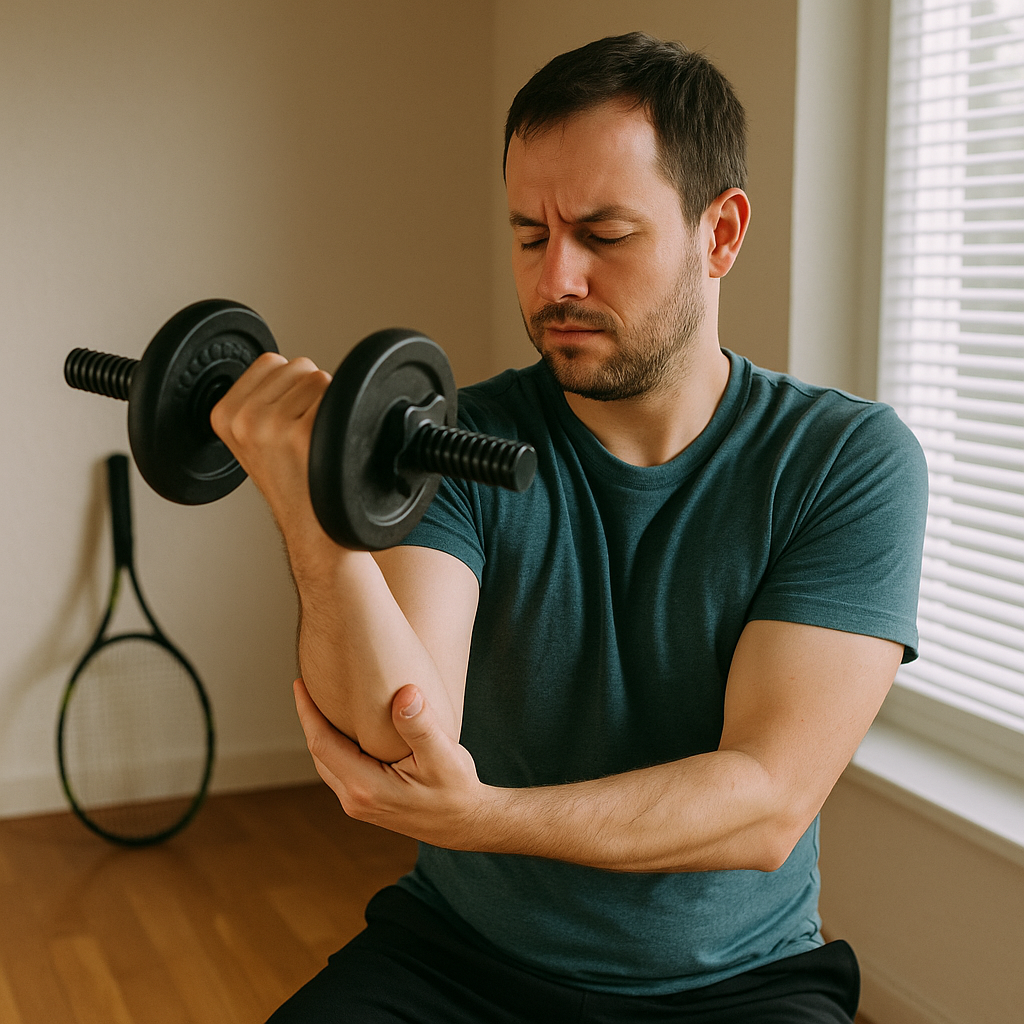
Best Tennis Elbow Exercises and Stretches
One of the most effective ways to manage and eventually heal tennis elbow is through movement — the right kind of movement, that is. While rest is vital in the early days, too much rest can actually slow your recovery. That’s where tennis elbow exercises come in.
When done consistently (and gently), these exercises for tennis elbow can help strengthen the forearm muscles, improve flexibility, and prevent future flare-ups. Let’s take a look at what you should be doing—and what to steer clear of.
Gentle Exercises for Recovery
Start slow. Seriously, don’t go all Rocky Balboa on your elbow. Start with these simple tennis elbow exercise routines 2–3 times a day:
-
Wrist Extension Stretch: Extend your arm straight in front of you, palm facing down. With the other hand, gently pull the fingers back toward you until you feel a stretch in your forearm. Hold for 15–30 seconds.
-
Wrist Flexor Stretch: Same as above, but this time your palm faces upward. Pull fingers gently downward to stretch the underside of your forearm.
-
Fist Clench: Use a soft towel or small ball. Place it in your palm and gently squeeze for a few seconds, then release. Repeat 10–15 times to build grip strength.
-
Eccentric Wrist Extension: With a light dumbbell (1–2 lbs is enough), place your arm on a table with your wrist hanging over the edge, palm down. Use the other hand to help raise the dumbbell, then slowly lower it back down with your injured arm only. That slow lowering is where the magic happens.
These tennis elbow exercises promote circulation, reduce stiffness, and slowly build back the muscle endurance you need.
Tennis Elbow Exercises to Avoid
Not all movement is good movement when you're injured. Some tennis elbow exercises to avoid include:
-
Heavy weightlifting (especially curls and pull-ups)
-
Typing or texting for long periods without breaks
-
Any repetitive motion that caused your injury in the first place
-
Push-ups and planks (at least until the pain has significantly reduced)
A common mistake? Pushing through the pain thinking it’ll “toughen up.” Spoiler alert: it won’t. It’ll just make things worse. Be kind to your body — it’s already working hard to heal.
Yoga for Tennis Elbow Relief and Mobility
Believe it or not, yoga for tennis elbow can be a game-changer. Not only does it improve flexibility and posture, but certain poses help reduce inflammation and release tension in your forearms and shoulders — which are often tight from overuse.
Try these poses (gently!):
-
Gomukhasana (Cow Face Pose): Great for stretching shoulders and triceps.
-
Eagle Arms: Helps open up the upper back and improve blood flow.
-
Child’s Pose with Arm Stretch: Keeps the elbow supported while providing a gentle stretch through the arms.
Avoid weight-bearing poses like Downward Dog or Chaturanga until you’re pain-free. You might be tempted, but trust us — it’s not worth the setback.
Even 10–15 minutes of yoga a day can speed up your recovery while improving overall joint health.
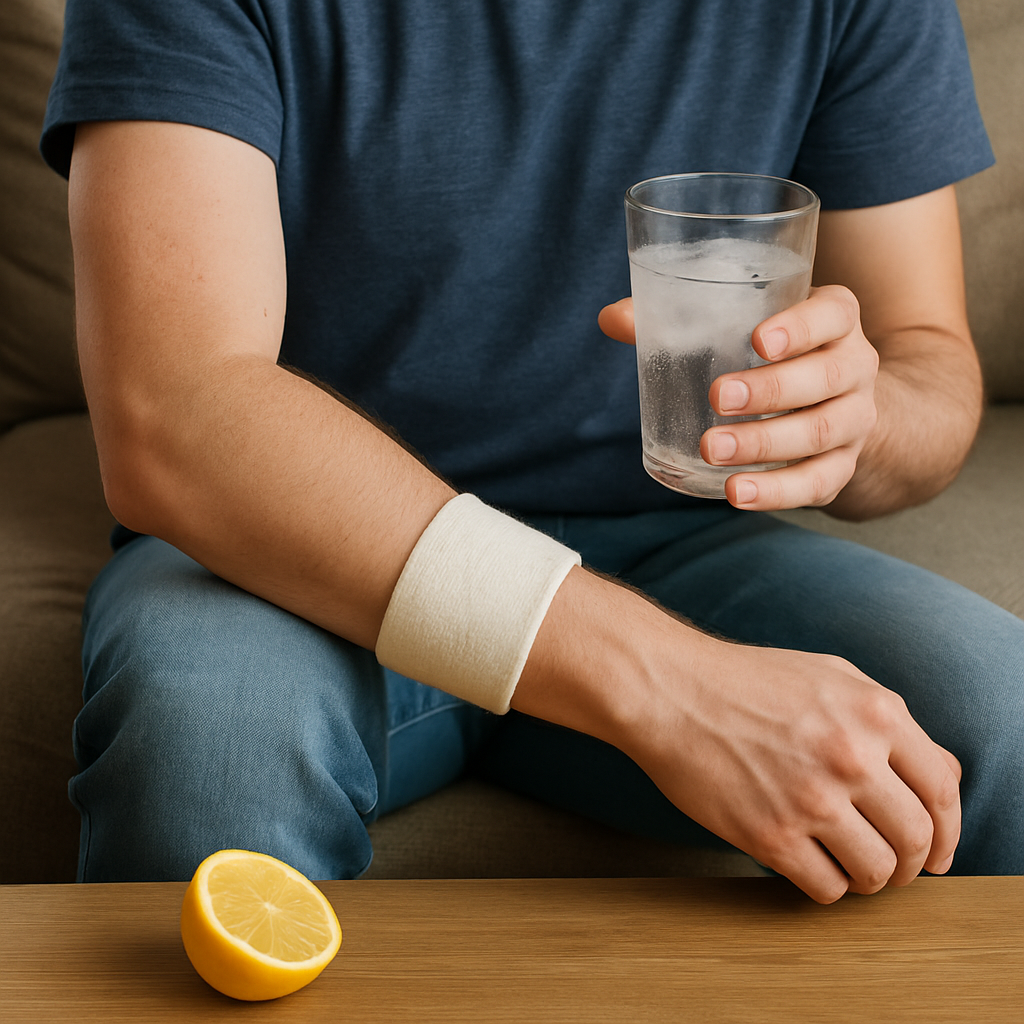
Tennis Elbow Treatment at Home: Heat, Rest, and Oils
So you’ve got your tennis elbow exercises and maybe even tried a bit of yoga for tennis elbow — but what about those quiet moments at home when the ache just won’t go away?
The good news is, you can absolutely build an effective tennis elbow treatment at home routine. You don’t need fancy gadgets or expensive therapies — just consistency, a few smart tools, and a little bit of patience (OK, sometimes a lot of patience).
Here’s how to build your home healing toolkit:
-
Warm compress therapy: Use a warm (not hot) heating pad or warm towel wrapped around the elbow for 10–15 minutes. This increases blood flow and can ease stiff tendons. Do this before exercise or stretches to loosen things up.
-
Essential oils & Ayurvedic oils: Oils like eucalyptus, peppermint, or Ayurvedic ones like Mahanarayan oil (mentioned earlier) can be massaged into the area to relieve inflammation. Pro tip: mix with a carrier oil like sesame or coconut to avoid skin irritation.
-
Bracing & support: An elbow strap or brace can help offload tension from the injured tendon. But don’t rely on it forever — think of it as a training wheel, not a long-term fix.
-
Ergonomic changes: Tiny adjustments to your workstation can make a huge difference. Use a wrist rest, lower your keyboard, or try voice dictation tools to reduce typing.
And lastly: sleep. It might not sound sexy or like a "treatment of tennis elbow," but your body does its best repair work when you’re catching those Zs. If your sleep setup isn’t comfortable, your healing may be slowed without you even realizing it.
स्वयं दवा न लें और प्रतीक्षा न करें। अभी डॉक्टर से चैट शुरू करें
Conclusion
So, is tennis elbow curable? Yes — absolutely. But like many things in life, the solution isn’t one-size-fits-all. What works for one person may not work for another. Still, the combination of tennis elbow Ayurvedic treatment, smart tennis elbow home remedies, targeted exercises for tennis elbow, and even a little yoga can make a world of difference.
Whether you’re deep into recovery or just starting to notice symptoms, there’s hope. You can treat it naturally. You can feel better. And hey — maybe you’ll even come out stronger than before.
Take it slow. Listen to your body. Be consistent. And don’t forget to celebrate those small wins — fewer pain days, better range of motion, or just the fact that you made it through a whole workday without discomfort. That counts.
FAQs
What is the fastest way to cure tennis elbow?
There’s no “magic bullet,” but the fastest route to healing involves rest, ice or warm compresses, gentle tennis elbow exercises, and reducing the movements that caused it. Adding in Ayurvedic treatments and yoga can speed recovery by improving blood flow and reducing inflammation.
What to eat to cure tennis elbow?
Focus on anti-inflammatory foods: turmeric, leafy greens, berries, ginger, fatty fish (like salmon), nuts, and seeds. Stay hydrated and reduce processed sugar and fried foods — they worsen inflammation.
Does tennis elbow ever go away?
Yep. In most cases, with the right care, it goes away in a few weeks to a few months. Chronic cases might take longer, but natural remedies and therapies can significantly help manage — and even eliminate — symptoms.
If you found this guide helpful, share it with a friend or family member who's been dealing with nagging elbow pain. And don’t forget to bookmark this page — healing isn’t a one-day thing. Come back, re-read, and keep working through the steps.
Your elbow will thank you later 💪
उपयोगकर्ताओं के प्रश्न
Is it safe to apply heat before or after tennis elbow exercises?
Client_66a995
22 दिनों पहले
Applying heat before or after tennis elbow exercises can be safe and beneficial. Heat therapy increases blood flow, relaxes muscles, and may ease stiff tendons. It's commonly used before exercises to warm up the area and enhance flexibility. Apply heat for 15-20 minutes using a warm towel or heating pad. After exercises, heat can soothe soreness but ice is often recommended to reduce inflammation. If you experience sharp or worsening pain, consult a healthcare professional. Always listen to your body and adjust based on how your elbow responds.
What are the benefits of applying ice to tennis elbow?
Client_6862b6
27 दिनों पहले
Applying ice to tennis elbow can help reduce inflammation and numb the pain in the affected area. Ice acts as a vasoconstrictor, meaning it narrows blood vessels and reduces blood flow, which can help manage swelling and discomfort. For best results, apply an ice pack wrapped in a cloth to the elbow for 15-20 minutes every 2-3 hours, especially after activity. Be cautious to avoid frostbite by never applying ice directly to the skin. If symptoms persist beyond a few weeks or worsen, consult a healthcare professional for further evaluation and personalized treatment options.
How does improving blood flow aid in tennis elbow recovery?
Client_7e7cde
32 दिनों पहले
Improving blood flow can significantly aid in the recovery of tennis elbow by enhancing the delivery of oxygen and essential nutrients to the affected area, promoting tissue repair, and reducing inflammation. Increased circulation can be achieved through methods like regular gentle stretching, massages, and applying heat. Typically, with consistent care, symptoms may improve in several weeks to a few months. If pain persists despite these measures, it's advisable to consult a doctor to prevent chronic issues.
What lifestyle tips can help prevent tennis elbow from recurring?
Client_3a05d9
37 दिनों पहले
To prevent tennis elbow from recurring, focus on modifying activities that strain the elbow. Strengthen the forearm muscles with specific exercises like wrist curls and reverse wrist curls. Ensure proper technique during these exercises and any activity that involves repetitive arm motions. Take regular breaks when performing tasks that involve repetitive hand and arm movements. Use ergonomically designed tools and maintain good posture. Apply ice after any activity that induces pain. If symptoms persist despite these measures, consult a healthcare professional to explore personalized treatment options.
What are the signs that tennis elbow is worsening?
Client_a1e025
42 दिनों पहले
Worsening signs of tennis elbow include increased pain around the outside of the elbow, especially when gripping or lifting objects, or during specific movements like shaking hands. Swelling or a burning sensation may also escalate. If your range of motion decreases or symptoms affect daily activities, these are red flags. If you notice these signs worsening over several weeks, or if the pain does not improve with rest or gentle exercises, it is essential to see a healthcare professional for proper evaluation and treatment.
What tools can I include in my home healing toolkit for tennis elbow?
Client_4f9f6f
47 दिनों पहले
To help manage tennis elbow at home, include tools such as a warm compress for relieving pain and stiffness, a soft towel or stress ball for squeezing exercises to strengthen forearm muscles, and a resistance band for gentle stretching and strengthening activities. Ice packs can also alleviate inflammation, applying them for about 15 minutes. Symptoms often improve within 6-12 weeks with consistent use of these tools. If pain persists or worsens, consult a doctor or physical therapist. Ayurveda might suggest herbal pain relief creams, but primary focus should remain on evidence-based strategies.
What nutritional supplements support healing for tennis elbow?
Client_f7799d
52 दिनों पहले
For tennis elbow, nutritional supplements like omega-3 fatty acids, vitamin B6, and magnesium can support healing by reducing inflammation and promoting nerve health. Omega-3s are rich in fish oils and can help decrease joint inflammation. Vitamin B6 aids in nerve function, while magnesium is crucial for muscle relaxation and recovery. Recovery timelines vary, often ranging from a few weeks to a couple of months. If symptoms persist despite these interventions, consult a healthcare professional for further guidance.
What are the best home remedies to reduce swelling in tennis elbow?
Client_2e795e
57 दिनों पहले
To reduce swelling in tennis elbow, start with resting the affected arm and avoiding repetitive motions that exacerbate discomfort. Apply ice packs for 15–20 minutes every few hours during the initial acute phase to minimize inflammation. Compression with an elastic bandage and elevating your arm can also help reduce swelling. Typically, inflammation improves within a few days to weeks, but if symptoms persist, consult a healthcare provider. While Ayurveda may suggest specific oils or herbs, evidence-based care like physical therapy might be needed for complete recovery.
How to balance rest and activity while recovering from tennis elbow?
Client_c90045
62 दिनों पहले
To balance rest and activity while recovering from tennis elbow, it's crucial to avoid complete immobilization but refrain from activities that exacerbate pain. Initially, emphasize rest and ice therapy to reduce inflammation. As symptoms improve, gradually introduce stretching and strengthening exercises that target the forearm and wrist muscles. Listen to your body's cues and increase activity levels slowly. If pain persists or worsens, consult a healthcare professional. Properly timed rest and rehabilitation exercises, supported by practices like yoga, foster effective recovery.
What are the most common symptoms of tennis elbow?
Client_9725e2
67 दिनों पहले
The most common symptoms of tennis elbow, or lateral epicondylitis, include pain and tenderness on the outer part of the elbow, which can radiate down the arm. You might also experience a weak grip and increased discomfort when lifting or gripping objects. Rest, ice, and specific tennis elbow exercises can alleviate symptoms. If pain persists beyond a few weeks or worsens, consult a doctor. Avoid prolonged types of movement that exacerbate the condition to prevent chronic issues.
संबंधित आलेख
Orthopedic Disorders
Calcaneal Spur Ayurvedic Treatment: Natural Relief for Heel Pain
Explore effective Ayurvedic treatments for calcaneal spur, including natural remedies, lifestyle changes, and scientific evidence to alleviate heel pain.
3,727
Orthopedic Disorders
Vatavyadhi Chikitsa Sutra in Ayurveda Explained
Discover the Ayurvedic principles of Vatavyadhi Chikitsa Sutra for treating neurological and musculoskeletal disorders with classical and modern insights.
3,801

Orthopedic Disorders
Hasti Bhasma: Ayurvedic Bone & Joint Support
Explore Hasti Bhasma, an Ayurvedic remedy for bone health and joint support. Learn its benefits, usage guidelines, dosage, and scientific insights for optimal wellness.
4,045

Orthopedic Disorders
Rasnairandadi Kashayam Uses – Traditional Ayurvedic Remedy for Health & Healing
Explore the uses and benefits of Rasnairandadi Kashayam, an Ayurvedic decoction known for its therapeutic effects in treating joint pain, inflammation, and respiratory issues.
2,935

Orthopedic Disorders
त्रयोदशांग गुग्गुल – फायदे, खुराक, उपयोग करने का तरीका, साइड इफेक्ट्स, सामग्री और संदर्भ
त्रयोदशांग गुग्गुल की खोज – फायदे, खुराक, उपयोग करने का तरीका, साइड इफेक्ट्स, सामग्री और संदर्भ
5,517

Orthopedic Disorders
वात गजानकुश रस: फायदे, खुराक, सामग्री, साइड इफेक्ट्स
Vat Gajankush Ras की खोज: फायदे, खुराक, सामग्री, साइड इफेक्ट्स
6,490

Orthopedic Disorders
Vatagajankusha Rasa: Ayurvedic Insights and Modern Evidence
Explore Vatagajankusha Rasa in-depth—its Ayurvedic roots, modern studies, benefits, precautions, and usage. Gain scientific insight and expert perspectives.
2,621

Orthopedic Disorders
रस्नैरंडादि कषायम: फायदे, खुराक, सामग्री, साइड इफेक्ट्स
रास्नैरंडादी कषायम की खोज: फायदे, खुराक, सामग्री, साइड इफेक्ट्स
2,598

Orthopedic Disorders
Lumbatone: Your Ultimate Guide to Lumbar Health
Discover how Lumbatone enhances lumbar health, backed by science. Learn key insights, usage tips, and evidence-based research in this comprehensive guide.
2,813

Orthopedic Disorders
Rasnasaptak Kashayam – Tablet, Kadha, Benefits, Uses, Dosage
Exploration of Rasnasaptak Kashayam – Tablet, Kadha, Benefits, Uses, Dosage
2,282
विषय से संबंधित परामर्श
अतिरिक्त दस्तावेज़
© 2026 Ask Ayurveda. सर्वाधिकार सुरक्षित।