


How to Eat Fenugreek Seeds: Ayurvedic Guide to Daily Use and Benefits

Fenugreek seeds might not be the prettiest ingredient in your kitchen, but these tiny golden gems pack some seriously powerful health perks. From balancing hormones to boosting hair growth, fenugreek (or methi, as it's known in many parts of the world) has been used in Ayurvedic medicine for centuries. In recent years, it’s caught the attention of health-conscious folks looking for natural ways to support wellness.
But here’s the catch: knowing how to eat fenugreek seeds properly matters — a lot. Whether you're curious about how to consume fenugreek seeds for hair growth or wondering, can we eat fenugreek seeds without soaking them? — we’ve got you covered. In this article, we’ll explore traditional and modern ways to use fenugreek, address health concerns, and even drop a few tasty fenugreek seed recipes into the mix.
How to Eat Fenugreek Seeds According to Ayurveda
In Ayurveda, food is medicine — and fenugreek is one of those ancient herbs that proves it true. Its warming, slightly bitter properties make it ideal for balancing vata and kapha doshas. Traditionally, fenugreek seeds are used to support digestion, blood sugar balance, lactation, and more. The method of consumption matters, especially if you’re looking to include it in your routine long-term.
Can We Eat Fenugreek Seeds Daily for Long-Term Use?
Short answer? Yes, but it depends.
According to Ayurvedic principles, you can eat fenugreek seeds daily, but moderation is key. About 1 teaspoon per day is a common recommendation. Overdoing it can lead to gastrointestinal issues like bloating or upset stomach — and nobody wants that.
If you're taking it for a specific benefit, like how to consume fenugreek seeds for testosterone or diabetes control, the dosage might vary. Always consult with an Ayurvedic practitioner or a health pro to get it right. One size doesn’t fit all here, trust me.
Can We Eat Fenugreek Seeds Without Soaking?
A popular question — can you eat fenugreek seeds raw?
Technically, yes, but would you want to? Raw fenugreek seeds are hard, bitter, and tough on digestion. If you're brave enough to chew them raw, more power to you! But for most people, soaking is the gentler route.
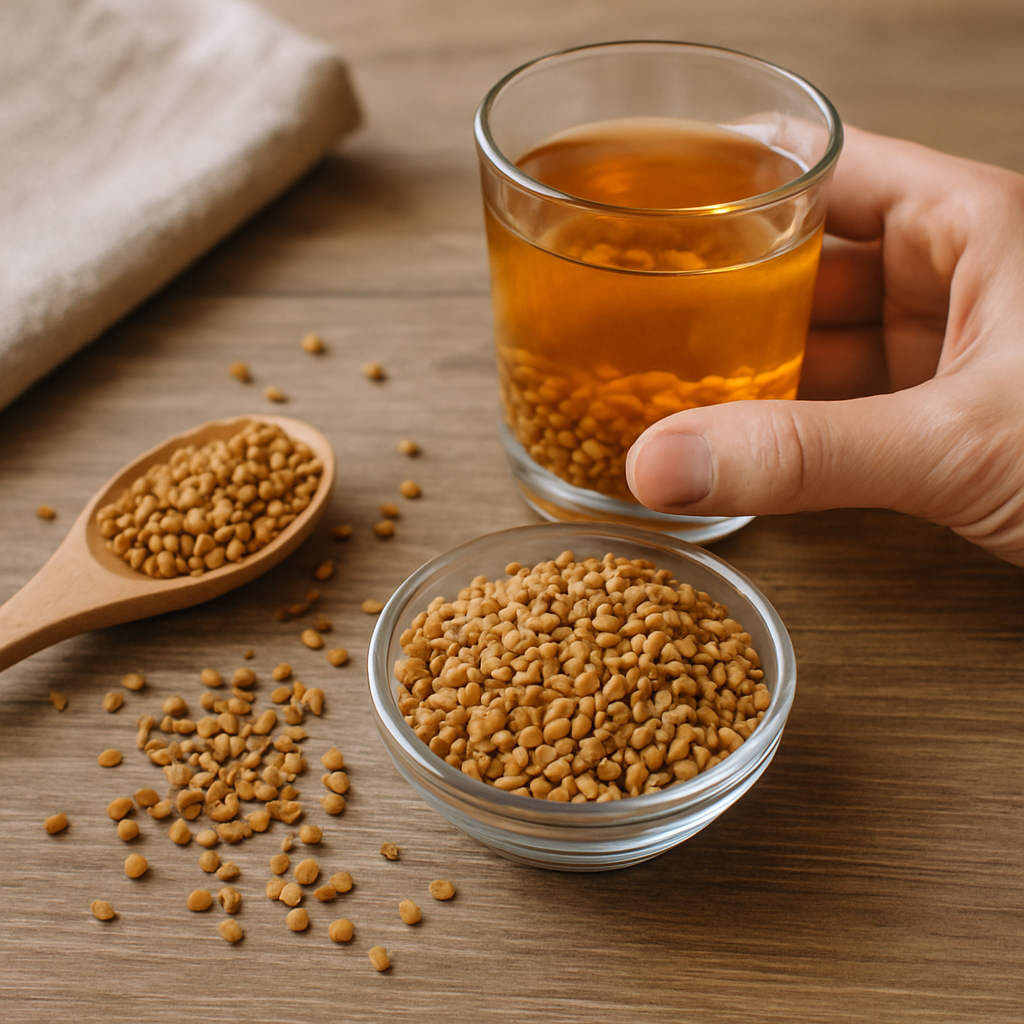
Soaking the seeds overnight (around 8–12 hours) softens them, reduces bitterness, and boosts nutrient absorption. So yeah, if you're looking for the best way to consume fenugreek seeds, soaked is usually the winner.
Best Ways to Consume Fenugreek Seeds
There’s no “one right way” to take fenugreek — it’s all about what works best for your lifestyle and goals. Here are a few methods you can try.
Soaked, Sprouted, Powdered: Best Way to Consume Fenugreek Seeds
-
Soaked: Soak 1 tsp of seeds in a glass of water overnight. In the morning, drink the water and chew the softened seeds. Great for diabetes, hormone balance, and digestion.
-
Sprouted: Let the soaked seeds sprout for 2–3 days. These are easier to digest and perfect for salads or smoothies.
-
Powdered: Toast the seeds lightly, grind them, and store the powder. Add to soups, teas, or sprinkle on food. It's a go-to option if you're wondering how to eat fenugreek seeds for testosterone or even hair growth.
Fenugreek Seeds Recipe Ideas for Easy Inclusion
-
Fenugreek tea: Boil 1 tsp of crushed seeds in water. Sip warm. Add honey if the bitterness is too much.
-
Spiced yogurt: Mix fenugreek powder with curd, cumin, and a pinch of salt. A tasty side with digestive perks.
-
Methi rice: Toss cooked rice with ghee, fenugreek seeds, and spices. An easy way to enjoy fenugreek without overthinking it.
How to Consume Fenugreek Seeds for Hair, Hormones, and Health
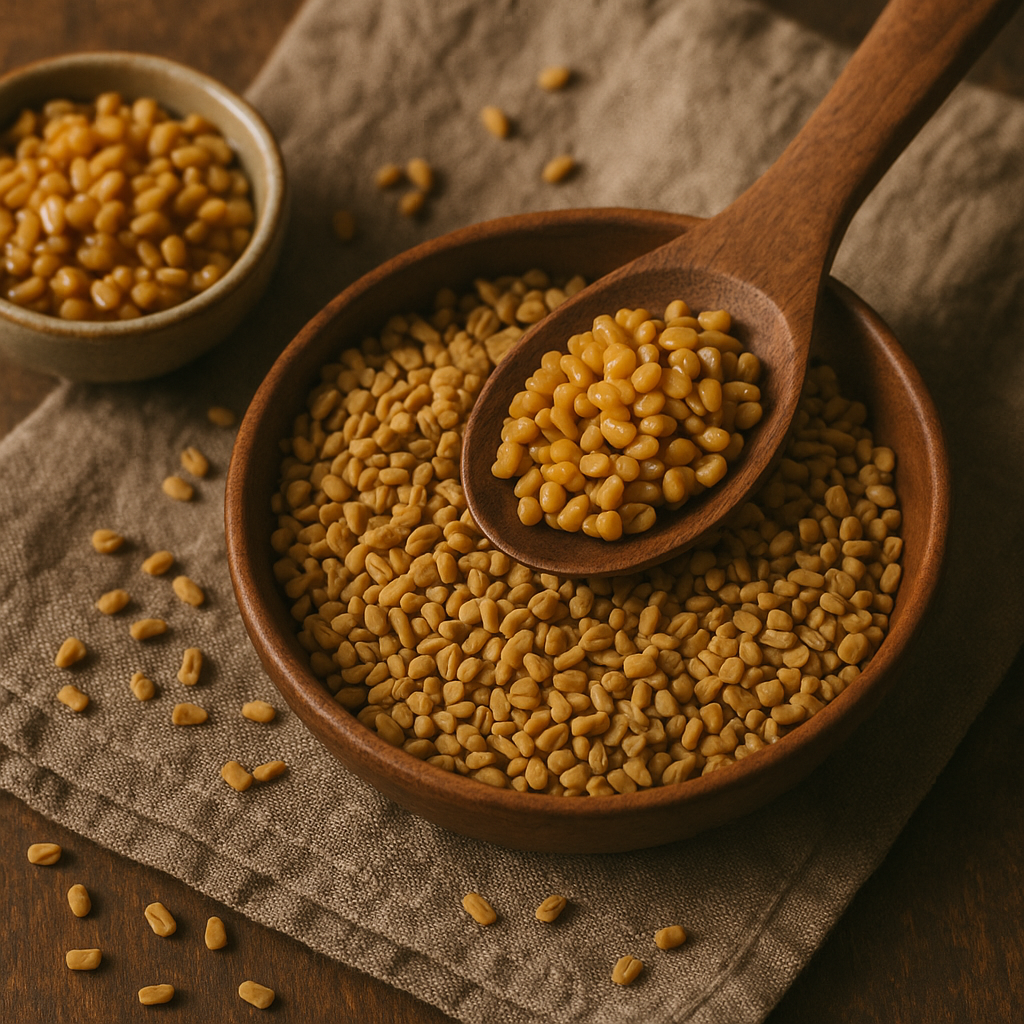
Fenugreek isn’t just for spice racks or obscure home remedies — it’s a powerhouse herb with legit benefits for everything from hair growth to hormone regulation. The key is knowing how to consume fenugreek seeds for each specific goal. So let’s break it down, one benefit at a time.
How to Eat Fenugreek Seeds for Hair Growth Naturally
If you’ve been battling hair thinning or a flaky scalp, fenugreek might become your new BFF. Its high protein and nicotinic acid content nourish hair follicles, reduce dandruff, and encourage growth.
How to use it:
-
Internal use: Soak 1 tsp of seeds overnight. Eat them in the morning on an empty stomach. This supports hair health from the inside out.
-
Topical use: Grind soaked seeds into a paste, mix with coconut oil or aloe vera, and apply as a scalp mask once a week.
So yeah, if you’re searching for how to consume fenugreek seeds for hair growth, this two-way approach — internal + topical — is a game changer.
How to Consume Fenugreek Seeds for Breast Growth Support
One of the more surprising things people ask is how to consume fenugreek seeds for breast growth. While the evidence is mostly anecdotal, fenugreek is known to mimic estrogen-like effects due to its phytoestrogen content. This can support hormonal balance, especially in women.
Try this:
-
Fenugreek tea: Simmer 1 tsp of fenugreek seeds in water for 10 minutes. Drink daily.
-
Fenugreek and fennel mix: Combine equal parts powdered fenugreek and fennel. Take ½ tsp with warm milk once a day.
It's not a miracle overnight fix, obviously. But consistency is key. Give it a few weeks, and you might start to notice some subtle changes — just be sure not to go overboard.
How to Eat Fenugreek Seeds for Testosterone Boost
It’s not just for the ladies — fenugreek is a secret weapon for men, too. Multiple studies suggest fenugreek may help raise free testosterone levels, improve strength, and support libido.
Best way?
-
Fenugreek powder capsules: Super convenient and less bitter than the seeds.
-
Morning method: Soaked seeds taken first thing in the morning — paired with a healthy fat like ghee — can help with hormone absorption.
So if you’re into fitness or just want to feel more energized, knowing how to eat fenugreek seeds for testosterone could give you an edge. Not saying it’s magic... but it kind of is.
How to Consume Fenugreek Seeds for Diabetes Control
Now onto something really practical — blood sugar. Fenugreek is often recommended for people managing type 2 diabetes due to its soluble fiber, which can slow down digestion and carb absorption.
Here's how:
-
Fenugreek water: Soak 1–2 tsp of seeds overnight, drink the water and eat the seeds in the morning. Do this daily.
-
Sprouted seeds: Add to salads, soups, or just snack on them raw (after sprouting). The bitterness is a little much, but they’re effective.
Research backs this up — regular use can help reduce fasting blood glucose and improve insulin sensitivity. But again, talk to your doc if you're on meds, just to be safe.
Conclusion
So, what’s the final verdict? Fenugreek seeds are more than just another health fad — they’re a versatile, time-tested remedy that’s earned its place in both the kitchen and the medicine cabinet. Whether you're looking for how to consume fenugreek seeds for breast growth, boosting testosterone, enhancing hair health, or managing blood sugar, there’s a natural method out there that fits your needs.
Just remember: It’s not about guzzling handfuls of bitter seeds in desperation. It’s about finding the best way to consume fenugreek seeds that feels good, fits your routine, and — most importantly — works for you. Soak them, sprout them, grind them, sip them in tea, or throw them into a spiced rice dish. You’ve got options, and they’re all pretty darn powerful.
And hey — a quick word of caution. Like any potent natural remedy, moderation is key. If you’re on medications or have specific health conditions, check with a healthcare provider before diving in headfirst.
💬 Have you tried fenugreek seeds before? Got a go-to fenugreek seeds recipe or tip that works for you? Share it with a friend — or better yet, post it online and spread the wellness! This stuff deserves to be talked about.
FAQs
Can you eat fenugreek seeds raw?
Technically yes, but — heads up — raw fenugreek seeds are hard and really bitter. They're tough on your teeth and stomach too. It’s better to soak them overnight or lightly toast them first. That way, your gut (and your taste buds) will thank you.
Is it safe to eat fenugreek seeds daily?
In general, yes, you can eat fenugreek seeds daily — as long as you stick to small amounts. Around 1 teaspoon per day is commonly recommended. Going overboard could lead to stomach upset, or even a strange maple-syrup-like smell in your sweat (yes, that’s a real thing).
Also, if you’re pregnant, breastfeeding, or managing a chronic illness, always talk to a healthcare provider before making it a daily habit.
Can fenugreek seeds help control blood sugar or diabetes?
Absolutely. Several studies — and years of anecdotal evidence — suggest fenugreek can help lower blood sugar levels and improve insulin response. The how to consume fenugreek seeds for diabetes method often includes soaking them overnight and drinking the water first thing in the morning.
Just be cautious if you're already on medication for diabetes. Combining fenugreek with insulin or other drugs might cause your blood sugar to drop too low. Monitor regularly.
Final Thoughts
Fenugreek seeds are one of those rare things in wellness that are ancient, accessible, and actually effective. The best part? You don’t need fancy supplements or expensive powders. Just a handful of seeds, a little know-how, and a bit of consistency.
So if you were wondering can we eat fenugreek seeds without soaking, or looking for the best methods for how to consume fenugreek seeds for testosterone, breast growth, or hair health — now you know.
Here’s your gentle nudge to give fenugreek a real shot. Maybe start with a morning tea or a spoonful of soaked seeds. Who knows? It might become a quiet ritual you actually look forward to.
And if you found this helpful… go ahead, hit that share button. Let’s bring these ancient remedies back to life. 🌿
आयुर्वेदिक डॉक्टर से एक प्रश्न पूछें और मुफ़्त या सशुल्क मोड में अपनी चिंता की समस्या पर ऑनलाइन परामर्श प्राप्त करें।
2,000 से अधिक अनुभवी डॉक्टर हमारी साइट पर काम करते हैं और आपके प्रश्नों की प्रतीक्षा करते हैं और प्रतिदिन उपयोगकर्ताओं को उनकी स्वास्थ्य समस्याओं को हल करने में मदद करते हैं।
संबंधित आलेख


