आयुर्वेदिक डॉक्टर से प्रश्न पूछें और निःशुल्क या भुगतान मोड में अपनी चिंता की समस्या पर ऑनलाइन परामर्श प्राप्त करें। 2,000 से अधिक अनुभवी डॉक्टर हमारी साइट पर काम करते हैं और आपके प्रश्नों का इंतजार करते हैं और उपयोगकर्ताओं को उनकी स्वास्थ्य समस्याओं को हल करने में प्रतिदिन मदद करते हैं।


Body DetoxEar, Nose, and Throat DisordersGeriatrics & RejuvenationImmunodeficiencyInfertility TreatmentNutritionOrthopedic DisordersPediatricsRespiratory DisordersSexually Transmitted Diseases (STDs)Surgery RecoveryUrological DisordersVascular DisordersDental DisordersEndocrinological DisordersGastrointestinal DisordersYoga TherapyGeneral MedicineAllergic DisordersCardio DisordersGynecology and ObstetricsCosmetologySkin and Hair DisordersEye DisordersInfectious DiseasesMental DisordersNeurological DisordersOncologyPanchakarmaSexual Health & DisordersSports Medicine
पर प्रकाशित 11/11/24
(को अपडेट 08/12/26)
3,761
Discover Amla's Health Wonders

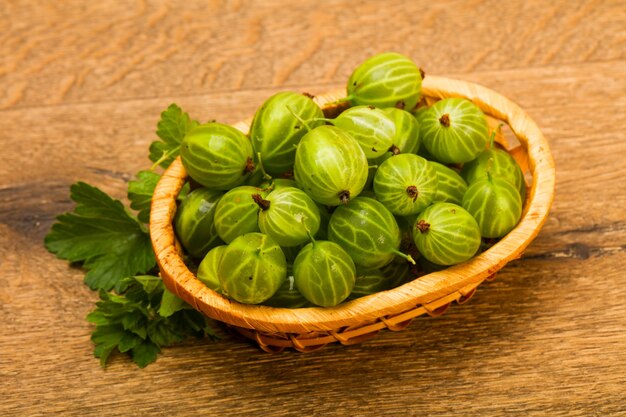
Amla, scientifically known as Phyllanthus emblica, is a small, translucent green fruit that has been the cornerstone of Ayurvedic medicine for over 5,000 years. Often called Indian gooseberry, it packs roughly 600–800 mg of vitamin C per fruit — making it one of the most vitamin-C-dense foods on the planet. But amla is far more than just a vitamin C supplement. Modern research confirms its antioxidant, anti-diabetic, cardioprotective, and neuroprotective properties, backed by a growing body of clinical trials on humans. Whether you eat it raw, drink it as juice, or take it as a standardized extract, amla offers measurable health benefits that few other single fruits can match.
This guide covers everything: nutritional profile, phytochemistry, evidence-based health benefits, recommended dosages, side effects, contraindications, culinary uses, storage tips, and answers to the most common questions people ask about amla.
What Is Amla (Phyllanthus emblica)?
Botanical Description and Origin
- Amla belongs to the family Phyllanthaceae (previously classified under Euphorbiaceae).
- The tree is deciduous, medium-sized — typically 8 to 18 meters tall — and native to tropical and subtropical regions of South and Southeast Asia. It thrives particularly well across India, from the foothills of the Himalayas to the southern peninsula, as well as in Sri Lanka, Myanmar, Malaysia, and parts of China.
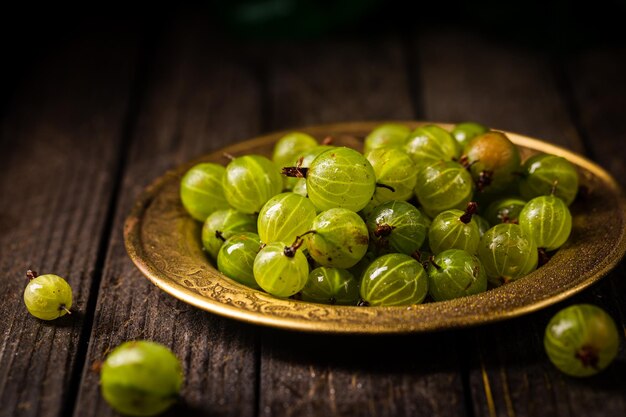
The fruit itself is round, pale green to yellowish-green, with six vertical furrows. It has a distinctly sour and astringent taste, with a mildly sweet aftertaste. Harvesting season runs from October through February in most parts of India — this is when you'll find the freshest, most nutrient-dense amla at markets.
Amla in Ayurveda and Traditional Medicine
In Ayurveda, amla holds a near-sacred status. It's one of the three fruits in Triphala (alongside haritaki and bibhitaki), arguably the most widely prescribed Ayurvedic formulation. Classical texts like Charaka Samhita describe amla as a Rasayana — a rejuvenating agent that promotes longevity.
Ayurveda considers amla unique because it balances all three doshas (Vata, Pitta, and Kapha), which is rare for any single substance. It possesses five of the six recognized tastes (all except salty): sour, sweet, pungent, bitter, and astringent. Traditionally, practitioners have used it for digestive disorders, liver support, respiratory issues, and as a general tonic for vitality.
Cultural and Religious Significance
Amla's importance extends well beyond medicine. In Hindu tradition, the amla tree is associated with Lord Vishnu, and devotees celebrate Amla Navami — a festival dedicated to worshipping the tree. In Buddhist texts, Emperor Ashoka is said to have donated amla fruits to Buddhist monks as a gift of health. Some scholars have even noted the connection between the amla tree and the sacred Bodhi tree in early Buddhist literture. The fruit remains a symbol of prosperity, health, and spiritual purity across South Asian cultures.
Nutritional Profile and Caloric Value of Amla
Macronutrients per 100 g (Fresh Fruit)
| Nutrient | Amount |
|---|---|
| Calories | 44 kcal |
| Carbohydrates | 10.18 g |
| Dietary Fiber | 4.3 g |
| Protein | 0.88 g |
| Total Fat | 0.58 g |
| Water | 87.87 g |
Amla is remarkably low in calories and fat while being high in fiber — making it an excellent addition to weight-management diets.
Vitamins and Minerals
The standout nutrient is vitamin C (ascorbic acid): approximately 27.7 mg per 100 g according to USDA data for raw amla, though Indian cultivars frequently test much higher — some studies report 200–900 mg per 100 g depending on the variety and growing conditions. This discrepancy is partly because the USDA database may reference specific cultivars or measurement methods.
Other notable micronutrients include:
- Calcium: 25 mg per 100 g
- Iron: 0.31 mg per 100 g
- Phosphorus: 27 mg per 100 g
- Potassium: 198 mg per 100 g
- Chromium: trace amounts (relevant for blood sugar regulation)
- Vitamin A: small but meaningful amounts, supporting eye health
How Does Amla Compare to Other Vitamin C Sources?
| Food (per 100 g) | Vitamin C (mg) |
|---|---|
| Amla (Indian cultivars) | 200–900 |
| Camu-camu | 2,800 |
| Acerola cherry | 1,677 |
| Rose hip | 426 |
| Orange | 53 |
| Lemon | 53 |
While camu-camu and acerola rank higher in raw vitamin C content, amla has a crucial advantage: its vitamin C is remarkably stable. The tannins and polyphenols in amla form complexes with ascorbic acid that protect it from degradation — meaning you retain more vitamin C even after cooking or drying. That's something you won't get from an orange.
Phytochemical Composition of Amla
Amla's health benefits go far beyond vitamin C. The fruit contains a complex array of bioactive compounds that work synergistically.
Polyphenols and Ellagitannins
Research (particularly a detailed analysis published in the Journal of Agricultural and Food Chemistry) has identified the following key hydrolyzable tannins in amla fruit:
- Emblicanin A: ~37% of total tannin content
- Emblicanin B: ~33%
- Punigluconin: ~12%
- Pedunculagin: ~14%
These compounds are potent antioxidants — collectively, they contribute to the remarkably high ORAC value (Oxygen Radical Absorbance Capacity) of amla, which exceeds that of most commonly consumed fruits.
Flavonoids and Gallic Acid
Amla contains significant concentrations of gallic acid, ellagic acid, quercetin, and kaempferol. Gallic acid alone demonstrates strong anti-inflammatory and antimicrobial activity. These flavonoids also support cardiovascular health by improving endothelial function and reducing LDL oxidation.
Ascorbic Acid Stability — Why It Matters
- Here's where amla truly stands apart. The polyphenol-ascorbic acid complex in amla makes its vitamin C exceptionally resistant to heat. A 2015 study in Food Chemistry showed that amla retained approximately 50–70% of its vitamin C even after boiling for 20 minutes, while most other fruits lose 80–90% under similar conditions.
- This means processed amla products — murabba, chutney, dried powder — still deliver meaningful vitamin C doses.
Proven Health Benefits of Amla
Antioxidant Activity
Amla ranks among the highest-antioxidant fruits globally. A 2010 study in the British Journal of Nutrition found that amla extract reduced oxidative stress markers by 36% in participants over 21 days. The combination of vitamin C, ellagitannins, and flavonoids provides multi-pathway antioxidant protection — scavenging free radicals, chelating metals, and upregulating endogenous antioxidant enzymes like superoxide dismutase (SOD).
Immunity Boosting
The high vitamin C content directly supports immune function by enhancing white blood cell production and activity. A 2019 randomized controlled trial with 60 participants found that those consuming 500 mg of amla extract daily for 60 days showed significant improvements in NK (natural killer) cell activity compared to placebo. The fruit's antibacterial and antiviral properties provide an additional layer of immune support.
Blood Sugar Control and Diabetes Management
This is one of the most well-researched areas. A 2011 study published in the International Journal of Food Sciences and Nutrition (RCT, n=32) demonstrated that 1–3 g of amla powder daily for 21 days reduced fasting blood glucose by 17.3% and 2-hour postprandial glucose by 15.6% in type 2 diabetic patients. The chromium content in amla may enhance insulin sensitivity, while polyphenols inhibit carbohydrate-digesting enzymes (alpha-amylase and alpha-glucosidase).
Cardiovascular Health and Cholesterol
Amla shows significant cardioprotective and antihyperlipidemic activity. A 2012 RCT (Indian Journal of Pharmacology, n=60) compared amla with the statin drug rosuvastatin. Participants taking 500 mg of amla extract twice daily showed reduction in total cholesterol, LDL, and triglycerides comparable to those taking statins — without the associated muscle pain and liver enzyme elevation. Additionally, amla significantly raised HDL ("good") cholesterol.
Digestive Health
Amla's high fiber content (4.3 g per 100 g) supports regular bowel movements, while its anti-inflammatory polyphenols soothe the gut lining. In Ayurveda, amla is considered an effective remedy for hyperacidity and gastritis. A study in Phytomedicine (2013) showed amla extract reduced gastric ulcer index in animal models by over 60%, comparble to the standard drug ranitidine.
Skin and Hair Health
- Amla has been used for centuries for glowing skin and strong hair.
- The vitamin C is essential for collagen synthesis — the protein that keeps skin firm and elastic. Antioxidants combat photoaging caused by UV exposure. For hair, amla strengthens follicles, reduces premature graying, and improves scalp health. A 2017 in-vitro study showed amla extract inhibited 5-alpha-reductase (the enzyme linked to hair loss) more effectively than some synthetic compounds.
Neuroprotective Effects and Memory
Emerging research suggests amla can protect brain health. A 2016 study in Nutritional Neuroscience found that amla extract increased levels of norepinephrine and serotonin in animal models while reducing free radical damage in brain tissue. Researchers suggest potential applications in preventing age-related cognitive decline and dementia, though more human trials are needed.
Eye Health
Amla's vitamin A content, combined with its antioxidant properties, supports vision. Carotenoids in amla help protect against age-related macular degeneration. Traditional Ayurvedic texts have long recommended amla juice mixed with honey for improving eyesight. A 2014 study reported anti-inflammatory effects relevant to conjunctivitis management.
Anti-Cancer and Anti-Inflammatory Potential
Preclinical research is promising. A 2015 review in the European Journal of Cancer Prevention highlighted that amla extracts induced apoptosis (programmed cell death) in multiple cancer cell lines — including breast, cervical, ovarian, and colon cancer cells — while showing minimal toxicity to healthy cells. The gallotannins appear to be primary active agents. However, no large-scale human RCTs on cancer prevention have been completed yet.
Is Amla Good for Your Liver?
Yes. Several studies support amla's hepatoprotective properties. A 2013 RCT (n=68) published in BMC Complementary and Alternative Medicine found that 300 mg of amla extract three times daily for 28 days significantly improved liver function markers (ALT, AST) in patients with non-alcoholic fatty liver disease. The mechanism involves reducing oxidative stress and inflammation in hepatocytes.
How Much Amla Should You Take? Recommended Dosages
This is a critical gap in most amla articles — nobody gives you specific numbers. Here's a practical dosage guide based on available research and traditional practice:
| Form | Daily Dosage | Best For |
|---|---|---|
| Fresh amla fruit | 1–2 fruits (40–80 g) | General health, immunity |
| Amla juice | 20–30 ml (diluted) | Digestion, skin, detox |
| Amla powder (churna) | 3–6 g (½–1 tsp) | Diabetes management, cholesterol |
| Standardized extract (capsule) | 250–500 mg, twice daily | Targeted supplementation |
| Amla oil (topical) | Apply as needed | Hair and scalp health |
Dosage for Specific Goals
- Blood sugar control: 1–3 g amla powder daily, taken before meals
- Cholesterol reduction: 500 mg extract, twice daily with meals
- Immunity support: 500 mg extract daily or 1 fresh fruit
- Hair growth: Topical amla oil 2–3 times per week + oral supplementation
Start low and increase gradually. Monitor your body's response, especially if you're using amla alongside medications.
Forms of Amla Supplements: Which Is Most Effective?
Nobody seems to compare these forms side by side — so let's do it.
| Form | Bioavailability | Convenience | Vitamin C Retention | Cost |
|---|---|---|---|---|
| Fresh fruit | High | Low (seasonal, perishable) | Highest | Low |
| Juice (fresh) | High | Moderate | High (if consumed same day) | Moderate |
| Dried powder | Moderate–High | High | 50–70% retained | Low |
| Standardized extract | Highest (concentrated) | High | Varies by manufacturer | Moderate–High |
| Capsules | High | Very High | Depends on formulation | High |
| Amla oil (topical) | N/A (topical only) | High | N/A | Moderate |
Key insight: Standardized extracts (typically standardized to 35–50% tannins) offer the most consistent dosing and highest bioavailability. But fresh amla, when in season, provides the full spectrum of nutrients in their natural matrix — something no supplement can fully replicate.
Organic Amla vs. Regular Amla
| Factor | Organic Amla | Regular Amla |
|---|---|---|
| Pesticide residues | Minimal to none | May contain residues |
| Nutrient density | Often slightly higher | Standard |
| Additives/preservatives | None | May be present in processed forms |
| Environmental impact | Lower | Higher |
| Price | 20–40% higher | Standard |
| Certification | USDA Organic / India Organic | No specific certification |
If budget allows, organic is preferable — especially when consuming amla raw or as juice, where you're ingesting the fruit with minimal processing.
Side Effects, Contraindications, and Drug Interactions
This is perhaps the most important section that virtually no other amla article covers properly.
Who Should Not Take Amla?
Interaction with Diabetes Medications
Amla lowers blood sugar. If you're already taking metformin, glimepiride, or insulin, combining them with high-dose amla can cause hypoglycemia (dangerously low blood sugar). Monitor your blood glucose closely and consult your doctor before adding amla supplements.
Blood Thinning and Surgery
Amla may have mild antiplatelet effects. If you're on blood thinners (warfarin, aspirin, clopidogrel), excessive amla intake could increase bleeding risk. Discontinue amla supplements at least 2 weeks before scheduled surgery.
Oxalate Concerns and Kidney Stones
High vitamin C intake is metabolized partly into oxalate. People with a history of calcium-oxalate kidney stones should limit amla intake to moderate amounts (1 fruit or 3 g powder daily) and ensure adequate hydration.
Allergic Reactions
Rare, but documented. Some individuals develop contact dermatitis from handling amla or experience oral itching and stomach upset after consumption. If you notice any allergic symptoms, discontinue use.
Excess Vitamin C Symptoms
Consuming very large amounts of amla (more than 5–6 fresh fruits daily) can cause diarrhea, abdominal cramping, and nausea — simply due to vitamin C's osmotic effect in the gut.
Amla During Pregnancy and Breastfeeding
- Moderate amounts of fresh amla (1 fruit daily or small amounts in food preparations) are generally considered safe during pregnancy and may even be beneficial due to the iron and vitamin C content. However, concentrated supplements and extracts have not been adequately studied in pregnant or breastfeeding women.
- Err on the side of caution: eat amla as food, not as high-dose supplements, unless specifically advised by your healthcare provider.
Amla for Children
- Fresh amla and diluted amla juice are traditionally given to children in India from around age 2 onwards.
- Suggested amounts:
- Ages 2–5: 5–10 ml diluted amla juice or small pieces of amla in food
- Ages 6–12: Half a fruit or 1–2 g powder daily
- Ages 12+: Adult dosages appropriate
Avoid giving concentrated extracts or capsules to young children without pediatric guidance.
Clinical Research Summary: Key Human Studies
| Study (Year) | Design & Sample | Key Finding |
|---|---|---|
| Akhtar et al. (2011) | RCT, n=32, 21 days | 1–3 g amla powder reduced FBG by 17.3% in T2DM patients |
| Gopa et al. (2012) | RCT, n=60, 42 days | 500 mg amla extract ≈ rosuvastatin for lipid lowering |
| Usharani et al. (2013) | RCT, n=68, 28 days | 300 mg amla extract TID improved liver enzymes in NAFLD |
| Kapoor et al. (2019) | RCT, n=60, 60 days | 500 mg amla extract improved NK cell activity vs. placebo |
| Variya et al. (2016) | Review of 47 studies | Confirmed cardioprotective, antidiabetic, neuroprotective properties |
These aren't obscure studies — they represent a growing evidence base that's moving amla from "traditional remedy" to "evidence-based intervention."
Culinary Uses and Recipes
Raw Consumption
Fresh amla can be eaten as-is, though the intensely sour-astringent taste takes some getting used to. Sprinkle with salt, turmeric, and chili powder for a traditional Indian snack.
Amla Juice (Step-by-Step)
- Wash 4–5 fresh amla fruits thoroughly
- Remove seeds, roughly chop the flesh
- Blend with ½ cup water until smooth
- Strain through a fine mesh or cheesecloth
- Add honey, black salt, or ginger to taste
- Consume immediately for maximum vitamin C retention
Murabba (Amla Preserve)
A beloved North Indian preparation: whole amla fruits soaked in sugar syrup and sometimes flavored with cardamom and saffron. While the sugar content is high, the amla retains substantial polyphenols and vitamin C thanks to the tannin-ascorbic acid complex.
Amla Chutney
Blend fresh amla with green chilies, cilantro, mint, cumin, and salt. This condiment pairs brilliantly with parathas, rice, and grilled meats.
DIY Amla Hair Mask
Mix 2 tablespoons amla powder with enough coconut oil to form a paste. Apply to scalp and hair, leave for 30–45 minutes, then wash with a gentle shampoo. Use 2–3 times weekly for best results.
DIY Amla Face Pack
Combine 1 tablespoon amla powder with 1 tablespoon honey and a few drops of rose water. Apply to face, leave for 15 minutes, rinse. The vitamin C and antioxidants brighten skin and reduce blemishes.
How to Buy, Store, and Preserve Amla
When to Buy
Peak season: October to February in India. This is when you get the freshest, most nutrient-rich fruits at the lowest prices. Out-of-season amla is usually stored or imported, with potentially diminished nutrient content.
How to Identify Quality Amla
- Appearance: Firm, bright green, uniform color — avoid fruits with brown spots or wrinkles
- Texture: Should feel hard and dense, not soft or mushy
- Aroma: Mildly sour, fresh — any fermented smell indicates spoilage
- Origin: Ask for locally sourced, preferably organic
Storage Tips
- Refrigerator: Fresh amla lasts approximately 2 weeks in the crisper drawer
- Freezer: Wash, dry, and freeze whole or chopped — lasts 6–8 months with minimal nutrient loss
- Dried/powdered: Store in an airtight container in a cool, dark place — shelf life of 12+ months
- Pickled/murabba: Properly sealed, lasts several months at room temperature
Impact of Cooking on Nutrients
- As mentioned earlier, amla's vitamin C is unusually heat-stable.
- However:
- Light cooking (5–10 min): Retains ~80% of vitamin C
- Moderate cooking (20 min boiling): Retains ~50–70%
- Extended cooking (>30 min): Significant losses, though polyphenols remain largely intact
- Drying: Retains polyphenols well, vitamin C drops by approximately 30–40%
Pro tip: If you're making amla juice or chutney, avoid prolonged heating. Quick blanching is fine.
Amla in the Cosmetic Industry
Amla has moved well beyond the kitchen and into mainstream cosmetics and personal care. Amla oil remains one of the top-selling hair care ingredients in India, and increasingly worldwide.
- Hair oils: Amla-infused coconut or sesame oils strengthen hair shafts and reduce breakage
- Shampoos: Amla extract in shampoos helps maintain scalp pH and combat dandruff
- Serums and creams: Vitamin C from amla is used in anti-aging formulations for its collagen-boosting effects
- Face washes: Gallic acid's antibacterial properties make amla a natural ingredient for acne-prone skin
The evidence base for topical amla is still developing, but the antioxidant and anti-inflammatory mechanisms are well-established.
Frequently Asked Questions (FAQ)
What Happens If I Eat Amla Daily?
Eating 1–2 fresh amla fruits daily is safe and beneficial for most adults. You can expect improved digestion, stronger immunity, better skin clarity, and over time, potential improvements in cholesterol and blood sugar levels. However, excessive consumption (more than 5–6 fruits daily) may cause digestive discomfort due to high vitamin C and fiber content.
What Is Amla Called in English?
Amla is called Indian gooseberry in English. Despite the name, it's botanically unrelated to European gooseberries (Ribes uva-crispa).
What Is Amla Called in Urdu and Arabic?
In Urdu, amla is commonly known as آملہ (Amla) or sometimes آنولا (Anwala). In Arabic, it's referred to as أملا (Amla) or عنب الثعلب الهندي (Indian fox grape), though the transliterated term "amla" is widely understood.
How Long Does Fresh Amla Last?
Fresh amla lasts about 2 weeks in the refrigerator and 6–8 months in the freezer. At room temperature, it begins to deteriorate within 4–5 days.
Can Amla and Milk Be Consumed Together?
- Ayurveda traditionally considers sour fruits and milk an incompatible food combination (viruddha ahara) that may cause digestive issues. While no modern study has found toxicity from combining amla and milk, some people do report bloating or acidity.
- If you tolerate it well, it's likely fine — but spacing them 30–60 minutes apart is a reasonable precaution.
Is Amla Better Than Vitamin C Tablets?
Amla provides vitamin C alongside a complex matrix of polyphenols, fiber, minerals, and tannins that enhance absorption and stability. Synthetic vitamin C (ascorbic acid) is chemically identical but lacks these synergistic co-factors. For general health, whole amla or amla extract is arguably superior to isolated vitamin C supplements.
What Is Organic Amla and How Can It Be Used?
- Organic amla is grown without synthetic pesticides, herbicides, or chemical fertilizers, and is certified by recognized bodies (India Organic, USDA Organic).
- It can be used exactly like conventional amla — eaten raw, juiced, cooked, or dried — but with greater assurance of purity.
Final Thoughts: Making Amla Part of Your Life
Amla is one of those rare foods where ancient wisdom and modern science genuinely converge. With clinical evidence supporting its benefits for blood sugar, cholesterol, liver health, immunity, and beyond — plus a safety profile that's favorable for most people — there's a strong case for making it a daily staple.
Start simple. One fresh amla in the morning, a teaspoon of powder in your smoothie, or a glass of diluted amla juice. Pay attention to how your body responds. And if you're managing a chronic condition or taking medications, loop in your doctor before adding concentrated supplements.
- The best time to start was yesterday.
- The second best time?
- Right now — ideally during amla season, when the fruit is fresh, cheap, and at its nutritional peak.
Scientific Sources
- Traditional uses, bioactive composition, pharmacology, and toxicology of Phyllanthus emblica fruits: A comprehensive review — Saini R et al., 2022, Journal of ethnopharmacology
- Herbal Remedies for Hair Loss: A Review of Efficacy and Safety — Ahmed A et al., 2025, Skin appendage disorders
- A Canadian Consensus on Androgenetic Alopecia: Approach and Management — Landells I et al., 2025, Journal of cutaneous medicine and surgery
- Therapeutic potential of Phyllanthus emblica (amla): the ayurvedic wonder — Krishnaveni M et al., 2010, Journal of basic and clinical physiology and pharmacology
- Phytotherapy in periodontics as an effective and sustainable supplemental treatment: a narrative review — Gawish AS et al., 2024, Journal of periodontal & implant science
- Amla Therapy as a Potential Modulator of Alzheimer's Disease Risk Factors and Physiological Change — Teimouri E et al., 2020, Journal of Alzheimer's disease : JAD
- Amla (Emblica officinalis Gaertn), a wonder berry in the treatment and prevention of cancer — Baliga MS et al., 2011, European journal of cancer prevention: the official journal of the European Cancer Prevention Organisation (ECP)
- Chyawanprash: A Traditional Indian Bioactive Health Supplement — Sharma R et al., 2019, Biomolecules
- Medicinal plants with traditional use: Ethnobotany in the Indian subcontinent — Rupani R et al., 2018, Clinics in dermatology
- An Overview on Flavor Extraction, Antimicrobial and Antioxidant Significance, and Production of Herbal Wines — Morya S et al., 2024, ACS omega
- The impact of Emblica Officinalis (Amla) on lipid profile, glucose, and C-reactive protein: A systematic review and meta-analysis of randomized controlled trials — Setayesh L et al., 2023, Diabetes & metabolic syndrome
- Triphala's characteristics and potential therapeutic uses in modern health — Bairwa VK et al., 2025, International journal of physiology, pathophysiology and pharmacology
- Emblica officinalis (Amla): A review for its phytochemistry, ethnomedicinal uses and medicinal potentials with respect to molecular mechanisms — Variya BC et al., 2016, Pharmacological research
- Therapeutic potential of traditional chinese medicine on inflammatory diseases — Tsai WH et al., 2013, Journal of traditional and complementary medicine
- Exploring the multifaceted neuroprotective actions of Emblica officinalis (Amla): a review — Husain I et al., 2019, Metabolic brain disease
- Attenuation of Hyperlipidemia by Medicinal Formulations of Emblica officinalis Synergized with Nanotechnological Approaches — Rachitha P et al., 2023, Bioengineering (Basel, Switzerland)
- Immunomodulatory and therapeutic potentials of herbal, traditional/indigenous and ethnoveterinary medicines — Mahima et al., 2012, Pakistan journal of biological sciences : PJBS
- Effectiveness of photosensitized curcumin fibers, aloevera, amla juice and panchatulsi in disinfecting guttapercha cones — Jain A et al., 2024, Bioinformation
- Miracles of Herbal Phytomedicines in Treatment of Skin Disorders: Natural Healthcare Perspective — Ahuja A et al., 2021, Infectious disorders drug targets
- Uncovering the Role of Indian Medicinal Botanicals in COVID-19 Prevention and Management: A Review — Rao DMS et al., 2024, Cureus
उपयोगकर्ताओं के प्रश्न
How does amla improve skin elasticity and reduce wrinkles?
Client_8c2ef1
28 दिनों पहले
Amla improves skin elasticity and reduces wrinkles primarily due to its high vitamin C content, which is essential for collagen synthesis. Collagen is the protein that maintains skin firmness and elasticity, helping to prevent sagging and wrinkles. Regular intake of amla, either as a supplement or in food, may support skin health over a period of several weeks to months, though individual results can vary. If you experience allergic reactions, such as contact dermatitis, discontinue use and consult a doctor.
How long does it take to see health benefits from amla?
Client_3fba24
38 दिनों पहले
You can start to see health benefits from consuming amla in as little as 21 days, as shown by a study where participants experienced a 36% reduction in oxidative stress markers. Specific benefits like improved blood sugar and cholesterol levels may take longer and vary from person to person. Typical consumption includes 1 fruit or 3 grams of powder daily. Watch for potential kidney stone issues and interactions with blood thinners. If you have pre-existing health conditions or concerns, consult a healthcare professional before making amla a staple in your diet.
Is amla effective for boosting collagen production in the skin?
Client_ab69a5
48 दिनों पहले
Amla, or Indian gooseberry, can be effective for boosting collagen production in the skin primarily due to its high vitamin C content. Vitamin C is crucial for collagen synthesis, a protein that maintains skin firmness and elasticity. Regular consumption of amla, in moderation, may support skin health, but it should not exceed 5-6 fruits daily to avoid potential digestive discomfort. Effects on collagen and skin may take several weeks to become noticeable. If you're considering supplements for skin health or have persistent skin concerns, consult a dermatologist for tailored advice.
What are the cardioprotective benefits of amla for heart health?
Client_e4d281
57 दिनों पहले
Amla, also known as Indian gooseberry, offers several cardioprotective benefits for heart health. Clinical trials, including a study with 60 participants over 42 days, indicate that 500 mg of amla extract can be as effective as rosuvastatin in lowering lipid levels, which suggests its potential in managing high cholesterol. Amla's antioxidant properties also help reduce oxidative stress, a risk factor for heart disease. However, effects can vary based on individual health conditions, so it's essential to consult a healthcare provider before adding amla supplements to your regimen, especially if you're taking other heart medications.
What is the best way to store fresh amla to keep it from spoiling?
Client_8a5fac
67 दिनों पहले
To store fresh amla and keep it from spoiling, try keeping it in a cool, dry place like a refrigerator. Airtight containers can help too. If you wanna keep it for longer, drying them or making amla pickle is a great way. Both ways, the nutrients can be well-preserved for good health :)
What are the benefits of amla for improving digestion and liver health?
Client_1721cc
77 दिनों पहले
Amla is fantastic for digestion and liver health! It's known to balance pitta dosha, enhance digestive fire (agni), and support liver function. It helps detox by promoting the release of toxins and improves nutrient absorption. If you're keen on trying, fresh amla juice is great, but like everything, moderation is key—too much might irritate some people.
What is the best time of day to take amla for liver health benefits?
Client_9685ae
86 दिनों पहले
Ah, great question! For liver health, you might wanna take amla in the morning on an empty stomach. It can help kickstart your system and aid digestion throughout the day. But if that doesn't suit you, try before lunch, when your digestive fire (agni) is stronger. Just see what your body responds best to, it's not one-size-fits-all! 🙌
Is it safe to consume amla while taking blood thinners?
Client_daf522
95 दिनों पहले
It's true, if you're on blood thinners, amla might increase bleeding risk, 'cause it can enhance the effect of those meds. So, it's best to consume it in moderation and keep an eye on how you feel! Always a good idea to chat with your doc before making changes to your diet when on these meds.
What is the best way to prepare amla for boosting immunity naturally?
Client_55f864
107 दिनों पहले
For boosting immunity, there's a couple of easy ways to enjoy amla. You can try fresh amla juice or even add amla powder to smoothies or warm water. Both methods help in absorbing nutrients well, supporting your agni (digestive fire). If fresh amla isn’t available, try powdered form, it's just as effective! Just listen to your body and see what feels best for you.
What is the best way to make amla chutney for maximum flavor and health benefits?
Client_008ec4
117 दिनों पहले
For a flavorful and healthy amla chutney, try this: blend fresh amla pieces with mint, coriander leaves, ginger, and green chillies. Add a pinch of salt n' jaggery for sweetness. This balance not just enhances taste but also your digestive fire or 'agni'. You can experiment with proportions to match your taste and dosha balance!
संबंधित आलेख

Nutrition
How Much Weight Can You Lose in a Month: Ayurvedic Approach
How much weight can you lose in a month? Discover Ayurvedic insights on healthy, sustainable weight loss, natural tips, and what results are truly safe
2,280

Nutrition
Is Papaya Good for Weight Loss? Ayurvedic View, Benefits, and How to Eat It
Is papaya good for weight loss? Learn how papaya helps in weight loss, when to eat it, whether it increases weight, and Ayurvedic tips on daily intake
5,504

Nutrition
Understanding EGGs in Ayurveda
Ayurveda advises caution with egg consumption, emphasizing its potential to disrupt bodily balance.
6,728

Nutrition
क्या साबूदाना सेहत के लिए अच्छा है? आयुर्वेदिक फायदे और पोषण
क्या साबूदाना आपके आहार में एक स्वस्थ विकल्प है? फायदों और नुकसानों की पड़ताल
7,945

Nutrition
सुमेंटा टैबलेट
सुमेंटा टैबलेट की खोज
4,338

Nutrition
How to Make Badam Powder at Home: Recipes and Ayurvedic Benefits
Exploration of Homemade Badam Powder: A Nutritious Boost for Your Daily Routine
5,036

Nutrition
मेधोहर गुग्गुलु: उपयोग, खुराक, सामग्री, साइड इफेक्ट्स
मेदोहर गुग्गुलु की खोज: उपयोग, खुराक, सामग्री, साइड इफेक्ट्स
7,281

Nutrition
Can We Eat Bel Patra and What Are the Benefits?
Discover can we eat bel patra, its benefits, side effects, and uses in Ayurveda. Learn how to eat bel patra leaves safely and whether daily use is advisable
14,337

Nutrition
मूंग क्या है और पोषण और आयुर्वेद में इसका महत्व क्यों है?
जानें कि मूंग क्या है, इसकी पोषण संबंधी जानकारी, स्वास्थ्य लाभ और आयुर्वेदिक उपयोग। जानें कि हरी मूंग और मूंग दाल को रोज़ाना के आहार और सेहत में क्यों शामिल करना फायदेमंद है।
9,263

Nutrition
आयुर्वेद के अनुसार फलों को कब खाना चाहिए: अधिकतम स्वास्थ्य लाभ के लिए सही समय
आयुर्वेद के अनुसार फलों को कब खाना चाहिए, इसमें आयुर्वेद के हिसाब से फलों को खाने का सबसे अच्छा समय, खाली पेट फलों के सेवन के फायदे और भी बहुत कुछ शामिल है।
15,373
विषय से संबंधित परामर्श
अतिरिक्त दस्तावेज़
© 2024 Ask Ayurveda. सर्वाधिकार सुरक्षित।