आयुर्वेदिक डॉक्टर से प्रश्न पूछें और निःशुल्क या भुगतान मोड में अपनी चिंता की समस्या पर ऑनलाइन परामर्श प्राप्त करें। 2,000 से अधिक अनुभवी डॉक्टर हमारी साइट पर काम करते हैं और आपके प्रश्नों का इंतजार करते हैं और उपयोगकर्ताओं को उनकी स्वास्थ्य समस्याओं को हल करने में प्रतिदिन मदद करते हैं।


Body DetoxEar, Nose, and Throat DisordersGeriatrics & RejuvenationImmunodeficiencyInfertility TreatmentNutritionOrthopedic DisordersPediatricsRespiratory DisordersSexually Transmitted Diseases (STDs)Surgery RecoveryUrological DisordersVascular DisordersDental DisordersEndocrinological DisordersGastrointestinal DisordersYoga TherapyGeneral MedicineAllergic DisordersCardio DisordersGynecology and ObstetricsCosmetologySkin and Hair DisordersEye DisordersInfectious DiseasesMental DisordersNeurological DisordersOncologyPanchakarmaSexual Health & DisordersSports Medicine
पर प्रकाशित 08/20/25
(को अपडेट 08/15/26)
8,421
Is Clove Good for Health: Ayurvedic Benefits and Modern Uses

Is clove good for health? For centuries, people in Ayurveda and folk medicine have sworn by this tiny spice for its powerful healing qualities. In modern times too, research is catching up, highlighting the clove health benefits that go beyond flavoring curries or teas. Whether you’re curious about the benefits of clove water, the role of clove oil, or simply wondering if clove is good for health in everyday life, you’re in the right place.
This article will walk you through Ayurvedic wisdom, modern scientific perspectives, and practical tips on how to use clove in your daily routine. From digestion to dental care, and even sexual vitality, cloves pack more than just a pungent aroma. And while some people overdo it—thinking more is always better—it’s really about balance. Let’s explore the many ways clove can support your health and well-being.
Clove Is Good for Health or Not: Ayurvedic and Modern Perspectives
In Ayurveda, clove (known as Lavangam) has long been used to balance the doshas, especially to calm excess Kapha. It’s believed to improve circulation, sharpen digestion, and even clear out toxins. Ancient texts mention clove’s warming nature, which is why it’s often mixed into herbal remedies during cold seasons.
Modern science isn’t far behind. Studies point out clove’s high content of eugenol, an antioxidant compound that helps reduce inflammation and fight harmful bacteria. So, is eating clove good for health? Yes—but moderation is the golden rule. One or two cloves chewed after a meal can help digestion, but chewing a handful might irritate your stomach.
Clove Health Benefits and Uses
Clove Benefits for Health: Digestive, Anti-Inflammatory, and Immune Support
Clove benefits for health go beyond what most people realize. Traditionally, a few cloves were added to food not just for taste but to aid digestion. Its natural oils stimulate enzymes that break down food, making it easier for the stomach. Some even use it as a quick remedy for bloating or mild indigestion.
But that’s not all. The anti-inflammatory properties make it helpful for people dealing with joint stiffness or seasonal colds. A warm tea with a pinch of clove can ease throat irritation, and it may give your immune system a gentle boost. It’s these multipurpose qualities that keep clove in both spice racks and medicine chests around the world.
Clove for Sexual Health and Vitality
Ayurveda also highlights clove for sexual health. It’s said to increase warmth in the body, improve blood flow, and gently stimulate energy. Some traditional remedies combine clove with milk or honey to enhance vitality. While modern medicine is more cautious about making bold claims, small studies suggest it could have a mild aphrodisiac effect. Still, it’s best seen as a supportive herb rather than a magic solution.
Clove for Dental Health: Traditional and Modern Applications
One of the most famous uses is clove for dental health. People have been biting into cloves for toothaches long before dentists existed. Eugenol, the main active compound in clove, has numbing properties that can temporarily relieve pain. Even today, dentists sometimes use eugenol in treatments.
Whether it’s fresh breath, gum health, or managing tooth discomfort, clove has proven itself time and again. But a little caution—placing clove oil directly on sensitive gums can cause burning if not diluted properly. That’s one of those areas where “natural” doesn’t always mean gentle.
Benefits of Clove Water and Oil
Benefits of Clove Water for Daily Wellness
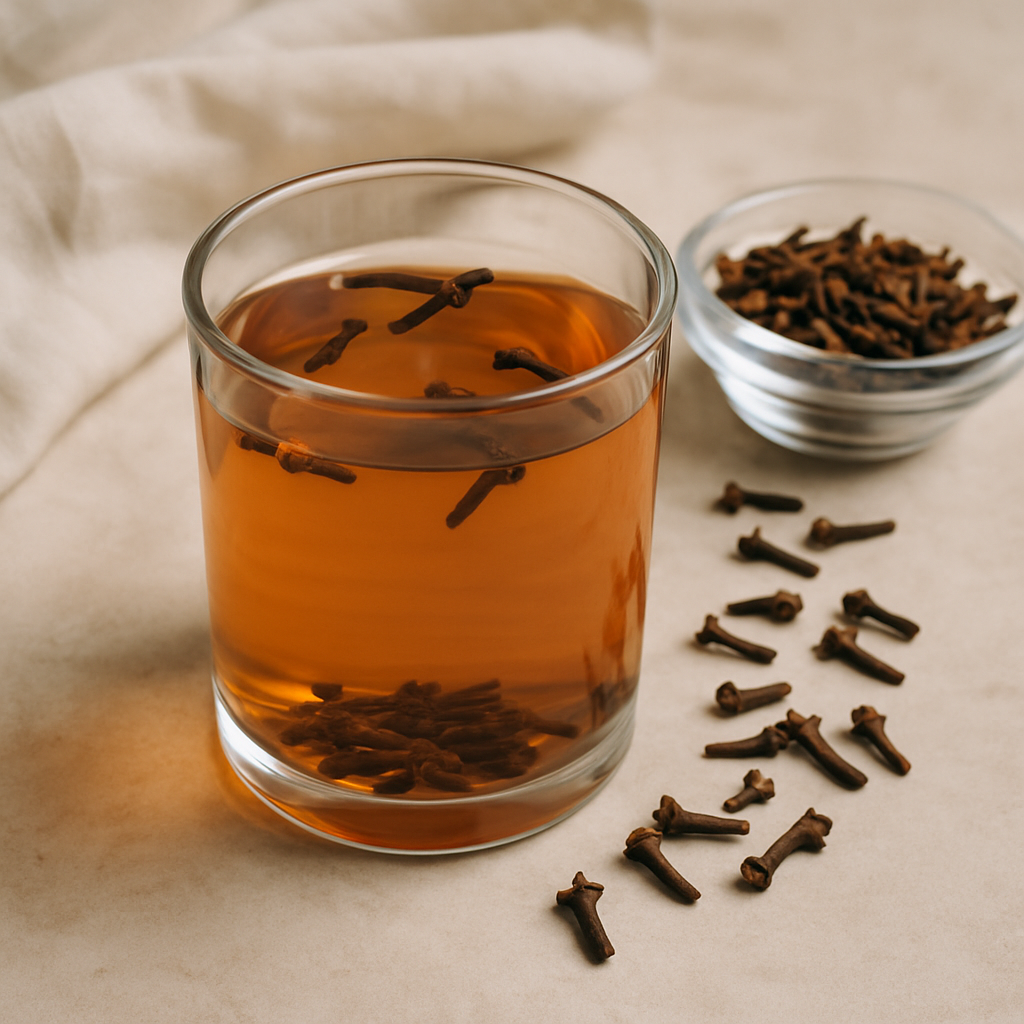
Clove water might not sound like the most exciting drink, but it’s surprisingly popular in both traditional medicine and modern wellness trends. Simply soaking a few cloves overnight and drinking the infused water in the morning can bring a range of clove water health benefits.
For one, it acts as a mild detox. Many people report that it helps kickstart digestion and keeps bloating in check. Some say it even boosts their morning energy without the crash of coffee—though let’s be honest, it doesn’t taste as nice. But if you’re asking is clove water good for health?, the answer is yes, in moderation. Too much can make the flavor harsh and even irritate the stomach lining.
Another benefit is its effect on immunity. Because clove is naturally antimicrobial, drinking clove water may help defend your body against minor infections. Think of it as a simple, affordable, and natural habit that you can try without needing exotic ingredients or complicated recipes.
Benefits of Clove Oil in Ayurveda and Home Remedies
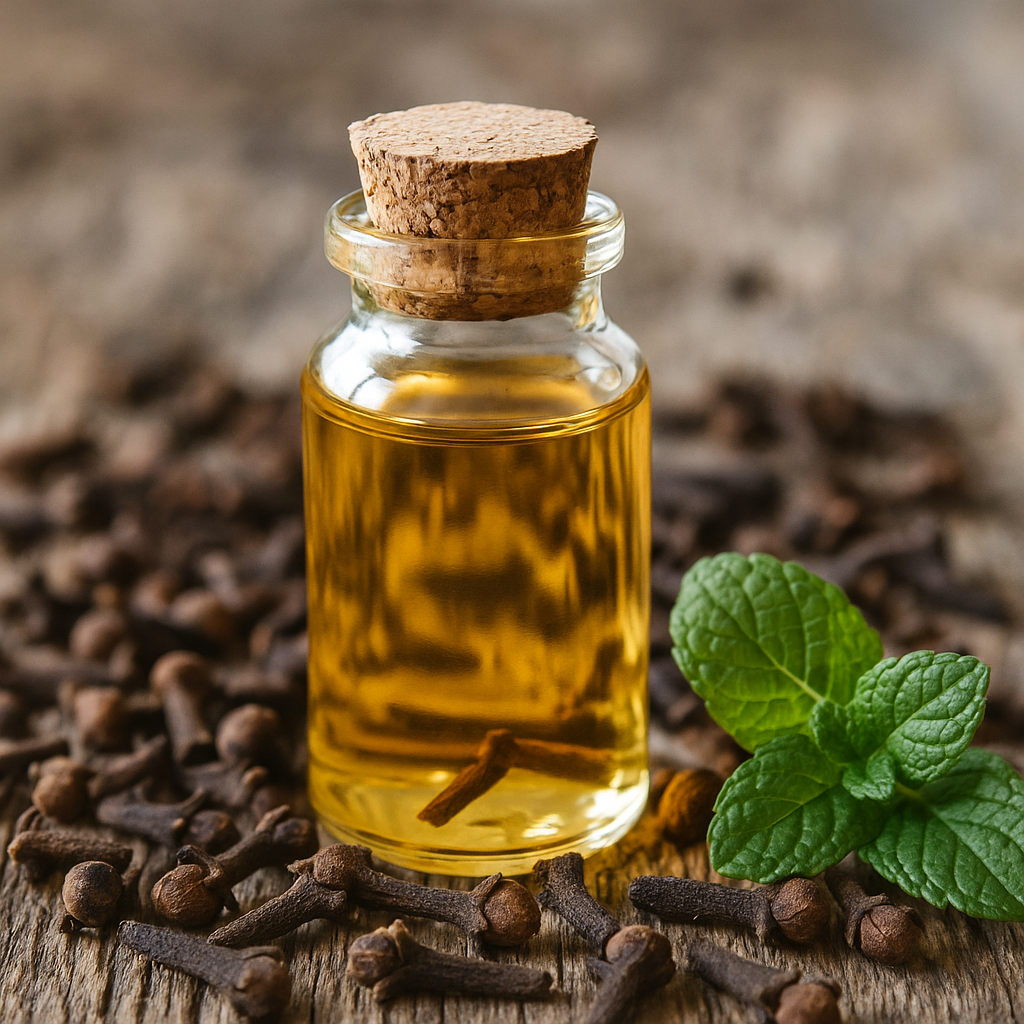
If clove water is gentle, clove oil is the powerhouse. Extracted from dried flower buds, clove oil is highly concentrated and must be used with care. In Ayurveda, it’s often recommended in tiny amounts, mixed with carrier oils or honey, for its strong healing properties.
Among the most praised benefits of clove oil is its role in pain relief. People dab diluted clove oil on sore joints, achy muscles, or even mild headaches. The warming sensation can ease tension and increase circulation.
Clove oil also has a big reputation in oral care. Dentists sometimes use it to soothe toothaches, and many DIY remedies still include it for gum infections. But again—dilution is key. Putting pure oil on sensitive skin or gums can do more harm than good.
Another lesser-known use is for respiratory relief. Inhaling steam with a drop of clove oil can clear nasal passages and help with seasonal allergies. Ayurveda often mixes it with other oils like eucalyptus to create a balanced remedy for breathing issues.

Ayurvedic Preparations with Clove
Clove Water Health Benefits in Ayurvedic Formulas
Ayurveda doesn’t see clove in isolation—it’s always part of a bigger picture. For example, clove water may be combined with ginger or cinnamon to make a warming tonic. This type of blend is especially useful in colder months, when digestion tends to slow down and the immune system needs extra support.
Some practitioners even recommend clove tea for balancing Kapha and Vata imbalances. It’s thought to stimulate digestive fire (Agni), which is central to overall health in Ayurveda. That said, Pitta types—those prone to acidity or heat in the body—are usually advised to take it sparingly.
Herbal Combinations with Clove for Overall Health
Clove often works best in synergy with other herbs. A classic mix is clove, cardamom, and fennel, which supports digestion after heavy meals. For colds, clove is combined with black pepper and tulsi (holy basil) to clear mucus and ease coughing.
When it comes to clove for sexual health, traditional Ayurvedic formulas might blend it with saffron or nutmeg for enhancing vitality and energy. While these combinations are not miracle cures, they do showcase the spice’s versatility.
The beauty of Ayurvedic practice is that it sees clove not just as a spice but as a part of a whole system designed to balance body, mind, and spirit.
Conclusion
So, is clove good for health? Both Ayurveda and modern science give a pretty confident yes. From aiding digestion to supporting immunity, easing dental discomfort, and even gently boosting vitality, the clove benefits for health are wide-ranging. Whether you prefer drinking clove water, using clove oil, or simply chewing a clove after meals, this humble spice can make a real difference when used wisely.
Still, balance matters. Too much clove—whether in raw form, oil, or water—may cause irritation or side effects. The key takeaway is that clove works best as a supportive part of your lifestyle, not as a replacement for healthy habits or medical care.
What makes cloves truly fascinating is how they bridge the gap between old and new. Ancient Ayurvedic texts praised their warming, detoxifying qualities, while today’s lab studies confirm their antioxidant and antimicrobial effects. It’s a rare spice that fits naturally into both a grandmother’s kitchen remedy and a modern scientific journal.
If you’re looking for a natural way to improve digestion, freshen your breath, or give your immune system a little push, clove deserves a spot in your wellness routine. And because it’s so affordable and accessible, anyone can try it without needing special supplements or expensive products.
So the next time you sip spiced tea, chew a clove after dinner, or wonder about the benefits of clove water, remember—you’re not just enjoying flavor, you’re tapping into centuries of healing tradition.
And maybe it’s time to share this with a friend or family member too. After all, helpful knowledge is best when it’s passed along!
स्वयं दवा न लें और प्रतीक्षा न करें। अभी डॉक्टर से चैट शुरू करें
FAQs
Can I drink clove water daily?
Yes, but in small amounts. A glass of clove-infused water once a day can offer gentle detox and digestive support. However, drinking it too often or too strong may upset your stomach. If you notice irritation, scale back to a few times a week. Always listen to your body—it usually knows when enough is enough.
What are the benefits of clove oil for health?
Clove oil is known for its strong antimicrobial and pain-relieving properties. It’s commonly used in dental care to soothe toothaches and sore gums, and in Ayurveda it’s applied (diluted!) for muscle or joint pain. Some even use it in steam inhalation for colds. Just remember—never apply pure clove oil directly to skin or gums without diluting, as it can cause burning.
Is clove safe for dental health care?
Yes, in fact, it’s one of the most traditional uses. Chewing a clove can freshen breath and reduce minor tooth pain temporarily. Dentists have long used eugenol, the active compound in clove, in certain treatments. But for persistent pain or infections, it’s no substitute for professional dental care. Use it as a helper, not a cure.
Final Thoughts
Clove is one of those rare ingredients that’s as valuable in medicine as it is in cooking. From spiced chai to Ayurvedic tonics, it shows up in countless forms around the world. With proven clove water health benefits, widely recognized benefits of clove oil, and its trusted role in clove for dental health, this spice earns its reputation as a wellness powerhouse.
If you’ve ever asked yourself, “is eating clove good for health?”—the answer is yes, but wisely and in moderation.
So why not try it? Brew some clove tea, make clove water, or keep a couple handy after dinner. A small habit, but one with the power to change how you feel day-to-day.
उपयोगकर्ताओं के प्रश्न
How do cloves support dental health when used in moderation?
Client_e26895
25 दिनों पहले
Cloves can support dental health primarily through their eugenol content, which offers natural anesthetic and antibacterial properties that can help soothe toothaches and combat gum infections. When used in moderation, such as in clove oil applied for a limited time or in small amounts mixed in DIY mouth rinses, they can be beneficial. The numbing effect can offer temporary relief, but it is not a substitute for professional dental care. Excessive use might cause irritation, so if pain persists or is severe, it's essential to consult a dentist promptly.
How long can I safely use clove oil for dental pain relief?
Client_bfb828
35 दिनों पहले
Clove oil can be safely used for dental pain relief for short-term relief, typically up to a few days. Apply a diluted version of clove oil directly to the affected area not more than 3-4 times a day to help alleviate pain. Make sure to dilute it with a carrier oil like olive oil to prevent irritation. If irritation occurs, reduce the frequency of use or stop altogether. Clove oil is excellent for temporary relief but not a substitute for professional dental treatment. If you continue to experience dental pain beyond a few days, consult a dentist for a proper diagnosis and treatment plan.
What are the antioxidant properties of clove and their health implications?
Client_d1c154
44 दिनों पहले
Clove possesses potent antioxidant properties primarily due to its high content of eugenol, a powerful compound that helps neutralize free radicals in the body. The health implications of clove's antioxidants include reducing oxidative stress, which can lower the risk of chronic diseases such as heart disease, diabetes, and certain types of cancer. However, while clove can be beneficial, excessive consumption may cause irritation or side effects, so moderation is important. If using clove for its antioxidant properties, incorporate it into your diet within recommended amounts, and consult a healthcare professional if you have any concerns, especially if you plan to use concentrated forms like clove oil.
What are the benefits of chewing cloves for freshening breath?
Client_baa491
54 दिनों पहले
Chewing cloves can help freshen your breath due to their natural antimicrobial properties, which can reduce the bacteria that cause bad breath. This spice contains eugenol, a compound with antiseptic effects that makes cloves effective in oral health. For combating halitosis, chew a whole clove and let the oils disperse in your mouth for about 2 minutes, then discard it. While cloves offer temporary freshening, persistent bad breath may require a dental check-up to rule out underlying issues such as gum disease or tooth decay.
How does clove oil improve digestive health and what are optimal doses?
Client_b136f0
64 दिनों पहले
Clove oil can aid digestive health through its antimicrobial and anti-inflammatory properties, which help reduce stomach upset and gas. Typically, using clove oil involves diluting 1-2 drops in a carrier oil before ingestion to avoid irritation. However, effectiveness varies, and lasting relief may require several days of consistent use. Always use clove oil sparingly and contact a healthcare professional if digestive issues persist. While clove oil is common in Ayurveda, modern users should prioritize current scientific guidance and not rely solely on traditional remedies.
What is the best way to make clove water for health benefits?
Client_ca3e1c
73 दिनों पहले
To make clove water, just steep 2-3 cloves in hot water for about 10 mins. This should be enough to extract their beneficial oils without being too harsh. Sip it warm, always keeping an eye on how your body responds. If your stomach feels off, try reducing the number of cloves or the steeping time. Enjoy in moderation!
Can I use clove oil for relieving cough and how should I apply it?
Client_b7f06e
83 दिनों पहले
Yep, clove oil can help with coughs! In ayurveda, it's sometimes mixed with other oils. You could try adding a tiny drop to steam inhalation, or mix a couple of drops with a carrier oil like coconut and rub on your chest. Just make sure it’s diluted properly because clove oil is strong and can irritate skin.
Can clove oil help with joint stiffness, and how should I use it for relief?
Client_d7b31a
92 दिनों पहले
Yeah, clove oil can help with joint stiffness thanks to its anti-inflammatory properties. Just make sure to dilute it with a carrier oil, like coconut or olive oil, before applying. Rub it gently on the affected areas. And be careful, bcuz pure clove oil can irritate skin if used undiluted. Always listen to how your body reacts!
What are the health benefits of drinking clove tea for digestive issues?
Client_3c4f46
101 दिनों पहले
Drinking clove tea can be helpful for digestion as cloves can boost the digestive fire (agni) and help relieve bloating and indigestion. Its warming nature also supports a healthy digestive function. Keep in mind, it's not a miracle cure, so balance it with a wholesome diet for the best results. 😊
What is clove oil used for in dental treatments, and how does it help?
Client_22f13c
110 दिनों पहले
Clove oil is often used in dental treatments to relieve toothaches and soothe sore gums. The active compound, eugenol, acts as a natural anesthetic and has anti-inflammatory properties, which helps in reducing pain and swelling in the affected area. Just remember to use it diluted, as it's pretty powerful stuff!
संबंधित आलेख

Body Detox
Why Understanding Your Pitta Body Type Can Change Everything
Pitta is the fire and a bit of water — transformation, metabolism, focus, intensity. It governs everything that heats, digests, processes, and sharpens. When it’s in balance, you’re sharp, courageous, perceptive. You get things done. But when it’s off? Oh
2,456

Body Detox
घर पर प्राकृतिक तरीके से खून को शुद्ध कैसे करें: आयुर्वेदिक उपाय और आहार
आयुर्वेदिक खाद्य पदार्थों, जूस, सब्जियों और प्राणायाम के साथ घर पर ही प्राकृतिक तरीके से खून को शुद्ध करना सीखें। आंतरिक सफाई और डिटॉक्स के लिए आसान दैनिक टिप्स।
9,078

Body Detox
Krimisodhini Gulika: Ayurvedic Medicine for Gut Health and Parasite Cleansing
Explore Krimisodhini Gulika, its benefits, proper dosage, side effects, and scientific research supporting its use as an effective Ayurvedic treatment for parasitic infections.
5,616

Body Detox
What Is Tratak Kriya? Meaning, Practice Steps, and Yogic Benefits
What is Tratak Kriya? Learn its meaning, steps, benefits for eyes and mind, how to practice it safely, and what precautions to follow in this yogic technique
19,066

Body Detox
Powder Massage in Ayurveda: More Than Just a Skin Thing
So, let’s talk powder massage. Maybe you've seen a clip online — someone getting vigorously scrubbed with what looks like cinnamon dust. Or maybe your aunt's into Ayurveda and won’t stop talking about "Udvartana" (that’s the fancy Sanskrit name, by the wa
3,559

Body Detox
Navaka Guggulu – Benefits, Dosage, How To Use, Side Effects, Ingredients
Exploration of Navaka Guggulu – Benefits, Dosage, How To Use, Side Effects, Ingredients
5,912

Body Detox
What Is Mango Ginger? Ayurvedic Guide to Benefits, Tea, and Usage
What is mango ginger? Discover mango ginger benefits for skin and digestion, how to use it in tea, and Ayurvedic insights on this unique root
11,440

Body Detox
Panchakarma Cleanse: Ayurvedic Detox and Rejuvenation
If you've been feeling heavy, foggy, maybe just... off, you're definitely not alone. It’s wild how modern life pulls us out of balance without us even noticing until one day we wake up thinking, something's not right. That's actually how I stumbled into t
3,110

Body Detox
अश्वगंधा पाउडर का उपयोग कैसे करें: आयुर्वेदिक गाइड और फायदे
अश्वगंधा पाउडर का उपयोग कैसे करें? इसके उपयोग, फायदे और खुराक के बारे में जानें। जानें कि अश्वगंधा पाउडर को दूध या पानी के साथ कैसे लिया जा सकता है और इसे लेने के सबसे अच्छे तरीके क्या हैं।
16,926

Body Detox
How to Reduce Vata from the Body Without Losing Your Mind (or Your Appetite)
In Ayurveda — that ancient, often misunderstood science from India that goes way deeper than turmeric lattes — Vata is one of the three doshas. Doshas are like energies or forces that make up your constitution. Vata is made of air and ether. So think: mov
3,064
विषय से संबंधित परामर्श
अतिरिक्त दस्तावेज़
© 2024 Ask Ayurveda. सर्वाधिकार सुरक्षित।