आयुर्वेदिक डॉक्टर से प्रश्न पूछें और निःशुल्क या भुगतान मोड में अपनी चिंता की समस्या पर ऑनलाइन परामर्श प्राप्त करें। 2,000 से अधिक अनुभवी डॉक्टर हमारी साइट पर काम करते हैं और आपके प्रश्नों का इंतजार करते हैं और उपयोगकर्ताओं को उनकी स्वास्थ्य समस्याओं को हल करने में प्रतिदिन मदद करते हैं।


Body DetoxEar, Nose, and Throat DisordersGeriatrics & RejuvenationImmunodeficiencyInfertility TreatmentNutritionOrthopedic DisordersPediatricsRespiratory DisordersSexually Transmitted Diseases (STDs)Surgery RecoveryUrological DisordersVascular DisordersDental DisordersEndocrinological DisordersGastrointestinal DisordersYoga TherapyGeneral MedicineAllergic DisordersCardio DisordersGynecology and ObstetricsCosmetologySkin and Hair DisordersEye DisordersInfectious DiseasesMental DisordersNeurological DisordersOncologyPanchakarmaSexual Health & DisordersSports Medicine
पर प्रकाशित 10/09/24
(को अपडेट 08/13/26)
3,044
Yoga Nidra Meditation for Sleep – Benefits and How to Do It
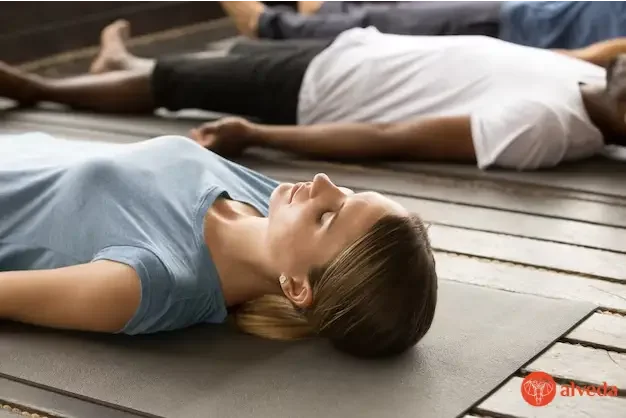
In today’s fast-paced world, where stress and anxiety reign supreme, sleep often becomes a casualty. Tossing and turning, counting sheep, and battling racing thoughts – the struggle for restful slumber is all too familiar. But what if there was a natural, ancient practice that could lull you into a peaceful sleep, leaving you feeling refreshed and rejuvenated each morning? Enter Yoga Nidra a powerful meditation technique rooted in the wisdom of
Yoga Nidra: A Journey into Inner Peace
Meaning “yogic sleep,” Yoga Nidra is more than just meditation. It’s a state of deep relaxation and awareness, where the mind transcends the waking state yet remains conscious. Through guided visualizations, breathwork, and body awareness techniques, Yoga Nidra gently guides you inward, dissolving tension and anxieties that obstruct sleep.
Benefits of Yoga Nidra for Sleep:
Reduces stress and anxiety: Yoga Nidra activates the parasympathetic nervous system, promoting relaxation and lowering cortisol levels, the stress hormone. This creates a calming environment conducive to sleep.
- Improves sleep quality: By calming the mind and body, Yoga Nidra helps you fall asleep faster and experience deeper, more restful sleep. This can significantly improve sleep quality and duration.
- Boosts mood and energy: A good night’s sleep is essential for overall well-being. Regular Yoga Nidra practice can improve mood, increase energy levels, and enhance mental clarity throughout the day.
- Reduces insomnia: Yoga Nidra is effective in managing insomnia, a chronic sleep disorder. The practice can help regulate sleep patterns and reduce the time it takes to fall asleep.
- Supports emotional well-being: The deep relaxation induced by Yoga Nidra can help manage emotional disturbances like anxiety and depression, further promoting better sleep and overall mental health.
Ayurvedic Tips for a Better Night’s Sleep:
- Dinacharya (Daily Routine): Establish a regular sleep schedule and wake up around the same time each day, even on weekends. This helps regulate your circadian rhythm, the body’s natural sleep-wake cycle.
- Abhyanga (Self-Massage): Apply warm sesame oil to your body before bed. This gentle massage improves circulation, relaxes muscles, and promotes peaceful sleep.
- Svadhyaya (Self-Study): Practice calming activities before bed, such as reading a book, listening to soothing music, or taking a warm bath. Avoid screen time for at least an hour before sleep.
- Achara (Lifestyle): Create a sleep-conducive environment. Ensure your bedroom is dark, quiet, and cool. Avoid caffeine and alcohol before bed, and opt for a light, easily digestible dinner.
Ayurveda Treatments for Sleep:
If you’re struggling to achieve restful sleep on your own, consider consulting an
- Herbal remedies: Certain Ayurvedic herbs, such as ashwagandha, valerian root, and Brahmi, possess sleep-promoting properties and can be prescribed in tailored formulations.
- Panchakarma: This Ayurvedic detoxification program involves various therapies like shirodhara (oil pouring on the forehead) and abhyanga, which can help reduce stress and improve sleep quality.
- Yoga: Specific yoga postures and breathing exercises can be recommended to address sleep disturbances and promote relaxation.
Ask-Ayurveda: Your Partner in Holistic Wellness
At Ask-Ayurveda, we believe in the power of Ayurveda to create a foundation for complete well-being. We offer a range of Ayurvedic products and consultations to help you experience the transformative benefits of this ancient science. Our online Ayurveda consultation platform connects you with qualified Ayurvedic practitioners who can guide you on your journey towards better sleep and overall health.
स्वयं दवा न लें और प्रतीक्षा न करें। अभी डॉक्टर से चैट शुरू करें
Book Your Free-Pre Online Consultation Today!
Take the first step towards a restful night’s sleep and a healthier you. Book your free online consultation with an Alveda Ayurvedic practitioner today. Discover how Yoga Nidra and Ayurvedic practices can unlock your body’s natural sleep potential and guide you towards a life of vibrant well-being.
Remember: Consistent practice is key to reaping the full benefits of Yoga Nidra and Ayurvedic sleep practices. Be patient, and gentle with yourself, and enjoy the journey towards a deeper, more fulfilling sleep.
But Yoga Nidra is not a solitary path. Ayurveda, the ancient science of healing, walks alongside, offering its wisdom through simple, time-tested practices. From the soothing caress of Abhyanga massage to the calming rituals of Dinacharya, each step complements Yoga Nidra, weaving a tapestry of holistic sleep optimization.
For those seeking deeper guidance, Ayurveda’s personalized approach unfolds through consultations with experienced practitioners. Whether it’s the targeted power of herbal remedies or the transformative path of Panchakarma, Ayurveda offers a map to navigate the unique landscape of your sleep challenges.
At Ask-Ayurveda , we stand on the bridge between tradition and modernity, offering a platform where the wisdom of the past meets the convenience of the present. Here, your journey towards restful sleep begins with a simple click – a free-pre online consultation connecting you with an Ayurvedic expert.
So, let go of the counting sheep and restless tossing. Embrace the transformative embrace of Yoga Nidra and the holistic wisdom of Ayurveda. Together, they hold the promise of a sleep sanctuary within you, waiting to be unlocked. Take the first step today and discover the vibrant energy that awaits on the other side of a truly restful night.
FAQs
1. What Is Yoga Nidra and How Does It Differ From Regular Meditation?
Ans: Yoga Nidra, meaning “yogic sleep,” is a guided meditation technique that induces a state of deep relaxation and awareness between wakefulness and sleep. Unlike regular meditation, where you actively focus on your breath or a mantra, Yoga Nidra uses body scans, visualizations, and breathwork to passively guide your attention inwards, leaving you feeling physically and mentally refreshed.
2. What Are the Benefits of Yoga Nidra for Sleep?
Ans: Yoga Nidra can significantly improve your sleep quality in several ways:
- Reduces stress and anxiety: By calming the nervous system, Yoga Nidra helps quiet racing thoughts and anxieties that often hinder sleep.
- Promotes deeper sleep: The deep relaxation induced by Yoga Nidra allows you to fall asleep faster and experience deeper, more restorative sleep cycles.
- Regulates sleep patterns: Consistent practice can help regulate your circadian rhythm, leading to a more consistent sleep schedule.
- Reduces insomnia: Studies have shown Yoga Nidra to be effective in managing insomnia symptoms, helping you fall asleep and stay asleep longer.
3. How Can I Practice Yoga Nidra for Sleep?
Ans: You can practice Yoga Nidra comfortably lying down on your back. Look for guided sessions online or on apps, choosing a length that suits your schedule (sessions can range from 10-45 minutes). Follow the instructor’s guidance as they lead you through body scans, visualizations, and breathwork, focusing on simply observing your sensations without judgment. If you fall asleep, it’s perfectly fine – you’ll still reap the benefits.
4. How Often Should I Practice Yoga Nidra to See Results?
Ans: Aim to practice Yoga Nidra at least 3-4 times a week for consistent improvement in sleep quality. As you become more familiar with the practice, you can increase the frequency or duration of your sessions.
5. Where Can I Find More Resources and Support for Practising Yoga Nidra?
Ans: Many online resources offer guided Yoga Nidra meditations, including Yoga International, Insight Timer, and YouTube channels like Yoga with Adriene. Consider joining a local yoga studio or online community for further guidance and support.
उपयोगकर्ताओं के प्रश्न
How long does it take to see benefits from Yoga Nidra practice?
Client_fd0d6f
27 दिनों पहले
You may start noticing benefits from regular Yoga Nidra practice, such as improved mood and increased energy, within a few weeks. For deeper improvements in sleep quality and mental clarity, consistent practice over a few months is often necessary. Yoga Nidra helps manage insomnia by promoting deep relaxation and regulating the circadian rhythm, which might take several sessions to impact significantly. If you experience persistent sleep issues or other concerns, consulting a healthcare professional is advisable.
How does Yoga Nidra improve mental clarity during the day?
Client_357f58
37 दिनों पहले
Yoga Nidra improves mental clarity during the day by inducing a state of deep relaxation that helps reduce stress hormones and promotes restful sleep. Regular practice can enhance mood, increase energy levels, and clear mental fog. This practice involves following guided instructions while lying in savasana, leading to a state between wakefulness and sleep. Benefits can often be felt after just a few sessions, but consistency is key. If you're struggling with persistent mental fog or fatigue despite regular practice, it may be time to consult a healthcare professional to explore underlying causes.
What are the best essential oils to use during Yoga Nidra for relaxation?
Client_78053e
46 दिनों पहले
Lavender and chamomile essential oils are among the best for promoting relaxation during Yoga Nidra. These oils are known for their calming properties and can be diffused or applied topically (diluted with a carrier oil) to enhance the relaxation experience. Typically, people notice a sense of calm and relaxation within minutes of exposure. Be cautious of allergies or skin sensitivities and consider consulting a doctor if you experience any adverse reactions. While Ayurveda may suggest specific oils based on individual needs, lavender and chamomile are universally soothing choices.
What natural scents can help promote better sleep quality?
Client_51abb2
56 दिनों पहले
Lavender, chamomile, and sandalwood are natural scents that can help promote better sleep quality. These scents have calming properties that can aid in relaxation and encourage a deeper sleep. For many, using essential oils in a diffuser or applying diluted oils to the skin before bedtime can be beneficial. Creating a consistent nightly routine with these scents can condition your body to associate them with sleep. However, if insomnia or sleep disturbances persist, it is advisable to consult a healthcare professional to rule out underlying conditions.
Can I take valerian root with other sleep aids or supplements?
Client_575813
65 दिनों पहले
It's usually best to take valerian root on its own first to see how your body reacts, as it can interact with other sleep aids. You don't wanna be too drowsy or feel off the next day! If you're considering combining it with others, better to check with a healthcare provider for personalized advice. Always listen to your body!
What are the long-term benefits of practicing Yoga Nidra for stress reduction?
Client_06cd2a
75 दिनों पहले
Yoga Nidra isn't just a potent tool for stress reduction in the short-term; long-term it can foster deep relaxation, improve mood, boost energy levels, and even help with anxiety and depression. Keeping a regular practice may support overall well-being by balancing the nervous system and calming agitated minds. Over time, it can lead to a more consistent and peaceful state of being, kinda like having inner tranquility on tap. Just don't stress about doing it perfectly every time.
What is the impact of diet on my sleep quality according to Ayurveda?
Client_af6953
84 दिनों पहले
In Ayurveda, diet plays a big role in sleep quality. Eating a light, easily digestible dinner can help, especially if you avoid caffeine and alcohol before bed. Foods that aggravate Vata dosha, like raw salads or cold foods may disturb sleep. Consider warm, cooked meals with calming spices like cardamom or nutmeg to balance your doshas n help with restful sleep!
What is the best way to observe my sensations during Yoga Nidra without judgment?
Client_0d29e6
93 दिनों पहले
When doing Yoga Nidra, let your sensations come and go without trying to label or change them. Just listen to the instructor, and when your mind wanders, gently bring it back to their words or your breath. It’s like watching clouds pass by—no need to chase them or judge what you feel. Takes practice but totally doable!
What is the best time of day to practice Yoga Nidra for optimal relaxation?
Client_b5e7cd
102 दिनों पहले
The best time for Yoga Nidra really depends on personal preferrence! It's great before bed to aid sleep and reduce insomnia, but you can also try it in the afternoon to recharge and enhance mental clarity. Just find what fits your schedule and feels most relaxing for you. Don't stress it too much and go with the flow!
What is the role of herbal remedies like ashwagandha in improving sleep quality?
Client_a85b5c
112 दिनों पहले
Ashwagandha can be real helpful for sleep. It's known to reduce stress and can balance the body's response to it, making it easier to nod off. It doesn't knock you out like a sleeping pill, but can help calm your mind, ya know? It also supports your body's natural rhythms, helping the body relax and find that sweet spot during sleep.
संबंधित आलेख

Yoga Therapy
Ayurvedic Treatment for Plantar Fasciitis: Natural Relief for Foot Pain
Plantar fasciitis is characterized by stabbing pain near the heel, especially during the first steps in the morning or after prolonged periods of inactivity.
3,845

Yoga Therapy
Yoga Therapy: Daily Practice for Healing and Well-Being
Explore yoga therapy and its daily benefits. Improve posture, flexibility, mental clarity, and reduce chronic pain through this holistic healing practice
2,622
Yoga Therapy
What Is Somatic Yoga? Meaning, Benefits & Poses
Let’s be honest — the name sounds a little technical, right? The word somatic itself comes from the Greek word soma, meaning “the body.” But in practice, somatic yoga is a whole different vibe than what most of us picture when we think about yoga.
2,818

Yoga Therapy
अष्टांग योग क्या है: अर्थ, संरचना, और योगिक फायदे
अष्टांग योग क्या है? जानें इसका मतलब, स्टेप्स, पोज़ और फायदे। जानें कैसे यह आठ अंगों वाला रास्ता सेहत, संतुलन और आंतरिक जागरूकता को बढ़ावा देता है।
7,853

Yoga Therapy
Discover Abhyanga: A Healing Massage
Abhyanga is a traditional Ayurvedic self-massage practice using warm oils to support holistic physical and mental well-being.
3,048

Yoga Therapy
भुजंगासन क्या है: मतलब, प्रक्रिया, और योग के फायदे
भुजंगासन क्या है और इसे कैसे किया जाता है? इस योगासन के सही स्टेप्स, फायदे और प्रक्रिया जानें, जिसे कोबरा पोज़ के नाम से भी जाना जाता है, आयुर्वेदिक दृष्टिकोण के साथ।
7,813

Yoga Therapy
Benefits of Including Yoga in Daily Routine
The path to health and well-being is numerous yet essential. It is important to take up the path that provides you with maximum benefit when it comes to building health.
3,082

Yoga Therapy
Does Yoga Help in Weight Loss?
Discover how yoga helps in weight loss through effective poses, simple home routines, and Ayurvedic guidance. Ideal for beginners and women seeking natural results
2,241

Yoga Therapy
Finding Your Dosha's Meditation Fit
Understanding your dosha (Vata, Pitta, or Kapha) is essential for tailoring Meditation and Pranayama practices to your unique physical and mental state.
3,093
विषय से संबंधित परामर्श
अतिरिक्त दस्तावेज़
© 2024 Ask Ayurveda. सर्वाधिकार सुरक्षित।