आयुर्वेदिक डॉक्टर से प्रश्न पूछें और निःशुल्क या भुगतान मोड में अपनी चिंता की समस्या पर ऑनलाइन परामर्श प्राप्त करें। 2,000 से अधिक अनुभवी डॉक्टर हमारी साइट पर काम करते हैं और आपके प्रश्नों का इंतजार करते हैं और उपयोगकर्ताओं को उनकी स्वास्थ्य समस्याओं को हल करने में प्रतिदिन मदद करते हैं।


Body DetoxEar, Nose, and Throat DisordersGeriatrics & RejuvenationImmunodeficiencyInfertility TreatmentNutritionOrthopedic DisordersPediatricsRespiratory DisordersSexually Transmitted Diseases (STDs)Surgery RecoveryUrological DisordersVascular DisordersDental DisordersEndocrinological DisordersGastrointestinal DisordersYoga TherapyGeneral MedicineAllergic DisordersCardio DisordersGynecology and ObstetricsCosmetologySkin and Hair DisordersEye DisordersInfectious DiseasesMental DisordersNeurological DisordersOncologyPanchakarmaSexual Health & DisordersSports Medicine
पर प्रकाशित 01/01/25
(को अपडेट 08/09/26)
star_border 5
3,505
Punsavan Medicine for Male Child: Enhance Growth and Health Naturally
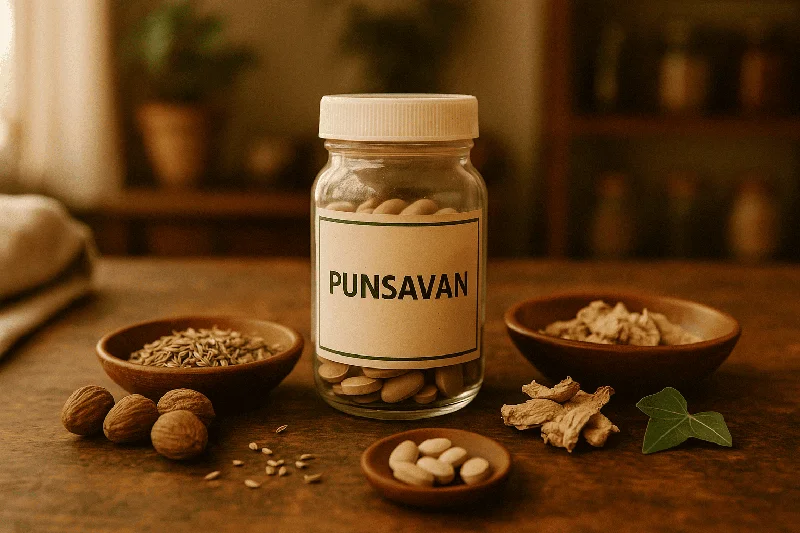
- Punsavan Medicine is a traditional Ayurvedic formulation rooted in the ancient concept of Punsavan Karma — a prenatal and pediatric therapy described in classical Sanskrit medical texts. In modern practice, it's available as capsules, syrups, and powders designed to support reproductive health, fetal development, child growth, and overall vitality.
- This guide covers everything you need to know: ingredients, proven benefits, proper dosage, safety concerns, legal considerations, and what modern science actually says about these herbal formulations.
Whether you're a parent exploring natural health support for your child, or an expecting mother considering Ayurvedic prenatal care, this article gives you the complete, evidence-based picture — not just marketing claims.
What Is Punsavan Medicine?
- Punsavan Medicine refers to a category of Ayurvedic formulations inspired by the classical Punsavan Karma described in ancient Indian medical literature.
- The word "Punsavan" derives from Sanskrit — pum (male/progeny) and savan (creation/nurturing) — broadly meaning "that which nurtures and creates healthy progeny."
In contemporary Ayurveda, Punsavan products are marketed primarily for two purposes: supporting healthy fetal development during pregnancy and promoting growth, immunity, and vitality in children. These formulations typically combine well-known Rasayana (rejuvenative) herbs with specific nutrients that target hormonal balance, immune function, and tissue development.
Definition and Ayurvedic Classification (Rasayana)
- Punsavan Medicine falls under the Rasayana category of Ayurvedic therapeutics.
- Rasayana literally means "the path of essence" — therapies designed to nourish the body's fundamental tissues (dhatus), enhance immunity (Vyadhikshamatva), and promote longevity. Within this framework, Punsavan formulations are considered Garbha Sanskar Rasayana — rejuvenatives specifically targeted at prenatal and early childhood development.
According to Ayurvedic principles, these medicines work by balancing the three doshas (Vata, Pitta, Kapha), particularly addressing Vata imbalances that can affect growth and neurological development, and Pitta imbalances that influence digestion and metabolism in growing children.
Forms Available: Capsules, Syrup, and Powder
| Form | Typical Dosage | Best Suited For | Key Advantage |
|---|---|---|---|
| Capsules | 1–2 capsules/day | Adults, older children | Convenient, precise dosing |
| Syrup | 5–10 mL/day | Young children, prenatal use | Easy to swallow, faster absorption |
| Powder (Churna) | 3–5 g/day | Traditional practitioners, custom dosing | Can be mixed with milk or honey |
Most commercially available products come in capsule and syrup forms. The syrup form is generally preferred for children because of ease of administration, while capsules are more common for adult and prenatal use.
Historical Origins & Scriptural References
Understanding the historical context of Punsavan Medicine is essential — partly because it reveals the therapy's original intent, and partly because some historical claims have been misinterpreted or misused in modern marketing.
Punsavan Karma in Charaka Samhita & Sushruta Samhita
The earliest references to Punsavan Karma appear in the Charaka Samhita (Sharira Sthana, Chapter 8) and Sushruta Samhita (Sharira Sthana, Chapter 2), both dating roughly to 600–200 BCE. In these texts, Punsavan Karma is described as a specific prenatal procedure performed during the second or third month of pregnancy.
Charaka describes the administration of specific herbal preparations through nasal instillation (nasya) and oral consumption during the early months of pregnancy. The Ashtanga Hridaya of Vagbhata (7th century CE) further elaborates on this, recommending herbs like Lakshmana (a debated botanical identity), Vaata shoots, and milk-based preparations.
It's crucial to understand that the original scriptural context places Punsavan Karma within a broader framework of Garbhini Paricharya (prenatal care regimen) — a comprehensive month-by-month protocol for maternal and fetal health.
Punsavan Sanskar: The Vedic Ritual Context
Beyond the medical texts, Punsavan Sanskar is one of the sixteen Shodasha Sanskars (sacraments) in Vedic tradition. This ritual, typically performed in the second or third month of pregnancy, is a spiritual ceremony intended to bless the pregnancy and pray for healthy offspring. The Sanskar involves Vedic mantras, offerings, and specific dietary recommendations.
Its important to distinguish between the ritual (Sanskar) and the medical procedure (Karma). Modern Punsavan Medicine products draw more from the medical tradition than the ritual one, though marketing sometimes blurs this line.
Evolution from Ancient Practice to Modern Supplement
The transformation from an elaborate prenatal Karma involving nasya, specific timing, and practitioner guidance to an over-the-counter capsule represents a significant evolution. Modern manufacturers have essentially extracted the herbal components from classical formulations and standardized them into convenient dosage forms.
This modernization has benefits — greater accessibility, consistent dosing — but also drawbacks. The original texts prescribed Punsavan Karma as part of a holistic regimen including diet (Pathya), lifestyle (Vihara), and spiritual practices. Taking a capsule alone, without addressing these other dimensions, may not deliver the complete therapeutic effect described in classical literature.
Key Ingredients & Their Properties
The strength of any Ayurvedic formulation lies in its ingredients. Here is a detailed breakdown of the primary herbs found in most Punsavan Medicine products, along with their scientific evidence base.
Shatavari (Asparagus racemosus)
Often called the "Queen of Herbs" in Ayurveda, Shatavari is the cornerstone of most Punsavan formulations. A 2018 systematic review published in the Journal of Ethnopharmacology documented its galactagogue (milk-promoting), immunomodulatory, and antioxidant properties. It contains steroidal saponins called Shatavarins that have demonstrated estrogenic activity in animal models.
Key actions: Hormonal regulation, uterine toning, immune enhancement, anti-inflammatory effects.
Ashwagandha (Withania somnifera)
Perhaps the most researched Ayurvedic herb globally. A 2021 meta-analysis in the Journal of Clinical Medicine covering 12 randomized controlled trials confirmed Ashwagandha's significant effects on reducing cortisol levels, improving sleep quality, and enhancing physical performance. Its withanolide compounds show neuroprotective and adaptogenic properties.
Key actions: Stress adaptation, muscle and bone development, cognitive enhancement, endocrine support.
Guduchi (Tinospora cordifolia)
Known as Amrita ("the immortal one") in Sanskrit. A 2020 study in Phytotherapy Research demonstrated Guduchi's potent immunomodulatory effects, particularly its ability to activate macrophages and enhance both innate and adaptive immunity. Its berberine and tinosporin content contribute to antipyretic and anti-inflammatory actions.
Key actions: Immune system activation, liver protection, fever reduction, antioxidant activity.
Gokshura (Tribulus terrestris)
Traditionally used for urinary and reproductive health. Research published in Phytomedicine (2016) showed Gokshura's saponin compounds can support testosterone levels and improve renal function. In the context of Punsavan Medicine, it contributes to reproductive vitality and kidney health.
Key actions: Reproductive tonic, diuretic, muscle-building support, urinary tract health.
Kanchanar (Bauhinia variegata)
Less well-known internationally but highly valued in Ayurveda for its effects on thyroid function and lymphatic health. Limited but promising research suggests anti-thyroid peroxidase activity, which may help regulate thyroid hormones — crucial during pregnancy and childhood development. A 2017 study in the Indian Journal of Pharmaceutical Sciences confirmed its antioxidant and anti-inflammatory compounds.
Key actions: Thyroid regulation, lymphatic drainage, anti-tumor activity, hormonal balance.
Other Supporting Herbs
Most Punsavan formulations also include varying combinations of:
- Yashtimadhu (Glycyrrhiza glabra) — mucosal protection, respiratory support
- Brahmi (Bacopa monnieri) — cognitive enhancement (supported by a 2014 Cochrane-adjacent systematic review)
- Amalaki (Emblica officinalis) — vitamin C source, potent antioxidant
- Mandukparni (Centella asiatica) — neuroprotection, wound healing
Health Benefits of Punsavan Medicine
Hormonal Balance & Reproductive Support
The combination of Shatavari, Ashwagandha, and Gokshura creates what Ayurvedic practitioners call a "reproductive tonic triad." These herbs collectively support the hypothalamic-pituitary-gonadal (HPG) axis. Shatavari provides phytoestrogens, Ashwagandha modulates cortisol (which directly affects reproductive hormones), and Gokshura supports androgen levels.
For women planning pregnancy, this hormonal support may help regulate menstrual cycles and improve endometrial receptivity. For growing children, balanced hormonal function supports proper timing of developmental milestones.
Immune System Enhancement
Guduchi and Amalaki form the immune-boosting backbone of Punsavan formulations. A 2019 clinical study published in Evidence-Based Complementary and Alternative Medicine showed that Guduchi extract significantly increased IgG and IgM antibody levels in participants over 8 weeks. Amalaki contributes one of the highest natural concentrations of vitamin C — approximately 600–700 mg per 100g of fresh fruit.
This is particularly relevant for children in the 2-10 age group, who face frequent exposure to infections in school environments.
Fetal Development & Maternal Health During Pregnancy
Classical Ayurvedic texts prescribe month-specific nutrition for pregnant women (Masanumasik Pathya). Punsavan Medicine's Rasayana herbs align with the nutritional demands of the first and second trimesters, when organogenesis and rapid tissue differentiation occur. Ashwagandha's iron content and Shatavari's folate-like activity may provide supplementary nutritional support.
Important note: No Ayurvedic supplement should replace standard prenatal vitamins (folic acid, iron, calcium) prescribed by an obstetrician. Punsavan Medicine should be considered complementary, not a replacement.
Growth & Physical Development in Children
Can Punsavan Medicine Help with Delayed Growth in Male Children?
Ashwagandha has the most direct evidence here. A 2020 study in Cureus involving 50 children aged 8-12 showed that Ashwagandha root extract (300mg twice daily for 8 weeks) resulted in measurable improvements in height velocity and body weight compared to placebo. Gokshura's role in muscle protein synthesis adds another dimension of growth support.
That said, delayed growth in children can stem from numerous causes — thyroid disorders, growth hormone deficiency, nutritional gaps, celiac disease. Punsavan Medicine may support growth but cannot treat underlying pathological causes. A pediatric evaluation is always warranted for significant growth delays.
Cognitive Function & Mental Clarity
Brahmi and Ashwagandha are the primary cognitive enhancers in these formulations. A landmark 2016 study in the Journal of Psychopharmacology showed that Bacopa monnieri significantly improved attention, cognitive processing, and working memory in children aged 6-14 over 16 weeks. Ashwagandha's neuroprotective withanolides further support healthy brain development — improving memory consolidation and concentration.
Parents have reported improvements in academic performance and focus, though its worth noting that study habits, sleep quality, and nutrition play equally important roles.
Overall Vitality & Energy
The Rasayana effect of these combined herbs aims to enhance Ojas — the Ayurvedic concept roughly equivalent to vital energy and immune reserve. The adaptogenic properties of Ashwagandha and the nutritive qualities of Shatavari contribute to sustained energy levels without the stimulant effect of caffeine or synthetic energy boosters.
How Punsavan Medicine Works: Mechanism of Action
Dosha Balancing (Vata, Pitta, Kapha)
From an Ayurvedic perspective, Punsavan Medicine primarily pacifies Vata dosha (governs movement, nervous system, growth) and Pitta dosha (governs metabolism, digestion, hormones). The warming quality of Ashwagandha addresses Vata imbalance, while the cooling nature of Shatavari and Guduchi moderates Pitta. Kanchanar specifically targets Kapha imbalances related to lymphatic congestion and thyroid sluggishness.
Pharmacological Mechanisms (Modern Understanding)
| Mechanism | Key Herbs Involved | Biological Pathway |
|---|---|---|
| Immunomodulation | Guduchi, Amalaki | Macrophage activation, NK cell enhancement, IgG/IgM increase |
| Endocrine Support | Ashwagandha, Shatavari | HPA axis regulation, cortisol reduction, thyroid hormone balance |
| Protein Synthesis | Gokshura, Ashwagandha | mTOR pathway stimulation, nitrogen retention |
| Neuroprotection | Brahmi, Ashwagandha | Acetylcholinesterase inhibition, BDNF upregulation |
| Antioxidant Defence | Amalaki, Guduchi | Free radical scavenging, SOD and catalase activation |
The synergistic interaction between these herbs — known as Samyoga in Ayurveda — is believed to produce effects greater than any single ingredient alone. Modern pharmacology recognizes this as "polyherbal synergy," though rigorous studies specifically on Punsavan formulations (as opposed to individual herbs) remain limited.
स्वयं दवा न लें और प्रतीक्षा न करें। अभी डॉक्टर से चैट शुरू करें
Dosage, Administration & How Long It Takes to Show Results
Recommended Dosage by Age and Form
| Age Group | Capsules | Syrup | Powder | Duration |
|---|---|---|---|---|
| Children 2–5 years | Not recommended | 2.5–5 mL/day | 1–2 g with milk | 2–3 months |
| Children 6–12 years | 1 capsule/day | 5–7.5 mL/day | 2–3 g with milk | 3–4 months |
| Adolescents 13–18 years | 1–2 capsules/day | 7.5–10 mL/day | 3–5 g with milk or water | 3–6 months |
| Adults (prenatal use) | 1–2 capsules/day | 5–10 mL/day | 3–5 g with warm milk | As directed by physician |
How Long Does It Take for Punsavan Medicine to Show Results?
Most Ayurvedic practitioners advise a minimum of 8-12 weeks of consistent use before evaluating results. Rasayana therapies work at the tissue (dhatu) level, which requires time for cellular turnover and systemic adaptation. Immune improvements may be noticeable within 4-6 weeks, while growth and cognitive benefits typically require 3-6 months.
Can Punsavan Medicine Be Taken Daily?
- Yes, these formulations are generally designed for daily use within recommended dosage ranges.
- However, some practitioners recommend cyclical dosing — 3 months on, 1 month off — to prevent tolerance and allow the body's natural systems to function independently. Always follow the specific product's instructions or your practitioner's guidance.
Best Practices for Administration
- Timing: Preferably with meals to improve absorption and reduce any GI discomfort
- Vehicle (Anupana): Warm milk is the traditional vehicle for Rasayana herbs — milk's fat content enhances absorption of fat-soluble compounds like withanolides
- Consistency: Same time each day for optimal results
- Storage: Keep in a cool, dry place away from direct sunlight; most products have a 2–3 year shelf life when stored properly
Safety, Side Effects & Contraindications
Common Side Effects
Most users tolerate Punsavan Medicine well.
Reported side effects are generally mild and include:
- Gastrointestinal discomfort — mild bloating, loose stools (usually resolves within the first week)
- Allergic reactions — rare, but possible in individuals sensitive to specific herbs; symptoms may include skin rash or itching
- Drowsiness — Ashwagandha's calming effect may cause mild sedation in sensitive individuals
Specific Contraindications
This is an area where no competitor has provided adequate detail. Here are important contraindications based on the pharmacological profiles of the constituent herbs:
- Autoimmune diseases (lupus, rheumatoid arthritis, multiple sclerosis) — immunomodulatory herbs like Guduchi and Ashwagandha may overstimulate an already hyperactive immune system
- Thyroid disorders on medication — Kanchanar and Ashwagandha affect thyroid function and may interact with levothyroxine or methimazole
- Diabetes on insulin/oral hypoglycemics — several ingredients can lower blood sugar, risking hypoglycemia
- Hypertension on medication — Ashwagandha's blood-pressure-lowering effect may cause excessive hypotension
- Scheduled surgery — discontinue at least 2 weeks before surgery due to potential blood-thinning effects
Does Punsavan Medicine Interact with Other Medications or Supplements?
Yes.
Key interactions to be aware of:
- Iron supplements: Shatavari may enhance iron absorption (generally beneficial, but monitor iron levels)
- Folic acid: No known negative interaction; combination is generally considered safe
- Progesterone supplementation: Shatavari's phytoestrogenic activity may theoretically interact; consult your OB-GYN
- Sedatives and anxiolytics: Ashwagandha's GABAergic activity may potentiate sedative effects
- Immunosuppressants: Guduchi's immune-stimulating properties may counteract drugs like cyclosporine or tacrolimus
Is Punsavan Medicine Safe for All Age Groups?
- Not universally.
- It is generally not recommended for:
- Infants under 2 years (unless specifically prescribed by an Ayurvedic pediatrician)
- Individuals with known allergies to any constituent herbs
- Patients on complex medication regimens without physician clearance
Is Punsavan Medicine Suitable for Vegetarians and Vegans?
Most Punsavan formulations are vegetarian-friendly since they contain only plant-based ingredients. However, some capsule shells may use gelatin (animal-derived). Vegan consumers should verify that the product uses HPMC (hydroxypropyl methylcellulose) capsule shells and that no milk-based processing aids are used. Powder and syrup forms are typically fully vegan.
Legal Status & Ethical Considerations
This is a critical topic that most resources on Punsavan Medicine completely ignore.
The PCPNDT Act and Sex Selection
India's Pre-Conception and Pre-Natal Diagnostic Techniques (PCPNDT) Act, 1994 strictly prohibits sex selection in any form. While the Act primarily targets diagnostic techniques (ultrasound, amniocentesis), its spirit extends to any product or practice marketed for sex determination or sex selection of a child.
Some marketing of Punsavan Medicine has historically implied its use for conceiving a male child — this is legally problematic and scientifically unsupported. No herbal formulation can determine the sex of a child, which is established at conception by chromosomal combination (XX or XY). Any product making such claims violates the PCPNDT Act and should be avoided.
Legitimate Punsavan Medicine products focus on general health support — immunity, growth, development — without making sex-selection claims. Consumers should be wary of products or practitioners making such promises.
Quality and Regulatory Standards
When choosing a Punsavan Medicine product, look for:
- GMP certification (Good Manufacturing Practices) — mandatory for Ayurvedic manufacturers in India under the Drugs and Cosmetics Act
- AYUSH Ministry license number — confirms the product is registered with India's Ministry of AYUSH
- Heavy metal testing — a 2008 study in JAMA found that 20.7% of Ayurvedic products purchased online contained detectable lead, mercury, or arsenic; choose products with third-party heavy metal testing certificates
- Organic certification where possible
- Batch-wise quality control documentation
Alternative Ayurvedic Approaches
Punsavan Medicine does not exist in isolation. Classical Ayurveda offers a comprehensive ecosystem of prenatal and pediatric care.
Garbhini Paricharya (Prenatal Regimen)
This is the month-by-month dietary and lifestyle protocol for pregnant women described in Charaka Samhita. Each month specifies particular foods, herbs, and activities. Punsavan Karma is just one component of this elaborate system. For instance, the first month emphasizes cold milk and sweet foods; the fourth month introduces butter and rice-based preparations.
Masanumasik Pathya (Month-Wise Nutrition)
| Month | Recommended Foods | Herbs | Focus Area |
|---|---|---|---|
| 1st–2nd | Cold milk, ghee, sweet fruits | Shatavari, Yashtimadhu | Implantation support |
| 3rd–4th | Butter, honey, rice gruel | Guduchi, Brahmi | Organ formation |
| 5th–6th | Ghee-rich foods, meat soups (if non-vegetarian) | Ashwagandha, Gokshura | Muscular development |
| 7th–8th | Medicated ghee, khichdi | Bala, Dashamool | Weight gain, vitality |
| 9th | Light diet, medicated oil massage | Minimal herbs | Preparation for delivery |
Panchakarma Procedures
Specific Panchakarma therapies may complement Punsavan Medicine:
- Abhyanga (oil massage) — improves circulation and calms Vata
- Basti (medicated enema) — considered the most effective Vata-pacifying therapy; specific Anuvasana Basti with medicated oils is recommended in certain trimesters
- Nasya (nasal administration) — the original Punsavan Karma was actually a Nasya procedure
Complementary Lifestyle Practices
- Yoga: Prenatal yoga and children's yoga improve flexibility, strength, and mental focus
- Meditation & Pranayama: Stress management supports hormonal balance — a 2017 study in Psychoneuroendocrinology showed that mindfulness practice reduced cortisol by 25% over 8 weeks
- Warm, freshly cooked foods: Ayurveda emphasizes Agni (digestive fire) — processed and cold foods dampen Agni, reducing nutrient assimilation from any supplement including Punsavan Medicine
- Herbal teas: Ginger-tulsi tea, cumin-coriander-fennel tea support digestion alongside supplementation
What Modern Medicine Says: A Critical Analysis
Transparency requires addressing the evidence gap honestly.
What We Know
Individual ingredients in Punsavan Medicine (especially Ashwagandha, Shatavari, Brahmi, and Guduchi) have substantial research backing — hundreds of published studies, including randomised controlled trials. Their safety profiles are well-documented, and mechanisms of action are increasingly understood at a molecular level.
What We Don't Know
No published clinical trial has studied a complete Punsavan formulation as a finished product. The evidence is extrapolated from individual herb studies. This is a common challenge across polyherbal Ayurvedic medicines — the synergistic effects claimed by Ayurveda remain largely untested by modern clinical trial methodology.
A 2022 review in Journal of Ayurveda and Integrative Medicine called for "well-designed, multi-center RCTs on classical Ayurvedic formulations" to bridge this evidence gap. Until such studies are conducted, the efficacy of Punsavan Medicine as a complete product remains supported by traditional evidence and individual ingredient data, but not by direct clinical proof.
The Responsible Position
Punsavan Medicine can be a valuable complementary health support when:
- Used under guidance of a qualified Ayurvedic practitioner
- Combined with standard medical care (not replacing it)
- Sourced from a reputable, GMP-certified manufacturer
- Taken with realistic expectations and patience
Frequently Asked Questions
What Is the Price of Punsavan Capsule?
Prices vary by brand and quantity. Generally, Punsavan capsules range from ₹150–₹450 for a 30-day supply (30–60 capsules). Syrups typically cost ₹120–₹350 for a 200mL bottle. Premium organic or internationally certified products may cost more. Always prioritize quality certifications over price.
What Is Punsavan Medicine Used For?
Punsavan Medicine is used to support reproductive health, enhance child growth and immunity, promote healthy fetal development during pregnancy, and boost cognitive function. It is a Rasayana (rejuvenative) formulation, not a treatment for any specific disease.
How Should Punsavan Medicine Be Stored to Maintain Its Efficacy?
- Store in a cool, dry place (below 30°C), away from direct sunlight and moisture. Keep the container tightly sealed. Do not refrigerate unless the label specifically instructs it. Syrup forms should be used within 3-6 months of opening.
- Check expiry dates regularly — herbal formulations do lose potency over time.
Can Punsavan Medicine Be Used for Sex Selection?
No. No herbal or Ayurvedic formulation can determine or influence the sex of a child. Sex is determined by chromosomal combination at conception. Any product making such claims is both scientifically false and potentially illegal under India's PCPNDT Act, 1994. Legitimate Punsavan products focus on general health, not sex selection.
Is There a Difference Between Punsavan Medicine and Punarnava?
Yes, they are entirely different. Punarnava (Boerhavia diffusa) is a single herb used primarily for kidney and urinary health, edema, and liver protection. Punsavan Medicine is a multi-herb formulation for reproductive and developmental health. The similar-sounding names sometimes cause confusion, but their purposes, compositions, and applications are distinct.
What Is the Difference Between Punsavan Capsule and Punsavan Tablet?
Functionally, there is minimal difference — both deliver the same herbal ingredients orally. Capsules typically contain powdered herbs in a shell and may offer slightly faster dissolution. Tablets are compressed and may contain binders. Choose based on personal preference, ease of swallowing, and whether you require vegetarian/vegan capsule shells.
Conclusion: Making an Informed Decision
- Punsavan Medicine represents a fascinating bridge between ancient Ayurvedic wisdom and modern health needs.
- Its constituent herbs — Shatavari, Ashwagandha, Guduchi, Gokshura, Kanchanar, and Brahmi — carry genuine therapeutic potential supported by growing scientific evidence. For parents seeking natural support for their child's growth, immunity, and cognitive development, or for pregnant women looking to complement their prenatal care, Punsavan Medicine offers a time-tested option.
But it's not a magic solution.
The best outcomes come from combining Punsavan Medicine with proper nutrition, regular physical activity, adequate sleep, stress management, and — most importantly — guidance from qualified healthcare professionals. Always consult both your Ayurvedic practitioner and your allopathic doctor before starting any new supplement, especially during pregnancy or for young children.
Ready to explore Ayurvedic support for your family's health? Consult a certified Ayurvedic physician who can assess your or your child's unique Prakriti (constitution) and recommend a personalised regimen that goes beyond just a capsule — incorporating diet, lifestyle, and holistic care for the best possible results. Disclaimer: This article is for informational and educational purposes only. It is not intended as medical advice and should not replace consultation with a qualified healthcare provider. Always seek the guidance of a licensed Ayurvedic practitioner or medical doctor before beginning any supplement regimen.
Scientific Sources
- Toxicity profile of standardized Krishna Vajra Abhraka bhasma made from biotite mica — Pandit VA et al., 2024, Journal of Ayurveda and integrative medicine
- Ayurvedic Medicine: A Traditional Medical System and Its Heavy Metal Poisoning — Sikder MM, 2024, Chonnam medical journal
- Ethics, morality and practice of medicine in ancient India — Bhagwati SN, 1997, Child's nervous system : ChNS : official journal of the International Society for Pediatric Neurosurgery
- Ayurvedic research, wellness and consumer rights — Chandra S, 2016, Journal of Ayurveda and integrative medicine
- Ayurveda and COVID-19: Where psychoneuroimmunology and the meaning response meet — Rajkumar RP, 2020, Brain, behavior, and immunity
- Traditional systems of medicine — Shankar K et al., 2004, Physical medicine and rehabilitation clinics of North America
- Aucklandia costus (Syn.Saussurea costus): Ethnopharmacology of an endangered medicinal plant of the himalayan region — Nadda RK et al., 2020, Journal of ethnopharmacology
- Traditional Herbal Medications Utilized in the Indian Medical System forthe Management of Diabetes: An Updated Review and Clinical Implications — Sachan K et al., 2024, Current diabetes reviews
- Ayurvedic interventions for diabetes mellitus: a systematic review — Hardy ML et al., 2001, Evidence report/technology assessment (Summary)
- Whole Medical Systems the Rehabilitation Setting (Traditional Chinese Medicine, Ayurvedic Medicine, Homeopathy, Naturopathy) — Drake DF et al., 2020, Physical medicine and rehabilitation clinics of North America
- Plant-based Rasayana drugs from Ayurveda — Balasubramani SP et al., 2011, Chinese journal of integrative medicine
- Traditional Indian medicine (TIM) and traditional Korean medicine (TKM): aconstitutional-based concept and comparison — Kang YM et al., 2017, Integrative medicine research
- Issues to settle- cross system medical practice — Paul Y et al., 2014, The Journal of the Association of Physicians of India
- Prakriti and its associations with metabolism, chronic diseases, and genotypes: Possibilities of new born screening and a lifetime of personalized prevention — Dey S et al., 2014, Journal of Ayurveda and integrative medicine
- Hallucinations in the classical Indian system of Ayurveda: A brief overview — Balsavar A et al., 2014, Indian journal of psychiatry
- Exploring Ayurvedic Knowledge on Food and Health for Providing Innovative Solutions to Contemporary Healthcare — Payyappallimana U et al., 2016, Frontiers in public health
- Comparison of medicinal preparations of Ayurveda in India and five traditional medicines in China — Li X et al., 2022, Journal of ethnopharmacology
- Characterization and Antimicrobial Property of Some Heavy Metals Containing Ayurvedic Drugs — Panta P et al., 2018, Advances in experimental medicine and biology
- Utilization of Ayurveda in health care: an approach for prevention, health promotion, and treatment of disease.Part 1--Ayurveda, the science of life — Sharma H et al., 2007, Journal of alternative and complementary medicine (New York, N.Y.)
- Chronic inflammation: Cross linking insights from Ayurvedic Sciences, a silver lining to systems biology and personalized medicine — Nair PP et al., 2024, Journal of Ayurveda and integrative medicine
उपयोगकर्ताओं के प्रश्न
What dietary changes enhance the effectiveness of Punsavan Medicine?
Client_e0c899
1 दिन पहले
To enhance the effectiveness of Punsavan Medicine, it is recommended to follow a balanced diet rich in whole foods, including fruits, vegetables, whole grains, and lean proteins. It's also important to stay hydrated and limit processed foods and sugars, as maintaining overall health can support the intended benefits of any complementary treatment. While there is no specific "Punsavan diet" scientifically proven, consulting with a qualified Ayurvedic practitioner may offer personalized dietary advice. Be aware that Punsavan Medicine's efficacy is not clinically proven, and you should not rely on it exclusively for health outcomes, particularly regarding sex determination during conception. It is crucial to continue standard medical care and consult a healthcare provider for any concerns.
How does Gokshura influence hormone levels in women?
Client_3dd923
6 दिनों पहले
Gokshura, known scientifically as Tribulus terrestris, is believed to support androgen levels, such as testosterone, in women. While its effect on women's hormone levels is not fully understood, it is often used to help regulate menstrual cycles and support female reproductive health. Results from taking Gokshura can vary, with some users noticing changes over several weeks to months. It's crucial to monitor for any side effects such as mood changes or menstrual irregularities. If you experience adverse effects or have persistent symptoms, consult a healthcare provider for personalized guidance.
What benefits does Ashwagandha offer for children's cognitive development?
Client_b9b464
11 दिनों पहले
Ashwagandha is believed to support children's cognitive development by enhancing memory consolidation and improving concentration, largely due to its neuroprotective compounds known as withanolides. Some parents notice an improvement in academic performance and focus in their children. However, it is crucial to remember that factors like study habits, adequate sleep, and proper nutrition are also pivotal for optimal cognitive development. If considering Ashwagandha supplements for your child, consult a pediatrician to ensure it is appropriate and safe, especially since individual needs and responses can vary.
What nutritional benefits do Rasayana herbs provide during pregnancy?
Client_a89ae0
16 दिनों पहले
Rasayana herbs like Ashwagandha and Shatavari may offer supplementary nutritional support during pregnancy by providing iron and folate-like activity, respectively. However, it is crucial not to rely solely on these herbs for essential nutrients. Standard prenatal vitamins containing folic acid, iron, and calcium should be prioritized as they are backed by a solid body of clinical evidence. Always consult with a healthcare provider before using Rasayana herbs to avoid potential interactions or side effects.
How long should Punsavan Medicine be taken for optimal benefits?
Client_2a7f0d
21 दिनों पहले
Punsavan Medicine, when used for general health support like immunity and development, can typically show immune improvements within 4-6 weeks, while more significant benefits for growth and cognitive development might take about 3-6 months. It's generally designed for daily use, but some practitioners suggest a cyclical approach — 3 months of use followed by a 1-month break. This can help prevent tolerance. Always follow recommended dosages and consult with a healthcare provider to ensure it's right for you and to rule out any contraindications. If any adverse effects occur, seek medical advice promptly.
How to identify high-quality Punsavan Medicine products for children?
Client_ecfee2
31 दिनों पहले
To identify high-quality Punsavan Medicine products for children, prioritize those with GMP certification, ensuring they adhere to Good Manufacturing Practices as required in India. Verify the presence of an AYUSH Ministry license number for legal registration. Look for products with third-party heavy metal testing to avoid contaminants like lead, mercury, and arsenic. If available, choose options with organic certification and batch-wise quality control documentation. Be cautious of unverified claims and consult a healthcare professional if in doubt about a product's safety.
What are the potential side effects of Punsavan Medicine in children?
Client_5a3ba2
41 दिनों पहले
Punsavan medicine, often part of Ayurvedic practices, is traditionally used for promoting child development. However, scientific evidence on its specific side effects in children is limited. Like any supplement, it may cause allergic reactions or digestive issues. It's essential to monitor the child for any adverse changes in behavior or stomach upset and consult a pediatrician before starting any new herbal treatment. Any product promising significant cognitive enhancement should be used cautiously, as study habits, sleep, and nutrition are also crucial to child development.
How to properly introduce Punsavan Medicine to my child's diet?
Client_02985e
50 दिनों पहले
Punsavan Medicine should not be introduced to a child's diet as it is not intended for this purpose. It is an Ayurvedic formulation mainly associated with prenatal care, traditionally described for use during pregnancy rather than for children. Intended to support general health, immunity, and developmental factors in prenatal contexts, Punsavan Medicine's application should remain within these bounds. If you are looking to support your child's health with herbal formulations, consult a healthcare professional for suitable alternatives. Always ensure that any health product complies with safety guidelines and local regulations. If there are concerns about your child's health or diet, a pediatrician should be consulted.
How effective is Punsavan Medicine for supporting overall health in children?
Client_60ad15
60 दिनों पहले
Punsavan Medicine is marketed for supporting the overall health of children by promoting immunity, growth, and development. It often includes ingredients such as Guduchi and Amalaki, known for their immune-boosting properties. While the effectiveness for general health support can be seen incrementally over a few weeks to months, remember these formulations are not substitutes for medical treatments and cannot address underlying health issues. Always ensure the product complies with regulations and consult a doctor for any concerns about your child's health, especially if symptoms persist. Avoid any product that makes claims related to sex selection, as this violates laws and ethical norms.
Can Punsavan Medicine support kidney health in children like Punarnava does?
Client_a970c8
69 दिनों पहले
Punsavan and Punarnava are quite different. Punarnava is great for kidney health, but Punsavan is more about supporting general well-being and immunity in kids. If you're keen on kidney health, Punarnava might be the better choice! Just make sure to check with a healthcare professional before starting anything new for kids.
संबंधित आलेख

Pediatrics
Child Health
How Ayurveda Can Help in Child Health Issues?
3,821

Pediatrics
Swarna Bindu Prashana Dates: Everything You Need to Know
Swarna Bindu Prashana is a holistic Ayurvedic immunization technique tailored for children. This remedy combines Swarna Bhasma, herbal ghee, and honey to enhance the body's natural defenses
3,632

Pediatrics
Shatavari Rasayana – Ayurvedic Rejuvenation for Women's Health & Vitality
Learn about Shatavari Rasayana, a powerful Ayurvedic remedy designed to support women's health, boost vitality, balance hormones, and promote overall well-being with its rejuvenating properties.
4,280

Pediatrics
Ayurvedic Medicine for Constipation in Babies – Gentle Remedies for Infant Digestive Health
Discover safe Ayurvedic remedies for constipation in babies. Learn about gentle herbal formulations, natural detoxification, and supportive digestive practices designed for infants, with expert guidance.
4,399

Pediatrics
Bonnisan Liquid
Exploration of Bonnisan Liquid
7,143

Pediatrics
Swarna Prashana: Uses, Benefits & Ayurvedic Insights
Explore Swarna Prashana uses, benefits, proper dosage, and scientific evidence. Learn how this Ayurvedic therapy supports child development and immunity.
4,458

Pediatrics
कौन सा तेल है बेबी मसाज के लिए सबसे अच्छा: माता-पिता के लिए आयुर्वेदिक गाइड
जानें कि बच्चे की मालिश के लिए कौन सा तेल त्वचा के प्रकार और मौसम के आधार पर सबसे अच्छा है। बादाम, जैतून, सरसों, नारियल, तिल और आयुर्वेदिक तेलों की तुलना करें।
31,854

Pediatrics
Benefits of Swarna Prashana
Swarna Prashana is a holistic Ayurvedic practice that offers a natural way to enhance a child’s immunity, cognitive abilities, and overall health
4,406
Pediatrics
Ksheera Vardhini: A Natural Solution for Lactation Enhancement
Ksheera Vardhini is a traditional Ayurvedic preparation specifically designed to promote lactation in nursing mothers.
5,704
विषय से संबंधित परामर्श
अतिरिक्त दस्तावेज़
© 2024 Ask Ayurveda. सर्वाधिकार सुरक्षित।