आयुर्वेदिक डॉक्टर से प्रश्न पूछें और निःशुल्क या भुगतान मोड में अपनी चिंता की समस्या पर ऑनलाइन परामर्श प्राप्त करें। 2,000 से अधिक अनुभवी डॉक्टर हमारी साइट पर काम करते हैं और आपके प्रश्नों का इंतजार करते हैं और उपयोगकर्ताओं को उनकी स्वास्थ्य समस्याओं को हल करने में प्रतिदिन मदद करते हैं।


Body DetoxEar, Nose, and Throat DisordersGeriatrics & RejuvenationImmunodeficiencyInfertility TreatmentNutritionOrthopedic DisordersPediatricsRespiratory DisordersSexually Transmitted Diseases (STDs)Surgery RecoveryUrological DisordersVascular DisordersDental DisordersEndocrinological DisordersGastrointestinal DisordersYoga TherapyGeneral MedicineAllergic DisordersCardio DisordersGynecology and ObstetricsCosmetologySkin and Hair DisordersEye DisordersInfectious DiseasesMental DisordersNeurological DisordersOncologyPanchakarmaSexual Health & DisordersSports Medicine
पर प्रकाशित 01/13/25
(को अपडेट 08/12/26)
4,510
Natural Adenomyosis Treatment in Ayurveda for Relief & Wellness
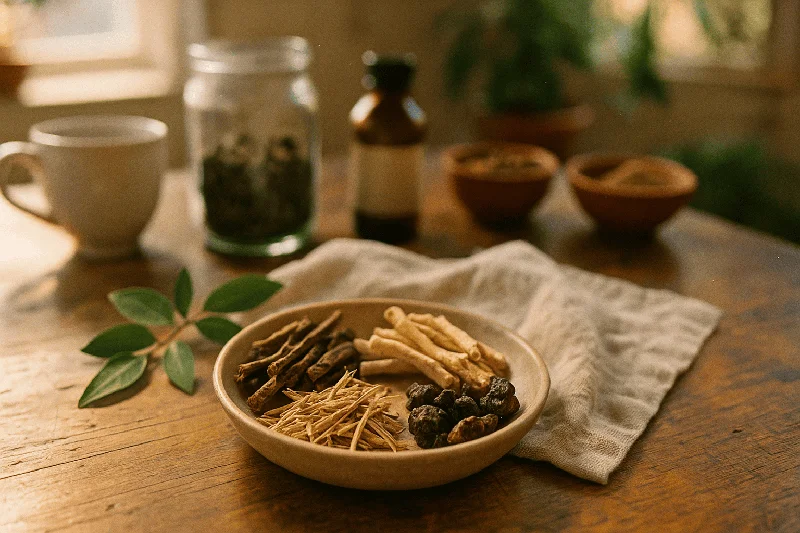
Introduction to Adenomyosis Treatment in Ayurveda
Adenomyosis is a gynecological condition where endometrial tissue exists within and grows into the uterine wall, often leading to heavy menstrual bleeding, pain, and discomfort. While conventional treatments may involve hormonal therapies or surgery, Ayurveda offers a holistic and natural approach to managing adenomyosis. This article explores Ayurvedic treatments for adenomyosis, focusing on balancing hormones, reducing inflammation, and supporting overall reproductive health.
Ayurvedic practitioners view adenomyosis as an imbalance in the doshas—primarily Pitta and Kapha—affecting the reproductive system. Through the use of herbal remedies, dietary modifications, and lifestyle changes, Ayurveda aims to address the root causes of adenomyosis, alleviate symptoms, and improve quality of life.
Historical Roots & Ayurvedic Significance
In ancient Ayurvedic texts, conditions resembling adenomyosis were discussed under the umbrella of "Yoni Roga" (reproductive disorders). Ayurveda emphasizes a personalized approach to treatment by assessing an individual's constitution (Prakriti) and the imbalance of doshas. The focus has always been on restoring balance, detoxifying the body, and rejuvenating tissues using natural herbs and therapies. Modern Ayurvedic practitioners continue to apply these traditional principles, combining them with contemporary understanding to treat adenomyosis effectively.
Key Health Benefits of Ayurvedic Adenomyosis Treatment
1. Hormonal Balance
Ayurvedic therapies for adenomyosis primarily aim to balance hormonal levels. By addressing the imbalance of Pitta and Kapha doshas, these treatments can regulate menstrual cycles, reduce heavy bleeding, and alleviate pain associated with adenomyosis.
2. Anti-inflammatory Effects
Herbs commonly used in Ayurvedic treatments possess potent anti-inflammatory properties. Reducing inflammation in the uterine lining can decrease pain and discomfort, as well as reduce the size and symptoms of adenomyosis.
3. Tissue Regeneration and Uterine Health
Ayurvedic treatments support the regeneration of healthy uterine tissue. By promoting blood circulation and nutrient delivery to the pelvic region, these remedies can help repair the uterine lining and improve overall reproductive health.
4. Detoxification and Rejuvenation
Detoxifying the body (shodhana) through techniques such as Panchakarma can eliminate toxins that contribute to glandular and uterine imbalances. This cleansing process rejuvenates tissues and supports the healing process.
5. Pain Relief and Emotional Well-being
Chronic pain from adenomyosis can lead to stress and emotional strain. Ayurvedic treatments incorporate calming herbs and stress-reducing practices like meditation and yoga, which not only alleviate pain but also improve mental health and resilience.
How Ayurvedic Treatments Work: The Science Behind the Herbs
Ayurvedic management of adenomyosis employs a combination of herbal formulas, detoxification therapies, and lifestyle modifications. Key components include:
- Herbal Formulations: Herbs such as Ashoka (Saraca asoca), Shatavari (Asparagus racemosus), Lodhra (Symplocos racemosa), and Guggul (Commiphora mukul) are commonly used. These herbs work to balance hormones, reduce inflammation, and promote uterine health.
- Detoxification Processes: Techniques like Panchakarma (which may include procedures like Virechana and Basti) help in cleansing the body of toxins that aggravate adenomyosis.
- Lifestyle and Dietary Adjustments: Emphasizing a Pitta-Kapha pacifying diet—rich in cooling foods, vegetables, and whole grains—along with stress reduction practices, supports overall treatment.
Scientific Backing
- Ashoka: Studies suggest that Ashoka is beneficial in managing menstrual disorders, reducing heavy bleeding, and alleviating uterine pain.
- Shatavari: Research indicates that Shatavari supports hormonal balance, reduces inflammation, and strengthens the reproductive system.
- Guggul and Lodhra: Both herbs have demonstrated anti-inflammatory and uterine-toning properties in various studies, aiding in the treatment of gynecological conditions.
Choosing the Right Ayurvedic Treatments for Adenomyosis
When considering Ayurvedic treatment for adenomyosis, keep the following in mind:
- Consult a Qualified Practitioner: Seek guidance from a certified Ayurvedic doctor who can diagnose your dosha imbalances and tailor a treatment plan specific to your condition.
- Quality of Herbs: Use high-quality, organic herbal formulations from reputable sources to ensure safety and efficacy.
- Personalized Approach: Each person's experience with adenomyosis is unique. Personalized treatment plans that consider your constitution, lifestyle, and severity of symptoms will yield the best results.
Recommended Dosage & How to Use Ayurvedic Remedies
General Guidelines
- Herbal Supplements: Specific dosage will vary based on the herbs prescribed. For instance, Ashoka bark powder or capsules might be taken at 500 mg twice daily, while Shatavari could be used similarly, based on practitioner guidance.
- Panchakarma Therapies: Detoxification processes are typically administered under the supervision of a qualified Ayurvedic therapist, with frequency and type of therapy tailored to individual needs.
- Diet and Lifestyle: Incorporate a diet that pacifies Pitta and Kapha, and engage in gentle yoga and meditation to reduce stress.
Consult with a Healthcare Professional
Before starting any Ayurvedic treatment regimen for adenomyosis, consult with a qualified Ayurvedic practitioner or healthcare provider. They will assess your health, determine the most suitable therapies, and monitor your progress to ensure safe and effective treatment.
Potential Side Effects & Precautions
Ayurvedic treatments are generally safe, but some precautions should be observed:
- Herbal Reactions: Some individuals may experience mild digestive discomfort or allergic reactions to specific herbs. Start with lower doses to assess tolerance.
- Pregnancy & Breastfeeding: Women who are pregnant or breastfeeding should seek specialized guidance before using any Ayurvedic remedies.
- Interactions: Inform your practitioner about any conventional medications or supplements you are taking to avoid potential interactions.
- Detox Procedures: Panchakarma therapies should only be performed under professional supervision to ensure safety.
Frequently Asked Questions (FAQ)
What is adenomyosis, and how can Ayurveda help?
Adenomyosis is a condition where endometrial tissue grows into the uterine wall, causing pain and heavy bleeding. Ayurveda addresses adenomyosis by balancing hormones, reducing inflammation, detoxifying the body, and promoting uterine health with natural remedies and therapies.
Which herbs are commonly used in Ayurvedic treatment for adenomyosis?
Common herbs include Ashoka, Shatavari, Lodhra, and Guggul. These herbs help balance doshas, regulate menstrual cycles, reduce inflammation, and support uterine tissue regeneration.
How long does Ayurvedic treatment for adenomyosis take?
The duration varies by individual. Some may start feeling relief within a few weeks of consistent treatment, while others may require several months. Patience and adherence to the prescribed regimen are key.
Can Ayurvedic treatment replace conventional surgery or medication for adenomyosis?
Ayurvedic treatment can be complementary or an alternative for some women, especially in the early stages of adenomyosis or for managing symptoms. However, severe cases may still require medical intervention. Always consult healthcare professionals for a comprehensive treatment plan.
What lifestyle changes can support Ayurvedic treatment for adenomyosis?
Adopting a Pitta-Kapha balancing diet, practicing stress reduction techniques (yoga, meditation), maintaining a regular routine, and avoiding processed foods and alcohol can support healing and complement herbal treatments.
Are there any side effects of Ayurvedic treatment for adenomyosis?
Side effects are generally mild but can include digestive discomfort or allergic reactions to specific herbs. Working with a qualified practitioner minimizes risks and ensures adjustments are made as needed.
Where can I find authentic Ayurvedic remedies for adenomyosis?
Authentic remedies can be obtained from reputable Ayurvedic pharmacies, certified practitioners, or trusted online retailers. Ensure that the products are high quality and sourced ethically.
Conclusion
Ayurvedic treatment offers a holistic and natural approach to managing adenomyosis by addressing hormonal imbalances, reducing inflammation, detoxifying the body, and supporting uterine health. With personalized herbal regimens, detoxification therapies like Panchakarma, and supportive lifestyle changes, individuals suffering from adenomyosis can experience symptom relief and improved quality of life. Always consult with a qualified Ayurvedic practitioner to tailor a safe and effective treatment plan to your specific needs. Embracing Ayurveda's holistic methods may pave the way for long-term healing and well-being.
References & Further Reading
- Lad, V. (2002). Textbook of Ayurveda: Fundamental Principles. Chaukhambha Orientalia.
- Sharma, P. V. (1995). Dravyaguna Vijnana. Chaukhambha Sanskrit Series Office.
- Patwardhan, B., & Vaidya, A. D. (2005). "Exploring the interface between Ayurveda and modern science." Indian Journal of Traditional Knowledge, 4(2), 221-229.
- Journal of Ayurveda and Integrative Medicine:
- National Center for Complementary and Integrative Health (NCCIH):
- Research on Ashoka and gynecological health:
उपयोगकर्ताओं के प्रश्न
How long does it take for Ayurvedic herbs to show results in adenomyosis?
Client_4a8ca3
27 दिनों पहले
The time it takes for Ayurvedic herbs to show results in adenomyosis varies significantly among individuals. Some may experience relief within a few weeks, while others may require several months of consistent treatment. This variability is partly due to individual differences in biology and how well a person adheres to the recommended Ayurvedic regimen. Common herbs such as Ashoka, Shatavari, Lodhra, and Guggul are used to help balance hormones, reduce inflammation, and promote uterine health. If symptoms persist or worsen, it is important to consult with a healthcare provider to explore additional treatment options.
What lifestyle changes complement Ayurvedic treatment for adenomyosis?
Client_461684
37 दिनों पहले
To complement Ayurvedic treatment for adenomyosis, consider lifestyle changes such as maintaining a balanced diet rich in anti-inflammatory foods like fruits, vegetables, whole grains, and lean proteins. Regular moderate exercise, like walking or yoga, can help manage weight and reduce symptoms. Stress management techniques, such as meditation or deep breathing exercises, are beneficial. Seek medical advice if symptoms persist or worsen, as adenomyosis requires careful monitoring.
What can I expect during my first Ayurvedic consultation for adenomyosis?
Client_3c5d9a
46 दिनों पहले
During your first Ayurvedic consultation for adenomyosis, expect a comprehensive assessment that includes a detailed discussion of your symptoms, medical history, and lifestyle, as this holistic approach focuses on individualized care. The practitioner may suggest herbal formulations like Ashoka, Shatavari, Lodhra, and Guggul, known for their anti-inflammatory properties and ability to regulate menstrual cycles. While the timeline for seeing benefits varies, it could take several months. Monitor your symptoms and consult a doctor if you notice significant pain or heavy bleeding.
What are the best Ayurvedic herbs for enhancing reproductive health?
Client_6d292c
56 दिनों पहले
The best Ayurvedic herbs for enhancing reproductive health include Ashwagandha, Shatavari, and Triphala. Ashwagandha is known to improve hormonal balance and reduce stress, which can positively impact fertility. Shatavari is traditionally used for female reproductive health, supporting hormonal balance and improving fertility. Triphala helps in detoxification and improving digestion, indirectly benefiting reproductive health. While these herbs can be effective, they are best used as part of a comprehensive plan, ideally under the guidance of a qualified healthcare provider. If experiencing significant reproductive health issues, it's crucial to consult a healthcare professional for a proper diagnosis and treatment plan.
How to ensure safety when using Ayurvedic therapies for adenomyosis?
Client_fcfd97
65 दिनों पहले
Start with consulting a qualified Ayurvedic practitioner who knows your condition. Go slow, with lower doses to see how your body reacts, and always discuss any meds you're already taking to avoid interactions. If pregnant or breastfeeding, that's even more critical. Supervision, especially for detox like panchakarma, is key to safe treatment.
Can Ayurvedic treatment help with the emotional symptoms of adenomyosis?
Client_77a6ab
75 दिनों पहले
Ayurveda can definitely support emotional symptoms of adenomyosis. Herbs like Ashwagandha and Brahmi might help with mood swings and stress. Mindfulness practices and a balanced diet focusing on your unique dosha can also support emotional balance. However, it's best to consult with an Ayurvedic practitioner for personalized guidance.
Can I use Ayurvedic remedies for adenomyosis if I'm pregnant or breastfeeding?
Client_87e9d5
84 दिनों पहले
If you're pregnant or breastfeeding, it's super important to talk to a healthcare provider before using any Ayurvedic remedies, including for adenomyosis. Some remedies might not be safe in these conditions. Look for a practitioner who specializes in both Ayurveda and prenatal care for the best advice :)
What is the role of Guggul in Ayurvedic treatment for adenomyosis?
Client_9e06ef
93 दिनों पहले
Guggul plays a role in Ayurvedic treatment for adenomyosis by helping reduce inflammation and balance hormones. It's known for its anti-inflammatory and detoxifying properties, and can also support balancing Vata and Kapha doshas. However, it's always best to consult with an Ayurvedic practitioner for personalized advice based on your unique constitution, you know?
What is Panchakarma and how does it help with adenomyosis?
Client_4e05c4
102 दिनों पहले
Panchakarma is a cleansing and rejuvenating process that helps balance doshas and remove toxins. In adenomyosis, it could alleviate symptoms by detoxifying the body, reducing inflammation and promoting hormonal balance. By supporting reproductive health, Panchakarma might offer relief, but results vary depending on individual constitution.
What are the signs that Ayurvedic treatment is working for adenomyosis?
Client_c0713f
112 दिनों पहले
Signs that Ayurvedic treatment is workin' for adenomyosis can include less pain, reduced menstrual bleeding, improved energy levels and maybe better digestion too. It might take time though, as everyone's body is different. Keep track of how you feel every day and chat with your Ayurvedic practitioner for guidance.
संबंधित आलेख

Gynecology and Obstetrics
Fibroadenoma Ayurvedic Treatment – Natural Remedies & Holistic Healing
Fibroadenoma Ayurvedic Treatment – Natural Remedies & Holistic Healing
6,439

Gynecology and Obstetrics
Shigru Guggulu for Fibroids: Holistic Support for Women’s Health
Shigru Guggulu, an Ayurvedic formulation, can support the treatment of fibroids. Learn about its benefits, herbal components, recommended dosage, and precautions for holistic uterine health.
4,373

Gynecology and Obstetrics
Ayurvedic Medicine for Breast Lump – Natural Approaches for Support & Healing
Discover Ayurvedic medicine for breast lump management, featuring holistic herbal remedies, detoxification, and lifestyle strategies to support natural healing and overall breast health.
4,704

Gynecology and Obstetrics
Lakshmanarishtam – Ayurvedic Remedy for Digestive Health and Immunity
Discover the benefits of Lakshmanarishtam, an Ayurvedic herbal tonic used for improving digestion, boosting immunity, and promoting overall wellness.
2,746

Gynecology and Obstetrics
Tips for Regular Periods: Real Talk with an Ayurvedic Twist
That’s where Ayurveda comes in. Not as a quick fix, but as this quietly powerful system that’s been around for, oh, a few thousand years? I used to think it was all turmeric and oil massages, but wow, I was wrong. The Ayurvedic approach to regular periods
2,319

Gynecology and Obstetrics
Indukantam Ghritam – Benefits, Dosage, How To Use, Side Effects, Ingredients, Reference
Exploration of Indukantam Ghritam – Benefits, Dosage, How To Use, Side Effects, Ingredients, Reference
2,176

Gynecology and Obstetrics
What Causes Lower Abdominal Pain in Females: Ayurvedic Diagnosis and Relief
What causes lower abdominal pain in females? Discover Ayurvedic insights into left and right lower belly pain, root causes, and natural ways to restore balance
2,255

Gynecology and Obstetrics
लुकोल टैबलेट
लुकोल टैबलेट की खोज
21,975

Gynecology and Obstetrics
Ayurvedic Medicine for Uterus Problems: A Comprehensive Guide
Discover how Ayurvedic medicine for uterus problems can support women’s reproductive health. Learn evidence-based treatments, tips, and more.
3,754

Gynecology and Obstetrics
Rajapravartini: Ayurvedic Insights for Menstrual Well-Being
Explore rajapravartini, an Ayurvedic approach for menstrual health. Learn its uses, research evidence, and safe practices for optimal well-being.
2,764
विषय से संबंधित परामर्श
अतिरिक्त दस्तावेज़
© 2024 Ask Ayurveda. सर्वाधिकार सुरक्षित।