Tips for Addressing Neck Pain Through Ayurveda
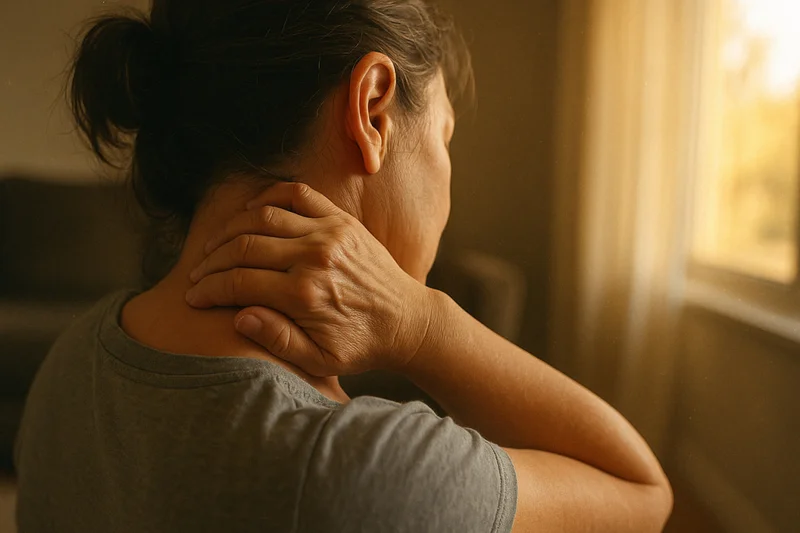
- Neck pain is one of those problems that creeps into your life quietly — and then refuses to leave. Whether it's from hours spent staring at a laptop, sleeping in an awkward position, or the slow wear-and-tear of aging, the discomfort can range from mildly annoying to genuinely debilitating. Ayurveda for neck pain offers a time-tested, root-cause approach that goes beyond temporary relief.
- By identifying the underlying doshic imbalance — primarily aggravated Vata dosha — and addressing it through Panchakarma therapies, herbal formulations, targeted oils, yoga, and dietary corrections, Ayurveda provides a comprehensive framework for both acute and chronic neck pain management.
In this guide, we'll cover everything: the Ayurvedic understanding of why your neck hurts, clinically studied treatments, a step-by-step home protocol you can start today, when to choose Ayurveda over conventional medicine (and when not to), plus the red flags that mean you should see a doctor immediately.
What Is the Root Cause of Neck Pain?
Before you can fix neck pain, you need to understand what's actually going on. From a biomedical perspective, neck pain typically arises from one or more of these causes:
- Poor posture — forward head position from prolonged screen use
- Muscle strain — overexertion, sudden movements, or sleeping in an uncomfortable position
- Cervical spondylosis — age-related degenerative changes in the cervical vertebrae, discs, and ligaments
- Herniated disc — when the soft core of a spinal disc pushes through a crack in the outer casing
- Cervical radiculopathy — a pinched nerve root causing pain, tingling, or numbness radiating into the arm
- Whiplash or injury — trauma from accidents or falls
- Stress and emotional tension — chronic psychological stress causes sustained muscle contraction in the neck and shoulders
- A striking statistic: approximately 85% of people over 60 show radiographic evidence of cervical spondylosis, and about 50% of middle-aged individuals have worn discs on imaging — many without any pain at all (Irvine et al., Annals of Physical and Rehabilitation Medicine).
- This tells us something important: structural degeneration alone doesn't always explain the pain. There's clearly more at play.
Which Deficiency Causes Neck Pain?
Nutritionally, deficiencies in Vitamin D, Vitamin B12, calcium, and magnesium are commonly linked to musculoskeletal pain including neck stiffness. A 2018 study published in the Journal of Clinical Orthopaedics and Trauma found that Vitamin D deficiency was significantly associated with chronic neck pain in Indian populations — a finding thats particularly relevant given that an estimated 70–90% of Indians are Vitamin D deficient.
From an Ayurvedic lens, the "deficiency" is conceptualized differently — as a depletion of Snigdha (oiliness/lubrication) and Bala (tissue strength) caused by aggravated Vata.
What Is Neck Pain Called in Ayurveda?
Ayurveda describes neck pain using several precise terms depending on the presentation:
| Ayurvedic Term | Literal Meaning | Clinical Correlation |
|---|---|---|
| Greeva Shoola | Pain in the neck region | General neck pain |
| Manyastambha | Stiffness of the nape of the neck | Stiff neck, torticollis |
| Greeva Graha | Restricted neck movement | Cervical spondylosis with limited ROM |
| Vishvachi | Pain radiating from neck to arm/fingers | Cervical radiculopathy |
All of these conditions are classified under Vatavyadhi (diseases caused by vitiated Vata dosha) in classical texts like Charaka Samhita and Ashtanga Hridayam.
The Ayurvedic Understanding: Why Vata Dosha Is the Key
- In Ayurveda, the neck region (Greeva Pradesh) is a critical junction — it connects the head to the body, houses vital Marma points, and is a primary seat where Vata dosha operates.
- When Vata becomes aggravated, it leads to:
- Dryness in the joints and intervertebral discs (think: dehydrated, cracking discs)
- Degeneration of cartilage and bone tissue (Asthi Dhatu Kshaya)
- Nerve dysfunction — tingling, numbness, shooting pain
- Muscle spasms and stiffness — involuntary tightening
The Role of Ama and Impaired Digestion
- Here's something most articles miss. Vata aggravation alone doesn't tell the full story.
- Classical Ayurveda describes a deeper mechanism: Agnimandya (weakened digestive fire) leads to the production of Ama (metabolic toxins). This Ama circulates through the body and lodges in weak or vulnerable sites — including the cervical joints and surrounding tissues.
When Ama combines with aggravated Vata, it creates a condition called Sama Vata — a particularly stubborn form of pain characterized by heaviness, stiffness, swelling, and a fixed, dull ache. This is clinically important because Sama Vata requires a different treatment approach than pure Vata aggravation (you must first clear the Ama before attempting strong Vata-pacifying therapies).
Differentiating Pain by Dosha
Not all neck pain feels the same, and Ayurveda recognizes this:
| Dosha | Pain Quality | Associated Symptoms | Aggravating Factors |
|---|---|---|---|
| Vata | Sharp, shooting, migratory, cracking | Numbness, tingling, dry skin, anxiety | Cold weather, fasting, excess movement |
| Pitta | Burning, hot, inflamed | Redness, irritability, worse with heat | Spicy food, anger, summer season |
| Kapha | Dull, heavy, fixed | Swelling, stiffness worse in morning, lethargy | Damp weather, oversleeping, inactivity |
This differentiation isn't just academic — it directly changes which oils, herbs, and dietary recommendations are appropriate.
Habits That Aggravate Vata and Worsen Neck Pain
Pay attention to these often-overlooked behaviors:
- Eating too fast or while distracted
- Skipping meals or excessive fasting
- Chronic dehydration
- Suppressing natural urges (sneezing, yawning, urinating)
- Excessive or intense exercise without adequate recovery
- Late-night screen use and irregular sleep schedules
- Exposure to cold, dry, or windy environments without protection
Panchakarma Therapies: The Gold Standard Ayurvedic Treatment
Panchakarma represents the most powerful clinical interventions Ayurveda offers for neck pain. These are typically administered by trained therapists in a clinical setting.
Greeva Basti — The Signature Neck Treatment
Greeva Basti is the single most specific Panchakarma procedure for neck pain.
Here's exactly how it works:
- 1.Preparation: A ring-shaped dam is constructed from black gram dough (Urad dal flour) and placed over the cervical region of the neck
- 2.Oil selection: Warm medicated oil — commonly Mahanarayana Taila, Ksheerabala Taila, or Dhanwantaram Taila — is poured into the dam to create a pool over the affected area
- 3.Temperature: The oil is maintained at approximately 38–42°C (comfortably warm, never hot enough to burn). As the oil cools, it's periodically replaced with freshly warmed oil
- 4.Duration: Each session lasts 30–45 minutes
- 5.Course: Typically 7–14 consecutive days for optimal results, sometimes repeated after a gap
The mechanism is threefold: deep tissue penetration of medicated oils, sustained localized warmth improving circulation, and nourishment of underlying Asthi (bone) and Majja (nerve) Dhatus.
A 2017 pilot study published in AYU Journal found that Greeva Basti with Mahanarayana Taila significantly reduced pain scores (VAS) and improved cervical range of motion in patients with cervical spondylosis after 7 days of treatment.
Abhyanga (Therapeutic Oil Massage)
Full-body or localized therapeutic massage using warm medicated oils. For neck pain, the focus is on the cervical, upper back, and shoulder regions using firm but gentle strokes that follow the direction of muscle fibers. Typically performed for 30–45 minutes followed by rest.
Swedana (Herbal Steam Therapy)
Herbal fomentation using steam infused with Dashamoola (ten roots), Nirgundi, or Eranda leaves. Applied locally to the neck after Abhyanga to open the channels (Srothas), improve circulation, and reduce stiffness. Especially effective for Sama Vata conditions where Ama needs to be mobilized.
Nasya (Nasal Administration of Medicine)
This might seem unrelated to neck pain — but it's not. Nasya is specifically indicated because the nose is considered the gateway to the head and neck region (Nasa hi shiraso dwaram — Ashtanga Hridayam). Medicated oils like Anu Taila or Shadbindu Taila are instilled into the nostrils (2–6 drops per nostril), lubricating the nasal passages and through them, nourishing the cervical nerves and musculature.
How Does Panchakarma Help with Cervical Pain?
Panchakarma works on multiple levels simultaneously: it removes accumulated Ama from the tissues, pacifies aggravated Vata, nourishes depleted Dhatus (especially bone and nerve tissue), improves local blood circulation, and relaxes chronically contracted muscles. Unlike painkillers that mask symptoms, Panchakarma aims to reset the body's natural healing capacity.
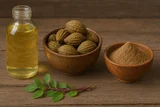
Best Ayurvedic Oils and Medicines for Neck Pain
Best Ayurvedic Oil for Neck Pain
| Oil | Key Ingredients | Best For | Application |
|---|---|---|---|
| Mahanarayana Taila | Shatavari, Ashwagandha, Dashamoola in sesame oil base | Chronic neck pain, spondylosis, nerve pain | External massage |
| Dhanwantaram Taila | Bala, Yava, Kola, Ashwagandha | Vata disorders, muscular stiffness | External massage, Basti |
| Ksheerabala Taila | Bala, cow's milk, sesame oil | Nerve-related pain, radiculopathy, tingling | External and Nasya |
| Prasarani Taila | Prasarani (Paederia foetida) | Acute stiffness, limited movement | External massage |
| Sahacharadi Taila | Sahachara, Devadaru | Lower cervical and shoulder pain | External massage |
Self-massage technique for home use:
- Warm 15–20 ml of oil to comfortably warm temperature (test on your inner wrist)
- Apply to the back of the neck, sides, and upper shoulders
- Use gentle downward strokes from the base of the skull to the shoulders
- Use circular motions around the cervical vertebrae with your fingertips
- Massage for 10–15 minutes
- Leave oil on for at least 30 minutes (or overnight if possible)
- Wash off with warm water — avoid cold water which aggravates Vata
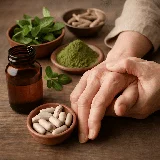
Ayurvedic Herbs and Internal Formulations
| Herb/Formula | Sanskrit/Latin Name | Key Action | Typical Dosage* | Form |
|---|---|---|---|---|
| Yogaraja Guggulu | Guggulu-based compound | Anti-inflammatory, joint nourishment | 2 tablets (500 mg each) twice daily | Tablet |
| Ashwagandha | Withania somnifera | Nerve tonic, muscle relaxant, adaptogenic | 500 mg–1 g twice daily | Powder/capsule |
| Shallaki | Boswellia serrata | Anti-inflammatory (proven COX-2 inhibition) | 400–800 mg twice daily | Tablet/capsule |
| Rasna | Pluchea lanceolata | Vata-hara, reduces stiffness | As part of formulations | Decoction/tablet |
| Haridra (Turmeric) | Curcuma longa | Anti-inflammatory, Ama-reducing | 500 mg curcumin with piperine | Capsule/milk |
| Bala | Sida cordifolia | Nerve and muscle strengthening | 3–5 g powder in milk | Powder |
| Eranda (Castor) | Ricinus communis | Vata-pacifying, mild laxative | 5–10 ml castor oil at bedtime | Oil |
| Dashamoola | Ten-root combination | Anti-inflammatory, Vata-Kapha balancing | 15 ml decoction twice daily | Kashayam |
Dosages are general guidelines for adults. Always consult a qualified Ayurvedic practitioner for personalized prescriptions based on your Prakriti, Vikriti, and severity of condition.
A 2011 randomized controlled trial published in Phytomedicine demonstrated that Boswellia serrata extract significantly reduced neck and back pain scores compared to placebo, with improvements seen as early as week 2. A 2019 systematic review in the Journal of Ayurveda and Integrative Medicine confirmed that Ashwagandha exhibits significant analgesic and anti-inflammatory properties comparable to mild NSAIDs, without the gastrointestinal side effects.
Yoga Asanas for Neck Pain Relief
- Yoga is integral to the Ayurvedic approach — it's not an add-on, its the main tool for long-term prevention.
- The following asanas are specifically beneficial:
Gentle Stretches (Start Here)
- Greeva Sanchalana (neck rotations) — slow, controlled circular movements, 5 times in each direction
- Skandha Chakra (shoulder rotations) — releases tension from the trapezius muscles
Therapeutic Asanas
- Bhujangasana (Cobra Pose) — strengthens the posterior cervical muscles and improves posture. Hold for 15–30 seconds, repeat 3 times
- Marjariasana-Bitilasana (Cat-Cow) — mobilizes the entire spine including the cervical region. Perform 10–15 slow repetitions synchronized with breath
- Matsyasana (Fish Pose) — opens the throat and stretches the anterior neck muscles. Hold for 20–30 seconds
- Setu Bandhasana (Bridge Pose) — strengthens the upper back and helps correct forward head posture
- Surya Namaskara (Sun Salutation) — a complete sequence that addresses the entire musculoskeletal system; start with 4–6 rounds
Pranayama and Relaxation
- Nadi Shodhana (Alternate Nostril Breathing) — directly calms Vata and reduces stress-related muscle tension
- Shavasana with neck awareness — conscious relaxation focusing on releasing tension from the jaw, neck, and shoulders
Important: Avoid Shirshasana (headstand), Sarvangasana (shoulder stand), and any vigorous neck movements during acute pain episodes. These can worsen compression and irritation.
Daily Home Protocol: Morning to Night
This is something no competitor has laid out clearly — a practical, day-by-day self-care routine you can follow at home without needing to visit a clinic.
Morning Routine (6:00–8:00 AM)
- 1.Wake up and drink warm water (250 ml) — hydrates tissues and supports Agni
- 2.Nasya: Apply 2 drops of Anu Taila in each nostril while lying down, gently sniff upward
- 3.Self-massage: Warm Mahanarayana Taila, apply to neck and shoulders for 10 minutes
- 4.Warm shower — let warm water run over the neck for 2–3 minutes
- 5.Yoga: 15–20 minutes — Cat-Cow, Cobra, neck rotations, Nadi Shodhana
- 6.Breakfast: Warm, cooked, Vata-pacifying (see diet section below)
Midday Routine (12:00–2:00 PM)
- 1.Lunch (largest meal of the day) — eat seated, without screens, chew thoroughly
- 2.Posture check: Reset your sitting position every 45–60 minutes
- 3.Micro-exercises at desk: 5 gentle neck stretches + shoulder shrugs (takes 2 minutes)
Evening Routine (6:00–9:00 PM)
- 1.Light dinner by 7:30 PM — warm soups, kitchari, steamed vegetables
- 2.Warm compress: Apply a warm towel or herbal poultice to the neck for 10 minutes
- 3.Ashwagandha milk: 500 mg Ashwagandha churna in warm milk with a pinch of turmeric and nutmeg
- 4.Digital curfew: No screens after 9:00 PM
- 5.Sleep by 10:00 PM — on your back or side with a cervical pillow that maintains the natural lordotic curve
Expected Timeline for Results
| Duration | What to Expect |
|---|---|
| Days 1–3 | Slight relief from stiffness; improved sleep quality |
| Week 1–2 | Noticeable reduction in pain intensity; improved range of motion |
| Week 3–4 | Significant improvement in most cases of muscular neck pain |
| Week 4–6 | Substantial relief in cervical spondylosis cases; reduced dependency on painkillers |
| Month 2–3 | Consolidation of results; protocol can shift to maintenance mode (3–4 times weekly) |
Chronic conditions with significant degeneration may require 3–6 months of consistent treatment including periodic clinical Panchakarma sessions.
Diet and Lifestyle: The Vata-Pacifying Approach
Wholesome Foods (Pathya)
- Warm, cooked, moist foods: Soups, stews, dahls, khichdi
- Healthy fats: Ghee (2–3 teaspoons daily), sesame oil, almond oil
- Grains: Rice, wheat, oats (cooked)
- Proteins: Mung dal, milk, eggs, lean meat (if non-vegetarian)
- Spices: Ginger, cumin, fennel, ajwain, black pepper, cinnamon — these improve Agni and reduce Ama
- Sweet fruits: Bananas, mangoes, cooked apples, dates, figs
Unwholesome Foods (Apathya)
- Cold, raw, dry foods — salads, crackers, cold cereals
- Peanuts, potatoes (in excess), jackfruit, dried beans — these increase Vata
- Caffeinated beverages (excess tea/coffee dehydrate tissues)
- Refined sugar and processed foods — increase Ama production
- Carbonated drinks and cold water — directly disturb Vata
Modern Ergonomic Recommendations — Ayurvedic Perspective
- Ayurveda emphasizes Nidana Parivarjana (avoidance of causative factors) as the first line of treatment.
- In today's context, this translates to:
- Monitor height: Top of screen at eye level, 20–26 inches away
- Chair support: Use a chair with lumbar and cervical support; feet flat on the floor
- Phone usage: Hold phone at eye level rather than looking down ("text neck" adds up to 27 kg of effective force on the cervical spine at 60° flexion)
- Take breaks every 45 minutes: Stand, stretch, walk for 2–3 minutes
- Cervical collar: Consider using a soft cervical collar during acute flare-ups for 1–2 hours maximum — not all day, as prolonged use weakens neck muscles
- Cervical pillow: Invest in a contoured memory foam or buckwheat hull pillow
Seasonal Considerations
- Neck pain tends to worsen during Vata season (late autumn and winter) — the cold, dry, windy qualities directly aggravate Vata dosha.
- During these months:
- Increase warm oil application frequency
- Use heavier, more nourishing oils (Mahanarayana over lighter oils)
- Add Dashamoola decoction internally
- Keep the neck covered with a scarf or muffler when outdoors
- Favour warmer, spicier foods
Ayurveda vs Conventional Medicine: When to Choose What
This is a practical question that people actually struggle with, so let's be honest about it.
| Factor | Ayurveda | Conventional Medicine |
|---|---|---|
| Best for | Chronic/recurring pain, spondylosis, postural issues, stress-related tension | Acute severe pain, trauma, surgical emergencies |
| Approach | Root-cause, holistic, individualized | Symptom-focused, standardized protocols |
| Speed of relief | Gradual (1–6 weeks for significant improvement) | Rapid (NSAIDs/muscle relaxants work in hours) |
| Side effects | Minimal when prescribed properly | GI issues, liver/kidney stress with long-term NSAID use |
| Long-term outcomes | Aims for sustained resolution; lower recurrence | High recurrence if underlying cause not addressed |
| Cost | Moderate (therapies + medicines) | Low (generic drugs) to very high (surgery) |
| Evidence base | Growing; multiple pilot studies and traditional evidence | Extensive RCTs and meta-analyses |
The integrative approach works best: Use conventional medicine for acute pain management (short-term NSAIDs, muscle relaxants) while simultaneously beginning Ayurvedic protocols for long-term resolution. Many patients in Indian clinical settings successfully taper off allopathic painkillers within 3–4 weeks of starting Ayurvedic treatment.
When Ayurveda Is NOT Enough — Red Flags
Stop self-treating and seek immediate medical evaluation if you experience:
- Progressive weakness in arms or legs (could indicate cervical myelopathy)
- Loss of bladder or bowel control — neurological emergency
- Severe pain after trauma (fall, accident) — rule out fracture
- Fever with neck stiffness — may indicate meningitis
- Unexplained weight loss with neck pain — screen for malignancy
- Pain that worsens at night and doesn't respond to any position change — red flag for tumor or infection
- Symptoms lasting beyond 6 weeks without any improvement despite treatment
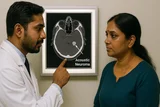
These conditions require imaging (MRI/CT), neurological examination, and potentially surgical intervention. Ayurveda can play a supportive role in recovery alongside conventional treatment, but it should not delay urgent diagnosis.
The Role of Stress and Emotional Health in Neck Pain
This is a massively underappreciated factor. The neck is where we quite literally "hold our tension." Chronic psychological stress activates the sympathetic nervous system, causing sustained contraction of the trapezius, levator scapulae, and sternocleidomastoid muscles. Over time, this creates trigger points, myofascial pain, and restricted movement.
- Ayurveda recognizes this through the concept of Prajnaparadha (crimes against wisdom) and the Vata-disturbing effects of mental agitation.
- Specific approaches include:
- Shirodhara: Continuous pouring of warm medicated oil on the forehead — profoundly calms the nervous system. A 2013 study in AYU reported significant reductions in anxiety and stress markers after Shirodhara therapy
- Meditation and Mantra chanting: Even 10 minutes of daily practice reduces cortisol levels and muscular tension
- Brahmi (Bacopa monnieri) and Jatamansi (Nardostachys jatamansi): Herbs that calm the mind and indirectly reduce stress-related muscle spasm
- Regular Abhyanga: The act of warm oil massage itself activates the parasympathetic nervous system — the "rest and digest" mode that allows muscles to release
Frequently Asked Questions
What is the fastest way to cure neck pain?
- For immediate relief, apply warm Mahanarayana Taila or Dhanwantaram Taila to the neck, massage gently for 10 minutes, then apply a warm compress for another 10 minutes. Follow with gentle neck rotations. For acute spasm, Dashamoola Kashayam (15 ml with warm water) can provide relief within a few hours.
- However, "fast cure" and "lasting cure" are different things — sustainable resolution requires addressing the root cause through the protocol described above over 4–6 weeks.
Best Ayurvedic medicine for neck pain and stiffness?
Yogaraja Guggulu (2 tablets twice daily) combined with Ashwagandha (500 mg twice daily) and external application of Mahanarayana Taila is considered the classical gold-standard combination for neck pain with stiffness. For nerve-related symptoms (tingling, numbness), add Ksheerabala 101 (internally, 5–10 drops in warm milk). Always consult a practitioner for your specific case.
What is cervical spondylosis in Ayurveda?
Cervical spondylosis correlates most closely with Greeva Sandhigata Vata — a degenerative condition of the cervical joints caused by Vata aggravating in the Asthi (bone) and Sandhi (joint) Dhatus. The pathology involves drying of the synovial fluid, thinning of cartilage, and the formation of bone spurs (osteophytes), all of which reflect Vata's dry, rough, and depleting qualities.
Is there an Ayurvedic treatment for neck pain available in Kerala?
Kerala is widely regarded as the epicenter of authentic Panchakarma therapy. Specialised centers across Kerala offer comprehensive neck pain treatment programs typically lasting 7–21 days, incorporating Greeva Basti, Pizhichil (oil bath), Kizhi (herbal poultice), Nasya, and customized internal medications. Many patients travel specifically to Kerala for these intensive protocols.
Can Ayurveda help with neck and shoulder pain together?
Absolutely. In Ayurveda, the neck and shoulder region is treated as an interconnected unit. Therapies like Abhyanga, Patra Pinda Sweda (herbal leaf poultice massage), and Greeva-Amsa Basti (extended oil pooling covering both neck and shoulders) address both areas simultaneously. Internally, the same Vata-pacifying herbs and formulations work for the entire upper body.
Final Thoughts: Start Small, Stay Consistent
Ayurveda for neck pain isn't about quick fixes — it's about building a sustainable relationship with your body. The beauty of this system is that it doesn't just eliminate pain; it fundamentally changes the conditions that allowed the pain to develop in the first place.
- Start with the daily home protocol outlined above.
- Even implementing just three things — daily warm oil self-massage, Vata-pacifying diet, and 15 minutes of targeted yoga — can produce meaningful results within two weeks. For deeper, chronic conditions like cervical spondylosis, consider a supervised Panchakarma course of 7–14 days as an investment in your long-term spinal health.
If you've been living with neck pain that keeps coming back despite painkillers and physiotherapy, Ayurveda offers a different path — one that has been refined over thousands of years and is increasingly supported by modern research. The key, as with most things worth doing, is consistency.
This article is for educational purposes. Always consult a qualified Ayurvedic practitioner (BAMS/MD Ayurveda) before starting any new treatment protocol, especially if you have pre-existing conditions or are currently taking medication.
Scientific Sources
- Chinese herbal medicine-derived extracellular vesicles as novel biotherapeutic tools: present and future — Zhang J et al., 2024, Journal of translational medicine
- Efficacy of herbal medicine (cinnamon/fennel/ginger) for primary dysmenorrhea: a systematic review and meta-analysis of randomized controlled trials — Xu Y et al., 2020, The Journal of international medical research
- A critical review of Ginger's (Zingiber officinale) antioxidant, anti-inflammatory, and immunomodulatory activities — Ayustaningwarno F et al., 2024, Frontiers in nutrition
- Ayurvedic Herbal Medicines: A Literature Review of Their Applications in Female Reproductive Health — Patibandla S et al., 2024, Cureus
- Zingiber officinale var. rubrum: Red Ginger's Medicinal Uses — Zhang S et al., 2022, Molecules (Basel, Switzerland)
- Ulcerative colitis: molecular insights and intervention therapy — Liang Y et al., 2024, Molecular biomedicine
- Turmeric and Curcumin: From Traditional to Modern Medicine — Akaberi M et al., 2021, Advances in experimental medicine and biology
- Curcumin (Turmeric) and cancer — Unlu A et al., 2016, Journal of B.U.ON. : official journal of the Balkan Union of Oncology
- Dietary supplements and bleeding — Hatfield J et al., 2022, Proceedings (Baylor University. Medical Center)
- The Essential Medicinal Chemistry of Curcumin — Nelson KM et al., 2017, Journal of medicinal chemistry
- Evolutionary Dynamics and Functional Diversification of bZIP Transcription Factors in Cucurbitaceae: A Pan-Genome Approach — Sun M et al., 2025, Journal of agricultural and food chemistry
- Integrating traditional therapies into palliative oncology care: Insights from bottle gourd moxibustion and umbilical therapy — Wan QW et al., 2026, World journal of gastroenterology
- Bitter bottle gourd poisoning: A case report and review of literature — Chavda DM et al., 2022, Journal of family medicine and primary care
- Bottle Gourd (Lagenaria siceraria) Toxicity Diagnosed in the Emergency Department — Lee WT et al., 2022, The Journal of emergency medicine
- A Comprehensive Review on the Medicinal Importance; Biological and Therapeutic Efficacy of Lagenaria siceraria (Mol.) (Bottle Gourd) Standley Fruit — Zahoor M et al., 2021, Current topics in medicinal chemistry
- Bitter melon: a panacea for inflammation and cancer — Dandawate PR et al., 2016, Chinese journal of natural medicines
- The Role of Momordica charantia in Resisting Obesity — Fan M et al., 2019, International journal of environmental research and public health
- Traditional chinese medicine in treatment of metabolic syndrome — Yin J et al., 2008, Endocrine, metabolic & immune disorders drug targets
- Momordica charantia L.-Diabetes-Related Bioactivities, Quality Control, and Safety Considerations — Çiçek SS, 2022, Frontiers in pharmacology
- Betalains of Celosia argentea — Schliemann W et al., 2001, Phytochemistry
- Recent Advances in the Therapeutic Potential of Bioactive Molecules from Plants of Andean Origin — Barba-Ostria C et al., 2025, Nutrients
- A screening strategy for bioactive components from Amaranth: An integrated approach of network pharmacology, molecular docking and molecular dynamics simulation — Zhao Z et al., 2025, PloS one
- Exploring the hidden treasure in arid regions: pseudocereals as sustainable, climate-resilient crops for food security — Manoharan R et al., 2025, Frontiers in plant science
- Chavibetol: major and potent phytotoxin in betel (Piper betle L.) leaf essential oil — Kemprai P et al., 2023, Pest management science
आयुर्वेदिक डॉक्टर से एक प्रश्न पूछें और मुफ़्त या सशुल्क मोड में अपनी चिंता की समस्या पर ऑनलाइन परामर्श प्राप्त करें।
2,000 से अधिक अनुभवी डॉक्टर हमारी साइट पर काम करते हैं और आपके प्रश्नों की प्रतीक्षा करते हैं और प्रतिदिन उपयोगकर्ताओं को उनकी स्वास्थ्य समस्याओं को हल करने में मदद करते हैं।
संबंधित आलेख