आयुर्वेदिक डॉक्टर से प्रश्न पूछें और निःशुल्क या भुगतान मोड में अपनी चिंता की समस्या पर ऑनलाइन परामर्श प्राप्त करें। 2,000 से अधिक अनुभवी डॉक्टर हमारी साइट पर काम करते हैं और आपके प्रश्नों का इंतजार करते हैं और उपयोगकर्ताओं को उनकी स्वास्थ्य समस्याओं को हल करने में प्रतिदिन मदद करते हैं।
मुफ्त! आयुर्वेदिक डॉक्टरों से पूछें 24/7

 तेज़ प्रतिक्रियाएँ
 1000+ सत्यापित डॉक्टर
Body DetoxEar, Nose, and Throat DisordersGeriatrics & RejuvenationImmunodeficiencyInfertility TreatmentNutritionOrthopedic DisordersPediatricsRespiratory DisordersSexually Transmitted Diseases (STDs)Surgery RecoveryUrological DisordersVascular DisordersDental DisordersEndocrinological DisordersGastrointestinal DisordersYoga TherapyGeneral MedicineAllergic DisordersCardio DisordersGynecology and ObstetricsCosmetologySkin and Hair DisordersEye DisordersInfectious DiseasesMental DisordersNeurological DisordersOncologyPanchakarmaSexual Health & DisordersSports Medicine
पर प्रकाशित 01/20/25
(को अपडेट 06/27/26)
3,582
Effective Ayurvedic Treatment for BPH: Natural Remedies and Solutions
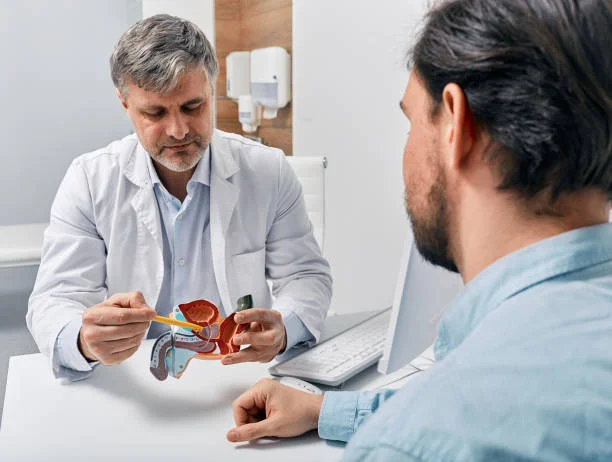
Ayurvedic treatment for BPH (Benign Prostatic Hyperplasia) combines time-tested herbal formulations, Panchakarma detox therapies, dietary corrections, and lifestyle practices to shrink the enlarged prostate, restore normal urinary flow, and address the root cause — doshic imbalance. Unlike surgery or long-term pharmaceutical drugs, Ayurveda targets BPH at the level of Vata-Kapha vitiation within the Mutravaha Srotas (urinary channels), offering a non-invasive path with minimal side effects. A 2012 randomized clinical study published in AYU Journal demonstrated a 54.09% improvement in BPH symptoms when Matra Basti was combined with Dhanyaka-Gokshura Ghrita and Varunadi Kashaya over just 21 days of treatment.
This guide covers everything — from understanding BPH through an Ayurvedic lens to specific herbs, Panchakarma protocols, yoga routines, a detailed diet plan, and when to integrate modern medicine. Whether you're in the early stages or managing moderate BPH, this resource is designed to help you make informed decisions about your prostate health.
What Is BPH and Why Does It Happen?
Benign Prostatic Hyperplasia is the non-cancerous enlargement of the prostate gland, a walnut-sized organ that sits just below the bladder and surrounds the urethra. As the prostate grows, it physically compresses the urethra, creating a mechanical obstruction to urine flow. BPH affects roughly 50% of men by age 60 and up to 90% by age 85, making it one of the most common urological conditions worldwide.
Causes and Risk Factors for BPH
The primary driver is hormonal. As men age, levels of free testosterone decline while dihydrotestosterone (DHT) — a potent androgen — accumulates within prostate tissue. This DHT accumulation stimulates cell proliferation. Estrogen levels also rise relative to testosterone, further promoting prostatic growth.
Key risk factors include:
- Age — Risk increases significantly after 40
- Family history — First-degree relatives with BPH double your risk
- Obesity and metabolic syndrome — Higher BMI correlates with larger prostate volume
- Type 2 diabetes — Insulin resistance promotes prostatic growth
- Sedentary lifestyle — Poor pelvic circulation worsens congestion
- Dietary habits — High intake of red meat, dairy, and processed foods
Recognizing the Symptoms of BPH
BPH symptoms are broadly categorized into obstructive and irritative:
| Obstructive Symptoms | Irritative Symptoms |
|---|---|
| Weak or interrupted urine stream | Frequent urination (8+ times/day) |
| Straining to initiate urination | Nocturia (waking 2+ times at night) |
| Feeling of incomplete bladder emptying | Urgency — sudden, strong urge to urinate |
| Post-void dribbling | Burning sensation during urination |
| Urinary retention (in severe cases) | Hematuria (blood in urine, rare) |
If left untreated, BPH can lead to serious complications: recurrent urinary tract infections, bladder stone formation, bladder wall damage from chronic distension, and even kidney damage from back-pressure (hydronephrosis).
How Is BPH Diagnosed?
Standard diagnostic workup includes Digital Rectal Examination (DRE), serum PSA test (to rule out malignancy), uroflowmetry, post-void residual urine measurement by ultrasound, and in select cases, cystoscopy. An International Prostate Symptom Score (IPSS) questionnaire helps quantify severity — mild (0–7), moderate (8–19), or severe (20–35).
How Does Ayurveda Describe BPH?
Ayurveda doesn't just see BPH as a local prostate problem. It frames it as a systemic disorder rooted in doshic imbalance, particularly involving Apana Vayu (the downward-moving aspect of Vata dosha) and Kapha dosha accumulation in the lower abdomen.
Mutraghata and Vatasthila — The Classical Correlation
Classical Ayurvedic texts describe BPH under two primary conditions:
- Vatasthila — Described in Sushruta Samhita, this refers to a hard, stone-like growth between the bladder and rectum caused by vitiated Vata lodging in the prostatic region. Symptoms include difficulty passing urine, constipation, and pain in the pelvic area. This closely mirrors BPH with predominant obstructive symptoms.
- Mutra Granthi — A benign growth (Granthi = tumor/cyst) in the urinary tract region involving all three doshas but predominantly Kapha and Medas (fat tissue). This correlates with the proliferative, mass-forming aspect of BPH.
The Tridoshic Model of BPH
Each dosha contributes differently to the pathology:
- Vata — Causes obstruction, irregular urinary flow, pain, and spasms. Apana Vayu dysfunction is the primary trigger.
- Kapha — Drives tissue proliferation and swelling. Kapha's heavy, dense (guru, sthira) qualities promote abnormal cellular growth.
- Pitta — When involved, causes inflammation, burning micturition, and sometimes bleeding.
Samprapti (Pathogenesis) — How BPH Develops in Ayurvedic Terms
The detailed Ayurvedic pathogenesis includes:
- Dosha involved: Primarily Vata and Kapha
- Dushya (tissues affected): Rakta (blood), Mamsa (muscle), Meda (fat), Mutra (urine), Shukra (reproductive tissue)
- Srotas (channels): Mutravaha Srotas (urinary), Shukravaha Srotas (reproductive)
- Sroto Dushti Lakshana: Sanga (obstruction) — manifesting as urinary blockage
- Roga Marga: Madhyama (middle pathway — deeper tissues)
- Prognosis (Sadhyasadhyata): Sadhya (curable) in early stages; Yapya (manageable) in advanced cases
Understanding this pathogenesis is critical because it determines the treatment strategy — you can't just throw herbs at BPH without knowing which dosha predominates.
Ayurvedic Treatment Principles for BPH
Ayurvedic management of BPH follows a dual approach: Shodhana Chikitsa (purification/detox therapies) and Shamana Chikitsa (palliative treatment with internal medicines). The goal is to pacify aggravated Vata, reduce Kapha-driven tissue growth, clear obstruction in Mutravaha Srotas, and restore normal Apana Vayu function.
Shodhana Chikitsa — Panchakarma Detox Therapies
Panchakarma plays a central role, especially for moderate to severe BPH.
Basti (Medicated Enema) — The Primary Therapy
Basti is considered the most important Panchakarma procedure for BPH because BPH is fundamentally a Vata disorder, and Basti is the supreme treatment for Vata according to Charaka.
- Matra Basti — Small-volume oil enemas using medicated ghee or oil (e.g., Dhanyaka-Gokshura Ghrita). Administered daily for 7–21 days. The 2012 AYU Journal study showed Matra Basti with Dhanyaka-Gokshura Ghrita combined with oral Varunadi Kashaya produced statistically significant reduction in prostate size across 32 patients.
- Uttara Basti — Specialized urethral instillation of medicated oils. This is a highly skilled procedure performed only in clinical settings. It directly targets the prostatic urethra and is especially useful in severe obstructive cases.
Other Supportive Panchakarma Procedures
| Procedure | Mechanism of Action in BPH |
|---|---|
| Virechana (Therapeutic Purgation) | Eliminates excess Pitta and Kapha from the GI tract; reduces systemic inflammation |
| Abhyanga + Swedana (Oil Massage + Steam) | Improves pelvic circulation, relaxes smooth muscles, mobilizes toxins |
| Kati Basti (Oil Pooling on Lower Back) | Warm medicated oil retained over lumbo-sacral region; nourishes pelvic nerves and reduces Vata |
| Nasya (Nasal Medication) | Balances Prana Vayu, which governs Apana Vayu indirectly |
| Shirodhara | Reduces stress and sympathetic overactivity — stress worsens urinary urgency |
Shamana Chikitsa — Internal Herbal Medicines
Internal medications form the backbone of long-term management, typically continued for 3–6 months.
Best Ayurvedic Herbs and Medicines for BPH
This is where Ayurveda truly shines. Several herbs have both traditional textual support and emerging modern pharmacological evidence.
Gokshura (Tribulus terrestris) — The Star Herb
- Gokshura is classified as a Mutrala (diuretic) and Balya (strengthening) herb.
- Its steroidal saponins — particularly protodioscin — have demonstrated 5-alpha-reductase inhibitory activity, which means they block the conversion of testosterone to DHT, the same mechanism targeted by finasteride. A 2019 study in the Journal of Ethnopharmacology confirmed the anti-proliferative effect of Tribulus terrestris on prostate cells in vitro.
Formulations: Gokshuradi Guggulu (500mg tablets, usually 2 tablets twice daily with warm water), Gokshura Churna, Dhanyaka-Gokshura Ghrita.
Varuna (Crataeva nurvala) — The Prostate-Specific Herb
Varuna has been called the most specific Ayurvedic herb for urinary obstruction and prostatic conditions. Modern research shows it contains lupeol, which exhibits anti-inflammatory and anti-prostatic hyperplasia activity. It inhibits 5-alpha-reductase and also reduces bladder stone formation. A study published in Fitoterapia showed significant reduction in residual urine volume and prostate weight in animal models.
Formulations: Varunadi Kashaya, Varunadi Vati, Varunadi Kwatha.
Punarnava (Boerhavia diffusa) — The Rejuvenator
Punarnava literally means "that which renews the body." It's a powerful anti-inflammatory, diuretic, and rejuvenative herb. Its punarnavoside compound shows marked anti-inflammatory action and reduces fluid retention. Particularly useful when BPH is accompanied by lower limb edema or kidney involvement.
Formulations: Punarnavadi Kashaya, Punarnavadi Guggulu, Punarnava Mandoor.
Other Key Herbs and Formulations
| Herb/Formulation | Primary Action | Best For |
|---|---|---|
| Chandraprabha Vati | Anti-inflammatory, Mutrala (diuretic), Balya | Overall urogenital health, burning urination |
| Shilajit | Rasayana (rejuvenative), anti-oxidant, anti-inflammatory | Weakness, low vitality, chronic BPH |
| Kanchanara Guggulu | Anti-tumor, Kapha-dissolving | Tissue proliferation, glandular swelling |
| Vanga Bhasma | Prostate-specific mineral preparation | Kapha-predominant BPH with significant enlargement |
| Trivanga Bhasma | Combined mineral formula (Naga, Vanga, Yashada) | Chronic BPH with urogenital weakness |
Proprietary Ayurvedic Medicines Available in India
Several reputable manufacturers produce BPH-specific formulations: Himplasia (Himalaya), Prostaid (Kerala Ayurveda), Prostowin (Dr. JRK's Siddha), and Bangshil + Fortege combination (Alarsin). While these are more convenient, classical formulations prescribed by a qualified Vaidya after Prakriti assessment generally yield better results.
Pharmacological Mechanisms — Why These Herbs Actually Work
The key pharmacological actions of Ayurvedic BPH herbs include:
- 5-alpha-reductase inhibition — Reduces DHT (Gokshura, Varuna)
- Anti-proliferative activity — Inhibits prostatic cell multiplication (Kanchanara, Varuna)
- Anti-inflammatory and antioxidant — Reduces tissue inflammation (Punarnava, Shilajit, Chandraprabha)
- Smooth muscle relaxation — Relieves urethral spasm and improves flow (Gokshura, Basti oils)
- Diuretic action — Promotes healthy urine output without electrolyte loss (Punarnava, Gokshura)
Can an Enlarged Prostate Go Back to Normal Naturally?
- This is one of the most common questions men ask.
- The honest answer: it depends on the stage.
In mild to moderate BPH (IPSS ≤ 19, prostate volume < 60 ml), Ayurvedic treatment combined with dietary and lifestyle changes can significantly reduce prostate size and, in many cases, restore near-normal function. The clinical study mentioned earlier showed measurable reduction in prostate volume after just 21 days of combined therapy.
In severe BPH with complications (chronic retention, hydronephrosis, recurrent infections), Ayurveda can serve as an adjunct to modern treatment but may not be sufficient as standalone therapy.
BPH Staging and Differentiated Ayurvedic Approach
| BPH Stage | IPSS Score | Ayurvedic Approach | Modern Integration Needed? |
|---|---|---|---|
| Mild | 0–7 | Shamana therapy (herbs + diet + yoga). Lifestyle modifications alone may suffice | Rarely. Monitoring only |
| Moderate | 8–19 | Shamana + Shodhana (Matra Basti, Virechana). 3–6 months treatment | PSA monitoring; consider alpha-blockers if symptoms are very bothersome |
- Severe | 20–35 | Intensive Panchakarma + long-term Shamana.
- Uttara Basti in clinical setting | Yes — combine with alpha-blockers or 5-ARI drugs. Surgical consultation if retention occurs |
| Complicated | Any + retention/hydronephrosis | Supportive Ayurvedic care post-catheterization or post-surgery | Mandatory. TURP or HoLEP may be necessary |
|---|
Ayurveda vs Modern Medicine for BPH: A Comparison
| Parameter | Ayurvedic Treatment | Modern Allopathic Treatment |
|---|---|---|
| Approach | Root cause (doshic correction) | Symptom management / surgical removal |
| Primary Methods | Herbs, Panchakarma, diet, yoga | Alpha-blockers, 5-ARIs, TURP, laser surgery |
| Time to Show Results | 4–8 weeks for symptom relief; 3–6 months for structural change | 2–4 weeks (drugs); immediate (surgery) |
| Side Effects | Minimal when prescribed correctly | Retrograde ejaculation, erectile dysfunction, dizziness, orthostatic hypotension |
| Cost (India) | ₹3,000–15,000/month (herbs + Panchakarma sessions) | ₹500–2,000/month (drugs); ₹50,000–2,00,000 (surgery) |
| Recurrence Rate | Lower when lifestyle changes are maintained | 10–15% post-TURP; common when drugs are stopped |
| Invasiveness | Non-invasive | Drugs: non-invasive; Surgery: invasive |
| Best For | Mild–moderate BPH; prevention; post-surgical support | Severe/complicated BPH; acute retention |
स्वयं दवा न लें और प्रतीक्षा न करें। अभी डॉक्टर से चैट शुरू करें
Diet for BPH According to Ayurveda (Pathya-Apathya)
No Ayurvedic treatment works optimally without dietary correction. Surprisingly, none of the top-ranking articles on this topic provide a detailed dietary protocol. Here's a comprehensive Pathya-Apathya framework specifically for BPH.
Recommended Foods (Pathya)
- Grains: Old rice (Purana Shali), barley (Yava), wheat — all pacify Vata and Kapha
- Pulses: Green gram (Moong dal), horse gram (Kulattha) — excellent Mutrala action
- Vegetables: Ash gourd, bottle gourd, ridge gourd, spinach, drumstick, pointed gourd (Parval)
- Fruits: Pomegranate, amla (Indian gooseberry), ripe banana, papaya, watermelon
- Spices: Cumin, coriander, fennel, turmeric, ginger, black pepper — improve Agni and reduce Ama
- Fluids: Warm water throughout the day, coriander seed water, Punarnava decoction, barley water
- Seeds: Pumpkin seeds (rich in zinc — 4–5mg per tablespoon), flaxseeds, sesame seeds
Foods to Avoid (Apathya)
- Excessive dairy, especially cold milk, ice cream, and paneer (increases Kapha)
- Red meat, processed meat, and heavy non-vegetarian food
- Refined sugar, maida, bakery products
- Alcohol and caffeinated beverages (irritate bladder, worsen urgency)
- Spicy, fermented, and sour foods in excess (aggravate Pitta)
- Cold water, cold beverages, refrigerated foods (suppress Agni, increase Vata)
- Curd at night — specifically contraindicated in Mutraghata conditions
Sample Daily Meal Plan
| Time | Meal |
|---|---|
| 6:00 AM | Warm coriander-cumin water (1 glass) |
| 7:30 AM | Moong dal cheela with turmeric + 1 tsp pumpkin seed powder |
| 10:00 AM | Amla juice (20 ml) or fresh pomegranate |
| 12:30 PM | Old rice + Lauki sabzi + Moong dal + Buttermilk with cumin |
| 4:00 PM | Barley water or fennel tea + handful of soaked almonds |
| 7:00 PM | Chapati + Parval/Ridge gourd + light vegetable soup |
| 9:00 PM | Warm milk with turmeric + Shilajit (if prescribed) |
Important fluid rule: Drink most fluids before 6 PM. Reduce intake after dinner to minimize nocturia.
Yoga, Pranayama, and Lifestyle Modifications for BPH
Yoga Asanas for Prostate Health
Specific yoga postures improve pelvic blood circulation, strengthen the pelvic floor, and help regulate Apana Vayu:
- Baddha Konasana (Butterfly Pose) — Opens the pelvis, improves blood flow to the prostate and bladder. Hold for 2–3 minutes.
- Viparita Karani (Legs-Up-The-Wall Pose) — Reduces congestion in the pelvic veins; relieves heaviness. Hold for 5–10 minutes.
- Ashwini Mudra — Rhythmic contraction and relaxation of the anal sphincter. This is essentially the Ayurvedic equivalent of Kegel exercises. Practice 30–50 contractions, 2–3 sets daily.
- Mula Bandha (Root Lock) — Engages the entire pelvic floor; tones the prostate region. Practice during Pranayama.
- Supta Baddha Konasana (Reclined Butterfly) — Gentle opening of the groin; reduces Vata in the lower abdomen.
- Mandukasana (Frog Pose) — Compresses the lower abdomen; stimulates Apana Vayu.
Pranayama Practices
- Nadi Shodhana (Alternate Nostril Breathing) — Balances Vata; reduces stress-induced urinary urgency
- Bhramari Pranayama — Calms the nervous system; particularly helpful for men with anxiety-related urinary frequency
- Kapalabhati (gentle, not forceful) — Strengthens abdominal muscles; clears Kapha
Dinacharya — Daily Routine for Men with BPH
- Wake up before 6 AM (Brahma Muhurta) — This is Vata time; early rising helps regulate Apana Vayu
- Oil self-massage (Abhyanga) — Use warm sesame oil on the lower abdomen and lower back, 3–4 times per week
- Warm water intake — Start the day with 2 glasses of warm water to stimulate bowel movement (constipation worsens BPH)
- Regular meal timing — Eat lunch (heaviest meal) between 12–1 PM when Pitta-driven digestion is strongest
- Avoid sitting for prolonged periods — Get up every 45 minutes; prolonged sitting increases pelvic congestion
- Evening walk — 20–30 minutes of brisk walking after dinner aids digestion and promotes Apana Vayu flow
- Sleep by 10 PM — Late nights aggravate Vata
- Stress management — Meditation, Shirodhara, or Yoga Nidra. Chronic stress elevates sympathetic tone, which tightens the prostatic smooth muscle and worsens symptoms
Scientific Evidence for Ayurvedic BPH Treatment
While Ayurveda has centuries of clinical observation, modern clinical trials are still catching up.
Here's what the research shows so far:
- 1.Matra Basti Study (AYU, 2012) — Randomized trial of 32 patients divided into three groups. Group receiving Dhanyaka-Gokshura Ghrita Matra Basti + Varunadi Kashaya showed 54.09% symptom improvement and significant prostate size reduction after 21 days.
- 2.Gokshura (Tribulus terrestris) — A 2019 review in the Journal of Ethnopharmacology confirmed its anti-androgenic and diuretic properties. Protodioscin, its key saponin, inhibits 5-alpha-reductase in prostate tissue.
- 3.Varuna (Crataeva nurvala) — Lupeol, isolated from Varuna bark, showed significant inhibition of prostatic growth in rat models (Indian Journal of Pharmacology, 2010). Human studies have shown improvement in peak urinary flow rate.
- 4.Shilajit — A 2015 study in Andrologia demonstrated its antioxidant and anti-inflammatory effects on reproductive tissues, with improvements in testosterone levels.
- 5.Kanchanara Guggulu — While primarily studied for thyroid nodules, its anti-proliferative and Kapha-dissolving properties are well-documented in classical texts for Granthi (abnormal growths).
- 6.Chandraprabha Vati — A multi-herb-mineral formulation traditionally used for all Mutravaha Srotas disorders. A 2017 observational study showed significant reduction in post-void residual urine volume in BPH patients over 60 days.
> Note: More large-scale, double-blind RCTs are needed. However, the existing evidence, combined with centuries of clinical use, provides a reasonable basis for Ayurvedic BPH treatment, especially in mild-to-moderate cases.
Frequently Asked Questions
What is the most effective natural treatment for BPH?
- The most effective natural approach combines Ayurvedic herbal formulations (Gokshuradi Guggulu, Chandraprabha Vati, Varunadi Kashaya) with Matra Basti therapy and lifestyle modifications including yoga, diet, and stress reduction.
- No single herb works in isolation — the combination approach, personalized to your Prakriti and BPH severity, gives the best results.
What is the most successful treatment for BPH overall?
For mild–moderate BPH, Ayurvedic treatment achieves comparable results to alpha-blockers without the side effects. For severe BPH with urinary retention, TURP (Transurethral Resection of the Prostate) remains the gold standard in modern medicine. However, Ayurvedic therapies can reduce the need for surgery when started early.
What is the Japanese method to shrink the prostate?
The "Japanese method" commonly refers to the HoLEP (Holmium Laser Enucleation of the Prostate) surgical procedure, which was pioneered and popularized in Japan. It's a modern laser surgery, not a natural remedy. In Ayurveda, prostate shrinkage is achieved gradually through Vata-Kapha pacification using herbal therapies and Panchakarma.
How long does Ayurvedic treatment for BPH take to show results?
- Most patients report symptomatic improvement (reduced frequency, better flow) within 4–8 weeks. Structural changes in prostate size typically require 3–6 months of consistent treatment.
- Panchakarma-based protocols may show faster initial results — the clinical study showed measurable improvement in just 21 days with Matra Basti.
Can I take Ayurvedic medicine alongside allopathic BPH drugs?
Yes, in most cases. Ayurvedic formulations like Chandraprabha Vati and Gokshuradi Guggulu are generally safe alongside alpha-blockers (tamsulosin) or 5-alpha-reductase inhibitors (finasteride). However, always consult both your urologist and an experienced Ayurvedic practitioner before combining treatments, as some herb-drug interactions are possible.
Is BPH treatment covered under Ayushman Bharat for Ayurvedic hospitals?
Select NABH-accredited Ayurvedic hospitals empaneled under Ayushman Bharat do offer coverage for Panchakarma-based BPH treatment. Availability varies by state and hospital. Check the Ayushman Bharat portal or contact hospitals directly.
Conclusion: Take Charge of Your Prostate Health Naturally
- BPH doesn't have to mean a life of disrupted sleep, embarrassing urgency, and fear of surgery. Ayurvedic treatment offers a scientifically grounded, time-tested pathway that works with your body rather than against it.
- The key is early intervention — starting treatment at the mild-to-moderate stage gives you the best chance of avoiding surgical procedures altogether.
Begin with a proper consultation from a qualified Ayurvedic physician who can assess your Prakriti, determine the predominant dosha involvement, and design a personalized protocol. Combine prescribed herbs with Matra Basti sessions, adopt the dietary guidelines outlined above, and commit to a daily yoga and lifestyle routine.
- Your next step: Book a consultation with an experienced Ayurvedic Vaidya specializing in urological disorders. If you're in India, look for practitioners affiliated with recognized Ayurvedic institutions or hospitals with dedicated Panchakarma facilities.
- Don't wait until BPH progresses to complications — the earlier you start, the better the outcomes.
Scientific Sources
- Evaluation of anti-depressant and anxiolytic activity of Rasayana Ghana Tablet (A compound Ayurvedic formulation) in albino mice — Deole YS et al., 2011, Ayu
- Clinical evaluation of purified Shilajit on testosterone levels in healthy volunteers — Pandit S et al., 2016, Andrologia
- Shilajit: a review — Agarwal SP et al., 2007, Phytotherapy research : PTR
- A Comprehensive Review on Shilajit: What We Know about Its Chemical Composition — Kamgar E et al., 2025, Critical reviews in analytical chemistry
- Review on shilajit used in traditional Indian medicine — Wilson E et al., 2011, Journal of ethnopharmacology
- Rapid Determination and Quantification of Nutritional and Poisonous Metals in Vastly Consumed Ayurvedic Herbal Medicine (Rejuvenator Shilajit) by Humans Using Three Advanced Analytical Techniques — Aldakheel RK et al., 2022, Biological trace element research
- Treatment of Benign Prostatic Hyperplasia by Natural Drugs — Csikós E et al., 2021, Molecules (Basel, Switzerland)
- An Overview of Commonly Used Natural Alternatives for the Treatment of Androgenetic Alopecia, with Special Emphasis on Rosemary Oil — Bin Rubaian NF et al., 2024, Clinical, cosmetic and investigational dermatology
- An overview of herbal alternatives in androgenetic alopecia — Dhariwala MY et al., 2019, Journal of cosmetic dermatology
- Common Herbal Dietary Supplement-Drug Interactions — Asher GN et al., 2017, American family physician
- Saw Palmetto — 2012
उपयोगकर्ताओं के प्रश्न
What is Mula Bandha and how does it help with prostate health?
Xander
3 दिनों पहले
Mula Bandha, or Root Lock, involves engaging the muscles of the pelvic floor, similar to a Kegel exercise. It helps tone the prostate region and can support prostate health by improving circulation and energy flow to that area. While this can aid with uro-genital issues like BPH, always good idea to consult with a healthcare professional before starting any new practice.
What are the symptoms of BPH that Ayurvedic treatment can help alleviate?
John
12 दिनों पहले
Ayurvedic treatment for BPH can help alleviate symptoms like frequent urination, weak urinary flow, and pain or discomfort during urination. Herbs and techniques focus on balancing Vata and Kapha doshas, which are often involved in BPH. While improvements can start in 4-8 weeks, consistency in treatment is key!
Can I use Ashwagandha oil for BPH treatment and how does it work?
Rory
21 दिनों पहले
Yes, you can use Ashwagandha oil for BPH as part of Ayurvedic treatment. It helps by improving circulation, reducing stress, and supporting tissue repair—good for prostate health! But keep in mind it's more supportive rather than a direct "cure". Always consider balancing doshas and maybe chat with an Ayurvedic practitioner for personalized advice.
Is it safe to use ayurvedic supplements for BPH while taking other herbal treatments?
Savannah
30 दिनों पहले
It's generally safe, but it's always best to consult a healthcare professional first to be sure. Different supplements can have various interactions. You want to make sure everything you're taking works well together, especially with other herbal treatments or medications you might be using. Mixing things without guidance could lead to unwanted effects, so checking in with someone knowledgeable about both Ayurveda & your current herbs you’re using is a safe bet!
What is the role of Gokshura in Ayurvedic treatment for BPH?
Brooklyn
40 दिनों पहले
Gokshura is pretty awesome in Ayurvedic treatment for BPH! It helps reduce inflammation and soothes the urinary tract. It can also balance doshas and boost kidney function. Think of it as supporting overall urinary health. But it's important to check with an Ayurvedic practitioner to see if it's the right fit for your constitution!
Can I combine ayurvedic remedies for BPH with my regular medications safely?
Abigail
50 दिनों पहले
It's possible to combine ayurvedic remedies with your medications, but it's super important to get advice from your healthcare provider or an Ayurvedic pro first. They will help ensure there's no interaction between treatments and that it's safe for your specific situation. Be open and discuss everything you're taking!
What is Panchakarma and how does it aid in treating BPH symptoms?
Phillip
59 दिनों पहले
Panchakarma is a detoxification therapy in Ayurveda which can helps balance your doshas through procedures like Vamana, Virechana, and Basti. For BPH, it may aid by reducing inflammation and improving urinary function. It helps by cleansing your body's excess dosha and strengthening the tissues. Always check with a qualified practitioner to get personalized advice!
Can I use herbal powders to make my own Ayurvedic remedies for BPH at home?
Lily
69 दिनों पहले
You can definitely use herbal powders to make at-home remedies for BPH, but please be cautious! Herbs like saw palmetto, nettle root and punarnava can be helpful. Just make sure to consult an Ayurvedic practitioner so you know you're not disturbing your doshas or aggravating agni. It's also good to observe any changes, your body might give clues about what works or not.
What is Abhyanga and how does it help with BPH symptoms?
Zayden
78 दिनों पहले
Abhyanga is a traditional Ayurvedic full-body massage using medicated oils like Bala or Ashwagandha. For BPH (benign prostatic hyperplasia), it improves circulation, reduces stress, and supports tissue repair, which helps manage symptoms by supporting the healing processes and rebalancing the urinary system. But always check with a practitioner for personal advice!
Is it safe to combine Panchakarma therapies with other BPH treatments?
Yolanda
88 दिनों पहले
Combining Panchakarma with conventional BPH treatments can be safe, but it's super important to check with your healthcare provider first. Since both treatments can affect your body's balance, you want to avoid any unwanted interactions. A professional can help you figure out a plan that's tailored to your unique needs.
संबंधित आलेख

Gastrointestinal Disorders
पतंजलि दिव्य उदरकल्प चूर्ण
पतंजलि दिव्य उदरकल्प चूर्ण की खोज
3,110
Gastrointestinal Disorders
सुरन वटक: दर्द और सूजन से लड़ने के लिए एक आयुर्वेदिक फॉर्मूला
सुरन वटक के सिद्ध फायदों, सही खुराक, साइड इफेक्ट्स और इसके पीछे के वैज्ञानिक शोध को जानें। यह एक आयुर्वेदिक फॉर्मूलेशन है जो नसों और जोड़ों की सेहत के लिए है।
2,869

Gastrointestinal Disorders
Pilex Tablet – Uses, Benefits, Ingredients
Exploration of Pilex Tablet – Uses, Benefits, Ingredients
8,132
Gastrointestinal Disorders
Deepana Pachana – Ayurvedic Digestive Stimulant & Metabolic Enhancer
Unlock the secret of deepana pachana to stimulate digestion, boost metabolism, and detoxify your body naturally.
5,640

Gastrointestinal Disorders
Vettumaran Gulika Benefits Dosage Ingredients Side Effects
Exploration of Vettumaran Gulika Benefits Dosage Ingredients Side Effects
2,005
Gastrointestinal Disorders
Dhanyapanchak Kwath – Traditional Ayurvedic Decoction for Digestive Harmony
Discover Dhanyapanchak Kwath, an ancient Ayurvedic herbal decoction renowned for its digestive, detoxifying, and rejuvenating benefits. Learn how this natural remedy promotes dosha balance and overall wellness.
2,750
Gastrointestinal Disorders
Hingvadi Churna – Traditional Ayurvedic Powder for Digestion and Detoxification
Discover Hingvadi Churna, a time-tested Ayurvedic remedy known for its digestive, detoxifying, and anti-inflammatory benefits. Learn about its composition, usage, and therapeutic properties.
3,485

Gastrointestinal Disorders
क्या काली चाय एसिडिटी का कारण बनती है?
यह जानें कि क्या काली चाय एसिडिटी का कारण बनती है, इसका पाचन पर क्या असर होता है, और असुविधा को कम करने के तरीके। जानें कि कब काली चाय एसिडिटी के लिए फायदेमंद होती है और आयुर्वेदिक सुझाव।
13,539

Gastrointestinal Disorders
Rasnasaptakam Kashayam: Metabolic Health Booster
Learn about the benefits, proper dosage, side effects, and scientific research behind Rasnasaptakam Kashayam Tablets, a potent Ayurvedic herbal remedy.
3,005
Gastrointestinal Disorders
Gandharva Haritaki Tablet Uses: An Ayurvedic Remedy for Holistic Health
Gandharva Haritaki is an herbal preparation widely used in Ayurveda to support digestive health, detoxification, and vitality.
3,950
विषय पर संबंधित प्रश्न
क्या मैं वजन बढ़ाने की कोशिश करते समय एसिड रिफ्लक्स के लिए फुल फैट दूध का इस्तेमाल कर सकता हूँ?
14 दिनों पहले
एक बुजुर्ग मरीज में, जिसे डुओडेनल अल्सर का इतिहास है, पुरानी एसिडिटी और कमजोरी का इलाज कैसे करें?
14 दिनों पहले
किण्वन कोलाइटिस और शुरुआती विटिलिगो का इलाज आयुर्वेदिक उपायों से कैसे करें?
14 दिनों पहले
अतिरिक्त दस्तावेज़
© 2024 Ask Ayurveda. सर्वाधिकार सुरक्षित।