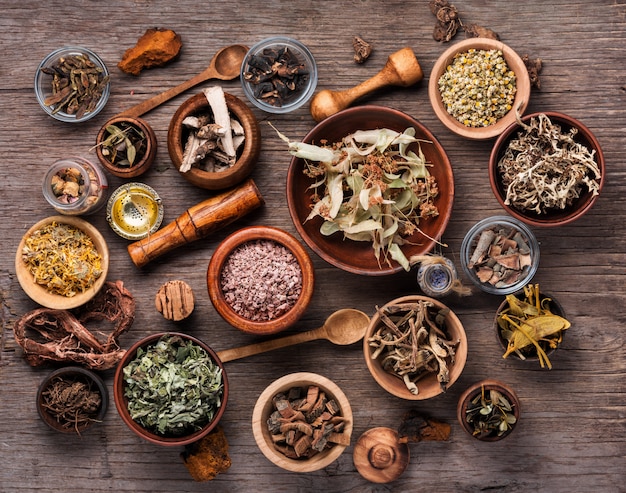
आयुर्वेदिक डॉक्टर से प्रश्न पूछें और निःशुल्क या भुगतान मोड में अपनी चिंता की समस्या पर ऑनलाइन परामर्श प्राप्त करें। 2,000 से अधिक अनुभवी डॉक्टर हमारी साइट पर काम करते हैं और आपके प्रश्नों का इंतजार करते हैं और उपयोगकर्ताओं को उनकी स्वास्थ्य समस्याओं को हल करने में प्रतिदिन मदद करते हैं।
मुफ्त! आयुर्वेदिक डॉक्टरों से पूछें 24/7

 तेज़ प्रतिक्रियाएँ
 1000+ सत्यापित डॉक्टर
Body DetoxEar, Nose, and Throat DisordersGeriatrics & RejuvenationImmunodeficiencyInfertility TreatmentNutritionOrthopedic DisordersPediatricsRespiratory DisordersSexually Transmitted Diseases (STDs)Surgery RecoveryUrological DisordersVascular DisordersDental DisordersEndocrinological DisordersGastrointestinal DisordersYoga TherapyGeneral MedicineAllergic DisordersCardio DisordersGynecology and ObstetricsCosmetologySkin and Hair DisordersEye DisordersInfectious DiseasesMental DisordersNeurological DisordersOncologyPanchakarmaSexual Health & DisordersSports Medicine
पर प्रकाशित 01/24/25
(को अपडेट 06/18/26)
4,028
Best Ayurvedic Medicines for Palpitations and Anxiety – Natural Relief

Heart palpitations — that unsettling racing, fluttering, or pounding sensation in your chest — affect millions of people across India and worldwide. If you're searching for an ayurvedic medicine for palpitations, here's the direct answer: Arjuna (Terminalia arjuna) is widely regarded as the single most effective Ayurvedic herb for heart palpitations, backed by both classical texts and modern clinical research. But it's rarely used alone.
- Ayurveda treats palpitations (known as Hridrava or Hrid Drava) through a multi-layered approach — specific herbs, classical formulations, Panchakarma therapies, pranayama, and dietary corrections tailored to your dosha imbalance.
- This guide covers everything: from the exact herbs and their dosages, to classical formulas your doctor might prescribe, to lifestyle protocols that complement herbal treatment.
> Medical Disclaimer: Ayurveda is not a replacement for emergency cardiac care. If you experience palpitations with chest pain, fainting, severe shortness of breath, or dizziness, seek immediate medical attention. The dosages mentioned below are general ranges from classical texts — always consult a qualified Ayurvedic practitioner before starting any regimen.
What Are Heart Palpitations? The Ayurvedic Understanding
Heart palpitations are the conscious awareness of your heartbeat — it may feel like your heart is racing, fluttering, pounding, or skipping beats. Most palpitations are harmless, but they can be deeply distressing, especially when accompanied by anxiety.
Modern Medical Causes
Common triggers include:
- Stimulants: Caffeine, nicotine, alcohol
- Emotional states: Stress, anxiety, panic attacks
- Hormonal changes: Thyroid disorders, menstruation, menopause
- Cardiac arrhythmias: Atrial fibrillation, supraventricular tachycardia
- Medications: Decongestants, asthma inhalers, certain supplements
- Nutritional deficiencies: Low magnesium, potassium, or iron
The Dosha Perspective: Vata, Pitta, and Kapha-Type Palpitations
Ayurveda doesn't treat "palpitations" as a single condition. The approach depends entirely on which dosha is aggravated. This differentiation is something most resources overlook, but it's foundational to effective treatment.
- Vata-type palpitations are the most common.
- They feel irregular — skipping beats, fluttering, a sense of "emptiness" in the chest. They're typically triggered by fear, anxiety, insomnia, excess travel, or erratic lifestyle. The pulse (Nadi) feels thready and irregular.
Pitta-type palpitations are intense and forceful. The heart pounds hard, often accompanied by a burning sensation in the chest, acid reflux, or flushing. Anger, frustration, spicy food, and excessive heat are common triggers. The pulse feels sharp and bounding. Kapha-type palpitations are less common but distinct — a slow, heavy thumping, often with chest congestion, lethargy, or a sense of heaviness. They worsen after heavy meals, in cold weather, or during periods of inactivity.
The Role of Agni and Ama in Palpitations
- Here's something critical that most articles miss entirely.
- In Ayurveda, palpitations are not just a "heart problem" — they're deeply connected to digestive fire (Agni) and toxin accumulation (Ama).
When Agni is weak (Mandagni), digestion becomes incomplete, producing Ama — a sticky, toxic metabolic waste. This Ama enters the Rasa Dhatu (plasma tissue, the first tissue layer nourished after digestion) and eventually reaches the heart, disrupting its rhythm. Charaka Samhita explicitly links Rasa Dhatu vitiation with cardiac symptoms including palpitations.
This is why Ayurvedic treatment often begins with digestive correction — not heart herbs. Treating only the symptom without addressing Ama is like mopping a floor while the tap is still running.
Which Herb Stops Heart Palpitations? Key Ayurvedic Medicines
Several herbs have demonstrated cardioprotective and anxiolytic properties relevant to palpitations. Below is a detailed breakdown including general dosage ranges from classical Ayurvedic practice.
Arjuna (Terminalia arjuna) — The Premier Cardiotonic
Arjuna bark is the cornerstone of Ayurvedic cardiology. Mentioned extensively in Ashtanga Hridaya and Charaka Samhita, it strengthens cardiac muscle, regulates heart rhythm, and has mild blood-pressure lowering effects.
A landmark study by Bharani et al. (2002) published in the Journal of the Association of Physicians of India demonstrated that Arjuna bark extract significantly improved left ventricular ejection fraction and reduced angina episodes. A 2014 study by Kumar et al. further confirmed its cardioprotective effects, showing improvements in cardiac function markers over 12 weeks of supplementation.
General dosage range: Arjuna bark powder — 500 mg to 1.5 g, twice daily with warm milk or water, typically taken on an empty stomach. Standardized extract capsules are commonly available at 500 mg per capsule. Best for: All types of palpitations, but especially Pitta-type (due to its cooling potency) and structurally weak hearts.
Ashwagandha (Withania somnifera) — The Stress Regulator
Ashwagandha is probably the most researched Ayurvedic herb globally. As an adaptogen, it modulates the hypothalamic-pituitary-adrenal (HPA) axis — the body's central stress response system.
A 2019 randomized controlled trial published in Medicine (Baltimore) by Lopresti et al. found that Ashwagandha root extract (300 mg twice daily) significantly reduced perceived stress and serum cortisol levels compared to placebo. Since stress and elevated cortisol are primary triggers for palpitations, this mechanism is directly relevant.
Does ashwagandha reduce palpitations? Yes — but primarily when palpitations are stress or anxiety-driven. It won't directly fix a structural arrhythmia, but it addresses the neurohormonal triggers that cause most benign palpitations. General dosage range: 300–600 mg of standardized root extract (with at least 5% withanolides) daily, divided into two doses. Traditional churna (powder) dosage is 3–6 grams with warm milk. Best for: Vata-type palpitations, anxiety-induced palpitations, stress-related heart racing.
Brahmi (Bacopa monnieri) — The Neural Calmative
Brahmi acts primarily on the central nervous system. It enhances GABAergic activity, which inhibits overexcitation of neural pathways — essentially calming the "alarm signals" that trigger palpitations during anxiety.
General dosage range: 300–450 mg of standardized extract (containing at least 50% bacosides) daily, or 2–3 grams of whole herb powder. Best for: Palpitations accompanied by racing thoughts, cognitive stress, and anxiety.
Shankhpushpi (Convolvulus pluricaulis) — The Heart-Brain Connector
Shankhpushpi is classified as a Medhya Rasayana (brain tonic) but has documented anxiolytic and mild hypotensive properties. Research published in the Journal of Ethnopharmacology has shown its calming effect on the CNS without causing sedation, making it particularly useful for daytime anxiety-related palpitations.
General dosage range: 3–6 grams of powder, or 2–4 teaspoons of liquid extract (Swarasa) daily. Best for: Vata-type and Pitta-type palpitations with anxiety, mental restlessness.
Jatamansi (Nardostachys jatamansi) — The Natural Rhythm Restorer
This is an underappreciated gem. Jatamansi (spikenard) has demonstrated direct anti-arrhythmic properties in pharmacological studies. Research published in Fitoterapia showed that Jatamansi root extract exhibited significant membrane-stabilizing activity on cardiac cells — the same mechanism by which conventional anti-arrhythmic drugs work.
It's also a potent sedative and anxiolytic, making it uniquely suited for palpitations that are worse at night or during periods of heightened anxiety.
General dosage range: 250–500 mg of root powder or standardized extract, twice daily. Best for: Vata-type palpitations with insomnia, nocturnal palpitations, anxiety-driven arrhythmias.
Shilajit and Pippali — Supporting Players
- Shilajit (mineral pitch) is rich in fulvic acid and over 80 trace minerals. It supports mitochondrial energy production in cardiac cells and enhances the bioavailability of other herbs.
- Dosage: 250–500 mg of purified Shilajit (Shuddha Shilajit) daily.
- Pippali (Piper longum) is a bioenhancer that improves absorption of cardiac herbs and stimulates Agni — directly addressing the Ama component discussed earlier.
- Dosage: 250–500 mg with honey, twice daily.
Comparative Table: Ayurvedic Herbs for Palpitations by Dosha Type
| Herb | Primary Action | Dosha Suitability | General Dosage | Best When Palpitations Are... |
|---|---|---|---|---|
| Arjuna | Cardiotonic, rhythm-stabilizer | Vata, Pitta, Kapha | 500 mg–1.5 g, 2x daily | Structural, persistent, with chest discomfort |
| Ashwagandha | Adaptogen, stress reducer | Vata, Kapha | 300–600 mg extract daily | Stress-triggered, with fatigue and anxiety |
| Brahmi | Anxiolytic, neuroprotective | Pitta, Vata | 300–450 mg extract daily | Accompanied by racing thoughts, mental stress |
| Shankhpushpi | CNS calmative, mild hypotensive | Vata, Pitta | 3–6 g powder daily | Daytime anxiety-driven, with restlessness |
| Jatamansi | Anti-arrhythmic, sedative | Vata, Pitta | 250–500 mg, 2x daily | Nocturnal, with insomnia, irregular rhythm |
| Shilajit | Mineral replenisher, energizer | Vata, Kapha | 250–500 mg daily | With weakness, fatigue, nutritional deficiency |
| Pippali | Bioenhancer, Agni stimulant | Kapha, Vata | 250–500 mg, 2x daily | With digestive issues, heaviness after meals |
Classical Ayurvedic Formulations for Palpitations
- Individual herbs are powerful, but classical Ayurvedic formulations (yogas) combine multiple ingredients in synergistic ratios refined over centuries.
- This is a significant gap in most online resources — nobody gives you the actual formulas your vaidya might prescribe.
Arjunarishta (Parthadyarishta)
This is the most widely prescribed classical liquid formulation for heart conditions. It's a fermented preparation (Arishta) with Arjuna bark as its primary ingredient, combined with Madhuka (Madhuca indica), Draksha (grapes), Mahua flowers, and jaggery. The fermentation process generates a small percentage of self-generated alcohol, which acts as a natural bioenhancer.
Indicated for: Palpitations, general cardiac weakness, mild heart failure, post-MI recovery support. Typical dosage: 15–30 ml with equal quantity of water, twice daily after meals.
Prabhakara Vati
A classical tablet formulation containing Arjuna, Shilajit, Loha Bhasma (iron calx), Abhrak Bhasma (mica calx), and Makshika Bhasma. It specifically targets Hridrava (palpitations) and Hrid Shool (cardiac pain).
Typical dosage: 1–2 tablets (250 mg each), twice daily with warm water or Arjuna kwath.
Hridayarnava Rasa
A potent Rasa Shastra (mercurial) preparation that includes Ras Sindoor, Loha Bhasma, Abhrak Bhasma, and herbal ingredients. It's prescribed for serious cardiac conditions including chronic arrhythmias and cardiac insufficiency.
Important: This formulation contains processed metals (bhasmas) and should only be taken under strict medical supervision. Never self-prescribe Rasa preparations.
Saraswatarishta
Primarily a neurological formula, Saraswatarishta is invaluable when palpitations are anxiety-driven. It contains Brahmi, Ashwagandha, Shatavari, Vidari, and other calming herbs in a fermented base.
Typical dosage: 15–25 ml with equal water, twice daily after meals.
Nagarjunabhra Rasa and Mrigamadasav
These are specialized classical formulations mentioned in Bhaishajya Ratnavali for cardiac conditions. Nagarjunabhra Rasa is particularly used for palpitations with anemia, while Mrigamadasav supports overall cardiac tonicity.
These require expert prescription based on individual Prakriti and Vikriti assessment.
Panchakarma Therapies for Heart Palpitations
Panchakarma isn't commonly discussed in the context of palpitations online, but it's actually a cornerstone of comprehensive Ayurvedic cardiac care.
Here's what an Ayurvedic hospital might recommend:
Shirodhara
A continuous stream of warm medicated oil (typically Brahmi oil or Ksheerabala Tailam) poured over the forehead for 30–45 minutes. This profoundly calms the nervous system and is arguably the most effective single procedure for anxiety-induced palpitations.
A 2013 study in the Ayu journal demonstrated that Shirodhara significantly reduced anxiety scores and normalized autonomic nervous system parameters, including heart rate variability.
Hrid Basti (Heart Basti)
This is a specialized procedure where a dough dam is created over the heart region (Hridaya Marma), and warm medicated oil (typically Arjuna Ksheer Pak or Dashamoola Tailam) is pooled inside it for 20–30 minutes.
The warmth and herbal properties penetrate through the chest wall, providing direct nourishment to the cardiac region. It's particularly effective for Vata-type palpitations with anxiety and a "hollow" feeling in the chest.
Abhyanga and Virechana
Full-body warm oil massage (Abhyanga) with Bala Tailam or Dhanwantaram Tailam, followed by mild purgation (Virechana), helps clear Ama from Rasa Dhatu — addressing the root cause. The sequence typically runs over 7–14 days in a supervised Panchakarma setting.
स्वयं दवा न लें और प्रतीक्षा न करें। अभी डॉक्टर से चैट शुरू करें
What Is the Fastest Way to Cure Heart Palpitations? Immediate Relief Techniques
Let's be real — when your heart is racing at 2 AM, you need something that works right now, not in 12 weeks. These Ayurvedic and yogic techniques provide rapid relief.
Pranayama Protocols for Palpitations
Most articles mention "do pranayama" without specifying which technique.
Different pranayamas serve different purposes:
Nadi Shodhana (Alternate Nostril Breathing)
This is the gold standard for immediate palpitation relief. It directly balances the sympathetic and parasympathetic nervous systems.
Technique: Sit comfortably. Close right nostril with right thumb. Inhale through left nostril for 4 counts. Close left nostril with ring finger, release right, exhale through right for 8 counts. Inhale through right for 4 counts. Close right, exhale through left for 8 counts. This is one round. Complete 9–12 rounds.
The extended exhalation activates the vagus nerve, which directly slows heart rate. You'll typically notice calming within 3–5 minutes.
Bhramari (Humming Bee Breath)
Specifically indicated for acute palpitations with anxiety in classical yoga texts.
Technique: Close eyes. Place index fingers on the tragus of each ear (the small cartilage flap). Inhale deeply. While exhaling, make a steady humming sound like a bee. Feel the vibration in your chest cavity. Repeat 7–11 times.
A 2017 study in the International Journal of Yoga found that just 5 minutes of Bhramari significantly reduced heart rate and blood pressure in healthy volunteers.
Sheetali Pranayama (Cooling Breath)
Best for Pitta-type palpitations — when the heart pounds with heat, anger, or after spicy food.
Technique: Roll your tongue into a tube (or use Sheetkari — teeth together, lips parted — if you can't roll your tongue). Inhale through the rolled tongue, feeling the cool air. Close mouth, exhale through the nose. Repeat 15–20 times.
Quick Ayurvedic Remedies
- Cold milk with Gulkand (rose petal preserve): 1 tablespoon of Gulkand in a glass of cool milk. This is a classical Pitta-pacifying remedy that calms heart agitation remarkably fast.
- Arjuna bark tea: 1 teaspoon of Arjuna powder boiled in 1 cup milk + 1 cup water, reduced to 1 cup. Drink warm. This is the traditional Arjuna Ksheerpak method described in classical texts.
- Jatamansi powder with honey: ¼ teaspoon of Jatamansi powder mixed in 1 teaspoon honey. Place under the tongue for fastest absorption.
Ayurvedic Medicine for Palpitations and Anxiety: The Connection
Anxiety and palpitations form a vicious cycle — anxiety triggers palpitations, and palpitations increase anxiety. Ayurveda recognizes this as a Vata-Pitta disturbance affecting both Manovaha Srotas (mental channels) and Rasavaha Srotas (circulatory channels).
Why Anxiety Makes Palpitations Worse
When you're anxious, the adrenal glands release adrenaline and cortisol. Adrenaline directly stimulates cardiac beta-receptors, increasing heart rate and contraction force — this is the "fight or flight" response. In Ayurvedic terms, Vata (the dosha of movement and instability) becomes aggravated in the Hridaya (heart space), creating erratic movement.
Best Ayurvedic Approach for Combined Anxiety and Palpitations
The ideal herbal combination addresses both systems simultaneously:
- Arjuna for direct cardiac support
- Ashwagandha for HPA-axis regulation and cortisol reduction
- Jatamansi or Shankhpushpi for anxiolytic effect
- Praval Pishti (coral calcium) for its cooling, calming effect on Pitta
Many Ayurvedic practitioners prescribe Saraswatarishta + Arjunarishta in combination — the former addressing the anxiety component, the latter the cardiac component. This combination is both classical and clinically effective.
Diet and Lifestyle Recommendations by Dosha Type
For Vata-Type Palpitations
- Eat: Warm, moist, grounding foods — soups, stews, cooked grains (rice, oats), ghee, sesame oil, root vegetables
- Avoid: Raw foods, cold foods, beans (gas-forming), excessive fasting, irregular meal times
- Lifestyle: Regular sleep schedule (in bed by 10 PM), warm oil self-massage (Abhyanga) daily, minimize travel and overstimulation, gentle yoga (not vigorous vinyasa)
For Pitta-Type Palpitations
- Eat: Cooling foods — coconut, cucumber, bitter greens, sweet fruits, milk, ghee, basmati rice
- Avoid: Spicy food, fermented foods, alcohol, coffee, acidic foods, fried food
- Lifestyle: Avoid midday sun exposure, practice Sheetali pranayama, moonlight walks, moderate exercise (swimming is ideal), avoid competitive situations
For Kapha-Type Palpitations
- Eat: Light, warm, spiced foods — millet, barley, honey, ginger, light soups, steamed vegetables
- Avoid: Heavy dairy, wheat, fried foods, excessive sweets, cold foods
- Lifestyle: Vigorous morning exercise, dry brushing (Garshana), avoid daytime sleeping, Kapalbhati pranayama (when not in acute palpitation episode)
Universal Recommendations
Regardless of dosha type, these apply to everyone with palpitations:
- Eliminate or drastically reduce caffeine — even green tea can trigger palpitations in sensitive individuals
- Magnesium-rich foods daily — pumpkin seeds, spinach, almonds, dark chocolate (small amounts)
- Avoid eating large meals — smaller, frequent meals prevent vagal stimulation that triggers post-meal palpitations
- Daily meditation — even 10 minutes of guided meditation reduces baseline anxiety levels. Consistency matters more than duration.
When Should You See a Doctor? Red Flags You Must Not Ignore
Ayurvedic treatment is wonderful for functional, benign palpitations. But some situations demand urgent conventional medical evaluation:
- Chest pain or pressure accompanying palpitations
- Fainting or near-fainting (syncope/presyncope)
- Severe shortness of breath
- Palpitations lasting more than 30 minutes without relief
- History of heart disease or heart surgery
- Family history of sudden cardiac death before age 50
- Palpitations with dizziness and blurred vision
- New palpitations during pregnancy
Get an ECG and basic cardiac workup before attributing palpitations to "just stress." Once serious causes are ruled out, Ayurvedic management becomes an excellent primary or complementary approach.
Potential Side Effects and Precautions
Ayurvedic herbs are generally safe when used appropriately, but they're not without risks:
- Ashwagandha may cause gastrointestinal upset in some individuals. It can interact with thyroid medications and immunosuppressants. Avoid during pregnancy.
- Arjuna may potentiate the effects of cardiac glycosides (like digoxin) and antihypertensive medications. Dose adjustment may be needed.
- Jatamansi has sedative properties — don't combine with benzodiazepines or sleep medications without medical guidance.
- Bhasma preparations (Prabhakara Vati, Hridayarnava Rasa) contain processed metals and must only be taken from reputable manufacturers and under practitioner supervision.
- Arjunarishta contains self-generated alcohol (5–10%) — relevant for those avoiding alcohol for medical or personal reasons.
Can you combine Ayurvedic medicines with conventional heart medications? Yes, but only under dual supervision — your cardiologist and your Ayurvedic practitioner should both be informed. Many herbs have pharmacological interactions with beta-blockers, calcium channel blockers, and anti-arrhythmics.
Frequently Asked Questions (FAQ)
Are heart palpitations dangerous?
Most palpitations are benign — especially those triggered by stress, caffeine, or anxiety. However, palpitations caused by arrhythmias like atrial fibrillation or ventricular tachycardia can be serious. The determining factor is usually the underlying cause, not the sensation itself. A basic ECG and thyroid panel can rule out most concerning causes.
Can stress cause heart palpitations?
Absolutely. Stress is one of the most common triggers. It activates the sympathetic nervous system, releasing adrenaline which directly increases heart rate and can cause irregular rhythms. In Ayurvedic terms, mental stress aggravates Vata dosha in Manovaha and Pranavaha Srotas, directly impacting cardiac rhythm.
Which Ayurvedic herb is best for heart palpitations?
Arjuna (Terminalia arjuna) is the best single herb for palpitations due to its direct cardiotonic and anti-arrhythmic properties. However, if your palpitations are primarily anxiety-driven, Ashwagandha combined with Jatamansi may be more effective since they address the root trigger.
How can I stop palpitations immediately?
Try the Valsalva maneuver (bear down as if straining), splash ice-cold water on your face, or practice Bhramari pranayama (humming bee breath) for 5 minutes. For a quick Ayurvedic remedy, dissolve ¼ teaspoon Jatamansi powder in honey and hold under the tongue. Cold milk with Gulkand also provides rapid relief for Pitta-type palpitations.
Can caffeine trigger palpitations?
- Yes. Caffeine blocks adenosine receptors in the heart, increasing heart rate and promoting ectopic beats (premature contractions).
- Even small amounts — a single cup of coffee or strong chai — can trigger palpitations in sensitive individuals. If you experience palpitations, eliminating caffeine for 2–3 weeks is one of the single most effective diagnostic and therapeutic steps you can take.
What is the best Ayurvedic medicine for heart rate regulation?
For overall heart rate regulation, Arjunarishta (15–30 ml twice daily) combined with Prabhakara Vati (1–2 tablets twice daily) is a classical combination prescribed by many Ayurvedic cardiologists. This addresses both the rhythm (electrical) and the muscular (mechanical) aspects of cardiac function.
Can I take Ayurvedic heart medicines long-term?
Herbal preparations like Arjunarishta, Ashwagandha, and Brahmi are generally safe for long-term use (months to years) under practitioner guidance. However, Bhasma-containing formulations like Hridayarnava Rasa are typically prescribed for defined courses (1–3 months) with periodic liver and kidney function monitoring.
Conclusion: A Holistic Path to Heart Rhythm Balance
- Managing palpitations through Ayurveda isn't about popping an herbal pill and hoping for the best.
- It's a systematic approach — identify your dosha imbalance, address the root cause (whether it's Ama accumulation, Vata aggravation, or Pitta excess), choose the right herbs and formulations, support with Panchakarma when needed, and sustain with daily pranayama and dietary discipline.
The herbs and formulations discussed here — Arjuna, Ashwagandha, Jatamansi, Arjunarishta, Prabhakara Vati — have centuries of clinical use and growing modern research behind them. But personalization is everything in Ayurveda. What works for a Vata-dominant person with anxiety-driven palpitations will be completely different from what a Pitta-dominant person with heat-related cardiac pounding needs.
Your next step: Consult with a qualified Ayurvedic practitioner (BAMS or MD Ayurveda) who can assess your Prakriti, evaluate your pulse (Nadi Pariksha), and design a personalized treatment protocol. If you're already on conventional cardiac medication, ensure both your cardiologist and Ayurvedic doctor are in the loop.
Your heart deserves both ancient wisdom and modern safety — and with the right approach, Ayurveda delivers exactly that.
References: Bharani et al., JAPI 2002; Kumar et al., Journal of Traditional & Complementary Medicine 2014; Lopresti et al., Medicine (Baltimore) 2019; Raut et al., Journal of Ethnopharmacology 2012; Chandrasekhar et al., Indian Journal of Psychological Medicine 2012; Ayu Journal, Shirodhara clinical study 2013; International Journal of Yoga, Bhramari pranayama effects 2017.
Scientific Sources
- Can Ashwagandha Benefit the Endocrine System?-A Review — Wiciński M et al., 2023, International journal of molecular sciences
- Pharmacological evaluation of Ashwagandha highlighting its healthcare claims, safety, and toxicity aspects — Mandlik Ingawale DS et al., 2021, Journal of dietary supplements
- Clinician guidelines for the treatment of psychiatric disorders with nutraceuticals and phytoceuticals: The World Federation of Societies of Biological Psychiatry (WFSBP) and Canadian Network for Mood and Anxiety Treatments (CANMAT) Taskforce — Sarris J et al., 2022, The world journal of biological psychiatry : the official journal of the World Federation of Societies of Biological Psychiatry
- Effects of Withania somnifera (Ashwagandha) on Stress and the Stress- Related Neuropsychiatric Disorders Anxiety, Depression, and Insomnia — Speers AB et al., 2021, Current neuropharmacology
- Plant-derived nootropics and human cognition: A systematic review — Lorca C et al., 2023, Critical reviews in food science and nutrition
- Depression and Its Phytopharmacotherapy-A Narrative Review — Dobrek L et al., 2023, International journal of molecular sciences
- Neuroprotective Herbs for the Management of Alzheimer's Disease — Gregory J et al., 2021, Biomolecules
- Pharmacological attributes of Bacopa monnieri extract: Current updates and clinical manifestation — Fatima U et al., 2022, Frontiers in nutrition
- Meta-analysis of randomized controlled trials on cognitive effects of Bacopa monnieri extract — Kongkeaw C et al., 2014, Journal of ethnopharmacology
- Bacopa monnieri — Walker EA et al., 2026
- Nardostachys jatamansi: Phytochemistry, ethnomedicinal uses, and pharmacological activities: A comprehensive review — Pathak S et al., 2024, Fitoterapia
- An important Indian traditional drug of ayurveda jatamansi and its substitute bhootkeshi: chemical profiling and antioxidant activity — Pandey MM et al., 2013, Evidence-based complementary and alternative medicine : eCAM
- A review of nardosinone for pharmacological activities — Wen J et al., 2021, European journal of pharmacology
- Nardostachys jatamansi Extract and Nardosinone Exert Neuroprotective Effects by Suppressing Glucose Metabolic Reprogramming and Modulating T Cell Infiltration — Duan C et al., 2025, Cells
- Endoperoxidases in biosynthesis of endoperoxide bonds — Zhang S et al., 2024, International journal of biological macromolecules
उपयोगकर्ताओं के प्रश्न
Is it safe to take Arjuna for heart palpitations if I'm on thyroid medication?
Christian
9 दिनों पहले
Taking Arjuna along with thyroid medication can be tricky due to possible interactions. The best step is to chat with your healthcare provider or an Ayurvedic practitioner familiar with your health history. They can give personalized advice on dosage or possible side effects to watch out for. Stay safe!
Can I take Jatamansi for anxiety if I'm already using other herbal supplements?
Wesley
18 दिनों पहले
Taking Jatamansi alongside other herbal supplements can be generally okay, but it's best to be cautious. Consider what supplements you're taking and how they interact. Sometimes the combination can balance doshas, agni or help specific symptoms, but it’s good to consult with an Ayurvedic practitioner to tailor it to your Prakriti and current health.
What are the most effective breathing exercises to reduce anxiety and support heart health?
Abigail
27 दिनों पहले
For reducing anxiety and supporting heart health, try pranayama exercises. Nadi Shodhana (alternate nostril breathing) can calm the mind and balance the energies, while Bhramari (bee breath) helps in calming the nerves. Simple deep breathing, like inhaling deeply through the nose and exhaling slowly through the mouth, also soothes anxiety. Practicing these regularly along with meditation can really help!
What are the benefits of using Ashwagandha for anxiety management?
Grace
37 दिनों पहले
Ashwagandha is quite popular for anxiety! It acts as an adaptogen, which means it helps your body manage stress more effectively. It can also balance vata dosha, often linked to anxiety. It promotes calm and clarity, reduces cortisol levels (that stress hormone), and supports restful sleep. Effects can vary, so tune in to your body!
What is the best time of day to take Ashwagandha for maximum stress relief?
Carter
47 दिनों पहले
Taking Ashwagandha in the evening or before bed is often great for stress relief since it can help calm the mind and promote better sleep. But it can depend on your constitution (prakriti) and daily schedule, so you might wanna consult with an Ayurvedic practitioner for personalized advice! 🌿
What should I look for in quality Ayurvedic herbs to ensure they are effective?
Meredith
56 दिनों पहले
When looking for quality Ayurvedic herbs, check if they're organic and ethically sourced. They should be fresh, vibrant, and ideally whole rather than powdered to preserve their potency. Also, ensure that reputable suppliers produce or test them for purity and authenticity. Look for no additives or contaminants, be conscious of how your body reacts to them,, too!
Can Ayurvedic treatments help improve sleep quality and reduce anxiety symptoms?
Violet
66 दिनों पहले
Absolutely! Ayurvedic treatments can be great for improving sleep and reducing anxiety. Herbs like Ashwagandha and Brahmi are calming and can help balance Vata dosha, which often gets out of whack with stress and sleep issues. Focus on a consistent bedtime routine and calming practices like Abhyanga (self-massage) too. Always tailor treatments to your needs because one size doesn’t fit all in Ayurveda.
Is it safe to use herbal remedies for anxiety alongside medications?
Evelyn
75 दिनों पहले
Mixing herbal remedies with medications is something you need to be cautious about, cause interactions can happen. It's best to chat with a healthcare provider who understands both your meds and herbs you wanna use. They can help ensure everything works safely together! Just make sure to keep 'em in the loop, yeah?
What is the role of Jatamansi in managing anxiety and heart palpitations?
Ruby
85 दिनों पहले
Jatamansi is really helpful for calming anxiety and managin heart palpitations. It's got soothing qualities that can calm the nervous system, which in turn could help balance your heart rhythm. But yeah, it's always best to chat with a practitioner about how much to use, since dosages can vary based on your unique constitution.
How do I choose the right Ayurvedic herb based on my specific health concerns?
Walker
164 दिनों पहले
To choose the right Ayurvedic herb, start by identifying your specific health concerns and knowing your dosha (Vata, Pitta, or Kapha). Then, look for herbs that are known to support balance for these issues. Think about digestion (agni) and how the herb might affect it. It's worth consulting with a qualified Ayurvedic practitioner to get personalized advice since everyone's body reacts differently!
संबंधित आलेख

Cardio Disorders
क्रव्याद रस के फायदे, खुराक, सामग्री, साइड इफेक्ट्स
क्रव्याद रस के फायदे, खुराक, सामग्री, और साइड इफेक्ट्स की जानकारी
1,945
Cardio Disorders
Ayurvedic Medicine for High Triglycerides: Natural Solutions
Discover Ayurvedic remedies for high triglycerides. Learn about herbal supplements, dietary recommendations, and natural cholesterol-lowering remedies for healthy lipid levels.
5,549

Cardio Disorders
Abana Tablet Uses, Dose, Ingredients, Side Effects
Exploration of Abana Tablet Uses, Dose, Ingredients, Side Effects
6,010

Cardio Disorders
Understanding Angina Pain and Ayurveda
Angina pain is caused by reduced blood flow to the heart, presenting as chest pain with identifiable symptoms and causes.
2,168

Cardio Disorders
Patanjali Divya Hridyamrit Vati
Exploration of Patanjali Divya Hridyamrit Vati
3,625

Cardio Disorders
Cardostab Uses – Ayurvedic Formulation for Enhanced Cardiovascular Health
Discover Cardostab uses in Ayurveda, a natural remedy designed to strengthen the heart, improve circulation, and support overall cardiovascular function through potent herbal ingredients.
3,184

Cardio Disorders
Ayurvedic Medicine for Heart Palpitations: Natural Solutions
Explore Ayurvedic approaches for heart palpitations. Discover holistic support strategies, herbal treatments, and lifestyle tips to promote cardiovascular balance and reduce palpitations.
3,883
Cardio Disorders
Managing High Blood Pressure with Ayurvedic Approaches
High blood pressure, also known as hypertension, has become a widespread health issue, affecting millions of people globally in today’s fast-paced world.
3,253

Cardio Disorders
Avalambaka Kapha – Balancing the Supportive Force in Ayurveda
Explore the role of avalambaka kapha in enhancing lung function and heart health through balanced Ayurvedic principles.
3,019

Cardio Disorders
कार्डोस्टैब टैबलेट्स के फायदे, खुराक, सामग्री, साइड इफेक्ट्स
कार्डोस्टैब टैबलेट्स के फायदे, खुराक, सामग्री, और साइड इफेक्ट्स की जानकारी
2,197
विषय पर संबंधित प्रश्न
क्या मैं अर्जुन ले सकता हूँ अगर मुझे Concor और एस्पिरिन लेते समय धड़कनें तेज होने और दिल की विफलता के लक्षण हो रहे हैं?
11 दिनों पहले
एंजियोप्लास्टी के बाद जब आप Rosucor और Bisoprolol ले रहे हों, तो अनियमित दिल की धड़कन को कैसे मैनेज करें?
12 दिनों पहले
जूस या दवाइयों से खराब कोलेस्ट्रॉल और ट्राइग्लिसराइड्स कैसे कम करें?
15 दिनों पहले
अतिरिक्त दस्तावेज़
© 2024 Ask Ayurveda. सर्वाधिकार सुरक्षित।