High Creatinine Treatment in Ayurveda – Natural Remedies for Kidney Health
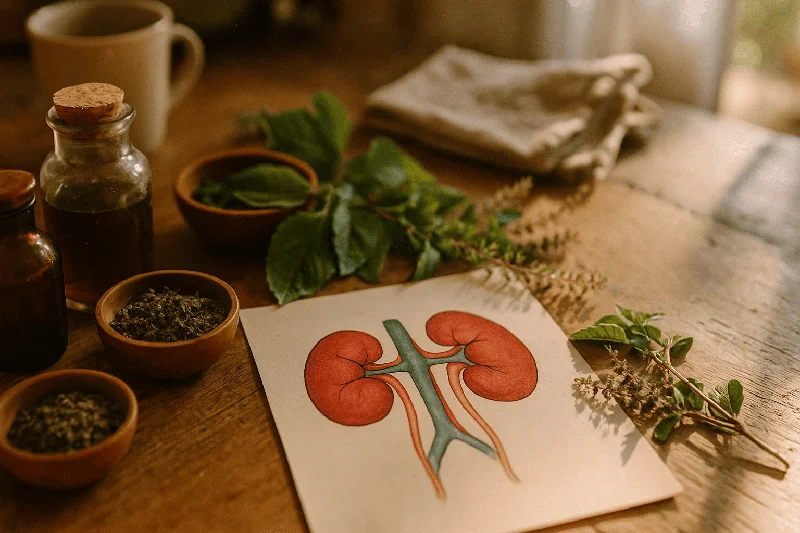
- High creatinine in your blood usually means your kidneys aren't filtering waste as well as they should. A serum creatinine level above 1.2 mg/dL in women or 1.4 mg/dL in men is generally considered elevated — and the higher the number, the greater the concern.
- But here's what most people don't realize: even a slightly raised creatinine, say 1.3 mg/dL in a 55-year-old woman, can already correspond to Stage 3 chronic kidney disease (CKD) with a GFR as low as 46 mL/min. That's why understanding what creatinine is, what's driving it up, and what you can actually do about it matters so much.
This guide covers everything — from normal ranges by age and gender, to the specific foods that help, to home remedies and their real evidence base. Whether you're a patient who just got a concerning lab report or a caregiver trying to make sense of it all, you'll find actionable, evidence-backed answers here.
What Is Creatinine and Why Does It Matter?
Creatinine is a chemical waste product generated from two sources: the normal breakdown of creatine phosphate in your muscles during everyday activity, and the digestion of dietary protein (especially red meat). Your body produces creatinine at a fairly constant rate, and healthy kidneys filter it out of the blood and excrete it through urine.
- When kidney function declines, creatinine accumulates in the bloodstream. That's why doctors use serum creatinine as a screening marker for kidney health.
- However, creatinine alone doesn't tell the full story — it's influenced by muscle mass, age, sex, diet, and even certain medications. This is why clinicians rely on a calculated value called eGFR (estimated glomerular filtration rate) for a more accurate picture.
How Is eGFR Calculated?
The most commonly used formula is the MDRD (Modification of Diet in Renal Disease) equation:
> GFR = 186 × (serum creatinine)^−1.154 × (age)^−0.203 × (0.742 if female) × (1.212 if African American)
- Newer equations like the CKD-EPI formula (updated in 2021 to remove the race coefficient) are increasingly preferred.
- The key takeaway: a creatinine of 1.3 mg/dL means very different things in a 25-year-old muscular man versus a 65-year-old petite woman. eGFR adjusts for that.
Cystatin C: A Better Marker?
The National Kidney Foundation recommends that eGFR calculated using both creatinine and cystatin C together provides the most accurate estimate of kidney function. Cystatin C is a protein produced by all nucleated cells at a constant rate, and it's less affected by muscle mass than creatinine. If your doctor suspects your creatinine might be misleading (for example, if you're very muscular or very thin), a cystatin C test can clarify things.
Normal Creatinine Levels by Age and Gender
One of the biggest gaps in patient education is that most people only know one "normal range." In reality, creatinine levels vary significantly across age groups.
| Group | Normal Serum Creatinine (mg/dL) |
|---|---|
| Adult Males | 0.7 – 1.3 |
| Adult Females | 0.6 – 1.1 |
| Teenagers (12–18 years) | 0.5 – 1.0 |
| Children (3–12 years) | 0.3 – 0.7 |
| Infants (up to 3 years) | 0.2 – 0.4 |
| Elderly (60+ years) | May appear "normal" even with reduced kidney function due to decreased muscle mass |
| Pregnant Women | Typically lower (0.4 – 0.8 mg/dL) due to increased blood volume and GFR |
Is a Creatinine Level of 1.7 High?
Yes. A creatinine of 1.7 mg/dL is above the normal range for both men and women. In a middle-aged male, this could correspond to an eGFR of roughly 45–55 mL/min — already placing them in Stage 3a CKD. In a woman of the same age, the same creatinine implies even lower kidney function. Don't wait. See a nephrologist.
Creatinine in Pregnancy
During pregnancy, blood volume increases by up to 50%, which dilutes creatinine and boosts GFR. So normal serum creatinine in a pregnant woman drops to around 0.4–0.8 mg/dL. A value of 1.0 mg/dL during pregnancy, which would be "normal" in a non-pregnant woman, may actually signal impaired kidney function and warrants immediate investigation.
Creatinine in Children and the Elderly
- In children, creatinine is naturally lower because of less muscle mass.
- Don't apply adult reference ranges to pediatric patients — a creatinine of 1.0 in a 7-year-old is a red flag, not reassurance. In the elderly, muscle mass declines with age, which means creatinine production drops. An elderly patient can have a "normal-looking" creatinine of 1.1 mg/dL but an eGFR of only 50. This is why relying on creatinine alone in older adults is genuinely dangerous.

What Causes High Creatinine?
The causes range from temporary and easily fixable to chronic and serious. Understanding the underlying reason determines the treatment approach entirely.
Kidney-Related Causes
- Chronic Kidney Disease (CKD): The most common cause. Diabetes and hypertension account for roughly 70% of CKD cases worldwide. The kidneys lose filtering capacity gradually over months to years.
- Acute Kidney Injury (AKI): Sudden kidney damage from severe infection, dehydration, drug toxicity (e.g., NSAIDs, aminoglycosides), or urinary tract obstruction. Creatinine can spike rapidly within days.
- Glomerulonephritis: Inflammation of the kidney's filtering units. Often presents with blood in urine, foamy urine, and elevated creatinine.
- Pyelonephritis: Kidney infection that can temporarily — or permanently — impair function.
- Urinary Tract Obstruction: Kidney stones, enlarged prostate, or tumors blocking urine flow cause back-pressure that raises creatinine.
Non-Kidney Causes
- Dehydration: Reduced blood flow to kidneys concentrates creatinine. Often the simplest cause to fix.
- High-Protein Diet: Eating excessive amounts of red meat or protein supplements increases creatinine production. Studies show that a single cooked-meat meal can temporarily raise serum creatinine by 0.2–0.3 mg/dL.
- Intense Exercise: Heavy resistance training or extreme endurance exercise causes muscle breakdown, releasing creatinine. This is usually transient.
- Creatine Supplements: Popular in fitness — creatine is metabolized to creatinine. Supplementation can raise serum creatinine without any kidney damage at all.
- - Medications That Raise Creatinine Without Harming Kidneys: This is a crucial and commonly misunderstood point. Certain drugs block the tubular secretion of creatinine, raising serum levels without actually affecting GFR.
These include:
- Trimethoprim (antibiotic)
- Cimetidine (acid reducer)
- Cobicistat (HIV medication booster)
- Dolutegravir (HIV treatment)
- Fenofibrate (cholesterol medication)
- Ritonavir (HIV protease inhibitor)
If your creatinine rose after starting one of these, tell your doctor — it may not indicate real kidney damage.
Systemic Conditions
- Uncontrolled Diabetes: High blood sugar damages the delicate blood vessels in the kidneys over time (diabetic nephropathy).
- Hypertension: Chronically elevated blood pressure strains renal arteries and accelerates kidney deterioration.
- Heart Failure: Poor cardiac output reduces blood flow to the kidneys, impairing filtration.
- Rhabdomyolysis: Severe muscle breakdown (from trauma, statins, or extreme exercise) floods the blood with creatinine and myoglobin simultaneously.
High Creatinine Symptoms: When to Worry
- Mildly elevated creatinine often causes no symptoms at all.
- This is exactly what makes it dangerous — kidney disease can progress silently for years. Symptoms typically appear when kidney function drops below 25–30% of normal capacity.
General Warning Signs
- Persistent fatigue and weakness
- Swelling in feet, ankles, face, or around the eyes (edema)
- Changes in urination — frequency, color, foamy urine, blood in urine, decreased output
- Shortness of breath (fluid buildup in lungs)
- Nausea, vomiting, loss of appetite
- Muscle cramps, especially at night
- Itchy skin (uremic pruritus)
- Metallic taste in mouth
- Difficulty concentrating or mental fogginess
Symptoms of High Creatinine in Females
Women may experience additional or more pronounced symptoms including:
- Recurrent urinary tract infections that worsen kidney function
- Swelling more noticeable in the face and hands (particularly morning puffiness)
- Anemia-related fatigue (women are more susceptible to CKD-related anemia)
- Menstrual irregularities in advanced kidney disease
Symptoms by Underlying Condition
| Condition | Distinctive Symptoms |
|---|---|
| Drug Toxicity | Sudden creatinine rise after starting new medication, oliguria |
| Pyelonephritis | Fever, flank pain, burning urination, cloudy urine |
| Glomerulonephritis | Foamy urine, cola-colored urine, facial swelling |
| Diabetic Nephropathy | Gradual onset, concurrent high blood sugar, microalbuminuria |
| Heart Failure | Breathlessness on exertion, fluid retention, reduced exercise tolerance |
| Urinary Obstruction | Difficulty urinating, dribbling, lower abdominal pain, sudden anuria |
| Advanced Kidney Failure | Ammonia breath, confusion, seizures, severe itching, easy bruising |
When to See a Doctor Immediately
Seek urgent medical attention if you experience:
- Creatinine suddenly rising above 2.0 mg/dL
- Producing very little or no urine for 12+ hours
- Severe swelling with shortness of breath
- Confusion, chest pain, or seizures
- Persistent vomiting with inability to stay hydrated
What Is a Creatinine Test and How Is It Done?
Serum Creatinine Blood Test
A simple blood draw from a vein, usually in your arm. Results are typically available within hours. No special fasting is required in most labs, though some doctors recommend avoiding heavy meat consumption and strenuous exercise for 24 hours before the test to avoid temporary spikes.
24-Hour Urine Creatinine Collection
- You collect all urine produced over a 24-hour period in a special container.
- This test measures creatinine clearance — how much creatinine your kidneys actually remove from blood over a day. It's more accurate than a single blood test but obviously less convenient.
Urine Albumin-to-Creatinine Ratio (UACR)
This spot urine test measures the ratio of albumin (a protein that leaks into urine when kidneys are damaged) to creatinine. A UACR above 30 mg/g indicates albuminuria and possible early kidney damage — sometimes even before serum creatinine rises. It's especially important for screening in diabetic patients.
BUN-to-Creatinine Ratio
- Blood urea nitrogen (BUN) is another waste marker filtered by kidneys. Comparing BUN to creatinine helps differentiate between causes.
- A BUN:creatinine ratio above 20:1 suggests dehydration, gastrointestinal bleeding, or a high-protein diet rather than intrinsic kidney disease.
CKD Stages: What Your Creatinine and GFR Actually Mean
Most patients hear "your creatinine is high" but aren't told what stage of kidney disease that translates to.
Here's the complete picture:
| CKD Stage | GFR (mL/min/1.73m²) | Kidney Function | What It Means |
|---|---|---|---|
| Stage 1 | ≥ 90 | Normal or high | Kidney damage present (e.g., protein in urine) but GFR is still normal |
| Stage 2 | 60 – 89 | Mildly decreased | Mild loss of function; usually no symptoms |
| Stage 3a | 45 – 59 | Mild to moderate decrease | Often the stage when creatinine first looks "abnormal" |
| Stage 3b | 30 – 44 | Moderate to severe decrease | Complications like anemia, bone disease begin |
| Stage 4 | 15 – 29 | Severely decreased | Preparation for dialysis or transplant begins |
| Stage 5 | < 15 | Kidney failure | Dialysis or transplant needed to survive |
A real clinical example: A 55-year-old woman with diabetes and hypertension has a serum creatinine of just 1.3 mg/dL. Sounds barely elevated, right? But when you plug her numbers into the MDRD formula, her eGFR comes out at only 46 mL/min — that's Stage 3b CKD. This case, published in a PMC clinical review, illustrates perfectly why creatinine alone can be dangerously misleading.

How to Lower Creatinine Levels: Treatment and Management
Medical Treatment
The treatment depends entirely on the underlying cause:
- ACE Inhibitors or ARBs (e.g., ramipril, losartan): These are the cornerstone medications for slowing CKD progression. They reduce pressure within kidney filtering units and decrease proteinuria. Target blood pressure for CKD patients is ≤130/80 mmHg.
- Diabetes Management: Tight blood sugar control with HbA1c target of <7% slows diabetic nephropathy. SGLT2 inhibitors (like dapagliflozin) have shown kidney-protective benefits beyond glucose lowering in landmark trials like DAPA-CKD (2020).
- Lipid Control: Statins reduce cardiovascular risk, which is the leading cause of death in CKD patients.
- Anemia Treatment: Erythropoiesis-stimulating agents (ESAs) and iron supplements for CKD-related anemia.
- Dialysis: When GFR drops below 15 mL/min and symptoms become unmanageable, dialysis takes over the filtering function of the kidneys.
Can Drinking Water Lower Creatinine Levels?
Yes — but only if dehydration is the cause. Adequate hydration (typically 8–10 glasses daily for most adults) helps kidneys flush creatinine efficiently. However, if you have advanced CKD with fluid retention, too much water can be harmful. Always check with your nephrologist about your specific fluid allowance. For mild, dehydration-related creatinine elevations, rehydration can normalize levels within 24–72 hours.
Specific Foods That Help Lower Creatinine
No other guide gives you a concrete, actionable food list — so here it is:
Foods to Include:
- Cabbage, cauliflower, bell peppers, garlic, onions — low in potassium and phosphorus, kidney-friendly
- Red grapes and blueberries — rich in antioxidants (resveratrol, anthocyanins) that reduce inflammation
- Egg whites — high-quality protein with less phosphorus than egg yolks or meat
- Olive oil — anti-inflammatory fat source, phosphorus-free
- Fish (in moderation) — omega-3 fatty acids reduce kidney inflammation; a 2012 meta-analysis in the American Journal of Kidney Diseases found omega-3 supplementation modestly reduced proteinuria
- Cucumber and watermelon — high water content supports hydration
- Fiber-rich foods (oats, apples) — a 2014 study in the European Journal of Clinical Nutrition showed high fiber intake was associated with reduced serum creatinine and lower inflammation markers in CKD patients
Foods to Avoid or Limit:
- Red meat and processed meat (highest dietary creatinine source)
- High-sodium foods (pickles, canned soups, processed snacks) — worsen blood pressure and fluid retention
- High-potassium foods if your potassium is already elevated (bananas, oranges, potatoes, tomatoes)
- High-phosphorus foods (dairy, cola drinks, processed cheese, nuts in excess)
- Excessive protein — CKD patients generally benefit from limiting protein to 0.6–0.8 g/kg body weight/day under dietitian guidance
Natural and Home Remedies: What Actually Works?
This is the section people search for most — and where misinformation is rampant.
Here's an honest, evidence-based look:
| Remedy | Evidence | Verdict |
|---|---|---|
| Chamomile tea | A 2015 study in Journal of Renal Nutrition showed mild diuretic properties in animal models | Weak evidence; safe but don't rely on it alone |
| Cinnamon (Cinnamomum) | Some animal studies show improved GFR and antioxidant effects; no strong human trials for CKD | Possibly helpful as dietary addition; not a treatment |
| Sage (Salvia officinalis) | Traditional use for kidney support; a small 2011 study showed antioxidant effects | Insufficient evidence for creatinine reduction |
| Chitosan supplements | A 2014 randomized trial showed modest reduction in urea and creatinine in CKD patients | Promising but limited; needs more research |
| Probiotics | A 2019 meta-analysis in Nephrology Dialysis Transplantation found that specific probiotic strains reduced uremic toxins in CKD patients | Moderate evidence; worth discussing with your doctor |
| Astragalus (Huang Qi) | Used in Traditional Chinese Medicine; several Chinese trials show reduced proteinuria when added to conventional treatment | Moderate evidence from Chinese studies; quality varies |
| Vitamin B1 (Thiamine) | Thiamine deficiency is common in CKD; a 2010 pilot study showed supplementation reduced microalbuminuria in diabetic patients | Supportive role; check with doctor |
| Vitamin D | Vitamin D deficiency is near-universal in CKD; supplementation is standard of care to prevent bone disease | Strong evidence for supplementation in CKD — but for bone health, not directly for creatinine |
| Punarnava (Boerhavia diffusa) — Ayurvedic herb | Animal studies show diuretic and nephroprotective properties; used in traditional Ayurvedic kidney treatment | Traditional use strong; clinical evidence limited |
| Reducing creatine supplementation | Directly reduces creatinine production | Obvious and effective if you're taking creatine |
- Bottom line: No natural remedy can substitute for medical treatment of kidney disease. Some show genuine promise as complementary approaches.
- Always inform your doctor about any supplements — some herbs can actually harm kidneys or interact with medications.
How Quickly Can Creatinine Levels Drop?
This is a question nobody else answers, and it's what every patient wants to know after seeing alarming lab results.
| Cause of Elevation | Expected Timeline for Improvement |
|---|---|
| Dehydration | 24–72 hours with adequate rehydration |
| Post-intense exercise | 2–5 days with rest |
| Medication-induced (tubular secretion blockade) | 1–2 weeks after stopping the drug |
| Creatine supplement use | 2–4 weeks after discontinuation |
| Acute kidney injury (if reversible) | 1–3 weeks once the cause is treated |
| Urinary obstruction (after relief) | Days to weeks; depends on duration of obstruction |
| Chronic kidney disease | Months to years — CKD is often irreversible; goal is to slow progression, not "cure" |
| Dietary changes (reducing protein/meat) | 2–4 weeks to see measurable change |
Critical point: If your creatinine has been elevated for more than 3 months, it's classified as chronic kidney disease by definition. The focus shifts from "lowering creatinine" to "preserving remaining kidney function." A 2019 study in Kidney International confirmed that early intervention with ACE inhibitors and lifestyle modifications can slow GFR decline by up to 30–40% over 5 years.
Strategies to Slow CKD Progression
For those already diagnosed with chronic kidney disease, the evidence-based approach to slowing deterioration includes:
- 1.Blood pressure control to ≤130/80 mmHg — ACE inhibitors (enalapril, ramipril) or ARBs (losartan, telmisartan) are first-line
- 2.Blood sugar control (HbA1c < 7%) — SGLT2 inhibitors now recommended even in non-diabetic CKD (based on DAPA-CKD and EMPA-KIDNEY trials)
- 3.Protein restriction — 0.6–0.8 g/kg/day under dietitian supervision
- 4.Lipid management — statins for cardiovascular protection
- 5.Smoking cessation — smoking accelerates CKD progression by 30–50%
- 6.NSAID avoidance — ibuprofen, diclofenac, and similar drugs are directly nephrotoxic
- 7.Regular monitoring — creatinine and eGFR every 3–6 months; UACR annually at minimum
- 8.Referral to nephrologist — recommended when eGFR falls below 30 mL/min or at any stage if there's rapid decline (GFR drop >5 mL/min/year)
Frequently Asked Questions
What happens if your creatinine is high?
- High creatinine indicates that your kidneys may not be filtering waste effectively. If left untreated, the underlying cause can progress to kidney failure requiring dialysis or transplant.
- However, not all elevated creatinine is dangerous — dehydration, exercise, supplements, and certain medications can cause temporary increases. The key is getting your eGFR calculated and identifying the cause.
How to fix high creatinine levels?
The approach depends on the cause. For temporary elevations, rehydration, rest, and dietary changes may be sufficient. For CKD, treatment focuses on controlling blood pressure (target ≤130/80), managing diabetes, taking prescribed ACE inhibitors or ARBs, limiting dietary protein and sodium, and avoiding nephrotoxic medications. Advanced cases may require dialysis.
Is a creatinine level of 1.7 high?
Yes. A level of 1.7 mg/dL is above the normal range for both men and women. Depending on your age, sex, and muscle mass, this could correspond to an eGFR between 35–55 mL/min, placing you in Stage 3 CKD. Consult a nephrologist promptly for further evaluation.
What is high creatinine in urine?
High creatinine in urine (measured via 24-hour collection) can actually be normal — it means your kidneys are effectively clearing creatinine. However, a very high urine creatinine combined with low serum creatinine might indicate increased muscle turnover. The clinical context matters, and your doctor interprets both values together.
Are there any risks to the creatinine test?
- The test itself is extremely safe. A blood draw carries minimal risk of bruising, minor pain at the puncture site, or very rarely, infection.
- The 24-hour urine collection carries no physical risk — just the inconvenience of collecting every drop of urine for a full day.
What is the urine albumin-to-creatinine ratio used for?
UACR detects early kidney damage by measuring albumin leakage into urine. A UACR above 30 mg/g suggests kidney damage, even if your serum creatinine and eGFR appear normal. It's especially critical for monitoring diabetic patients, as diabetic nephropathy often begins with microalbuminuria before creatinine rises.
Can Ayurvedic treatments help with high creatinine?
- Ayurvedic herbs like Punarnava (Boerhavia diffusa), Gokshura (Tribulus terrestris), and Varuna (Crataeva nurvala) have traditional use in kidney support, and some animal studies show nephroprotective properties. However, robust clinical trials are lacking.
- Use Ayurvedic treatments alongside — never instead of — conventional medical care. Always inform your nephrologist about any herbal supplements, as some can interact with medications or even worsen kidney function.
The Bottom Line: Act Early, Act Smart
High creatinine is not a disease — it's a signal. Sometimes that signal means you just need to drink more water or ease up on the protein shakes. Other times, it's an early warning of serious kidney disease that demands aggressive medical intervention.
The single most important thing you can do? Don't ignore it. A 2021 global analysis published in The Lancet estimated that over 850 million people worldwide have some form of kidney disease, and the majority remain undiagnosed until it's too late for early intervention.
Get your eGFR calculated (not just creatinine), identify the underlying cause, work with a qualified nephrologist, and make the dietary and lifestyle changes that are proven to slow progression. Your kidneys can't regenerate once significant damage is done — but with early action, you can preserve what you have for decades to come.
If your creatinine came back high on a recent test, schedule an appointment with a nephrologist this week. Early intervention is the single greatest predictor of long-term kidney health.
Scientific Sources
- Predictors of encephalitis in children with scrub typhus-associated acute febrile illness — Srivastava N et al., 2025, Acta tropica
- Impact of new definitions of pre-eclampsia on incidence and performance of first-trimester screening — Khan N et al., 2020, Ultrasound in obstetrics & gynecology : the official journal of the International Society of Ultrasound in Obstetrics and Gynecology
- Renoprotective effect of febuxostat on contrast-induced acute kidney injury in chronic kidney disease patients stage 3: randomized controlled trial — Sarhan II et al., 2023, BMC nephrology
- Nomogram for predicting disseminated intravascular coagulation in heatstroke patients: A 10 years retrospective study — Zeng Q et al., 2023, Frontiers in medicine
- Association of serum high creatinine-to-albumin ratio with increased 1-year mortality in older patients following hip fracture surgery — Jin P et al., 2026, Frontiers in medicine
- The use of emergency laparoscopy for acute abdomen in the elderly: the FRAILESEL Italian Multicenter Prospective Cohort Study — Costa G et al., 2020, Updates in surgery
- Impact of Pre-Revascularization and Post-Revascularization Cardiac Arrest on Survival Prognosis in Patients With Acute Myocardial Infarction and Following Emergency Percutaneous Coronary Intervention — Zhou C et al., 2021, Frontiers in cardiovascular medicine
आयुर्वेदिक डॉक्टर से एक प्रश्न पूछें और मुफ़्त या सशुल्क मोड में अपनी चिंता की समस्या पर ऑनलाइन परामर्श प्राप्त करें।
2,000 से अधिक अनुभवी डॉक्टर हमारी साइट पर काम करते हैं और आपके प्रश्नों की प्रतीक्षा करते हैं और प्रतिदिन उपयोगकर्ताओं को उनकी स्वास्थ्य समस्याओं को हल करने में मदद करते हैं।
संबंधित आलेख