आयुर्वेदिक डॉक्टर से प्रश्न पूछें और निःशुल्क या भुगतान मोड में अपनी चिंता की समस्या पर ऑनलाइन परामर्श प्राप्त करें। 2,000 से अधिक अनुभवी डॉक्टर हमारी साइट पर काम करते हैं और आपके प्रश्नों का इंतजार करते हैं और उपयोगकर्ताओं को उनकी स्वास्थ्य समस्याओं को हल करने में प्रतिदिन मदद करते हैं।


Body DetoxEar, Nose, and Throat DisordersGeriatrics & RejuvenationImmunodeficiencyInfertility TreatmentNutritionOrthopedic DisordersPediatricsRespiratory DisordersSexually Transmitted Diseases (STDs)Surgery RecoveryUrological DisordersVascular DisordersDental DisordersEndocrinological DisordersGastrointestinal DisordersYoga TherapyGeneral MedicineAllergic DisordersCardio DisordersGynecology and ObstetricsCosmetologySkin and Hair DisordersEye DisordersInfectious DiseasesMental DisordersNeurological DisordersOncologyPanchakarmaSexual Health & DisordersSports Medicine
पर प्रकाशित 02/28/25
(को अपडेट 08/14/26)
3,778
Ritu Haritaki – Ayurvedic Remedy for Digestive Health and Detoxification
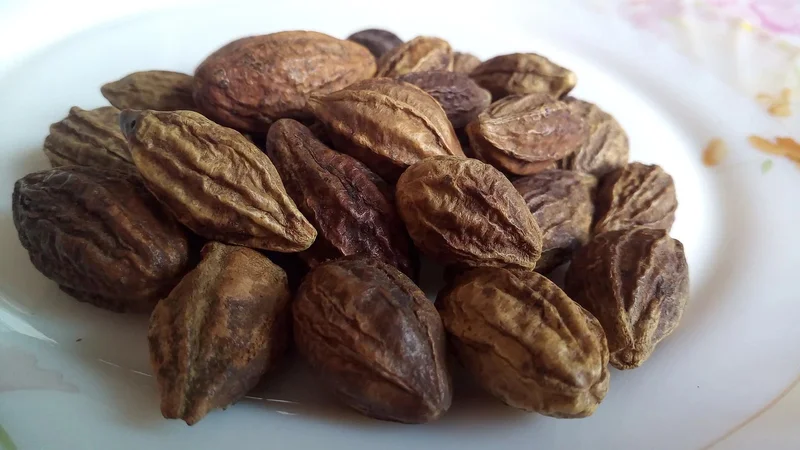
Ritu Haritaki is the Ayurvedic practice of consuming Haritaki (Terminalia chebula) with a specific adjuvant (anupana) matched to each of the six Indian seasons (Ritu). This seasonal protocol, rooted in texts like Charaka Samhita and Bhavaprakasha, is designed to balance the Tridosha, strengthen Agni (digestive fire), and act as a year-round Rasayana (rejuvenation therapy). Unlike taking Haritaki in a single, unchanging way, Ritu Haritaki adapts the companion ingredient — honey in spring, rock salt in monsoon, ginger in early winter, and so on — to counteract the specific dosha imbalances that each season triggers. Its the Ayurvedic answer to seasonal preventive healthcare.
In this comprehensive guide, we'll cover exactly what Ritu Haritaki is, the science behind it, the precise protocol for all six seasons (with a ready-to-use table), its researched benefits, proper dosage instructions, contraindications, and much more. Whether you're an Ayurvedic practitioner, a BAMS student, or simply someone looking to integrate this ancient wisdom into daily life — this article is your one-stop resource.
What Is Ritu Haritaki?
Definition and Meaning
- The term "Ritu Haritaki" comes from two Sanskrit words: Ritu (season) and Haritaki (Terminalia chebula, also known as the "King of Medicines" in Ayurveda).
- The concept is straightforward yet profound — consume Haritaki powder along with a season-specific companion substance throughout the year, and you create a continuous shield of health that adapts to environmental changes.
Haritaki itself is one of the three fruits in the famous Triphala formulation. But what sets Ritu Haritaki apart from simply taking Haritaki is the anupana — the vehicle or adjuvant that changes every two months according to the prevailing season. This anupana is carefully chosen to counteract the dosha that is either accumulating (Chaya) or getting aggravated (Prakopa) during that particular season.
Origins in Classical Ayurvedic Texts
The concept of Ritu Haritaki is documented across multiple classical Ayurvedic texts, establishing it as a well-validated practice rather than folk remedy:
- Charaka Samhita (Chikitsa Sthana, Chapter 1) — describes Haritaki as among the foremost Rasayana drugs and mentions its seasonal use for longevity.
- Bhavaprakasha Nighantu — provides the specific shloka detailing which anupana to use in each Ritu.
- Ashtanga Hridaya and Laghutrayi texts — elaborate on the relationship between seasons, dosha cycles, and Haritaki's role.
The famous Ritu Haritaki shloka from Bhavaprakasha states the complete seasonal protocol in verse form, which has been the primary reference for Ayurvedic physicians for centuries.
Why Haritaki Is Called "The Mother of Herbs"
- There's a beautiful metaphor in Ayurvedic literature: Haritaki is compared to a mother. Just as a mother nourishes, protects, and cares for her family unconditionally, Haritaki nourishes and protects the body in every possible way.
- This isn't just poetic language — its rooted in the herb's extraordinary pharmacological profile.
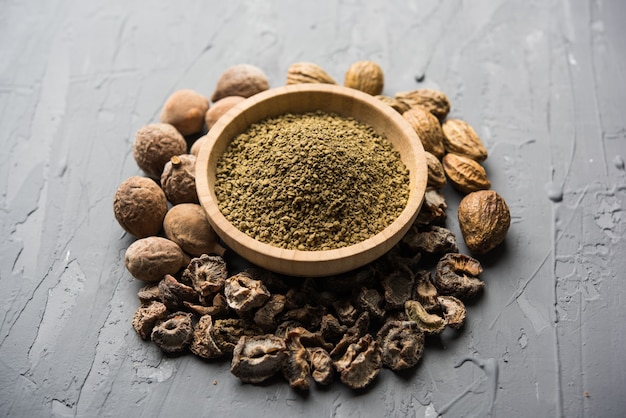
Haritaki possesses five of the six tastes (Rasa) — Madhura (sweet), Amla (sour), Katu (pungent), Tikta (bitter), and Kashaya (astringent). The only taste it lacks is Lavana (salty), with Kashaya (astringent) being predominant. This near-complete Rasa profile is why Haritaki can pacify all three doshas — a property that very few single herbs can claim.
The Ayurvedic Science Behind Ritu Haritaki
Ritu (Seasons) and Their Impact on Tridosha
Ayurveda divides the year into six seasons (Shad Ritu), each lasting approximately two months. These seasons directly influence the balance of Vata, Pitta, and Kapha in the body:
| Season (Ritu) | Approximate Months (Gregorian) | Dosha Behavior |
|---|---|---|
| Shishira (Late Winter) | Mid-Jan to Mid-Mar | Kapha Chaya (accumulation) |
| Vasanta (Spring) | Mid-Mar to Mid-May | Kapha Prakopa (aggravation) |
| Greeshma (Summer) | Mid-May to Mid-Jul | Vata Chaya, Pitta accumulation |
| Varsha (Monsoon/Rainy) | Mid-Jul to Mid-Sep | Vata Prakopa (aggravation) |
| Sharad (Autumn) | Mid-Sep to Mid-Nov | Pitta Prakopa (aggravation) |
| Hemanta (Early Winter) | Mid-Nov to Mid-Jan | Vata Shamana, Kapha begins |
Note: These dates are approximate and can vary slightly based on geographical location within India. The traditional Indian Panchanga calendar provides more precise seasonal boundaries.
The Role of Agni (Digestive Fire) in Seasonal Health
Agni — the digestive and metabolic fire — fluctuates significanly with the seasons. In winter (Hemanta and Shishira), Agni is naturally strong because the body needs more energy to maintain core temperature. In monsoon (Varsha), Agni becomes weak, leading to poor digestion and increased susceptibility to disease.
- Ritu Haritaki works primarily by optimizing Agni in every season. Haritaki is classified as Deepana (appetizer) and Pachana (digestive), meaning it both kindles digestive fire and helps process accumulated toxins (Ama).
- The season-specific anupana further fine-tunes this effect — for instance, Shunthi (ginger) in Hemanta amplifies Agni when the body's demands are highest, while honey in Vasanta helps liquify and expel accumulated Kapha without overheating the system.
Concept of Chaya (Accumulation) and Prakopa (Aggravation)
One of the most elegant frameworks in Ayurveda is the dosha cycle across seasons.
Each dosha goes through three phases:
- 1.Chaya (Accumulation) — the dosha quietly builds up
- 2.Prakopa (Aggravation) — the dosha becomes actively disturbed, causing symptoms
- 3.Prashama (Natural pacification) — the dosha settles down on its own
Ritu Haritaki intervenes at the Chaya stage itself — before the dosha gets a chance to become aggravated. This is what makes it a preventive therapy rather than a curative one. By the time you experience symptoms (Prakopa stage), significantly more intervention is needed. The genius of Ritu Haritaki lies in its proactive approach.
Rasayana (Rejuvenation) Properties of Haritaki
- Haritaki is classified as one of the premier Rasayana drugs in Ayurveda.
- Rasayana literally means "the path of essence" — therapies that nourish tissues at the deepest level, enhance immunity (Vyadhikshamatva), slow aging, and promote longevity.
The Rasayana effect of Haritaki becomes significantly amplified when used seasonally with appropriate anupana. This is because the body's receptivity to Rasayana changes with seasons. A Rasayana given in the wrong season or with the wrong adjuvant may not be absorbed properly. Ritu Haritaki solves this by ensuring optimal bioavailability in every season.
Ritu Haritaki for All 6 Seasons: Complete Anupana Guide
This is the heart of the Ritu Haritaki protocol.
Here's the detailed breakdown for each season:
Complete Seasonal Protocol Table
| Season (Ritu) | Gregorian Months (Approx.) | Anupana (Adjuvant) | Target Dosha | Key Benefit |
|---|---|---|---|---|
| Shishira (Late Winter) | Mid-Jan – Mid-Mar | Pippali (Long Pepper) | Kapha accumulation | Stimulates metabolism, counters cold and congestion |
| Vasanta (Spring) | Mid-Mar – Mid-May | Madhu (Honey) | Kapha aggravation | Liquifies and expels excess Kapha, reduces allergies |
| Greeshma (Summer) | Mid-May – Mid-Jul | Guda (Jaggery) | Vata accumulation | Provides energy, prevents dehydration-related Vata increase |
| Varsha (Monsoon) | Mid-Jul – Mid-Sep | Saindhava Lavana (Rock Salt) | Vata aggravation | Balances electrolytes, counters weak digestion |
| Sharad (Autumn) | Mid-Sep – Mid-Nov | Sharkara (Sugar/Mishri) | Pitta aggravation | Cools the system, pacifies residual Pitta |
| Hemanta (Early Winter) | Mid-Nov – Mid-Jan | Shunthi (Dry Ginger) | Strengthening Agni | Boosts strong digestion, builds tissue strength |
Shishira Ritu – Pippali (Long Pepper)
Late winter is cold and dry, with Kapha beginning to accumulate in the body. Pippali (Piper longum) is a potent bioavailability enhancer and bronchodilator. Combined with Haritaki, it prevents respiratory congestion, stimulates weakened peripheral circulation, and keeps the metabolic rate high. Pippali itself is a renowned Rasayana, so this combination delivers a double rejuvenation effect.
Vasanta Ritu – Madhu (Honey)
- Spring brings warmth that starts melting the Kapha accumulated during winter. This liquified Kapha can cause allergies, sinus congestion, sluggishness, and spring fevers.
- Honey is Kapha-reducing by nature — it is Ruksha (dry), Lekhana (scraping), and mildly heating. Mixed with Haritaki powder, honey helps the body expel excess Kapha efficiently.
- Important: Ayurveda strictly prohibits heating honey, so this should always be mixed at room temperature or slightly warm — never boiled.
Greeshma Ritu – Guda (Jaggery)
Summer heat depletes energy and body fluids, causing Vata to begin accumulating. Jaggery (unrefined cane sugar) provides quick energy, minerals like iron and magnesium, and counters the drying effect of summer heat. With Haritaki, it prevents the fatigue, muscle cramps, and constipation that often accompany this season.
Varsha Ritu – Saindhava Lavana (Rock Salt)
- The monsoon season is perhaps the most disease-prone period. Agni becomes markedly weak, Vata gets aggravated, and waterborne and vector-borne diseases spike dramatically.
- Epidemiological data from Kerala alone shows the scale: approximately 2,862,375 cases of fever, 4,651 cases of dengue, and 544,027 cases of diarrheal diseases have been reported during monsoon seasons. Saindhava (rock salt) is the only salt considered tridoshic in Ayurveda — it improves appetite, aids digestion, and balances electrolytes without aggravating Pitta. With Haritaki, it forms a powerful digestive and protective combination during this vulnerable period.
Sharad Ritu – Sharkara (Sugar/Mishri)
Autumn carries residual Pitta from summer that now gets aggravated. This manifests as acidity, skin rashes, inflammatory conditions, and heat-related disorders. Sharkara (crystallized sugar or Mishri) has a cooling Virya that directly pacifies Pitta. Combined with Haritaki, it cools the system while maintaining digestive efficiency — a balance that's hard to achieve with other single interventions.
Hemanta Ritu – Shunthi (Dry Ginger)
Early winter is when Agni is naturally at its strongest. The body craves more food, and digestion is robust. Shunthi (Zingiber officinale, dried ginger) further strengthens this naturally high Agni, ensuring maximum nutrient absorption and tissue building. This is the optimal time for Brimhana (nourishing) therapies, and Haritaki with Shunthi supports the body in building reserves for the challenging seasons ahead.
What Does Haritaki Do for Your Body? Key Benefits and Research
Pharmacological Properties
Modern research has validated many of Haritaki's traditional claims.
Key pharmacological properties include:
- Antibacterial — effective against multiple gram-positive and gram-negative bacteria
- Antifungal — demonstrated activity against Candida species and dermatophytes
- Antiviral — shows inhibitory effects on certain viral strains
- Antioxidant — rich in polyphenols, gallic acid, chebulic acid, and tannins that neutralize free radicals
- Anti-inflammatory — inhibits pro-inflammatory cytokines and mediators
- Immunomodulatory — enhances both cell-mediated and humoral immune responses
- Hepatoprotective — protects liver cells from hepatotoxicity induced by drugs and environmental toxins
- Antidiabetic — chebulinic acid has been shown to increase insulin secretion and improve glucose control
Clinical Research on Ritu Haritaki
One of the most significant studies on Ritu Haritaki was an open-label randomized controlled trial (RCT) with 60 participants, which evaluated the practice over multiple seasons.
The results were striking:
- Reduction in frequency and severity of common cold and fever achieved statistical significance at p < 0.001
- Reduction in cough and improvements in hematological parameters (TLC, DC, ESR) were significant at p < 0.05
- Quality of life, measured using the WHO QOL-BREF instrument, showed meaningful improvement in the Ritu Haritaki group compared to controls
These aren't marginal results. A p-value of less than 0.001 is considered highly significant in clinical research, suggesting that the seasonal Haritaki protocol genuinely reduces the burden of common seasonal illnesses.
Detoxification and Nutrient Absorption
Haritaki promotes detoxification through a dual mechanism. First, it acts as a mild laxative (Mridu Virechana) that cleanses the gastrointestinal tract of accumulated waste and Ama (metabolic toxins). Second, by cleaning the intestinal lining, it significantly improves the absorption of nutrients from food. This is why Haritaki is often described as a "metabolic accelerator" — it doesn't just remove waste, it makes the entire digestive system more efficient at extracting nutrition.
How to Use Ritu Haritaki: Step-by-Step Dosage Guide
This is where most resources fall short.
Here's a practical, detailed protocol:
Standard Dosage
- Haritaki Churna (powder): 3–5 grams (approximately ½ to 1 teaspoon)
- Anupana quantity: varies by type — generally 1-2 teaspoons of honey, a small piece of jaggery (5-7 grams), a pinch of rock salt (1-2 grams), 1-2 teaspoons of sugar, or 1-2 grams of dry ginger powder or Pippali powder
- Time of intake: Ideally in the morning, on an empty stomach, or after a light meal. Some practitioners recommend evening intake for those with primarily Vata constitution
- Duration: Continuously throughout the year, changing the anupana at each seasonal transition
- Preparation: Mix Haritaki churna with the season-appropriate anupana. For honey, mix directly. For jaggery, you can dissolve it in warm water and add Haritaki. For ginger and Pippali, mix the powders together and take with warm water
Adjustments by Prakriti (Constitution)
While the basic protocol remains the same for everyone, individuals can fine-tune based on their body constitution:
Vata Prakriti Individuals
May benefit from slightly higher doses of jaggery in Greeshma and rock salt in Varsha. Can add a few drops of sesame oil to the preparation during Varsha and Shishira for extra Vata pacification.
Pitta Prakriti Individuals
Should be conservative with Pippali and Shunthi doses, as these are heating. May extend the Sharkara (sugar) period slightly if autumn is particularly hot in their region.
Kapha Prakriti Individuals
Can increase Pippali and honey quantities slightly. Should use less jaggery and sugar. May benefit from adding a pinch of Trikatu during Hemanta and Shishira.
स्वयं दवा न लें और प्रतीक्षा न करें। अभी डॉक्टर से चैट शुरू करें
Which Type of Haritaki Is Best?
Classical Ayurvedic texts describe seven varieties of Haritaki based on the region of growth, shape, and therapeutic potency:
- 1.Vijaya — considered the best for general therapeutic use; gourd-shaped
- 2.Rohini — round in shape; best for healing wounds
- 3.Putana — small with a large seed; used for external application (Lepa)
- 4.Amrita — fleshy; excellent for Shodhana (purification/Panchakarma)
- 5.Abhaya — five-ridged; used for eye diseases (Netra Roga)
- 6.Jivanti — golden-yellow; best for all diseases in general
- 7.Chetaki — used as a purgative (Virechana)
For Ritu Haritaki specifically, Vijaya Haritaki is traditionally preferred because of its all-round therapeutic superiority. When purchasing, look for Haritaki sourced from the Vindhya mountain range region, which is classically considered the best growing area.
Buying Guide: Forms and Quality Standards
- Churna (Powder): Most traditional and recommended form for Ritu Haritaki. Allows easy mixing with anupana
- Tablets/Vati: Convenient but harder to mix with specific anupanas; better for travel
- Capsules: Modern form, suitable for those who cannot tolerate the taste
- Whole Fruit: Can be powdered at home for maximum freshness
Quality indicators to check: Look for GMP-certified products, check for FSSAI certification in India, prefer organic sourcing, and verify that the product contains pure Haritaki without fillers. The powder should have a characteristic brownish-yellow color and a distinctly astringent taste.
Contraindications and Side Effects
This is a critical section that most resources on Ritu Haritaki overlook. Despite being a Rasayana, Haritaki is not suitable for everyone in all conditions:
Who Should Avoid Ritu Haritaki
- Pregnant and lactating women — Haritaki has mild purgative properties that may not be safe during pregnancy
- Severely debilitated or emaciated individuals (Karshya) — the detoxifying action can further deplete an already weakened body
- People experiencing acute dehydration — Haritaki is Ruksha (dry) by nature and can worsen fluid depletion
- Children under 5 years — dosage standardization is difficult, and the strong taste may cause vomiting
- During fasting or extreme dieting — Haritaki stimulates digestion; without adequate food, it can aggravate Vata
- People with acute diarrhea — though Haritaki helps chronic digestive issues, in acute diarrhea it may worsen the condition due to its laxative property
- Post-surgical patients — should consult their Ayurvedic physician before starting
Drug Interactions
While there are no large-scale studies specifically on Haritaki drug interactions, theoretical concerns include:
- Diabetes medications — Haritaki may lower blood sugar; combined with antidiabetic drugs, it could cause hypoglycemia. Monitor glucose levels closely
- Blood-thinning medications — Haritaki has mild antiplatelet activity; caution is advised with Warfarin, Aspirin, and similar drugs
- Immunosuppressants — Haritaki's immunomodulatory action could theoretically interfere with immunosuppressive therapy
- Iron supplements — the tannins in Haritaki may reduce iron absorption if taken simultaneously. Maintain a 2-hour gap
Always consult a qualified Ayurvedic practitioner before starting Ritu Haritaki if you are on any regular medication.
Dietary Compatibility
During a Ritu Haritaki regimen, there are no extreme dietary restrictions.
However, for optimal results:
- Avoid excessively processed, deep-fried, or very cold foods immediately after taking Haritaki
- Warm, freshly cooked meals enhance the effect
- During Varsha Ritu especially, avoid raw salads and unboiled water, as Agni is already weak
- Fasting days — skip Haritaki on days of complete fasting (Nirjala or water-only fasting)
Ritu Haritaki Benefits: A Season-by-Season Summary
Here's a consolidated view of what Ritu Haritaki delivers across the year:
| Benefit Category | Mechanism | Seasons Most Relevant |
|---|---|---|
| Prevention of seasonal infections | Immunomodulation + Dosha balance | Varsha, Vasanta, Shishira |
| Digestive optimization | Agni stimulation + Ama removal | All seasons (especially Varsha) |
| Respiratory protection | Kapha regulation + anti-inflammatory | Shishira, Vasanta |
| Metabolic enhancement | GI tract detox + nutrient absorption | All seasons |
| Anti-aging/Rejuvenation | Antioxidant + tissue nourishment | All seasons (cumulative effect) |
| Blood sugar regulation | Chebulinic acid + insulin secretion | All seasons |
| Liver protection | Hepatoprotective compounds | Sharad, Greeshma |
| Mental clarity | Medhya (nootropic) properties | Hemanta, Shishira |
The preventive impact is particularly noteworthy. The clinical trial data showing p < 0.001 for cold and fever reduction means that consistent Ritu Haritaki users experience significantly fewer sick days across the year — a benefit that compounds over time.
Frequently Asked Questions (FAQ)
What is the Ritu Haritaki shloka?
- The primary shloka is found in Bhavaprakasha Nighantu and describes the complete seasonal protocol in Sanskrit verse.
- The essence states: consume Haritaki with Pippali in Shishira, honey in Vasanta, jaggery in Greeshma, rock salt in Varsha, sugar in Sharad, and ginger in Hemanta. This shloka is widely taught in BAMS curriculum and serves as the foundational reference for practitioners.
Is there a Ritu Haritaki PDF or study I can reference?
Yes. The most cited clinical study is an open-label RCT published in peer-reviewed Ayurvedic journals and indexed on PubMed/PMC. Search for "Ritu Haritaki randomized controlled trial" on PubMed Central for the full text. Several BAMS and MD (Ayurveda) dissertations on this topic are also available through university repositories.
What is a simple trick to remember the Ritu Haritaki sequence?
A popular mnemonic among Ayurveda students is: "PM Go SS G" — Pippali (Shishira), Madhu (Vasanta), Guda (Greeshma), Saindhava (Varsha), Sharkara (Sharad), and Ginger/Shunthi (Hemanta). Another approach is to remember that the anupana always counterbalances the season's quality — cold seasons get warming anupanas, hot seasons get cooling ones.
Can I take Ritu Haritaki if I'm already using Triphala?
- Since Haritaki is already a component of Triphala, using both simultaneously may lead to an excessive dose.
- It's generally recommended to choose one or the other — not both at full dose. If you want to continue Triphala, reduce the Haritaki component proportionally, or simply switch to Ritu Haritaki for a more targeted seasonal approach.
How long does it take for Ritu Haritaki to show results?
- Most practitioners report noticeable improvements in digestion within 2–4 weeks. However, the full Rasayana and immune-strengthening benefits typically become evident after one complete cycle of all six seasons (approximately one year).
- Ayurveda encourages patience — Rasayana therapy is not a quick fix but rather a gradual, cumulative transformation.
Is Ritu Haritaki safe for elderly people?
Generally, yes — and in fact, elderly individuals are among the primary beneficiaries, as Rasayana therapy is especially recommended in Jara Avastha (old age). However, start with a lower dose (2-3 grams) and ensure there are no contraindications related to existing medications or conditions. Supervision by a qualified Vaidya is ideal.
Can Ritu Haritaki be used alongside modern medicine?
In most cases, yes, but with appropriate precautions. Maintain a gap of at least 1-2 hours between Ritu Haritaki and any allopathic medication. Inform both your Ayurvedic and modern medicine practitioners about all supplements and drugs you are taking. This is particularly important for diabetes medications, blood thinners, and immunosuppressants.
Conclusion: Making Ritu Haritaki Part of Your Life
Ritu Haritaki is not just another Ayurvedic supplement — it's a complete, time-tested, seasonally adaptive health strategy. By changing one simple ingredient every two months, you align your body with nature's rhythms, prevent dosha imbalances before they manifest as disease, and build long-term resilience.
The beauty of this practice lies in its simplicity. A teaspoon of Haritaki powder. A season-appropriate companion. Taken daily, consistently, throughout the year. The clinical evidence supports it. The classical texts endorse it. And the logic of seasonal adaptation makes it one of the most elegant preventive health protocols in any medical tradition.
- Start with the current season's anupana.
- Stay consistent.
- And let Haritaki — the mother of all herbs — do what she does best: take care of you.
Consult a qualified Ayurvedic practitioner before starting Ritu Haritaki, especially if you have pre-existing health conditions or are on regular medication.
Scientific Sources
- Neuroprotective Herbs for the Management of Alzheimer's Disease — Gregory J et al., 2021, Biomolecules
- The antitumor effects of herbal medicine Triphala on oral cancer by inactivating PI3K/Akt signaling pathway: based on the network pharmacology, molecular docking, in vitro and in vivo experimental validation — Hu S et al., 2024, Phytomedicine : international journal of phytotherapy and phytopharmacology
- Role of Triphala in dentistry — Prakash S et al., 2014, Journal of Indian Society of Periodontology
- Indian Ayurvedic medicine: Overview and application to brain cancer — Newton HB, 2024, Journal of Ayurveda and integrative medicine
- Comparison of medicinal preparations of Ayurveda in India and five traditional medicines in China — Li X et al., 2022, Journal of ethnopharmacology
- Health Benefits of Culinary Herbs and Spices — Jiang TA, 2019, Journal of AOAC International
- Traditional uses, bioactive composition, pharmacology, and toxicology of Phyllanthus emblica fruits: A comprehensive review — Saini R et al., 2022, Journal of ethnopharmacology
- Mentha Pulegium: A Plant with Several Medicinal Properties — Amtaghri S et al., 2024, Endocrine, metabolic & immune disorders drug targets
- Herbal Drugs from Sudan: Traditional Uses and Phytoconstituents — Karar MGE et al., 2017, Pharmacognosy reviews
- Garcinia gummi-gutta: Phytochemicals and pharmacological applications — Anilkumar AT et al., 2023, BioFactors (Oxford, England)
उपयोगकर्ताओं के प्रश्न
What are the side effects of taking Ritu Haritaki daily?
Client_4e0bfe
7 दिनों पहले
Taking Ritu Haritaki daily can lead to side effects such as digestive discomfort, diarrhea, or dehydration due to its laxative properties. It's essential to start with the lower end of the dosage, around 3 grams, to gauge your body's response. Watch for signs like cramping or unusual bowel movements. Prolonged use without breaks, particularly if you have pre-existing digestive issues, can exacerbate these symptoms. If you experience persistent or severe side effects, stop use and consult a healthcare professional. Always discuss with your doctor before starting to ensure it doesn't interfere with any medications or health conditions.
How does Haritaki aid in seasonal detoxification and health maintenance?
Client_8b7bf6
17 दिनों पहले
Haritaki aids in seasonal detoxification and health maintenance by supporting the body's natural elimination processes and boosting nutrient absorption. It acts as a mild laxative, helping to clear the digestive tract of toxins, thus contributing to a cleaner internal environment ready to combat seasonal allergens and illnesses. Combining Haritaki with Shunthi (dried ginger) can enhance its effectiveness, helping the body absorb nutrients more efficiently. For best results, Haritaki should be used as a preventive measure; however, consult a healthcare provider if you experience persistent symptoms or severe detox reactions.
What are the potential benefits of mixing Ritu Haritaki with honey?
Client_d8d218
27 दिनों पहले
Mixing Ritu Haritaki with honey may provide several health benefits, including improved respiratory function, enhanced bowel movement, and efficient expulsion of excess Kapha, which may help the body maintain a balanced metabolic rate. It's important to note that while honey enhances these effects, it must never be heated, as heating alters its beneficial properties. Generally, users start noticing benefits gradually, often within weeks of regular use. Always use this mix at room temperature, and consult a healthcare provider if any adverse reactions occur or if symptoms persist.
How can Ritu Haritaki support seasonal changes in digestion?
Client_3c5c18
36 दिनों पहले
Ritu Haritaki is a seasonal preparation of Haritaki designed to enhance digestion throughout the year by adjusting its adjuvants every two months according to the season. This helps the body adapt to seasonal changes that can affect digestion. Regular use of Ritu Haritaki can potentially boost digestive health by aligning with these natural cycles. Begin with a dose of 2-3 grams, but consult a healthcare provider to avoid contraindications with medications or health conditions. If symptoms such as indigestion or poor appetite persist, it's important to consult a doctor for further evaluation. While Ayurveda, including Ritu Haritaki, may offer supportive benefits, it should not replace conventional medical advice or treatment.
How does the seasonal variation in Ritu Haritaki enhance its health benefits?
Client_32106f
46 दिनों पहले
Seasonal variation in Ritu Haritaki enhances its health benefits by aligning the herb's effects with specific dosha imbalances prevalent in each season. This practice involves pairing Haritaki with different substances like honey in spring and rock salt in monsoon to optimize its effectiveness throughout the year. Typically, the results can be noticed after consistent daily use, but timelines can vary among individuals. Always consult a healthcare professional if you have underlying health conditions or if reactions occur.
Is it safe to mix Ritu Haritaki with other herbs or supplements?
Client_4eef55
55 दिनों पहले
Mixing Ritu Haritaki with other herbs or supplements can be safe, but it's best to consider your dosha and constitution. Some combinations may enhance its benefits, while others might not suit everyone's system. If you have specific herbs in mind, it could be a good idea to consult with an Ayurvedic practitioner for personalized advice.
What is the best time of year to start taking Ritu Haritaki for immune support?
Client_e226ba
73 दिनों पहले
The best time to start taking Ritu Haritaki for immune support is during seasonal transitions. These changes, like spring to summer or fall to winter, can make the body more prone to imbalances. This herb helps maintain that needed equilibrium & boosts immunity at those times. Be sure to listen to your body and consult with a practitioner if needed!
Can Ritu Haritaki help improve my overall gut health over time?
Client_e17234
82 दिनों पहले
Yes, Ritu Haritaki can indeed help improve gut health over time. Its main job is to aid digestion and detox through supporting elimination of toxins, or ama, and balancing your digestive fire, agni. Regular use, especially during seasonal transitions like spring and autumn, can bring benefits. Just make sure to consult a practitioner for personalized advice!
What is Ritu Haritaki and how does it improve skin health?
Client_e5e2e1
91 दिनों पहले
Ritu Haritaki is a form of Haritaki used in Ayurveda that changes formulation based on the season to balance doshas. It can improve skin health by detoxifying the body and promoting good digestion, which boosts skin clarity and helps delay signs of aging. Results can vary, so it’s best to keep a consistent routine and notice how your body reacts!
What is the best way to store Ritu Haritaki to keep it effective?
Client_e9ba30
101 दिनों पहले
To keep Ritu Haritaki effective, store it like any other herb. Keep it in a cool, dry place, away from direct sunlight, and definitely avoid moisture. Use an airtight container, like a glass jar. That way you keep it fresh and potent for longer! Also, remember to check the expiration date if you're buying it.
संबंधित आलेख

Gastrointestinal Disorders
वैश्वानर चूर्ण के फायदे, खुराक, सामग्री, साइड इफेक्ट्स
वैश्वानर चूर्ण के फायदे, खुराक, सामग्री, और साइड इफेक्ट्स की जानकारी
3,331

Gastrointestinal Disorders
अविपाठी चूर्ण के फायदे, खुराक, सामग्री, साइड इफेक्ट्स
अविपाठी चूर्ण के फायदे, खुराक, सामग्री, और साइड इफेक्ट्स की खोज
2,529

Gastrointestinal Disorders
Mansyadi Kwath – Natural Ayurvedic Remedy for Digestive Health & Detoxification
Discover the benefits and uses of Mansyadi Kwath, a traditional Ayurvedic herbal decoction known for improving digestion, detoxifying the body, and supporting overall health and vitality.
3,193

Gastrointestinal Disorders
Pushyanuga Churna Benefits, Dosage, Ingredients, Side Effects, Reference
Exploration of Pushyanuga Churna Benefits, Dosage, Ingredients, Side Effects, Reference
1,871

Gastrointestinal Disorders
Kuberaksha Vati Uses, Benefits, Dosage & Safety Insights
Discover the uses, benefits, dosage, and safety precautions of Kuberaksha Vati. Learn how this Ayurvedic formulation supports health and well-being.
4,774

Gastrointestinal Disorders
तककरिश्ता
तकरारिष्ट की खोज
2,893

Gastrointestinal Disorders
Kapardika Bhasma: Seashell-Based Ayurvedic Remedy for Digestive Health
Discover Kapardika Bhasma, an Ayurvedic mineral preparation made from conch shell. Learn about its benefits, traditional uses, dosage guidelines, and safety precautions for holistic health.
3,310

Gastrointestinal Disorders
Understanding Amlapitta and Relief
Amlapitta, or hyperacidity, is caused by excess stomach acid, leading to digestive discomfort.
3,423

Gastrointestinal Disorders
Shankh Vati Benefits, Dosage, Ingredients and Side Effects
Exploration of Shankh Vati Benefits, Dosage, Ingredients and Side Effects
3,618

Gastrointestinal Disorders
Pothin Dravakam – Ayurvedic Elixir for Vitality and Healing
Discover Pothin Dravakam uses, benefits, dosage, and how this Ayurvedic formulation supports health. Learn ancient remedies and modern applications for wellness.
3,701
विषय से संबंधित परामर्श
अतिरिक्त दस्तावेज़
© 2024 Ask Ayurveda. सर्वाधिकार सुरक्षित।