आयुर्वेदिक डॉक्टर से प्रश्न पूछें और निःशुल्क या भुगतान मोड में अपनी चिंता की समस्या पर ऑनलाइन परामर्श प्राप्त करें। 2,000 से अधिक अनुभवी डॉक्टर हमारी साइट पर काम करते हैं और आपके प्रश्नों का इंतजार करते हैं और उपयोगकर्ताओं को उनकी स्वास्थ्य समस्याओं को हल करने में प्रतिदिन मदद करते हैं।


Body DetoxEar, Nose, and Throat DisordersGeriatrics & RejuvenationImmunodeficiencyInfertility TreatmentNutritionOrthopedic DisordersPediatricsRespiratory DisordersSexually Transmitted Diseases (STDs)Surgery RecoveryUrological DisordersVascular DisordersDental DisordersEndocrinological DisordersGastrointestinal DisordersYoga TherapyGeneral MedicineAllergic DisordersCardio DisordersGynecology and ObstetricsCosmetologySkin and Hair DisordersEye DisordersInfectious DiseasesMental DisordersNeurological DisordersOncologyPanchakarmaSexual Health & DisordersSports Medicine
पर प्रकाशित 02/07/25
(को अपडेट 08/08/26)
6,154
Best Ayurvedic Medicine for White Discharge – Natural Remedies for Vaginal Health
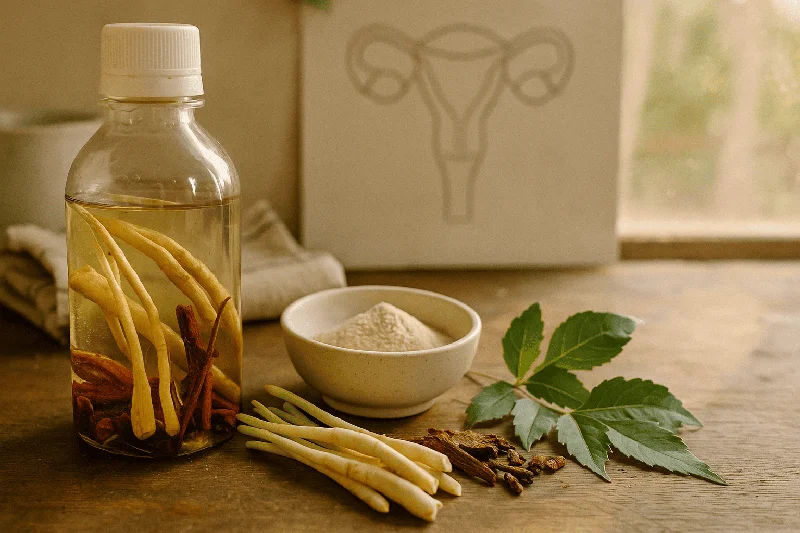
White discharge — medically called leucorrhea and known as Shwetapradara in Ayurveda — is one of the most common gynecological complaints among women of all ages. If you're looking for the best ayurvedic medicine for white discharge, here's the direct answer: Pushyanuga Churna, Pradarantak Rasa, Lodhra (Symplocos racemosa), and Ashoka (Saraca indica) are among the most clinically validated ayurvedic formulations for treating excessive vaginal discharge. A 2024 case report published in PMC demonstrated 90% symptom improvement within just 16 days using a combination of classical ayurvedic preparations.
But choosing the right remedy depends on several factors — the type of discharge, your dosha constitution, underlying cause, and severity. This comprehensive guide covers everything from specific herbs with dosages to dietary changes, red flags that need medical attention, and how Ayurveda compares to conventional treatment. Let's get into it.
What Is White Discharge (Leucorrhea) and When Is It Normal?
Every woman experiences some amount of vaginal discharge. It's the body's natural way of keeping the vaginal canal clean, lubricated, and protected from infections. Normal physiological discharge is typically clear or milky white, odorless, and varies in quantity throughout the menstrual cycle.
Normal discharge tends to increase during ovulation, pregnancy, sexual arousal, and just before periods. This is perfectly healthy and requires no treatment whatsoever. Abnormal discharge (pathological leucorrhea) is when you should pay attention. It becomes a concern when it's excessive in quantity, has a foul smell, changes color (yellowish, greenish, brownish), causes itching or burning, or is accompanied by pelvic pain.
Types of White Discharge by Color and Texture
Understanding what your discharge looks like helps identify the underlying issue:
| Type | Appearance | What It Usually Means |
|---|---|---|
| Thick white | Cottage cheese-like | Yeast infection (candidiasis) |
| Clear watery | Thin, transparent | Normal physiological discharge |
| Clear stretchy | Egg white consistency | Ovulation period — completely normal |
| Yellow/green | Thick, sometimes frothy | Bacterial or sexually transmitted infection |
| Brown/bloody | Dark or pinkish tinge | Old blood, irregular periods, or needs investigation |
| White with odor | Thin, fishy smell | Bacterial vaginosis |
White Discharge During Pregnancy
During pregnancy, increased vaginal discharge (called leukorrhea of pregnancy) is normal and actually serves a protective function. It helps prevent infections from travelling up into the uterus. However, if the discharge during pregnancy turns yellow, green, causes itching, or has a strong odor — consult your doctor immediately rather than self-treating.
The Ayurvedic Understanding of Leucorrhea (Shwetapradara)
- Ayurveda describes leucorrhea as Shwetapradara, a condition primarily caused by aggravated Kapha dosha.
- The word itself breaks down beautifully — Shweta means white, and Pradara means excessive discharge.
According to classical texts like Charaka Samhita and Sushruta Samhita, the condition arises when there's an accumulation of Ama (metabolic toxins) in the Rasa and Rakta dhatus (plasma and blood tissues), combined with weakened Agni (digestive fire).
Causes According to Ayurveda
- Kapha aggravation — excessive consumption of cold, sweet, heavy, and oily foods
- Accumulation of Ama (toxins) — from poor digestion and metabolism
- Weakened Agni (digestive fire) — leading to incomplete tissue formation
- Hormonal imbalances — disruption of the natural dosha equilibrium
- Poor hygiene practices — creating a breeding ground for infections
- Stress and emotional factors — affecting Vata dosha and overall immunity
- Excessive use of antibiotics — disrupting vaginal microbiome balance
Dosha-Specific Approach: Why One Size Doesn't Fit All
Most resources on ayurvedic treatment for leucorrhea focus exclusively on Kapha dosha. That's incomplete.
Here's what each dosha imbalance looks like — and this is something most guides completely miss:
Kapha-type leucorrhea: Thick, white, mucoid discharge. Heavy, dull feeling. Tends to be worse in the morning and in cold/damp weather. Associated with lethargy and weight gain. Pitta-type leucorrhea: Yellowish discharge with burning sensation (Yoni Daha). May have mild odor. Worsens in summer or with spicy food consumption. Often accompanied by irritation and inflammation. Vata-type leucorrhea: Thin, scanty but persistent discharge. Associated with dryness, lower back pain (Kati Shula), anxiety, and irregular periods. Worsens with stress and during cold, dry seasons.
The treatment protocol differs for each. A Kapha-type needs drying and warming herbs; a Pitta-type needs cooling anti-inflammatory herbs; a Vata-type needs nourishing and grounding therapies.
Best Ayurvedic Herbs and Medicines for White Discharge
Here are the most effective ayurvedic herbs and classical formulations, backed by traditional use and emerging clinical evidence.
Key Single Herbs
Lodhra (Symplocos racemosa) — Perhaps the most important herb for leucorrhea in Ayurveda. It has strong astringent properties that help reduce excessive discharge. A study published in the Journal of Ethnopharmacology highlighted its anti-inflammatory and uterine-toning effects. Lodhra is specifically mentioned in Charaka Samhita for Pradara conditions. Ashoka (Saraca indica) — The name literally means "remover of sorrow." Ashoka bark is a powerful uterine tonic with astringent, anti-microbial, and hormone-modulating properties. It's widely used in formulations like Ashokarishta for various gynecological complaints. Shatavari (Asparagus racemosus) — Known as the "queen of herbs" for women's health, Shatavari nourishes the reproductive tissues, balances hormones, and strengthens immunity. Especially beneficial for Vata-type leucorrhea and for women going through hormonal transitions. Guduchi (Tinospora cordifolia) — A potent immunomodulator that helps the body fight infections naturally. It's also an excellent Ama-pachana (toxin-digesting) herb, addressing one of the root causes of chronic discharge. Triphala — The classic trio of Amalaki, Bibhitaki, and Haritaki. Triphala is used both internally for detoxification and externally for vaginal wash (Yoni Prakshalana). Its antimicrobial and astringent properties make it invaluable. Neem (Azadirachta indica) — Powerful antibacterial, antifungal, and antiviral herb. Especially useful when leucorrhea is caused by infections. Can be used internally and in sitz baths. Turmeric (Curcuma longa) — Anti-inflammatory, antimicrobial, and a natural blood purifier. Curcumin, its active compound, has been shown in multiple studies to inhibit Candida albicans — one of the most common causes of vaginal yeast infections. Yashtimadhu/Licorice (Glycyrrhiza glabra) — Soothing, anti-inflammatory herb that helps reduce irritation and supports hormonal balance. Particularly useful in Pitta-type leucorrhea.
Classical Ayurvedic Formulations
| Formulation | Form | Key Action | Best For |
|---|---|---|---|
| Pushyanuga Churna | Powder | Astringent, hemostatic, uterine tonic | Chronic leucorrhea, excessive discharge |
| Pradarantak Rasa | Tablet | Balances Kapha & Pitta, anti-inflammatory | Acute leucorrhea with burning |
| Ashokarishta | Liquid | Uterine tonic, hormone balancer | Leucorrhea with menstrual irregularities |
| Lodhra Churna | Powder | Strong astringent, anti-microbial | Kapha-type thick white discharge |
| Chandraprabha Vati | Tablet | Detoxifier, urinary & reproductive tonic | Leucorrhea with urinary symptoms |
| Tablucol | Tablet | Anti-microbial, anti-inflammatory | Infection-related discharge |
| Musali Khadiradi Kashayam | Decoction | Nourishing, immuno-modulator | Vata-type leucorrhea with weakness |
Detailed Home Remedies with Exact Proportions
One of the biggest frustrations with most ayurvedic content is that they mention herbs without telling you exactly how to use them.
Here are precise home remedies:
Lodhra Water Wash:
Mix 10 grams of Lodhra bark powder in 200 ml of water. Boil and reduce to 100 ml. Strain, cool to lukewarm temperature, and use as a vaginal wash once daily for 7-10 days.
Triphala Kashayam (Decoction):
- Take 15 grams of Triphala churna, boil in 400 ml water, reduce to 100 ml. Strain and drink on empty stomach in the morning.
- For external wash: prepare same decoction, cool it and use for Yoni Prakshalana.
Turmeric Milk:
Add 1/2 teaspoon of turmeric powder and a pinch of black pepper to 200 ml warm milk. Drink daily before bedtime. The piperine in black pepper increases curcumin absorption by up to 2000% (as shown in a 1998 study published in Planta Medica).
Fenugreek Seed Water:
Soak 2 tablespoons of fenugreek seeds in 500 ml water overnight. Strain and drink the water in the morning. Continue for 2-3 weeks. Fenugreek has phytoestrogen properties that help regulate hormonal balance.
Neem-Turmeric Sitz Bath:
Boil 20 neem leaves and 1 tablespoon turmeric powder in 2 liters of water for 15 minutes. Cool to a comfortable warm temperature. Sit in this water for 10-15 minutes. Do this 3-4 times per week.
Ayurvedic Therapies and Procedures (Panchakarma)
Beyond oral medicines and home remedies, Ayurveda offers specialized therapeutic procedures that work remarkably well for chronic or recurrent leucorrhea.
Yoni Dhawan / Yoni Prakshalana (Vaginal Wash)
This is a Sthanika Chikitsa (local treatment) where medicated decoctions are used to cleanse the vaginal canal. Commonly used decoctions include Triphala kashayam, Panchavalkala kashayam (made from bark of five trees: Vata, Udumbara, Ashvattha, Parisha, and Plaksha), and Lodhra kashayam. This procedure directly addresses local infections and reduces discharge.
Yoni Pichu (Vaginal Tampon Therapy)
A sterile cotton tampon is soaked in medicated oil (like Jatyadi Taila or Shatavari Ghrita) and inserted into the vaginal canal. Left for a specific duration under clinical supervision. This treatment is particularly effective for Vata-type leucorrhea with dryness and inflammation.
Uttara Basti (Uterine Enema)
- A specialized Panchakarma procedure where medicated oil or decoction is instilled into the uterine cavity through the vaginal route. This is performed only by qualified Ayurvedic practitioners and is considered one of the most effective treatments for chronic gynecological conditions.
- Not something to try at home — must be done in a clinical setting.
Abhyanga and Udvartana
Abhyanga (full body oil massage with warm medicated oils) helps regulate hormonal balance, improves circulation to reproductive organs, and calms the nervous system. For leucorrhea, oils like Dhanwantaram Taila and Bala Taila are commonly used. Udvartana (dry powder massage) is specifically beneficial for Kapha-type leucorrhea as it helps reduce excess Kapha and improve lymphatic drainage.
Sitz Bath Therapy (Avagaha Sweda)
Sitting in a tub of warm medicated water for 15-20 minutes. Herbs like Neem, Triphala, Turmeric, and Daruharidra are added to the water. This therapy reduces local inflammation, fights infections, and provides immense relief from itching and irritation.
What Helps Clear White Discharge Fast?
Let's be honest — most women searching for this want relief quickly.
Here's a realistic timeline based on clinical observations:
| Severity | Expected Timeline | Approach |
|---|---|---|
| Mild (recent onset) | 1-2 weeks | Dietary changes + single herb (Lodhra/Ashoka) |
| Moderate (few months) | 3-6 weeks | Classical formulations + Yoni Dhawan + diet |
| Severe/Chronic (months to years) | 2-3 months | Full Panchakarma protocol + long-term herbs + lifestyle overhaul |
A 2024 PMC case report documented a 28-year-old woman with chronic leucorrhea showing 90% improvement in just 16 days using a combination of Pradarantak Rasa (250 mg twice daily), Tablucol (2 tablets twice daily), and Musali Khadiradi Kashayam (15 ml twice daily with equal water), along with Triphala Kashaya for vaginal wash. The remaining symptoms resolved completely within one month of follow-up.
However, these results were achieved under direct clinical supervision. Self-treatment typically takes longer, and severe cases absolutley require professional guidance.
स्वयं दवा न लें और प्रतीक्षा न करें। अभी डॉक्टर से चैट शुरू करें
Ayurvedic Treatment vs Conventional (Allopathic) Treatment
This is a comparison most resources avoid.
But it's important for making informed decisions:
| Factor | Ayurvedic Approach | Conventional Approach |
|---|---|---|
| Focus | Root cause — dosha balance, Agni, Ama removal | Symptomatic — kill the specific pathogen |
| Speed of relief | Gradual (1-6 weeks typically) | Fast (often within 3-7 days) |
| Recurrence rate | Lower when protocol followed completely | Higher if root cause not addressed |
| Side effects | Minimal when used correctly | Antibiotic resistance, microbiome disruption, GI issues |
| Personalization | Highly individualized (Prakriti-based) | Standard protocols based on pathogen |
| Best for | Chronic, recurrent leucorrhea | Acute severe infections, STDs |
| Cost | Generally affordable long-term | Can be expensive with recurring treatment |
The honest truth: For acute bacterial or fungal infections with severe symptoms, conventional medicine often works faster. For chronic, recurrent leucorrhea without dangerous infection, Ayurveda addresses the root cause more effectively. The best approach? Use conventional treatment for acute infections, then transition to Ayurveda for long-term prevention and balancing.
Diet and Lifestyle Recommendations (Pathya-Apathya)
Ayurvedic treatment is never just about popping pills. Diet and lifestyle modifications are literally half the treatment.
Foods to Favor (Pathya)
- Light, warm, freshly cooked meals
- Whole grains — rice, barley (Yava), millet
- Green vegetables, bitter gourd, drumstick, fenugreek leaves
- Moong dal (green gram) — easily digestible protein
- Cumin, coriander, fennel seeds in cooking
- Pomegranate, banana (ripe), Indian gooseberry (Amla)
- Warm water throughout the day — never ice cold
Foods to Avoid (Apathya)
- Excessive dairy products — especially cold milk, yogurt, cheese
- Refined sugar and sweets — directly aggravates Kapha
- Oily, deep-fried, and heavy foods
- Fermented foods in excess
- Cold beverages and ice cream
- Maida (refined flour) products
- Excessive salt
- Stale or leftover food
Lifestyle Practices
- Wear cotton underwear — synthetic fabrics trap moisture and promote bacterial growth
- Maintain proper intimate hygiene — wash with plain warm water, avoid chemical intimate washes
- Practice yoga regularly — Sarvangasana, Vajrasana, Padmasana, Baddha Konasana, and Ashwini Mudra specifically benefit the reproductive system
- Get adequate sleep — 7-8 hours, sleeping before 10 PM (Kapha time)
- Manage stress — through Pranayama (Nadi Shodhana, Sheetali), meditation, and regular exercise
- Avoid using public toilets when possible — or use toilet seat covers
- Change undergarments daily — twice if discharge is heavy
- Avoid douching — this disrupts the natural vaginal flora
The Role of Probiotics in Ayurvedic Context
- This is an area where traditional Ayurveda and modern science beautifully converge. Vaginal health depends on a healthy microbiome dominated by Lactobacillus species.
- When this balance is disrupted — by antibiotics, stress, poor diet, or infections — pathological discharge often follows.
- Ayurveda's emphasis on strong Agni (digestive fire) and proper Rasa Dhatu formation directly supports a healthy microbiome.
- Fermented foods like fresh buttermilk (Takra) — which Ayurveda considers excellent for digestion — naturally contain Lactobacillus. Takra is considered one of the best Kapha-pacifying drinks.
Modern research supports this: a 2018 study in the journal Microorganisms showed that oral probiotics containing Lactobacillus rhamnosus and Lactobacillus reuteri significantly reduced episodes of bacterial vaginosis and vaginal candidiasis.
Age-Specific Treatment Considerations
Treatment should be tailored to the woman's life stage — something no competitor currently addresses:
Adolescents (13-19 years): Mild leucorrhea is often hormonal and self-limiting. Focus on diet correction, hygiene education, and gentle herbs like Shatavari and Amla. Avoid strong formulations. If discharge is excessive or foul-smelling, investigate for infections.
- Reproductive Age (20-40 years): Full range of ayurvedic treatments applicable.
- Consider impact on fertility — chronic leucorrhea can alter vaginal pH, affecting sperm motility. Lodhra, Ashoka, Pushyanuga Churna are all appropriate.
- Perimenopausal/Menopausal (40+ years): Discharge often becomes Vata-type (thin, with dryness). Shatavari, Ashwagandha, and nourishing therapies like Yoni Pichu with Shatavari Ghrita work well.
- Rule out more serious conditions — any post-menopausal discharge needs medical evaluation.
Contraindications and Safety Precautions
This is critically important and almost universally ignored by other resources:
- Shatavari should be avoided if you have estrogen-sensitive conditions (fibroids, endometriosis, certain breast cancers) as it has phytoestrogenic activity
- Ashoka may interact with thyroid medications — consult your doctor if you're on thyroid treatment
- Lodhra in high doses can cause constipation due to its strong astringent nature
- Triphala internal use should be avoided during pregnancy
- Pradarantak Rasa contains mineral/metal ingredients (Rasa Shastra) — must be taken only under qualified practitioner supervision with proper Anupana
- Never self-prescribe Uttara Basti — improper technique can cause serious complications
- Do not combine ayurvedic formulations with antifungal or antibiotic medications without consulting both your ayurvedic and allopathic doctors
Red Flags: When to See a Doctor Immediately
Stop self-treating and seek medical help immediately if you experience:
- Blood-stained or brownish discharge outside periods
- Fever along with vaginal discharge
- Severe pelvic or abdominal pain
- Discharge after menopause
- Foul-smelling green or gray discharge
- Pain during urination or intercourse
- Discharge following unprotected sexual contact with new partner
- No improvement after 2-3 weeks of home treatment
These symptoms could indicate serious conditions including sexually transmitted infections, cervical issues, or pelvic inflammatory disease that require proper medical diagnosis.
How Leucorrhea Affects Fertility and Sexual Health
Chronic leucorrhea can impact reproductive health in several ways that women should be aware of:
Fertility impact: Abnormal vaginal discharge can alter the vaginal pH from its optimal range of 3.8-4.5. This acidic environment is crucial for healthy sperm survival and transport. Chronic infections causing leucorrhea may also lead to inflammation of the cervix and uterus, potentially affecting implantation.
- Sexual health: Persistent discharge, itching (Yoni Kandu), and burning (Yoni Daha) can cause significant discomfort during intercourse.
- The psychological impact shouldn't be underestimated either — many women experience anxiety, reduced libido, and embarrassment that affects intimate relationships.
Ayurvedic treatment addresses both the physical and emotional aspects. Herbs like Ashwagandha and Shatavari support not just reproductive tissue health but also reduce stress and anxiety associated with chronic conditions.
Frequently Asked Questions
Is white discharge normal?
Yes, a certain amount of clear or whitish discharge is completely normal and healthy. It's your body's self-cleaning mechanism. You should only be concerned if the discharge is excessive, foul-smelling, colored (yellow, green, gray), or accompanied by itching, burning, or pain.
Can Ayurveda permanently stop white discharge?
Ayurveda can effectively treat pathological leucorrhea and prevent recurrence when you follow the complete treatment protocol — which includes herbs, diet, lifestyle changes, and maintaining dosha balance. However, normal physiological discharge will and should continue as it's a sign of healthy vaginal function. The goal is to eliminate abnormal discharge, not all discharge.
How long should I use ayurvedic medicine for leucorrhea?
- For mild cases, 2-4 weeks of treatment is usually sufficient.
- Moderate to severe cases may need 2-3 months.
- Chronic cases — those lasting over a year — may require 3-6 months of consistent treatment. The 2024 PMC case report showed significant results in 16 days under clinical supervision, but individual results vary.
What helps clear white discharge fast?
For quickest results, combine internal medication (like Pushyanuga Churna or Pradarantak Rasa) with local treatment (Triphala or Lodhra vaginal wash), dietary modifications, and proper hygiene. Clinical supervision accelerates results significantly.
Can ayurvedic medicine help with vaginal itching and odor?
Absolutely. Herbs like Neem, Triphala, and Turmeric have strong antimicrobial properties that address the infections causing itching and odor. Sitz baths with these herbs provide quick topical relief, while internal medicines address the root cause.
Will the results last after stopping ayurvedic treatment?
If you've completed the full course and adopted the recommended dietary and lifestyle changes, results are generally long-lasting. Ayurveda treats the root cause (dosha imbalance, weakened Agni, Ama accumulation), so once balance is restored, the condition typically doesn't recur — provided you maintain healthy habits.
Can I use ayurvedic medicine with an intimate wash?
It's best to avoid chemical-based intimate washes during treatment as they can disrupt vaginal flora. Instead, use ayurvedic washes (Triphala Kashaya, Panchavalkala Kashaya) as recommended. If you must use a commercial wash, choose one with a pH of 3.5-4.5 and no artificial fragrances.
Is ayurvedic medicine for white discharge safe during pregnancy?
Some herbs are safe, but many are contraindicated during pregnancy. Shatavari is generally considered safe. However, Triphala internal use, most Rasa Shastra formulations, and Panchakarma therapies should be strictly avoided. Always consult a qualified ayurvedic practitioner before taking any medication during pregnancy.
Final Thoughts: Your Path to Complete Recovery
White discharge is incredibly common and, in most cases, very treatable with the right ayurvedic approach. The key is understanding that Ayurveda isn't just about taking a pill — it's a holistic system that addresses why the imbalance happened in the first place.
Start with the basics: clean up your diet, improve hygiene habits, and try gentle remedies like Lodhra or Triphala wash. If symptoms persist beyond 2-3 weeks, consult a qualified Ayurvedic practitioner (BAMS or MD Ayurveda) who can assess your Prakriti, identify the specific dosha imbalance, and create a personalized treatment plan.
- Don't ignore persistent or severe symptoms.
- And don't hesitate to combine the best of both worlds — use conventional medicine for acute infections when needed, and Ayurveda for long-term balance and prevention.
This article is for educational purposes and should not replace professional medical advice. Always consult a qualified healthcare practitioner before starting any new treatment protocol.
Scientific Sources
- Neuroprotective Herbs for the Management of Alzheimer's Disease — Gregory J et al., 2021, Biomolecules
- The antitumor effects of herbal medicine Triphala on oral cancer by inactivating PI3K/Akt signaling pathway: based on the network pharmacology, molecular docking, in vitro and in vivo experimental validation — Hu S et al., 2024, Phytomedicine : international journal of phytotherapy and phytopharmacology
- Role of Triphala in dentistry — Prakash S et al., 2014, Journal of Indian Society of Periodontology
- Indian Ayurvedic medicine: Overview and application to brain cancer — Newton HB, 2024, Journal of Ayurveda and integrative medicine
- Comparison of medicinal preparations of Ayurveda in India and five traditional medicines in China — Li X et al., 2022, Journal of ethnopharmacology
उपयोगकर्ताओं के प्रश्न
What are the side effects of using Lodhra for vaginal health?
Client_f5b914
3 दिनों पहले
Lodhra is generally considered safe when used appropriately for vaginal health, but some individuals might experience side effects such as allergic reactions, skin irritation, or gastrointestinal discomfort. If symptoms persist or worsen, such as a thick white discharge common in kapha-type leucorrhea, it is essential to consult a healthcare professional. Lodhra is often used alongside conventional treatments for more comprehensive care. For any persistent or severe symptoms, seek advice from a doctor or qualified Ayurvedic practitioner.
How long does it take to see results from Ashoka treatments for vaginal health?
Client_761371
13 दिनों पहले
Results from Ashoka treatments for vaginal health can vary, but some people may start to see improvements in symptoms like discharge within a few weeks. Ashoka is used for its uterine tonic and antimicrobial properties, which can help in managing conditions such as vaginal yeast infections. However, noticeable results generally occur over the course of a month, especially when following a regimen under clinical supervision. If symptoms like excessive or foul-smelling discharge persist, it is crucial to see a doctor to rule out infections or other serious conditions.
How does diet impact the vaginal microbiome and discharge?
Client_50769a
23 दिनों पहले
A healthy diet plays a crucial role in maintaining the vaginal microbiome by supporting a balance of beneficial bacteria, particularly Lactobacillus species. Foods rich in probiotics, like yogurt, kefir, and fermented vegetables, can help promote this balance and potentially reduce abnormal vaginal discharge. Disruption in the microbiome, due to poor diet among other factors, can lead to infections causing discharge. If experiencing unusual discharge, one should seek medical advice to rule out conditions like bacterial vaginosis or yeast infections.
Can I use neem-turmeric Sitz baths for general hygiene?
Client_3a6a75
33 दिनों पहले
A neem-turmeric sitz bath can be used for general hygiene due to their antibacterial and anti-inflammatory properties. To prepare, boil 20 neem leaves with 1 tablespoon of turmeric powder in 2 liters of water for 15 minutes. After it cools to a comfortable temperature, sit in the solution for 15–20 minutes. This sitz bath may help cleanse and soothe the perineal area. However, while it can support hygiene, it isn't a substitute for medical treatments. If experiencing unusual symptoms like persistent irritation, odor, or discomfort, consult with a healthcare provider for a precise diagnosis and appropriate treatment.
How can stress management techniques aid in reducing white discharge?
Client_9d4816
43 दिनों पहले
Stress management techniques can aid in reducing white discharge by addressing potential triggers like anxiety and cortisol levels, which may exacerbate this condition. Practices such as controlled breathing, regular exercise, and mindfulness can help regulate hormonal balance and improve overall wellbeing. It may take several weeks to notice improvements. If white discharge is accompanied by symptoms like odor, itching, or pain, consult a healthcare provider to rule out infections. Regular monitoring of symptoms and lifestyle adjustments are key.
Can I use fenugreek seed water daily for vaginal health support?
Client_846ce9
52 दिनों पहले
Using fenugreek seed water daily can be a great support for vaginal health, but also be mindful of how your body feels and responds to it. Fenugreek helps with discharge issues, but hey, if anything feels off or you get any discomfort, maybe pause and chat with a practitioner! Everybody's body is a bit different, so listen to yours! 😊
What is the role of hormonal balance in managing abnormal vaginal discharge?
Client_ca13b6
62 दिनों पहले
Hormonal balance plays a key role in managing abnormal vaginal discharge by helping maintain the natural pH level and mucosal integrity. When hormones like estrogen are imbalanced, it can lead to issues like infections or dryness, making discharge abnormal. Ayurvedic herbs like Yashtimadhu can support hormonal balance and soothe irritation, but its best to tailor solutions based on individual dosha and symptoms.
What are the best Ayurvedic herbs to support overall feminine health apart from white discharge?
Client_4fd97d
74 दिनों पहले
Oh sure, beyond managing white discharge, Ayurveda has some great herbs for feminine health! Shatavari is a big one, it's super nourishing, supports hormonal balance and helps with menstrual irregularities. Then there's Ashoka, great for menstrual comfort. Also, Manjistha helps keep the blood clean – super for overall vitality. Each of these herbs helps in its unique way!
What is Lodhra and how does it help with gynecological health in Ayurveda?
Client_58bf4b
84 दिनों पहले
Lodhra is an herb valued in Ayurveda for gynecological health. It's often used to balance pitta dosha which can calm issues like irregular menstrual cycles and white discharge. It supports reproductive health by promoting the balance of hormones and strengthening the reproductive tissues, just give it some time to work its magic!
What is the importance of balancing doshas in Ayurvedic treatment for white discharge?
Client_79ef8c
93 दिनों पहले
Balancing doshas is key in Ayurveda because it brings harmony to the body and treats root causes. For white discharge, imbalance could be in Kapha or Pitta doshas, affecting the flow and heat in the body. Restoring balance helps optimize agni (digestive fire) and improve health overall. If in doubt, a consult with ayurvedic doc might help!
संबंधित आलेख

Gynecology and Obstetrics
Ayurveda for a Healthy Pregnancy
Ayurveda offers a holistic approach to pregnancy, aligning well with natural pregnancy management for a healthy baby.
3,296

Gynecology and Obstetrics
Bartholin Cyst Ayurvedic Treatment – Natural Remedies & Holistic Healing
Discover effective Ayurvedic treatments for Bartholin cysts, utilizing natural herbs and holistic practices to alleviate symptoms, reduce cyst size, and promote vaginal health naturally.
7,200

Gynecology and Obstetrics
Rajapravartini: Ayurvedic Insights for Menstrual Well-Being
Explore rajapravartini, an Ayurvedic approach for menstrual health. Learn its uses, research evidence, and safe practices for optimal well-being.
2,710

Gynecology and Obstetrics
How to Get Pregnant Fast Naturally with Ayurveda and Lifestyle Support
Discover natural tips, yoga, foods, and ovulation guidance to support fertility. Learn what to do after sex and best positions to get pregnant fast
1,597

Gynecology and Obstetrics
फेमिप्लेक्स टैबलेट
फेमिप्लेक्स टैबलेट की खोज
3,031

Gynecology and Obstetrics
Krishna Jeeraka: Ancient Spice for Postpartum Care and Wellness
Explore the benefits of Krishna Jeeraka (Black Caraway) in Ayurvedic postpartum care and its uses for eyes, bloating, vomiting, and overall wellness. Learn about its properties, applications, and traditional significance.
2,640

Gynecology and Obstetrics
गर्भपाल रस के फायदे, खुराक, सामग्री, साइड इफेक्ट्स
गर्भपाल रस के फायदे, खुराक, सामग्री, और साइड इफेक्ट्स की जानकारी
4,638

Gynecology and Obstetrics
कुमारी आसव नंबर 3
कुमारी आसव नंबर 3 की खोज
4,345

Gynecology and Obstetrics
Ashoka Vati: Benefits, Uses, and How It Supports Women’s Health Naturally
Discover the proven benefits, proper dosage, side effects, and scientific research behind Ashoka Vati, the powerful Ayurvedic remedy for women's health.
5,120
विषय से संबंधित परामर्श
अतिरिक्त दस्तावेज़
© 2024 Ask Ayurveda. सर्वाधिकार सुरक्षित।