आयुर्वेदिक डॉक्टर से प्रश्न पूछें और निःशुल्क या भुगतान मोड में अपनी चिंता की समस्या पर ऑनलाइन परामर्श प्राप्त करें। 2,000 से अधिक अनुभवी डॉक्टर हमारी साइट पर काम करते हैं और आपके प्रश्नों का इंतजार करते हैं और उपयोगकर्ताओं को उनकी स्वास्थ्य समस्याओं को हल करने में प्रतिदिन मदद करते हैं।


Body DetoxEar, Nose, and Throat DisordersGeriatrics & RejuvenationImmunodeficiencyInfertility TreatmentNutritionOrthopedic DisordersPediatricsRespiratory DisordersSexually Transmitted Diseases (STDs)Surgery RecoveryUrological DisordersVascular DisordersDental DisordersEndocrinological DisordersGastrointestinal DisordersYoga TherapyGeneral MedicineAllergic DisordersCardio DisordersGynecology and ObstetricsCosmetologySkin and Hair DisordersEye DisordersInfectious DiseasesMental DisordersNeurological DisordersOncologyPanchakarmaSexual Health & DisordersSports Medicine
पर प्रकाशित 02/12/25
(को अपडेट 08/12/26)
star_border 3
7,766
Varicocele in Ayurveda – Natural Treatments for Relief and Healing
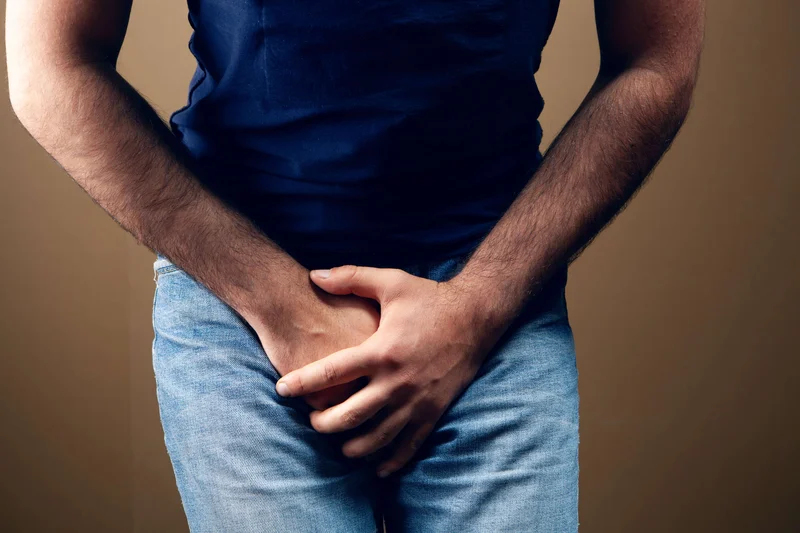
- Varicocele affects roughly 15–20% of all adult males and is found in up to 40% of men evaluated for infertility. If you're searching for a natural, non-surgical path to manage this condition, Ayurveda offers time-tested treatment strategies—from herbal formulations and Panchakarma therapies to dietary protocols and targeted yoga asanas.
- This guide covers everything: the Ayurvedic understanding of varicocele as Sira Granthi, specific herbs with dosages, Panchakarma procedures, which grades respond best to Ayurvedic care, and honest limitations you should know about before choosing your treatment path.
What Is Varicocele?
Varicocele is the abnormal dilation and tortuosity of the pampiniform venous plexus—a network of small veins that drains blood from the testicles. Think of it like varicose veins, but in the scrotum instead of the legs. The underlying mechanism is typically a malfunction of the one-way valves inside the spermatic veins. When these valves fail, blood pools and causes the veins to swell.
Around 80–90% of varicoceles occur on the left side. This is because the left testicular vein drains into the left renal vein at a right angle, creating higher hydrostatic pressure compared to the right side, which drains directly into the inferior vena cava.
Anatomy and Mechanism (Pampiniform Venous Plexus)
The pampiniform plexus surrounds the testicular artery and plays a critical role in thermoregulation—it cools arterial blood before it reaches the testis through a countercurrent heat exchange mechanism. When varicocele develops, this cooling system breaks down, scrotal temperature rises by 1–2°C, and that temperature increase is enough to impair spermatogenesis.
The reflux of blood also brings adrenal metabolites (like catecholamines and cortisol) from the renal vein into the testicular venous system, further damaging sperm production. This explains why varicocele's impact on fertility goes beyond just heat.
Grades of Varicocele (Grade I, II, III)
Understanding the grade is essential because it determines whether Ayurvedic treatment alone may be sufficient or whether surgical intervention should be considered.
| Grade | Clinical Finding | Palpability | Typical Vein Diameter |
|---|---|---|---|
| Grade I (Subclinical/Mild) | Detected only with Valsalva maneuver | Barely palpable during straining | 2.0–2.5 mm |
| Grade II (Moderate) | Palpable without Valsalva | Easily felt as a "bag of worms" | 2.5–3.5 mm |
| Grade III (Severe) | Visible through scrotal skin | Obvious on visual inspection | >3.5 mm |
Grade I and early Grade II varicoceles generally respond well to Ayurvedic management. Late Grade II may require an integrative approach. Grade III varicoceles, especially with significant testicular atrophy or severe semen abnormalities, often necessitate surgical intervention (varicocelectomy or embolization), though Ayurveda can serve as complementary support.
Symptoms and Warning Signs
Many men with varicocele are entirely asymptomatic—the condition is often discovered during a fertility workup.
When symptoms do occur, they typically include:
- A dull, aching pain or heaviness in the scrotum, worse after prolonged standing or physical exertion
- Visible or palpable swollen veins (the classic "bag of worms" sensation)
- One testicle noticeably smaller than the other (testicular atrophy)
- Discomfort that improves when lying down
- A dragging sensation in the groin
How Varicocele Affects Male Fertility and Sperm Quality
Varicocele is present in approximately 35–44% of men with primary infertility and up to 80% of men with secondary infertility (men who previously fathered children but can no longer do so).
The damage to sperm parameters is well-documented:
- Sperm count: Reduced concentration, sometimes to oligospermic levels (<15 million/mL)
- Motility: Decreased progressive motility, often below 40%
- Morphology: Increased percentage of abnormal sperm forms
- DNA integrity: Higher sperm DNA fragmentation index (DFI), which affects fertilization and embryo development
A 2011 World Health Organization meta-analysis confirmed that varicocele repair improved semen parameters in the majority of treated men, but the question remains—can non-surgical approaches achieve similar improvements?
Varicocele in Ayurveda: Sira Granthi of Vrushanakosa
Ayurveda doesn't use the word "varicocele," but the condition is described with remarkable accuracy in classical texts under the concept of Sira Granthi (सिरा ग्रन्थि)—a glandular or cystic swelling arising from vitiated veins (Sira).
Ayurvedic Understanding and Correlation
Acharya Sushruta describes Sira Granthi as a condition where vitiated doshas affect the Siras (veins), causing them to become tortuous, dilated, and knotted—forming a Granthi (nodular swelling). When this pathology manifests specifically in the Vrushanakosa (scrotal sac), the clinical picture mirrors varicocele exactly.
Sushruta also classifies Granthi based on the predominant dosha involved (Vataja, Pittaja, Kaphaja, or Sannipataja), which becomes crucial for selecting the right treatment approach. Additionally, the treatment line follows principles of Arshas Chikitsa (hemorrhoid management) because both conditions share a common pathological mechanism—incompetence of venous valves leading to venous engorgement.
Role of Doshas: Vata (Apana Vayu), Kapha, and Pitta
- The Ayurvedic pathogenesis of varicocele is primarily driven by Vata dosha, particularly the Apana Vayu subtype.
- Apana Vayu governs downward movements in the body—elimination, menstruation, ejaculation, and importantly, venous return from the pelvic region.
Here's how each dosha contributes:
- Vata (Apana Vayu): When aggravated, it causes Sira Shaithilya (loss of venous tone) and impairs the downward-to-upward return of blood. This is the primary causative factor.
- Kapha: Contributes to Shotha (swelling) and obstruction. The sluggish, heavy quality of Kapha creates congestion in the venous plexus.
- Pitta: Causes local inflammation, increased scrotal temperature, and impacts Shukra Dhatu (reproductive tissue) quality.
In most patients, varicocele presents as a Vata-Kapha predominant condition—Vata causes the dilation and tortuosity, while Kapha creates the heaviness and swelling.
Samprapti (Pathogenesis) According to Ayurveda
The disease pathway unfolds as follows:
- 1.Nidana (causative factors): Prolonged standing, heavy lifting, suppression of natural urges (Vegavidharana), excessive sexual activity, sedentary habits
- 2.Dosha Prakopa: Vata (especially Apana Vayu) becomes aggravated
- 3.Dosha Dushya Sammurchhana: Vitiated Vata affects Rakta (blood) and Mamsa (muscle tissue) in the scrotal region
- 4.Sthanasamshraya: Localizes in the Vrushanakosa Siras (scrotal veins)
- 5.Vyakti: Manifestation as Sira Granthi—tortuous, dilated, knotted veins
- 6.Bheda: Complications including Shukra Kshaya (diminished semen quality) and infertility
Ayurvedic Treatment Principles for Varicocele
- Ayurvedic management of varicocele follows multiple Chikitsa Sutras (treatment principles) simultaneously.
- It's not a single-herb approach—it's a comprehensive system.
Granthi Chikitsa and Shotha Chikitsa
Granthi Chikitsa targets the nodular swelling directly through medications and procedures that reduce the Granthi (mass). Shotha Chikitsa addresses the edema and venous congestion. Together, they form the core treatment strategy.
The treatment involves:
- Ama Pachana: Digestive correction to clear metabolic toxins
- Sira Shodhana: Purification and toning of venous channels
- Vata Anulomana: Restoring the normal direction of Vata movement
- Rakta Prasadana: Blood purification and improving circulation
Which Varicocele Grades Respond to Ayurvedic Treatment?
Based on available clinical experience and practitioner reports, here is a realistic assessment:
| Grade | Ayurvedic Treatment Potential | Recommended Approach |
|---|---|---|
| Grade I | High (70-80% symptom resolution) | Ayurveda as primary treatment |
| Grade II | Moderate (50-60% improvement) | Ayurveda primary; monitor with Doppler ultrasound every 3-6 months |
| Grade III | Low as standalone | Surgical/embolization primary; Ayurveda as adjunct for recovery and preventing recurrence |
These estimates are based on practitioner reports rather than large-scale randomized controlled trials—a point we'll address honestly in the limitations section.
Ayurvedic Herbs and Medicines for Varicocele
Several Ayurvedic herbs have properties that directly address the pathology of varicocele—improving venous tone, reducing inflammation, and enhancing sperm quality.
Key Herbs With Dosages and Duration
| Herb (Sanskrit Name) | Botanical Name | Key Action | Typical Dosage | Form | Duration |
|---|---|---|---|---|---|
| Varuna | Crataeva nurvala | Venous decongestant, reduces swelling | 500 mg twice daily | Powder/Tablet | 3–6 months |
| Kanchanara | Bauhinia variegata | Anti-Granthi (resolves nodular swellings) | 500 mg twice daily | Guggulu tablet | 3–6 months |
| Punarnava | Boerhavia diffusa | Diuretic, anti-inflammatory, reduces venous congestion | 500 mg twice daily | Powder/Tablet | 2–4 months |
| Eranda (Castor) | Ricinus communis | Vata-shamana, improves pelvic circulation | 10–15 mL oil for Basti | Oil (external/Basti) | As per Panchakarma cycle |
| Rasana | Pluchea lanceolata | Anti-Vata, analgesic for scrotal pain | 3–5 g twice daily | Kwatha (decoction) | 2–3 months |
| Triphala | Three-fruit combination | Mild laxative, anti-oxidant, Tridosha-balancing | 3–5 g at bedtime | Powder with warm water | Long-term use safe |
| Ashwagandha | Withania somnifera | Improves sperm quality, reduces oxidative stress | 500 mg twice daily | Powder/Capsule | 3–6 months |
| Guduchi | Tinospora cordifolia | Immunomodulator, Rakta Shodhaka | 500 mg twice daily | Tablet/Satva | 2–3 months |
| Sariva | Hemidesmus indicus | Blood purifier, Pitta-shamana | 3–5 g twice daily | Decoction | 2–3 months |
Can Ashwagandha Help in Varicocele?
- Yes, Ashwagandha has demonstrable benefits for varicocele—though primarily for the fertility aspect rather than the venous dilation itself. A 2013 study published in Evidence-Based Complementary and Alternative Medicine found that 675 mg/day of Ashwagandha root extract for 90 days significantly improved sperm concentration (167% increase), motility (57% increase), and semen volume in infertile men.
- While this study wasn't varicocele-specific, the mechanism—reducing oxidative stress and improving hormonal balance—directly addresses varicocele-related fertility damage.
Important Classical Formulations
- Kanchanara Guggulu: The primary formulation for all Granthi conditions. Contains Kanchanara bark, Triphala, Trikatu, Varuna, and Guggulu.
- Kaishor Guggulu: When Pitta involvement is significant (inflammation, heat)
- Triphala Guggulu: For Vata-Kapha predominant cases with constipation
- Chandraprabha Vati: Excellent for genitourinary complaints and improving Shukra Dhatu
- Varunadi Kwatha: Specific for venous disorders and urinary complaints
> Note: These dosages are general guidelines. Actual prescription should be individualized based on your Prakriti (constitution), Vikriti (current imbalance), Agni (digestive capacity), and the severity of your varicocele. Always consult a qualified Ayurvedic practitioner.
Panchakarma Therapies for Varicocele
- Panchakarma offers the most intensive Ayurvedic intervention for varicocele.
- These aren't home remedies—they require a trained practitioner and proper clinical setting.
Virechana (Therapeutic Purgation)
Virechana eliminates excess Pitta and toxins from the body through controlled purgation. In varicocele, it serves to reduce Pitta-related inflammation and purify Rakta Dhatu (blood tissue). Typically administered after 3–7 days of internal oleation (Snehapana) with medicated ghee, followed by Swedana (sudation).
Basti (Medicated Enema)
Basti is considered the "king of Panchakarma treatments," especially for Vata disorders.
For varicocele:
- Anuvasana Basti (oil enema): Using Eranda Taila (castor oil) or Dhanvantara Taila—60 mL per session
- Niruha Basti (decoction enema): Using Dashamoola Kwatha or Erandamoola Kwatha
- Typical protocol: Alternating Anuvasana and Niruha over 8–16 days (Kala Basti or Yoga Basti)
Basti directly addresses Apana Vayu dysfunction, improves pelvic circulation, and supports healthy Shukra Dhatu formation.
Jalaukavacharana (Leech Therapy)
This is perhaps the most underutilized but potentially effective Ayurvedic therapy for varicocele. Medicinal leeches (Hirudo medicinalis) are applied to specific points on the scrotum or inguinal region.
A clinical case series reported by an Ayurvedic practitioner documented a protocol of 4 Jalaukavacharana sessions at weekly intervals. Notable improvement in pain, swelling, and vein size was observed after the 2nd session itself. The leech saliva contains hirudin (anticoagulant), hyaluronidase (improves tissue permeability), and vasodilators—which collectively reduce venous congestion and improve local blood flow.
Avagaha Sweda (Sitz Bath / Sitting Bath)
Classical Ayurvedic texts describe specific formulations for warm sitz baths:
- Mulakadi Kwatha: Decoction of radish, etc.
- Badara Patra Kwatha: Decoction of jujube leaves
- Bilwa Kwatha: Decoction of Aegle marmelos leaves
- Takra (medicated buttermilk)
- The patient sits in lukewarm (not hot) decoction for 15–20 minutes. This provides local Vata-Kapha shamana and pain relief.
- However, temperature must be carefully controlled—excessively hot baths can worsen testicular function.
स्वयं दवा न लें और प्रतीक्षा न करें। अभी डॉक्टर से चैट शुरू करें
Yoga Asanas and Exercises for Varicocele
Specific yoga postures improve venous return from the pelvic region by leveraging gravity, improving core muscular support, and reducing intra-abdominal pressure.
Recommended Asanas
| Asana | How It Helps | Duration |
|---|---|---|
| Viparita Karani (Legs-up-the-wall) | Gravity-assisted venous drainage from scrotum | 5–10 minutes daily |
| Sarvangasana (Shoulder stand) | Inverts pelvic blood flow, relieves venous congestion | 1–3 minutes (build up gradually) |
| Dhanurasana (Bow pose) | Massages abdominal organs, improves pelvic circulation | 30 seconds × 3 repetitions |
| Vajrasana (Thunderbolt pose) | Only asana safe immediately after meals; improves Apana Vayu | 5–10 minutes after meals |
| Paschimottanasana (Seated forward bend) | Stimulates pelvic blood flow, calms Vata | 30–60 seconds × 3 repetitions |
| Matsyasana (Fish pose) | Opens up the groin and pelvic region | 30 seconds × 3 repetitions |
Pranayama
- Kapalabhati: 3 rounds of 30 strokes—strengthens abdominal muscles that support venous return
- Anulom Vilom: 10 minutes daily—balances Vata and improves overall circulation
Caution: Avoid heavy weightlifting, Valsalva-inducing exercises, and prolonged cycling—all of which increase intra-abdominal pressure and worsen varicocele.
Diet and Lifestyle Recommendations (Pathya-Apathya)
What to Eat (Pathya)
- Fiber-rich foods: Whole grains, green leafy vegetables, fruits—prevent constipation (straining worsens varicocele)
- Anti-inflammatory foods: Turmeric, ginger, garlic, amla (Indian gooseberry)
- Zinc-rich foods: Pumpkin seeds, sesame seeds, chickpeas—zinc is crucial for spermatogenesis
- Antioxidant-rich: Pomegranate, blueberries, green tea—combat oxidative stress from varicocele
- Warm, freshly cooked meals: Easy to digest, support Agni
- Medicated buttermilk (Takra): Excellent for Vata-Kapha pacification
What to Avoid (Apathya)
- Spicy, deep-fried, and excessively salty foods (aggravate Pitta and cause fluid retention)
- Cold, refrigerated foods and drinks (aggravate Vata)
- Canned and processed food
- Excessive caffeine and alcohol
- Maida (refined flour) products
- Prolonged sitting or standing without breaks
- Tight underwear (switch to supportive but breathable cotton underwear or a jockstrap)
Prakriti-Based Personalization
Your Ayurvedic constitution should influence your treatment approach:
- Vata Prakriti: Focus on warm oil massages (Abhyanga), Basti therapies, and warm, nourishing diet. Ashwagandha and Dashamoola are particularly beneficial.
- Pitta Prakriti: Emphasize cooling herbs like Sariva and Chandana, Virechana therapy, and avoid overheating. Shatavari with Guduchi works well.
- Kapha Prakriti: Prioritize Kanchanara Guggulu, Triphala, vigorous Pranayama, and a lighter diet. Punarnava is especially effective here.
Ayurveda vs Surgery vs Embolization: An Honest Comparison
This comparison is something no other resource provides comprehensively—yet it's what patients actually need to make informed decisions.
| Parameter | Ayurvedic Treatment | Surgical Varicocelectomy | Percutaneous Embolization |
|---|---|---|---|
| Best for | Grade I, early Grade II | Grade II–III with symptoms/infertility | Grade II–III (non-surgical preference) |
| Invasiveness | Non-invasive | Invasive (incision, anesthesia) | Minimally invasive (catheter-based) |
| Time to results | 3–6 months for noticeable improvement | 3–6 months for semen improvement post-surgery | Similar to surgery |
| Success rate for symptom relief | 60–80% (Grade I–II, based on clinical reports) | 85–95% | 85–90% |
| Success rate for fertility improvement | Limited data; supportive role | Spontaneous pregnancy rate: 30–50% post-surgery | Comparable to surgery |
| Recurrence rate | Not well-documented; maintenance required | 1–5% (microsurgical) to 15% (open) | 5–10% |
| Side effects | Minimal (possible GI discomfort from herbs) | Hydrocele (5–10%), testicular artery damage (rare) | Coil migration (rare), venous thrombosis |
| Cost (India) | ₹5,000–₹20,000 for full course | ₹40,000–₹1,50,000 | ₹50,000–₹2,00,000 |
| Addresses root cause? | Attempts to improve venous tone and prevent progression | Physically eliminates dilated veins | Blocks reflux mechanically |
| Evidence quality | Case reports, clinical experience (low) | Multiple RCTs, meta-analyses (high) | Moderate–high |
What Is the Success Rate of Ayurvedic Varicocele Treatment?
Let's be honest here—this is where we need to acknowledge the evidence gap.
Available Evidence
Currently, there are no large-scale randomized controlled trials (RCTs) specifically evaluating Ayurvedic treatment for varicocele.
The available evidence consists of:
- Individual case reports: Several published case studies (e.g., in the Journal of Ayurveda and Integrative Medicine) report symptomatic improvement with Ayurvedic treatment
- Small case series: Practitioner-documented series showing 60–80% symptomatic improvement in Grade I–II varicocele over 3–6 months
- Indirect evidence: Studies on individual herbs (Ashwagandha, Triphala, Punarnava) showing anti-inflammatory, venotonic, and spermatogenic properties
Expected Timeline
- Week 1–4: Mild reduction in heaviness and discomfort (if taking herbs regularly and following lifestyle changes)
- Month 2–3: Noticeable improvement in pain and swelling in responsive cases
- Month 3–6: Potential improvement in semen parameters (based on Ashwagandha and antioxidant herb studies)
- Month 6–12: Maximum benefit; reassess with Doppler ultrasound
Limitations of Ayurvedic Treatment
- Cannot reverse structural damage in Grade III varicocele
- No proven ability to restore normal valve function in severely incompetent veins
- Requires consistent adherence for months—not a quick fix
- Results vary significantly based on individual constitution and disease severity
- Limited standardization of formulations across practitioners
This transparency is important. Ayurveda works best when patients have realistic expectations and practitioners honestly assess what the system can and cannot achieve.
How to Integrate Ayurveda With Modern Medicine
The most practical approach for many patients isn't Ayurveda or modern medicine—it's both, working together.
Complementary Strategy
- 1.Get a proper diagnosis first: Scrotal Doppler ultrasound to confirm grade and laterality
- 2.Baseline semen analysis: Document sperm count, motility, morphology, and DNA fragmentation
- 3.Start Ayurvedic treatment: For Grade I–II, begin with Kanchanara Guggulu, Chandraprabha Vati, and lifestyle modifications
- 4.Monitor progress: Repeat semen analysis at 3 months and 6 months. Repeat Doppler at 6 months.
- 5.Decision point at 6 months: If adequate improvement—continue.
- If not—consider surgical or embolization options with continued Ayurvedic support for post-procedure recovery
- 6.Post-surgical Ayurveda: Even after varicocelectomy, Ayurvedic herbs like Ashwagandha and Triphala Guggulu can support healing and prevent recurrence
Frequently Asked Questions (FAQ)
Is 2.5 mm varicocele big?
A 2.5 mm vein diameter on Doppler ultrasound is generally classified as Grade I (subclinical to mild) varicocele. It's not considered "big" clinically. Many urologists wouldn't recommend surgical intervention at this size unless there's documented impact on fertility. This is precisely the grade where Ayurvedic treatment has the highest potential for effectiveness—early intervention with herbs, Panchakarma, and lifestyle changes may prevent progression.
Is there any treatment in Ayurveda for varicose veins?
Yes. Varicose veins and varicocele share the same underlying pathology—venous valve incompetence and blood pooling. Ayurveda treats both under similar principles using Sira Granthi Chikitsa. Herbs like Sariva, Punarnava, and Guduchi, along with Jalaukavacharana (leech therapy) and Virechana, are used for varicose veins in the legs. Many of the same formulations discussed in this article apply to varicose veins elsewhere in the body.
Which is better for varicocele—Ayurvedic or homeopathic treatment?
Both systems offer non-surgical approaches, but they work through fundamentally different mechanisms. Ayurveda addresses varicocele through dosha balancing, venous toning herbs, and Panchakarma procedures—it has a 3,000-year textual tradition describing Sira Granthi. Homeopathy uses highly diluted remedies like Hamamelis, Arnica, and Nux Vomica based on the principle of "like cures like." In terms of clinical evidence, neither has strong RCT data for varicocele specifically. However, Ayurveda offers a more comprehensive treatment framework including diet, Panchakarma, and physical therapies—not just oral medication.
Are there any oils for varicocele treatment?
Yes. Dhanvantara Taila and Bala Taila are classical Ayurvedic oils used for gentle external application (not deep massage) on the lower abdomen and inguinal area. Eranda Taila (castor oil) is used in Basti therapy. Some practitioners recommend gentle application of warm sesame oil around the inguinal area (avoiding direct scrotal application of very warm oil). External oil application aims to pacify local Vata and improve circulation.
What is the best medicine for varicocele?
There's no single "best" medicine—it depends on the grade, dosha predominance, and whether fertility is the primary concern. However, Kanchanara Guggulu is the most widely prescribed Ayurvedic formulation for varicocele across practitioners, given its specific action on Granthi (nodular swellings). For fertility concerns alongside varicocele, combining Kanchanara Guggulu with Ashwagandha and Chandraprabha Vati covers both the structural and functional aspects.
How long does Ayurvedic treatment for varicocele take?
Expect a minimum commitment of 3–6 months for Grade I–II varicocele to see meaningful results. Some patients require 9–12 months of consistent treatment. Unlike surgery, which provides a one-time structural fix, Ayurvedic treatment works gradually by improving venous tone, reducing inflammation, and enhancing overall reproductive health. Patience and compliance are non-negotiable.
Final Thoughts: Making the Right Choice for Your Varicocele
Varicocele doesn't have to mean surgery, and it doesn't have to mean infertility. For Grade I and early Grade II cases, Ayurvedic treatment through herbs like Kanchanara Guggulu, Ashwagandha, and Punarnava—combined with Panchakarma therapies, yoga, and lifestyle optimization—offers a legitimate, holistic path to symptom relief and improved reproductive health.
- But be realistic. Grade III varicocele with significant testicular atrophy likely needs surgical intervention.
- The smartest approach is often integrative: use modern diagnostics to understand your condition precisely, apply Ayurvedic principles for treatment and prevention, and don't hesitate to incorporate conventional options when indicated.
- Start with a qualified Ayurvedic practitioner who can assess your Prakriti and varicocele grade. Get a baseline Doppler ultrasound and semen analysis. Then commit to the prescribed regimen for at least 3–6 months before evaluating results.
- Your body has remarkable healing capacity—Ayurveda simply creates the right conditions for that healing to happen.
Scientific Sources
- Ayurveda for Animals — Dohmen L, 2025, The Veterinary clinics of North America. Small animal practice
- Botanical drugs in Ayurveda and Traditional Chinese Medicine — Jaiswal Y et al., 2016, Journal of ethnopharmacology
- Ayurvedic plumbism — Sadler M et al., 2017, Internal medicine journal
- Cancer--an ayurvedic perspective — Balachandran P et al., 2005, Pharmacological research
- Traditional Chinese Medicine and Traditional Indonesian Medicine: A Comparative Review of Herbal Medicines Restricted in Pregnancy — Jun P et al., 2021, Chinese journal of integrative medicine
उपयोगकर्ताओं के प्रश्न
How does the anatomy of the testicular veins affect varicocele development?
Client_8ad7b0
28 दिनों पहले
The anatomy of the testicular veins can significantly affect the development of a varicocele, primarily due to the fact that the left testicular vein drains at a right angle into the left renal vein. This drainage pattern creates higher hydrostatic pressure on the left side, making varicocele more common there compared to the right side, where the vein drains directly into the inferior vena cava. If you notice symptoms such as a dull ache or heaviness in the scrotum or any visible enlargement of veins, it is advisable to consult a healthcare professional for assessment and management options.
How to choose the right Ayurvedic herbs for varicocele treatment?
Client_c75945
38 दिनों पहले
Choosing the right Ayurvedic herbs for varicocele largely depends on the condition's severity and individual circumstances. While Ayurvedic practitioners often recommend herbs like Punarnava for swelling and Ashwagandha for general wellness, clinical evidence for these specifically aiding varicocele is limited. Regardless of herbs, for grades approaching Late Grade II, a holistic approach including lifestyle changes and Panchakarma may help prevent progression. Herbal treatments may take months to show effects, and consulting a healthcare provider for a personalized treatment plan is crucial, especially if fertility is a concern. Seek medical attention if symptoms worsen or if there's persistent pain.
What modern diagnostic tests complement Ayurvedic treatments for varicocele?
Client_8509ff
48 दिनों पहले
To complement Ayurvedic treatments for varicocele, key modern diagnostic tests include a scrotal Doppler ultrasound and baseline semen analysis. A Doppler ultrasound can confirm the grade and laterality of the varicocele, helping to assess the severity and need for further treatment. A semen analysis documents sperm count, motility, morphology, and DNA fragmentation, and can provide insight into the impact on fertility. These tests enable a comprehensive treatment approach by integrating traditional methods with modern medical insights. Regular monitoring with follow-up semen analyses at 3 and 6 months is also advised. If symptoms worsen or fertility issues persist, consult a healthcare provider for further evaluation.
How long does Ayurvedic treatment for varicocele typically take to show results?
Client_d7f0ef
57 दिनों पहले
Ayurvedic treatment for varicocele can vary in duration but typically takes several months to show noticeable results. Changes might start to appear in about 2-3 months with consistent management approaches like herbal formulations and lifestyle modifications, but this varies by individual. While Ayurveda addresses varicocele by aiming to improve venous health and reduce inflammation, it is essential to consult a healthcare professional to monitor progression and potentially combine treatments. If symptoms persist or worsen, seeking advice from a urologist is recommended.
What is the role of blood pooling in varicocele according to Ayurvedic principles?
Client_8c7234
67 दिनों पहले
In Ayurveda, blood pooling in varicocele is seen as an imbalance in the Vata and Pitta doshas, affecting the Srotas (channels). This stagnation disrupts normal function and leads to what you might call "blockage" or "knot" creation. Balancing doshas through diet, lifestyle, and specific treatments can help manage it. Warm oil massages and herbs to strengthen blood flow are often recommended, but it's important to tailor this to your unique Prakriti and Vikriti.
What is the connection between oxidative stress and varicocele fertility issues?
Client_f2e0d5
76 दिनों पहले
Varicocele can lead to fertility issues by increasing oxidative stress in the testes, damaging sperm quality and vitality. Reducing this stress, like with Ashwagandha, might boost fertility by improving sperm stats, even if the study wasn't varicocele-specific. Focusing on antioxidant-rich stuff and hormonal balance in diet can help, kind of like balancing your doshas.
Is it safe to combine Ayurvedic treatments with dietary changes for varicocele recovery?
Client_78dc7e
92 दिनों पहले
Yes, combining Ayurvedic treatments with dietary changes can work well for varicocele recovery! Ayurveda often emphasizes diet as a big part of healing. Focus on foods that support circulation, like leafy greens and some nuts & seeds. Just make sure to consult with an Ayurvedic practitioner to personalize it tho, since everyone's doshas and needs are different.
What is the importance of working with a certified Ayurvedic practitioner for varicocele treatment?
Client_118e45
102 दिनों पहले
Working with a certified Ayurvedic practitioner is key for varicocele treatment cause they can tailor remedies specifically to your unique constitution (or dosha) and imbalances. They'll consider everything, from digestive fire to energy flow. Plus, personalized guidance often leads to better results. It's more than just herbs, it's a whole-body approach!
Can I take Ashwagandha for other health benefits beyond treating varicocele?
Client_f9363d
111 दिनों पहले
Yeah, Ashwagandha’s great for more than just varicocele! It's known to boost energy, reduce stress, improve sleep and enhance overall vitality. Just keep in mind, balance with your body's dosha is key, so it’s always good idea to check with an Ayurvedic doc to make sure it’s right for you.
Can Ayurveda help with the prevention of varicocele, and if so, how?
Client_2bce64
121 दिनों पहले
Ayurveda can definitely help with varicocele prevention by focusing on improving circulation and balancing your doshas. Regularly using herbs like Arjuna and Gokshura can enhance blood flow and strengthen vessels, while Ashwagandha and Triphala may help reduce stress and inflammation. Also, try to keep your lifestyle moderate and balanced to keep your body's natural energies in harmony.
संबंधित आलेख
Urological Disorders
Uterine Prolapse Treatment in Ayurveda – Natural Remedies for Strengthening and Rejuvenating the Uterus
Explore Ayurvedic treatments for uterine prolapse, focusing on natural remedies, herbal solutions, lifestyle changes, and exercises to strengthen the pelvic muscles and restore uterine health.
4,887
Urological Disorders
Ayurvedic Medicine for Prostatitis – Natural Prostate Health & Relief
Discover Ayurvedic medicine for prostatitis and learn how natural herbal remedies, detoxification therapies, and lifestyle modifications can promote prostate health, reduce inflammation, and improve urinary function.
4,654

Urological Disorders
Urinary Incontinence Treatment in Ayurveda – Holistic Natural Approaches for Bladder Health
Explore Ayurvedic treatments for urinary incontinence, featuring herbal remedies, detoxification, and lifestyle modifications that promote optimal bladder function and overall well-being.
3,361

Urological Disorders
पतंजलि दिव्य वृक्कदोषहर क्वाथ पाउडर
पतंजलि दिव्य वृक्कदोषहर क्वाथ पाउडर की खोज
3,574

Urological Disorders
स्टोनविल कैप्सूल
स्टोनविल कैप्सूल की खोज
3,998
Urological Disorders
Brihatyadi Kashayam Uses: A Science-Backed Ayurvedic Remedy
Explore Brihatyadi Kashayam uses, an Ayurvedic herbal decoction known for supporting respiratory, urinary, and digestive health with scientific insights.
3,496

Urological Disorders
Ayurvedic Medicine for Urine Leakage – Holistic Natural Remedies for Incontinence
Discover effective Ayurvedic approaches for urine leakage. Learn how traditional herbal formulations, lifestyle modifications, and dosha balancing can naturally support urinary health and reduce incontinence.
4,296
Urological Disorders
Azoospermia Success Stories in Ayurveda – Natural Healing & Fertility Restoration
Explore inspiring azoospermia success stories in Ayurveda, highlighting natural treatments and holistic practices that restore fertility and improve sperm health through traditional Ayurvedic methods.
4,219

Urological Disorders
Ayurvedic Medicine for Urine Incontinence: Regain Comfort Naturally
Discover Ayurvedic medicine for urine incontinence. Learn about natural herbal remedies, therapies, and lifestyle adjustments to manage and improve urinary control using ancient wisdom.
6,008

Urological Disorders
स्टोनएक्स कैप्सूल
स्टोनक्स कैप्सूल की खोज
3,815
विषय से संबंधित परामर्श
अतिरिक्त दस्तावेज़
© 2024 Ask Ayurveda. सर्वाधिकार सुरक्षित।