आयुर्वेदिक डॉक्टर से प्रश्न पूछें और निःशुल्क या भुगतान मोड में अपनी चिंता की समस्या पर ऑनलाइन परामर्श प्राप्त करें। 2,000 से अधिक अनुभवी डॉक्टर हमारी साइट पर काम करते हैं और आपके प्रश्नों का इंतजार करते हैं और उपयोगकर्ताओं को उनकी स्वास्थ्य समस्याओं को हल करने में प्रतिदिन मदद करते हैं।


Body DetoxEar, Nose, and Throat DisordersGeriatrics & RejuvenationImmunodeficiencyInfertility TreatmentNutritionOrthopedic DisordersPediatricsRespiratory DisordersSexually Transmitted Diseases (STDs)Surgery RecoveryUrological DisordersVascular DisordersDental DisordersEndocrinological DisordersGastrointestinal DisordersYoga TherapyGeneral MedicineAllergic DisordersCardio DisordersGynecology and ObstetricsCosmetologySkin and Hair DisordersEye DisordersInfectious DiseasesMental DisordersNeurological DisordersOncologyPanchakarmaSexual Health & DisordersSports Medicine
पर प्रकाशित 01/22/25
(को अपडेट 08/14/26)
star_border 5
6,003
Ayurvedic Medicine for Urine Incontinence: Regain Comfort Naturally

Ayurvedic medicine for urine incontinence works by correcting Vata dosha imbalance — the root cause of weakened bladder control according to Ayurveda. The most effective ayurvedic medicines include Chandraprabha Vati, Gokshuradi Guggulu, and Shilajit, combined with Panchakarma therapies like Basti and Uttara Basti. Unlike conventional treatments that primarily manage symptoms, Ayurveda targets the underlying doshic imbalance, strengthens the pelvic floor musculature, and restores neurological control over the bladder — offering a path to genuine, long-term recovery without the side effects of anticholinergic drugs.
If you're dealing with involuntary urine leakage — whether it's a few drops when you sneeze or a sudden overwhelming urge you can't control — you're far from alone. Over 200 million people worldwide suffer from urinary incontinence (UI), and a 2017 study published in the Indian Journal of Urology found that prevalence among Indian women ranges from 21% to 34%. Yet most people never seek treatment, largely because of stigma.
- This guide covers everything: types, causes, the Ayurvedic understanding of the condition, specific medicines with dosages, Panchakarma protocols, yoga, diet, and a step-by-step treatment plan.
- We also address UI in men, children, and elderly patients — gaps that almost no other resource covers adequately.
What Is Urinary Incontinence?
Urinary incontinence is the involuntary loss of bladder control, resulting in unintentional leakage of urine. It ranges from occasionally leaking urine when you cough or sneeze to having an urge so sudden and strong that you don't reach a toilet in time.
It's not a disease in itself — it's a symptom of underlying issues affecting the muscles, nerves, or connective tissues that support the bladder and urethra.
Types of Urinary Incontinence
Understanding the type is critical because Ayurvedic treatment varies significantly based on which type you have.
| Type | What Happens | Common In | Ayurvedic Correlation |
|---|---|---|---|
| Stress Incontinence | Leakage during coughing, sneezing, lifting, or exercise | Women post-childbirth, menopause | Vata-Kapha imbalance, weakened Apana Vayu |
| Urge Incontinence | Sudden, intense urge followed by involuntary leakage | Older adults, neurological conditions | Vata-Pitta aggravation, Mutra Vega Dharana |
| Overflow Incontinence | Constant dribbling due to incomplete bladder emptying | Men with prostate enlargement | Kapha obstruction blocking Apana Vayu |
| Functional Incontinence | Physical or mental impairment prevents reaching toilet | Elderly, severe arthritis, dementia | Vata dominance in Jara Avastha (old age) |
| Mixed Incontinence | Combination of stress and urge | Perimenopause women | Multi-dosha involvement |
How Common Is Urinary Incontinence?
- The numbers are staggering. A 2019 meta-analysis in Neurourology and Urodynamics reported global female UI prevalence at approximately 25–45%. In India specifically, community-based studies show that 1 in 4 women over 40 experiences some form of UI.
- Among men, the prevalence is lower — around 5–15% — but it rises sharply after age 70 and following prostate surgery.
Children aren't spared either. Nocturnal enuresis (bedwetting) affects approximately 15–20% of 5-year-olds and about 5% of 10-year-olds in India.
Causes and Risk Factors of Urinary Incontinence
Temporary (Reversible) Causes
These causes are often correctable, and UI resolves once the underlying trigger is addressed:
- Urinary tract infections (UTIs) — irritate the bladder, causing strong urges
- Certain medications — diuretics, sedatives, muscle relaxants, alpha-blockers
- Excessive caffeine or alcohol — both are bladder irritants
- Constipation — compacted stool presses against the bladder and affects nerve signals
- Dehydration or excess fluid intake — extremes in either direction worsen symptoms
Chronic (Persistent) Causes
- Pregnancy and childbirth — vaginal delivery stretches and weakens pelvic floor muscles
- Menopause — estrogen decline leads to urethral and bladder tissue thinning
- Prostate enlargement (BPH) — in men, causes overflow incontinence
- Neurological disorders — multiple sclerosis, Parkinson's disease, stroke, spinal cord injuries
- Aging — bladder muscle capacity decreases; involuntary contractions increase
- Obesity — excess weight increases abdominal pressure on the bladder
- Post-surgical — hysterectomy, prostatectomy can damage supportive structures
Risk Factors by Gender and Age
Women-Specific Risks
Multiple pregnancies, vaginal deliveries, hormonal changes during perimenopause and menopause, and hysterectomy are the leading risk factors.
Men-Specific Risks
Benign prostatic hyperplasia (BPH), prostate cancer treatment, and post-prostatectomy complications. A 2018 study in European Urology showed that 10–20% of men experience persistent UI after radical prostatectomy.
Pediatric Risk Factors
Developmental delays, family history of bedwetting, small bladder capacity, deep sleep patterns, and psycho-emotional stress. Ayurveda views childhood enuresis as a Vata imbalance often exacerbated by cold food intake and irregular sleep routines.
How Does Ayurveda Describe Urinary Incontinence?
- Ayurveda doesn't view urinary incontinence as merely a mechanical or muscular problem.
- It sees it as a systemic imbalance — primarily rooted in Vata dosha dysfunction.
The Role of Vata Dosha and Apana Vayu
In Ayurvedic physiology, Apana Vayu — a sub-type of Vata — governs all downward movements in the body: urination, defecation, menstruation, and childbirth. When Apana Vayu becomes vitiated (imbalanced), it loses its ability to properly regulate the voiding mechanism.
Acharya Charaka describes this in the Charaka Samhita (Sutra Sthana, Chapter 7) — when the natural urge of urination (Mutra Vega) is repeatedly suppressed or when Vata becomes aggravated by causative factors, it leads to Mutraghata (urinary obstruction) or Mutra Atipravritti (excessive/uncontrolled urination).
The Concept of Mutra Vega Dharana
One uniquely Ayurvedic insight: suppressing natural urges (Vega Dharana) is a major causative factor. When a person habitually holds urine due to work pressure, social situations, or habit — this repeatedly strains and weakens the bladder's natural reflex mechanism. Over time, the body loses its ability to control voiding properly.
This concept, documented thousands of years ago, is now validated by modern urogynecology — habitual delayed voiding is recognized as a contributing factor to urge incontinence.
Vata Dominance in Aging (Jara Avastha)
- Ayurveda teaches that Vata naturally increases with age.
- The period after 60 is called Vata Kala — a time when dryness, degeneration, and loss of muscular tone dominate. This explains why UI prevalence increases dramatically in the elderly. Ayurvedic treatment for senior patients therefore emphasizes Vata-pacifying protocols much more aggressively.
Pitta and Kapha Involvement
While Vata is the primary culprit, the other doshas play supporting roles:
- Pitta aggravation — causes burning urination, urgency, and inflammation (often seen when UI accompanies UTIs)
- Kapha accumulation — leads to sluggish bladder emptying, heaviness, and overflow-type incontinence
Best Ayurvedic Medicines for Urine Incontinence (With Dosages)
Here's what no other guide provides clearly — specific formulations with actual dosages, durations, and their mechanisms. Always consult a qualified Ayurvedic practitioner before starting any regimen, as dosages must be personalized based on Prakriti (constitution), severity, and co-existing conditions.
Classical Formulations
| Medicine | Typical Dosage | When to Take | Primary Action | Best For |
|---|---|---|---|---|
| Chandraprabha Vati | 2 tablets (500 mg each) twice daily | After meals with lukewarm water | Balances Vata-Kapha, strengthens bladder musculature | All types of UI |
| Gokshuradi Guggulu | 2 tablets (250 mg each) twice daily | After meals with warm milk or water | Rejuvenates urinary tract, anti-inflammatory | Stress & urge incontinence |
| Shilajit (Purified) | 250–500 mg twice daily | With warm milk | Rasayana (rejuvenative), strengthens Mutra Vaha Srotas | Age-related UI, male UI |
| Ashwagandha Churna | 3–5 g twice daily | With warm milk at bedtime | Strengthens nerves & muscles, calms Vata | Neurogenic bladder, stress UI |
| Vastyamayantaka Ghrita | 1–2 tsp twice daily | Before meals | Specifically formulated for bladder disorders | Chronic UI, overflow type |
| Sukumara Kashaya | 15 ml twice daily | Before meals with equal water | Regulates Apana Vayu, supports pelvic organs | Female UI, post-delivery |
| Brihat Bangeshwar Rasa | 125–250 mg twice daily | With honey | Strengthens urinary sphincter | Severe/refractory UI |
| Trivang Bhasma | 125 mg twice daily | With honey or Chandraprabha Vati | Contains tin, lead, zinc bhasmas for UI | Diabetic UI, elderly |
Single Herbs with Evidence
- Gokshura (Tribulus terrestris) — A 2012 study in Journal of Ethnopharmacology demonstrated its diuretic-yet-toning effect on bladder smooth muscle.
- Dose: 3–5 g churna or 500 mg extract twice daily.
- Varuna (Crataeva nurvala) — Clinical research published in Fitoterapia (2010) showed significant improvement in bladder tone.
- The bark extract acts as a smooth muscle regulator.
- Dose: 500 mg extract twice daily.
- Punarnava (Boerhavia diffusa) — Anti-inflammatory and diuretic, especially useful when UI is accompanied by swelling or UTI.
- Dose: 3–5 g powder twice daily.
- Shatavari (Asparagus racemosus) — Particularly beneficial for postmenopausal women.
- Supports estrogen-like activity on urogenital tissues.
- Dose: 3–5 g with warm milk.
Duration of Treatment and Expected Timeline
This is perhaps the most common question patients have.
Here's a realistic timeline:
| Phase | Duration | What to Expect |
|---|---|---|
| Initial Response | 2–4 weeks | Reduced urgency, fewer nighttime episodes |
| Noticeable Improvement | 6–8 weeks | Significant reduction in leakage frequency |
| Substantial Control | 3–4 months | Most patients regain 70–80% control |
| Consolidation | 4–6 months | Stabilization of results, gradual dose reduction |
| Maintenance | 6–12 months (intermittent) | Periodic courses to prevent recurrence |
Results vary. Stress incontinence in younger patients responds faster than overflow incontinence in elderly men with BPH. A 2016 case study published in the International Journal of Ayurveda Research reported 75% symptomatic improvement in a 48-year-old female patient after 3 months of combined Ayurvedic treatment.
Contraindications and Side Effects
Ayurvedic medicines are generally well-tolerated, but they're not risk-free:
- Shilajit — avoid in hyperuricemia; may increase uric acid in susceptible individuals
- Guggulu preparations — can cause GI upset; contraindicated in acute liver disease
- Bhasma preparations — must be properly processed (Shodhana); improperly prepared bhasmas can contain toxic metal levels
- Pregnancy — avoid Gokshuradi Guggulu, Brihat Bangeshwar Rasa, and most Guggulu formulations
- Drug interactions — Chandraprabha Vati may potentiate the effect of antihypertensive medications; Ashwagandha may interact with thyroid medications and sedatives
Always disclose all Ayurvedic medicines to your allopathic doctor if you're on conventional medication.
Panchakarma Therapies for Urinary Incontinence
Panchakarma — Ayurveda's five-fold detoxification system — is the heavy artillery for chronic or severe UI that hasn't responded to oral medicines alone.
Basti (Medicated Enema)
- Considered the most important therapy for Vata disorders. Matra Basti (oil-based enema using Dashmool Taila or Bala Taila) is administered daily for 7–15 days.
- It directly pacifies Apana Vayu in its seat — the pelvic region.
A clinical study at Gujarat Ayurved University (2015) showed that Basti therapy combined with oral medicines produced significantly better outcomes than oral medicines alone in UI patients.
Uttara Basti (Urethral/Vaginal Instillation)
This specialized therapy involves instilling medicated oils or decoctions directly into the urinary bladder (via urethra in men) or uterus (via vagina in women).
It's particularly effective for:
- Post-menopausal stress incontinence
- Post-prostatectomy incontinence
- Neurogenic bladder
Typically performed for 3–7 consecutive days under strict aseptic conditions by a trained Ayurvedic surgeon.
Supportive Panchakarma Procedures
- Snehana & Swedana (oleation and sudation) — preparatory procedures that loosen toxins and prepare the body for main Panchakarma. Abhyanga with Bala Taila over the lower abdomen and back is standard.
- Nasya (nasal instillation) — may seem unrelated, but Ayurveda considers the nasal passage a direct route to the brain. Nasya with Anu Taila helps regulate Prana Vayu, which controls all other Vayu sub-types including Apana.
- Shirodhara — continuous pouring of medicated oil on the forehead. Profoundly calms the nervous system. Useful when UI has a neurogenic component or is worsened by anxiety and stress.
स्वयं दवा न लें और प्रतीक्षा न करें। अभी डॉक्टर से चैट शुरू करें
Yoga and Pelvic Floor Exercises for Bladder Control
Kegel Exercises (Pelvic Floor Yogic Exercise — PFYE)
Before diving into yoga asanas, let's address the single most effective exercise — Kegels. A 2018 Cochrane review confirmed that pelvic floor muscle training cured or improved UI in 74% of women with stress incontinence.
How to do it:
- Identify pelvic floor muscles (stop urination midstream — those muscles)
- Contract and hold for 5 seconds
- Relax for 5 seconds
- Repeat 10–15 times, 3 sets daily
- Gradually increase hold time to 10 seconds
Combine Kegels with the following yoga asanas for enhanced results.
Specific Yoga Asanas for Urinary Incontinence
| Asana | Sanskrit Name | How It Helps | Hold Time |
|---|---|---|---|
| Chair Pose | Utkatasana | Strengthens pelvic floor and thighs | 30–60 seconds |
| Bridge Pose | Setu Bandhasana | Directly engages pelvic floor muscles | 30 seconds, 5 reps |
| Garland Pose | Malasana | Opens hips, tones pelvic floor | 1–2 minutes |
| Triangle Pose | Trikonasana | Stretches and strengthens pelvic region | 30 seconds each side |
| Legs-Up-the-Wall | Viparita Karani | Reverses gravitational pressure, calms Vata | 5–10 minutes |
| Reclined Bound Angle | Supta Baddha Konasana | Releases tension in pelvic floor | 3–5 minutes |
| Corpse Pose | Savasana | Deep relaxation, nervous system reset | 10–15 minutes |
Important: Avoid high-impact exercises, heavy weight lifting, and advanced inversions until bladder control improves. These increase intra-abdominal pressure and can worsen stress incontinence.
Ayurvedic Diet for Urinary Incontinence (Vata-Pacifying Protocol)
Diet is not a supplementary recommendation in Ayurveda — it's central to treatment. Since UI is primarily a Vata disorder, a Vata-pacifying diet is essential.
Foods to Include
- Warm, cooked, slightly oily foods — soups, stews, khichdi, porridges
- Healthy fats — ghee (2–3 tsp daily), sesame oil, coconut oil
- Sweet, sour, and salty tastes — naturally sweet foods like sweet potatoes, dates, ripe fruits
- Warm spices — cumin, cinnamon, ginger, cardamom, fenugreek
- Warm milk — especially at bedtime with a pinch of nutmeg (also helps sleep)
- Whole grains — wheat, rice, oats (well-cooked)
- Root vegetables — carrots, beets, ashgourd (particularly beneficial for urinary system)
Foods to Avoid
- Cold, raw foods — salads, raw vegetables, smoothies (aggravate Vata)
- Caffeine — tea, coffee, energy drinks (bladder irritants)
- Alcohol — directly irritates bladder lining and acts as a diuretic
- Carbonated beverages — can increase urgency
- Excess spicy food — aggravates Pitta, worsens urgency and burning
- Dried, crunchy foods — chips, crackers, popcorn (increase Vata's dry quality)
- Artificial sweeteners — some studies link aspartame and saccharin to bladder irritation
Daily Routine (Dinacharya) Modifications
- Wake before sunrise; maintain consistent meal and sleep times
- Practice Abhyanga (self-oil massage) with warm sesame oil before bathing
- Avoid suppressing natural urges — urinate when you feel the urge, don't hold it
- Keep the lower abdomen warm — cold exposure aggravates Vata in the pelvic region
- Limit fluid intake after 7 PM (to reduce nocturia) but don't restrict daytime fluids
Ayurvedic Treatment vs Conventional Treatment: A Comparison
No other guide provides this comparison clearly, so here's an honest assessment:
| Parameter | Ayurvedic Treatment | Conventional Treatment |
|---|---|---|
| Approach | Root cause (doshic balance) | Symptom management primarily |
| Timeline to effect | 4–12 weeks | 2–4 weeks (medications) |
| Side effects | Minimal when properly prescribed | Dry mouth, constipation, cognitive effects (anticholinergics) |
| Long-term sustainability | High — addresses underlying cause | Symptoms often return after stopping medication |
| Cost (India) | ₹2,000–8,000/month (medicines); ₹15,000–40,000 for Panchakarma course | ₹1,500–5,000/month (medications); ₹50,000–3,00,000 (surgery) |
| Invasiveness | Non-invasive to minimally invasive | Can require surgery (sling procedures, Botox injections) |
| Best suited for | Mild-to-moderate UI, prevention, maintenance | Severe UI, structural damage, post-surgical cases |
| Evidence base | Growing — clinical case studies, traditional evidence | Extensive — multiple RCTs, Cochrane reviews |
- The honest truth: For severe structural UI (e.g., severe pelvic organ prolapse, post-prostatectomy sphincter damage), Ayurveda alone may not be sufficient.
- The best outcomes often come from an integrative approach — using Ayurveda for foundational strengthening and conventional interventions when structurally necessary.
Step-by-Step Ayurvedic Treatment Protocol
Here's a phased approach that no competitor currently provides:
Phase 1: Assessment and Detox (Week 1–2)
- Prakriti and Vikriti assessment by qualified Vaidya
- Identify dominant dosha involvement and UI type
- Begin Deepana-Pachana (digestive fire correction) with Trikatu or Chitrakadi Vati
- Light Snehana (oleation) with warm sesame oil massage on lower abdomen
Phase 2: Primary Treatment (Week 3–12)
- Start core medicines: Chandraprabha Vati + Gokshuradi Guggulu + Ashwagandha
- Basti therapy (if accessible): 7-day Kala Basti or 15-day Yoga Basti
- Begin daily Kegel exercises and 2–3 yoga asanas
- Implement Vata-pacifying diet strictly
Phase 3: Intensive Therapy — If Needed (Month 3–4)
- Add Uttara Basti for refractory cases (3–7 sessions)
- Introduce Shilajit or Vastyamayantaka Ghrita for additional bladder strengthening
- Intensify yoga practice to include full routine
Phase 4: Consolidation and Maintenance (Month 4–12)
- Gradual dose reduction of medicines
- Maintain yoga and Kegel exercises as permanent lifestyle habit
- Seasonal Basti therapy (Ritucharya-based) — especially during Varsha Ritu (monsoon) and Shishira Ritu (late winter) when Vata naturally aggravates
- Periodic follow-up every 3 months
Special Populations: UI in Men, Children, and Elderly
Ayurvedic Medicine for Urine Leakage in Men
Men with UI typically have either post-prostatectomy incontinence or overflow type due to BPH.
The ayurvedic approach differs:
- Varunadi Kashaya — specifically targets prostate-related urinary issues. 15 ml twice daily.
- Kanchanar Guggulu — for prostate enlargement (Medo-Kapha accumulation). 2 tablets thrice daily.
- Shilajit + Gokshura combination — rejuvenative for male urogenital system.
- Basti therapy is particularly effective for men — Dashmool-based Niruha Basti followed by Anuvasana Basti.
Ayurvedic Approach to Childhood Enuresis (Bedwetting)
For children aged 5+, Ayurveda offers gentle, effective solutions:
- Ashwagandha Ghrita — 1 tsp at bedtime with warm milk (safe for children above 5)
- Bala root decoction — 5 ml twice daily, strengthens bladder muscles
- Dietary modifications — warm dinner by 7 PM, reduce fluid intake 2 hours before bed
- Avoid cold foods and drinks — ice cream, cold milk, refrigerated items
- Abhyanga with Bala Taila on lower abdomen before sleep
Important note: Do not use Guggulu preparations, Bhasma preparations, or Shilajit in children without specific medical supervision.
Age-Specific Approaches
Ages 30–50
Focus on prevention and pelvic floor strengthening. Lighter herbal medicines, yoga, and lifestyle modifications are usually sufficient. Chandraprabha Vati and Shatavari for women; Gokshura for men.
Ages 50–70
More aggressive herbal treatment needed. Combination formulations, periodic Basti therapy. Address concurrent conditions (menopause, BPH, diabetes).
Ages 70+
Prioritize Rasayana (rejuvenative) therapy. Shilajit, Ashwagandha, and Bala are essential. Gentler Panchakarma. Vata-pacifying diet becomes even more critical. Consider Vastyamayantaka Ghrita as a primary formulation.
Can Urinary Incontinence Be Completely Cured with Ayurveda?
Let's address this directly because it's the question everyone wants answered.
Yes, in many cases — but it depends on the type, severity, and cause.
- Stress incontinence (mild-moderate): High success rate. Combination of herbal medicines + pelvic floor exercises often leads to complete resolution in 3–6 months.
- Urge incontinence: Very good response. Vata-pacifying treatment protocol typically brings 70–90% improvement.
- Overflow incontinence (due to BPH): Ayurveda can significantly reduce symptoms and may prevent need for surgery in early-to-moderate cases.
- Neurogenic incontinence: Can improve quality of life and reduce episodes, but complete cure depends on the underlying neurological condition.
- Post-surgical incontinence: Supportive role — accelerates recovery but may not fully restore function if sphincter damage is severe.
The key factors for success: early intervention, consistent treatment adherence for at least 3–4 months, and combining internal medicines with Panchakarma and lifestyle changes.
Frequently Asked Questions
Which medicine is best for urine incontinence?
Chandraprabha Vati is widely considered the most versatile Ayurvedic medicine for urinary incontinence. It balances Vata and Kapha, strengthens bladder muscles, and supports overall urinary tract health. For best results, it's typically combined with Gokshuradi Guggulu and a pelvic floor exercise regimen. Among conventional medicines, oxybutynin and tolterodine are commonly prescribed, but they carry significant anticholinergic side effects including dry mouth, constipation, and cognitive impairment in elderly patients.
How can I reverse urinary incontinence naturally?
Natural reversal involves four concurrent strategies: (1) Daily Kegel exercises — 3 sets of 15 repetitions; (2) Vata-pacifying Ayurvedic diet eliminating caffeine, alcohol, and cold foods; (3) Herbal medicines like Chandraprabha Vati and Ashwagandha for 3–4 months; and (4) Yoga asanas targeting the pelvic floor — Setu Bandhasana, Malasana, and Utkatasana. A 2018 Cochrane review confirmed that pelvic floor muscle training alone cured or improved symptoms in 74% of women.
What is the best herb for urinary incontinence?
Gokshura (Tribulus terrestris) stands out as the single best herb. It uniquely combines a mild diuretic effect with bladder-toning properties — it doesn't just increase urination but actually strengthens the detrusor muscle. Varuna (Crataeva nurvala) is a close second, with published clinical evidence for improving bladder tone and capacity.
Is it safe to take Ayurvedic medicines alongside conventional UI medications?
Generally yes, but with caution and medical supervision. Chandraprabha Vati may enhance the effect of antihypertensive drugs. Ashwagandha may interact with thyroid medications, immunosuppressants, and sedatives. Guggulu preparations can affect absorption of certain drugs. Always inform both your Ayurvedic practitioner and allopathic physician about all medicines you're taking.
How is Ayurvedic treatment different for frequent urination at night?
- Nighttime frequency (nocturia) has a strong Vata component exacerbated by cold and darkness.
- Specific additions include: nutmeg (Jaiphal) — a pinch in warm milk at bedtime, Ashwagandha Churna at night, keeping feet warm during sleep, and self-massage of the lower abdomen with warm sesame oil before bed. Restricting fluids after 7 PM helps, but don't dehydrate yourself during the day.
What is the typical cost of Ayurvedic treatment for UI in India?
- Oral medicines typically cost ₹2,000–8,000 per month depending on the combination prescribed. A Panchakarma course (7–21 days including Basti therapy) ranges from ₹15,000–40,000 at established Ayurvedic hospitals.
- Full treatment over 3–6 months may cost ₹25,000–75,000 total — substantially less than surgical options which can range from ₹50,000 to ₹3,00,000+.
Final Thoughts: Taking the First Step Toward Bladder Control
Urinary incontinence is treatable. Ayurveda offers not just symptom relief but a systematic approach to restoring the body's natural control mechanisms — something conventional medicine often struggles to achieve without ongoing medication or surgery.
The most important thing? Don't wait. Early intervention produces dramatically better outcomes. A person who begins treatment when symptoms are mild has a much higher chance of complete resolution than someone who waits years out of embarassment.
Start with the basics today: begin Kegel exercises, eliminate caffeine, switch to a warm Vata-pacifying diet. Then consult a qualified Ayurvedic physician (BAMS or MD Ayurveda) for a personalized treatment plan including appropriate herbal medicines and, if needed, Panchakarma therapy.
Your bladder doesn't have to control your life. With the right Ayurvedic approach, you can regain that control — naturally and sustainably.
This article is for informational purposes only and should not replace professional medical advice. Always consult a qualified Ayurvedic practitioner or healthcare provider before starting any treatment protocol.
Scientific Sources
- A critical review on two types of Laghupanchamula — Ghildiyal S et al., 2012, Ayu
- Clinical study of Tribulus terrestris Linn. in Oligozoospermia: A double blind study — Sellandi TM et al., 2012, Ayu
- Potential therapeutic use of Indian medicinal plants for preeclampsia management — Wazib S et al., 2025, Journal of Ayurveda and integrative medicine
- Clinical efficacy of Gokshura-Punarnava Basti in the management of microalbuminuria in diabetes mellitus — Ramteke RS et al., 2012, Ayu
- Wound healing and antimicrobial activity of two classical formulations of Laghupanchamula in rats — Ghildiyal S et al., 2015, Journal of Ayurveda and integrative medicine
- Ayurvedic Herbal Medicines: A Literature Review of Their Applications in Female Reproductive Health — Patibandla S et al., 2024, Cureus
- Efficacy and Safety of Shatavari Root Extract for the Management of Menopausal Symptoms: A Double-Blind, Multicenter, Randomized Controlled Trial — Gudise VS et al., 2024, Cureus
- Wild Asparagus — 2006
- Shatavari supplementation in postmenopausal women alters the skeletal muscle proteome and pathways involved in training adaptation — O'Leary MF et al., 2024, European journal of nutrition
- A Standardized Asparagus Racemosus Root Extract Improves Hormonal Balance and Menstrual Health and Reduces Vasomotor Symptoms in Perimenopausal Women: A Randomized, Double-Blind, Placebo-Controlled Study — Yadav P et al., 2025, Journal of the American Nutrition Association
- Can Ashwagandha Benefit the Endocrine System?-A Review — Wiciński M et al., 2023, International journal of molecular sciences
- Pharmacological evaluation of Ashwagandha highlighting its healthcare claims, safety, and toxicity aspects — Mandlik Ingawale DS et al., 2021, Journal of dietary supplements
- Clinician guidelines for the treatment of psychiatric disorders with nutraceuticals and phytoceuticals: The World Federation of Societies of Biological Psychiatry (WFSBP) and Canadian Network for Mood and Anxiety Treatments (CANMAT) Taskforce — Sarris J et al., 2022, The world journal of biological psychiatry : the official journal of the World Federation of Societies of Biological Psychiatry
- Effects of Withania somnifera (Ashwagandha) on Stress and the Stress- Related Neuropsychiatric Disorders Anxiety, Depression, and Insomnia — Speers AB et al., 2021, Current neuropharmacology
- Plant-derived nootropics and human cognition: A systematic review — Lorca C et al., 2023, Critical reviews in food science and nutrition
उपयोगकर्ताओं के प्रश्न
What natural treatments help strengthen pelvic floor muscles?
Client_d9994e
25 दिनों पहले
To naturally strengthen pelvic floor muscles, daily Kegel exercises are highly effective. Aim for three sets of 15 repetitions each day to improve muscle tone. Incorporating specific yoga poses like Setu Bandhasana, Malasana, and Utkatasana can also target and enhance pelvic strength. Dietary changes, such as reducing caffeine and alcohol intake, may support overall pelvic health. While some turn to herbal options like Chandraprabha Vati or Ashwagandha, these should be used with caution and ideally under professional guidance to avoid interactions. If symptoms of pelvic floor dysfunction do not improve within a few months, consult a healthcare provider for further evaluation.
How long does it take to see improvements from dietary changes for urinary incontinence?
Client_a23464
35 दिनों पहले
Improvements in urinary incontinence from dietary changes can vary depending on the individual and the type of incontinence. Generally, some people may begin to notice positive changes in a few weeks if they eliminate bladder irritants like caffeine and incorporate a balanced, fiber-rich diet. However, stress incontinence might respond more quickly than overflow incontinence, which often requires more comprehensive management. It's crucial to combine dietary adjustments with exercises, like Kegels, for optimal results. If symptoms persist or worsen, consulting a doctor is recommended to explore further treatment options.
What are the psychological effects of urinary incontinence on older adults?
Client_f88cda
44 दिनों पहले
Urinary incontinence in older adults can lead to significant psychological effects, including embarrassment, lowered self-esteem, anxiety, depression, and social isolation. Coping with incontinence often results in older adults withdrawing from social activities or avoiding public outings. Timelines for psychological impacts vary individually; they often worsen if incontinence is not managed. Addressing these effects typically involves a combination of lifestyle adjustments, medical management, and psychological support. Consult a healthcare professional when incontinence starts affecting daily life or mental health.
What are the long-term effects of urinary incontinence after prostate surgery?
Client_986ba9
54 दिनों पहले
The long-term effects of urinary incontinence (UI) after prostate surgery can significantly impact quality of life. Up to 20% of men may experience persistent UI following a radical prostatectomy. This can manifest as stress incontinence, where urine leaks during activities like coughing or lifting. Symptoms may improve within the first year after surgery, but for some, they remain chronic. To manage UI effectively, pelvic floor exercises, also known as Kegel exercises, can help strengthen the muscles that control urination. Consultation with a healthcare professional is advised if UI persists beyond a year or significantly affects daily life.
How effective are Kegel exercises for men dealing with urinary incontinence?
Client_22e612
63 दिनों पहले
Kegel exercises can be highly effective for men with urinary incontinence, particularly stress incontinence. These exercises strengthen the pelvic floor muscles, which support the bladder and help control urination. Many men begin noticing improvements within a few weeks to a few months, but for some, it may take up to six months of consistent practice. It's important to perform Kegels correctly—tightening the muscles used to stop urination—and to incorporate them into a daily routine. If there is no noticeable improvement after several months, or if urinary incontinence worsens, consulting a healthcare provider is advisable.
What is the best way to prepare for a Panchakarma treatment for urinary incontinence?
Client_eae690
73 दिनों पहले
Best way to prepare for Panchakarma for urinary incontinence involves several steps: Start with a vata-pacifying diet - warm, cooked foods, avoid drying snacks. Stay hydrated! A mild detox helps too, like a simple kitchari cleanse. Consult your practitioner, so they can tailor the plan to your unique dosha balance. Good luck!
What lifestyle changes can help with urinary incontinence for older adults using Ayurveda?
Client_9a5bc0
82 दिनों पहले
To help manage urinary incontinence for older adults with Ayurveda, start by adding Kegel exercises to strengthen pelvic muscles. Focus on a warm Vata-pacifying diet, like cooked veggies and grains, and avoid caffeine. Try Abhyanga massage using Bala Taila oil on the lower abdomen and back. Rasayana therapy can rejuvenate tissues and Nasya might help calm your nervous system. Drink when thristy, but don't overdo fluids if bladder's sensitive.
What is the impact of hydration on urinary incontinence management in Ayurveda?
Client_a09dd3
92 दिनों पहले
Hydration plays a big role in Ayurveda when managing urinary incontinence. Staying well-hydrated helps maintain agni, your digestive fire, and supports healthy tissue function (dhatus). But, too much water could aggravate vata dosha, making symptoms worse. It's important to find a balance and maybe consult an Ayurvedic pracitioner to personalize your plan!
What is the role of diet in managing urinary incontinence according to Ayurveda?
Client_550399
101 दिनों पहले
Diet plays a pretty big role in managing urinary incontinence in Ayurveda. It's often about balancing Vata and Kapha doshas. You might wanna focus on warm, moist, easy-to-digest foods to support the digestive fire (agni) and maintain fluid balance. Like cooked veggies, whole grains, and warm herbal teas. Avoid things like caffeine and spicy food since they may aggravate the symptoms. Always best to discuss with an Ayurveda practitioner to find what fits your unique constitution best!
What is the best Ayurvedic approach to managing urinary retention?
Client_ab3887
110 दिनों पहले
In Ayurveda, managing urinary retention often focuses on balancing Vata dosha, which can contribute to such issues. Try incorporating warm, easily digestible foods and drink plenty of lukewarm water. Herbs like Gokshura and Punarnava might be useful. Also, daily oil massage and gentle yoga can help, especially focusing on the lower abdomen. Always consult with a practitioner for a tailored plan!
संबंधित आलेख

Urological Disorders
Neeri सिरप के उपयोग, सामग्री, खुराक, साइड इफेक्ट्स
नीरी सिरप के उपयोग, सामग्री, खुराक, और साइड इफेक्ट्स की जानकारी
17,932
Urological Disorders
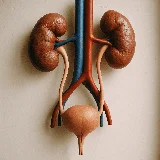
Urinary system
The urinary system – consists of the kidneys, the urethra (the tubes that connect the kidneys and the bladder), the bladder, and the urethra (the tube that connects the bladder to the outside of the body). ).
3,706
Urological Disorders
Uterine Prolapse Treatment in Ayurveda – Natural Remedies for Strengthening and Rejuvenating the Uterus
Explore Ayurvedic treatments for uterine prolapse, focusing on natural remedies, herbal solutions, lifestyle changes, and exercises to strengthen the pelvic muscles and restore uterine health.
4,883

Urological Disorders
उरल बीपीएच कैप्सूल
यूरल बीपीएच कैप्सूल की खोज
3,289

Urological Disorders
Which Fruit Is Good for Urine Infection?
Find out which fruit is good for urine infection. Explore the best fruits and Ayurvedic remedies to support urinary health and prevent recurring infections naturally
8,984

Urological Disorders
Prostina Capsule
Exploration of Prostina Capsule
3,527

Urological Disorders
पेशाब के बाद जलन को कैसे रोकें: घरेलू उपाय
जानें पेशाब के बाद जलन को रोकने के लिए प्रभावी घरेलू उपाय। आयुर्वेदिक समाधान और प्राकृतिक उपचार से यूटीआई से राहत पाने के तरीके सीखें।
7,755

Urological Disorders
Urinary Incontinence Treatment in Ayurveda – Holistic Natural Approaches for Bladder Health
Explore Ayurvedic treatments for urinary incontinence, featuring herbal remedies, detoxification, and lifestyle modifications that promote optimal bladder function and overall well-being.
3,357
Urological Disorders
Hydrocele Treatment in Ayurveda: A Scientific Exploration
Explore how Ayurveda addresses hydrocele management with herbal therapies, dietary guidelines, and scientific evidence for holistic male reproductive health.
5,295
विषय से संबंधित परामर्श
अतिरिक्त दस्तावेज़
© 2024 Ask Ayurveda. सर्वाधिकार सुरक्षित।