Urinary Incontinence Treatment in Ayurveda – Holistic Natural Approaches for Bladder Health

Urinary incontinence is the involuntary loss of urine — a condition far more common than most people realize, and one that millions silently endure without seeking help. According to the World Health Organization, an estimated 423 million people worldwide (aged 20 and older) experience some form of urinary incontinence. In India alone, studies suggest prevalence rates between 21% and 36% among adult women, with men affected significantly after prostate surgery or with advancing age.
- This isn't just a medical inconvenience. It disrupts sleep, limits social activities, causes anxiety, and profoundly impacts quality of life. The good news?
- Most types of urinary incontinence are treatable — and many are curable — once you understand what's actually happening in your body.
This guide covers every type, cause, diagnostic method, and treatment option available today, including evidence-based Kegel protocols, specific medications with dosages, dietary triggers most doctors don't mention, and modern technologies that are changing outcomes for patients. Whether you're dealing with this yourself or caring for someone who is, you'll find actionable, practical information here.
What Is Urinary Incontinence?
Urinary incontinence (UI) refers to the unintentional leakage of urine. It is not a disease in itself but rather a symptom of an underlying condition — one that involves the muscles, nerves, or tissues supporting the bladder and urethra.
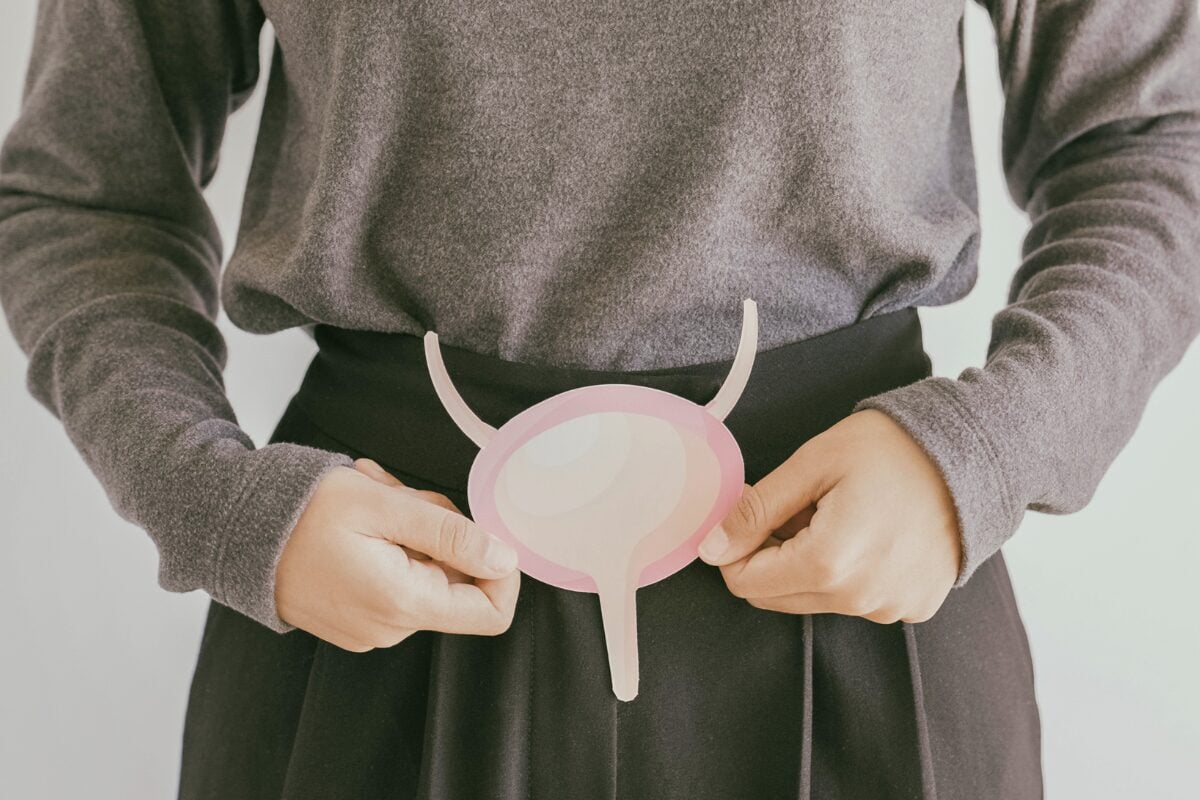
The urinary system works through a coordinated effort: the bladder stores urine while the pelvic floor muscles and urethral sphincter keep the urethra closed. When you're ready to urinate, your brain signals these muscles to relax while the bladder contracts. Incontinence occurs when any part of this system malfunctions.
Who Does Incontinence Affect?
While urinary incontinence can affect anyone at any age, certain populations are disproportionately affected:
- Women are 2–3 times more likely to experience UI than men, largely due to pregnancy, childbirth, and menopause
- Older adults — prevalence increases with age, affecting up to 30–50% of elderly individuals in institutional settings
- Post-surgical patients — men who undergo prostatectomy experience UI in 5–60% of cases (depending on surgical technique)
- People with neurological conditions — multiple sclerosis, Parkinson's disease, stroke, and spinal cord injuries significantly elevate risk
- Individuals with obesity — a BMI above 30 increases stress incontinence risk by approximately 2–4 times
A 2018 study published in Neurourology and Urodynamics estimated that only 25–30% of affected individuals actually seek medical help. Stigma remains the biggest barrier, especially in India where cultural taboos around urinary issues persist strongly.
What Are the 4 Types of Urinary Incontinence (and More)?
- While people commonly ask about "4 types," there are actually 6 clinically recognized types.
- Understanding yours is essential — because the treatment approach differs completely based on the type.
Stress Urinary Incontinence (SUI)
Leakage occurs when physical movement or activity puts pressure (stress) on the bladder — coughing, sneezing, laughing, exercising, or lifting heavy objects. The pelvic floor muscles and urethral sphincter are too weak to withstand the increased abdominal pressure.
Most common in: Women after childbirth, post-menopausal women, and men after prostate surgery.
Urge Incontinence (Overactive Bladder)
A sudden, intense urge to urinate followed by involuntary leakage. The bladder muscle (detrusor) contracts unpredictably, sometimes emptying partially or completely. People often describe "not making it to the bathroom in time."
Most common in: Older adults, those with diabetes, neurological conditions, or urinary tract infections.
Overflow Incontinence
The bladder doesn't empty completely, causing it to overfill and leak. You may experience constant dribbling, a weak urine stream, or the feeling that your bladder is never truly empty.
⚠️ Critical clinical fact: Overflow incontinence is the only type that can be physically dangerous. Chronic urinary retention can lead to recurrent UTIs, bladder stone formation, and in severe cases — hydronephrosis (kidney swelling) and irreversible kidney damage. This type requires prompt medical attention. Most common in: Men with enlarged prostate (BPH), people with diabetes-related nerve damage, or those on certain medications.
Mixed Incontinence
A combination of stress and urge incontinence — the most frustrating type because triggers vary. Studies suggest that up to 33% of incontinent women actually have mixed incontinence.
Functional Incontinence
The urinary system itself works fine, but a physical or cognitive barrier prevents timely toileting. This includes severe arthritis limiting mobility, Alzheimer's disease or dementia, visual impairment, or environmental obstacles like inaccessible bathrooms.
Transient Incontinence
Temporary urinary leakage caused by a reversible condition — urinary tract infections, medication side effects (diuretics, sedatives, ACE inhibitors), constipation, excessive caffeine or alcohol intake, or acute delirium. Once the underlying cause resolves, the incontinence stops.
This distinction is critical: not every episode of incontinence means you have a chronic condition.
Comparison Table: Types of Urinary Incontinence at a Glance
| Type | Key Trigger | Primary Cause | Main Symptom | First-Line Treatment |
|---|---|---|---|---|
| Stress | Physical activity | Weak pelvic floor/sphincter | Leaking with cough, sneeze, exercise | Kegel exercises, weight loss |
| Urge | Sudden strong urge | Overactive detrusor muscle | Can't reach toilet in time | Bladder training, antimuscarinics |
| Overflow | Bladder overfilling | Incomplete emptying/obstruction | Constant dribbling, weak stream | Catheterization, alpha-blockers |
| Mixed | Both activity + urgency | Combined mechanisms | Both stress & urge symptoms | Combined approach |
| Functional | Physical/cognitive barriers | Mobility or cognitive impairment | Normal urge but can't reach toilet | Environmental modification, caregiving support |
| Transient | Temporary condition | Infection, medications, constipation | Temporary leakage | Treat underlying cause |
No competitor currently provides this side-by-side comparison — yet it's one of the most useful tools for patient understanding.
What Is the Main Cause of Urinary Incontinence?
There is no single main cause. The cause depends entirely on the type. However, the most common underlying mechanism across most types is weakened pelvic floor muscles — particularly in women.
Causes in Women (Urinary Incontinence in Female)
- Pregnancy and childbirth — the weight of the growing fetus puts sustained pressure on the bladder, and vaginal delivery can stretch and damage pelvic floor muscles and nerves. A 2019 study in BJOG found that women who had vaginal deliveries were 70% more likely to develop SUI compared to those who had cesarean sections
- Menopause — declining estrogen levels cause thinning of the urethral and vaginal tissues, reducing sphincter effectiveness
- Hysterectomy — surgical disruption of pelvic support structures
- Chronic conditions — obesity, chronic cough (smoking-related), diabetes, constipation
Why Does Pregnancy Cause Incontinence?
- During pregnancy, the expanding uterus puts direct mechanical pressure on the bladder, reducing its capacity. Hormonal changes (particularly increased progesterone) relax smooth muscles, including those of the urinary tract.
- During vaginal delivery, the pudendal nerve — which controls the urethral sphincter — can be stretched or compressed. In most women, postpartum incontinence resolves within 3–6 months, but about 30% continue to experience symptoms a year after delivery.
Causes in Men
Male urinary incontinence is significantly underdiagnosed and underreported.
The most common causes include:
- Prostate surgery (radical prostatectomy) — damage to the external urethral sphincter during surgery. Studies report that 6–8% of men still experience significant UI one year post-surgery
- Benign prostatic hyperplasia (BPH) — the enlarged prostate obstructs the urethra, leading to overflow incontinence
- TURP (transurethral resection of the prostate) — post-surgical incontinence occurs in 1–3% of cases
- Neurological conditions — Parkinson's, stroke, spinal cord injury affect nerve signaling to the bladder
- Medications — alpha-blockers, diuretics, sedatives can worsen or trigger urinary symptoms
Neurological & Other Causes
- Multiple sclerosis (affects bladder in 80% of patients)
- Spinal cord injuries (cause neurogenic bladder)
- Diabetes mellitus (causes overflow incontinence via autonomic neuropathy)
- Chronic urinary tract infections
- Bladder cancer or stones (rarely)

Urinary Incontinence Symptoms: What to Watch For
Symptoms vary by type, but here are the key signs that warrant medical evaluation:
- Leaking urine during physical activities (stress UI)
- Sudden, intense urges to urinate with inability to hold (urge UI)
- Frequent urination — more than 8 times in 24 hours
- Nocturia — waking up 2 or more times per night to urinate
- Constant dribbling or feeling of incomplete emptying (overflow UI)
- Bedwetting in adults (nocturnal enuresis)
- Need to rush to the toilet and sometimes not making it
Adult Bedwetting (Nocturnal Enuresis)
Often overlooked, adult bedwetting affects approximately 1–2% of the adult population. Causes include overactive bladder, obstructive sleep apnea, excessive nighttime urine production (nocturnal polyuria), diabetes, and neurological conditions. It is not "just a childhood problem," and effective treatments exist — including desmopressin (a synthetic ADH hormone) and alarm therapy.
How Is Urinary Incontinence Diagnosed?
What Tests Will Be Done to Diagnose Urinary Incontinence?
Diagnosis follows a systematic approach. Your doctor will typically begin with non-invasive assessments before moving to specialized tests if needed.
Step 1 — Medical History & Physical Exam
- Detailed questioning about symptoms, frequency, triggers, fluid intake, medications, and obstetric/surgical history
- Physical examination including pelvic exam (women) or prostate exam (men)
- Cough stress test — the doctor asks you to cough while observing for leakage
Step 2 — Bladder Diary (3–7 Days)
- You record fluid intake, urination times, volumes, leakage episodes, and associated activities
- This is surprisingly powerful — a 2017 study in International Urogynecology Journal found that a 3-day bladder diary had 85% concordance with urodynamic testing for classifying incontinence type
Step 3 — Basic Laboratory Tests
- Urinalysis — rules out infection, hematuria, glycosuria
- Post-void residual measurement (PVR) — ultrasound or catheter to measure remaining urine after voiding. A PVR above 200 mL suggests overflow incontinence
Step 4 — Urodynamic Testing (if diagnosis remains unclear)
- Cystometry — measures bladder pressure during filling
- Uroflowmetry — measures flow rate and pattern
- Pressure-flow studies — evaluate bladder contraction strength vs. outlet resistance
- Electromyography (EMG) — assesses pelvic floor muscle activity
Step 5 — Imaging (selected cases)
- Ultrasound of kidneys and bladder
- Voiding cystourethrogram (VCUG)
- MRI of the pelvis (for complex or neurological cases)
Step-by-Step: Which Doctor Should You See?
This is a gap no competitor addresses clearly.
Here's your roadmap:
| Your Situation | See This Specialist |
|---|---|
| First episode / mild symptoms | General Practitioner (GP) / Family Medicine |
| Female with stress or urge incontinence | Urogynecologist or Gynecologist |
| Male with post-prostate surgery incontinence | Urologist |
| Suspected neurological cause (MS, Parkinson's, spinal injury) | Neurologist → then Urologist |
| Elderly with functional incontinence / mobility issues | Geriatrician |
| Persistent symptoms despite initial treatment | Urologist with subspecialty in voiding dysfunction |
| Pelvic floor rehabilitation needed | Pelvic floor physiotherapist |
How Do You Stop Urinary Incontinence? Complete Treatment Guide
Urinary Incontinence Treatment: Conservative (First-Line)
Evidence-Based Kegel Protocol
Kegel exercises (pelvic floor muscle training, or PFMT) remain the single most effective non-surgical treatment for stress and mixed incontinence. A Cochrane review (2018) found that women doing PFMT were 8 times more likely to report cure of stress UI compared to controls.
But here's the problem: most people do Kegels incorrectly or inconsistently.
Here's the exact protocol supported by evidence:
- 1.Identify the right muscles — stop urination midstream once (only to identify muscles, don't do this regularly). The muscles you squeeze are the pelvic floor muscles
- 2.Basic contraction — squeeze and hold for 5 seconds, relax for 5 seconds
- 3.Progressive overload — increase hold time by 1 second per week, working up to 10-second holds
- 4.Repetitions — 10–15 contractions per set, 3 sets per day
- 5.Duration — minimum 8–12 weeks before expecting noticeable improvement. A 2015 study in Female Pelvic Medicine & Reconstructive Surgery showed that 56% of women experienced significant improvement at 12 weeks
- 6.Maintenance — continue indefinitely for sustained results
Men post-prostatectomy: Start Kegels 2–4 weeks before surgery (prehabilitation) and resume as soon as the catheter is removed. A 2019 RCT in European Urology showed that pre-surgical PFMT reduced incontinence duration by an average of 6 weeks.
Bladder Training
- Particularly effective for urge incontinence.
- The protocol:
- Start with your current voiding interval (e.g. every 1 hour)
- Increase interval by 15–30 minutes every 1–2 weeks
- Use urge suppression techniques (quick Kegel contractions, distraction, deep breathing) when urgency hits
- Goal: voiding every 3–4 hours
- Timeline: 6–12 weeks for full benefit
Dietary Triggers: The Complete List
This is a massively underserved area in existing resources. These foods and drinks can irritate the bladder and worsen urgency and frequency:
| Category | Specific Triggers |
|---|---|
| Beverages | Coffee (even decaf), tea, alcohol, carbonated drinks, energy drinks |
| Fruits | Citrus (oranges, lemons, grapefruits), tomatoes, cranberries (despite UTI myth) |
| Spices & Seasonings | Chili peppers, hot sauce, curry powder, vinegar, soy sauce |
| Sweeteners | Artificial sweeteners (aspartame, saccharin), honey in excess |
| Other | Chocolate, raw onions, aged cheeses, processed foods high in sodium |
Practical tip: Don't eliminate everything at once. Remove one category for 5–7 days and track changes in your bladder diary. This helps you identify your personal triggers.
Weight Management
A 2009 landmark RCT published in the New England Journal of Medicine (PRIDE study) found that a weight reduction of just 8% decreased stress incontinence episodes by 47%. Even modest weight loss helps. This is one of the highest-impact lifestyle changes you can make.
Urinary Incontinence Medicine: Medications With Specific Details
| Medication | Type of UI | Usual Dosage | Mechanism | Common Side Effects |
|---|---|---|---|---|
| Oxybutynin (Ditropan) | Urge | 5 mg, 2–3 times daily (IR); 5–30 mg once daily (ER) | Antimuscarinic — relaxes detrusor | Dry mouth, constipation, blurred vision, cognitive effects in elderly |
| Tolterodine (Detrol) | Urge | 2 mg twice daily (IR); 4 mg once daily (ER) | Antimuscarinic — bladder selective | Dry mouth, headache, constipation (fewer CNS effects) |
| Solifenacin (Vesicare) | Urge | 5–10 mg once daily | Antimuscarinic — M3 selective | Dry mouth, constipation, blurred vision |
| Mirabegron (Myrbetriq) | Urge | 25–50 mg once daily | Beta-3 agonist — relaxes detrusor differently | Hypertension, UTI, headache (NO dry mouth) |
| Duloxetine (Cymbalta) | Stress | 40 mg twice daily | SNRI — increases urethral sphincter tone | Nausea, fatigue, dizziness (used more in Europe) |
| Desmopressin | Nocturnal enuresis/nocturia | 0.1–0.4 mg at bedtime (oral) | Synthetic ADH — reduces nighttime urine production | Hyponatremia (monitor sodium, especially in elderly) |
| Tamsulosin (Flomax) | Overflow (BPH-related) | 0.4 mg once daily | Alpha-blocker — relaxes prostate/bladder neck | Dizziness, retrograde ejaculation, orthostatic hypotension |
> Important note: Antimuscarinics (oxybutynin, tolterodine, solifenacin) should be used with caution in elderly patients. A 2019 study in JAMA Internal Medicine linked long-term anticholinergic use to a 50% increased risk of dementia. Mirabegron is increasingly preferred for older patients due to its different mechanism and lack of cognitive side effects.
Urinary Incontinence Devices
- Pessary — a silicone ring inserted into the vagina to support the bladder neck. Effective for stress UI in women who prefer non-surgical options. Requires fitting by a healthcare provider
- Urethral inserts — small disposable devices inserted before activity and removed for urination
- External collecting devices — condom catheters for men, absorbent pads/underwear for both genders
- Intermittent self-catheterization — for overflow incontinence; patients learn to empty the bladder 4–6 times daily using a clean catheter
Advanced & Surgical Treatments
Botulinum Toxin (Botox) Injections
- OnabotulinumtoxinA (100–200 units) injected directly into the detrusor muscle via cystoscopy. Highly effective for refractory urge incontinence. A 2012 RCT in the New England Journal of Medicine showed a 70% reduction in urgency episodes.
- Effects last 6–9 months; repeat injections are needed.
- Risk: urinary retention requiring temporary catheterization (6% of cases).
Sacral Neuromodulation (InterStim)
- A small device (like a pacemaker) implanted near the sacral nerves to regulate bladder signals. FDA-approved for urge incontinence, urinary retention, and fecal incontinence.
- Success rates: 60–80% improvement in symptoms. Recent rechargeable models last 15+ years.
Percutaneous Tibial Nerve Stimulation (PTNS)
A needle electrode is inserted near the ankle's posterior tibial nerve, delivering electrical impulses that modulate bladder control. Weekly 30-minute sessions for 12 weeks, then monthly maintenance. A 2010 SUmiT trial showed 54.5% of patients achieved moderate-to-marked improvement.
Surgical Options
- - Mid-urethral sling (TVT/TOT) — the gold standard for female stress UI.
- A synthetic mesh tape supports the urethra.
- Cure rates: 80–90% at 5 years. Controversy exists regarding mesh complications; discuss thoroughly with your surgeon
- Burch colposuspension — sutures support the bladder neck; used when mesh is not preferred
- Artificial urinary sphincter (AUS) — primarily for men with post-prostatectomy incontinence. A fluid-filled cuff around the urethra is manually controlled. Satisfaction rates exceed 90%
- Bulking agents — injectable materials (collagen, Macroplastique, Bulkamid) around the urethra to improve closure. Less invasive, but effects may diminish over 1–2 years
Emerging Technologies (2024–2025)
These newer approaches are not yet covered by most health information sources:
- HIFEM technology (e.g., BTL Emsella) — high-intensity focused electromagnetic energy stimulates pelvic floor contractions (11,000+ per session). Early studies show 75% reduction in pad use after 6 sessions. Non-invasive, you remain fully clothed during treatment
- Er:YAG vaginal laser therapy — non-ablative laser remodels collagen in vaginal tissue, improving urethral support. A 2018 study in Lasers in Surgery and Medicine reported 68% improvement in SUI symptoms at 12 months. Long-term data still limited
- EMTT (Extracorporeal Magnetotransduction Therapy) — combined with HIFEM for enhanced pelvic floor rehabilitation
The Psychological and Social Impact — The Numbers Nobody Talks About
The emotional toll of incontinence is severe, yet consistently underestimated in clinical practice.
- A 2020 systematic review in BMC Urology found that 30–40% of women with urinary incontinence experience clinical depression, compared to 10–15% in continent women
- Social isolation: 50% of affected individuals restrict social activities, with 25% avoiding all physical exercise
- Sexual dysfunction: a 2017 study in the International Urogynecology Journal reported that 68% of women with UI experienced reduced sexual activity, and 25% avoided intimacy entirely
- Workplace impact: an estimated 28% of affected working women report reduced productivity or job modifications
- In India specifically, a 2021 study in the Indian Journal of Urology found that only 19% of women with incontinence discussed it with a family member, let alone a physician
This stigma kills treatment outcomes. Talking about it — with your doctor, partner, or support group — is literally the first step toward improvement.
Prevention: How to Reduce Your Risk
Not all incontinence is preventable, but these strategies significantly reduce risk:
- 1.Daily pelvic floor exercises — start in your 20s–30s, not after problems begin
- 2.Maintain a healthy BMI — target below 25; even reducing BMI by 2–3 points helps
- 3.Quit smoking — chronic cough from smoking directly worsens stress UI, and nicotine irritates the bladder
- 4.Manage chronic constipation — straining damages pelvic floor nerves; aim for 25–30g fiber daily
- 5.Limit bladder irritants — moderate caffeine and alcohol intake
- 6.Stay physically active — but choose low-impact exercise if you have early symptoms (swimming, cycling, yoga over running and jumping)
- 7.Treat UTIs promptly — recurrent infections can cause chronic bladder irritability
- 8.Control diabetes — maintain HbA1c below 7% to prevent autonomic neuropathy
Frequently Asked Questions (FAQ)
Why Am I Not Able to Hold My Pee?
The most common reason is pelvic floor muscle weakness (particularly in women) or overactive bladder muscles that contract involuntarily. Other causes include nerve damage, prostate enlargement, medications (diuretics, sedatives), excessive caffeine intake, or urinary tract infections. If this is a new symptom, start a bladder diary for 3 days and see your GP — it's almost always treatable.
Can Urinary Incontinence in Dogs Be Related to the Same Causes?
Interestingly, yes — partially. Canine urinary incontinence shares some mechanisms with human UI, particularly hormone-responsive incontinence in spayed female dogs (analogous to post-menopausal stress UI in women). Dogs are treated with phenylpropanolamine or DES (diethylstilbestrol). However, this article focuses on human urinary incontinence; consult a veterinarian for pet-related concerns.
- ### What Is Incontinence vs.
- Overactive Bladder — Are They the Same?
Not exactly. Overactive bladder (OAB) is a syndrome characterized by urgency, frequency, and nocturia — with or without incontinence. About one-third of people with OAB have "dry OAB" (urgency without leakage). Urge incontinence is "wet OAB." Think of OAB as the broader condition and urge incontinence as one of its possible symptoms.
How Long Does Urinary Incontinence Last After Pregnancy?
For most women, postpartum incontinence improves significantly within 3–6 months. By 12 months, approximately 70% of women see resolution. However, about 30% may continue to experience some degree of stress incontinence, particularly after multiple vaginal deliveries or prolonged labor. Starting Kegel exercises during pregnancy and resuming them postpartum accelerates recovery.
Is Surgery Always Necessary?
Absolutely not. A 2016 Cochrane review found that 50–70% of women with stress incontinence can be adequately managed with conservative measures alone (PFMT, lifestyle modifications, weight loss). Surgery is typically reserved for cases that don't respond to 6–12 months of conservative treatment, or for severe cases significantly impacting daily life.
Conclusion: Take the First Step Today
Urinary incontinence is common, but it is not normal — and you don't have to live with it. Whether your symptoms are mild leakage during a sneeze or severe urgency that controls your daily schedule, effective treatments exist at every level.
Start here:
- Keep a bladder diary for 3 days
- Begin Kegel exercises today using the protocol above
- Identify and eliminate your personal dietary triggers
- Book an appointment with the appropriate specialist from the routing table
The single biggest mistake people make is waiting. The average person waits 6.5 years from onset of symptoms before seeking help (according to a survey by the National Association for Continence). Don't be that statistic.
If you're experiencing symptoms, speak with your doctor. If you've been given a diagnosis, explore the full range of options — from lifestyle changes and physiotherapy to medications and advanced procedures. Your bladder doesn't have to dictate your life.
Scientific Sources
- Effect of Electroacupuncture on Urinary Leakage Among Women With Stress Urinary Incontinence: A Randomized Clinical Trial — Liu Z et al., 2017, JAMA
- Postpartum Stress Urinary Incontinence: Current Advances in Non-Pharmacological Therapies — Chen Y et al., 2025, Archivos espanoles de urologia
- Female urinary microbiota — Mueller ER et al., 2017, Current opinion in urology
- Mechanisms Governing Anaphylaxis: Inflammatory Cells, Mediators, Endothelial Gap Junctions and Beyond — Nguyen SMT et al., 2021, International journal of molecular sciences
- Prévention des chutes chez les personnes âgées fragiles hospitalisées en court séjour : utilisation des chaussettes antidérapantes.Une revue systématique de littérature — Pelliard T et al., 2021, Recherche en soins infirmiers
- Procidentia(Archived) — Doo J et al., 2026
- Effect of Electroacupuncture Added to Pelvic Floor Muscle Training in Women with Stress Urinary Incontinence: A Randomized Clinical Trial — Tang K et al., 2023, European urology focus
- Electroacupuncture in Patients With Early Urinary Incontinence After Radical Prostatectomy: A Randomized Clinical Trial — Niu J et al., 2025, JAMA network open
- Geriatric assessment tools — Rosen SL et al., 2011, The Mount Sinai journal of medicine, New York
- Long-Term Outcomes of Diastasis Recti Abdominis in Postpartum Women: A Retrospective Cohort Study — Wang L et al., 2024, International urogynecology journal
- Mental health and lower urinary tract symptoms: Results from the NHANES and Mendelian randomization study — Zhang X et al., 2024, Journal of psychosomatic research
- Clinical efficacy of traditional Chinese medicine therapy for female stress urinary incontinence: a meta-analysis — Liu H et al., 2024, Revista da Escola de Enfermagem da U S P
- Incidence and influencing factors of urinary incontinence in stroke patients: A meta-analysis — Wang S et al., 2024, Neurourology and urodynamics
- Stress Urinary Incontinence and Pelvic Organ Prolapse: Biologic Graft Materials Revisited — Whooley J et al., 2020, Tissue engineering. Part B, Reviews
- Associations between metabolic syndrome and female stress urinary incontinence: a meta-analysis — Huang H et al., 2022, International urogynecology journal
- Innovations in Stress Urinary Incontinence: A Narrative Review — Szabo T et al., 2025, Medicina (Kaunas, Lithuania)
- Non-pharmacological and nonsurgical interventions in male urinary incontinence: A scoping review — Zhang Y et al., 2023, Journal of clinical nursing
- Association between cardiometabolic index and postmenopausal stress urinary incontinence: a cross-sectional study from NHANES 2013 to 2018 — Yin T et al., 2025, Lipids in health and disease
- Acupuncture for postprostatectomy incontinence: a systematic review — Chen H et al., 2023, BMJ supportive & palliative care
- Electroacupuncture for post-stroke urinary incontinence: a systematic review and meta-analysis with trial sequential analysis — Jiang Z et al., 2023, Frontiers in neurology
आयुर्वेदिक डॉक्टर से एक प्रश्न पूछें और मुफ़्त या सशुल्क मोड में अपनी चिंता की समस्या पर ऑनलाइन परामर्श प्राप्त करें।
2,000 से अधिक अनुभवी डॉक्टर हमारी साइट पर काम करते हैं और आपके प्रश्नों की प्रतीक्षा करते हैं और प्रतिदिन उपयोगकर्ताओं को उनकी स्वास्थ्य समस्याओं को हल करने में मदद करते हैं।
संबंधित आलेख