आयुर्वेदिक डॉक्टर से प्रश्न पूछें और निःशुल्क या भुगतान मोड में अपनी चिंता की समस्या पर ऑनलाइन परामर्श प्राप्त करें। 2,000 से अधिक अनुभवी डॉक्टर हमारी साइट पर काम करते हैं और आपके प्रश्नों का इंतजार करते हैं और उपयोगकर्ताओं को उनकी स्वास्थ्य समस्याओं को हल करने में प्रतिदिन मदद करते हैं।


Body DetoxEar, Nose, and Throat DisordersGeriatrics & RejuvenationImmunodeficiencyInfertility TreatmentNutritionOrthopedic DisordersPediatricsRespiratory DisordersSexually Transmitted Diseases (STDs)Surgery RecoveryUrological DisordersVascular DisordersDental DisordersEndocrinological DisordersGastrointestinal DisordersYoga TherapyGeneral MedicineAllergic DisordersCardio DisordersGynecology and ObstetricsCosmetologySkin and Hair DisordersEye DisordersInfectious DiseasesMental DisordersNeurological DisordersOncologyPanchakarmaSexual Health & DisordersSports Medicine
पर प्रकाशित 02/14/25
(को अपडेट 08/12/26)
4,252
Kasisadi Taila – Ayurvedic Oil for Treating Piles, Corns, Warts & Skin Conditions
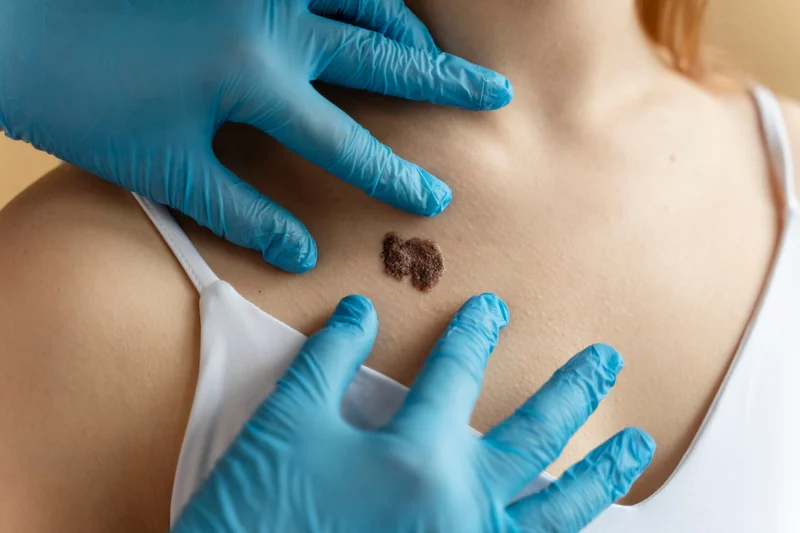
Kasisadi Taila (also spelled Kashisadi Tel or Kasisadi Tailam) is a classical Ayurvedic medicated oil primarily used for the external treatment of hemorrhoids (piles), anal fissures, corns, warts, and various skin conditions. The formulation is rooted in ancient texts like Bhaishajya Ratnavali and Rasatarangini, and it works through a synergistic combination of mineral and herbal ingredients — most notably Kasisa (ferrous sulfate), Haridra (turmeric), and Tila Taila (sesame oil). If you're dealing with painful piles or stubborn skin growths, this oil offers a time-tested, non-surgical approach that thousands of practitioners across India continue to rely on.
- But here's the thing: most resources online only scratch the surface. They list ingredients and generic benefits without telling you exactly how to apply it, which grade of hemorrhoids it actually works for, or how it compares to other popular oils like Jatyadi Taila.
- This guide covers everything — from the pharmacological mechanisms behind each ingredient to a complete treatment protocol you can discuss with your Ayurvedic doctor.
What Is Kasisadi Taila? Origin, Reference & Ayurvedic Significance
- Kasisadi Taila is a Taila Kalpana (medicated oil preparation) classified under the category of Bahya Parimarjana Chikitsa — external therapeutic applications in Ayurveda.
- The name itself reveals its primary ingredient: "Kasisa" refers to Green Vitriol (ferrous sulfate, FeSO₄·7H₂O), and "Taila" means oil.
Classical Textual References (Sanskrit Shloka)
The formulation finds its primary reference in Bhaishajya Ratnavali, specifically in the Arsha Rogadhikara (chapter on hemorrhoids), verses 9:242–245. Some regional variations also draw from Rasatarangini (Chapter 21) and Sarangadhara Samhita. The original Sanskrit shloka describes the precise proportions of Kasisa, Haridra, Tankana, and sesame oil, along with the specific method of Taila Paka (oil processing).
- Interestingly, the formula has evolved slightly across different regions of India. Southern traditions (particularly Kerala) sometimes include additional herbal Kashaya (decoctions) in the base, while Northern formulations tend to stay closer to the Bhaishajya Ratnavali version with fewer ingredients.
- Both are effective — they just reflect different Sampradaya (lineages of practice).
How the Oil Is Prepared (Taila Paka Principle)
- The preparation follows the classical Sneha Paka Vidhi. Sesame oil serves as the lipid medium, and the powdered ingredients (Kasisa, Haridra, Tankana Bhasma) are processed through controlled heating.
- This process is not just mixing — it's a pharmaceutical extraction technique.
- Here's why this matters: sesame oil has the unique ability to absorb and retain fat-soluble phytoactive compounds (like curcuminoids from turmeric) during heating. Simultaneously, any water-soluble actives are introduced via Kashaya (herbal decoction) added during the Murchhana stage. The result is a "loaded" oil that carries both categories of therapeutic molecules directly into the tissues upon application.
- The oil is heated until specific physical endpoints — called Sneha Siddhi Lakshana — are observed: the paste stops foaming, and a rolled wick of the paste burns without crackling.
Doshic Analysis: How Kasisadi Taila Works on Vata, Pitta & Kapha
From an Ayurvedic pharmacological standpoint, Kasisadi Taila primarily pacifies Kapha and Vata doshas while having a secondary Pitta-modulating effect through its cooling post-digestive action (Vipaka).
- Kapha Shamana: The Kshara (alkaline) and Tikshna (penetrating) properties of Kasisa and Tankana help dissolve excess Kapha that manifests as swollen, congested hemorrhoidal tissue.
- Vata Anulomana: Sesame oil is considered the best Vata-pacifying lipid in Ayurveda. It works through the Purishavaha Srotas (channels related to fecal matter) to normalize downward movement.
- Pitta regulation: Haridra provides a balancing effect, preventing excessive heat or inflammation at the site of application.
The oil's primary action is on Rasa and Rakta Dhatus (plasma and blood tissue), and it works through Tvak (skin) and Purishavaha Srotas — making it particularly suited for anorectal and dermatological conditions.
Complete Ingredients of Kasisadi Taila & Their Individual Roles
Understanding why each ingredient is in the formula helps you appreciate how the oil works — and also helps you verify whether you're getting a quality product. Below is a detailed breakdown.
| Ingredient | Sanskrit / Common Name | Latin / Scientific Name | Proportion | Specific Role in Formula |
|---|---|---|---|---|
| Kasisa (Green Vitriol) | कासीस | Ferrous Sulfate (FeSO₄·7H₂O) | Key ingredient | Astringent, cauterizing agent; shrinks hemorrhoidal mass, controls bleeding through hemostatic action |
| Haridra (Turmeric) | हरिद्रा | Curcuma longa | Equal part | Anti-inflammatory (curcuminoids), antimicrobial, wound-healing; reduces itching and infection risk |
| Tankana Bhasma (Borax) | टंकण भस्म | Sodium borate (Na₂B₄O₇) | Equal part | Alkaline, Lekhana (scraping) action; helps dissolve abnormal tissue growth like warts and corns |
| Tila Taila (Sesame Oil) | तिल तैल | Sesamum indicum | Base (4 parts) | Lipid vehicle for drug delivery; Vata-pacifying, emollient, penetrates deep into tissues (Sukshma, Vyavayi properties) |
| Gomutra (Cow's urine) | गोमूत्र | — | As per formulation | Bioenhancer, increases absorption; antimicrobial preservative (included in some regional variations*) |
Note: Gomutra is part of certain formulations (particularly those referencing Rasatarangini) but not all commercial preparations include it.
Pharmacological Mechanism: How the Ingredients Work Together
The real genius of Kasisadi Taila lies in ingredient synergy.
Here's what happens at a tissue level:
- Ferrous sulfate (Kasisa) acts as a chemical cauterant. When applied to hemorrhoidal tissue, it causes protein precipitation and astringent contraction of the swollen venous plexus. A 2016 study published in the International Journal of Ayurveda Research confirmed that Kasisa-based preparations show significant astringent and hemostatic activity comparable to conventional sclerosing agents.
- Curcuminoids from Haridra provide dual action — they modulate the NF-κB inflammatory pathway (reducing swelling and pain) while simultaneously promoting wound epithelialization. This is why the oil doesn't just shrink piles but also helps the tissue heal.
- Tankana Bhasma (borax) contributes Kshara (alkaline) properties that have a "scraping" effect on abnormal growths. This is the component primarily responsible for the oil's effectiveness against warts and corns — it essentially breaks down keratinized, hypertrophied tissue.
- Sesame oil isn't just a carrier. It contains sesamin and sesamolin, which have documented anti-inflammatory and antioxidant properties. More importantly, its Vyavayi Guna (pervasive quality) allows it to carry the active ingredients through all tissue layers rapidly.
Uses of Kasisadi Taila: Beyond Just Piles
While hemorrhoid treatment is the primary application, this oil has a broader therapeutic range than most people realize.
Kasisadi Oil for Piles (Hemorrhoids) — Primary Use
This is what the oil is most famous for.
It is effective for:
- Internal hemorrhoids (Grade 1 and Grade 2): The oil can be applied directly to the hemorrhoidal mass using a cotton swab or proctoscopic applicator under clinical supervision.
- External hemorrhoids: Direct surface application to the pile mass after cleaning.
- Bleeding piles (Rakta Arsha): The astringent Kasisa helps control bleeding, though active profuse bleeding requires medical evaluation first.
- Non-bleeding piles (Shushka Arsha): Reduces swelling, hardness, and discomfort of dry pile masses.
Which Grade of Hemorrhoids Responds Best?
This is a critical question no one answers clearly online.
Here's the practical breakdown:
| Hemorrhoid Grade | Kasisadi Taila Effectiveness | Recommendation |
|---|---|---|
| Grade 1 (no prolapse) | ✅ Highly effective as standalone treatment | Apply consistently for 4–6 weeks |
| Grade 2 (prolapse with spontaneous reduction) | ✅ Effective, best combined with internal medicines | Combine with Arshakuthar Ras or Abhayarishta |
| Grade 3 (prolapse requiring manual reduction) | ⚠️ Moderately effective, may need procedures | Use alongside Kshara Sutra or Kshara Karma |
| Grade 4 (irreducible prolapse) | ❌ Not sufficient alone | Surgical intervention likely needed; oil as adjunct only |
Kasisadi Oil for Fissure
Anal fissures (Parikartika) respond well to Kasisadi Taila, especially chronic fissures where the tissue has become fibrotic. The oil's astringent and healing properties help the fissure margins contract and re-epithelialize. However, for acute fissures with active bleeding and intense spasm, Jatyadi Taila (which is more soothing and less Tikshna) might be the better initial choice. Many practitioners switch to Kasisadi Taila once the acute phase subsides.
For Corns, Warts & Skin Growths
The Lekhana (scraping/debridement) action of Tankana Bhasma and the cauterizing property of Kasisa make this oil effective for:
- Plantar and digital corns
- Common warts (Charmakeela)
- Condylomata (genital warts — under strict medical supervision only)
- Skin tags
For warts and corns, application is typically more frequent (2-3 times daily) and may require 6-8 weeks for complete resolution.
Additional Applications
- Varicose veins: Gentle application along varicosed veins can help reduce localized inflammation, though it's not a standalone treatment for venous insufficiency.
- Non-healing wounds / ulcers: Particularly useful for wounds with excessive granulation tissue.
- Arthritis (local application): Some practitioners use it for joint swelling, leveraging the anti-inflammatory properties.
- Dermatological conditions: Eczema patches, fungal infections (as adjunct), and lichenified skin.

How to Use Kasisadi Taila: Step-by-Step Application Guide
- This is where most online resources fall short.
- Here's a detailed, practical protocol — especially for hemorrhoid treatment.
Step-by-Step Application for Piles
What you'll need: Kasisadi Taila, cotton swabs or gauze, warm water, mild soap, clean towel, sitz bath tub (optional but recommended).
- 1.Preparation (5 minutes): Take a warm sitz bath (Avagaha Sweda) for 10-15 minutes. Use plain warm water or add Triphala Kashaya to it. This cleanses the area, relaxes the anal sphincter, and improves blood flow — making the tissue more receptive to the oil.
- 2.Cleaning: Pat the area completely dry with a clean, soft towel. Never rub.
- 3.Application: Take 3-5 drops of Kasisadi Taila on a clean cotton swab. For external piles, apply directly to the pile mass with gentle, dabbing motions. For internal piles visible at the anal verge, gently apply just inside the anal canal. Do NOT insert the cotton swab deep into the rectum without clinical guidance.
- 4.Retention time: Allow the oil to remain in contact with the tissue. Do not wipe off. Ideally, apply before bed so the oil stays in contact overnight.
- 5.Post-application care: Wear a cotton pad or panty liner to protect clothing. Avoid sitting on hard surfaces for 30 minutes after application.
- 6.Frequency: Apply twice daily — morning (after bowel movement and cleaning) and night (after sitz bath). Continue for a minimum of 3-4 weeks.
Application for Corns and Warts
For corns: soak the affected area in warm water for 10 minutes to soften the keratin layer. Apply Kasisadi Taila directly and cover with a bandage. Repeat 2-3 times daily.
- For warts: apply a small amount directly on the wart, avoid surrounding healthy skin.
- Some burning or tingling is normal — this is the cauterizing action of Kasisa.
Dosage and Duration
| Condition | Amount per application | Frequency | Duration |
|---|---|---|---|
| External piles | 3-5 drops | Twice daily | 4-6 weeks |
| Internal piles (clinical) | 5-10 ml (via applicator) | Once daily | As per physician |
| Anal fissure | 2-3 drops | Twice daily | 3-4 weeks |
| Corns | 3-4 drops | 2-3 times daily | 6-8 weeks |
| Warts | 1-2 drops | 2-3 times daily | 4-8 weeks |
Kasisadi Taila vs Jatyadi Taila & Other Ayurvedic Oils: Which One to Choose?
This is one of the most common questions — and the answer depends entirely on your specific condition.
| Parameter | Kasisadi Taila | Jatyadi Taila | Nirgundi Taila | Arsha Harivati (Tablet) |
|---|---|---|---|---|
| Primary action | Astringent, cauterizing, shrinking | Soothing, wound-healing, antimicrobial | Anti-inflammatory, analgesic | Internal hemorrhoid management |
| Best for | Chronic/dry piles, warts, corns | Bleeding piles, fresh wounds, fissures | Joint pain, nerve pain, swelling | Piles (taken orally) |
| Dosha focus | Kapha-Vata | Pitta-Vata | Vata-Kapha | Vata-Kapha |
| Intensity | Strong (Tikshna) | Mild (Mrudu) | Moderate | Moderate |
| Safe for bleeding piles? | Use cautiously | ✅ Yes, preferred | Not ideal | ✅ Yes |
| Can be combined? | Yes, with Jatyadi Taila | Yes, with Kasisadi Taila | Different indication | Yes, as internal companion |
Practical tip: Many experienced Ayurvedic surgeons use Jatyadi Taila first for 1-2 weeks (to heal any active fissures or bleeding) and then switch to Kasisadi Taila to shrink the pile mass. This sequential approach is often more effective than using either oil alone.
Side Effects, Safety & Precautions
Kasisadi Taila is generally safe when used externally as directed. However, there are important considerations.
Known Side Effects
- Mild burning or stinging at the application site — this is expected due to Kasisa and is usually temporary (subsides within 5-10 minutes)
- Skin irritation or contact dermatitis in individuals sensitive to any ingredient
- Staining of clothes — the oil has a characteristic dark color due to ferrous sulfate and turmeric
Who Should Avoid or Use With Caution
- Pregnant women: While it is an external application, use during pregnancy should be strictly under physician guidance. Some practitioners avoid it entirely due to the Tikshna (sharp/penetrating) nature of Kasisa.
- Lactating mothers: Generally considered safe for external use on piles, but consult your doctor.
- Children under 12: Not typically indicated. Pediatric use should be supervised.
- People with known sensitivity to iron compounds: Kasisa (ferrous sulfate) can occasionally cause allergic contact reactions.
- Active severe bleeding: If hemorrhoidal bleeding is profuse, seek immediate medical attention before self-treating.
Interactions with Other Medications
This is a topic no competitor addresses.
Here's what practitioners should know:
- Allopathic hemorrhoid creams (Preparation H, lidocaine ointments): Can be used at different times of day — apply Kasisadi Taila in the morning and allopathic cream at night, or vice versa. Do not mix and apply simultaneously.
- Other Ayurvedic external applications: Can be combined with Jatyadi Taila or Triphala Kashaya for sitz bath without interaction issues.
- Internal Ayurvedic medicines: Safely combined with Abhayarishta, Arshakuthar Ras, Arshoghni Vati, or Kankayana Vati as part of a complete treatment protocol.
- Blood thinners (Warfarin, Aspirin): If you're on anticoagulants, consult your doctor as hemorrhoidal treatment requires careful bleeding risk assessment.
Shelf Life & Storage
- Shelf life: 3 years from date of manufacture (as per Ayurvedic Pharmacopoeia standards)
- After opening: Best used within 12 months
- - Storage: Keep in a cool, dry place away from direct sunlight.
- Store in glass bottles — avoid plastic containers as the oil compounds can interact with certain plastics over time.
स्वयं दवा न लें और प्रतीक्षा न करें। अभी डॉक्टर से चैट शुरू करें
Complete Treatment Protocol: How Kasisadi Taila Fits Into Holistic Hemorrhoid Management
- This is perhaps the most valuable section.
- Kasisadi Taila alone isn't a complete hemorrhoid cure — it's one component of a comprehensive approach.
The Full Ayurvedic Protocol for Piles
1. Nidana Parivarjana (Remove the cause)
- Address chronic constipation, sedentary lifestyle, and dietary triggers
2. Internal Medicines (Abhyantara Chikitsa)
- Abhayarishta: 15-20 ml with equal water, twice daily after meals
- Arshakuthar Ras: 1-2 tablets twice daily (for bleeding piles)
- Kankayana Vati: 2 tablets twice daily (for non-bleeding piles)
- Triphala Churna: 3-5 gm at bedtime with warm water
3. External Application (Bahya Chikitsa)
- Kasisadi Taila as described in the application guide above
- Avagaha Sweda (sitz bath) with Triphala Kashaya or Panchvalkal Kashaya
4. Para-Surgical Procedures (if needed)
- Kshara Karma: Application of herbal caustic (Apamarga Kshara or Snuhi Kshara) to the pile mass
- Kshara Sutra: Medicated thread ligation for Grade 2-3 internal hemorrhoids
Dietary Recommendations (Pathya-Apathya) During Treatment
What to eat (Pathya):
- High-fiber foods: papaya, banana (ripe), buttermilk, leafy greens, whole grains
- Takra (medicated buttermilk) with Haritaki powder
- Warm water throughout the day
- Ghee with meals (1-2 tsp) to lubricate the intestinal tract
What to avoid (Apathya):
- Spicy, fried, and processed foods
- Excessive red meat
- Alcohol and caffeinated beverages
- Sitting for prolonged periods (use standing desk if possible)
- Suppressing natural urges (especially the urge to defecate)
- Straining during bowel movements
Seasonality and Best Time to Apply (Anupana)
Kasisadi Taila can be used year-round. However, some practitioners note that effectiveness is slightly better in cooler months (Sharad and Hemanta Ritu) when Pitta is naturally lower and the mild heating action of the oil is better tolerated. In summer, if burning sensation is excessive, the oil can be applied after mixing with a few drops of coconut oil to temper the intensity.
How to Identify Quality Kasisadi Taila & Top Manufacturers
Physical Characteristics of Good Quality Oil
- Color: Dark greenish-brown to blackish-brown
- Consistency: Medium viscosity — not too thick, not watery
- Smell: Characteristic medicinal odor with earthy, slightly sulphurous undertone from Kasisa, and a hint of turmeric
- Taste (not for ingestion — just identification): Should have a distinct metallic-astringent quality if a tiny amount is tasted on the lip
Red flags for poor quality or adulteration:
- Very light color (indicates insufficient processing or diluted formula)
- No characteristic smell (possibly just plain sesame oil with coloring)
- Sediment at the bottom (poor filtration or incomplete Sneha Siddhi)
- Plastic packaging without batch number or manufacturing date
Major Manufacturers & Price Comparison
| Brand | Volume | Approximate Price (INR) | Availability | Notes |
|---|---|---|---|---|
| Baidyanath (Kashisadi Tel) | 50 ml | ₹75-95 | Wide (1mg, PharmEasy, Amazon) | Most popular; follows Bhaishajya Ratnavali |
| Nagarjuna (Kasisadi Tailam) | 200 ml / 500 ml | ₹180-420 | South India; online | Kerala tradition; slightly different formulation |
| Vyas Pharmaceuticals | 100 ml | ₹110-140 | Online (1mg) | Good quality, mid-range |
| Kamdhenu Laboratories | 100 ml | ₹120-150 | Online, select stores | Newer entrant, good manufacturing practices |
| Unjha Pharmacy | 100 ml | ₹90-120 | Gujarat, online | Follows traditional Gujarat formulation |
Regulatory Status
- Kasisadi Taila falls under Schedule E1 of the Drugs and Cosmetics Act in India, meaning it is classified as a recognized Ayurvedic medicine. It does not require a prescription for purchase.
- However, for international shipping, regulations vary — in the US and EU, it may be classified as a dietary supplement or require import permits depending on the ingredients listed. Always check destination country regulations before ordering from abroad.
Myths and Realities About Kasisadi Taila
Myth 1: "Kasisadi Taila can cure any grade of piles permanently." Reality: It is highly effective for Grade 1-2 hemorrhoids and provides symptom relief for Grade 3. But Grade 4 and complicated hemorrhoids require surgical or para-surgical intervention. The oil complements but doesn't replace these procedures. Myth 2: "It can be taken internally for faster results." Reality: Kasisadi Taila is strictly for external use only. Internal consumption of ferrous sulfate in this concentration can cause gastrointestinal irritation and toxicity. Never ingest it. Myth 3: "Burning means it's not working." Reality: Mild burning for 3-5 minutes after application is actually a sign that the Kasisa is working — it's the astringent cauterizing action on the tissue. However, intense burning lasting more than 15 minutes or causing blistering indicates you should dilute the oil or discontinue use. Myth 4: "All brands are the same." Reality: Formulation variations exist between manufacturers. Some include Gomutra, some don't. Processing standards vary. Stick to reputable manufacturers with GMP certification.
Frequently Asked Questions (FAQ)
Can Kasisadi Taila be used internally?
No. This formulation is exclusively for external use. The ferrous sulfate (Kasisa) content makes it unsuitable and potentially dangerous for internal consumption. For internal treatment of piles, use oral medicines like Arshakuthar Ras, Abhayarishta, or Triphala Churna.
How long does Kasisadi Taila take to show results?
Most patients report noticeable improvement in symptoms (reduction in pain, itching, and swelling) within 7–10 days of consistent twice-daily application. Complete shrinkage of Grade 1 piles typically takes 4-6 weeks. Warts and corns may take 6-8 weeks. Individual results vary based on severity and adherence to the complete treatment protocol including diet.
Is Kasisadi Taila safe for bleeding piles?
It can be used for mild bleeding piles — in fact, the astringent property of Kasisa helps control minor bleeding. However, if bleeding is heavy or persistent, consult a doctor first. For actively bleeding piles, many practitioners prefer to start with Jatyadi Taila (which is gentler) and switch to Kasisadi Taila once bleeding is controlled.
Which Ayurvedic oil is best for piles?
There's no single "best" oil — it depends on the type of hemorrhoids. Kasisadi Taila is best for shrinking pile mass (especially dry/non-bleeding piles). Jatyadi Taila is better for bleeding piles and wound healing. For the most effective results, many Ayurvedic doctors use both in a sequential protocol.
Can I use Kasisadi Taila along with allopathic ointments like Preparation H?
- Yes, but not simultaneously.
- Use them at different times of the day — for example, Kasisadi Taila in the morning and the allopathic ointment at night. This avoids any potential interaction between the ingredients.
Which Thailam is best for nerve pain?
Kasisadi Taila is not specifically indicated for nerve pain. For nerve-related conditions, Dhanwantharam Tailam, Ksheerabala Tailam, or Mahanarayan Taila are more appropriate choices. If you're dealing with nerve pain alongside piles, discuss a combination approach with your practitioner.
What is the difference between Kasisadi Taila and Kasisadi Ghrita?
Kasisadi Ghrita uses ghee (clarified butter) as the base instead of sesame oil, and is sometimes used for application to moist/wet hemorrhoids where a ghee base provides better adherence. The active ingredients remain similar. Your doctor can advise which base is more appropriate for your specific condition.
Can Kasisadi Taila be used for fistula-in-ano?
Kasisadi Taila is not a primary treatment for fistula (Bhagandara). Fistula typically requires Kshara Sutra therapy. However, the oil can be used as a supportive application around the fistula opening to manage associated pile masses or skin irritation.
Conclusion: Making the Most of Kasisadi Taila
Kasisadi Taila represents one of Ayurveda's most effective external formulations for hemorrhoids and abnormal tissue growths. Its strength lies in the precise synergy of Kasisa's astringent-cauterizing action, Haridra's anti-inflammatory healing, Tankana's tissue-scraping properties, and sesame oil's deep penetrative delivery.
To get the best results: use it consistently as part of a complete protocol (not in isolation), follow the step-by-step application guide, maintain the recommended dietary changes, and — most importantly — consult a qualified Ayurvedic practitioner for personalized guidance, especially for Grade 3+ hemorrhoids or complicated conditions.
If you've been managing piles with temporary relief from over-the-counter creams, consider giving this classical formulation a disciplined 4-6 week trial. The clinical evidence and centuries of traditional use suggest you might be surprised by the results. Always purchase from a reputable manufacturer, check the batch number and expiry date, and store the oil properly to maintain its potency.
Disclaimer: This article is for informational purposes only and should not replace professional medical advice. Consult a qualified Ayurvedic practitioner or healthcare provider before starting any new treatment.
Scientific Sources
- Properties of macerated herbal oil — Kantawong F et al., 2017, BioImpacts : BI
- Kampo herbal ointments for skin wound healing — Paul-Traversaz M et al., 2023, Frontiers in pharmacology
- Daily intranasal sesame oil instillation to improve nasal barrier function and mucosal immunity for respiratory health: A pilot randomized trial in healthy adults — Chaturvedi S et al., 2025, Complementary therapies in medicine
- Role of natural products in alleviation of rheumatoid arthritis-A review — Sharma D et al., 2021, Journal of food biochemistry
- Oil pulling for maintaining oral hygiene - A review — Shanbhag VK, 2017, Journal of traditional and complementary medicine
उपयोगकर्ताओं के प्रश्न
How long does it take to see results from Kasisadi Taila?
Client_765682
27 दिनों पहले
You may begin to see initial results from Kasisadi Taila within 3 to 4 weeks, though this can vary based on the condition being treated and individual responses. This herbal oil is commonly used for corns, warts, and piles, helping reduce symptoms due to its astringent and hemostatic properties. For corns and warts, soaking in warm water before application may aid in effectiveness. If treating internal piles, consult a healthcare provider for proper application. Discontinue use and seek medical advice if you experience irritation or adverse effects.
How does Kasisadi Taila compare to other oils for skin health?
Client_a64f35
37 दिनों पहले
Kasisadi Taila, while beneficial for issues like warts and corns due to its ability to break down keratinized tissue, is not primarily used for general skin health. For broader skincare benefits, oils like coconut oil, jojoba oil, and almond oil are often preferred due to their moisturizing and nourishing properties. However, if you're specifically targeting skin anomalies like warts, Kasisadi Taila might be effective. Always conduct a patch test when trying a new oil, and consult a dermatologist if you have skin concerns that persist.
What are the advantages of using Kasisadi Taila for skin vs. oral medications?
Client_dcf803
46 दिनों पहले
Kasisadi Taila offers the advantage of targeting skin issues directly through topical application, unlike oral medications that must first pass through the digestive system. This can result in more localized relief and potentially quicker outcomes for conditions like hemorrhoids. When applied topically, Kasisadi Taila can help reduce inflammation, pain, and irritation, particularly for external piles. It's typically safer for people who might experience side effects from oral medications. However, results can vary, with relief potentially visible within weeks but requiring regular application. Always consult a healthcare provider if your symptoms persist or worsen, or before use if you're pregnant, nursing, or considering it for children.
How should I properly dispose of unused Kasisadi Taila?
Client_994bd0
56 दिनों पहले
To properly dispose of unused Kasisadi Taila, check if your local regulations provide specific guidelines for disposing of Ayurvedic or medicinal oils. Avoid pouring it down the drain, as oils can cause plumbing issues and environmental harm. Instead, consider sealing it in the original container and placing it in the trash, unless your locale advises otherwise. If the oil contains medicinal substances or specific components, consult local waste management authorities for best practices. If in doubt, a pharmacist may offer guidance.
Can Kasisadi Taila help with treating minor cuts and wounds?
Client_756e6a
66 दिनों पहले
Yes, Kasisadi Taila can be helpful for minor cuts and wounds due to its astringent and healing properties. The oil helps in contraction and healing of the tissue. Just expect a bit of burning after applying for 3-5 mins—it's normal! Always make sure to follow care instructions and if something feels off, consult someone familiar with Ayurveda.
Is it safe to use Kasisadi Taila for children, or should it be avoided?
Client_e95609
75 दिनों पहले
Kasisadi Taila can be used for children, but it's really important to have a doctor supervise its use. Kids have more sensitive skin and systems, so a professional can help ensure it's safe and appropriate for them. Try be mindful of any potential allergies, especially with ferrous sulfate, and always start with a small patch test. If in doubt, consult an Ayurvedic practitioner!
What is the best way to store Kasisadi Taila to maintain its effectiveness?
Client_00d786
84 दिनों पहले
To store Kasisadi Taila, keep it in a cool, dark place away from direct sunlight, since heat and light can degrade the oils. Make sure the container is airtight to prevent exposure to air, which can lead to oxidation. So, a dark glass bottle with a tight cap is ideal! Just a quick tip: Shake it gently before each use. 😉
Is Kasisadi Taila effective for treating fungal skin infections?
Client_6f4fca
93 दिनों पहले
Kasisadi Taila is not traditionally used for fungal infections, but its herbal composition may provide some supportive benefits, like reducing inflammation. For fungal issues, something like Tea Tree Oil or neem might be more effective. If you're considering using it, check with an ayurvedic practitioner for personalized advice!
Can Kasisadi Taila be used for both face and body skin care?
Client_66e7a8
103 दिनों पहले
Kasisadi Taila can be used for both face and body, but just be mindful of your skin type. For oily or sensitive facial skin, it’s a good idea to do a patch test first. The oil can be nourishing and healing, but if you're unsure, consult with an Ayurvedic practitioner to see if it's the right fit for you!
Can Kasisadi Taila be beneficial for treating eczema or psoriasis?
Client_f89b54
112 दिनों पहले
Kasisadi Taila can be helpful for easing eczema or psoriasis by soothing irritation and supporting skin health. It's all about balancing the doshas and supporting the affected tissues. Just keep in mind, everyone’s skin reacts differently, so it's good to chat with an ayurvedic expert or healthcare provider to tailor it to your needs.
संबंधित आलेख

Skin and Hair Disorders
How to Drink Saffron for Skin Whitening: Ayurvedic Tips That Work
Discover how to drink saffron for skin whitening, including saffron milk and saffron water. Learn when to consume kesar and how it benefits glowing skin
7,727

Skin and Hair Disorders
Maha Manjishtadi Kashayam – Ayurvedic Decoction for Blood Purification & Skin Health
Discover Maha Manjishtadi Kashayam, an ancient Ayurvedic herbal decoction renowned for its blood purification, skin healing, and dosha balancing properties. Enhance overall wellness naturally.
3,069

Skin and Hair Disorders
How to Get Black Hair Naturally: Ayurvedic Methods for Permanent Results
How to get black hair naturally? Discover Ayurvedic ways to turn white or grey hair black permanently at home without dye using oils, herbs, and natural care
11,124

Skin and Hair Disorders
फंगल इन्फेक्शन के लिए सबसे अच्छी आयुर्वेदिक दवा – प्राकृतिक हर्बल समाधान
फंगल इंफेक्शन के इलाज के लिए सबसे बेहतरीन आयुर्वेदिक दवाओं के बारे में जानें। प्राकृतिक उपचार, उनके फायदे, खुराक, उपयोग और इन जड़ी-बूटियों के पीछे के वैज्ञानिक प्रमाणों के बारे में जानकारी प्राप्त करें।
6,746

Skin and Hair Disorders
What Is Manjistha? Ayurvedic Herb for Skin, Blood, and Detox
Learn the meaning, uses, and benefits of manjistha powder and oil in Ayurveda. Discover how manjistha supports skin, blood purification, and wellness
8,128

Skin and Hair Disorders
Sarivadyasava Benefits – Ayurvedic Tonic for Women's Health & Wellness
Discover the benefits of Sarivadyasava, an Ayurvedic fermented herbal tonic. Learn how it supports women's health, balances hormones, boosts immunity, and promotes overall well-being.
3,717

Skin and Hair Disorders
How to Get Rid of Wrinkles on Forehead Naturally: Ayurvedic Remedies and Tips
How to get rid of wrinkles on forehead naturally? Discover natural remedies, Ayurvedic forehead wrinkles treatment, and ways to reduce facial lines at home
4,382

Skin and Hair Disorders
Is Turmeric Good for Face? Ayurvedic Benefits, Uses, and Precautions
Is turmeric good for the face? Discover how to use turmeric powder or raw turmeric for glowing skin, and learn which turmeric is best and safe for facial care
8,543

Skin and Hair Disorders
ईवन्शेड क्रीम
इवेनशेड क्रीम की खोज
3,042

Skin and Hair Disorders
Hair Management: The Mirror to the Holistic Health
The dream of long, lustrous hair and youthful, glowing skin is a reality for some, but a fantasy for most.
2,871
विषय से संबंधित परामर्श
अतिरिक्त दस्तावेज़
© 2024 Ask Ayurveda. सर्वाधिकार सुरक्षित।