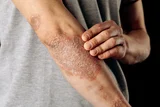
Dhurdhurapatradi Oil Uses: Benefits, Research, and Application
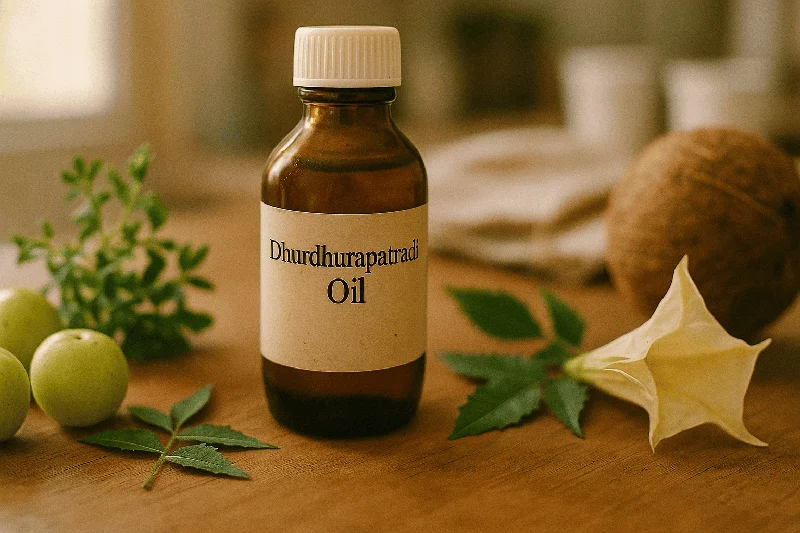
Did you know that over 50% of adults experience scalp issues at some point in their lives, according to various dermatological studies? While many turn to conventional medical treatments, there has been a surge in interest toward traditional Ayurvedic oils like Dhurdhurapatradi oil for its potential therapeutic uses. Derived from a blend of herbs commonly used in Ayurveda, Dhurdhurapatradi oil is increasingly sought after for its scalp and hair-supporting properties. But how effective is it really? This article delves into the origin, composition, and scientifically backed benefits of Dhurdhurapatradi oil, offering you an in-depth look at its uses and current research findings.
In the following sections, you will find a balanced view of Dhurdhurapatradi oil uses, including any supporting clinical studies, expert opinions, and guidance on safe application. By the end, you’ll be well-equipped to make an informed decision on whether or not to include this oil in your healthcare or haircare routine.
Table of Contents
What Is Dhurdhurapatradi Oil?
Dhurdhurapatradi oil is an Ayurvedic herbal preparation traditionally used in various parts of South Asia for promoting healthy hair and scalp. The term “Dhurdhurapatradi” is derived from Sanskrit, where “Dhurdhurapatra” typically refers to certain plant leaves that form the core component of this oil. While exact formulations can vary, most commercial and traditional recipes include a combination of herbs simmered in a carrier oil like sesame or coconut oil.
Historical Roots:
-
Believed to have originated from classical Ayurvedic texts that detail herbal remedies for scalp conditions and hair growth.
-
Often prescribed by Ayurvedic practitioners to individuals suffering from dandruff, itching, and other scalp irritations.
Key Ingredients and Ayurvedic Perspective
In Ayurveda, each herb carries unique properties that contribute to the oil’s overall therapeutic effect. Traditional preparations of Dhurdhurapatradi oil may include:
-
Dhurdhurapatra (Datura metel or other Datura species)
-
Often cited for its analgesic and antimicrobial properties in Ayurvedic literature.
-
Used externally in controlled amounts to help soothe scalp irritations.
-
-
Carrier Oil (Sesame or Coconut Oil)
-
A key medium that helps in the extraction and absorption of active herbal compounds.
-
Rich in healthy fats that may further nourish the skin and hair.
-
-
Additional Herbs (e.g., Amla, Brahmi, or Neem)
-
Some formulations include extra herbs for synergistic effects, such as anti-inflammatory or antifungal properties.
-
Ayurvedic Rationale
In Ayurvedic theory, scalp and hair problems are frequently attributed to imbalances in the doshas—Vata, Pitta, and Kapha. Dhurdhurapatradi oil is said to help pacify certain doshic imbalances by improving circulation, reducing dryness or excess oiliness, and creating an environment conducive to scalp health.
Disclaimer: While these Ayurvedic concepts provide a framework for understanding Dhurdhurapatradi oil’s uses, they do not replace modern medical diagnoses or treatments. Always consult a qualified healthcare provider for personalized advice.
Potential Health Benefits
1. Scalp and Hair Health
One of the most frequently cited Dhurdhurapatradi oil uses involves promoting a healthy scalp. According to a 2019 review in the Journal of Ethnopharmacology, certain herbs found in Dhurdhurapatradi oil (notably Datura species) have demonstrated antifungal and antibacterial activities in vitro. This suggests a potential benefit for combating scalp infections and dandruff.
-
Dandruff Control: The antimicrobial properties may help reduce dandruff-causing fungi like Malassezia.
-
Anti-Inflammatory Effects: Some traditional reports attribute soothing effects to Dhurdhurapatradi oil, possibly aiding in relieving itching and redness associated with scalp disorders.
-
Hair Strengthening: When massaged into the scalp, the oil can increase local blood circulation, supporting hair follicles for stronger, thicker-looking hair.
2. Skin Health Support
Although primarily marketed for hair and scalp, some advocates claim Dhurdhurapatradi oil might help alleviate minor skin irritations when used under medical supervision. The theoretical basis is that certain herbs in the formulation carry anti-inflammatory and wound-healing properties.
-
Minor Irritation Relief: Laboratory tests on Datura extracts show potential anti-inflammatory effects, which may help soothe localized redness or irritation.
-
Topical Antimicrobial Action: Traditional Ayurvedic practitioners sometimes recommend Dhurdhurapatradi oil for mild skin complaints, though robust clinical evidence is limited.
3. Other Traditional Uses
Historically, Dhurdhurapatradi oil has been used in Ayurvedic regimens for conditions beyond scalp issues. In certain villages and rural Ayurvedic setups, it is sometimes prescribed for headache relief through topical application on the forehead. However, these uses are mostly anecdotal, and more clinical research is needed.
Scientific Research and Evidence
Modern research on Dhurdhurapatradi oil itself is somewhat limited, but several of its key components—particularly Datura species—have been studied extensively for their chemical constituents:
-
Antimicrobial Activity:
-
A 2020 study published in the Journal of Traditional and Complementary Medicine found that Datura metel extracts displayed broad-spectrum antimicrobial activity against certain bacterial strains. This underpins some of the scalp infection control claims.
-
-
Analgesic and Anti-Inflammatory Effects:
-
Compounds like hyoscyamine and scopolamine, found in Datura, have known pharmacological activities. However, these alkaloids can be toxic if ingested. When used topically in regulated amounts, they may contribute to mild analgesic effects.
-
-
Hair Growth Potential:
-
While there are no conclusive large-scale clinical trials on Dhurdhurapatradi oil specifically, smaller pilot studies on herbal oils containing Datura suggest improved hair density in participants with scalp conditions. More rigorous, large-scale human studies are needed for definitive evidence.
-
Note: Many of these findings stem from in vitro or animal studies, and thus their direct applicability to humans should be approached cautiously. Reputable organizations like the World Health Organization (WHO) and National Institutes of Health (NIH) encourage further research to validate traditional remedies.
How to Use Dhurdhurapatradi Oil Safely
If you’re interested in trying Dhurdhurapatradi oil for scalp or hair care, consider the following steps and precautions:
-
Patch Test:
-
Apply a small amount of oil to a patch of skin (e.g., inside your forearm) and wait 24 hours to check for any adverse reactions, such as redness or itching.
-
-
Gentle Massage:
-
Warm a small amount of Dhurdhurapatradi oil by rubbing it between your palms or placing the sealed bottle in warm water.
-
Massage the oil gently onto your scalp using circular motions to enhance blood flow and ensure even distribution.
-
-
Leave-In or Wash Out:
-
Some users prefer leaving the oil in overnight and washing it out in the morning.
-
Others may keep it on for just 30 minutes to an hour before shampooing.
-
-
Frequency of Use:
-
Most Ayurvedic practitioners suggest using the oil two to three times per week, though this can vary based on your individual needs.
-
-
Consultation:
-
Always consult with a qualified healthcare provider or Ayurvedic practitioner, especially if you have a pre-existing medical condition, are pregnant, or taking any medications.
-
Precautions and Possible Side Effects
Despite the promising aspects of Dhurdhurapatradi oil, it’s crucial to note the following caveats:
-
Toxicity Concerns:
-
Datura species contain potent alkaloids that can be toxic when ingested. Dhurdhurapatradi oil formulations are generally for external use only. Avoid ingestion and keep the product out of reach of children.
-
-
Allergic Reactions:
-
Herbal ingredients can cause reactions in sensitive individuals. Always perform a patch test before broader application.
-
-
Lack of Standardization:
-
Different brands and homemade batches may vary widely in quality and concentration. Look for products from reputable manufacturers that follow Good Manufacturing Practices (GMP).
-
-
Professional Advice Necessary:
-
People with chronic scalp conditions, open wounds, or severe dermatitis should consult a medical professional before use.
-

Expert Opinions and Clinical Guidelines
Reputable medical organizations such as the National Center for Complementary and Integrative Health (NCCIH)highlight the importance of evidence-based approaches to herbal therapies. While Dhurdhurapatradi oil may offer some benefits, official guidelines stress:
-
Supplement, Not Substitute:
-
Herbal treatments should complement, not replace, scientifically proven medical interventions.
-
-
Quality Assurance:
-
Products should be verified by third-party testing to confirm purity and potency.
-
-
Informed Medical Guidance:
-
Consult healthcare professionals knowledgeable in both modern medicine and herbal practices to ensure an integrative and safe approach.
-
Frequently Asked Questions (FAQ)
-
Is Dhurdhurapatradi oil safe for pregnant women?
-
Due to the presence of potentially potent compounds, it’s best to avoid Dhurdhurapatradi oil during pregnancy and breastfeeding unless specifically advised by a qualified healthcare provider.
-
-
Can Dhurdhurapatradi oil help with severe hair loss conditions like alopecia areata?
-
While some users report improvements, scientific evidence for severe cases is limited. More rigorous clinical trials are needed. Always consult a dermatologist or trichologist for severe conditions.
-
-
How long does it take to see results for scalp itching or dandruff?
-
Individual responses vary. Some people report relief within a few uses, while others may need consistent application for several weeks.
-
-
Should I blend Dhurdhurapatradi oil with other oils?
-
Blending with gentle carrier oils like coconut or sesame is a common Ayurvedic practice. However, consult a practitioner for a tailored approach.
-
-
Where can I purchase Dhurdhurapatradi oil?
-
It’s available in many health stores specializing in Ayurvedic products, as well as online marketplaces. Ensure the brand follows GMP or other quality certifications.
-
Conclusion and Call to Action
Dhurdhurapatradi oil has a long history in Ayurvedic tradition for promoting scalp and hair health. Preliminary studies hint at the antifungal, antibacterial, and anti-inflammatory properties of its key herbal constituents. Yet, like many traditional remedies, conclusive scientific backing is still growing. If you decide to explore Dhurdhurapatradi oil, remember to source high-quality products, perform a patch test, and consult qualified professionals for personalized advice.
Key Takeaways
-
Dhurdhurapatradi oil may support scalp health, reduce dandruff, and potentially strengthen hair.
-
Always consider a patch test and professional consultation, especially if you have medical conditions.
-
Look for third-party certifications to ensure product quality and authenticity.
Are you curious to try Dhurdhurapatradi oil or have you already used it? Share your experiences in the comments, subscribe to our newsletter for more updates, and spread the word if you found this article helpful. Together, we can foster a supportive community discussing both traditional wisdom and modern evidence-based healthcare.
Medical Disclaimer: This article is for informational purposes only and does not substitute professional medical advice. For specific healthcare needs or concerns, consult a licensed medical or Ayurvedic practitioner.
आयुर्वेदिक डॉक्टर से एक प्रश्न पूछें और मुफ़्त या सशुल्क मोड में अपनी चिंता की समस्या पर ऑनलाइन परामर्श प्राप्त करें।
2,000 से अधिक अनुभवी डॉक्टर हमारी साइट पर काम करते हैं और आपके प्रश्नों की प्रतीक्षा करते हैं और प्रतिदिन उपयोगकर्ताओं को उनकी स्वास्थ्य समस्याओं को हल करने में मदद करते हैं।
संबंधित आलेख