
आयुर्वेदिक डॉक्टर से प्रश्न पूछें और निःशुल्क या भुगतान मोड में अपनी चिंता की समस्या पर ऑनलाइन परामर्श प्राप्त करें। 2,000 से अधिक अनुभवी डॉक्टर हमारी साइट पर काम करते हैं और आपके प्रश्नों का इंतजार करते हैं और उपयोगकर्ताओं को उनकी स्वास्थ्य समस्याओं को हल करने में प्रतिदिन मदद करते हैं।


Body DetoxEar, Nose, and Throat DisordersGeriatrics & RejuvenationImmunodeficiencyInfertility TreatmentNutritionOrthopedic DisordersPediatricsRespiratory DisordersSexually Transmitted Diseases (STDs)Surgery RecoveryUrological DisordersVascular DisordersDental DisordersEndocrinological DisordersGastrointestinal DisordersYoga TherapyGeneral MedicineAllergic DisordersCardio DisordersGynecology and ObstetricsCosmetologySkin and Hair DisordersEye DisordersInfectious DiseasesMental DisordersNeurological DisordersOncologyPanchakarmaSexual Health & DisordersSports Medicine
पर प्रकाशित 04/04/25
(को अपडेट 08/09/26)
5,967
Best Ayurvedic Medicine for Weight Gain: Comprehensive Guide
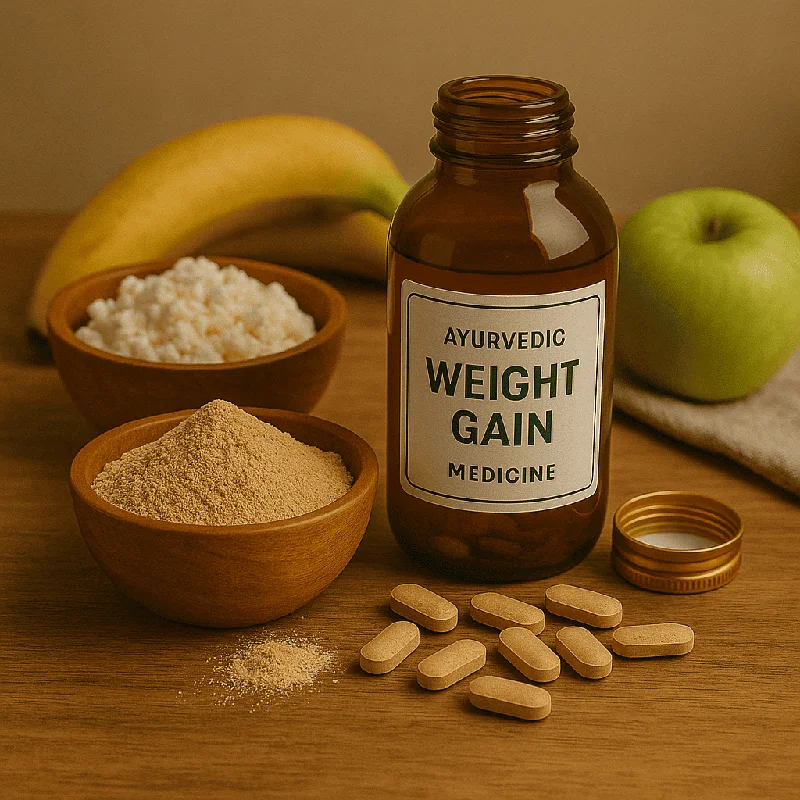
Introduction: The Rising Interest in Ayurvedic Weight Gain Solutions
Did you know that an estimated 462 million people worldwide are underweight, according to the World Health Organization (WHO)? While much attention is focused on weight loss, there is a sizeable population striving to put on healthy weight. In recent years, Ayurveda has gained popularity for offering a holistic approach to health and wellness, including Ayurvedic remedies for weight gain. These time-tested herbal combinations, dietary suggestions, and lifestyle practices aim to balance the body’s internal systems to facilitate healthy weight management.
In this article, we explore the best Ayurvedic medicine for weight gain, dissect current scientific research on Ayurvedic principles, and present an evidence-based perspective on how these herbal formulations might help you meet your nutritional goals. Along the way, we’ll cite peer-reviewed studies, highlight standard medical guidelines, and share practical tips for safe and effective use. Please note that this information is for educational purposes only and should not replace professional medical advice. Always consult a qualified healthcare provider before making any significant changes to your health regimen.
Table of Contents
-
Understanding Ayurveda and Weight Gain
-
Common Ayurvedic Herbs and Formulations
-
Evidence from Research: Efficacy and Safety
-
Practical Tips for Using Ayurvedic Remedies
-
Dietary and Lifestyle Recommendations
-
Frequently Asked Questions (FAQ)
-
Conclusion and Call to Action
1. Understanding Ayurveda and Weight Gain
1.1 What Is Ayurveda?
Ayurveda is an ancient system of medicine with roots in India, dating back over 5,000 years. It focuses on balancing the three fundamental bodily energies, or “doshas”—Vata, Pitta, and Kapha—to maintain overall health. In Ayurvedic philosophy, weight gain or loss can be influenced by an imbalance in these doshas, dietary habits, metabolic processes, and stress levels.
1.2 Why Consider Ayurvedic Approaches for Weight Gain?
-
Holistic View: Ayurveda treats the body as an interconnected system. Instead of solely targeting symptoms (e.g., lack of appetite), it emphasizes restoring balance, which can lead to more sustainable results.
-
Minimal Side Effects: Many Ayurvedic formulations use herbs and natural substances, theoretically reducing the risk of severe side effects when used correctly.
-
Personalized Medicine: Ayurvedic practitioners tailor treatments to an individual’s unique constitution (prakriti), lifestyle, and existing health conditions.
According to a review published in the Journal of Ayurveda and Integrative Medicine (2015), certain Ayurvedic interventions have shown potential in managing body weight, though more robust clinical trials are still needed for definitive conclusions.
2. Common Ayurvedic Herbs and Formulations
2.1 Ashwagandha (Withania somnifera)
Often touted as one of the best Ayurvedic medicine for weight gain, Ashwagandha is an adaptogenic herb used to modulate stress response. Elevated stress levels can contribute to a poor appetite and weight loss.
-
Key Components: Withanolides, alkaloids, and lactones.
-
Potential Benefits: Research (PubMed ID: 28471731) suggests that Ashwagandha may help in improving muscle mass and reducing fatigue.
2.2 Shatavari (Asparagus racemosus)
Shatavari is commonly recommended for those looking to increase mass and improve digestion. Traditionally used for female reproductive health, it also contains compounds that can support the digestive system.
-
Key Components: Steroidal saponins, which may help balance hormonal levels.
-
Potential Benefits: May improve nutrient absorption and appetite.
2.3 Yashtimadhu (Glycyrrhiza glabra)
Popularly known as licorice root, Yashtimadhu supports the mucosal lining of the stomach, potentially aiding digestion and nutrient assimilation.
-
Key Components: Glycyrrhizin, flavonoids, and isoflavones.
-
Potential Benefits: May have anti-inflammatory and soothing effects on the gastrointestinal tract, which could contribute to better nutrient absorption.
2.4 Chyawanprash
A classical Ayurvedic jam, Chyawanprash is prepared using a blend of herbs, amla (Indian gooseberry), sesame oil, ghee, and honey. It is widely used as a general health tonic.
-
Key Components: Amla (rich in Vitamin C), various herbs, ghee, and honey.
-
Potential Benefits: Strengthens immunity, improves digestion, and can support healthy weight gain when taken regularly.
2.5 Draksharishta and Other Herbal Tonics
Draksharishta is a fermented Ayurvedic tonic primarily made from grapes, known to support digestion and boost appetite. Other herbal tonics like Ashwagandharishta or Balarishta may also be recommended, depending on individual needs.
-
Key Components: Fermented grape juice, spices, and herbs that may help stimulate digestion.
-
Potential Benefits: Enhanced appetite, improved gut health, and better absorption of nutrients.
3. Evidence from Research: Efficacy and Safety
While anecdotal and historical evidence strongly supports the use of Ayurvedic remedies, modern scientific validation is still evolving. Some key points:
-
Ashwagandha Studies: In a randomized controlled trial (RCT) published in PLoS One (2015), participants taking Ashwagandha root extract experienced an increase in muscle mass and reduction in exercise-induced muscle damage, suggesting potential for healthy weight gain.
-
Digestive Support: Herbs like Shatavari and Yashtimadhu have shown promise in small-scale studies for improving digestion and overall gut health, which are crucial for weight gain.
-
Safety Profile: Generally considered safe when used in recommended doses, Ayurvedic herbs can still interact with medications or cause side effects. For instance, excessive licorice (Yashtimadhu) intake may lead to elevated blood pressure in some individuals (National Institutes of Health, 2020).
Healthcare providers often stress the importance of consulting a qualified Ayurvedic practitioner and a medical doctor before beginning any herbal supplementation, especially for individuals with pre-existing conditions or those taking other medications.
4. Practical Tips for Using Ayurvedic Remedies
-
Consult a Professional: Before you begin any Ayurvedic regimen, consult with a certified Ayurvedic practitioner for a personalized plan.
-
Start Slow: Introduce one herb or formulation at a time to monitor your body’s reaction.
-
Check Labels: Look for reputable manufacturers and verify that products are tested for purity and quality.
-
Combine with a Balanced Diet: Even the best Ayurvedic medicine for weight gain will not work if your overall calorie intake is inadequate. Ensure you consume balanced meals with sufficient proteins, carbohydrates, and healthy fats.
-
Stay Hydrated: Proper hydration is essential for digestion and nutrient absorption. Aim for 8–10 glasses of water per day, or as advised by your healthcare provider.
-
Follow Recommended Dosages: Overuse of herbs can lead to imbalances or interactions with other medications.
5. Dietary and Lifestyle Recommendations
5.1 Diet
-
Incorporate High-Calorie Whole Foods: Nuts, seeds, avocados, whole grains, and dairy products (if tolerated) provide nutrient-dense calories.
-
Eat Small, Frequent Meals: Spreading meals throughout the day can help boost calorie intake without overwhelming your digestive system.
-
Include Herbal Spices: Spices like cumin, fennel, and ginger can aid digestion and improve nutrient absorption.
-
Avoid Junk Calories: Focus on nutrient-rich foods rather than sugary beverages or processed snacks.
5.2 Lifestyle
-
Manage Stress: Elevated cortisol levels can interfere with healthy weight gain. Techniques like yoga, meditation, and pranayama (breathing exercises) are commonly recommended in Ayurveda for stress relief.
-
Regular Sleep Schedule: Aim for 7–9 hours of quality sleep each night. Adequate rest is critical for muscle recovery and overall hormonal balance.
-
Physical Activity: While excessive cardio might be counterproductive for weight gain, moderate strength training can help build muscle mass.
These recommendations align with general guidelines from recognized health organizations, such as the National Health Service (NHS) and the World Health Organization (WHO), which emphasize balanced diets, regular exercise, and adequate rest for overall well-being.
6. Frequently Asked Questions (FAQ)
Q1: What is the best Ayurvedic medicine for weight gain?
A1: There is no single “best” solution that works for everyone, as Ayurveda relies on personalized treatment. However, herbs like Ashwagandha, Shatavari, and formulas such as Chyawanprash are commonly used for supporting healthy weight gain.
Q2: Are Ayurvedic remedies safe for long-term use?
A2: Many Ayurvedic remedies can be safe for extended periods when taken under the guidance of a qualified practitioner. Always follow dosage recommendations and consult your healthcare provider, especially if you take other medications or have chronic conditions.
Q3: How quickly can I expect results?
A3: Results vary depending on individual factors like metabolism, lifestyle, and diet. Some people notice changes within a few weeks, while others may take several months to see significant improvement.
Q4: Can I use Ayurvedic herbs with conventional supplements?
A4: While it’s often possible to combine Ayurvedic and Western supplements, it’s crucial to consult both an Ayurvedic practitioner and a medical doctor to avoid potential interactions or side effects.
Q5: Do I need to change my diet when using Ayurvedic remedies?
A5: Yes. A balanced, nutritious diet works in tandem with Ayurvedic remedies to deliver the best results. Relying solely on herbs without adequate calories, proteins, and nutrients is unlikely to promote healthy weight gain.
7. Conclusion and Call to Action
Ayurveda provides a holistic framework for achieving and maintaining a healthy weight, drawing upon centuries of empirical wisdom and an ever-growing body of scientific research. While Ashwagandha, Shatavari, Yashtimadhu, and other herbal formulations are among the best Ayurvedic medicine for weight gain, their effectiveness is maximized when integrated with a balanced diet, stress management techniques, and regular physical activity.
Nevertheless, clinical evidence supporting these herbs continues to evolve, and it’s essential to adopt a cautious, research-informed approach. Always consult qualified healthcare professionals for personalized advice, particularly if you have underlying medical conditions or are taking other medications.
If you found this guide helpful, please share it with others who may benefit, leave a comment below with your thoughts or experiences, and subscribe for more in-depth articles on holistic health and wellness. Empower yourself with the best of traditional wisdom and modern science to reach your weight goals safely and sustainably.
Disclaimer
This article is for informational purposes only and does not substitute professional medical advice. Always consult with a healthcare provider before making any changes to your treatment plan or regimen.
References and Suggested Reading
-
Journal of Ayurveda and Integrative Medicine (2015). [Available on PubMed]
-
National Institutes of Health (2020). “Herbs at a Glance.”
-
PLoS One (2015). [Available on PubMed]
-
World Health Organization. “Malnutrition: Key Facts.”
This article is provided in the spirit of sharing credible and balanced information. For individualized guidance, please seek professional consultation.
उपयोगकर्ताओं के प्रश्न
Can I consult both an Ayurvedic practitioner and a doctor simultaneously?
Client_4f24d1
21 घंटे पहले
Yes, you can consult both an Ayurvedic practitioner and a medical doctor simultaneously, and it's actually advisable, especially if you have pre-existing health conditions or are taking medications. This collaborative approach allows for comprehensive care while minimizing risks. It is crucial that both practitioners are aware of each other's prescribed treatments to avoid potential interactions, such as elevated blood pressure from excessive licorice intake, as noted by health organizations. If you notice any adverse effects or have specific health concerns, consult your doctor promptly.
What are the potential side effects of Ayurvedic herbs for weight gain?
Client_53b862
5 दिनों पहले
Ayurvedic herbs for weight gain can potentially cause side effects like digestive issues, allergic reactions, or interactions with other medications. These can include nausea, upset stomach, or diarrhea. The severity and occurrence of these side effects can vary depending on the individual's health condition and the specific herbs used. Notably, herbs like Ashwagandha may cause drowsiness or interact with medications for thyroid or blood sugar. Always consult a healthcare professional before starting Ayurvedic herbs, especially if you are already taking other medications or supplements.
What types of herbs are recommended for healthy weight gain?
Client_1219de
10 दिनों पहले
For healthy weight gain, herbs like ashwagandha, ginger, and licorice root are commonly recommended. Ashwagandha is known for its ability to improve muscle mass and promote overall vitality. Ginger aids digestion and nutrient absorption, while licorice can help balance metabolism. When using herbs, it's crucial to follow recommended dosages to avoid potential interactions with other medications. Consistent results may take several weeks; consult a healthcare professional if there's no noticeable progress or if side effects occur.
How long should I follow Ayurvedic practices for weight gain?
Client_122e9b
15 दिनों पहले
You should give Ayurvedic practices for weight gain at least three months to see noticeable improvements. Individual results can vary based on factors like metabolism, overall health, and adherence to guidelines. Healthy weight gain typically involves incorporating nutrient-dense foods, herbal supplements, and lifestyle changes guided by Ayurvedic principles. While some may see changes within weeks, substantial progress may take longer. Always monitor for any adverse effects and consult a healthcare provider to tailor practices safely and effectively.
What are the hydration guidelines for supporting weight gain?
Client_0110e2
20 दिनों पहले
To support weight gain, it is recommended to consume 8–10 glasses of water per day, though individual needs may vary. Staying hydrated aids digestion and nutrient absorption, which are crucial for healthy weight gain. Be mindful that excessive water can potentially dilute digestive enzymes, impacting calorie absorption. It's important to balance water intake with nutrient-dense foods and consult a healthcare provider for personalized advice, especially if you are using supplements or other medications.
What lifestyle changes support Ayurvedic weight gain therapies effectively?
Client_e05917
30 दिनों पहले
To effectively support Ayurvedic weight gain therapies, focus on increasing your calorie intake with a balanced and nutritious diet rich in whole grains, healthy fats, and proteins. Regular strength training exercises are important to help build muscle mass. Manage stress through techniques like yoga or meditation, as stress can impact digestive health and metabolism. Monitor your progress and watch for any adverse reactions to herbal supplements. Consult a healthcare provider if you're not seeing results or experiencing side effects, as individual needs can vary.
What are the key ingredients in Draksharishta for digestion?
Client_70c35b
40 दिनों पहले
Draksharishta is a traditional Ayurvedic tonic primarily intended to support digestion and is made from fermented grapes. Key ingredients in Draksharishta for digestion include the main component, grapes, along with amla, which is rich in Vitamin C, various herbs, ghee, and honey. Grapes serve as the central component, contributing to improved digestion and metabolism. Amla adds to these benefits with its digestive and antioxidant properties. If digestion issues persist despite using Draksharishta, consult a healthcare professional.
How long does it typically take to see results from Ayurvedic weight gain remedies?
Client_9ba930
50 दिनों पहले
Ayurvedic remedies for weight gain can take anywhere from a few weeks to several months to show noticeable results. While the traditional approach includes herbal supplements like Ashwagandha and Shatavari, as well as dietary and lifestyle modifications, the timeframe for results can vary greatly depending on individual metabolism, underlying health issues, and adherence to the prescribed regimen. If no changes are observed within three months, or if you experience any side effects, it's advisable to consult a healthcare professional for further evaluation. Ayurvedic practices can support weight gain, but they should ideally be part of a comprehensive health plan supervised by a qualified practitioner.
Can I safely use licorice for weight gain while on medication?
Client_31118d
59 दिनों पहले
You can potentially use licorice for weight gain, but it's crucial to consult with your healthcare provider first, especially if you're on medication. Licorice can interact with several medications and may increase blood pressure, posing risks for individuals with hypertension or those on blood pressure meds. If your goal is to gain weight, addressing underlying health issues and adopting a balanced diet may be safer and more effective. Consult a healthcare practitioner to tailor weight gain strategies that are safe and personalized for you.
What is the best way to combine Ayurveda and modern nutrition for healthy weight gain?
Client_e98416
69 दिनों पहले
Great question! To combine Ayurveda and modern nutrition for weight gain, focus on grounding, nourishing foods like whole grains, oils, and dairy, alongside enough protein. Ayurvedic herbs like ashwagandha or shatavari can help balance doshas and support digestion. Make sure to also listen to your body and adjust based on how you feel.
संबंधित आलेख

Gastrointestinal Disorders
Drakshasava Uses, Side Effects, Dose, And Ingredients
Exploration of Drakshasava Uses, Side Effects, Dose, And Ingredients
3,128

Gastrointestinal Disorders
क्या नींबू की चाय ढीले दस्त और डायरिया के लिए फायदेमंद है?
यह जानें कि क्या नींबू चाय ढीली मोशन और दस्त के लिए फायदेमंद है। जानें कि नींबू पानी या नींबू के साथ काली चाय कैसे लक्षणों को कम करने में मदद करती है और इन्हें कब इस्तेमाल करना चाहिए।
10,711

Gastrointestinal Disorders
तककरिश्ता
तकरारिष्ट की खोज
3,030

Gastrointestinal Disorders
Understanding Stomach Bloating Solutions
Ayurveda provides a unique perspective on bloating, emphasizing gut health and balance through ancient practices.
2,443

Gastrointestinal Disorders
Hingvadi Churna – Traditional Ayurvedic Powder for Digestion and Detoxification
Discover Hingvadi Churna, a time-tested Ayurvedic remedy known for its digestive, detoxifying, and anti-inflammatory benefits. Learn about its composition, usage, and therapeutic properties.
3,986

Gastrointestinal Disorders
Amavatari Kashayam: Uses, Benefits & Ayurvedic Insights
Discover the uses, benefits, proper dosage, and Ayurvedic foundations of Amavatari Kashayam, a traditional herbal decoction for holistic health and wellness.
2,674

Gastrointestinal Disorders
Ayurvedic Medicine for Cystitis: Natural Relief and Healing
Explore Ayurvedic medicine for cystitis, natural remedies, and holistic treatment approaches to manage urinary tract inflammation and promote healing using ancient wisdom.
3,275

Gastrointestinal Disorders
Ayurvedic Treatment for Gastritis: A Real Talk on Gut Healing
Let’s not sugarcoat it—gastritis sucks. Whether it hits you like a slow burn or drops you with sudden, stabbing upper-abdominal pain, it’s no walk in the park. Technically speaking, gastritis is inflammation of the stomach lining. But if you’ve dealt with
3,680

Gastrointestinal Disorders
Santarpana Janya Vyadhi – Understanding the Ayurvedic Approach to Nutritional Imbalances
Explore the concept of Santarpana Janya Vyadhi in Ayurveda, a category of diseases caused by excessive nourishment, and learn about its causes, symptoms, and treatment options.
2,931

Gastrointestinal Disorders
Amavatari Kashayam: Benefits & Ayurvedic Uses
Discover the benefits, proper dosage, uses, and scientific research behind Amavatari Kashayam, a potent Ayurvedic herbal decoction for health.
2,920
विषय से संबंधित परामर्श
अतिरिक्त दस्तावेज़
© 2024 Ask Ayurveda. सर्वाधिकार सुरक्षित।