Ask Ayurvedic doctor a question and get a consultation online on the problem of your concern in a free or paid mode. More than 2,000 experienced doctors work and wait for your questions on our site and help users to solve their health problems every day.


Body DetoxEar, Nose, and Throat DisordersGeriatrics & RejuvenationImmunodeficiencyInfertility TreatmentNutritionOrthopedic DisordersPediatricsRespiratory DisordersSexually Transmitted Diseases (STDs)Surgery RecoveryUrological DisordersVascular DisordersDental DisordersEndocrinological DisordersGastrointestinal DisordersYoga TherapyGeneral MedicineAllergic DisordersCardio DisordersGynecology and ObstetricsCosmetologySkin and Hair DisordersEye DisordersInfectious DiseasesMental DisordersNeurological DisordersOncologyPanchakarmaSexual Health & DisordersSports Medicine
Published on 07/10/25
(Updated on 08/11/26)
star_border 4.9
15,996
How to Use Haritaki Powder: Ayurvedic Guide for Health, Skin, and More

Haritaki powder is becoming something of a buzzword in wellness circles lately — and for good reason. But if you're here wondering how to use haritaki powder, you're not alone. This traditional Ayurvedic remedy has been hailed as “the king of herbs” for centuries, known for its rejuvenating, detoxifying, and healing properties. From boosting digestion and immunity to helping with skin glow and even supporting weight loss, haritaki offers an impressive range of potential health perks.
In this guide, we’re going to cover everything from the top haritaki powder benefits to how to consume haritaki powder safely (and effectively). Whether you're looking for natural skincare tips, digestion hacks, or curious about the uses of haritaki powder for your hair or weight loss journey — we’ve got you. Just know: this isn’t your average health article. It's down-to-earth, practical, and packed with insights you can actually use.
So let’s dive into this Ayurvedic gem.
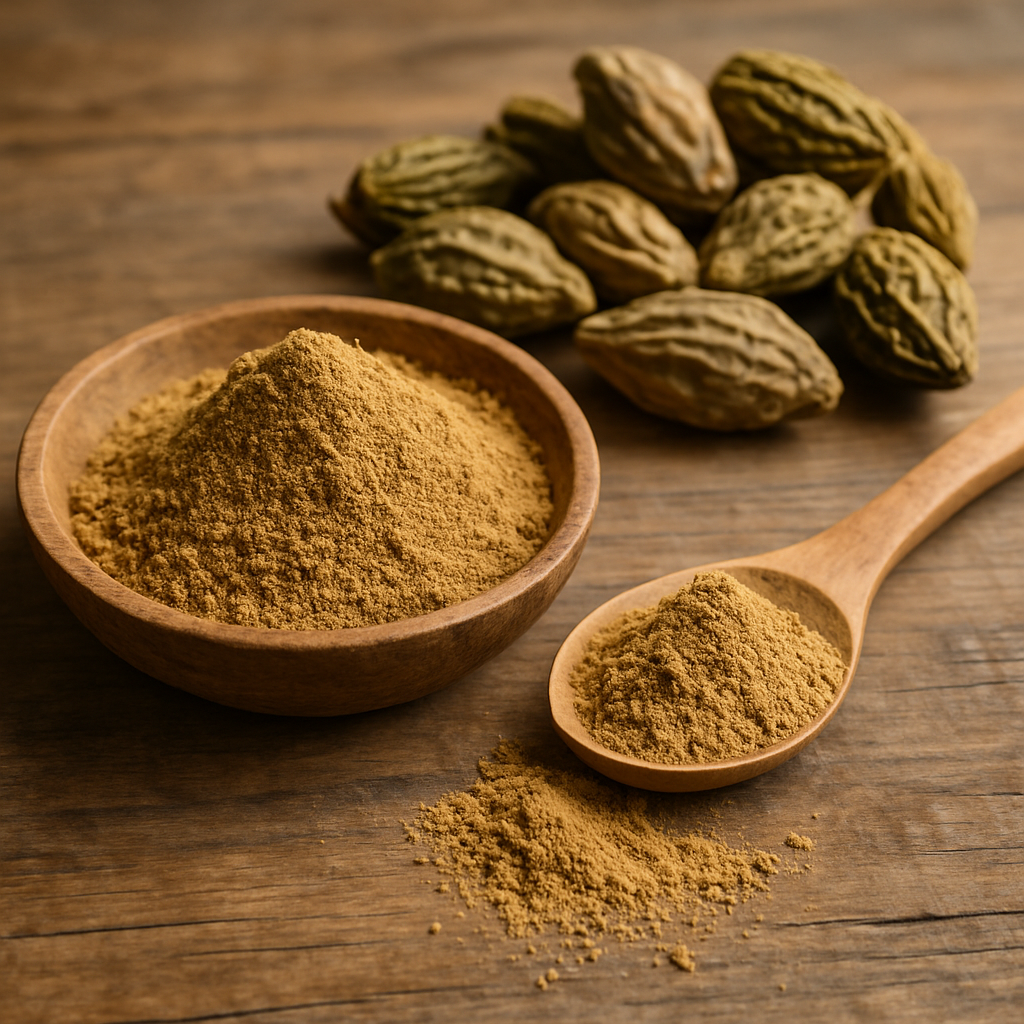
What Is Haritaki Powder and Its Role in Ayurveda
Haritaki (Terminalia chebula) is a fruit-bearing tree found mainly in India and Southeast Asia. When dried and ground, it becomes the fine, earthy powder that we call haritaki powder. In Ayurveda, haritaki is one of the Triphala trio (alongside amla and bibhitaki) — a famous blend used to balance the three doshas: Vata, Pitta, and Kapha.
What’s interesting is, haritaki powder isn’t used just for one thing. It’s considered a rasayana, or rejuvenator. That means it helps restore energy, promote longevity, and cleanse the body of toxins. Honestly, it's like nature’s reset button. And people have been turning to it for thousands of years to help with everything from digestion to mental clarity.
Haritaki Powder Benefits for Body, Skin, and Digestion
Alright, let’s get into the good stuff. Here’s what haritaki powder is used for — and why it’s still trending after all these centuries:
-
Improves digestion: Possibly one of the best-known benefits of haritaki powder, it stimulates digestive enzymes, helps regulate bowel movements, and reduces bloating.
-
Supports weight loss: By promoting metabolism and acting as a mild laxative, haritaki powder for weight loss is becoming more common in natural health routines.
-
Boosts immunity: Rich in antioxidants, it helps flush out toxins and builds your body’s defenses.
-
Skin health & glow: Using haritaki powder for skin can help reduce acne, dullness, and inflammation — more on that soon.
-
Hair care: It can strengthen roots, prevent dandruff, and promote shiny, healthy strands. Yes, haritaki powder for hair is a thing.
-
Mental clarity: Some users say it sharpens focus and reduces “mental fog.” There's something to be said about that Ayurvedic mind-body balance thing.
Some of these claims have anecdotal backing, and some are rooted in traditional texts — so, while haritaki can be powerful, it’s always good to do your own reseach and maybe even ask a holistic practitioner if you’re not sure.
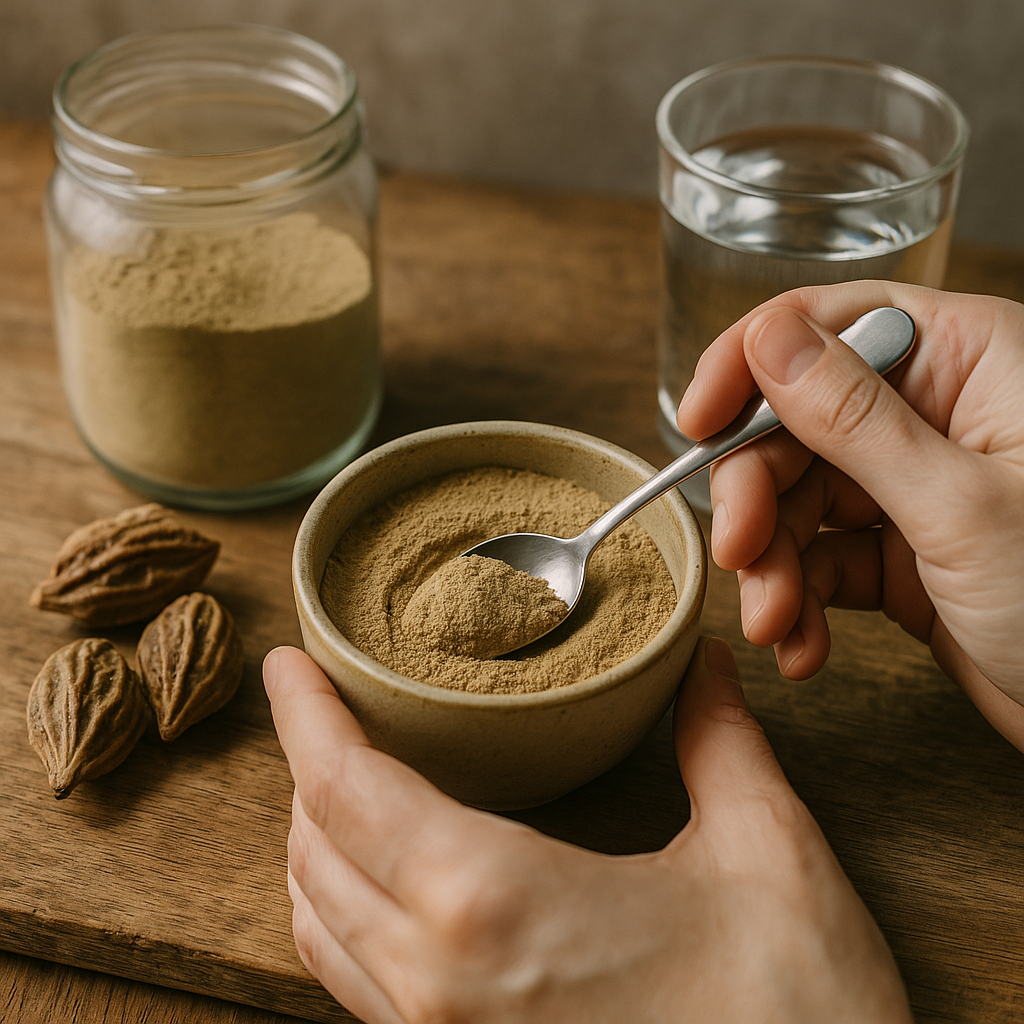
How to Use Haritaki Powder: Forms and Daily Dosage
Now let’s answer the burning question: how do you actually use this stuff?
You’ll typically find haritaki powder in its dried, ground form — light brown, slightly bitter, and pretty earthy. It can be consumed internally or applied externally depending on your goal.
In general, the best way to take haritaki powder internally is to start small — like ¼ teaspoon once daily — and work your way up. You can mix it with warm water, honey, or ghee. Some even take it with milk or jaggery (especially in the evening). Just depends on your needs.
Tip: Don’t overdo it. Taking too much can cause loose stools or stomach cramps. That’s not the kind of “cleanse” you want.
How to Eat or Drink Haritaki Powder Safely
When it comes to how to eat haritaki powder or how to drink haritaki powder, here’s the scoop:
-
Mix ½ tsp of powder in warm water or tea.
-
Add honey if the taste puts you off (it’s a little bitter, not gonna lie).
-
Drink it in the evening if you want help with digestion and detox overnight.
-
For immune support, you might try it in the morning on an empty stomach.
Just remember — consistency > quantity. You won’t see benefits overnight, but with regular use, many people notice changes in a few weeks.
Best Way to Take Haritaki Powder on Empty Stomach
This is a common question — and honestly, it’s pretty straightforward.
For detoxification and better absorption, taking haritaki powder on an empty stomach first thing in the morning is ideal. Just don’t have it right before running to work or school — some people experience a quick bowel movement after (yup, real talk).
Boil half a teaspoon in a cup of water, let it cool slightly, and sip slowly. That’s it. Simple, but effective. You can even squeeze in a bit of lemon if you like.
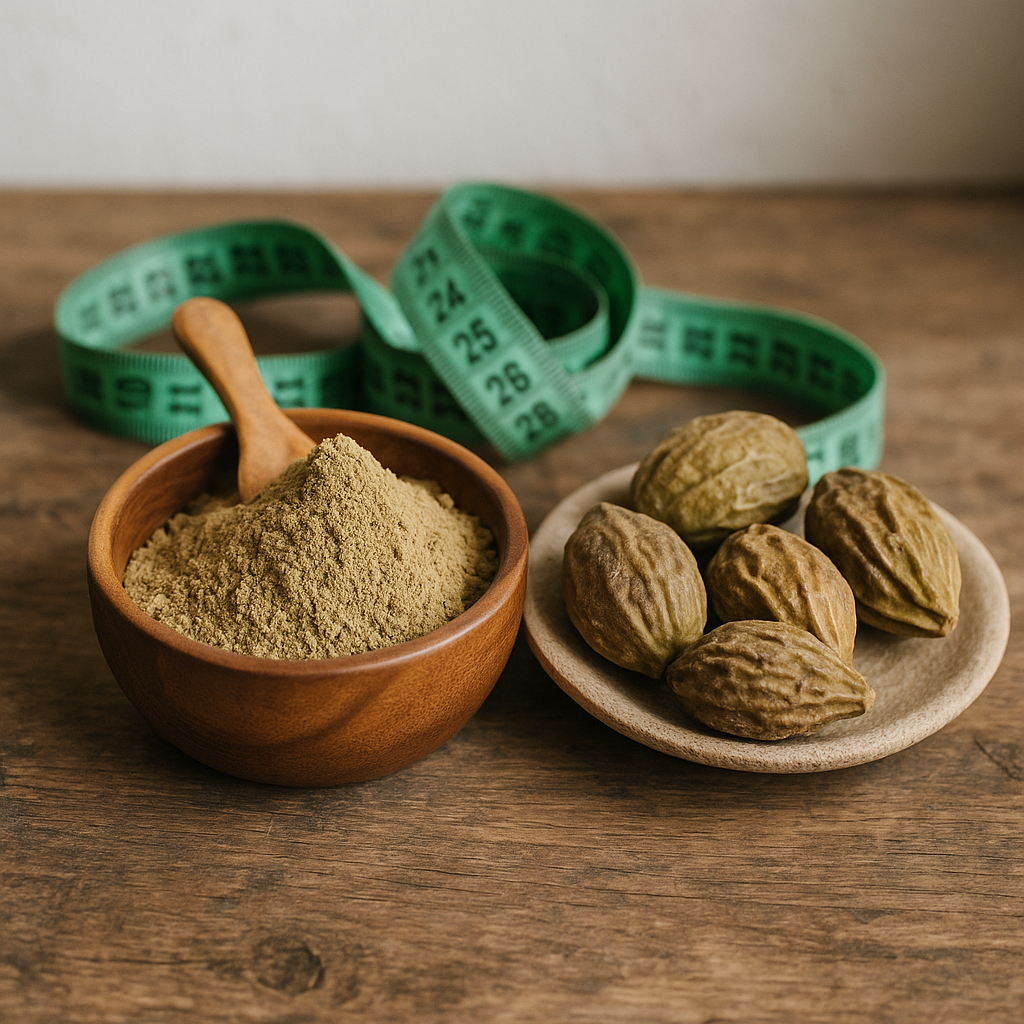
How to Take Haritaki Powder for Weight Loss
Let’s talk about one of the buzziest uses lately — haritaki powder for weight loss.
People aren’t reaching for this just because of tradition. Haritaki has some genuinely interesting properties that make it useful for managing weight. It’s not a “magic pill” (nothing is), but when combined with good nutrition and movement, it can absolutely help.
So, how to take haritaki powder for weight loss?
Here’s the most common method:
-
Mix ½ teaspoon of haritaki powder in warm water.
-
Take it at night before bed.
-
Optionally, add a pinch of dry ginger or a drop of lemon juice — this boosts digestion and gives it a bit of zing.
Why nighttime? Because your body is naturally detoxing during sleep. Haritaki supports this process, helps with better elimination in the morning, and might curb cravings the next day. Plus, if you’re the type that feels bloated or constipated often, haritaki can gently reset things without being harsh (though some folks do get mild cramps, especially at first).
What’s more — it helps regulate metabolism, which is obviously key when you're trying to lose weight. Still, don’t think of it as a replacement for exercise or mindful eating. It’s more of a support system — a way to help your body run a bit smoother while you’re doing the hard work.
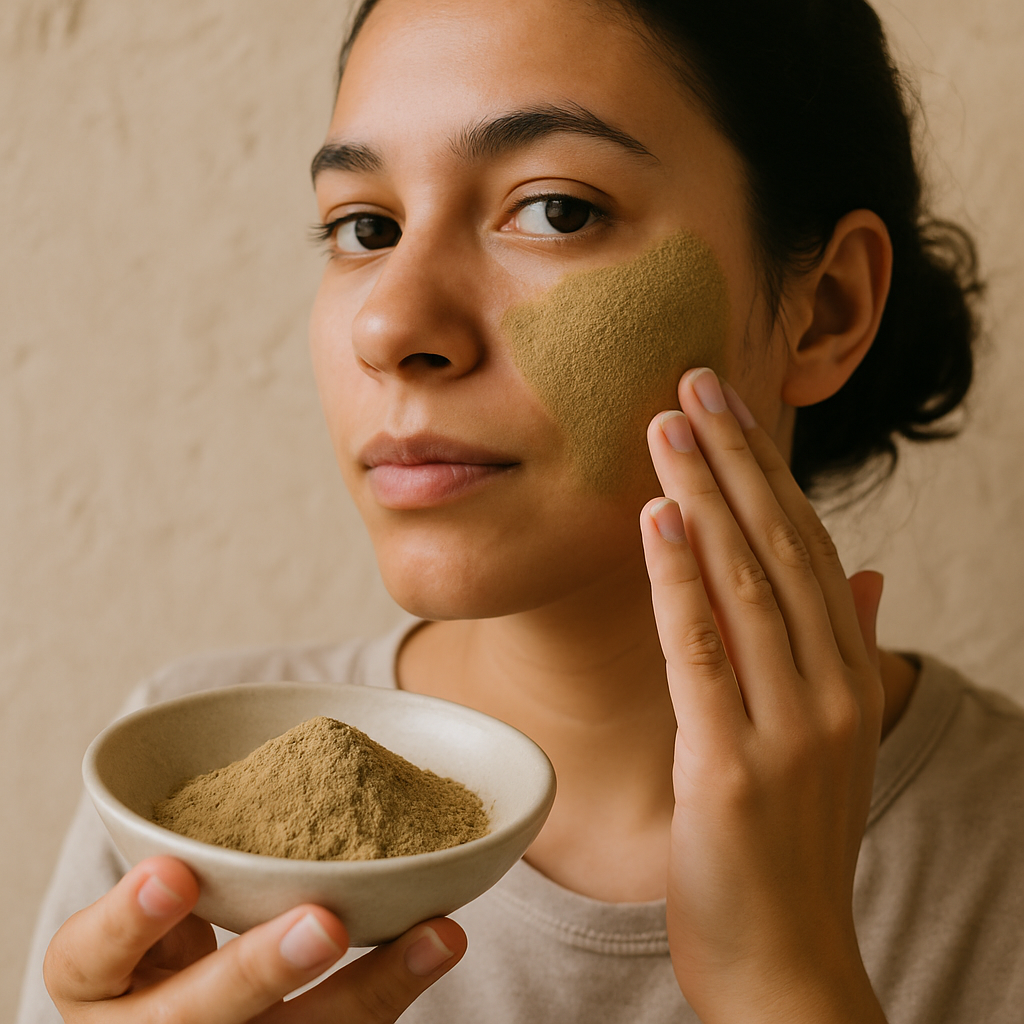
How to Use Haritaki Powder for Face and Skin Health
Okay, now let’s switch gears and talk beauty.
Using haritaki powder for skin isn’t new. In fact, it’s been a go-to Ayurvedic remedy for acne, blemishes, and dullness for ages. The antibacterial and anti-inflammatory properties in haritaki make it great for calming breakouts and irritation.
But it’s not just about acne. If you’re wondering how to use haritaki powder for face, the secret is consistency — and the right combo of ingredients.
Face Pack Recipes with Haritaki for Acne and Brightening
Here’s one of my favorite DIY face masks (you can literally make this in 2 minutes):
Haritaki + Honey Face Pack
-
1 tsp haritaki powder
-
1 tsp raw honey
-
A few drops of rose water (optional)
Mix into a smooth paste. Apply evenly to your face, avoiding the eye area. Leave it on for 10–15 minutes, then rinse off with lukewarm water.
This one’s great for acne-prone or irritated skin. It gently exfoliates while honey soothes and hydrates. You might notice a light tingling — totally normal!
Another option is:
Haritaki + Turmeric + Yogurt Pack
-
1 tsp haritaki powder
-
½ tsp turmeric
-
1 tbsp plain yogurt
This is more of a brightening mask. Great before events or when your skin just feels “meh.” It’s honestly underrated.
Haritaki for Skin Detox and Inflammation
If your skin feels like it’s always breaking out or looking puffy, haritaki might help reduce internal inflammation. The trick is combining both internal and external use.
That means drinking a small amount daily and applying masks weekly.
Here’s a tip: for sensitive skin, always do a patch test first. And don’t go overboard — too much can dry you out or cause redness.
Also, be careful not to use the powder around the eyes or broken skin. It’s powerful stuff, and even natural ingredients can be irritating if used wrong (ask me how I know 🙃).
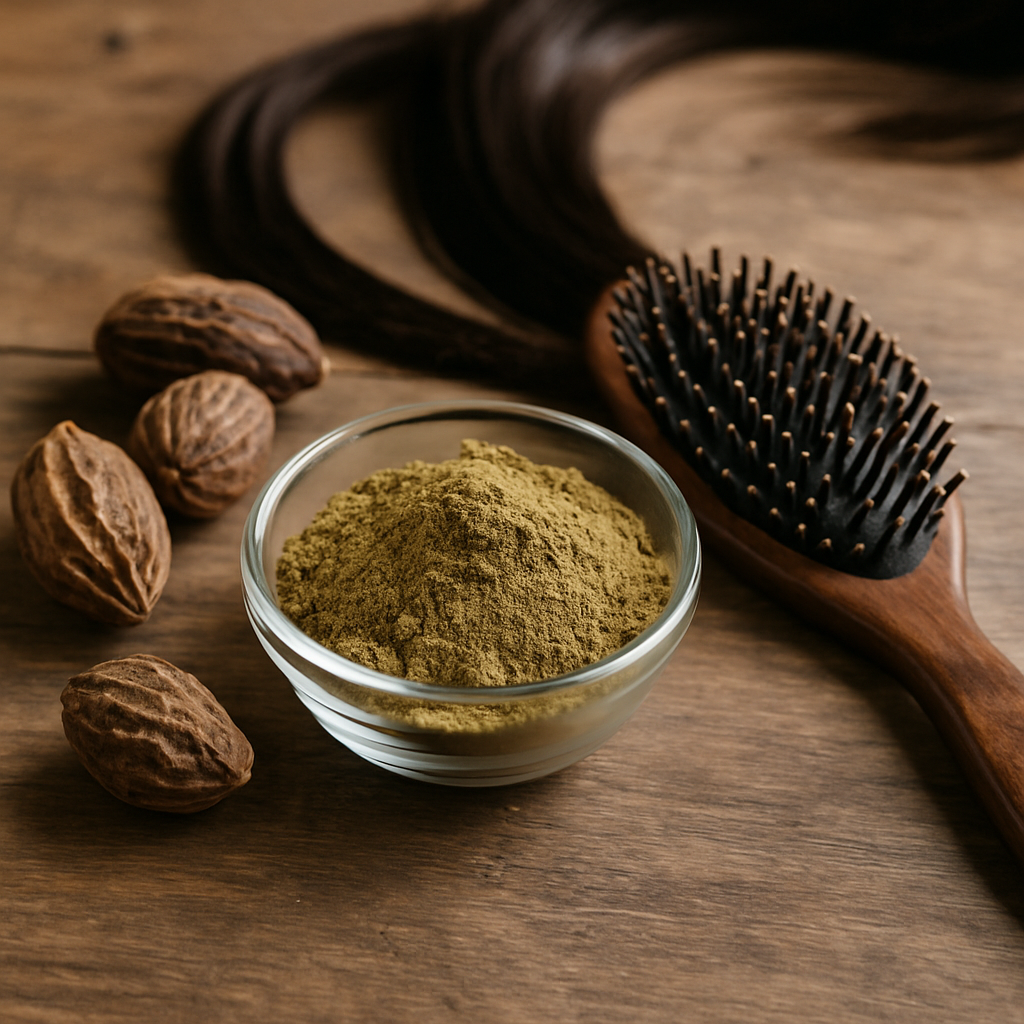
Haritaki Powder for Hair: Benefits and Application
By now, you’re probably starting to think this powder does everything. And honestly? It kind of does. Using haritaki powder for hair is another lesser-known trick that has some serious potential, especially if you’re dealing with dandruff, hair fall, or just dull-looking locks.
So, how does it work?
Haritaki is antimicrobial and rich in tannins, which help soothe scalp issues and strengthen hair follicles. Basically, it keeps the roots clean, supports circulation, and may reduce breakage over time.
Here’s how to use haritaki powder for hair:
DIY Haritaki Hair Mask
-
2 tablespoons haritaki powder
-
2 tablespoons amla powder (optional, but awesome for hair)
-
Warm water or yogurt to mix
Combine into a thick paste. Apply to your scalp and hair, cover with a shower cap, and let it sit for 20–30 minutes. Rinse thoroughly and follow up with a mild shampoo.
Do this once a week — not more — or you could over-dry your scalp. You’ll likely notice less itching, a cleaner scalp, and maybe even some new baby hairs popping up in a few weeks.
Pro tip? Add a couple drops of rosemary or tea tree oil for extra scalp-boosting goodness.
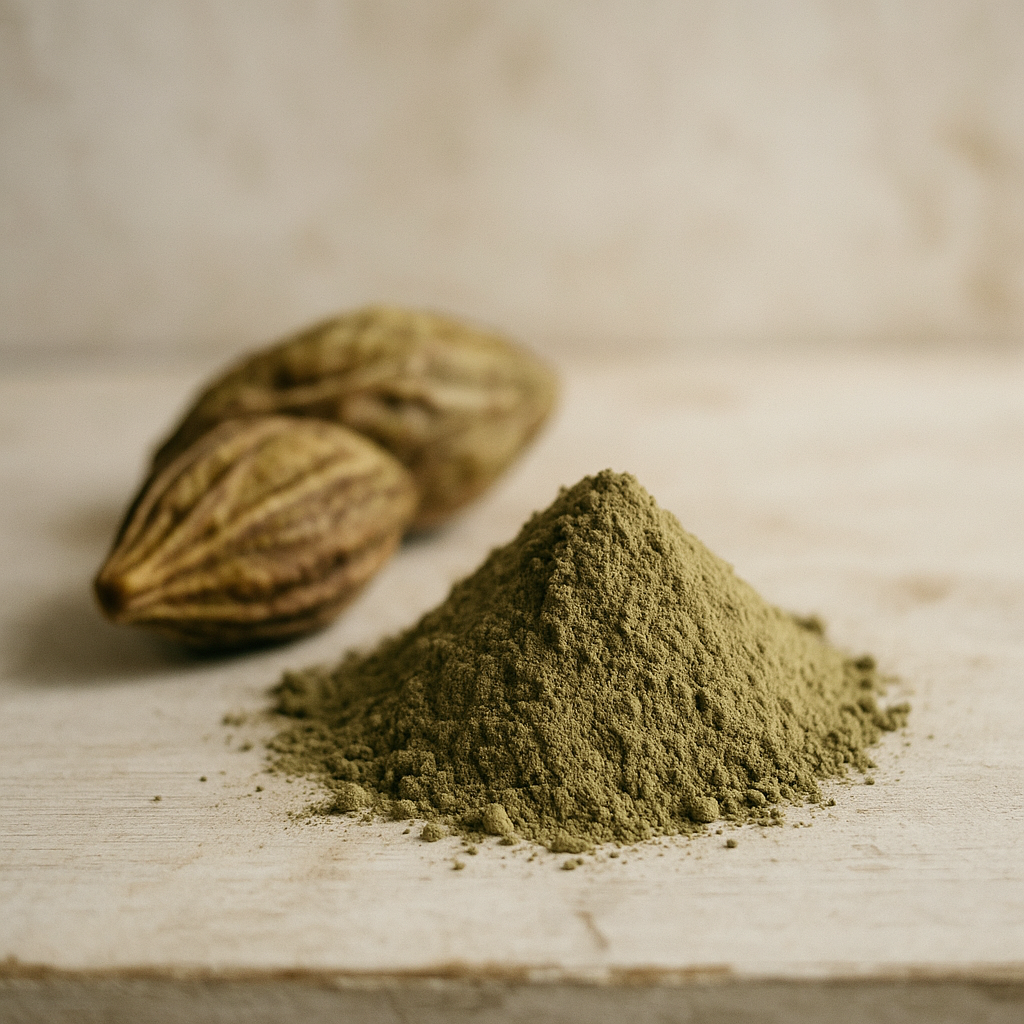
Haritaki Powder Side Effects and When to Avoid
Even natural remedies have a flip side. While haritaki powder benefits are many, there are some things to watch out for.
Common (but mild) side effects may include:
-
Loose stools or mild cramping — especially if you take too much
-
Dehydration (it has a mild laxative effect, so drink more water)
-
Bitter taste that may cause nausea in sensitive folks
-
Headache (rare, but can happen if your body is detoxing too fast)
If you’re pregnant, breastfeeding, or on medications, it’s best to talk to your doctor before trying it. Same goes if you have a sensitive gut or chronic digestive conditions — better safe than sorry, right?
Another quick note: it’s not meant for long-term daily use in large amounts. A few weeks or a season is fine, but more isn’t always better. Ayurveda’s about balance, not overload.
Conclusion
So there you have it — a complete guide to how to use haritaki powder, from ancient Ayurvedic wisdom to practical everyday tips. Whether you’re looking to support digestion, brighten your skin, or naturally lose weight, haritaki might just become your new favorite wellness ally.
Just remember: go slow, listen to your body, and give it time to work.
Nature doesn’t rush — and neither should you.
FAQs
Is it safe to take Haritaki every day?
In small amounts, yes. But it’s best to use it in cycles — a few weeks on, then a break. Long-term use can sometimes lead to dependency or irritation in the gut.
What time to take Haritaki?
Evening or early morning on an empty stomach is best. That’s when it works its detox magic most effectively.
Does Haritaki powder expire?
Yep. Usually within 1–2 years. Store it in a cool, dry place away from sunlight and humidity. If it smells “off” or clumps, toss it.
Does Haritaki purify blood?
According to Ayurveda, yes — it’s believed to support liver health and remove toxins, which indirectly helps with clearer skin and better energy.
Can you take Haritaki and Ashwagandha together?
Generally, yes — they can complement each other well. Haritaki for cleansing, ashwagandha for calming and restoring. Just start slow and monitor how you feel.
Final Thoughts
If you’re looking for a natural way to improve your digestion, glow up your skin, and simplify your health routine — haritaki powder might be worth trying.
Start small. Stay consistent. And remember, it’s not just about the herb — it’s about building a daily habit that supports your whole self.
✨ Know someone who could benefit from this? Share this article with a friend or drop a link in your wellness group chat. They’ll thank you later.
Questions from users
What are the best practices for using haritaki powder for hair growth?
Client_1edb8e
2 days ago
Haritaki powder can potentially promote hair growth by maintaining scalp health. Use it once a week by mixing it with warm water, honey, or ghee. This blend helps exfoliate the scalp without over-drying, which is crucial because frequent use can lead to dryness. After applying, rinse thoroughly and follow with a mild shampoo. While you might see improvements like reduced itching or new baby hairs within a few weeks, results will vary. If you experience persistent scalp issues or no change after several months, consult a healthcare professional.
How to incorporate haritaki powder into my daily routine effectively?
Client_600602
7 days ago
To incorporate haritaki powder into your daily routine, start by consuming it as a tea. Boil half a teaspoon in a cup of water, allow it to cool slightly, and sip slowly. It's known for aiding digestion and acts as a rejuvenator. Consider using it in cycles: take it for a few weeks followed by a break to avoid overuse. Some experience rapid bowel movements, so use this timing wisely, such as not before heading out. If you notice adverse effects or have ongoing health conditions, consult a doctor. Haritaki can also be used in skincare routines, avoiding the eye area, or stored away from sunlight and humidity for preservation.
What are the potential side effects of using haritaki powder?
Client_f8a6df
12 days ago
Haritaki powder can cause side effects such as digestive issues, including diarrhea and gas, especially if taken in large amounts. Some individuals might experience allergic reactions or skin irritation when using it topically. Typically, side effects subside after discontinuing use, but if symptoms persist, consult a healthcare provider. Pregnant or breastfeeding women and those with underlying health conditions should seek medical advice before use. If you notice any severe symptoms like difficulty breathing or swelling, seek immediate medical attention.
How to properly mix haritaki powder for a facial mask?
Client_531965
17 days ago
To properly mix haritaki powder for a facial mask, combine 1 teaspoon of haritaki powder, ½ teaspoon of turmeric, and 1 tablespoon of plain yogurt. This combination is often used for its potential brightening and detoxifying benefits. Mix until you achieve a smooth paste. Apply evenly to your face, steering clear of the eyes, and leave it on for about 10-15 minutes before washing off with lukewarm water. If you experience irritation beyond mild tingling, discontinue use. For persistent skin concerns, consult with a dermatologist.
How long does it take to see results from haritaki usage?
Client_f664de
27 days ago
Seeing results from haritaki can vary depending on the individual's health goals and body response. For digestive support, some people may notice improvements within a few days to weeks. Skin benefits and weight management might take longer, potentially several weeks or more. Start with small amounts to monitor your body's response, and be mindful of any digestive discomfort. If you're considering daily use, consult with a healthcare provider, particularly if you have existing health conditions or are taking other medications.
How does haritaki powder impact gut health and bloating issues?
Client_4ea092
37 days ago
Haritaki powder can positively impact gut health and help alleviate bloating. It is known for its mild laxative effect, which can promote regular bowel movements and ease constipation over time. This can help reduce bloating by moving digestive waste through the intestines more efficiently. Most users notice improvements within a few weeks, though some may experience mild cramps initially. It's important to start with a small dose to gauge tolerance. If bloating persists or is severe, consult a healthcare professional to rule out underlying conditions.
What are the best recipes using haritaki powder for better skin health?
Client_231d37
46 days ago
One of the best ways to use haritaki powder for better skin health is to create a face mask by mixing it with honey and yogurt. This blend combines haritaki's natural exfoliating properties with honey's soothing and hydrating nature and yogurt's lactic acid for gentle exfoliation. Apply the mask to clean skin and leave it on for 10-15 minutes before rinsing with warm water. Use this mask once a week, and always do a patch test first, as natural ingredients can cause irritation. If skin issues persist or worsen, consult a dermatologist.
Can haritaki powder be used in DIY skincare recipes for acne?
Client_cd6583
56 days ago
Yes, haritaki powder can be used in DIY skincare recipes for acne due to its antibacterial and anti-inflammatory properties. These characteristics help soothe acne-prone and irritated skin. When using haritaki powder in a skincare routine, it is often mixed with water or other natural ingredients to create a paste, which can be applied to affected areas for about 10–15 minutes before rinsing. However, individual skin reactions can vary, so it’s important to do a patch test first. Consult a dermatologist if acne persists or if you experience any adverse reactions.
What is haritaki and how does it support weight loss and digestion?
Client_1b909d
65 days ago
Haritaki is a fruit known in Ayurveda for its digestive support and weight loss benefits. It helps by boosting agni (digestive fire), cleansing ama (toxins), and balancing vata dosha. It encourages a healthy digestive tract, which can support weight management. But weight loss is complex; other factors like diet and lifestyle matters too. Give it time to work its magic!
Can I use haritaki powder in smoothies for detox benefits?
Client_0e50cb
75 days ago
Absolutely, you can toss haritaki powder in your smoothies! It's a great way to get those detox benefits if you're not into taking it on an empty stomach. Just remember, it has a pretty earthy taste, so maybe mix it with fruits or something sweet. Regular use tends to show results over time, so keep it consistent!
Related articles

Skin and Hair Disorders
Discover Natural Solutions: Best Ayurvedic Treatment for Melasma on Face
xplore the top Ayurvedic treatments for melasma on the face, including herbs, remedies, and lifestyle tips to achieve clearer, radiant skin naturally.
6,436

Skin and Hair Disorders
Maha Manjishtadi Kashayam – Ayurvedic Decoction for Blood Purification & Skin Health
Discover Maha Manjishtadi Kashayam, an ancient Ayurvedic herbal decoction renowned for its blood purification, skin healing, and dosha balancing properties. Enhance overall wellness naturally.
3,063
Skin and Hair Disorders
Discover the Amazing Health & Beauty Benefits of Chandanbala Lakshadi Oil
Discover the proven chandanbala lakshadi oil benefits, proper usage, side effects, and scientific research behind this powerful Ayurvedic remedy.
3,242

Skin and Hair Disorders
Kasthoori Tablets
Exploration of Kasthoori Tablets
2,858

Skin and Hair Disorders
Ayurvedic Medicine for Herpes – Natural Remedies & Treatments
Explore Ayurvedic medicine for herpes, highlighting natural remedies, therapeutic benefits, and how Ayurvedic treatments can help manage herpes outbreaks and improve overall skin health.
3,595

Skin and Hair Disorders
Marichadi Taila: Benefits, Dosage & Science-Backed Insights
Discover the benefits, proper dosage, side effects, and scientific research behind Marichadi Taila, an Ayurvedic oil for skin health, joint pain, and respiratory wellness.
4,339

Skin and Hair Disorders
How to Use Nutmeg Powder Effectively in Daily Life
Learn how to use nutmeg powder for skin, face, sleep, and pigmentation. Discover its Ayurvedic benefits, recipes, and practical tips for daily wellness
7,533

Skin and Hair Disorders
How to Use Baheda for Hair: Ayurvedic Remedies and Benefits
Exploration of Discover the Hair Benefits and Uses of Baheda in Ayurvedic Hair Care
3,219

Skin and Hair Disorders
Ayurveda's Approach to Skin Tags
Skin tags are harmless but can be bothersome; understanding them is crucial for effective treatment.
10,073

Skin and Hair Disorders
Dhurdhurapatradi Oil Uses: Benefits, Research, and Application
Explore Dhurdhurapatradi oil uses, potential benefits, and current research. Learn how this Ayurvedic remedy supports scalp health and hair care naturally.
4,746
Related consultations on the topic
Legal
Additional Documents
© 2024 Ask Ayurveda. All rights reserved.