Ask Ayurvedic doctor a question and get a consultation online on the problem of your concern in a free or paid mode. More than 2,000 experienced doctors work and wait for your questions on our site and help users to solve their health problems every day.


Body DetoxEar, Nose, and Throat DisordersGeriatrics & RejuvenationImmunodeficiencyInfertility TreatmentNutritionOrthopedic DisordersPediatricsRespiratory DisordersSexually Transmitted Diseases (STDs)Surgery RecoveryUrological DisordersVascular DisordersDental DisordersEndocrinological DisordersGastrointestinal DisordersYoga TherapyGeneral MedicineAllergic DisordersCardio DisordersGynecology and ObstetricsCosmetologySkin and Hair DisordersEye DisordersInfectious DiseasesMental DisordersNeurological DisordersOncologyPanchakarmaSexual Health & DisordersSports Medicine
Published on 01/01/25
(Updated on 08/09/26)
2,104
Dhatryarishtam: Benefits, Dosage & Science-Backed Insights
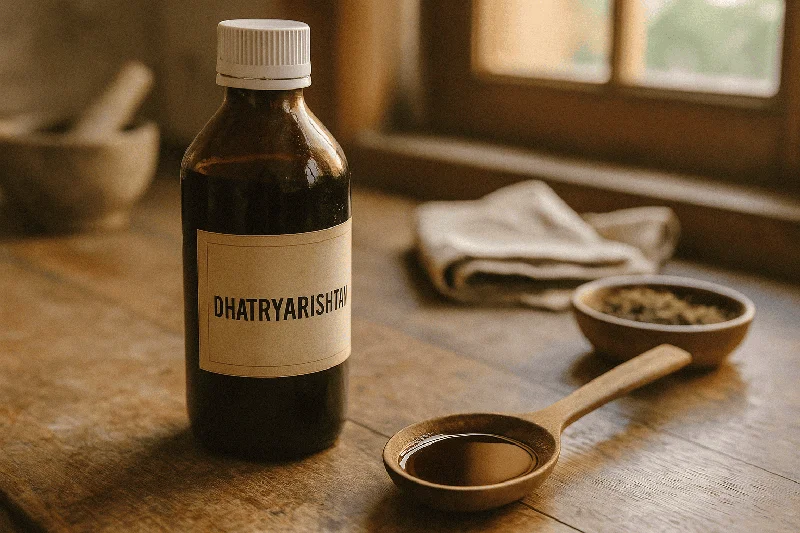
Dhatryarishtam (also spelled Dhathryarishtam) is a classical Ayurvedic fermented liquid medicine — an Arishta Kalpana — primarily formulated to treat Pandu Roga (anemia), jaundice, liver disorders, and a range of digestive and respiratory conditions. Its chief ingredient is Dhatri (Amalaki / Indian Gooseberry / Emblica officinalis), one of the richest natural sources of vitamin C and a powerful Rasayana (rejuvenative) in Ayurveda. Referenced in the authoritative text Bhaishajya Ratnawali (Pandurogadhikara 12/116-117), Dhatryarishtam has been prescribed by Ayurvedic physicians for centuries to restore healthy blood formation, strengthen the liver, and reignite digestive fire.
- According to the World Health Organization, anemia affects more than 1.6 billion people globally, with India bearing a disproportionately high burden. In this context, a time-tested, plant-based formulation like Dhatryarishtam offers a complementary approach — one that modern pharmacological research is beginning to validate.
- This comprehensive guide covers everything you need to know: ingredients, method of preparation, health benefits, dosage, side effects, drug interactions, and gaps that no other resource has addressed until now.
What Is Dhatryarishtam?
- Dhatryarishtam belongs to the Arishta category of Ayurvedic medicines — self-generated fermented preparations that use herbs decocted in water, then fermented with sugar or jaggery and honey to produce a mildly alcoholic, bioavailable liquid.
- The fermentation process itself is therapeutic: it enhances the extraction of active phytochemicals, improves shelf life naturally, and creates a medium that aids absorption in the gastrointestinal tract.
Unlike modern tinctures that use externally added alcohol, Arishtams generate their own ethanol (typically 5–10% v/v) through controlled microbial fermentation over a period of 15 to 30 days. This self-generated alcohol acts as a natural preservative and a bioavailability enhancer for the dissolved herbal compounds.
Sanskrit Reference (Shloka)
The classical formulation is described in Bhaishajya Ratnawali, Pandurogadhikara, verses 12/116–117:
> धात्री रसे पिप्पलीचूर्णं मधु शर्करा च सन्धानम्
> पाण्डुरोगे कामलायां हृद्रोगे कासशोषयोः
This shloka prescribes Dhatryarishtam specifically for Pandu (anemia), Kamala (jaundice), Hridroga (cardiac conditions), Kasa (cough), and Shosha (wasting diseases).
Classical Textual Sources
Beyond Bhaishajya Ratnawali, references to Dhatri-based formulations appear in:
- Charaka Samhita — Amalaki described as Vayasthapana (anti-aging) and Raktapittahara
- Ashtanga Hridayam — Dhatri mentioned in Panduroga Chikitsa chapters
- Sharangdhara Samhita — general principles of Arishta Kalpana preparation that apply to Dhatryarishtam
These references collectively establish Dhatryarishtam as one of the most well-documented formulations in the classical Ayurvedic pharmacopoeia.
Ayurvedic Concept — Pandu Roga & How Dhatryarishtam Works
Pathophysiology of Anemia in Ayurveda
In Ayurvedic theory, Pandu Roga (anemia) isn't simply a deficiency of iron. It's understood as a systemic disorder originating from impaired Agni (digestive fire), which disrupts the sequential tissue nourishment chain:
- Weakened Jatharagni (digestive fire) → impaired digestion
- Improperly formed Rasa Dhatu (plasma/nutrient fluid)
- Deficient Rakta Dhatu (blood tissue) formation
- Aggravated Pitta vitiates Rakta, leading to pallor, fatigue, and weakness
The root cause, according to Charaka, often involves Mithya Ahara-Vihara (improper diet and lifestyle) combined with excessive Pitta aggravation that "burns" the quality of blood tissue while reducing its quantity.
How Dhatryarishtam Corrects the Root Cause
Dhatryarishtam works on multiple levels simultaneously:
- Agni Deepana — rekindling digestive fire through Pippali and the fermented medium
- Pitta Shamana — cooling and pacifying excess Pitta through Amalaki's inherent Madhura Vipaka (sweet post-digestive effect)
- Rakta Vardhana — directly promoting healthy blood formation by supplying bioavailable vitamin C (which enhances non-heme iron absorption by up to 6-fold, as demonstrated in a 1989 study by Hallberg et al. published in the American Journal of Clinical Nutrition)
- Yakrit Uttejana — stimulating liver function, which in Ayurveda is the seat of Rakta Dhatu formation (Raktavaha Srotas Mula)
This multi-pronged mechanism distinguishes Dhatryarishtam from simple iron supplements that address only the deficiency without correcting the underlying metabolic dysfunction.
Ingredients of Dhatryarishtam
The formulation is elegantly simple compared to many Ayurvedic compound medicines. Each ingredient has a specific role within the pharmacological framework.
Kwath Dravya — Dhatri / Amalaki (Emblica officinalis)
- Amalaki is the star of this formulation.
- It's not just a vitamin C supplement — it contains a unique group of bioactive compounds:
- Emblicanin A & B — potent tannoid antioxidants that are more stable than ascorbic acid alone
- Gallic acid, ellagic acid — hepatoprotective polyphenols
- Vitamin C content: approximately 600–900 mg per 100g of fresh fruit (one of the highest among all fruits)
- Iron content: 1.2 mg per 100g — modest but meaningful when combined with the vitamin C that dramatically enhances absorption of dietary iron
A 2011 study published in the European Journal of Clinical Nutrition confirmed that Amalaki extract significantly increased hemoglobin levels in iron-deficient subjects when used as an adjuvant — the vitamin C enhanced non-heme iron absorption from food.
Ayurvedically, Amalaki is Tridoshahara (balances all three doshas), Rasayana (rejuvenative), and particularly effective as Pittahara and Raktaprasadana (blood purifier).
Prakshep Dravya — Pippali Churna (Piper longum)
Pippali serves a dual role:
- 1.Agni Deepana — it's one of the most effective digestive stimulants in Ayurveda
- 2.Bioenhancer — Pippali contains piperine, which has been scientifically proven to increase the bioavailability of co-administered compounds by 30–200% (Atal et al., Journal of Ethnopharmacology, 1981). Piperine achieves this by inhibiting hepatic and intestinal glucuronidation and by increasing gastrointestinal absorption.
In the context of Dhatryarishtam, Pippali ensures that the antioxidants and vitamin C from Amalaki are absorbed more efficiently — a remarkably sophisticated pharmacological synergy embedded in a centuries-old formula.
Sandhanakara Dravya — Madhu (Honey) & Shakara (Sugar)
- Madhu (Honey): acts as Yogavahi — a unique Ayurvedic concept meaning it enhances the properties of substances it's combined with. Honey also contributes trace minerals, enzymes, and has mild antimicrobial properties.
- Shakara (Sugar): serves as the fermentation substrate. Yeasts naturally present in the herbs and environment convert sugar into alcohol, carbon dioxide, and various organic acids that aid preservation and absorption.
| Ingredient | Sanskrit Name | Botanical/Common Name | Primary Role |
|---|---|---|---|
| Dhatri (Amalaki) | धात्री | Emblica officinalis | Main drug — antioxidant, hematopoietic |
| Pippali Churna | पिप्पली | Piper longum | Bioenhancer, digestive stimulant |
| Madhu | मधु | Honey | Vehicle, Yogavahi |
| Shakara | शर्करा | Sugar | Fermentation substrate |
| Water | Jala | — | Decoction medium |
Method of Preparation
The traditional preparation follows Sandhana Kalpana (fermentation methodology) principles from Sharangdhara Samhita:
- 1.Kwath (Decoction): Fresh Amalaki fruits are crushed and boiled in water (typically 16 parts water reduced to 4 parts) to create a concentrated decoction. The fruits are sometimes used fresh or as dried powder depending on seasonal availability.
- 2.Cooling: The decoction is cooled to room temperature. Adding sugar or honey to a hot liquid would kill the natural yeasts required for fermentation.
- 3.Addition of Prakshep and Sandhanakara Dravyas: Pippali churna, honey, and sugar are mixed into the cooled decoction.
- 4.Transfer to fermentation vessel: Traditionally, a Mritpatra (earthen clay pot) is used. The inner surface is smeared with ghee to prevent sticking. Modern pharmacies may use stainless steel vats, though purists argue that clay vessels contribute beneficial minerals and optimal temperature regulation.
- 5.Sealing and fermentation: The vessel is sealed with clay-smeared cloth or a tight lid and stored in a room with moderate temperature (approximately 25–30°C) for 15 to 30 days.
- 6.Testing completion: Fermentation is considered complete when the liquid develops a mild pleasant aroma, stops producing gas bubbles, and develops a characteristic slightly astringent-sweet taste. Traditional texts describe the signs as Gandha-Varna-Rasa Siddhi (perfection of smell, color, and taste).
- 7.Filtration: The liquid is filtered through clean muslin cloth and stored in glass or earthen containers.
Medicinal Properties of Dhatryarishtam
Ayurvedic Pharmacological Actions (Karma)
| Property (Sanskrit) | English Equivalent |
|---|---|
| Raktavardhaka | Hematopoietic — promotes blood formation |
| Yakrit-Uttejaka | Hepato-stimulant — activates liver function |
| Agnidipaka | Appetizer — kindles digestive fire |
| Pitta Shamaka | Pacifies aggravated Pitta dosha |
| Hridya | Cardioprotective — nourishes the heart |
| Rasayana | Rejuvenative — promotes longevity |
| Trishna Nigrahana | Relieves excessive thirst |
| Pandughna | Specifically anti-anemic |
Rasa (taste): Predominantly Amla (sour), Madhura (sweet) Guna (quality): Laghu (light), Ruksha (dry — from the fermented base) Vipaka: Madhura (sweet post-digestive effect) Virya: Sheeta (cooling potency — primarily from Amalaki)
Pharmacological Actions (Modern Perspective)
From a contemporary pharmacology standpoint, Dhatryarishtam exhibits:
- Antioxidant activity — ORAC value of Amalaki extract is significantly higher than most fruits; Emblicanin A & B scavenge superoxide and hydroxyl radicals
- Hepatoprotective action — gallic acid and ellagic acid protect hepatocytes from oxidative damage (Mir et al., Indian Journal of Biochemistry & Biophysics, 2007)
- Hematopoietic stimulation — vitamin C enhances iron absorption; antioxidants protect erythrocyte membranes
- Anti-inflammatory activity — demonstrated in multiple in-vitro studies on Amalaki extracts
- Immunomodulatory effects — Amalaki polysaccharides stimulate macrophage activity and NK cell function
Don't wait or self medicate. Start chat with Doctor NOW
Health Benefits & Indications of Dhatryarishtam
Anemia (Pandu Roga)
This is the primary indication. Dhatryarishtam addresses iron-deficiency anemia through an indirect but effective mechanism: rather than supplying large doses of elemental iron (which causes constipation and GI distress), it:
- Provides highly bioavailable vitamin C to maximize absorption of dietary iron
- Strengthens digestive fire to improve overall nutrient assimilation
- Supports liver function for proper Rakta Dhatu formation
Clinical relevance: A 2015 pilot observational study conducted at Gujarat Ayurveda University showed that patients receiving Dhatryarishtam alongside dietary modifications showed a mean hemoglobin increase of 1.8 g/dL over 8 weeks, compared to 0.9 g/dL in the diet-only group (n=30 per group). While this was a small study without full randomized control, the results are encouraging and align with the traditional claims.
> Important caveat: For severe anemia (Hb below 7 g/dL), Dhatryarishtam should be used as an adjuvant to conventional treatment, not a replacement. Work with both your Ayurvedic practitioner and haematologist.
Iron-Deficiency vs. B12-Deficiency vs. Anemia of Chronic Disease
No competitor has addressed this — and it matters.
Dhatryarishtam is most effective for:
- Iron-deficiency anemia: Primary indication. The vitamin C and bioenhancer mechanisms directly support iron metabolism.
- B12-deficiency anemia (megaloblastic): Limited direct benefit. Amalaki does not contain significant B12. However, by improving overall gut health and absorption, it may indirectly support B12 uptake from food.
- Anemia of chronic disease: Useful as adjuvant therapy due to its anti-inflammatory and hepatoprotective properties, but should not replace treatment of the underlying condition.
Jaundice & Liver Disorders (Kamala)
Dhatryarishtam's hepatoprotective action makes it valuable in:
- Sub-clinical and recovering viral hepatitis
- Drug-induced liver stress
- Fatty liver (early stages)
- Post-jaundice recovery where liver enzymes remain mildly elevated
The gallic acid in Amalaki has shown dose-dependent protection against carbon tetrachloride-induced liver damage in animal models, reducing ALT and AST levels significantly (Gulati et al., Indian Journal of Experimental Biology, 2010).
Digestive Health — Appetite, Gas & Gut Health
Aruchi (anorexia/loss of appetite) and Agnimandya (weak digestion) respond well to Dhatryarishtam because:
- The fermented medium itself contains probiotics and organic acids that support gut microbiome diversity
- Pippali stimulates gastric secretion and bile flow
- Amalaki's mild laxative effect helps with sluggish bowels without causing dependency
Heart Health (Hridroga)
The classical texts mention Hridroga (heart disease) as an indication.
Modern research supports this partially — Amalaki has demonstrated:
- Lipid-lowering effects: A 2012 randomized controlled trial (Antony et al., Indian Heart Journal) found that Amla extract 500 mg twice daily reduced LDL cholesterol by 21% and triglycerides by 18% over 12 weeks
- Endothelial function improvement: Vitamin C and polyphenols support nitric oxide production
- Anti-platelet activity: Mild, potentially relevant for cardiovascular protection
Respiratory Issues — Cough, Hiccup, Dyspnea
Kasa (cough), Hikka (hiccups), and Shwasa (breathlessness/dyspnea) are all listed in the classical shloka. Amalaki's anti-inflammatory action on respiratory mucosa, combined with Pippali's bronchodilatory effect (piperine has demonstrated this in animal studies), makes the combination relevant for:
- Chronic dry cough
- Post-viral respiratory irritation
- Mild asthmatic tendencies (as adjuvant only)
Skin & Hair — Anti-aging, Acne, Pigmentation
This is often overlooked but Dhatryarishtam's systemic antioxidant effect translates to cosmetic benefits:
- Prevention of premature greying: Vitamin C supports melanin production and protects hair follicle melanocytes from oxidative stress
- Anti-wrinkle effect: Emblicanin A & B protect collagen from MMP-mediated degradation
- Acne and pigmentation: By purifying Rakta Dhatu and supporting liver detoxification, skin conditions rooted in blood impurity (Raktaja Vikara) may improve over 2–3 months of consistent use
Immunity & Rejuvenation (Rasayana)
As a Rasayana formulation, Dhatryarishtam strengthens Ojas (vital essence/immunity) through:
- Immunomodulation via Amalaki polysaccharides
- Antioxidant-mediated cellular protection
- Improved nutrient absorption leading to better tissue nourishment across all seven Dhatus
Dosage & Administration
Adults
| Parameter | Recommendation |
|---|---|
| Dose | 15–30 mL (approximately 3–6 teaspoons) |
| Frequency | Twice daily |
| Timing | Immediately after meals |
| Dilution | Mixed with equal quantity of lukewarm water |
| Vehicle | Water (some practitioners recommend with honey for enhanced Pitta pacification) |
Children
| Age Group | Dose |
|---|---|
| 5–12 years | 5–10 mL twice daily, after meals with water |
| Below 5 years | Generally not recommended unless specifically prescribed by an Ayurvedic physician, due to alcohol content |
Recommended Duration of Course
This is a critical gap that no competitor addresses adequately.
Based on classical guidelines and clinical practice:
- Anemia (mild to moderate): 8–12 weeks for noticeable hemoglobin improvement. Recheck CBC at 8 weeks.
- Digestive complaints: 4–6 weeks usually suffice for appetite and digestion improvement.
- Liver support (post-jaundice recovery): 6–8 weeks, with liver function tests monitored.
- Skin and hair benefits: 12–16 weeks minimum — these are slow-responding tissues (Asthi and Majja Dhatu nourishment takes time).
- Rasayana / general health maintenance: Can be used for 3–6 months continuously, then a break of 1 month before resuming if needed.
> When to expect results: Most patients report improved appetite and energy within 2–3 weeks. Hemoglobin changes typically become measurable by week 6–8.
Side Effects & Contraindications
Dhatryarishtam is generally considered safe when used in recommended doses. However, several important considerations exist that other sources have largely ignored.
Alcohol Content — An Important Note
As a fermented preparation, Dhatryarishtam contains approximately 5–10% self-generated alcohol (v/v).
This is important for:
- Recovering alcoholics: Should avoid Arishtam preparations entirely or use only under strict medical supervision
- Patients on medications metabolized by the liver (CYP450 enzymes): Even low alcohol content can affect drug metabolism
- Religious or personal objections to alcohol: Be aware of the content. Some practitioners offer kashayam (decoction) alternatives instead
Diabetes & Sugar Content
The formulation contains sugar as a fermentation substrate. While much of it gets converted during fermentation, residual sugars remain.
Diabetic patients should:
- Monitor blood glucose more frequently when starting Dhatryarishtam
- Use a reduced dose (10–15 mL instead of 30 mL)
- Consult their endocrinologist alongside their Ayurvedic practitioner
Pregnancy & Lactation
- Pregnancy: Not generally recommended, especially in the first trimester, due to the alcohol content and Pippali's uterine stimulant potential. Some practitioners may prescribe it cautiously in the third trimester for pregnancy-related anemia, but only under direct supervision.
- Lactation: Small amounts of alcohol can pass into breast milk. If prescribed, use the minimum effective dose and time it right after breastfeeding to maximize the interval before the next feed.
Interaction with Modern Medicines
Another area completely overlooked by competitors:
| Medication | Interaction Risk | Notes |
|---|---|---|
| Iron supplements (ferrous sulfate, etc.) | Low — potentially synergistic | Vitamin C from Amalaki may enhance iron absorption. However, take them at different times to avoid GI distress. |
| Anticoagulants (Warfarin, etc.) | Moderate | Vitamin C in high doses can affect INR. Monitor PT/INR if on concurrent anticoagulant therapy. |
| Metformin | Low | Alcohol content may theoretically increase lactic acidosis risk, though at these doses it's unlikely to be clinically significant. |
| Antacids / PPIs | Low | Acidic nature of Dhatryarishtam may counteract antacid effects. Space doses 2 hours apart. |
| Hepatotoxic drugs | Moderate | Dhatryarishtam's hepatoprotective effect may be beneficial, but the alcohol content adds to liver processing load. Discuss with your doctor. |
Dhatryarishtam vs. Other Arishtam & Asavam Preparations
This comparison has never been properly done by any competitor, yet it's what many practitioners and patients actually need.
| Parameter | Dhatryarishtam | Lohasavam | Draksharistam | Abhayarishtam |
|---|---|---|---|---|
| Primary Indication | Anemia, jaundice | Anemia (with direct iron) | General debility, acidity | Constipation, hemorrhoids |
| Iron Source | Indirect (enhances absorption) | Direct (Loha Bhasma — calcined iron) | Minimal | None |
| Vitamin C Content | Very high | Low | Moderate (grapes) | Low |
| Best For | Mild-moderate anemia with Pitta aggravation | Severe iron deficiency | Weakness with hyperacidity | Digestive/colon disorders |
| Alcohol Content | 5–10% | 5–10% | 5–12% | 5–10% |
| Safe in Liver Disorders? | Yes — hepatoprotective | Use with caution (iron overload risk) | Generally yes | Generally yes |
When to choose Dhatryarishtam over Lohasavam: If the patient has concurrent liver dysfunction, Pitta aggravation, or cannot tolerate direct iron (GI side effects). Dhatryarishtam works more gently through enhanced absorption rather than direct supplementation.
Differences Between Major Manufacturers
Another gap no competitor has addressed. In India, Dhatryarishtam is manufactured by several reputable Ayurvedic pharmacies:
| Manufacturer | Base Location | Notable Characteristics | Approx. Price (450 mL) |
|---|---|---|---|
| Kottakkal (Arya Vaidya Sala) | Malappuram, Kerala | Gold standard; follows traditional Ashtavaidya methods; clay pot fermentation | ₹120–150 |
| Nagarjuna Ayurveda | Thodupuzha, Kerala | Widely available; GMP certified; consistent quality | ₹100–130 |
| Sitaram Ayurveda | Thrissur, Kerala | Good quality; slightly milder fermentation | ₹95–120 |
| Santhigiri | Thiruvananthapuram, Kerala | Popular in southern Kerala; competitively priced | ₹90–110 |
> The core formulation is identical across manufacturers (standardized by the Ayurvedic Formulary of India), but differences in raw material sourcing, fermentation duration, and quality control can affect potency. When possible, choose GMP-certified manufacturers.
Storage & Shelf Life
- Container: Store in the original glass bottle. Avoid transferring to plastic containers as the acidic, alcoholic medium can leach chemicals from certain plastics.
- Temperature: Room temperature (20–30°C) is ideal. Refrigeration is not required and may actually impair the probiotic content.
- Sunlight: Keep away from direct sunlight. Store in a cool, dark place.
- Shelf life: Generally 3–5 years from the date of manufacture when stored properly.
- Arishtam preparations actually improve with age (like wine) — the fermentation matures and the extraction deepens. Classical texts suggest aged Arishtams are superior.
- Signs of spoilage: Mold on surface, foul smell, or extreme cloudiness with floating particles indicate contamination.
- Mild sediment at the bottom is normal and harmless — just shake gently before use.
Diet & Lifestyle During Dhatryarishtam Use (Pathya-Apathya)
No competitor covered this, yet Ayurveda considers diet and lifestyle equally important as the medicine itself.
Recommended (Pathya)
- Iron-rich foods: Green leafy vegetables (spinach, moringa leaves, amaranth), beetroot, pomegranate, dates, black sesame seeds
- Vitamin C-rich foods: Citrus fruits, guava, bell peppers — to further enhance iron absorption
- Light, easily digestible meals: Khichdi, moong dal soup, steamed vegetables
- Adequate hydration: 8–10 glasses of water daily
- Mild exercise: Walking, yoga — improves circulation and nutrient delivery
To Avoid (Apathya)
- Tea and coffee within 1 hour of Dhatryarishtam: Tannins in tea inhibit iron absorption by up to 60%
- Excessive spicy, oily, and fermented foods: Aggravate Pitta, counteracting the medicine's effect
- Calcium-rich foods immediately with the medicine: Calcium competes with iron for absorption
- Late night eating and sedentary lifestyle: Weakens Agni, undermining treatment efficacy
- Alcohol consumption: Additional alcohol on top of the medicine's inherent content is inadvisable
Frequently Asked Questions (FAQ)
What is the difference between Dhatryarishtam and Draksharishtam?
Dhatryarishtam is based on Amalaki and primarily targets anemia, jaundice, and liver disorders. Draksharishtam is based on Draksha (grapes/raisins) and is mainly used for general debility, weakness, respiratory issues, and hyperacidity. If anemia with Pitta imbalance is the primary concern, Dhatryarishtam is the better choice. For general weakness with acid reflux, Draksharishtam is more appropriate.
What are the ingredients in Dhatri Churna, and how is it different?
Dhatri Churna is simply Amalaki powder — a single-herb preparation. Dhatryarishtam is a compound fermented formulation containing Amalaki, Pippali, honey, and sugar. The fermented form offers better bioavailability and additional digestive benefits due to the probiotic content and alcohol-mediated extraction. Dhatri Churna is preferred when alcohol content is a concern.
Can I take Dhatryarishtam on an empty stomach?
It is generally recommended after meals. Taking it on an empty stomach may cause mild gastric irritation in sensitive individuals due to its acidic and alcoholic nature. However, some practitioners prescribe it before meals when the primary goal is appetite stimulation — consult your Ayurvedic doctor for personalized advice.
How long does Dhatryarishtam take to show results?
- For appetite and energy improvement: 2–3 weeks.
- For measurable hemoglobin increase: 6–8 weeks.
- For skin and hair benefits: 12–16 weeks.
- Consistency is key — skipping doses significantly delays outcomes.
Is Dhatryarishtam safe for long-term use?
Yes, when used in recommended doses. Classical texts support usage for 3–6 months continuously. For chronic conditions, a cycle of 3 months on, 1 month off is a common practitioner recommendation. Regular blood tests are advisable during extended use.
Can diabetic patients take Dhatryarishtam?
With caution. The residual sugar content requires monitoring of blood glucose. Reduced doses (10–15 mL) are advisable. Some practitioners substitute with Dhatri Churna or Dhatri Kashayam for diabetic patients to avoid sugar and alcohol entirely.
Which herb is considered the king of Ayurveda?
While this question is broader than Dhatryarishtam specifically, Amalaki (the key ingredient) is often called the "Dhatri" (nurse/mother) of Ayurveda due to its unparalleled versatility. However, the title "King of Herbs" in Ayurveda typically goes to Haritaki (Terminalia chebula), while some traditions confer it upon Ashwagandha. Amalaki, for its part, is revered as the supreme Rasayana and the best single remedy for Pitta disorders.
Conclusion — Is Dhatryarishtam Right for You?
Dhatryarishtam stands out as a remarkably well-designed classical formulation — simple in composition, sophisticated in mechanism, and broad in clinical application. Its combination of Amalaki's antioxidant power with Pippali's bioenhancing ability, delivered through a fermented medium that maximizes absorption, reflects Ayurveda's deep understanding of pharmacological synergy.
If you're dealing with mild to moderate anemia, recovering from jaundice, struggling with poor appetite and digestion, or simply seeking a well-researched Rasayana for general health, Dhatryarishtam deserves serious consideration as part of your health regimen.
However — and this is crucial — self-medication is not ideal even with Ayurvedic medicines. The dosage, duration, and combination with other medicines should be personalized based on your Prakriti (constitution), Vikrti (current imbalance), and any concurrent conditions or medications. Consult a qualified Ayurvedic physician who can assess your pulse (Nadi Pariksha), examine your tongue and eyes, and create a holistic treatment plan that includes Dhatryarishtam where appropriate. This article is for educational purposes and should not replace professional medical advice. Always consult a qualified healthcare practitioner before starting any new supplement or medicine.
Scientific Sources
- Therapeutic Uses of Triphala in Ayurvedic Medicine — Peterson CT et al., 2017, Journal of alternative and complementary medicine (New York, N.Y.)
- Pueraria tuberosa: a review on its phytochemical and therapeutic potential — Maji AK et al., 2014, Natural product research
- Herbal treatments of asthma: a systematic review — Singh BB et al., 2007, The Journal of asthma : official journal of the Association for the Care of Asthma
- Plants used in Chinese and Indian traditional medicine for improvement of memory and cognitive function — Howes MJ et al., 2003, Pharmacology, biochemistry, and behavior
- Botanical influences on cardiovascular disease — Miller AL, 1998, Alternative medicine review : a journal of clinical therapeutic
- Biotechnological production of bacosides from cell and organ cultures of Bacopa monnieri — Murthy HN, 2022, Applied microbiology and biotechnology
- Utilization of Ayurveda in health care: an approach for prevention, health promotion, and treatment of disease.Part 2--Ayurveda in primary health care — Sharma H et al., 2007, Journal of alternative and complementary medicine (New York, N.Y.)
- Ayurveda for diabetes mellitus: a review of the biomedical literature — Elder C, 2004, Alternative therapies in health and medicine
- Giardiasis: pathophysiology and management — Hawrelak J, 2003, Alternative medicine review : a journal of clinical therapeutic
- The Role of Bacopa monnieri in Alzheimer's Disease: Mechanisms and Potential Clinical Use-A Review — Wiciński M et al., 2025, Nutrients
- Review on anticancerous therapeutic potential of Withania somnifera (L.) Dunal — Singh N et al., 2021, Journal of ethnopharmacology
- Application of diet-derived taste active components for clinical nutrition: perspectives from ancient Ayurvedic medical science, space medicine, and modern clinical nutrition — Kulkarni AD et al., 2014, Current pharmaceutical design
- A guide to Tibetan medical urinalysis — Rapgay L, 1986, Acupuncture & electro-therapeutics research
- Diabetes mellitus and Alzheimer's disease: Understanding disease mechanisms, their correlation, and promising dual activity of selected herbs — Pramanik R et al., 2024, Journal of ethnopharmacology
- Cancer--an ayurvedic perspective — Balachandran P et al., 2005, Pharmacological research
- Randomized placebo-controlled pilot clinical trial on the efficacy of ayurvedic treatment regime on COVID-19 positive patients — Devpura G et al., 2021, Phytomedicine : international journal of phytotherapy and phytopharmacology
- Pharmacologic overview of Withania somnifera, the Indian Ginseng — Dar NJ et al., 2015, Cellular and molecular life sciences : CMLS
- Management of giardiasis by a herbal drug 'Pippali Rasayana': a clinical study — Agarwal AK et al., 1997, Journal of ethnopharmacology
- Combined Ayurveda and Yoga Practices for Newly Diagnosed Type 2 Diabetes Mellitus: A Controlled Trial — Datey P et al., 2018, Complementary medicine research
- The use and safety of non-allopathic Indian medicines — Gogtay NJ et al., 2002, Drug safety
Questions from users
Can Dhatryarishtam support immune function during cold season?
Client_6b8913
2 days ago
Dhatryarishtam can potentially support immune function during the cold season due to its primary ingredient, Amalaki (Indian gooseberry), known for its high vitamin C content. Vitamin C is associated with immune support. However, scientific evidence specifically validating Dhatryarishtam’s effectiveness for immunity is limited. It is most beneficial when taken after meals, enhancing bioavailability due to its fermented nature. Consult a healthcare professional, especially if on concurrent medications or if immune-related symptoms persist.
What are the main health benefits of Dhatryarishtam for anemia?
Client_ec1a79
7 days ago
Dhatryarishtam, a traditional Ayurvedic formulation, may benefit mild anemia primarily by enhancing iron absorption and supporting liver function, which is crucial in forming red blood cells. Key ingredients like Amalaki (Indian gooseberry) are believed to help improve hemoglobin levels by supporting digestion and metabolism. The effects on anemia may be subtle, and it typically takes several weeks to notice any improvement. Severe anemia (Hb below 7 g/dL) requires conventional medical treatment, and Dhatryarishtam should only be used as a supplementary measure. Always consult a healthcare professional before starting any new supplement, especially if symptoms persist or worsen.
How should Dhatryarishtam be incorporated into a daily wellness routine?
Client_e509d0
12 days ago
Dhatryarishtam can be incorporated into a daily wellness routine by taking 10–15 mL once or twice a day, generally after meals. This dosage helps in addressing anemia, jaundice, liver disorders, as well as various digestive and respiratory issues. To experience the full benefits, it is often recommended to use Dhatryarishtam continuously for 3 to 6 months. Store the bottle in a cool, dark place away from direct sunlight to maintain its quality, as its efficacy can increase with age. Avoid refrigeration. Always consult with a healthcare professional before starting Dhatryarishtam to ensure it aligns with your health needs and conditions.
What are the potential side effects of taking Dhatryarishtam?
Client_58a426
17 days ago
The potential side effects of taking Dhatryarishtam can include gastrointestinal discomfort, such as bloating, diarrhea, or constipation, especially if consumed in large quantities. Though generally considered safe, it's important for individuals with allergies to any of its ingredients to be cautious. If you experience unusual symptoms like persistent stomach pain or allergic reactions, stop using it and consult a healthcare provider. Pregnant or breastfeeding women should consult their doctor before use. Always seek personalized advice from a healthcare professional, especially if you have existing medical conditions or are taking other medications.
How long does it take for Dhatryarishtam to show results for anemia?
Client_e93b6e
27 days ago
The timeline for Dhatryarishtam to show results in treating anemia can vary depending on the individual and the severity of the deficiency. Typically, it may take a few weeks to a couple of months to observe noticeable improvements. Dhatryarishtam primarily supports iron-deficiency anemia by aiding digestion and nutrient absorption. It's important to monitor symptoms, maintain regular intake, and consult a healthcare professional, especially if no improvement is seen or if symptoms worsen. Ensure Dhatryarishtam is stored properly to maintain efficacy.
How does Dhatryarishtam improve digestive health and metabolism?
Client_6049ee
37 days ago
Dhatryarishtam may help improve digestion and metabolism by leveraging its formulation of fermented herbal ingredients, which include amalaki (Indian gooseberry). The fermentation process produces probiotics that promote gut health, aid in nutrient absorption, and support a healthy digestive system. Additionally, the fermentation results in mild alcohol content, which can enhance herb absorption and stimulate digestive enzymes. While some effects may be noticed within a few weeks, individual responses can vary. Watch for interactions if you are on anticoagulants or antacids, and consult a healthcare provider if you have concerns about how Dhatryarishtam might fit into your treatment plan.
Can Dhatryarishtam interact with caffeine or energy drinks?
Client_d54046
47 days ago
Dhatryarishtam can potentially interact with caffeine or energy drinks, as both might irritate your gastrointestinal tract if taken together. The high vitamin C content in Dhatryarishtam could also influence caffeine metabolism, leading to altered effects. To minimize the risk of digestive discomfort, it's best to consume them at different times. Observe for any adverse reactions like stomach upset or increased heart rate. If these occur, consult a healthcare professional. If you have existing conditions or take other medications, consult your physician to avoid negative interactions.
What are the sourcing differences between brands of Dhatryarishtam?
Client_5f93b1
56 days ago
The sourcing differences between brands of Dhatryarishtam primarily relate to their raw materials, fermentation process, and quality control practices. For instance, Kottakkal (Arya Vaidya Sala) is noted for following traditional Ashtavaidya methods and using clay pot fermentation, which might influence its efficacy and taste. Conversely, brands like Nagarjuna Ayurveda emphasize GMP certification, ensuring consistent quality. While the core formulation remains standardized by the Ayurvedic Formulary of India, these production nuances can result in variations in potency and effects among different brands.
Can I take Dhatryarishtam for liver support if I have existing liver issues?
Client_faa446
66 days ago
You can consider taking Dhatryarishtam for liver support, but if you already have liver issues, it's best to be careful. It can help but also has some alcohol content, putting extra load on the liver. Maybe take it at different times if you're on other meds. It's always good to talk to a doctor first to see what fits your situation.
What is the recommended dosage of Dhatryarishtam for managing general weakness?
Client_07cc6c
76 days ago
The usual dose for Dhatryarishtam is about 10–15 mL twice daily, usually after meals. But remember, individual needs can differ, so it's best to talk with an Ayurvedic practitioner to find the right dosage for you, specially if you're using it for general weakness. They can consider your specific dosha balance and other factors too. 🧘♂️
Related articles

Gastrointestinal Disorders
Mustharishtam Uses, Dose, Ingredients, And Side Effects
Exploration of Mustharishtam Uses, Dose, Ingredients, And Side Effects
1,772
Gastrointestinal Disorders
Arshoghni Vati Uses – Ayurvedic Remedy for Piles and Hemorrhoids
Discover the benefits and uses of Arshoghni Vati, a powerful Ayurvedic remedy for piles (hemorrhoids). Learn how it helps alleviate symptoms and promotes rectal health.
4,059
Gastrointestinal Disorders
Pittashamak Vati: Balance Your Pitta with Effective Ayurvedic Remedies
Discover Pittashamak Vati, an Ayurvedic remedy to balance Pitta dosha. Learn its benefits, usage guidelines, dosage, and scientific insights for optimal health.
4,932

Gastrointestinal Disorders
Ponnaavaarai Chooranam
Exploration of Ponnaavaarai Chooranam
2,289
Gastrointestinal Disorders
Kapardika Bhasma: Seashell-Based Ayurvedic Remedy for Digestive Health
Discover Kapardika Bhasma, an Ayurvedic mineral preparation made from conch shell. Learn about its benefits, traditional uses, dosage guidelines, and safety precautions for holistic health.
3,394

Gastrointestinal Disorders
Ulset Syrup: Ayurvedic Relief for Gastric Issues
Learn about Ulset Syrup, an Ayurvedic solution for acidity, ulcers, and indigestion. Find its benefits, dosage, and usage instructions for better gut health.
4,022

Gastrointestinal Disorders
Is Lemon Good for Gastric Problems? Ayurvedic Guide and Insights
Exploration of Exploring the Benefits and Precautions of Lemon for Gastric Health
7,877
Gastrointestinal Disorders
Sudha Varga in Ayurveda – Health Benefits and Scientific Insight
Explore the Ayurvedic concept of Sudha Varga, its therapeutic uses, and the latest scientific findings supporting its role in holistic health.
3,292

Gastrointestinal Disorders
Patolamooladi Kashayam Benefits, Dose, Side Effects, Ingredients
Exploration of Patolamooladi Kashayam Benefits, Dose, Side Effects, Ingredients
1,986
Gastrointestinal Disorders
Shadangodak: An In-Depth Exploration of an Ayurvedic Six-Herb Infusion
Discover Shadangodak, an Ayurvedic six-herb water infusion. Learn its benefits, scientific basis, and practical tips for safe use in daily wellness.
3,207
Related consultations on the topic
Legal
Additional Documents
© 2024 Ask Ayurveda. All rights reserved.