आयुर्वेदिक डॉक्टर से प्रश्न पूछें और निःशुल्क या भुगतान मोड में अपनी चिंता की समस्या पर ऑनलाइन परामर्श प्राप्त करें। 2,000 से अधिक अनुभवी डॉक्टर हमारी साइट पर काम करते हैं और आपके प्रश्नों का इंतजार करते हैं और उपयोगकर्ताओं को उनकी स्वास्थ्य समस्याओं को हल करने में प्रतिदिन मदद करते हैं।
मुफ्त! आयुर्वेदिक डॉक्टरों से पूछें 24/7

 तेज़ प्रतिक्रियाएँ
 1000+ सत्यापित डॉक्टर
Body DetoxEar, Nose, and Throat DisordersGeriatrics & RejuvenationImmunodeficiencyInfertility TreatmentNutritionOrthopedic DisordersPediatricsRespiratory DisordersSexually Transmitted Diseases (STDs)Surgery RecoveryUrological DisordersVascular DisordersDental DisordersEndocrinological DisordersGastrointestinal DisordersYoga TherapyGeneral MedicineAllergic DisordersCardio DisordersGynecology and ObstetricsCosmetologySkin and Hair DisordersEye DisordersInfectious DiseasesMental DisordersNeurological DisordersOncologyPanchakarmaSexual Health & DisordersSports Medicine
पर प्रकाशित 05/20/25
(को अपडेट 07/02/26)
2,211
What Causes Kidney Stones: Ayurvedic Explanations and Remedies
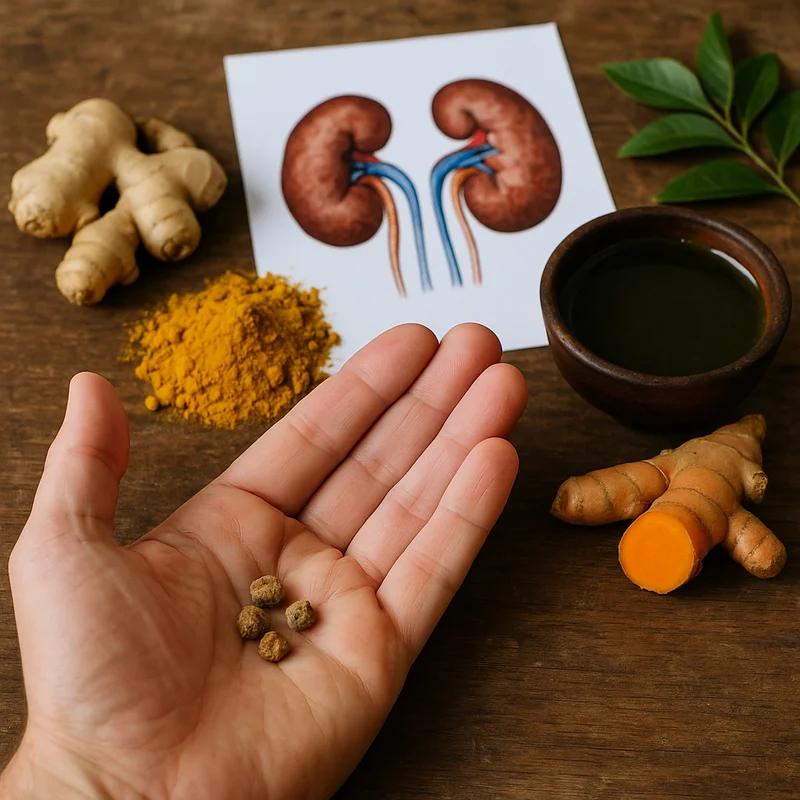
Kidney stones are more common than people think—and honestly, more confusing too. If you’ve ever asked yourself what causes kidney stones or felt that mysterious jab of pain and wondered if it's something serious, you’re not alone. Every year, millions of people pass these tiny yet terrible pebbles, and no, it doesn’t get any easier the second or third time around.
Now here’s where it gets interesting: modern medicine tends to zero in on mineral imbalances and dehydration. That’s fair. But Ayurveda—India’s ancient science of life—offers a deeper look. Not just at kidney stones symptoms, but at the subtle imbalances that cause them in the first place. It talks about energy systems, digestive fire (Agni), and the accumulation of toxins (Ama). And it gives us tools—herbs, foods, habits—that don’t just manage symptoms but actually support the body’s natural detox and healing processes.
So let’s slow down, take a breath, and look at this holistically. Because sometimes, answers come from ancient places.
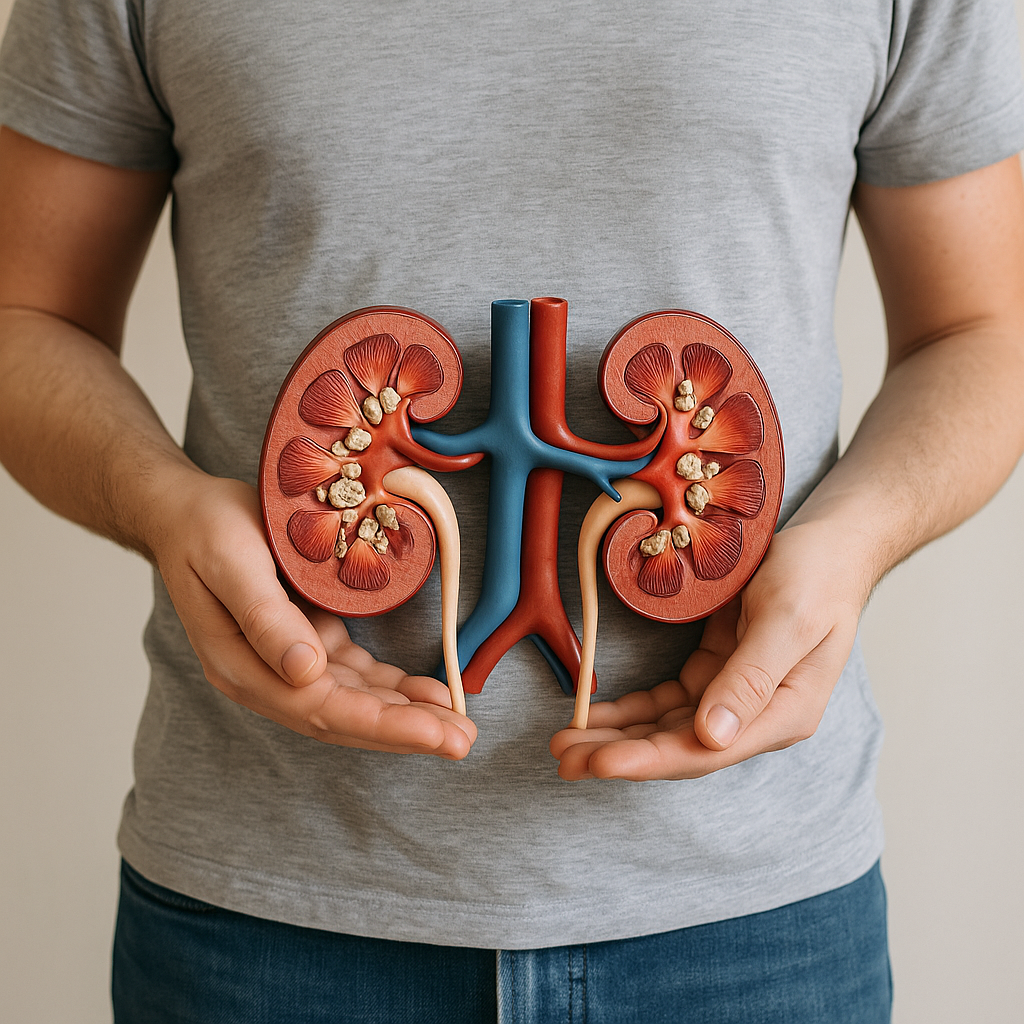
What Are Kidney Stones?
Kidney stones are hard mineral deposits that form in the kidneys and, if you’re unlucky, make their painful journey down the urinary tract. These stones can vary in size—from a grain of sand to a marble—and can cause intense pain, blood in the urine, nausea, or even a full-blown emergency room visit.
But wait, here’s something odd: some people discover kidney stones in the toilet, never even realizing they had them. Others get floored by the pain. That unpredictability? Maddening.
Most stones are made of calcium oxalate—hence the term calcium kidney stones—but there are other types too, including uric acid and struvite stones. And no, it’s not just about drinking too little water. There’s more to it. Much more.
What Causes Kidney Stones According to Ayurveda?
While Western medicine focuses on things like hydration, oxalate levels, and certain high-risk foods (what foods cause kidney stones—we’ll get to that), Ayurveda zooms out. It looks at the person as a whole: body, mind, diet, habits, and even emotions.
Let’s break down a couple of core Ayurvedic concepts.
Imbalance of Doshas and Agni
Ayurveda believes our body is governed by three doshas: Vata (air/space), Pitta (fire/water), and Kapha (earth/water). When these fall out of balance—due to poor diet, irregular routines, stress, or seasonal shifts—Agni (our digestive fire) weakens.
A weak Agni means food isn’t digested properly, leading to toxic buildup. In people with high Pitta, for instance, this might show up as overly acidic urine, contributing to the formation of stones. Those with Vata imbalance may experience dryness and spasms, making stone passage more painful.
Accumulation of Ama (Toxins)
This is where things get even more interesting. Ama is sticky, undigested waste that clogs the body’s systems. It’s formed when digestion is weak, food is incompatible (like mixing milk and salt), or you’re just eating on the go all the time.
Over time, this Ama can accumulate in the urinary tract, creating a ripe environment for stone formation. Think of it like mineral sludge building up in a pipe—eventually, something’s going to get stuck.
So when Ayurveda talks about what causes kidney stones, it’s not just about what you’re eating—it’s about how you’re living.
Common Signs and Symptoms of Kidney Stones
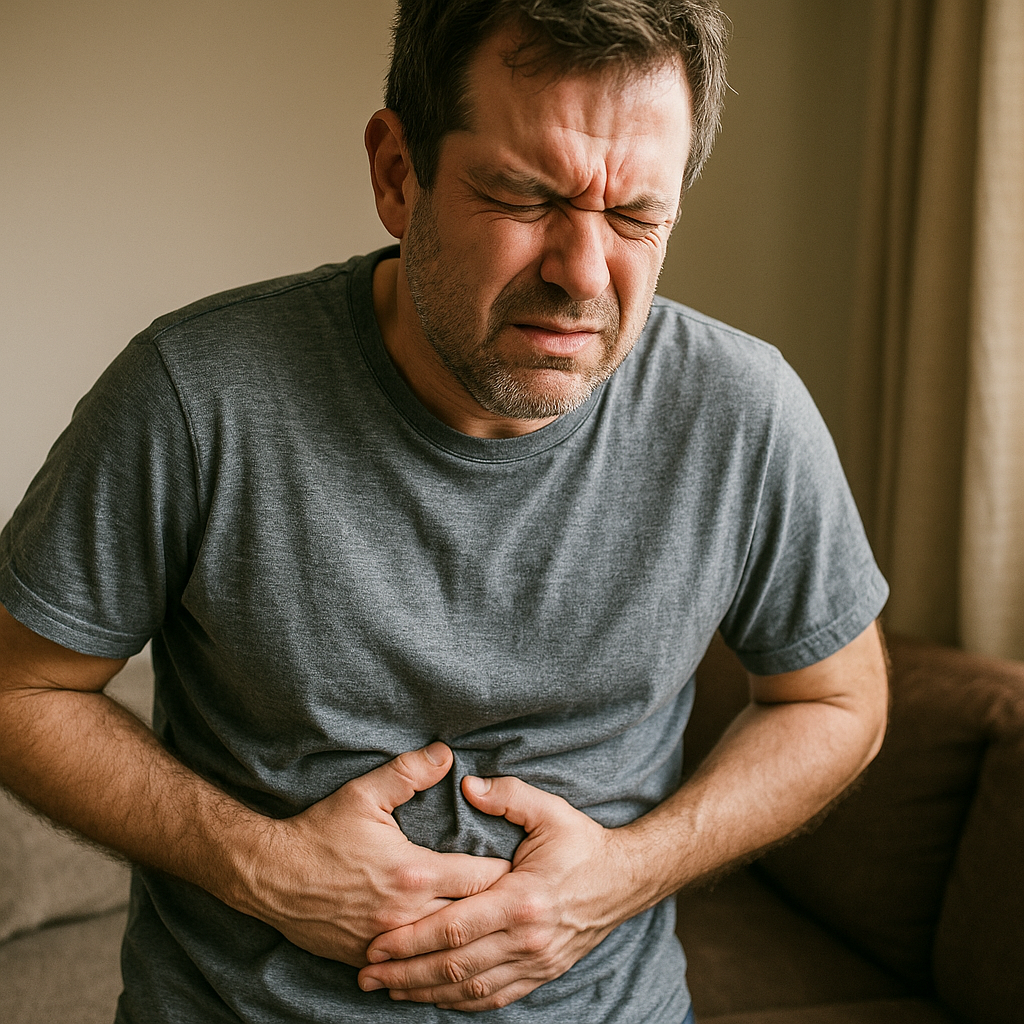
Let’s be honest: kidney stones aren’t exactly subtle. You don’t usually wake up one day and go, “Hmm, I might have a kidney stone.” It’s more like: you’re on the floor, gripping your side, wondering if this is what childbirth feels like.
Still, the symptoms can vary. Some people pass stones without even knowing. Others… well, they live through a waking nightmare.
So here’s what to look out for:
-
Severe pain in the back, side, or lower abdomen — this is the big one. It might come in waves, get worse, then disappear, then slam back again.
-
Burning or pain while urinating. Often mistaken for a UTI.
-
Blood in urine. You might see pink, red, or brown coloring.
-
Cloudy or foul-smelling pee. Not pleasant to talk about, but important.
-
Nausea or vomiting. Especially if the stone is causing a blockage.
-
And yes — sometimes people spot kidney stones in the toilet. Tiny, hard, gravel-like things. If you see one? Congrats... and ouch.
If you’ve had one before, chances are you’ll recognize the signs. If not, the “Is this normal?” panic is very real. Trust your gut—then talk to a pro.
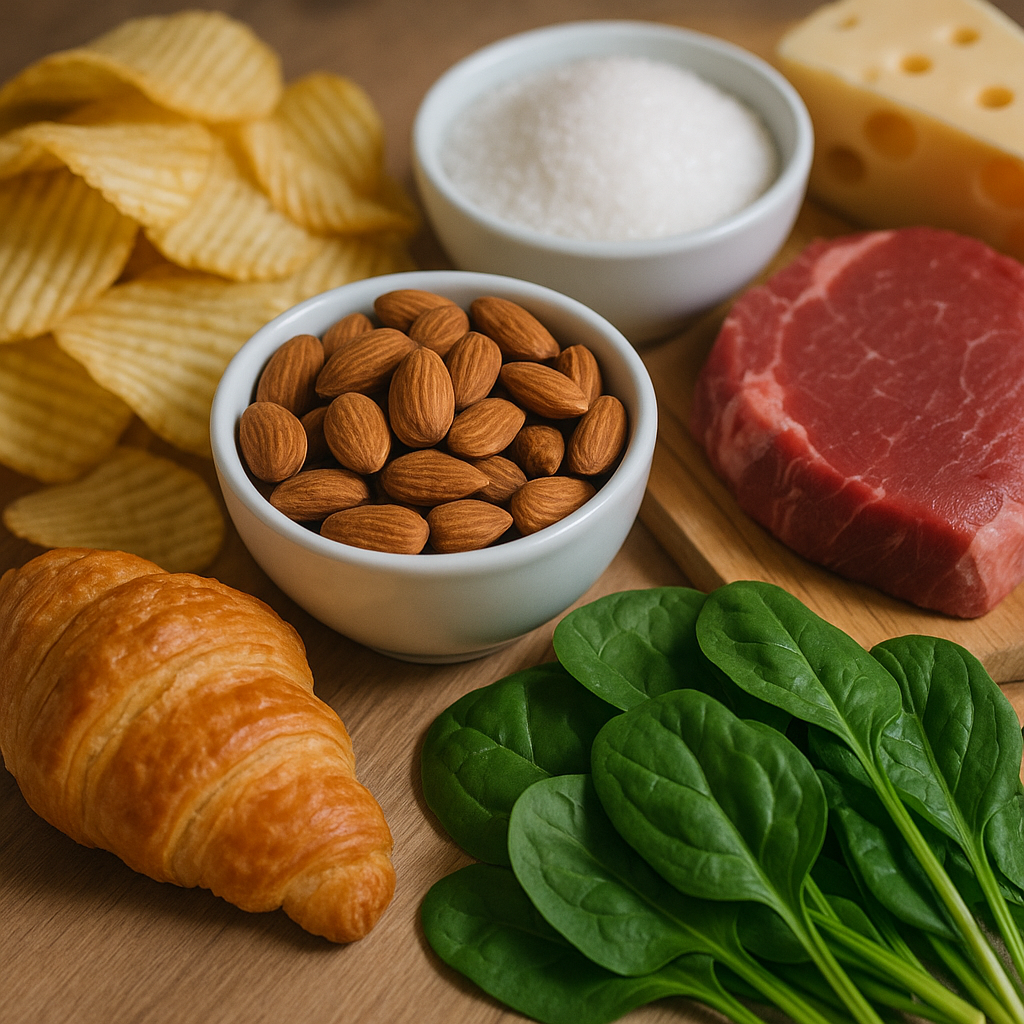
What Foods Cause Kidney Stones?
Ah, the food question. Everyone asks it—“what foods cause kidney stones?”—and the internet has about five million answers. The tricky thing? It's not just what you eat, but how your body digests it.
Still, certain foods are more likely to contribute to stone formation:
-
Oxalate-rich foods like spinach, beets, nuts, and chocolate (yep, unfortunately).
-
Too much salt, which increases calcium in urine.
-
High animal protein intake, which can increase uric acid stones.
-
Sugary sodas, especially colas. Total bad guys here.
Foods to Avoid Based on Dosha Type
This is where Ayurveda comes in with a little more nuance.
-
For Pitta types (prone to heat, inflammation, acidity): Avoid overly spicy, sour, or fermented foods. Tomatoes, vinegar, pickles? Maybe not your best friends.
-
For Vata types (dry, light, and cold by nature): Avoid raw, dry foods. Think more soups and stews than salads.
-
For Kapha types (heavier, more prone to mucus and sluggish digestion): Cut down on dairy, fried food, and anything too sweet.
It’s not one-size-fits-all. It’s more like: listen to your body, understand your dosha, and choose accordingly.
How to Prevent Kidney Stones Naturally
The best treatment is always prevention. And in Ayurveda, prevention isn’t a pill—it’s a rhythm. It’s waking, eating, moving, and resting in sync with nature.
Daily Habits and Ayurvedic Practices
-
Stay hydrated, but sip, don’t chug. Room temperature water with a squeeze of lime or a pinch of cumin can help.
-
Eat mindfully. Warm, fresh, home-cooked meals. Avoid leftovers, cold drinks, or eating on the run.
-
Oil massage (Abhyanga). Especially for Vata types—it keeps things flowing and supports elimination.
-
Herbal teas like coriander, fennel, and cumin (the CCF blend) are brilliant for kidney and digestive support.
These might seem small, but over time? Game changers.
Cleansing and Detox Methods (Panchakarma)
Panchakarma is Ayurveda’s crown jewel when it comes to deep detox. It’s not a juice fast. It’s a medically guided process—think of it like an oil change for your entire system.
For kidney health, therapies like Basti (medicated enemas) and Virechana (purging) help eliminate accumulated Ama and rebalance doshas.
But don’t DIY this. A qualified Ayurvedic practitioner will guide you safely, based on your constitution and current state of health.
स्वयं दवा न लें और प्रतीक्षा न करें। अभी डॉक्टर से चैट शुरू करें
Ayurvedic Treatment for Kidney Stones
Okay, so let’s say the pain’s already started. You’re past the prevention stage, and now it’s more about “What can I do to get this thing out of me?” That’s where Ayurvedic treatments shine—not just in symptom management, but in supporting the body to gently expel the stone and restore balance.
Effective Herbs for Kidney Support
Some herbs have a long-standing reputation in Ayurveda for breaking down or flushing out stones. A few stars of the show:
-
Gokshura (Tribulus terrestris): A classic diuretic and kidney tonic. Known for supporting urinary flow and soothing inflammation.
-
Punarnava (Boerhavia diffusa): Great for water retention and swelling—helps detox without draining energy.
-
Varun (Crataeva nurvala): Traditionally used to dissolve and expel kidney stones. Think of it as the herbal “stone crusher.”
-
Pashanbheda: Its name literally means “stone-breaking”—how’s that for direct branding?
These herbs are often taken as part of a personalized formulation—powders, decoctions, or tablets—depending on the severity and the person’s constitution.
Role of Diet, Oils, and Lifestyle Changes
No herb can outwork a bad routine.
-
Diet: Stick to warm, light, dosha-pacifying meals. Avoid excess protein, heavy oils, and processed food. Think: rice gruel, khichdi, steamed veggies, light herbal broths.
-
Oils: Internal oleation with ghee (under supervision) can help soften and dislodge stones. External massage with dosha-specific oils supports circulation and detox.
-
Sleep and stress: Ignored too often. Poor sleep weakens Agni. Chronic stress dries out Vata. It all adds up.
Kidney Stones: When to Seek Medical Help
Let’s be clear: Ayurveda is powerful, but it’s not a substitute for emergency care. There’s a time for herbs, and a time for hospitals.
Seek medical attention immediately if:
-
You have intense, unrelenting pain
-
You can’t pass urine
-
You see significant blood in urine
-
You’re experiencing fever or chills (possible infection)
-
You’ve passed a stone but the pain continues (you might have more)
Ayurveda and allopathy can work hand-in-hand. Sometimes, a scan and some pain relief are exactly what you need—no shame in that.
Conclusion
Understanding what causes kidney stones isn’t just about cutting spinach or guzzling water. It’s deeper. Ayurveda teaches us that stones form when digestion weakens, toxins build up, and energy becomes imbalanced. That means healing is possible—when we shift how we eat, move, breathe, and even think.
So yes, kidney stones are brutal. But they’re also a message. From your body, asking for attention.
If this is something you’re dealing with—or want to avoid—start tuning in. Sip warm water. Cook your food. Breathe slower. And when in doubt, reach out to a trained Ayurvedic practitioner for real, tailored guidance.
FAQs
What triggers a kidney stone to move?
Often, dehydration, physical activity, or changes in posture can jostle a stone. Sometimes they move on their own—no warning, just pain.
What not to drink when you have kidney stones?
Avoid sodas (especially colas), energy drinks, and excessive caffeine. They can worsen stone formation or irritate the urinary tract.
Will I know when I pee out a kidney stone?
Probably. You might feel a burning sensation or see a small, gritty piece in the toilet. But not always—it depends on size and location.
How can I know if I have kidney stones without a scan?
Recurring flank pain, painful urination, and blood in the urine are all strong signs. But only imaging can confirm it for sure. Ayurveda can suggest likely patterns—but for a full picture, medical testing helps.
उपयोगकर्ताओं के प्रश्न
What lifestyle habits should I change to reduce my risk of developing kidney stones?
Yvonne
5 दिनों पहले
To reduce your risk of kidney stones, it's key to pay attention to both diet and daily habits. Stay hydrated—drink plenty of water to keep things flowing! Limit foods high in oxalate like beets & spinach, especially for Vata types—avoid raw, dry foods. Keep your sleep consistent to support Agni (your digestive fire). Balancing doshas helps maintain kidney health too.
What is Ama and how does it affect kidney health in Ayurveda?
Vanessa
15 दिनों पहले
Ama in Ayurveda refers to toxic, undigested material in the body. Think of it as gunk that clogs up your systems. For kidneys, it can lead to imbalances and affect urinary function, potentially aiding stone formation. This is why cleansing practices like basti or virechana are used to remove ama and support kidney health, but it's always best to consult a professional before beginning any treatment.
What are the main causes of kidney stones and how can I avoid them?
Kayden
24 दिनों पहले
Kidney stones can form due to various reasons like dehydration, high oxalate foods, or an imbalanced diet. To avoid them, stay hydrated, balance your diet, and include herbs like Punarnava and Varun, which help manage them Ayurvedically. Pay attention to your body's signals and adjust lifestyle to maintain harmony in your doshas.
What is the best way for Vata types to maintain hydration according to Ayurveda?
Kendall
33 दिनों पहले
Drinking warm water throughout the day is a great start for Vata types. Adding a squeeze of lime or a pinch of cumin can be beneficial too. Avoid raw and dry foods, and focus on warm, cooked meals to keep hydrated. Soups and stews are awesome because they're hydrating and warming. Give it a try!
How can kidney stones affect my overall health and wellness?
Violet
42 दिनों पहले
Kidney stones can affect your health by causing pain and discomfort, especially if you have a Vata imbalance. They can also lead to more serious issues if not managed, like infections or kidney damage. Ayurveda sees it as a mix of lifestyle, diet and toxin build-up (Ama), so imbalances in doshas or digestion can also play a role. Staying hydrated and having a balanced diet can help in managing them effectively.
What is Panchakarma and how does it help with detoxing the body?
Sofia
52 दिनों पहले
Panchakarma is basically like a deep clean for your body, getting rid of those pesky toxins or "ama". It's a thorough detox process in Ayurveda, involving things like therapeutic vomiting, enemas, and special massages. All these treatments aim to reset your body's balance, improve digestion (that agni), and boost overall health. It's kinda like a cleanse for your soul and body! But be sure to consult someone trained in ayurveda if you're thinking of giving it a go.
How to use lime and cumin water to help with kidney stones?
Vincent
62 दिनों पहले
To help with kidney stones, try drinking room temp water mixed with a squeeze of lime or a pinch of cumin. Lime can alkalize urine, aiding in dissolving stones, while cumin supports digestion. Use these in moderation and consistently. But hey, don’t forget to consult with a doctor.
What is the role of hydration in preventing kidney stones according to Ayurveda?
Audrey
71 दिनों पहले
In Ayurveda, staying hydrated helps maintain balance, preventing kidney stones by flushing out toxins, especially for people with high Pitta dosha. Hydration dilutes urine, reducing acidity, a common issue with high Pitta, and can prevent crystals from forming into stones. Try sipping warm water regularly — that's the ayurvedic way! Remember, balance is key.
Is it safe to drink herbal teas when trying to prevent kidney stones?
Tiffany
81 दिनों पहले
Yeah, herbal teas can be ok, but it really depends on the herbs. Some, like dandelion or horsetail, could support kidney health, but others might not be as friendly if you're prone to stones. It’s good to chat with an Ayurvedic practitioner to find what's best for your body type and needs. Remember, everything in balance!
Is it safe to try home remedies for kidney stones before seeing a doctor?
Theodore
91 दिनों पहले
It's okay to try some home remedies, like sipping warm water or adjusting your diet, as these might help support your system. But since kidney stones can be serious, it's best to consult a doctor soon, especially if you're having intense pain or other symptoms. Ayurveda can be great, but it's not a swap for medical attention when needed.
संबंधित आलेख
Endocrinological Disorders
Ayurvedic Medicine for Hyperthyroidism: A Real Look at Natural Healing
Hyperthyroidism. Honestly, it’s one of those medical conditions that sounds more complicated than it feels—until you're the one dealing with it. Your body is buzzing, you're sweating when it's chilly, your heart races over nothing, and that weight you kee
3,121

Endocrinological Disorders
Vasant Kusumakar Ras – Benefits, Dosage, Ingredients, Side Effects
Exploration of Vasant Kusumakar Ras – Benefits, Dosage, Ingredients, Side Effects
3,913

Endocrinological Disorders
Which Juice Is Good for Liver: Detox, Healing, and Ayurvedic View
Which juice is good for liver health? Learn the best juices for liver detox, problems, and overall wellness. Discover fruit juices and Ayurvedic tips
6,947

Endocrinological Disorders
What Causes a UTI?
What causes a UTI? Learn the top 10 causes of urinary tract infection, why women are more affected, and Ayurvedic remedies for UTI relief and prevention
2,547

Endocrinological Disorders
Hormonal Imbalance Treatment in Ayurveda
Hormonal imbalances can cast a far-reaching shadow over one’s overall well-being, affecting mood, energy levels, metabolism, and even reproductive health.
3,220
Endocrinological Disorders
Endocrine System
In the human physical body, the endocrine system plays a major role in the healthy body’s daily life.
2,906

Endocrinological Disorders
How to Prevent Kidney Stones: Ayurvedic Practices, Diet, and Lifestyle Tips
How to prevent kidney stones? Explore Ayurvedic diet tips, foods to avoid, natural remedies, and supplements that help prevent kidney stone formation and recurrence
2,322

Endocrinological Disorders
Hyperthyroidism Ayurveda: What You’ve Probably Overlooked About Your Overactive Thyroid
Hyperthyroidism — simply put — is when your thyroid gland (a tiny butterfly-shaped thing in your neck) starts producing way more hormones than your body actually needs. It’s like your internal thermostat is stuck on “overheat.” But while conventional medi
2,080

Endocrinological Disorders
Liv 52 Syrup or Tablet: Which Is Better for Liver Support?
Liv 52 syrup or tablet — which is better? Explore the uses, benefits, side effects, and differences between Liv 52 syrup vs tablet for liver care in Ayurveda
24,324
विषय से संबंधित परामर्श
अतिरिक्त दस्तावेज़
© 2024 Ask Ayurveda. सर्वाधिकार सुरक्षित।